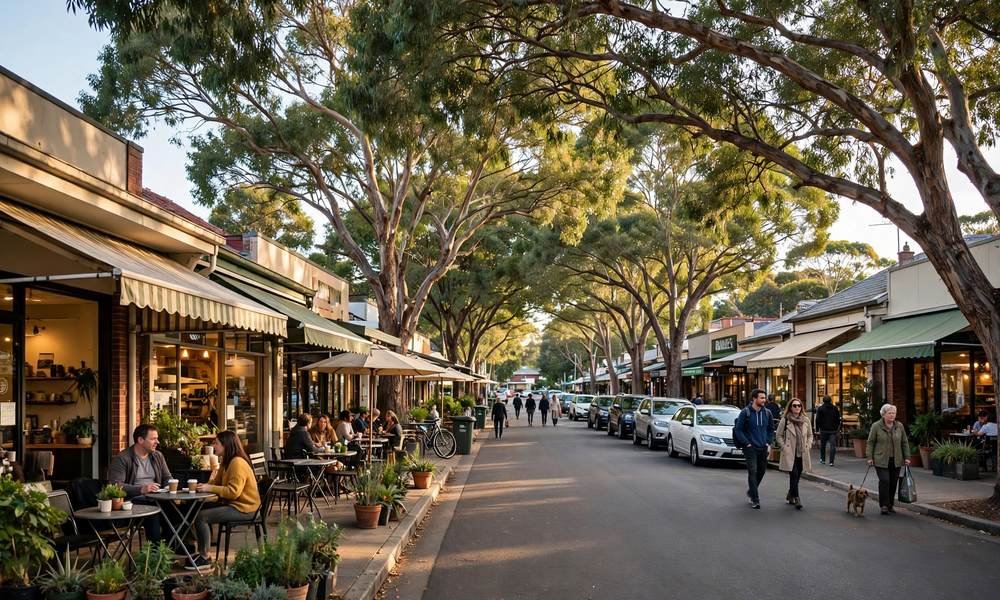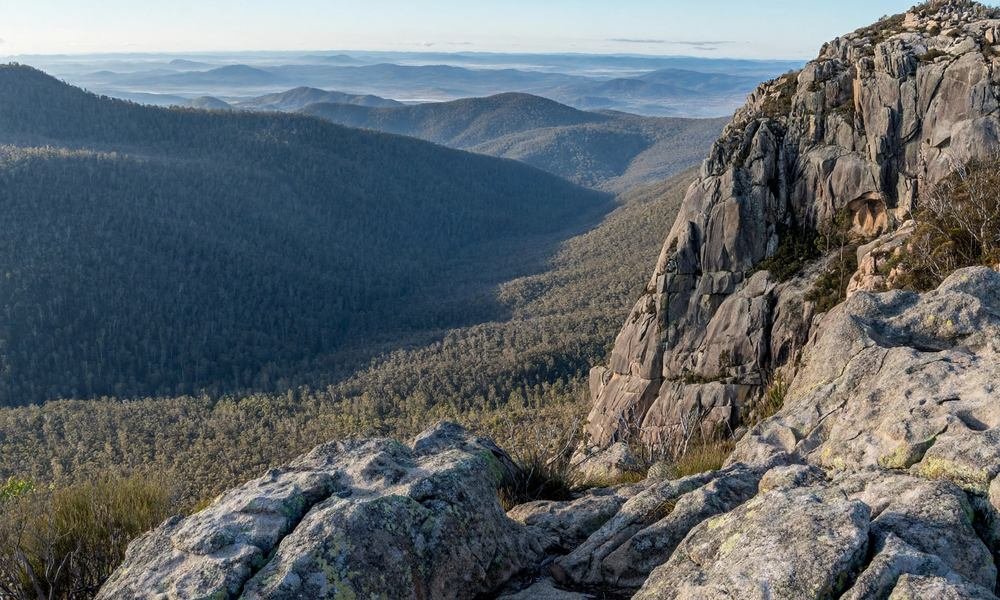

Canberra is one of the best cities in Australia for day trips. Within an hour of the city you can spot koalas and kangaroos, hike alpine national parks and taste cool-climate wines. Drive a little further and you will reach the ski slopes of the Snowy Mountains or the white-sand beaches of Jervis Bay. No wonder locals call their home the Bush Capital. If you are planning a visit, our Australia City Guide to things to do in Canberra is a handy base, but this guide covers everything beyond the city limits: the 16 best day trips from Canberra, grouped by drive time, with distances, highlights, best seasons and practical tips for each one.
Day Trips Within an Hour of Canberra
These are the easy ones. Leave after breakfast and you will still be back in the city for dinner. They are perfect for families, short stays and anyone who wants maximum exploring with minimum driving.
Tidbinbilla Nature Reserve
Distance: 48 km southwest | Drive time: about 45 minutes
Tidbinbilla is the wildlife day trip every Canberra local recommends first, and for good reason. This 54 square kilometre reserve sits in the foothills of the Australian Alps and gives you the best chance anywhere near the capital to see kangaroos, koalas, emus and the famously shy platypus, all in their natural habitat.
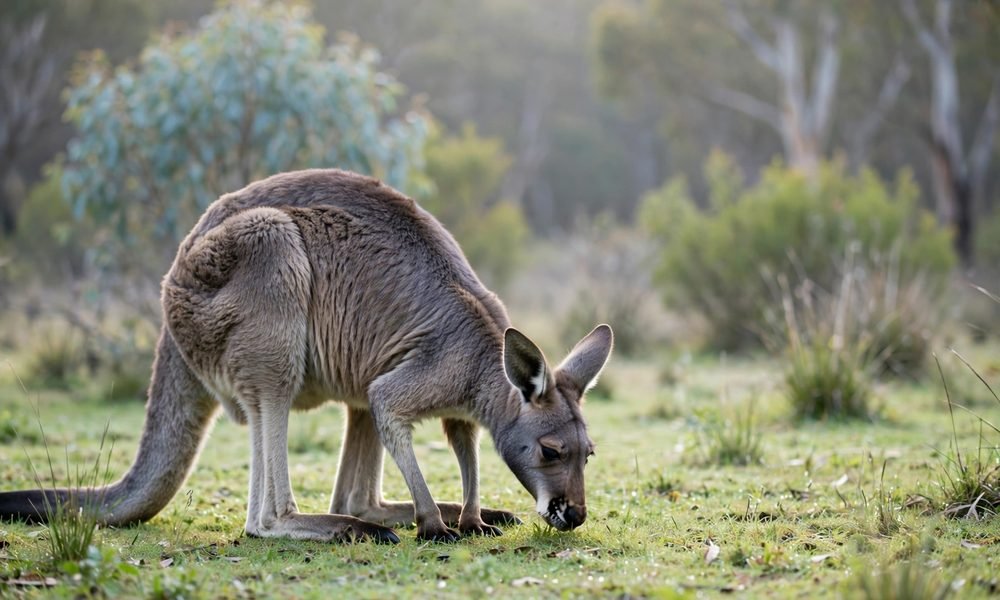
Start at the Sanctuary, a wetlands area with a raised boardwalk where platypus sightings are common in the early morning. The Koala Path leads to a eucalypt forest enclosure where you can spot koalas snoozing in the trees. More than 20 marked walking tracks range from easy strolls to the challenging 8 km return hike up Gibraltar Peak, which rewards you with sweeping views over the reserve.
Don’t skip the Birrigai Time Trail, a walk from the visitor centre to the Birrigai rock shelter, where the Ngunnawal people camped during the last ice age, more than 20,000 years ago. The visitor centre also runs ranger-guided activities and school holiday programs, and there are free BBQs, picnic shelters and a nature discovery playground, so it works brilliantly as a family day out. Entry is per vehicle, so check the current fee and book online before you go.
Best time to visit: year round. Mornings are best for wildlife. Good for: families, wildlife lovers, photographers.
Canberra Deep Space Communication Complex
Distance: 55 km southwest (8 km past Tidbinbilla) | Drive time: about 55 minutes
Pair this one with Tidbinbilla for a full day. The Deep Space Communication Complex is one of only three NASA Deep Space Network stations in the world, and it is the only one in the Southern Hemisphere you can visit. Its giant 70-metre dish rising above the bush is a sight you will not forget in a hurry.
The free visitor centre explains how Canberra talks to spacecraft billions of kilometres away, with exhibits on current missions, the science of space communication and the history of the site, including its role in the Apollo program. It is a quieter, more thoughtful stop than Tidbinbilla, and kids who are going through a space phase will love it.
Best time to visit: year round. Good for: families, space fans, anyone combining it with Tidbinbilla.
Namadgi National Park
Distance: 40 to 80 km southwest | Drive time: 40 minutes to 1.5 hours depending on entry point
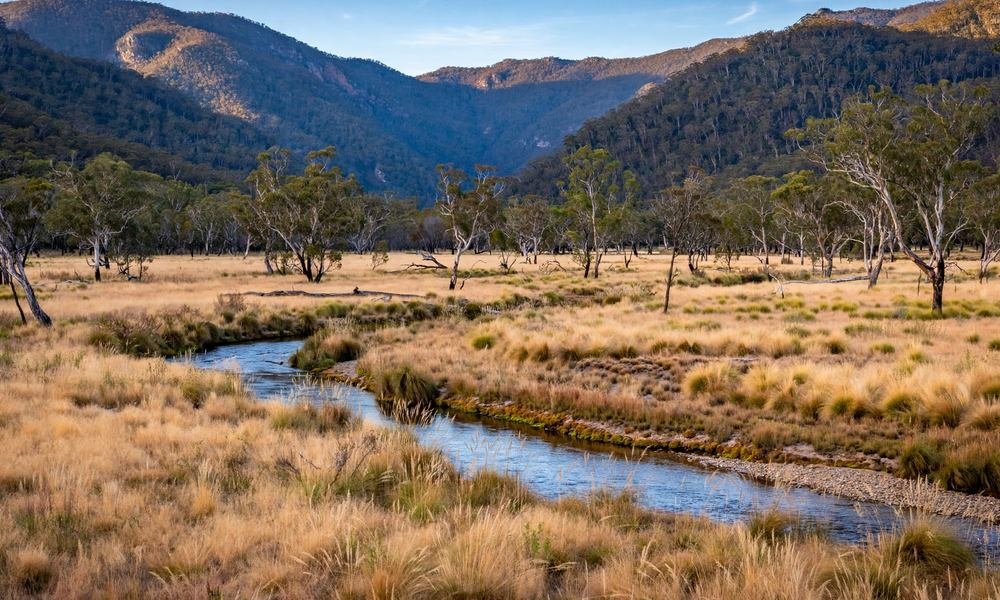
Namadgi covers nearly half of the Australian Capital Territory, about 106,000 hectares of alpine and sub-alpine wilderness at the northern end of the Australian Alps. It is the wildest country within easy reach of the city, home to 15 endangered species and hundreds of native plant species.
The most popular day hike is Booroomba Rocks, a short but steep 4 km return walk to an exposed granite cliff with a huge view over the park. For Aboriginal heritage, the 6 km return Yankee Hat trail leads to rock art painted by the Ngunnawal people, and the Settlers Route passes the stone homesteads of early European settlers. History buffs should also visit Honeysuckle Creek, where the tracking station that received the first TV images of Neil Armstrong walking on the Moon once stood.
On the western side of the park, the road to Mount Franklin passes the burnt-out ruins of Australia’s oldest club-built ski lodge, and the Bendora Arboretum has conifers planted for research in the early 1900s. There are more than 400 km of mountain bike trails for riders. Bring everything you need, because there are no shops once you leave the city, and check fire danger ratings in summer.
Best time to visit: spring for wildflowers, autumn for cool hiking weather, winter for snow-dusted peaks. Good for: hikers, mountain bikers, history lovers.
Cotter Precinct
Distance: 24 km west | Drive time: about 25 minutes
The Cotter is Canberra’s closest nature escape, sitting on the Murrumbidgee River just below the Cotter Dam. The Cotter Dam Discovery Trail is a short, easy walk with a suspension bridge and an observation deck looking up at the dam wall.
In summer this is the go-to spot for wild swimming. Cotter Bend and Casuarina Sands have sandy beaches, shallow water and gentle flow, which makes them ideal for families. There are free electric BBQs, sheltered picnic tables, playgrounds and grassy banks everywhere. The Lower Cotter Catchment has walking trails to hilltop lookouts if you want to stretch your legs first.
Best time to visit: summer for swimming, year round for picnics. Good for: families, swimmers, anyone wanting a lazy afternoon.
Bungendore
Distance: 40 km east | Drive time: about 35 minutes
Bungendore is a heritage-listed country town that makes an easy half-day trip. Its main street is lined with colonial buildings housing galleries, craft shops and cafes. The Wood Works Gallery is the standout, with fine wood art and contemporary furniture made by local artisans.
Visit in winter for truffle season, when Turalla Truffles runs truffle hunts with specially trained dogs. The town also has several wineries and good country pubs for lunch. It pairs well with a drive through to Braidwood if you want to make a full day of the tablelands towns.
Best time to visit: winter for truffles, autumn for colours. Good for: shoppers, food lovers, relaxed explorers.
Canberra District Wine Region
Distance: 30 to 45 km north | Drive time: 30 to 40 minutes
The cool climate around Canberra produces some of Australia’s best Shiraz, Riesling, Pinot Noir and Chardonnay. There are more than 140 vineyards and over 40 wineries within about 35 minutes of the city, clustered around Murrumbateman, Lake George and the Yass Valley.
Well-known cellar doors include Clonakilla, famous for its Shiraz Viognier, Eden Road Wines and Four Winds Vineyard near Murrumbateman. Many wineries have restaurants pairing local produce with their wines, and Poachers Pantry near Gundaroo is a lovely stop for a cheese platter in the gardens. The smartest way to do it is a small-group cellar door tour, so everyone can taste without worrying about driving.
Best time to visit: year round; vintage season in autumn is lively. Good for: couples, food and wine lovers, groups.
Googong Reservoir
Distance: 29 to 42 km southeast | Drive time: 35 to 50 minutes
Lake Burley Griffin gets all the attention in town, but for paddling in nature, locals head to Googong. The Northern Foreshore has boat launching for kayaks, canoes, sailing boats and boats with electric motors, plus walking trails to the dam wall lookout and a river gorge called the Cascades.
The Southern Foreshore is the pick for history and scenery, with the London Bridge Homestead and a natural limestone arch of the same name. A 19.7 km foreshore trail links the two areas and makes a solid full-day hike or half-day cycle. Pack lunch and a swimsuit, because this is one of the few places near Canberra where you can properly get on the water.
Best time to visit: spring to autumn for paddling. Good for: kayakers, cyclists, families.
Mount Stromlo and the Brindabella Ranges
Distance: 20 to 90 km west | Drive time: 25 minutes to 1.5 hours
Mount Stromlo is the closest summit to the city and a favourite for sunset. The observatory ruins, damaged in the 2003 bushfires, are a striking sight, and the visitor centre tells the story of Canberra’s space-age history. The surrounding Stromlo Forest Park has excellent mountain bike trails.
Further west, the Brindabella Ranges form the snowy backdrop you see from the city in winter. The drive up to Mount Coree, at 1,421 metres, is a proper adventure on unsealed roads, and the range is a playground for 4WD enthusiasts, with lookouts, camping spots like Flea Creek on the Goodradigbee River, and wildlife including wombats, gliders and lyrebirds. Only attempt the Brindabellas in a suitable vehicle and check road conditions first.
Best time to visit: year round for Stromlo; summer and autumn for the Brindabellas. Good for: sunset watchers, mountain bikers, 4WD owners.
Day Trips 1 to 2 Hours from Canberra
These need a full day and an early start, but the extra driving buys you historic gold-rush towns, limestone caves, the Southern Highlands and the gateway to the Snowies.
Braidwood
Distance: 90 km east | Drive time: about 1 hour
Braidwood is one of the prettiest heritage towns in New South Wales, with its whole main street listed for its colonial buildings. It is a mecca for antique and retro-collectable stores, and it has appeared as a film location for movies like Ned Kelly.
Grab a pie at the famous Braidwood Bakery, browse the antique shops, then have a pint at the historic Braidwood Hotel. On the drive back, stop at the biodynamic Lark Hill Winery for lunch, or join a winter truffle hunt at a local farm. Visit in autumn when the deciduous trees turn gold and red.
Best time to visit: autumn for colours, winter for truffles. Good for: history lovers, shoppers, photographers.
Gundaroo
Distance: 40 km north | Drive time: about 30 minutes
Gundaroo is a tiny gold-rush era village that punches above its weight for food. The 144-year-old Gundaroo Inn serves a proper country pub lunch, and Grazing, in a restored former pub, is one of the region’s best restaurants.
Use Gundaroo as the start or finish of a wine-region loop: head out via Murrumbateman Road, stopping at Eden Road Wines and Four Winds Vineyard, and finish with a cheese platter at Poachers Pantry. It is a short drive, so it works as a lazy lunch trip rather than a full day.
Best time to visit: year round. Good for: food lovers, couples, wine tasters.
Goulburn
Distance: 90 km northeast | Drive time: about 1 hour
Goulburn was Australia’s first inland city, and its colonial architecture is remarkably well preserved. The star attraction is the Big Merino, a 15-metre-tall concrete sheep you can climb inside for views over the wool-growing district.
The Goulburn Rail Heritage Centre has working steam locomotives, and the Historic Waterworks Museum shows Australia’s only complete steam-powered municipal water supply in its original location. St Saviour’s Cathedral and Belmore Park round out a pleasant town walk.
Best time to visit: year round. Good for: families, history buffs, Big Thing collectors.
Yass and Lake Burrinjuck
Distance: 58 to 116 km northwest | Drive time: 1 to 1.5 hours
Yass is a handsome heritage town with one claim to fame: Cooma Cottage, the former home of Hamilton Hume, the explorer who helped find the overland route between Sydney and Melbourne. You can walk part of the original Hume and Hovell trail nearby.
Continue 40 minutes west to Lake Burrinjuck, a big inland lake made for water sports. Swimming, kayaking, boating and jet skiing are all on, and the foreshores have picnic and BBQ areas. Access to the water is through the caravan park, where a small day-use fee applies.
Best time to visit: summer for the lake. Good for: history lovers, boaties, families.
Wee Jasper
Distance: 84 km northwest | Drive time: about 1 hour 15 minutes
Wee Jasper is a secluded valley at the southern tip of Lake Burrinjuck, and it feels a world away from the city. The headline attraction is Careys Cave, a 400-million-year-old limestone cave with stalactites and stalagmites formed from ancient coral reefs. Tours are guided and well worth the entry fee.
The surrounding reserves have creeks, waterfalls and walking trails, plus some of the darkest skies near Canberra for stargazing. The last stretch of road is unsealed, so drive to the conditions.
Best time to visit: year round. Good for: couples, cavers, stargazers.
Bowral and the Southern Highlands
Distance: 120 km northeast | Drive time: about 1.5 hours
The Southern Highlands are Canberra’s answer to a European countryside escape: rolling green hills, historic villages and cool-climate gardens. Bowral is the main town, famous for the Tulip Time Festival each spring, when Corbett Gardens bursts into colour, and for the Bradman Museum, honouring cricket legend Sir Donald Bradman, who grew up here.
Wander the antique shops and boutiques of Bowral, Berrima and Moss Vale, visit the Southern Highlands Botanic Gardens, and stop at a cellar door on the way home. The Highlands also have good bushwalking in their national parks and reserves.
Best time to visit: spring for Tulip Time, autumn for foliage. Good for: garden lovers, cricket fans, shoppers.
Kangaroo Valley
Distance: 160 km northeast | Drive time: about 2 hours
Kangaroo Valley is a lush green valley wrapped in mountains, with the Kangaroo River running through it. It is made for slow days: kayaking or canoeing on the river, walking the village main street with its cafes and craft shops, and crossing the Hampden Bridge, Australia’s oldest suspension bridge still in use.
Nearby Fitzroy Falls drops 81 metres over the escarpment and is an easy add-on. The Pioneer Village Museum tells the story of the valley’s 19th-century settlers. Stop at a farm gate for local produce and dairy on the way through.
Best time to visit: spring and autumn. Good for: nature lovers, paddlers, photographers.
Cooma
Distance: 117 km south | Drive time: about 1.5 hours
Cooma is the gateway town to the Snowy Mountains and worth a stop in its own right. The Snowy Hydro Discovery Centre tells the story of the Snowy Mountains Scheme, the huge post-war engineering project built by workers from more than 30 countries, which shaped modern multicultural Australia.
The quirky Crime Through Time Museum is run with the help of minimum-security inmates from the local correctional centre and has genuine gaol memorabilia. Nanny Goat Hill lookout gives views over the town, and Mount Gladstone has a mountain bike park. In winter, Cooma is the last proper town before the snowfields, so fuel up and grab supplies here.
Best time to visit: year round. Good for: history lovers, snow travellers stocking up.
Wadbilliga National Park
Distance: 158 km south | Drive time: about 2 hours
Wadbilliga is the wild card on this list: a rugged, remote-feeling national park between Cooma and the coast. The short Cascades Walking Track leads to a lookout over the Tuross River tumbling into a rock pool that makes a beautiful wild swimming hole in summer.
The longer Tuross Falls track climbs to a platform above a 190-metre waterfall. If you have a 4WD, the 35 km off-road route through the park crosses rainforest, heathland and river valleys. This is a proper adventure trip, so carry water, food and a full tank of fuel.
Best time to visit: spring and summer. Good for: hikers, 4WD owners, wild swimmers.
Day Trips 2 to 3 Hours from Canberra
These are the big ones: snow, surf and serious road-tripping. Leave early, plan your fuel stops, and you will be home by dark with a full camera roll.
Snowy Mountains and Kosciuszko National Park
Distance: 180 to 220 km south | Drive time: 2.5 to 3 hours
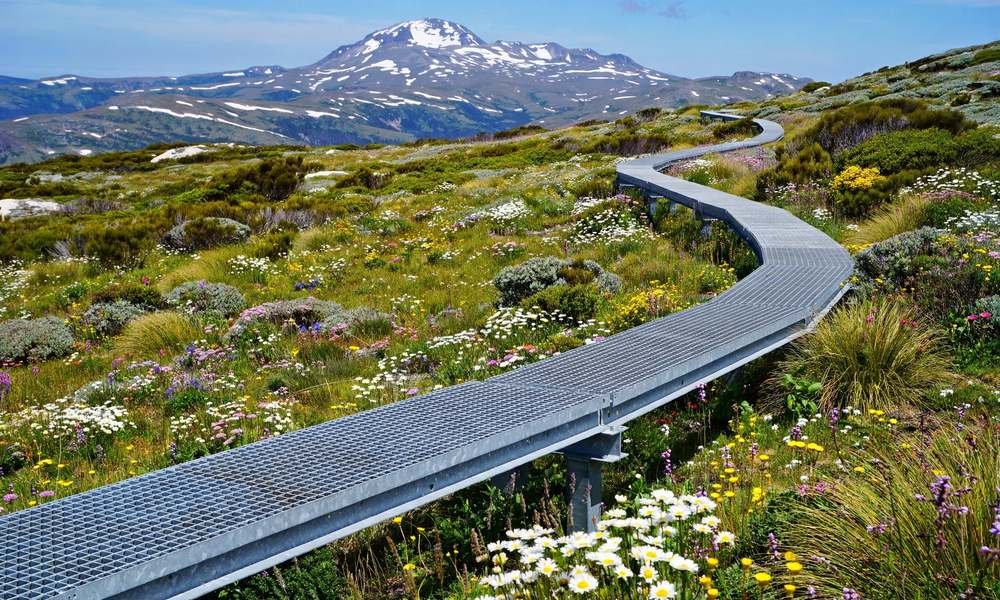
The Snowies are the reason many people visit Canberra in winter. Within three hours of the city you can be skiing at Thredbo or Perisher, or in summer, hiking to the top of Mount Kosciuszko, Australia’s highest peak at 2,228 metres. Very few capital cities in the world offer snow and surf within the same day-trip radius.
Winter: Ski Resorts
The ski season generally runs from June to October, with the best snow in July and August. Perisher is the biggest resort in the Southern Hemisphere, while Thredbo has the longest runs and a lively village with restaurants and bars. Both suit beginners, with lessons and gear hire available, but book lift passes and lessons ahead in peak season. Drive via Cooma and Jindabyne, carry snow chains when required, and check road conditions, because alpine weather changes fast.
Summer: Hiking and Mountain Biking
From November to April the snow melts and the Snowies become a hiker’s paradise. The Mount Kosciuszko summit walk is a 13 km return track from Thredbo (or a shorter option from Charlotte Pass) with wildflower meadows in summer. There is also excellent mountain biking, fishing and kayaking on Lake Jindabyne.
Yarrangobilly Caves and Jindabyne
On the way, detour to Yarrangobilly Caves in the northern end of Kosciuszko National Park. The guided cave tours are impressive, and the thermal pool, fed by a natural spring at a constant 27 degrees, is perfect for a swim after a walk. Jindabyne, on the lake of the same name, is the main service town, with the Wild Brumby Distillery just outside town for a tasting on the way home. Note that Kosciuszko National Park charges a vehicle entry fee.
Best time to visit: June to October for snow, November to April for hiking. Good for: skiers, hikers, families.
Jervis Bay and Huskisson
Distance: 200 km east | Drive time: about 2.5 hours
Jervis Bay has some of the whitest sand in the world, and it is an easy day trip from Canberra. Hyams Beach is the famous one, but Murrays Beach in Booderee National Park is just as beautiful and usually quieter. The bay’s calm, clear water is ideal for swimming, snorkelling and stand-up paddleboarding.
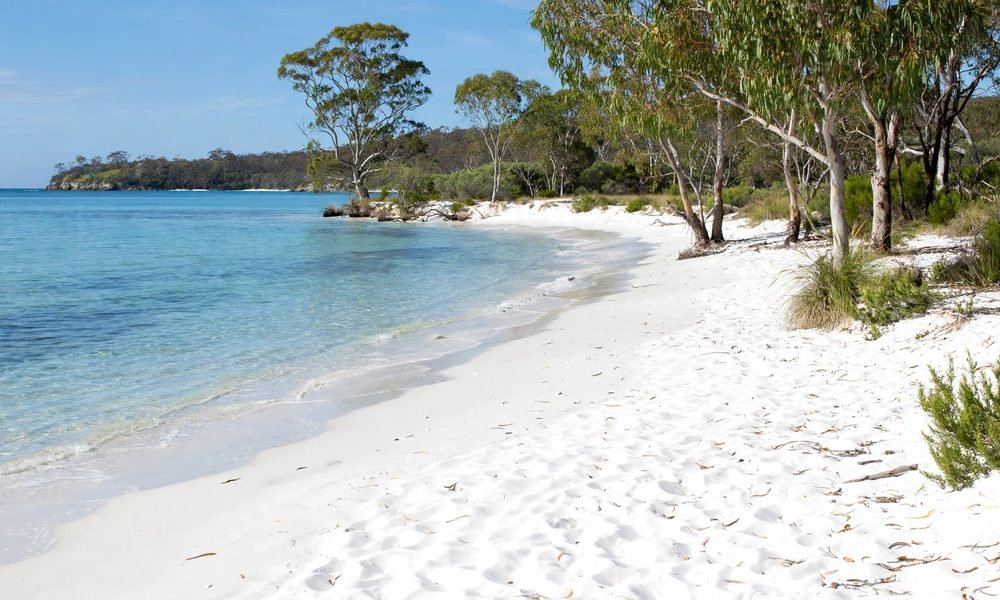
Dolphins live in the bay year round, and a morning dolphin cruise is one of the best wildlife experiences on the coast. The town of Huskisson has cafes, vintage shops and a relaxed holiday feel. Stop at the Loaded Dog Hotel in Tarago for a classic country pub lunch on the way over, and return via Booderee National Park for a walk on Murrays Beach at sunset.
Best time to visit: summer for swimming; September to November for whale watching. Good for: beach lovers, families, couples.
Batemans Bay and the South Coast
Distance: 150 km east | Drive time: about 2 hours
Batemans Bay is the closest proper beach town to Canberra and a local institution for weekend escapes. The Clyde River meets the sea here, so you get beaches, estuary kayaking and fishing in one spot. The town is known for fresh seafood, especially oysters.
Nearby Murramarang National Park has some of the prettiest coastal walks in the region, with kangaroos often grazing near the beaches at Pebbly Beach. Further south, Narooma is the departure point for Montague Island, where you can snorkel with a resident seal colony, and in whale season the historic Tathra Wharf is a free lookout for migrating humpbacks.
Best time to visit: summer for beaches; September to November for whales. Good for: families, seafood lovers, road trippers.
Cowra
Distance: 200 km northwest | Drive time: about 2.5 hours
Cowra is a longer drive, but it offers something no other day trip on this list does: a moving piece of wartime history. The Cowra POW camp was the site of the largest prisoner-of-war breakout of World War II, and the town’s Japanese Garden and Cultural Centre, built as a gesture of reconciliation, is one of the most peaceful places in regional New South Wales.
The POW camp ruins, the war cemetery and the garden make a thoughtful full-day visit. It is a very different kind of day trip, and a rewarding one.
Best time to visit: spring and autumn. Good for: history lovers, reflective travellers.
When to Go: The Best Season for Each Day Trip
Canberra’s day trips change completely with the seasons, so timing matters. Snow falls in the Snowy Mountains from June to October, with July and August the most reliable months. The Tulip Time Festival in Bowral runs through spring, usually September and October, and the Southern Highlands gardens are at their best then too.
Whale watching season on the South Coast runs roughly from September to November, when humpbacks migrate south past Narooma, Tathra and Jervis Bay. Summer, from December to February, is beach season for Jervis Bay and Batemans Bay, and the best time for wild swimming at the Cotter and in Wadbilliga.
Autumn, from March to May, is many locals’ favourite season for day trips: the deciduous trees in Braidwood and the Southern Highlands turn gold, the hiking weather in Namadgi is perfect, and the summer crowds are gone. Winter truffle season in Bungendore and the wine region runs roughly June to August.
Getting Around: Do You Need a Car?
Honestly, yes. Almost every trip on this list needs a car. Public transport from Canberra reaches a few towns like Goulburn and Bowral by train, but the national parks, wine regions and beaches are only practical by road. If you are visiting without a car, hiring one for the day is straightforward, and our getting around Canberra guide covers your options in the city.
If driving is not an option, look for small-group day tours. Several operators run half-day tours to Tidbinbilla Nature Reserve from Canberra hotels, and wine region tours with a designated driver are easy to book. Snow shuttles run to the resorts in winter from Jindabyne and Cooma.
Two practical notes on costs. Most ACT destinations, including Namadgi, Tidbinbilla’s surrounds and the Cotter, are free or charge a small vehicle fee at Tidbinbilla itself. NSW national parks like Kosciuszko charge a daily vehicle entry fee, so factor that in for Snowy Mountains trips. Fuel up before long drives: there is no fuel in Namadgi, Wadbilliga or Wee Jasper.
How Many Days Do You Need?
With three days you can cover the highlights without rushing. A classic long weekend looks like this: day one, wildlife at Tidbinbilla plus the Deep Space Complex; day two, a food and wine loop through Gundaroo, Murrumbateman and Bungendore; day three, an early start for Jervis Bay or the Snowy Mountains, depending on the season.
With only one spare day, pick one trip and do it properly rather than squeezing in two. Tidbinbilla is the best all-rounder for a single day, the wine region is the most relaxing, and the Snowies are the most memorable. If you are staying in the city between trips, our where to stay in Canberra guide compares the best areas.
What to Pack for Canberra Day Trips
The right gear depends on the trip, but a few things apply almost everywhere. Bring more water than you think you need, especially for Namadgi, Kosciuszko and Wadbilliga, where there is no drinking water on the tracks. Sun protection is essential year round: the sun is strong even on cool days, and alpine UV is intense.
For hiking trips, wear proper walking shoes, not sneakers, and carry a warm layer even in summer. Mountain weather can drop 10 degrees in an hour. For swimming trips, pack reef-safe sunscreen, a towel and water shoes for rocky entries. Download offline maps before you leave the city, because mobile coverage disappears in Namadgi, the Brindabellas and parts of Kosciuszko.
Day Trips with Kids
Tidbinbilla is the standout family day trip: short walks, guaranteed wildlife, playgrounds and BBQs. The Cotter Precinct is a close second for swimming and picnics with young kids. Goulburn’s Big Merino and rail museum are easy winners with children, and the Deep Space Complex fascinates school-age kids.
Older kids and teenagers will enjoy the Yarrangobilly thermal pool, kayaking at Googong or Kangaroo Valley, and dolphin cruises at Jervis Bay. Save the long alpine drives and remote 4WD tracks for when they are older and happier in the car.
Safety and Practical Tips for Canberra Day Trips
A few honest tips from a local. Never swim at the base of waterfalls: Gibraltar Falls has been closed since 2024 after serious accidents, and even where swimming is allowed, check conditions first. Drive carefully at dawn and dusk, when kangaroos are most active on country roads, and slow down through the national parks.
In the Snowies, check the alpine weather forecast the morning you leave, carry chains in winter when required, and tell someone your plans before remote hikes. In summer, check fire danger ratings before heading into Namadgi or the Brindabellas, and respect any park closures. Take all rubbish with you, keep a safe distance from wildlife, and never feed native animals.
FAQs About Day Trips from Canberra
What is the best day trip from Canberra?
For most visitors, Tidbinbilla Nature Reserve is the best all-round day trip: it is under an hour away, suits all ages and fitness levels, and guarantees Australian wildlife. For scenery, the Snowy Mountains win in winter and Jervis Bay wins in summer.
Can you do the Snowy Mountains as a day trip from Canberra?
Yes. It is about 2.5 hours each way to Thredbo or Perisher. Leave Canberra by 7 am, ski or sightsee for the day, and you will be back by evening. It makes for a long day, so consider staying overnight in Jindabyne if you want two days on the snow.
Is Jervis Bay or Batemans Bay closer to Canberra?
Batemans Bay is closer at about 2 hours, while Jervis Bay takes about 2.5 hours. Batemans Bay is the easier trip; Jervis Bay has the more spectacular beaches. Both are doable in a day.
Are Canberra’s national parks free to enter?
ACT parks like Namadgi are free to enter, and Tidbinbilla charges a small per-vehicle fee. NSW national parks, including Kosciuszko, charge a daily vehicle entry fee. Check the park websites for current prices before you go.
What is there to do near Canberra in winter besides skiing?
Plenty. Winter is truffle season in Bungendore and the wine region, the Southern Highlands are crisp and crowd-free, Braidwood’s pubs are at their cosiest, and Tidbinbilla and Namadgi are beautiful with snow-dusted peaks in the distance.
Final Thoughts: Make the Most of Canberra’s Backyard
Canberra might be Australia’s most underrated base for exploring. Few cities put alpine peaks, white-sand beaches, wine regions, limestone caves and gold-rush towns all within a three-hour drive. Whether you have one spare day or a full week, pick the trips that match the season, pack properly, and give yourself time to linger. For more ideas once you are back in town, see our free things to do in Canberra guide and the main Australia City Guide homepage for trip ideas across the country.