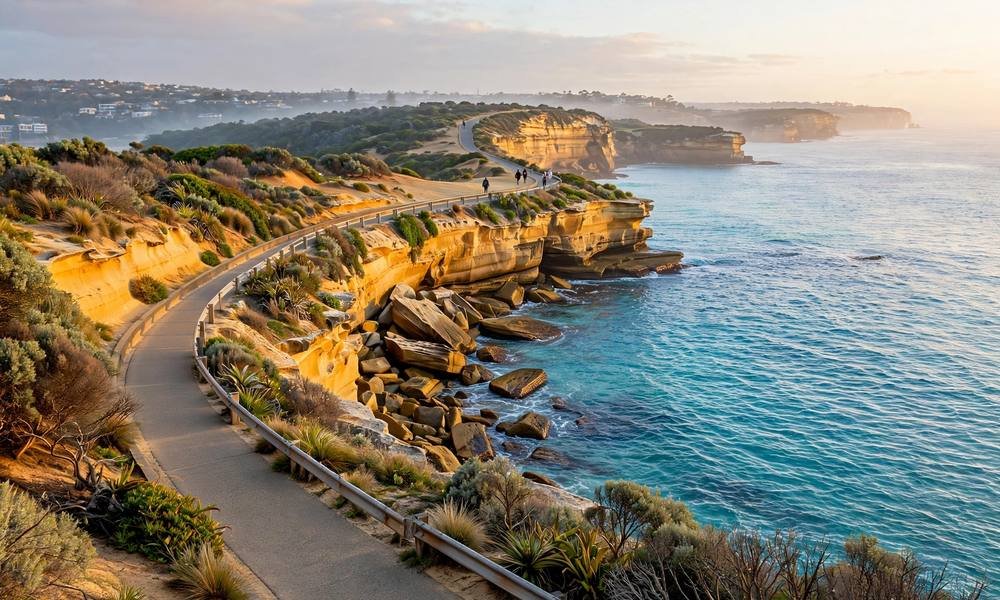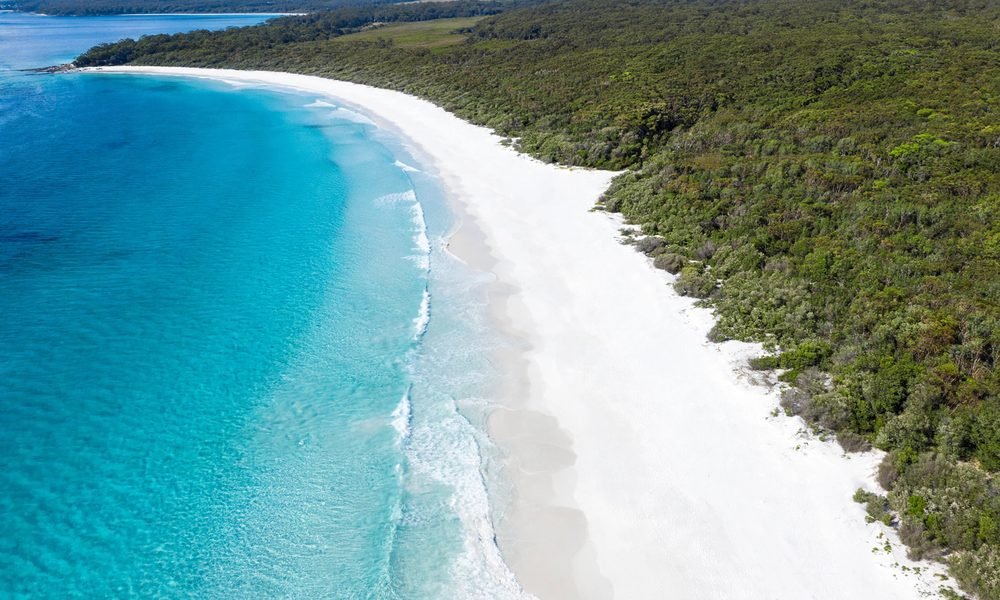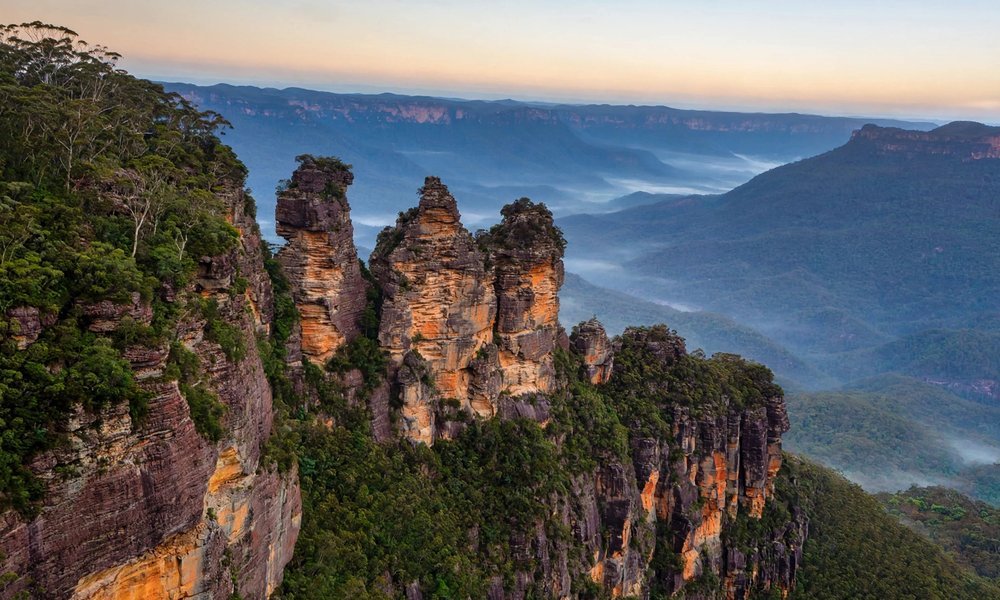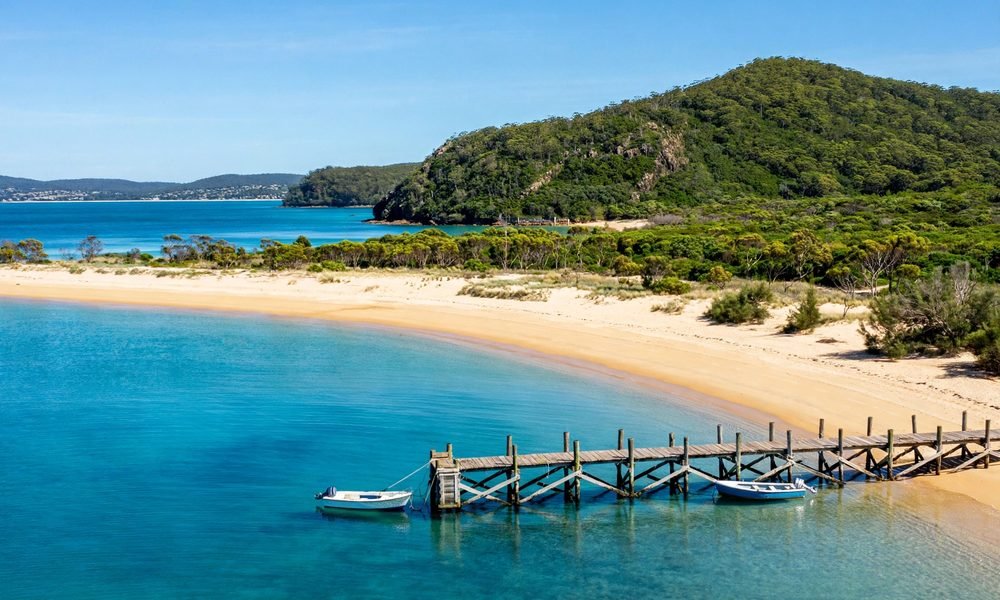

Port Stephens is a big, sheltered harbour on the New South Wales coast, roughly two and a half hours north of Sydney and about 45 minutes from Newcastle. It’s one of those places where the highlights don’t compete with each other: you can watch dolphins in the morning, slide down giant sand dunes in the afternoon, and climb a headland summit for a lookout view before dinner. The harbour draws the crowds, but the beaches, dunes, and walking tracks are just as good. This guide covers the headline experiences, the planning basics, and the practical stuff, so you can sort your trip in one read. And if Port Stephens is one stop on a bigger NSW run, Australia City Guide has the rest of the state mapped out too.
Dolphin and Whale Watching from Nelson Bay
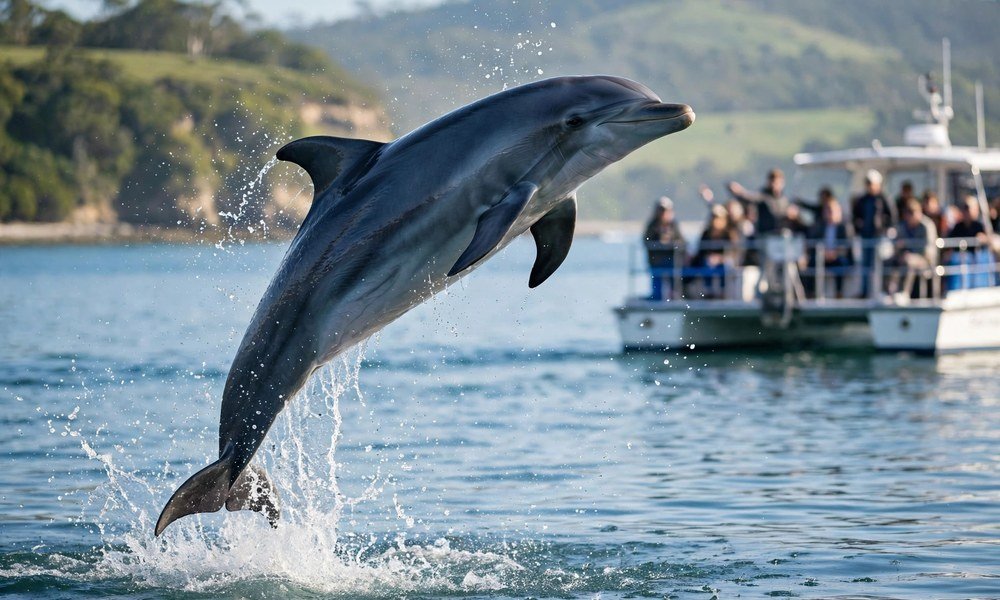
Marine life is the main event here. Most cruises leave from the marina at Nelson Bay and head out into the harbour, and the star attraction is the resident population of bottlenose dolphins. Around 150 of them live in the bay all year, which gives Port Stephens one of the highest dolphin sighting rates in the country. Most operators report rates above 95 percent, and some run a guarantee: if no dolphins show up, you cruise again for free.
Go for a morning cruise if you can. The water is usually calmer, and the dolphins tend to be active early in the day. A standard cruise runs about 90 minutes and includes commentary on the pod from the crew. It’s an easy trip for kids too, since the harbour is sheltered and the ride stays smooth.
Whale Watching Season (May to November)
From May to November, humpback whales pass along the coast on their yearly migration, and Port Stephens becomes a strong whale watching spot. The northbound run peaks in June and July, then the whales head back south with their calves in September and October, which often brings the closest sightings. Whale watching cruises run for about two and a half hours and head out past the harbour heads.
Pack warm layers even on a sunny day, because the ocean breeze bites once you’re moving. If you’re weighing up the options, whale watching is also excellent further south, and our Jervis Bay guide covers the southern alternative.
Sandboarding on the Stockton Sand Dunes
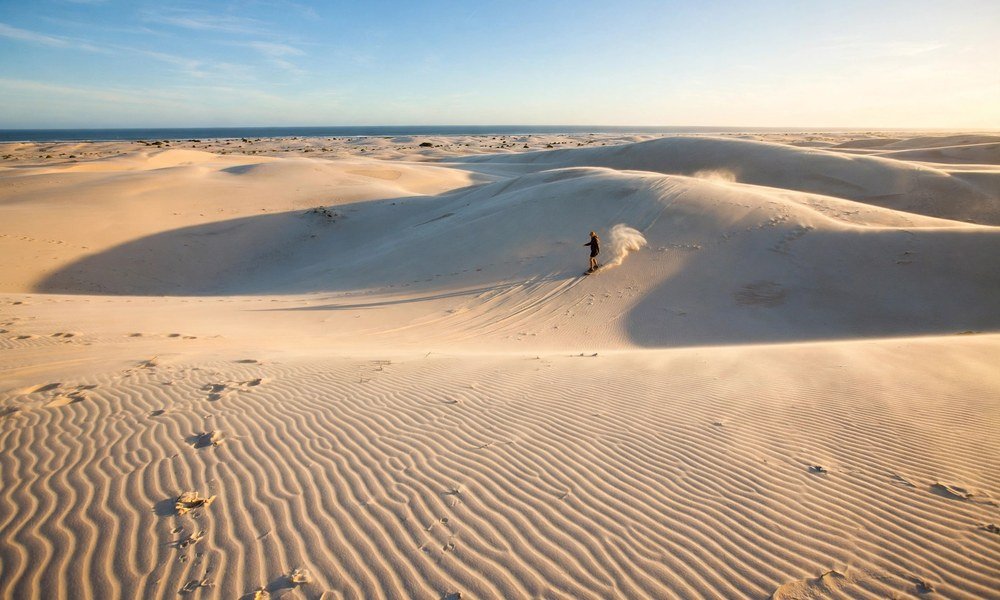
The Stockton Sand Dunes sit at the southern end of Port Stephens in the Worimi Conservation Lands, and they’re the largest moving coastal sand dune system in the Southern Hemisphere. The dunes stretch about 32 kilometres along Stockton Beach, with tall ridges of fine white sand that shift with the wind. Standing at the top of one, with the ocean on one side and endless sand on the other, is one of the great NSW views.
The dunes are culturally significant to the Worimi people, the traditional custodians of the land, and access is managed through permits. Don’t drive in on your own. Book with a licensed operator instead, which keeps things simple and respectful of the area.
Sandboarding and 4WD Tours on the Dunes
Sandboarding is the classic way to experience the dunes. Operators drive you in by 4WD, hand you a board, and point you at a big soft slope. It’s beginner-friendly because the sand is soft and the slopes are wide. Kids can have a go too, and most tours throw in plenty of runs.
If you’d rather ride than slide, quad bike tours run across the dunes, and camel rides operate from Birubi Beach near Anna Bay. Morning tours beat the heat and the crowds, and you’ll want sunglasses, sunscreen, and closed shoes for the sand.
The Tomaree Head Summit Walk
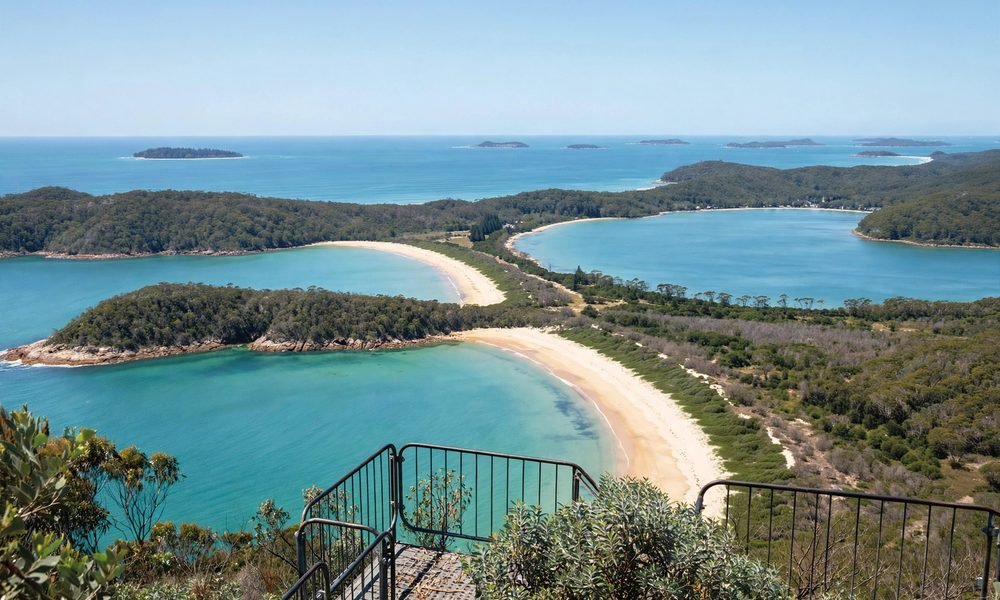
The Tomaree Head Summit Walk is the best short hike in the area and earns its place in every Port Stephens itinerary. It’s a 2.2 km return track that climbs 161 metres above the harbour entrance, and most people need around 90 minutes there and back. The grade is steep with plenty of metal stairs, so treat it as a workout rather than a stroll.
The payoff is the summit’s two viewing platforms. The north platform looks over Yacaaba Head and out to Cabbage Tree and Broughton Islands. The south platform faces Zenith, Wreck and Box Beaches, Fingal Island, and the Point Stephens Lighthouse. In whale season, take binoculars: you can spot humpbacks from up here without leaving land.
Go early in the morning for the quietest track and the softest light. Bring water, a hat, and sturdy shoes, and watch your step on the paved sections when they’re wet. The walk sits inside Tomaree National Park, which features on our list of the best national parks in Australia.
Fort Tomaree’s WWII Gun Emplacements
On the way down, take the side track to Fort Tomaree’s gun emplacements. This headland was a WWII defence position, and the concrete emplacements and relics still sit along the track. It adds maybe 20 minutes to the walk and gives the climb a bit of history on top of the scenery.
Beaches Worth Your Time in Port Stephens
Port Stephens has a long list of beaches, and they split into two moods: the calm harbour side and the open ocean side. The harbour beaches suit families and relaxed swims. The ocean beaches bring surf and wilder scenery. You don’t need to visit them all. Pick one of each and you’re covered.
Shoal Bay and Fingal Bay
Shoal Bay sits right under Tomaree Head with calm, clear water that stays gentle most days. It’s a great pick for families and anyone who’d rather float than fight waves. Fingal Bay stretches longer, with a wide arc of sand that’s good for morning walks and beach games. Both have cafes and shops nearby, so you won’t go hungry.
Zenith Beach, Box Beach and One Mile Beach
Zenith Beach lies at the foot of Tomaree Head on the ocean side. It’s quieter than the harbour beaches and a natural reward after the summit walk. Box Beach is the local pick for solitude, with a rugged feel and fewer people. One Mile Beach is where beginners learn to surf, and surf schools run lessons here regularly. Wherever you swim on the ocean side, stay between the flags at patrolled beaches.
Nelson Bay: Waterfront Town and Launch Point
Nelson Bay is the main town and the natural base for a first visit. The marina is where the dolphin and whale cruises depart, and the waterfront strip holds the area’s best collection of cafes, seafood restaurants, and shops. It’s an easy town to spend an evening in: walk the foreshore, eat somewhere with a water view, and watch the boats come in.
Snorkelling at Fly Point
Fly Point sits at the eastern end of Nelson Bay and is a well-known snorkel spot right off the shore. The water stays calm, which makes it a good pick for beginners and confident kids. Go when the sea is flat for the best visibility, and bring your own gear or hire it in town.
Gan Gan Lookout
Gan Gan Lookout is a short drive from Nelson Bay and one of the easiest views in the region. The lookout platforms face back over the harbour and the coastline, and it’s a popular spot at sunset when the water picks up the evening light. Pack a jacket in winter: it’s exposed up there.
Family Wildlife Attractions
Port Stephens works well with kids beyond the beach. Two dedicated wildlife attractions give you animal encounters without a long drive.
Port Stephens Koala Sanctuary
The koala sanctuary at One Mile cares for rescued and injured koalas alongside its hospital. Visitors walk through a treetop-level path and learn how the sanctuary supports the local wild koala population. It’s a calm, shady stop that suits a hot afternoon, and it’s an easy combine with a morning at the dunes since both sit on the Anna Bay side.
Irukandji Shark and Ray Encounters
At Anna Bay, Irukandji runs hands-on marine encounters where you can meet rays and sharks in shallow pools with guides. It’s part aquarium, part education centre, and the shallow encounters work well for nervous first-timers. Book ahead in school holidays, because session times fill up.
How Many Days You Need in Port Stephens
Two to three days is the sweet spot for a first visit. That gives you a full day for the dunes and Anna Bay, another for the dolphin cruise and the Tomaree Head walk, and a third for beaches, snorkelling, or a surf lesson. You can comfortably fill three days without repeating anything.
A day trip from Newcastle is realistic, since it’s only about 45 minutes each way, but you’ll have to choose between the dunes and the water. Port Stephens also appears as a long-but-doable day trip from Sydney, though two and a half hours each way makes it a big day. Stay overnight if you can: the area rewards slow mornings.
Best Time to Visit Port Stephens
Port Stephens is a year-round destination, but the seasons have different strengths. Autumn (March to May) and spring (September to November) are the easy picks: warm days, fewer crowds, and calm water. Summer (December to February) is best for swimming and surfing, but holiday crowds push prices up, so book accommodation early.
Winter (June to August) brings mild days and the whale migration, which runs from May to November. Dolphins live in the bay all year, so there’s no bad month for the number one draw. If whale watching is your priority, aim for June through October.
Where to Stay in Port Stephens
Each town has its own feel, and the right pick depends on what you want from the trip. Most accommodation sits in the four towns below, and they’re all within about 20 minutes’ drive of each other.
Nelson Bay
Nelson Bay is the main hub with the most restaurants, shops, and cruise departures. It’s the best pick for first-timers, especially if you don’t have a car, because the marina, the foreshore, and Fly Point are all walkable.
Shoal Bay
Shoal Bay is quieter, with calm water and views across to Tomaree Head. It suits couples and families who want a relaxed base within walking distance of the beach. The Tomaree Head walk starts just around the corner.
Fingal Bay
Fingal Bay is family-friendly, with a long beach, holiday parks, and apartment-style stays. It’s a good value pick with plenty of space for kids, and the beach walks here are some of the area’s nicest.
Anna Bay
Anna Bay sits closest to the sand dunes and keeps a laid-back surf town feel. It’s the smartest base if sandboarding is your top priority, and Irukandji is right nearby. One Mile Beach and the koala sanctuary are close too.
Getting Around Port Stephens
A car makes the trip easy. The towns spread along the coast, and the dunes, the koala sanctuary, and the lookouts are all short drives apart. Parking is generally straightforward outside of peak holiday weeks.
Without a car, base yourself in Nelson Bay, where the cruises, restaurants, and Fly Point are walkable, and join organised tours for the dunes and wildlife attractions. Buses link the area with Newcastle. If you’re driving the Pacific Highway between Sydney and Brisbane, Port Stephens is an easy side trip off the route, as our Sydney to Brisbane road trip itinerary shows.
Sample Itineraries for Port Stephens
One-Day Highlights
- Morning: dolphin watching cruise from Nelson Bay.
- Midday: lunch on the Nelson Bay waterfront.
- Afternoon: Tomaree Head Summit Walk (allow 90 minutes).
- Sunset: Gan Gan Lookout.
- Swap the summit walk for a sandboarding tour if the dunes are your priority.
Two to Three Days
- Day one: sandboarding at the Stockton Sand Dunes in the morning, Irukandji Shark and Ray Encounters and the koala sanctuary in the afternoon.
- Day two: morning dolphin cruise, Tomaree Head walk after lunch, dinner in Nelson Bay.
- Day three: beach morning at Shoal Bay or Fingal Bay, then a surf lesson at One Mile Beach or snorkelling at Fly Point.
- Add a whale watching cruise between May and November, or pair the trip with the Hunter Valley, which sits about 90 minutes inland and makes a natural combo.
Bookable Tours and Experiences
- Dolphin discovery cruise from Nelson Bay: the signature experience, running year-round.
- Whale watching cruise (May to November): about two and a half hours past the harbour heads.
- Sandboarding and 4WD tour on the Stockton Sand Dunes: boards and transfers included.
- Quad bike dune adventure: a faster way across the dunes.
- Surf lessons at One Mile Beach: beginner-friendly waves with instructors.
- Hunter Valley day tour: wine country pairs well with the coast on a longer trip.
- Fishing charters from the marina: deep sea and harbour options run daily.
Must-Knows Before You Go
- Book cruises and dune tours ahead in school holidays and during whale season. They sell out.
- The dunes sit in a permit zone. Go with a licensed operator rather than driving in alone.
- Take the Tomaree Head walk seriously: the stairs are steep, and you’ll want water, a hat, and proper shoes.
- Nights and mornings on the water get cold in winter. Bring a warm layer for any boat trip.
- Swim between the flags at patrolled beaches on the ocean side.
- Whale sightings are never guaranteed, but many operators offer a free repeat cruise if none are spotted.
FAQs About Visiting Port Stephens
Can you see dolphins in Port Stephens all year?
Yes. Around 150 bottlenose dolphins live in the bay year-round, so dolphin cruises run in every season. Sighting rates sit above 95 percent, and some operators guarantee sightings or a free return cruise.
How far is Port Stephens from Sydney?
About two and a half hours by car. It’s roughly 45 minutes from Newcastle, which is the handiest airport and rail link. A day trip from Sydney is possible but long; staying a night or two is better.
How big are the Stockton Sand Dunes?
The dunes stretch about 32 kilometres along Stockton Beach in the Worimi Conservation Lands. They’re the largest moving coastal sand dune system in the Southern Hemisphere, and culturally significant to the Worimi people.
Is sandboarding at the dunes safe?
Yes, when you go with a licensed operator. The sand is soft, the slopes are wide, and operators provide boards plus a basic safety briefing. Stick with a tour rather than heading in on your own, since the dunes are a permit zone.
When is whale watching season?
Whale watching runs from May to November during the humpback migration. The best months are June to July for the northbound run and September to October for the southbound return with calves.
Which town should you stay in?
Nelson Bay is the best all-rounder for first-timers, with the most restaurants and cruise departures. Shoal Bay suits a quieter beach base, Fingal Bay works well for families, and Anna Bay is the pick if the sand dunes are your priority.
Final Thoughts on Visiting Port Stephens
Port Stephens works because it mixes things that usually need separate trips. The dolphins are genuinely reliable, the dunes are a proper adventure rather than a gimmick, and the Tomaree Head walk gives you a workout with a view most lookouts can’t match. Add calm harbour beaches, good seafood, and a town that stays easy rather than busy, and you have one of the strongest weekend trips on the NSW coast.
Give it two days: one for the water and the walk, one for the dunes. Book the dolphin cruise and the dune tour ahead in peak season, and base yourself in Nelson Bay if it’s your first visit. If you do that much, Port Stephens will look after the rest.
Keep exploring:
- Things to do in the Hunter Valley: wine country about 90 minutes inland, and a natural pairing with the coast.
- Day trips from Sydney: how Port Stephens fits as a long-but-doable day out from the city.
- Sydney to Brisbane road trip itinerary: slot Port Stephens in as a Pacific Highway stop.
- Jervis Bay guide: the whale watching alternative down the south coast.
- Best national parks in Australia: where Tomaree National Park sits among the country’s great parks.