
If I could only visit a handful of Australia’s national parks, I would pick Kakadu, Uluru-Kata Tjuta and one from the east coast. That trio covers the big icons: ancient rock art, a desert giant, and rainforest or coastline depending on your route.
Australia has more than 500 national parks across the states and territories. Picking the best is a hard job because every state has at least one that could top the list. This guide covers the 15 I rate highest, grouped by region so you can plan them into a real trip. I wrote it to help you plan, not just dream.
If you are new here, welcome to Australia City Guide. We cover the country one honest guide at a time.
Best national parks in the Northern Territory: Top End and Red Centre
Kakadu National Park
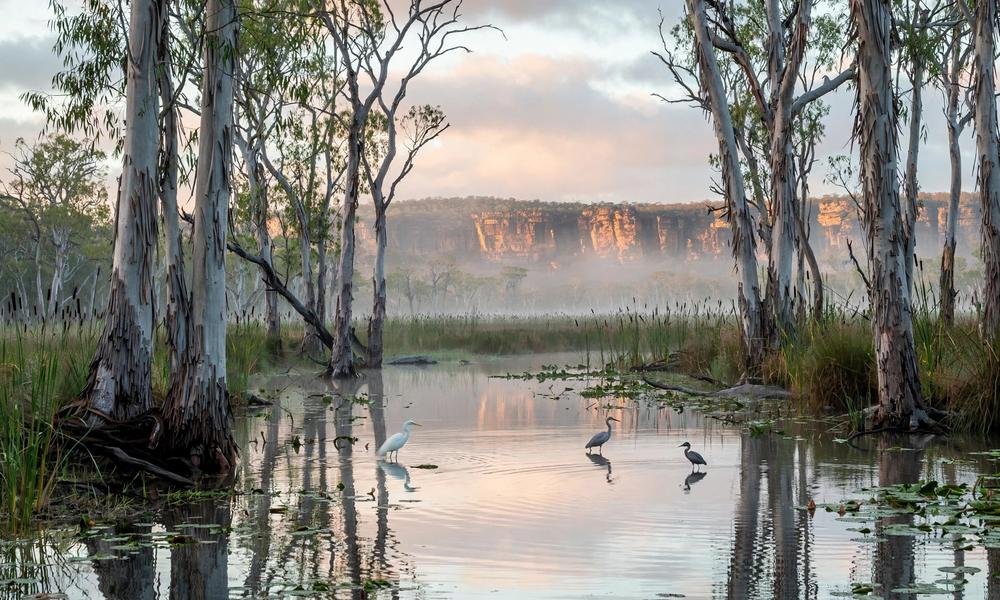
Kakadu sits at the top of my list and it is not close. It is the country’s largest national park and it feels like several parks in one. You get wetlands packed with birdlife, big waterfalls and rock art galleries that date back tens of thousands of years.
The rock art is the part that stays with you. Sites like Ubirr and Nourlangie hold paintings older than almost any other art on earth. Rangers run talks at the main sites in the dry season and I suggest joining one. The stories give the paintings meaning a signboard cannot.
Timing matters here. The dry season brings cooler days and open roads. The wet season brings full-power waterfalls and floodplains that turn to glass. Both are worth seeing, but check road conditions before driving anywhere in the wet. I cover the park in detail in my guide to things to do in Kakadu National Park.
Uluru-Kata Tjuta National Park
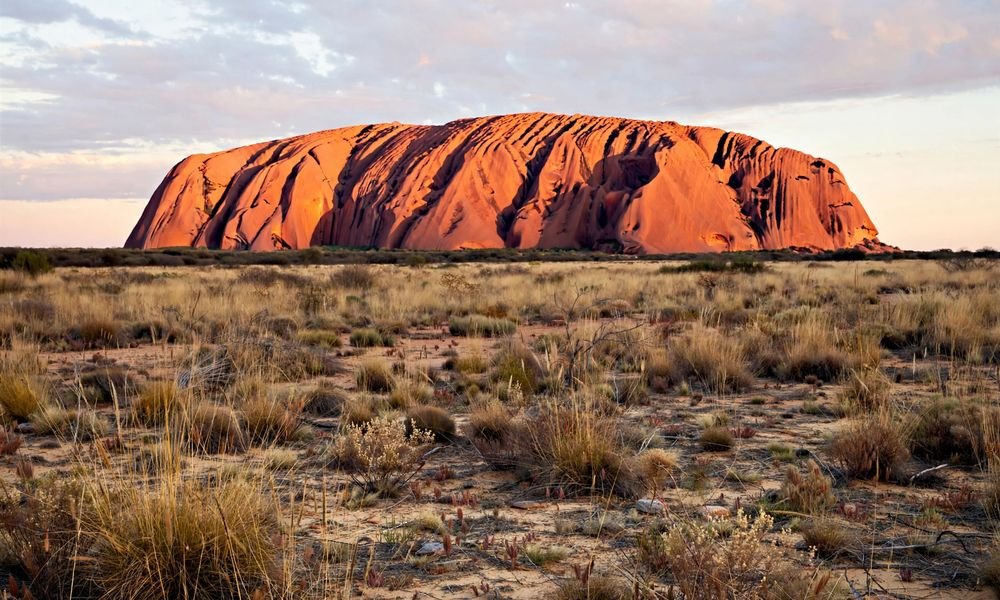
Uluru is the icon of Australia and it earns the title. The rock rises out of flat desert with a presence photos never quite capture. Walk at least part of the base track. The colours shift as you move and the scale only hits you on foot.
Kata Tjuta sits close by and deserves equal billing. The domes of the Olgas look like a giant’s playground and the Valley of the Winds walk is one of the great short hikes in the country. Do it early in the morning before the heat builds.
This is Anangu land and the park is jointly managed with its traditional owners. Read the cultural centre displays before you explore. They explain why some areas are sensitive and how to visit with respect. The climb closed in 2019 and the centre explains why. My guide to things to do at Uluru covers the full Red Centre side.
Litchfield National Park
People in Darwin call Litchfield their backyard and they guard it well. It is an easy day trip from the city, yet it feels properly wild. Waterfalls drop into clear swimming holes and the magnetic termite mounds stand in the open woodland like odd sculptures.
Florence Falls and Wangi Falls are the headline acts. Both have swimming areas that stay open through much of the year. Arrive early in the dry season and you might get a waterfall pool to yourself.
Litchfield pairs well with the rest of the north. My guide to things to do in Litchfield National Park has the full plan, and you can build it into a week with Darwin and Alice Springs.
Best national parks in Queensland: rainforest and coast
Daintree National Park
The Daintree is one of the oldest rainforests on the planet. Walking under its canopy feels like stepping back in time. Giant ferns crowd the track edges and the air smells green and damp in the best way.
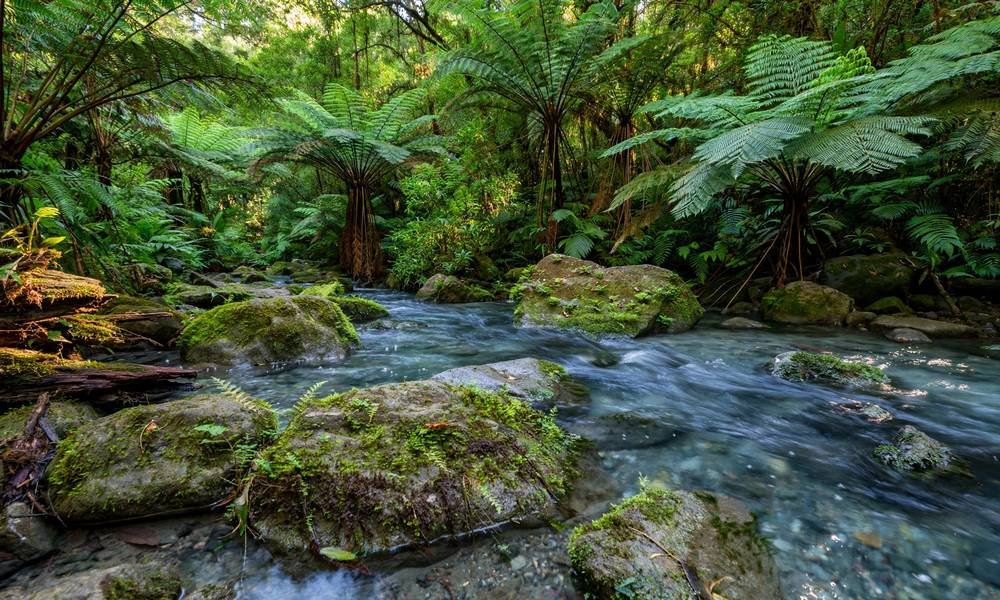
Mossman Gorge is the easy way in. Tracks range from short stroller-friendly loops to longer hikes into the hills. The gorge water runs clear and cold, with swimming spots along several tracks.
Cape Tribulation is where the rainforest meets the reef. You can stand on a beach with jungle behind you and the Coral Sea in front. Few places on earth give you that mix.
Lamington National Park
Lamington sits in the Gold Coast hinterland and it surprises everyone who only knows the coast. Ancient Antarctic beech forest covers the high ridges and waterfalls drop through the trees after rain.
This park is famous for its birds. Albert’s lyrebirds, bowerbirds and king parrots are all regulars. The O’Reilly’s treetop walk takes you through the canopy on suspension bridges, which is a great way to see the forest from above.
Pair Lamington with the coast for a trip that shows two sides of south-east Queensland. My guide to the best waterfalls in the Gold Coast covers the hinterland’s best falls, and my Surfers Paradise guide covers the other half.
Noosa National Park
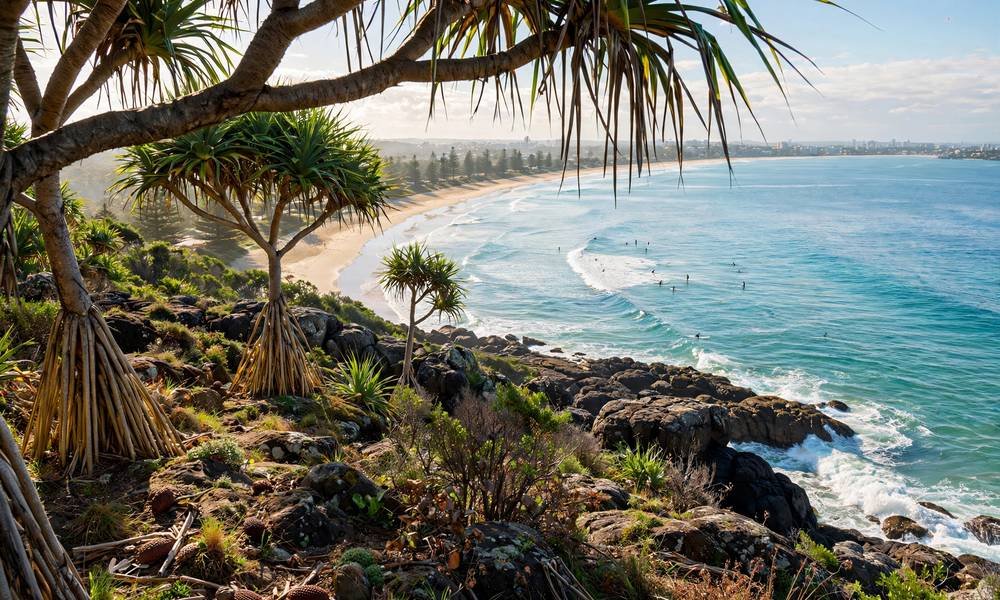
Noosa proves a national park can sit beside a resort town and still feel wild. The coastal track runs from Noosa Heads around the headland past a string of neat bays. Tea Tree Bay and Granite Bay are the pick of them.
Koalas live in the park and patient walkers often spot them in the eucalyptus along the track. Dolphins cruise past the headland most mornings. Bring binoculars if you have them.
The track is easy and well marked. Walk one way and catch the bus back for a relaxed half-day outing.
Best national parks in New South Wales: close to Sydney
Blue Mountains National Park
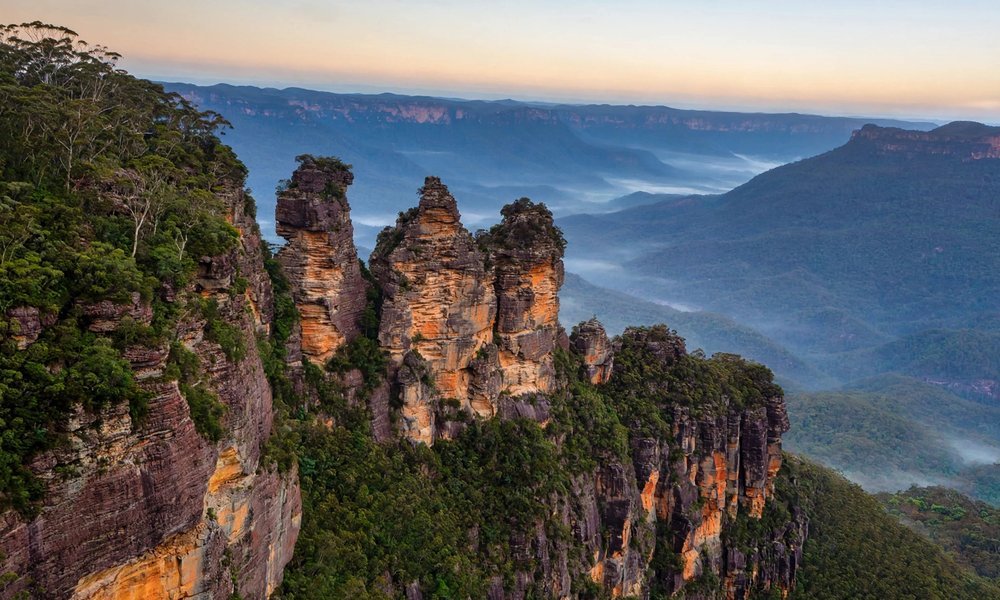
The Blue Mountains sit on Sydney’s doorstep, which makes them the most visited park on this list. The name comes from the blue haze that hangs over the valleys. Eucalyptus oil in the air creates it and on a clear day the effect is lovely.
The Three Sisters at Echo Point draw the crowds but the real magic sits deeper in. The Grand Canyon Walk and the National Pass take you down into the valleys and along cliff faces. Take water, wear proper shoes and start early.
I cover the towns and walks in detail in my guide to things to do in the Blue Mountains. It pairs well with this list if you are heading west of Sydney.
Royal National Park
Royal is the second-oldest national park in the world and it sits just south of Sydney. That makes it an easy escape from the city. The Coast Track runs along cliffs with ocean views most of the way.
Wedding Cake Rock and the Figure Eight Pools are the famous stops. Check conditions before you go to the pools. They are only safe at low tide and in calm seas, and rangers close the track when the swell runs high.
The park also has quieter corners. The forest walks around Audley feel a world away from the city and the riverside picnic areas suit a slow afternoon.
Best national parks in Victoria
Wilsons Promontory National Park
Victorians call it the Prom and they treat it like a second home. This is the southernmost point of mainland Australia. Granite mountains rise straight out of the sea and the beaches rank among the best in Victoria.
Squeaky Beach gets its name from the quartz sand that squeaks under your feet. Tidal River is the main campground and it books out fast in summer. Book well ahead if you want a site in the holidays.
Walks range from short beach strolls to the multi-day Southern Circuit. Wildlife spotting is easy here. Wombats wander the campground at dusk and emus strut along the roads.
Grampians National Park
The Grampians rise out of flat farmland like a surprise. Jagged sandstone ranges run north to south and the lookouts deliver some of the best views in Victoria. The Balconies and Boroka Lookout are the classic stops.
This is one of the best places in Australia to see Aboriginal rock art. Several sites sit a short walk from the road and the Brambuk cultural centre explains their meaning. The art is fragile, so stay on the tracks and never touch the paintings.
Spring brings wildflowers across the ranges. If you can time a visit for late winter or spring, the colour is worth the trip.
Best national parks in Tasmania
Freycinet National Park
Wineglass Bay is the postcard and it lives up to it. The walk to the lookout is short enough for most fitness levels. The curve of white sand against blue water looks almost unreal from above.
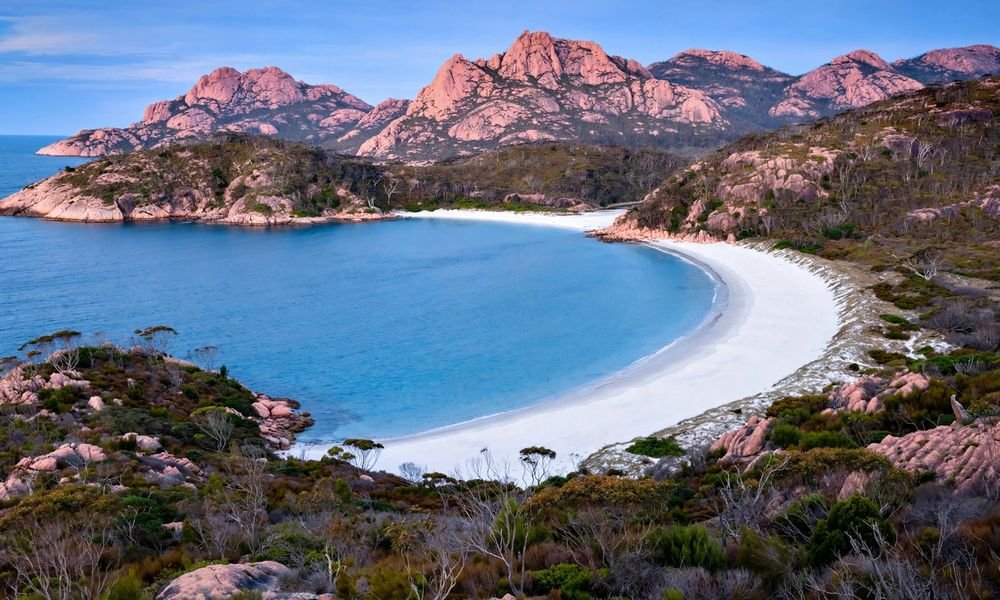
The full experience takes longer. The Hazards Beach circuit drops you down to the sand and around the headland. Pack a picnic and make a day of it.
Freycinet sits on Tasmania’s east coast, which gets the island’s mildest weather. Pair it with Hobart for a classic Tasmanian week. My guide to things to do in Hobart covers the city side of that trip.
Cradle Mountain-Lake St Clair National Park
Cradle Mountain is Tasmania’s most famous peak and the park around it is pure alpine wilderness. The Dove Lake circuit is the classic walk. It is flat, well formed, and the mountain reflects in the lake on calm mornings.
Serious walkers come for the Overland Track. This multi-day hike runs the length of the park and ranks among the great walks of Australia. Huts line the route but you need bookings and proper gear. Tasmanian weather turns fast, even in summer.
The wildlife is a highlight on its own. Wombats, pademelons and echidnas are common around the visitor areas. Go out at dusk with a torch and you will see the park come alive.
Best national parks in Western Australia
Karijini National Park
Karijini sits deep in the Pilbara and getting there is part of the adventure. What waits is special. Narrow gorges cut through ancient rock and at the bottom sit swimming holes of clear blue water.
Hancock Gorge and Weano Gorge are the famous ones. The walks involve scrambling over rocks and wading through water. Wear shoes you can get wet and take your time. The reward is a swim in water that looks unreal but is not.
This is remote country. Fuel up, carry extra water and let someone know your plans. The distances between towns are long out here.
Purnululu National Park
The Bungle Bungle Range looks like nothing else on earth. Striped orange and black domes rise from the Kimberley plains and walking among them at Cathedral Gorge is a humbling feeling.
Getting here takes effort. The access road suits high-clearance vehicles and most visitors come on tours from Kununurra or Broome. If you are already planning a trip to Broome, Purnululu makes a big add-on.
Helicopter flights over the range are worth thinking about. The scale of the domes only fully shows itself from the air.
Best national parks in South Australia
Flinders Ranges
The Flinders Ranges hold some of the oldest landscapes in Australia. Wilpena Pound is the centrepiece: a natural amphitheatre of mountains you can walk into or fly over. The scale is hard to grasp until you stand inside it.
This is Adnyamathanha country and the cultural sites here run deep. Guided tours explain the stories behind the gorges and waterholes. The region also holds fossils from the Ediacara period, some of the earliest complex life on earth.
Autumn and winter are the best seasons. Summer heat in the ranges is fierce and many tracks close on extreme days.
How to plan your national park trip in Australia
Start with your route
Most travellers see parks as part of a bigger trip, not as standalone stops. The Top End parks group naturally together. So do the Tasmanian pair and the south-east Queensland parks. Pick a region first, then fit the parks into it. My Red Centre Way itinerary shows how the desert parks link into one drive.
Get the season right
The tropical north shines in the dry season. Tasmania is best from late spring to early autumn. The desert parks are hard in summer and lovely in winter. Wildflower season in the Grampians is worth planning around.
Book the busy ones early
Campgrounds at Wilsons Promontory, Freycinet and Uluru fill fast in school holidays. Some parks also need passes or charge entry fees, and the system differs by state. Check the relevant state parks website before you go and book online where you can.
Guided tours and experiences worth booking
Some park experiences need a booking, and the popular ones sell out.
- Ranger talks at Kakadu’s rock art sites run in the dry season and they are worth joining.
- Guided Aboriginal rock art walks in the Grampians explain art you would otherwise walk past.
- The Overland Track in Cradle Mountain needs hut bookings well ahead.
- Scenic flights over the Bungle Bungles run from Kununurra and Broome in the dry season.
Book through the official parks websites or the visitor centre for each park. That keeps your money in the park system.
Must-knows before you visit
- Swim only where signs say it is safe. In the Top End and Queensland, crocodile risk is real, so respect every warning sign.
- Carry more water than you think you need. Desert and gorge walks in summer are no joke.
- Weather turns fast in the high country and Tasmania. Pack a warm layer even in summer.
- Stay on marked tracks, especially near rock art. The paintings are fragile and some areas are culturally sensitive.
- Check road conditions in the wet season before driving in Kakadu, the Daintree or the Kimberley.
- Fuel up and carry extra water in remote country like the Pilbara and the Kimberley.
- Take your rubbish home. Leave no trace so the next visitor gets the same clean park.
FAQs about national parks in Australia
What is the best national park in Australia?
Kakadu is my top pick for most travellers. It mixes wildlife, waterfalls and ancient rock art in one huge park. Uluru-Kata Tjuta runs a close second for sheer iconic power. The honest answer depends on what you love: rainforest, desert, coast or mountains.
How many national parks does Australia have?
Australia has more than 500 national parks across the states and territories. They range from tiny coastal reserves to giants like Kakadu, which covers close to 20,000 square kilometres.
Do I need a pass to visit national parks in Australia?
Most states ask for a park pass or charge entry fees. The system differs by state. Some use daily vehicle passes and others use annual passes. Check the relevant state parks website before your trip and buy passes online where you can.
What is the best time of year to visit Kakadu?
The dry season is the most popular time, with cooler days and open roads. The wet season brings big waterfalls and fewer crowds, but some areas close due to flooding. Both seasons have their fans.
Can you swim in national park waterfalls?
It depends on the park and the season. Many parks in the Top End and Queensland have good swimming holes, but crocodile risk means you should only swim where signs say it is safe. In Tasmania and Victoria the water is usually safe but cold.
Which national park is closest to Sydney?
Royal National Park sits just south of Sydney and is an easy day trip. The Blue Mountains sit a little further west and offer bigger landscapes. Both are reachable by public transport from the city.
Are Uluru and Kakadu in the same area?
No. Uluru sits in the Red Centre, near Alice Springs. Kakadu sits in the Top End, near Darwin. They are in different parts of the Northern Territory and most travellers visit them on separate trips.
Final thoughts on visiting Australia’s best national parks
Australia’s national parks cover almost every landscape you can imagine. Rainforest, desert, coast and alpine highlands all sit within one country’s borders. That is what makes this list worth working through over years, not one trip.
If this is your first visit, start with the icons. Kakadu and Uluru give you the two experiences nothing else in Australia can match. On the east coast, the Blue Mountains and Freycinet are easy wins that fit into bigger trips. For a second visit, go further: the Kimberley gorges, the Grampians rock art and the Tasmanian highlands reward travellers who take the extra drive.
Pick one region, get the season right and book the popular stays early. Then get out there. The parks do the rest.