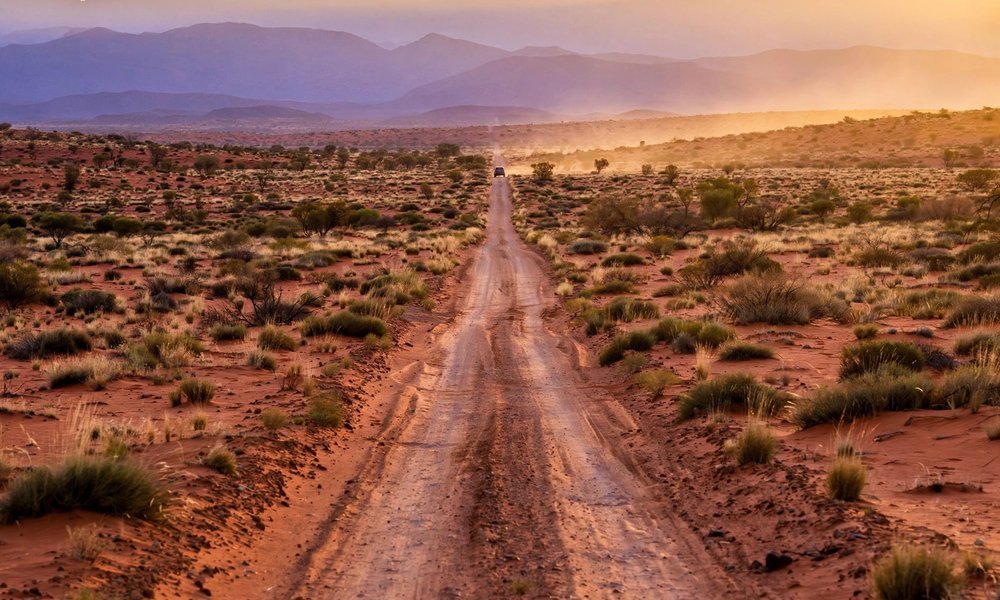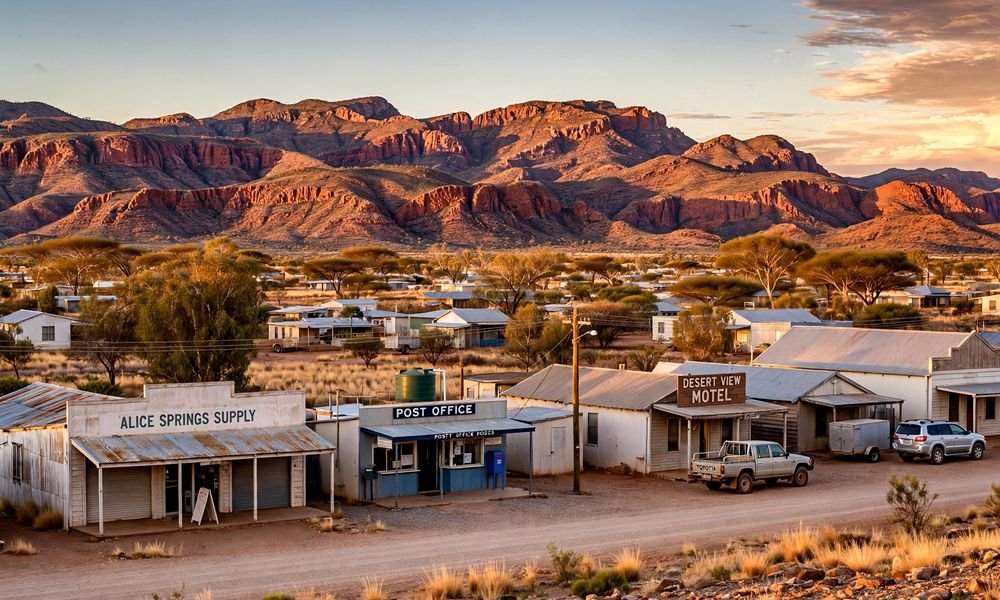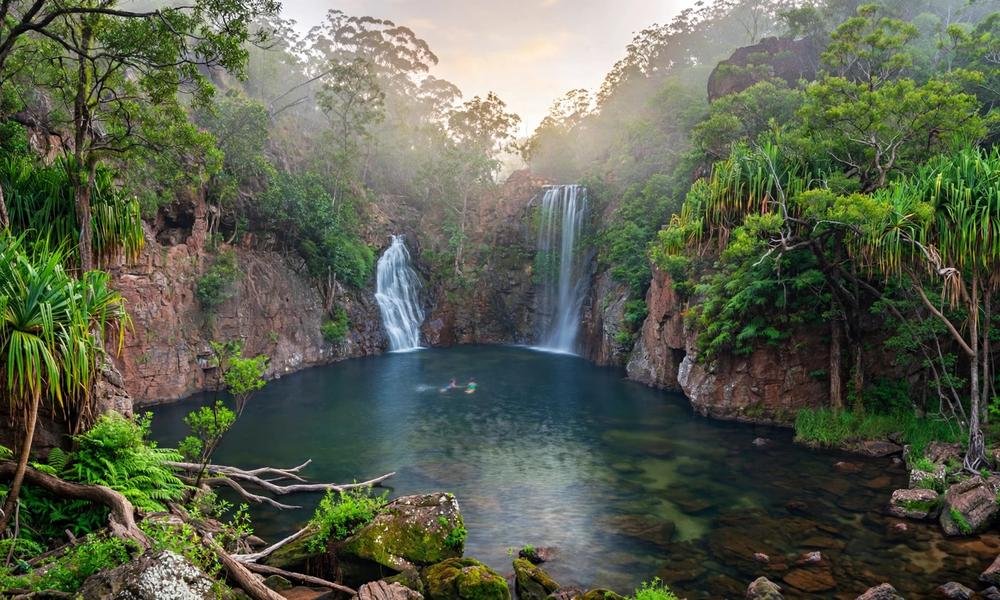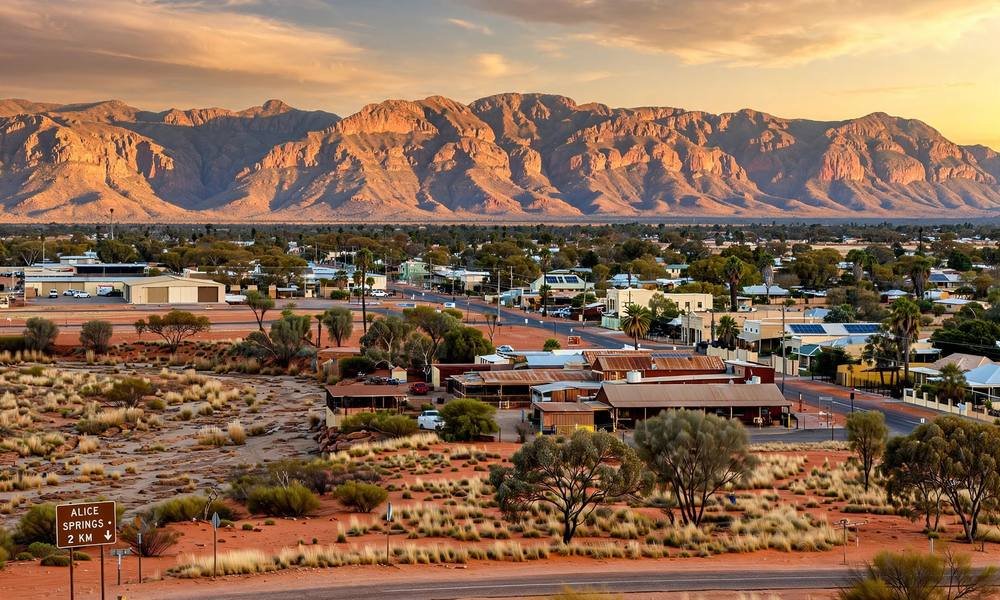

Alice Springs is the outback town most travellers picture when they think of the Red Centre. Red dirt under your boots, gorges glowing orange at sunrise, and a desert sky that fills with stars at night. It sits right in the middle of Australia, closer to Darwin and Adelaide in spirit than to any coast, and it makes the perfect base for exploring some of the country’s most famous country.
Whether you’re here for a few days or a full week, this guide covers the best things to do in Alice Springs, how to plan your days, and the practical bits that make an outback trip run smoothly. At Australia City Guide we write these guides from real research and first-hand travel experience, so you get the practical detail, not the brochure version.
Anzac Hill Lookout
Start at Anzac Hill. It’s a short walk or drive from the town centre, and the view explains Alice Springs in one glance. The MacDonnell Ranges run in a long line across the horizon, the town spreads out below, and at sunset the whole place turns deep red. Go early in the morning for soft light and fewer people, or arrive about half an hour before sunset to watch the ranges change colour.
The lookout has a war memorial at the top, which is why the hill carries the name. Read the plaques while you’re there. They’re brief, and they give you a bit of context about the town’s history that most visitors miss.
Simpsons Gap and the West MacDonnell Ranges
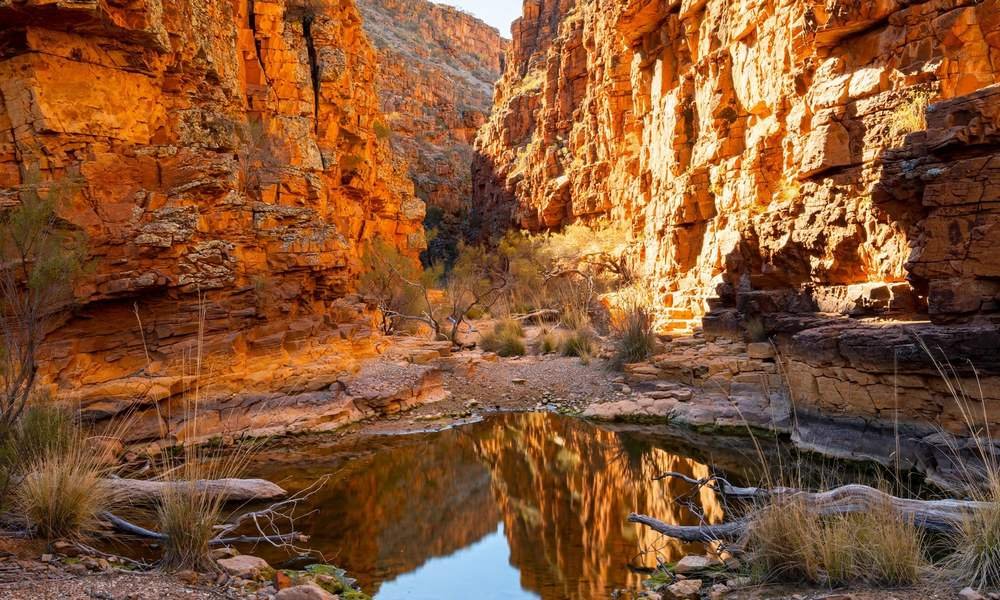
Simpsons Gap is about 20 minutes west of town and it’s one of the easiest gorge visits in the Red Centre. A short walk leads you into a narrow gap in the ranges, where a permanent waterhole reflects the cliffs above. Black-footed rock-wallabies live around the rocks, and early morning is your best chance of spotting them.
If you only have time for one day trip, the West MacDonnells deliver the goods. Standley Chasm is the showpiece, a narrow cleft where the sun lights up the rock walls around midday. Ellery Creek Big Hole is the swimming spot, a deep cold pool in a dramatic gorge. Ormiston Gorge and Redbank Gorge sit further west and reward the extra driving with some of the best scenery in the region.
How to drive the West MacDonnells
The road to Ellery Creek is sealed, and everything up to Glen Helen is fine in a standard car. Beyond that, the road to Ormiston and Redbank can be rough and 4WD is recommended. Hire cars are fine on the sealed sections, just check your rental agreement before tackling anything unsealed. Carry more water than you think you need. The desert doesn’t forgive poor planning.
Desert Park
The Alice Springs Desert Park is one of the best wildlife parks in Australia, and I’d rate it above most city zoos. The park shows three desert habitats: desert rivers, sand country, and woodland. The birds of prey show is the highlight. Eagles and owls fly free over the audience, and the keepers explain what you’re seeing in plain language, not scripted patter.
The nocturnal house flips day and night so you can see bilbies, bettongs, and other small marsupials while they’re active. Go early in the day. The park opens in the morning and the animals are livelier before the heat builds.
Telegraph Station and the Town’s Story
The Alice Springs Telegraph Station sits on the edge of town and marks where the settlement began. The old stone buildings date back to the 1870s, when the Overland Telegraph Line connected Australia to the world. You can walk through the original station buildings, see the old equipment, and get a sense of how remote this place was when people arrived by camel and horse.
It’s a calm, shady spot with lawns and a creek, and it gives the town a backstory that makes everything else here richer. Pair it with the Royal Flying Doctor Service visitor centre in town, which tells the story of how remote Australia got medical care. Both are short visits, but together they explain why Alice Springs matters.
Todd Mall and the Local Scene
Todd Mall is the town’s main shopping strip, a pedestrian mall lined with galleries, cafes, and shops selling Aboriginal art and desert crafts. The Araluen Arts Centre nearby hosts exhibitions and performances, and it’s worth checking what’s on while you’re in town. If your visit lines up with the markets at the Todd Mall or the Desert Festival events, go. They’re where the town shows its character.
How Many Days Do You Need in Alice Springs?
Three days is the sweet spot for most travellers. That gives you one day for the town sights (Anzac Hill, Desert Park, the telegraph station, the galleries), one full day for the West MacDonnell Ranges, and a buffer day for a hot air balloon flight, a cultural tour, or just resting in the heat.
If you’re driving the Red Centre Way, Alice Springs is the anchor. Most people spend two to four nights here, then head out to Kings Canyon and Uluru. With a week, you can slow down and see everything on this list without rushing.
The Best Time to Visit
Visit between May and September. Winter days in the desert are mild and sunny, around 20 degrees, with clear blue skies and cool nights that can drop near freezing. This is the peak season, so book accommodation and tours ahead.
October to April is hot. Temperatures regularly pass 35 degrees and can push into the 40s in summer. You can still visit, but you need to start activities at dawn, rest through the middle of the day, and carry serious amounts of water. Some gorge walks close in extreme heat.
Where to Stay in Alice Springs
The town is small and easy to get around. Staying near the town centre puts you within walking distance of Todd Mall, the cafes, and Anzac Hill. The east side of town has most of the resorts and mid-range hotels, while the west side has motels and caravan parks that suit road-trippers.
Budget travellers do well here. There are good hostels and caravan parks, and many have pools, which you’ll appreciate in the warmer months.
If you want more detail, our guide on where to stay in Alice Springs breaks down the best areas and picks for every budget.
Getting Around
You need a car. Alice Springs is compact, but the gorges and parks that make the trip worthwhile are spread across the region. Hire a car at the airport or in town. Standard cars handle the sealed roads fine, including the main West MacDonnells route as far as Glen Helen.
If you’d rather not drive, several tour operators run full-day trips to the West MacDonnells, and cultural tours with Aboriginal guides run from town. But honestly, having your own wheels gives you the freedom to chase the light at the gorges, and that’s half the joy of the Red Centre.
A Sample Three-Day Itinerary
Day one covers the town. Start at Anzac Hill for sunrise, visit the Desert Park in the morning, lunch in town, then the Telegraph Station and the Royal Flying Doctor Service in the afternoon. Finish with sunset back at Anzac Hill or dinner on Todd Mall.
Day two is the West MacDonnells. Leave early, hit Simpsons Gap first, then Standley Chasm around midday when the sun hits the walls. Swim at Ellery Creek Big Hole in the afternoon, and if you’re keen, push on to Ormiston Gorge before heading back.
Day three is flexible. Book a sunrise hot air balloon flight, take an Aboriginal cultural tour, or revisit your favourite gorge at a different time of day. If you’re continuing on the Red Centre Way, this is the day to start the drive toward Kings Canyon.
Bookable Tours and Experiences Worth Paying For
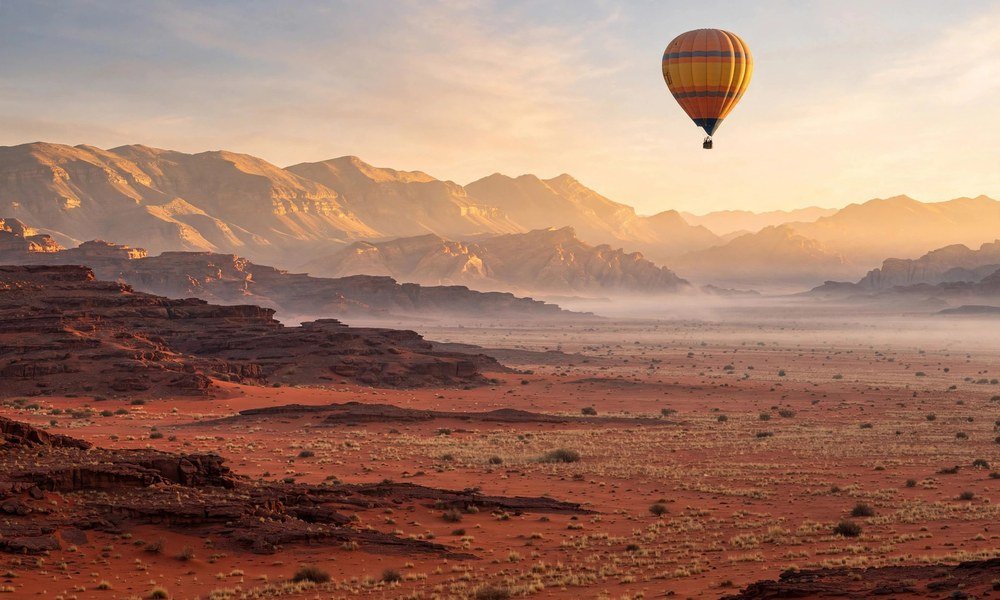
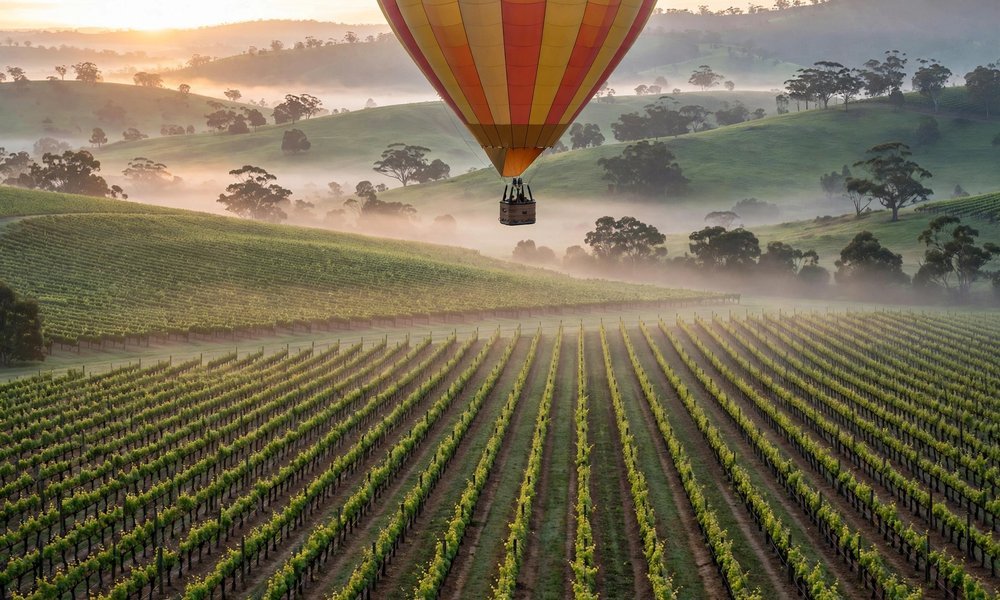
The sunrise hot air balloon flight over the ranges is the splurge that earns its price. Seeing the desert wake up from the air, with the ranges turning gold below you, is one of those memories that stays sharp. Book for your first morning so you have backup days if the wind cancels the flight.
Aboriginal cultural tours run by local guides are the other standout. They cover bush foods, art, and the stories of the country you’re walking through, and they change how you see every gorge and rock face afterwards. Look for tours led by Arrernte guides, the Traditional Owners of the Alice Springs area.
The Desert Park’s nocturnal tour, if it’s running during your visit, shows you the park’s night animals after dark. It’s a different experience from the daytime visit and worth doing if you have the extra evening.
Must-Knows Before You Go
Water is the big one. Carry at least a litre per person per hour of walking, and keep extra in the car. The dry heat tricks you because you don’t feel yourself sweating. By the time you’re thirsty, you’re already behind.
Fuel up when you can. Petrol stations are spread out on the longer drives, and the West MacDonnells trip uses more fuel than the distance suggests. Tell someone your plans if you’re heading anywhere remote, and take a paper map or offline maps. Phone reception drops out in the ranges.
Flies are part of the outback experience. A fly net for your hat costs a few dollars and saves your sanity on walks. You’ll thank yourself.
FAQs About Visiting Alice Springs
Is Alice Springs worth visiting?
Yes, especially as a base for the Red Centre. The town itself has genuine sights, but the real value is its position. The West MacDonnell gorges, Kings Canyon, and Uluru are all within reach, and the town gives you the services, tours, and accommodation that make the region easy to explore.
How far is Alice Springs from Uluru?
It’s about 450 kilometres, roughly a five-hour drive. Most travellers do it as part of the Red Centre Way, stopping at Kings Canyon on the way. Don’t try to day-trip Uluru from Alice Springs. It’s too far.
Can you swim in the gorges?
Yes, at spots like Ellery Creek Big Hole. The water is cold year-round, which feels amazing after a hot walk. Check local conditions first. After heavy rain, waterholes can be unsafe, and some sites close for cultural reasons.
What should I pack?
Sun protection is non-negotiable: hat, sunglasses, sunscreen, and long sleeves for walks. A warm layer for winter nights. Sturdy walking shoes for the gorge tracks. A fly net. And more water capacity than you think you need.
Final Thoughts on Visiting Alice Springs
Alice Springs earns its place on any outback itinerary. It’s not a polished resort town, and that’s the point. It’s a real working town in the middle of red desert country, surrounded by some of the most striking landscapes in Australia. The gorges of the West MacDonnells alone justify the trip, and the cultural depth here goes far beyond the scenery.
Come for three days, leave time for a slow morning and a long sunset, and drive the Red Centre Way if you can. If you pair it with our guides to things to do at Uluru and things to do in Kakadu National Park, you’ll have the full Red Centre picture.