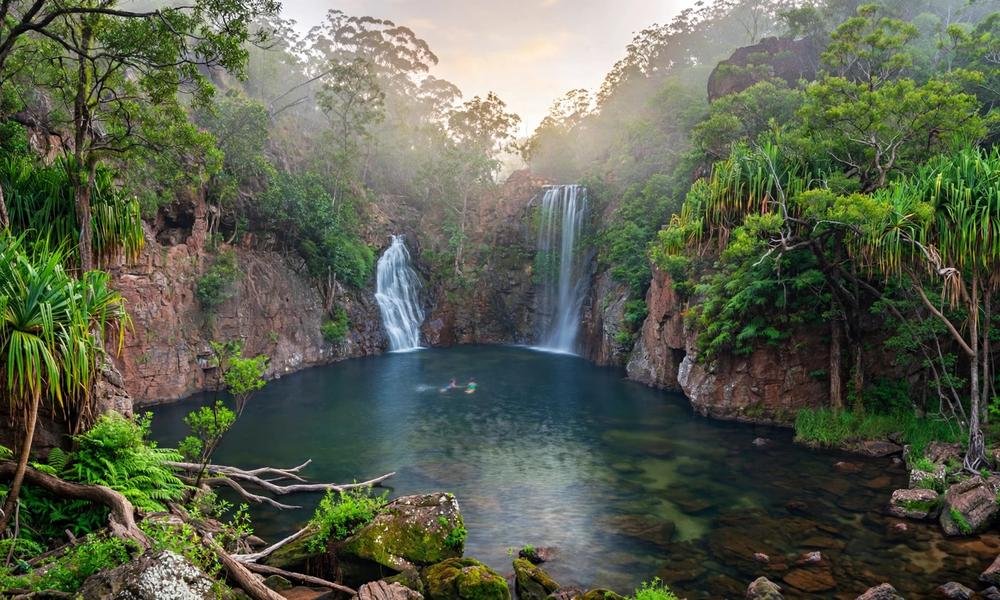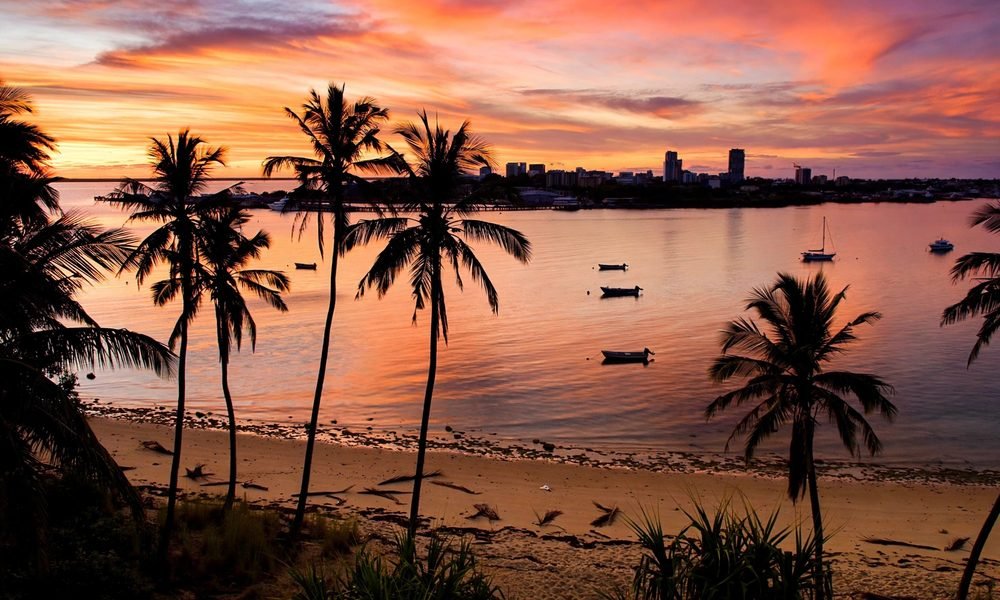

Darwin doesn’t feel like the rest of Australia. It’s tropical, laid-back, and closer to Asia than to Sydney. Palm trees line the streets, the air stays warm through winter, and the sunsets over the harbour are the kind people write home about.
Most travellers use Darwin as the jumping-off point for the Top End, and that’s fair enough. But give the city itself a couple of days and you’ll find sunset markets on the beach, crocodiles in the city centre, and war history you can walk through. This guide covers the best things to do in Darwin, whether you’re passing through or settling in. And as always, the team at Australia City Guide keeps it practical: what to do, when to go, and what to skip.
Darwin Sunsets: Mindil Beach and Sunset Markets
Mindil Beach is Darwin’s front-row seat for the best free show in town. Every dry-season evening, locals and visitors gather on the sand, picnic rugs out, cold drinks in hand, and watch the sun drop straight into the Timor Sea. The sky turns orange, then pink, then a deep purple. Get there about 30 minutes before sunset to grab a good spot.
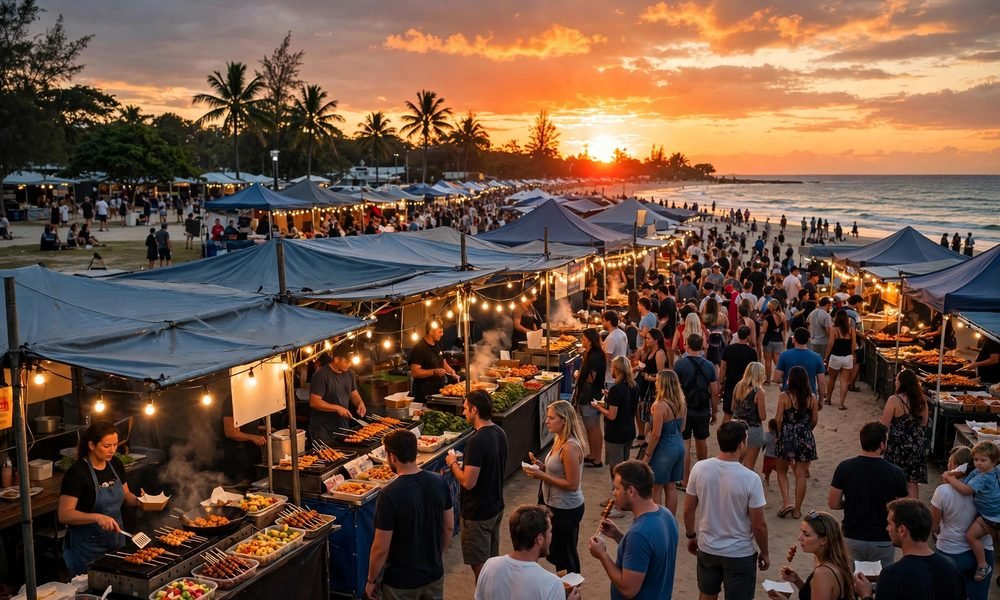
On Thursday and Sunday evenings from May to October, the foreshore behind the beach turns into the Mindil Beach Sunset Markets. Dozens of food stalls serve everything from laksa and dumplings to kangaroo burgers and fresh tropical fruit. There are craft stalls, buskers, and a buzzing crowd that feels more like Southeast Asia than Australia.
Come hungry, bring cash or a card, and plan to stay for the sunset. Eat first, shop after, then walk down to the water as the sky changes colour. It’s the single most Darwin thing you can do.
Crocosaurus Cove Darwin: Crocodile Encounters and Cage of Death
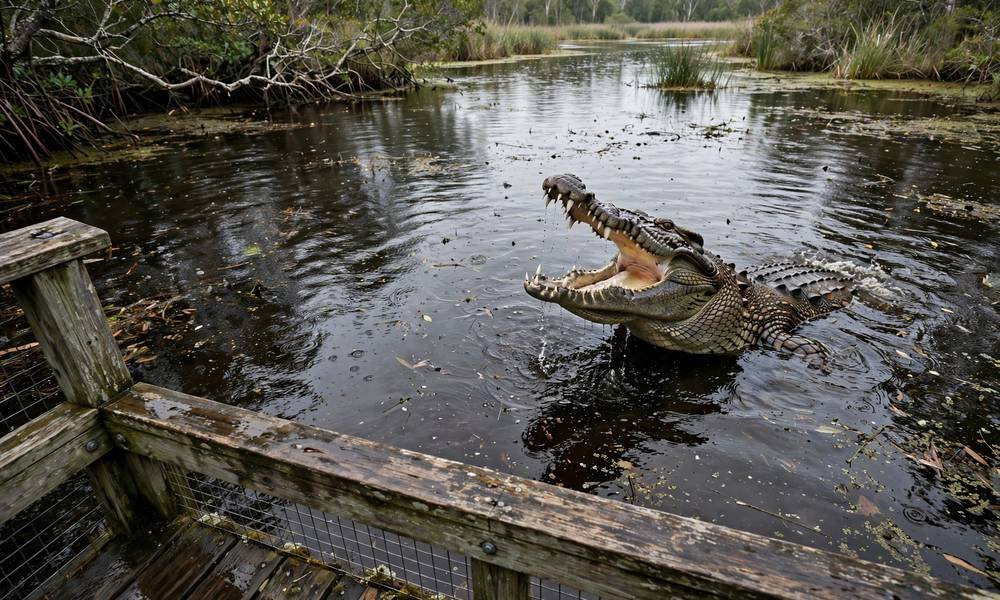
Right in the middle of the city on Mitchell Street sits Crocosaurus Cove, Darwin’s crocodile attraction. It’s home to some of Australia’s largest saltwater crocodiles, and you can watch them being fed from behind glass or on a raised platform. The big males here are genuinely huge, and seeing one launch out of the water at feeding time stays with you.
The star experience is the Cage of Death: you’re lowered into the croc enclosure in a clear acrylic cage while a 5-metre saltie circles around you. It’s not cheap, and it sells out in the dry season, so book ahead if it’s on your list. Even the standard entry is worth it for the reptile house and the feeding sessions, and kids love the small croc encounters.
Museum and Art Gallery of the Northern Territory (MAGNT)
The Museum and Art Gallery of the Northern Territory (MAGNT) sits on the waterfront at Bullocky Point, and general entry is free. It’s the best rainy-day or scorching-afternoon activity in Darwin, and it’s genuinely good.
Start with the Cyclone Tracy exhibit, which tells the story of the Christmas 1974 cyclone that flattened the city. The darkened room with the original sound recordings is chilling. Then find Sweetheart, the famous 5.1-metre saltwater crocodile, preserved and on display. The Aboriginal art galleries are strong too, with works from across the Top End and the Tiwi Islands.
Give it two hours. The cafe overlooks the water, which makes a fine lunch stop.
Swim Safely at the Darwin Waterfront
Here’s the thing about Darwin: you can’t safely swim at most beaches. Saltwater crocodiles and marine stingers live in these waters, and the warning signs are there for a reason. The Darwin Waterfront solves this with two safe swimming spots right in the city.
The Recreation Lagoon is a netted, stinger-free swimming area with a sandy beach, separated from the harbour so you can swim without worry. Next to it, the Wave Lagoon is a man-made wave pool with inflatable tubes and a shallow end for kids. Entry fees apply to the Wave Lagoon, and both spots get busy on dry-season weekends, so arrive early.
The waterfront precinct around the lagoons has restaurants, lawns, and shade sails, which makes it an easy half-day with kids.
Darwin WWII History: Oil Storage Tunnels and Military Museum
Darwin was bombed by Japanese forces on 19 February 1942, and the city wears that history openly. The WWII Oil Storage Tunnels, dug into the cliffs near the waterfront, are open for self-guided walks through the cool, echoing tunnels where fuel was once stored. The displays inside explain Darwin’s wartime role without overdoing it.
For the full story, head to the Darwin Military Museum at East Point. It sits on an original wartime site with gun emplacements still in place, and its exhibits cover the 1942 raids and the years that followed. Combine it with a walk around the East Point headland, which has ocean views and a small beach.
More Darwin History: Gaol, Aviation and Wartime Stories
The Oil Storage Tunnels and the Military Museum cover one part of Darwin’s wartime story. These four stops add the rest of it, plus a look at flying in the Top End. They suit a slower morning, and they pair well with the main WWII sites.
Fannie Bay Gaol
Fannie Bay Gaol is Darwin’s old prison, and it now works as a small museum. You walk through the cells, the yards, and the old buildings, and the displays explain what life was like for prisoners and guards. It is a plain, honest look at a hard part of the city’s past. It is not a big stop, so allow about an hour. Check opening times before you go, as hours can change with the season.
Darwin Aviation Museum
The Darwin Aviation Museum sits near the airport and holds aircraft and displays that tell the story of flying in northern Australia. The large aircraft on show give you a real sense of scale, and the displays cover wartime flights as well as civilian flying. Kids who like planes tend to enjoy this one, and adults get plenty from the stories behind the aircraft too. Check opening times and ticket details before you go.
Defence of Darwin Experience
The Defence of Darwin Experience focuses on one event: the bombing of Darwin in 1942. Through displays and stories, it explains what happened on the day, who was involved, and how the city responded. It adds personal detail to the bigger WWII sites already in this guide. If the main military museum left you wanting more background, this is the stop that fills it in. Check opening times before you go.
Royal Flying Doctor Service Darwin Tourist Facility
The Royal Flying Doctor Service Darwin Tourist Facility tells the story of the flying doctors and their work across remote Australia. Displays and films explain how the service reaches people far from hospitals, and how it grew from small beginnings into a large outback health service. It is a good stop if you want to understand life in remote Australia, not just the sights of Darwin itself. Check opening times and ticket details before you go.
More Things to Do in Darwin
A few smaller experiences that round out a Darwin trip nicely:
- Parap Village Markets on Saturday mornings are Darwin’s local food market, smaller and more local-feeling than Mindil, with great laksa and tropical fruit.
- Aquascene at Doctors Gully lets you hand-feed fish at high tide. Check the tide times and season schedule before you go, because it only runs when conditions suit.
- Deckchair Cinema screens films under the stars during the dry season. Bring a picnic, hire a deckchair, and watch the sun set before the movie starts.
- George Brown Darwin Botanic Gardens are free and full of tropical plants, palms, and a rainforest gully. Go early in the morning when the light is soft and the heat is bearable.
- Stokes Hill Wharf is a historic wharf with restaurants over the water and sunset views. It’s where many harbour cruises depart.
Wildlife and Nature Near Darwin
Darwin’s wildlife goes well beyond Crocosaurus Cove. These parks, springs, and wetlands suit animal lovers and birdwatchers, and most of them work as easy half day trips from the city.
Crocodylus Park and Zoo
Crocodylus Park and Zoo is a wildlife park with a strong focus on crocodiles. You can see crocs of many sizes, plus other Australian animals, and feeding sessions and keeper talks run through the day. It is a good second croc stop after Crocosaurus Cove, because it feels more like a zoo visit than a city attraction. Families often spend a full morning here. Check opening times and ticket details before you go.
Territory Wildlife Park
Territory Wildlife Park is a larger wildlife park set in bushland, with walking trails, animal enclosures, and a lagoon area. You can see Top End animals in a natural style setting, and the park suits visitors who like to walk and take their time. It works well as a half day trip, and it pairs with a stop at Berry Springs on the same outing. Check opening times and ticket details before you go.
Berry Springs Nature Park
Berry Springs Nature Park is a popular swimming and picnic spot south of Darwin, known for its clear spring pools and shady lawns. It is a favourite with locals on hot dry season days. Pack a picnic, bring shade, and arrive early on weekends, as the car park fills up. Always check signs and current advice before swimming, as conditions can change, and never swim where signs warn against it.
Fogg Dam Conservation Reserve
Fogg Dam Conservation Reserve is a birdwatching spot on the Adelaide River floodplain. Raised walkways and viewing platforms let you look over the wetlands, where waterbirds gather in large numbers in the dry season. Bring binoculars if you have them, and come early in the morning when birds are most active. This is a look and listen stop, not a swimming stop. Check signs and current access advice before you go.
Corroboree Billabong and Mary River Wetlands Cruises
Corroboree Billabong sits in the Mary River wetlands, east of Darwin. Cruises on the billabong take you through lily covered water, past birds, buffalo, and wild crocodiles seen from the safety of the boat. It is a calmer wetland experience than a jumping crocodile cruise, and birdwatchers rate it highly. Cruises pair well with a visit to Kakadu National Park, which sits further east in the same wetland country. Check cruise times and seasonal availability before you go, as water levels change through the year.
How Many Days Do You Need in Darwin?
Two full days covers the city comfortably: one for the markets, waterfront, and Crocosaurus Cove, and one for MAGNT, the WWII sites, and a sunset cruise. Add a third day and you can fit in a Litchfield day trip or a lazy morning at the botanic gardens.
If you’re using Darwin as a base for the Top End, plan five to seven days total. That gives you the city plus Litchfield National Park and Kakadu National Park, which both deserve more than a rushed visit.
The Best Time to Visit Darwin
Darwin has two seasons, and they couldn’t be more different.
The dry season (May to October) is the time to come. Days are sunny and warm, humidity is low, and everything is open: the Mindil markets, the Deckchair Cinema, and most tours run at full schedule. This is peak season, so book accommodation and popular tours ahead.
The wet season (November to April) is hot, humid, and dramatic. Afternoon storms roll in, waterfalls in the national parks are at their most powerful, and prices drop. But some roads and tours close, humidity is relentless, and you’ll need to plan around the rain. The build-up months of October and November are the hardest: hot, sticky, and stormy without the relief of real rain.
For a first trip, aim for May to September. You’ll get the classic Darwin experience.
Getting Around Darwin
The city centre is compact and easy to walk. Mitchell Street, the Esplanade, and the waterfront are all within comfortable walking distance of each other. Public buses cover the suburbs and the airport run.
For day trips you’ll want a car. Litchfield, the jumping croc cruises, and the route toward Kakadu are all self-drive friendly, and rental prices are usually reasonable outside peak season. Tours also run to all the major day-trip spots if you’d rather not drive.
Where to Stay in Darwin
First-timers do best in the city centre around Mitchell Street and the Esplanade: you’re walking distance from restaurants, the waterfront, and Crocosaurus Cove. The Esplanade side has the harbour views and a slightly quieter feel. The waterfront precinct suits families who want the lagoons on their doorstep. Darwin’s accommodation ranges from backpacker hostels to resort-style hotels, and dry-season prices climb, so book early.
Markets, Street Art and Eating in Darwin
Darwin’s markets go beyond Mindil and Parap, and its food scene deserves a section of its own. Add the stops below to a free morning or evening, and you will see a more local side of the city.
Nightcliff Markets and Rapid Creek Markets
Nightcliff markets are a local favourite on the northern suburbs foreshore, with food stalls, craft stalls, and a relaxed seaside feel. It suits an evening wander, a cheap dinner, and a look at what locals buy and eat. Rapid Creek markets are another local market, known for fresh produce and Asian groceries, and they suit a morning shop for picnic supplies. Check the current market days and hours before you go, as times can change with the season.
Darwin Street Art and Mural Walk
Darwin has a growing collection of street art and murals, painted on walls around the city centre and nearby streets. Some works come from the Darwin Street Art Festival, when artists paint large new murals across the city. You can walk the main streets and spot murals as you go, with no ticket and no set route. Start in the city centre, wear a hat, carry water, and keep an eye out for works in laneways and side streets as well as on main walls.
The Darwin Food Scene and the Laksa Trail
Darwin’s food scene reflects its links with Southeast Asia and its mix of cultures. Laksa is the dish most visitors hear about first, and trying it at a few different spots has become a casual trail in itself. You will find laksa at market stalls, small cafes, and restaurants across the city, and each place has its own take on the soup. Beyond laksa, Darwin offers Thai, Vietnamese, Chinese, and Indian food, plus fresh seafood and tropical fruit. For cafes, the city centre and the northern suburbs both have good options for breakfast and coffee. Come hungry, try one new dish each day, and ask locals for their pick if you want a tip beyond the main strips.
The Best Day Trips from Darwin
Darwin’s real superpower is what sits around it. These are the day trips worth your time:
- Litchfield National Park, about 90 minutes south, packs waterfalls you can swim under (Florence Falls and Wangi Falls), the Buley Rockhole swimming holes, and giant magnetic termite mounds into an easy day trip.
- Kakadu National Park, a few hours east, is Australia’s largest national park and a full experience on its own: ancient rock art, wetlands full of birds and crocs, and waterfalls. It deserves two to three days, but day tours run from Darwin if time is tight.
- Jumping crocodile cruises on the Adelaide River, about an hour east, get you close to wild salties as they launch out of the water for food. It’s touristy and completely thrilling.
- The Tiwi Islands (Bathurst and Melville) run day trips by ferry or light plane, with Aboriginal art centres and a culture quite different from the mainland.
One More Day Trip: Katherine Gorge (Nitmiluk)
Katherine Gorge, in Nitmiluk National Park, is a longer day trip from Darwin, and it suits travellers who have already done Litchfield and Kakadu. The gorge is a series of deep sandstone gorges cut by the Katherine River, and gorge cruises are the classic way to see it. Cruises run through the gorge system, with guides explaining the rock, the river, and the cultural stories of the area. Walking tracks also run along the gorge rim and into the park, for visitors who want to stretch their legs after the cruise. Swimming is only safe where signs say so, so check current advice before getting in the water. Allow a full day for this trip, start early, and check cruise times and seasonal availability before you go, as river levels change through the year.
Darwin Tours Worth Booking Ahead
A few Darwin experiences sell out in the dry season, so lock these in before you arrive:
- A sunset sailing cruise on Darwin Harbour from Stokes Hill Wharf. Two hours, open water, and the sunset does the rest.
- A jumping crocodile cruise on the Adelaide River, usually combined with a stop at Fogg Dam or a wildlife park.
- A Litchfield day tour with swimming stops, if you’d rather not self-drive.
- Cage of Death at Crocosaurus Cove, if swimming with a crocodile is your idea of a good time.
- Deckchair Cinema tickets for dry-season weekends.
Sunsets and Time on the Water
Stokes Hill Wharf and the sunset cruises already in this guide are not the only ways to enjoy Darwin Harbour. These sunset spots and water activities add a livelier side to the harbour.
Darwin Sailing Club and Cullen Bay Sunset Spots
The Darwin Sailing Club at Fannie Bay is a well known sunset spot, with open views over the water and a relaxed club feel. It suits an evening drink and a meal while the sun goes down. Cullen Bay, near the city, offers another sunset option, with a marina, restaurants, and harbour views in a smaller, quieter setting than the Waterfront. Both spots suit travellers who want a sunset without the Mindil crowds. Check current visitor access before you go.
Harbour Jet-Ski Tours and Kayaking
Harbour jet-ski tours take you out on Darwin Harbour with a guide, past the city skyline, the wharves, and the open water beyond. They suit confident swimmers who want speed and a different view of the harbour. Harbour kayaking is the slower option. Guided kayak trips paddle along the harbour edge, where you can spot birds and marine life and enjoy the city from the water. Both activities depend on weather and tides, so check tour times and safety rules before you book, and follow your guide’s advice on the water.
Darwin With Kids
Darwin works well for families, as long as you plan around the heat and the croc rules. Start with the stops kids enjoy most. Crocosaurus Cove gives them close croc encounters in the city centre, and the Waterfront lagoons give them safe swimming, which matters here, since Darwin’s beaches are not safe for swimming. The Museum and Art Gallery has hands on displays that suit older kids, and the Botanic Gardens give younger kids room to run in the shade.
For a full family day out, add Crocodylus Park and Zoo or the Territory Wildlife Park, where kids can see animals and join feeding sessions. Berry Springs suits a family picnic, with lawns and shallow pools, but always check signs and current advice before swimming. On market nights, Mindil Beach Sunset Markets suit families well, with food stalls, buskers, and room to wander. Keep days short, carry water and hats, and plan one main activity per morning and one per evening, with a rest in the middle of the day.
Essential Darwin Tips: What to Know Before You Go
- Crocodiles are real here. Never swim in rivers, estuaries, or beaches with warning signs. The signs are not decoration.
- The sun is brutal year-round. Hat, sunscreen, and water are non-negotiable, even on cloudy days.
- Start day trips early. Distances are bigger than they look on the map, and the heat builds through the day.
- Book dry-season accommodation early. Darwin is small and May to September fills up.
- Check seasonal schedules. Markets, cinemas, and some tours only run in the dry season.
FAQs About Visiting Darwin
Is Darwin worth visiting?
Yes, especially as the gateway to the Top End. The city itself has enough for two to three days of markets, history, crocodiles, and sunsets, and it sits within easy reach of Litchfield and Kakadu.
Can you swim at Darwin’s beaches?
Not safely. Saltwater crocodiles and marine stingers make most beaches unsafe for swimming. Use the netted Recreation Lagoon or the Wave Lagoon at the Darwin Waterfront, or hotel pools.
How many days do you need in Darwin?
Two days covers the city. Plan five to seven days if you want to add Litchfield and Kakadu day trips or overnights.
What is Darwin known for?
Sunsets over the harbour, the Mindil Beach markets, saltwater crocodiles, its WWII bombing history, and its tropical, multicultural character. It’s also the closest Australian capital to Asia.
When is the wet season in Darwin?
Roughly November to April, with the heaviest rain from December to March. The dry season runs May to October and is the best time for most visitors.
What are the best markets in Darwin besides Mindil?
Parap Village Markets suit a Saturday morning food shop, Nightcliff markets suit a relaxed foreshore evening, and Rapid Creek markets suit fresh produce and Asian groceries. Check the current market days before you go, as times change with the season.
Can you swim at Berry Springs?
Berry Springs is a popular swimming spot, but conditions change, so always check signs and current advice before getting in the water. Never swim where signs warn against it. The Waterfront lagoons in Darwin remain the safest city swimming option.
Is Darwin good for a family holiday?
Yes, with planning. Kids enjoy Crocosaurus Cove, the wildlife parks, the Waterfront lagoons, and the markets. Keep days short in the heat, carry water and hats, and never swim in rivers, estuaries, or beaches with warning signs. Crocodile safety rules apply to the whole family.
What is the Darwin laksa trail?
It is an informal way of trying laksa at several spots across the city, from market stalls to cafes and restaurants. No set route exists, so pick a few places, compare their versions, and ask locals for their favourite. It is a tasty way to explore Darwin’s multicultural food scene.
Final Thoughts on Visiting Darwin
Darwin is an easy city to like. The days are warm, the sunsets over the harbour are hard to beat, and the mix of markets, history and wildlife gives every day something different. Give the city itself two or three days before you head out on day trips.
Plan around the seasons and you will enjoy it even more. Visit in the dry season for the markets, the outdoor cinema and easy day trips to Litchfield and Kakadu. However long you stay, Darwin works best at a slow pace, with a cold drink in hand at sunset.
Keep exploring:
Darwin is just the start of the Northern Territory. Head east to Kakadu National Park for ancient rock art and wetlands, or go south to the Red Centre with our guide to things to do at Uluru. The Top End rewards travellers who keep going.