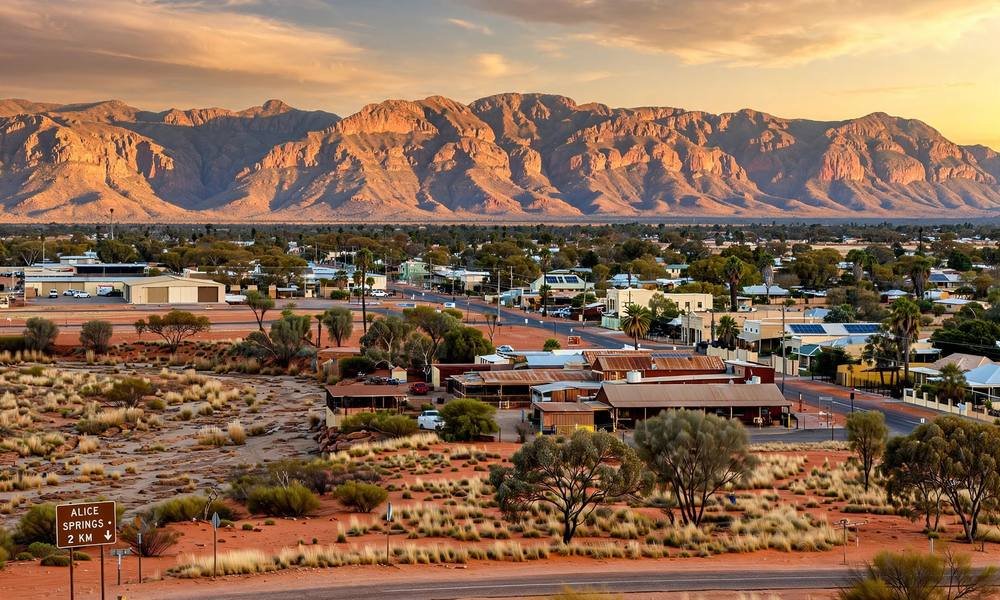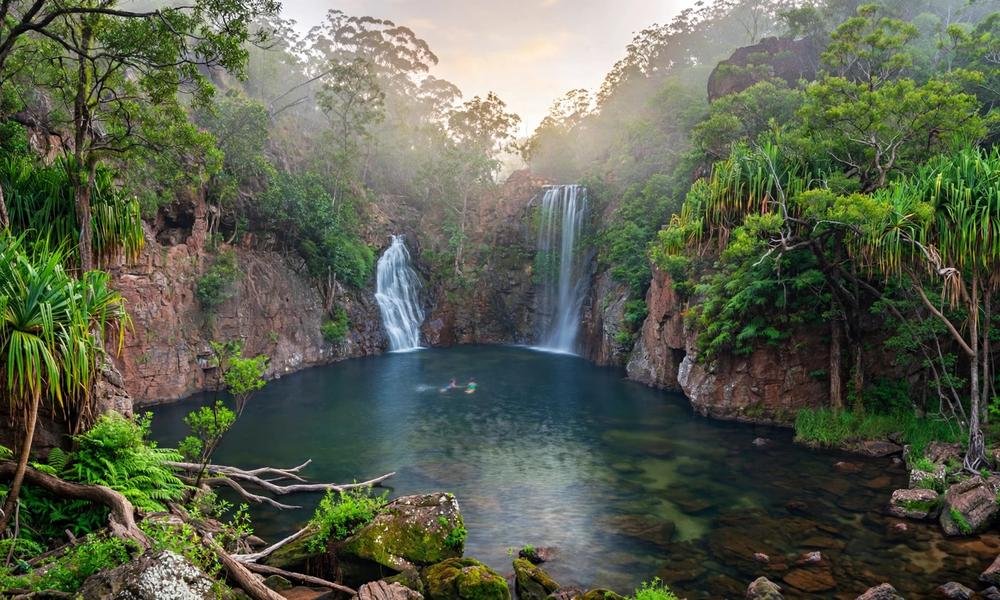
Kakadu is Australia’s largest national park. Nearly 20,000 square kilometres of the Northern Territory’s Top End. (For more big facts about the country, see our Australian geographic facts.) Wetlands, waterfalls, ancient rock art and wildlife, across country Aboriginal people have called home for more than 60,000 years.
Don’t rush Kakadu. It’s not a day trip. Plan at least three days. A week is easy to fill. This guide from Australia City Guide covers the rock art sites, waterfalls, cruises, regions and planning tips you actually need.
Kakadu Rock Art: Ubirr and Burrungkuy
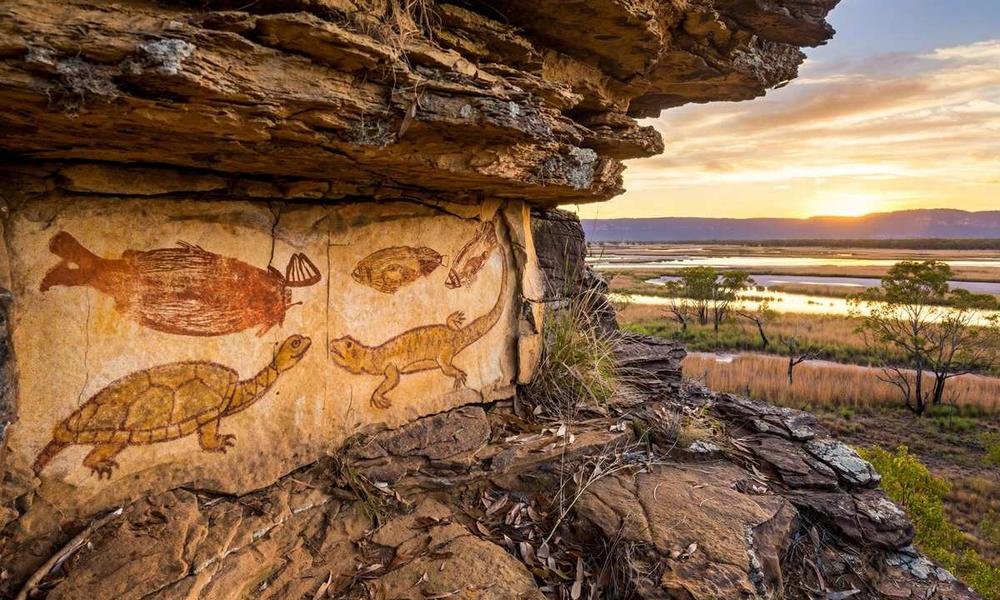
The rock art is the soul of Kakadu. Thousands of paintings cover the sandstone walls and overhangs. Some are ancient. Some are recent enough to show buffalo hunters from the 1800s. Together they record one of the longest continuing cultures on earth.
Ubirr, in the East Alligator region, is the most famous site. A walking track loops past several galleries, each with a different style and story. Paintings of animals, spirits and early contact with outsiders. Climb to the lookout at the top for sunset. The view stretches over the floodplains to the Arnhem Land escarpment. One of the great sunset spots in Australia, no contest.
Burrungkuy (Nourlangie) is the other essential rock art site. A 1.5-kilometre trail passes galleries showing hunting scenes, kinship stories and the famous Lightning Man figure. The free ranger talk here is worth your time. Continue past the galleries to the Kunwarddewardde Lookout for sweeping views.
For somewhere quieter, try Nanguluwurr. Short drive from the main Burrungkuy car park. The collection here is just as impressive, with far fewer visitors. The Bardedjilidji walk near Ubirr is another good option, winding through layered sandstone with smaller art sites along the way.
Yellow Water Cruise: Kakadu Wetlands Wildlife
Yellow Water is a vast billabong in the middle of the park. Some of the best wildlife viewing in Australia happens here. Crocodiles slide through the water. Jabirus, brolgas, magpie geese and dozens of other birds crowd the paperbark trees.
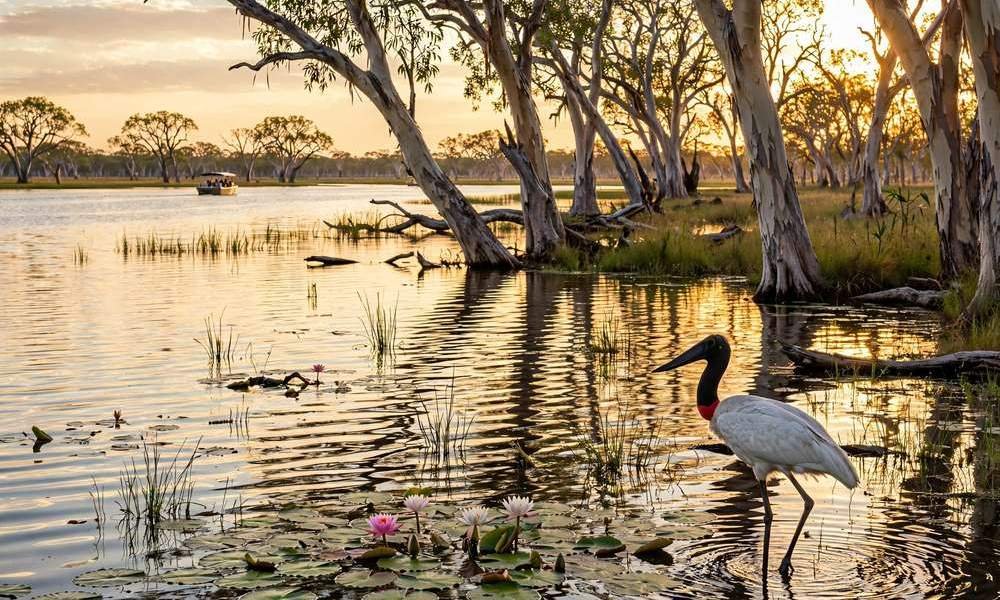
The best way to see it is from the water. Cruises run at sunrise and sunset, when the light is golden and the animals are active. A guide points out wildlife you’d never spot alone and explains how the wetlands work. This is one of the essential things to do in Kakadu National Park. Don’t skip it.
Nearby, the Warradjan Aboriginal Cultural Centre is worth an hour. Its free displays explain how the local Bininj people have lived with this land for millennia. The centre sits close to Cooinda, where most Yellow Water cruises depart.
Kakadu Waterfalls: Jim Jim, Twin Falls, Gunlom and Maguk
Kakadu’s waterfalls are spectacular. But they’re seasonal. In the wet season they thunder. In the dry season some slow to a trickle. Check conditions at the Bowali Visitor Centre before you set out. For waterfall inspiration in other states, see our guide to the best waterfalls in Australia.
Jim Jim Falls drops about 150 metres over the Arnhem Land escarpment. Below it sits a deep, cold plunge pool ringed by cliffs. Getting there needs a 4WD and a rough track. In the dry season the falls may stop flowing, but the gorge and pool are still worth the trip.
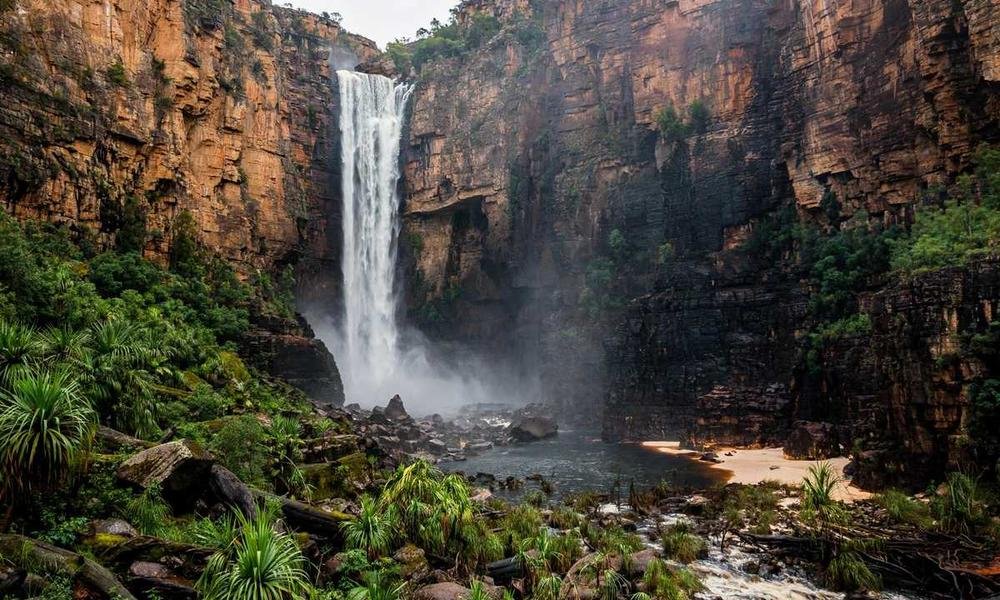
Twin Falls sits further along the same road. A short boat transfer through the gorge, then a walk to a sandy beach beside the falls. Swimming isn’t allowed here, but the setting is hard to beat. The walk to the plateau above gives huge views.
Gunlom is the famous one from the photos. A short walk leads to the plunge pool at the base. A steeper climb takes you to the top, where a natural infinity pool sits right at the edge of the falls. One of the most photographed spots in the park. There’s a popular campground here, so think about staying the night to catch it at sunrise and sunset.
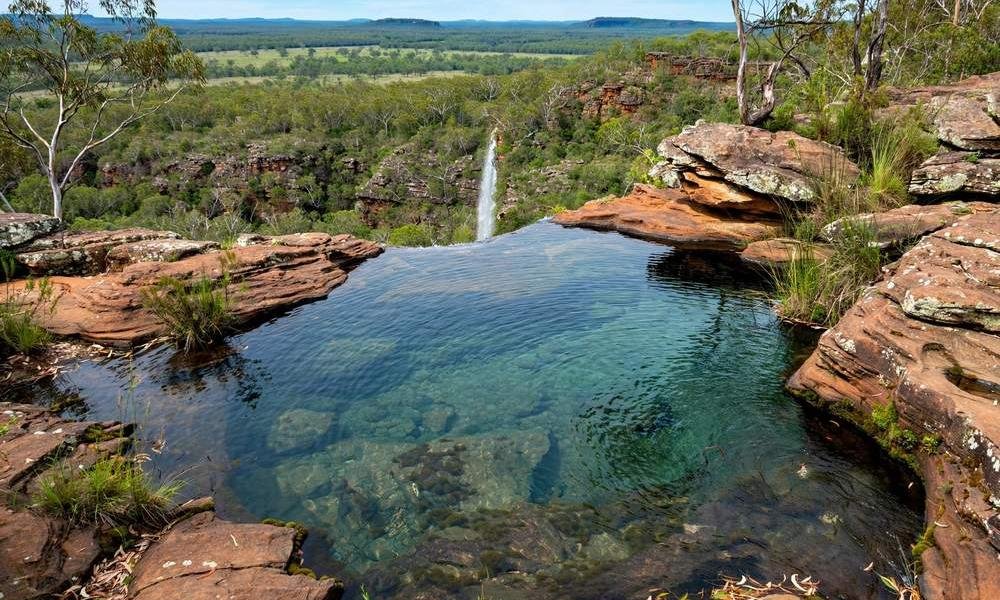
Maguk is a beautiful alternative. A large swimming hole in an amphitheatre of sandstone, waterfall at the far end. The walk in takes about 20 minutes over rocks from the car park. Feels wilder and less visited than Gunlom.
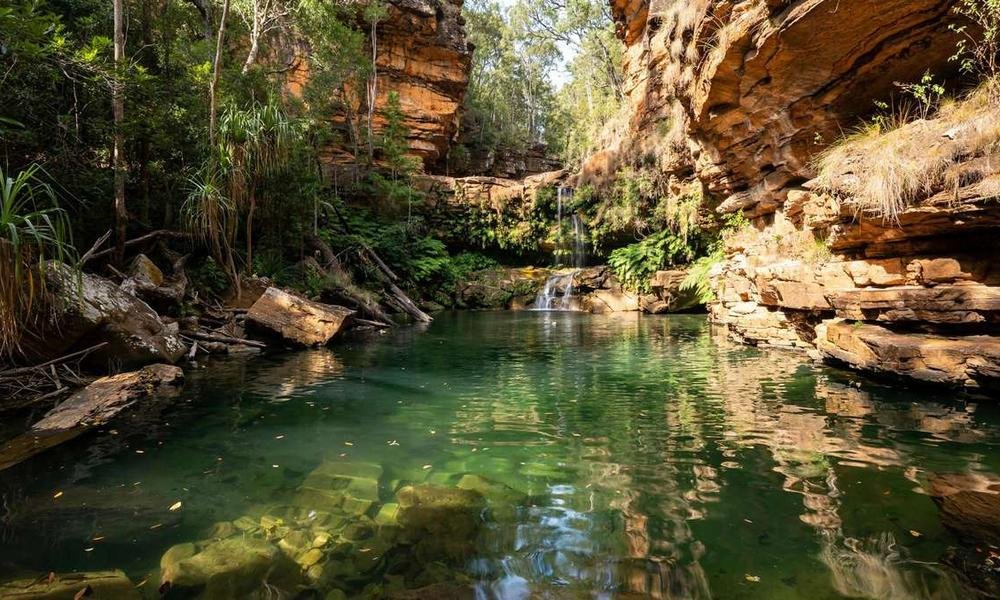
The Yurmikmik walks near Gunlom link several smaller plunge pools and falls. Trails run from short strolls to full-day hikes. Good option if you want waterfalls without the crowds.
Birdwatching and Fishing in Kakadu
Kakadu holds around a third of Australia’s bird species. Even casual visitors will see jabirus, brolgas, cockatoos and sea eagles without trying. Serious birdwatchers can join specialist tours to the best spots at the right time of day. Mamukala wetlands and Yellow Water are the top locations.
Fishing is popular, especially for barramundi. You’ll need your own gear and a boat for most spots. Check the regulations first. Some areas are closed to fishing, and crocodile safety rules apply everywhere near water.
Sold on the idea? Here’s how to plan it.
How to get to Kakadu from Darwin
Most visitors come from Darwin. The drive to Jabiru, the park’s main town, takes about two and a half to three hours on sealed roads. Fill up in Darwin or at the roadhouses on the way. Kakadu is huge, so expect long drives between regions once you’re inside the park too.
There’s no public transport to or within Kakadu. Your options are a rental car or a tour. Several operators run day trips and multi-day tours from Darwin, which suits non-drivers and anyone who’d rather not plan the logistics. A car gives you more freedom. A tour gives you a guide who knows the country.
How many days do you need in Kakadu?
Three days is the minimum for the main highlights: Ubirr, Burrungkuy, Yellow Water and one waterfall area. Four to five days lets you reach Jim Jim and Twin Falls and explore at a relaxed pace. A full week suits keen hikers, birdwatchers and photographers. Don’t attempt it as a day trip from Darwin. The driving alone would eat most of your day.
When is the best time to visit Kakadu?
The dry season (May to October) is the most popular time. Roads are open, the weather is pleasant, and wildlife gathers at shrinking waterholes, which makes animals easier to spot. Most sites are accessible.
The wet season (November to April) is dramatic. Waterfalls thunder, the landscape turns green, and storms light up the sky. But many roads and sites close due to flooding. Some travellers love it for the atmosphere and the smaller crowds.
The shoulder months can go either way. Check conditions before you go, whatever time of year you visit. Still weighing up seasons? Our guide to what season it is in Australia breaks down the climate across the country.
Do you need a 4WD in Kakadu?
The main sealed roads suit any vehicle. You can reach Jabiru, Ubirr, Burrungkuy, Yellow Water, Maguk and Gunlom in a standard car in the dry season. But Jim Jim Falls, Twin Falls and the more remote tracks need a high-clearance 4WD. No 4WD? Join a tour for those areas instead of risking it.
Is it safe to swim in Kakadu?
Only where the signs say so. Both saltwater and freshwater crocodiles live in the park, and saltwater crocodiles are dangerous. Never swim in rivers, billabongs or unmarked waterholes. Plunge pools like Maguk and parts of Gunlom are checked and signposted for swimming in the dry season. Always obey the signs. Conditions change.
Where to Stay in Kakadu: Jabiru and Cooinda
Jabiru is the main town and the most practical base. It has the shops, the fuel and the widest choice of accommodation. The crocodile-shaped hotel is hard to miss. It’s a real landmark and a comfortable mid-range stay.
Cooinda sits further south, closer to Yellow Water and the southern waterfalls. The lodge there has hotel rooms and villas, and there’s a campground on site. It suits travellers focusing on the wetlands and the Mary River region.
Book ahead in the dry season. Between May and October, rooms fill up and last-minute options are thin.
Camping in Kakadu National Park
Camping is the classic Kakadu experience. Campgrounds sit near many of the main attractions, including Gunlom and the Maguk area. Facilities are basic. You’ll generally find toilets, and some sites have showers. Bring your food, your water and everything else you need. Shops are few and far between.
Croc safety applies at campgrounds too. Don’t set up near the water’s edge. Follow the signs at every site. Popular campgrounds book out in the dry season, so reserve ahead when you can.
How much does it cost to visit Kakadu?
Kakadu works for most budgets. What you spend depends on how you travel.
The park pass is your main entry cost. It covers multiple days. Check the Parks Australia site for current prices.
Fuel and food are the big ones on the road. Kakadu’s regions are spread out, so you’ll drive a lot. Shops are few once you leave Jabiru, so stock up before the day trips.
Tours versus self-drive is the main tradeoff. Self-driving is cheaper once you have the car. Tours cost more but handle the logistics, the 4WD-only areas and the local knowledge. Many travellers mix the two: self-drive the main sites, join a tour for Yellow Water or Jim Jim Falls.
The free ranger program is one of the best things in the park and costs nothing.
Kakadu National Park Regions: Area-by-Area Guide
Kakadu is huge. It helps to think of it in regions, each with its own character.
South Alligator region is the first area you hit coming from Darwin. Most people drive straight through. If you need a leg stretch, the Mamukala wetlands walk is worth an hour, especially late in the dry season when magpie geese gather in huge flocks.
Jabiru region centres on Jabiru, the main town. Shops, fuel and the famous crocodile-shaped hotel. The Bowali Visitor Centre here is your first stop for park passes, maps and the latest road and site conditions. Its free museum explains the park’s nature and environment. The Marrawuddi Arts and Culture Centre in Jabiru shows Indigenous art, often with artists working on site, plus a good cafe.
East Alligator region holds Ubirr and the East Alligator River itself. The Guluyambi Cultural Cruise, run by local Aboriginal guides, is a top way to see the river, spot crocodiles and hear stories of the country. Cahills Crossing is worth seeing, but stay well back from the water. One of the most crocodile-dense river crossings in Australia.
Burrungkuy (Nourlangie) region covers the rock art galleries, the Anbangbang Billabong walk and the lookouts described above. Easy to spend a full morning here.
Yellow Water region is the park’s wetland country at its best, covered above.
Jim Jim region is the remote 4WD country in the southeast, covered above.
Mary River region in the south holds Maguk, Gunlom and the Yurmikmik walks. More accessible than Jim Jim and makes a great full day from Cooinda.
3-Day Kakadu Itinerary
Here’s a practical way to structure three days. Adjust it to your interests and the season.
Day 1: Drive from Darwin in the morning. Stop at the Bowali Visitor Centre for your park pass and the latest conditions. Base yourself in Jabiru. Afternoon in the East Alligator region: Ubirr rock art, a short walk, and sunset from the Ubirr lookout.
Day 2: Head south to the Mary River region. Swim at Maguk in the morning. Gunlom for the afternoon and the infinity pool at the top. Overnight at Cooinda or camp at Gunlom.
Day 3: Sunrise Yellow Water cruise. Warradjan Cultural Centre. Then Burrungkuy for the rock art galleries and the Kunwarddewardde Lookout. Back to Darwin in the late afternoon, maybe stopping at Mamukala wetlands on the way.
With extra days: add a 4WD day to Jim Jim and Twin Falls. Add a day for a cultural tour or scenic flight. Or simply slow down. Kakadu rewards travellers who aren’t in a hurry.
What to Pack for Kakadu National Park
- Plenty of water (more than you think you need)
- Hat, sunscreen and insect repellent
- Sturdy walking shoes for rocky tracks
- Swimmers and a towel for the safe plunge pools
- Printed maps (phone reception is limited in much of the park)
- Food and snacks (shops are few once you leave Jabiru)
- A first aid kit and a charged phone or emergency beacon for remote tracks
Trip’s taking shape. Now lock in the good stuff.
Kakadu Ranger Talks and Cultural Tours
The seasonal ranger program runs free guided walks and talks at sites around the park. The rangers are mostly local Bininj people. They explain the culture, the plants, the animals and the stories in a way no signboard can. Check the schedule at the Bowali Visitor Centre or online before your trip. Times change through the season.
For something deeper, look at the Aboriginal-owned tour operators. Cultural cruises on the East Alligator River and Yellow Water run with Traditional Owners. Some operators offer full-day safaris into backcountry areas, with bush tucker demonstrations and stories of traditional life. Among the most rewarding things to do in Kakadu, honestly.
Kakadu Scenic Flights
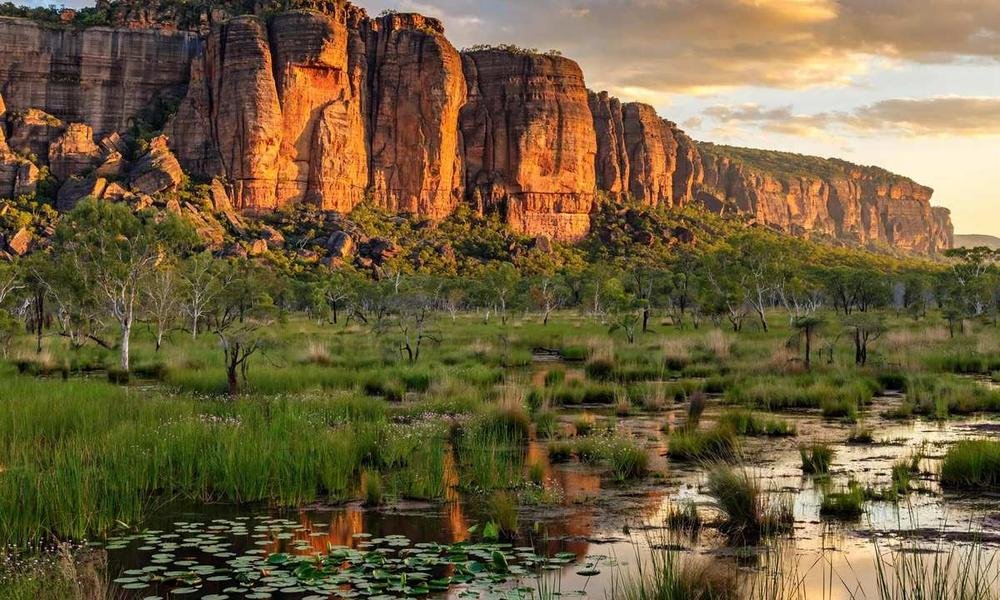
A scenic flight changes how you understand Kakadu. From the ground, the park feels like separate pockets. From the air, you see how the rivers, floodplains and escarpment connect.
Essential Kakadu Tips: What to Know Before You Go
- You need a park pass. Check the official Parks Australia site for current prices. Passes cover multiple days.
- Phone reception is limited. Download offline maps. Don’t rely on data.
- Crocodile safety is serious. Stay away from water edges unless signs say it’s safe. Never ignore a warning sign. Kakadu is home to some of Australia’s most dangerous animals. Read up before you go.
- Sites can close suddenly. Weather, crocodile sightings or cultural reasons can shut a site with little notice. Check at the visitor centres each morning.
- Bring food. Restaurants exist at Jabiru, Cooinda and a few other spots, but day trips to waterfalls and rock art sites have nothing. Pack enough for the day.
- Drive carefully. Wildlife crosses the roads, especially at dawn and dusk. Road trains use the highways.
- Respect the culture. Don’t climb on rock art sites, don’t remove anything, and follow all signs about restricted areas.
FAQs About Visiting Kakadu
What is the best time to visit Kakadu?
The dry season, May to October, suits most visitors. Roads are open, the weather is good and wildlife is easy to spot. The wet season brings spectacular waterfalls and storms but closes many sites.
How many days do you need in Kakadu National Park?
At least three days for the main sites. Four to five days lets you visit the remote waterfall areas and slow down. A week suits hikers and photographers.
Can you visit Kakadu from Darwin?
Yes. It’s about a 2.5-hour drive from Darwin to Jabiru on sealed roads. Day tours run from Darwin, but an overnight stay is far better. There’s no public transport. You’ll need a car or a tour.
Are there crocodiles in Kakadu?
Yes. Both saltwater and freshwater crocodiles live throughout the park. Saltwater crocodiles are dangerous. Never swim outside signposted areas and always obey warning signs.
Do you need a 4WD in Kakadu?
Not for the main sites, which are on sealed roads. You’ll need a high-clearance 4WD for Jim Jim Falls, Twin Falls and remote tracks. Tour operators cover those areas if you don’t have one.
Is Kakadu or Katherine Gorge (Nitmiluk) better?
They’re different. Nitmiluk has a beautiful gorge system with cruises and walks. Kakadu adds world-class rock art, bigger wetlands and more wildlife. If you can, visit both. Many travellers combine them in one Top End trip.
What should you pack for Kakadu?
Water, sun protection, insect repellent, sturdy shoes, swimmers for safe pools, printed maps, food for day trips and a first aid kit. Phone reception is limited, so don’t rely on apps alone.