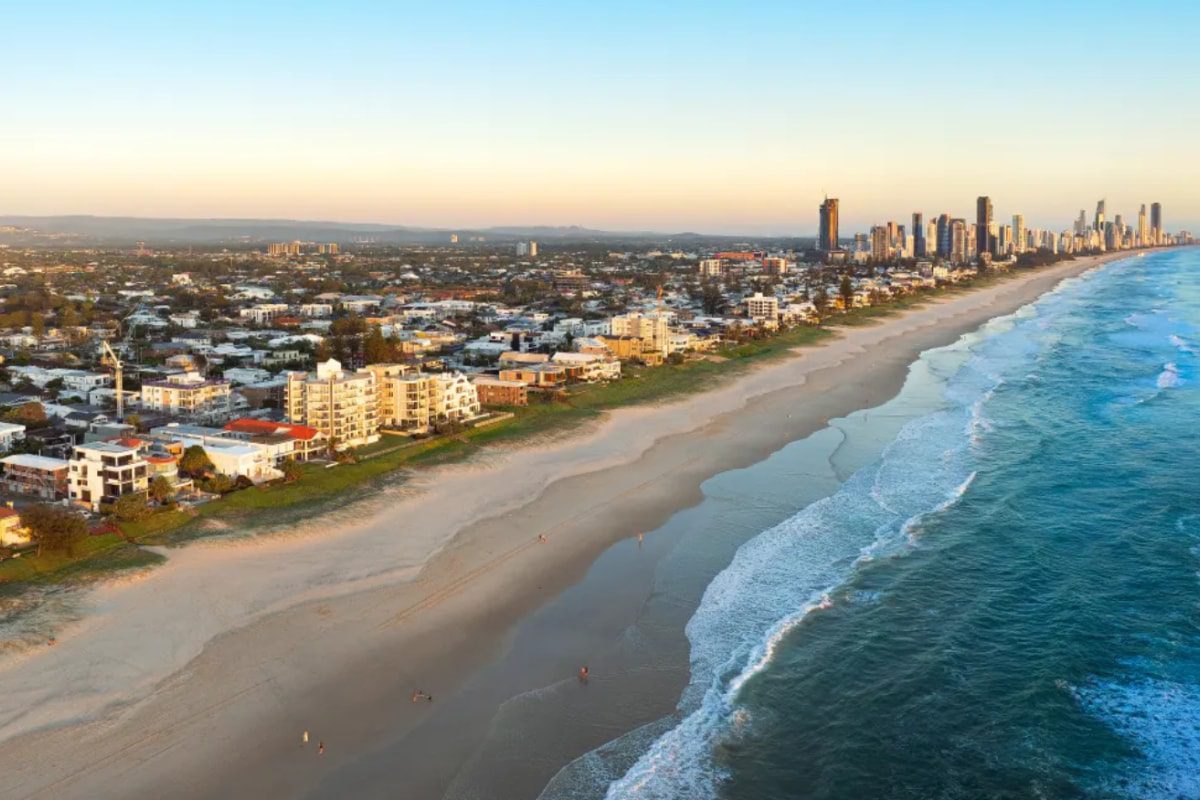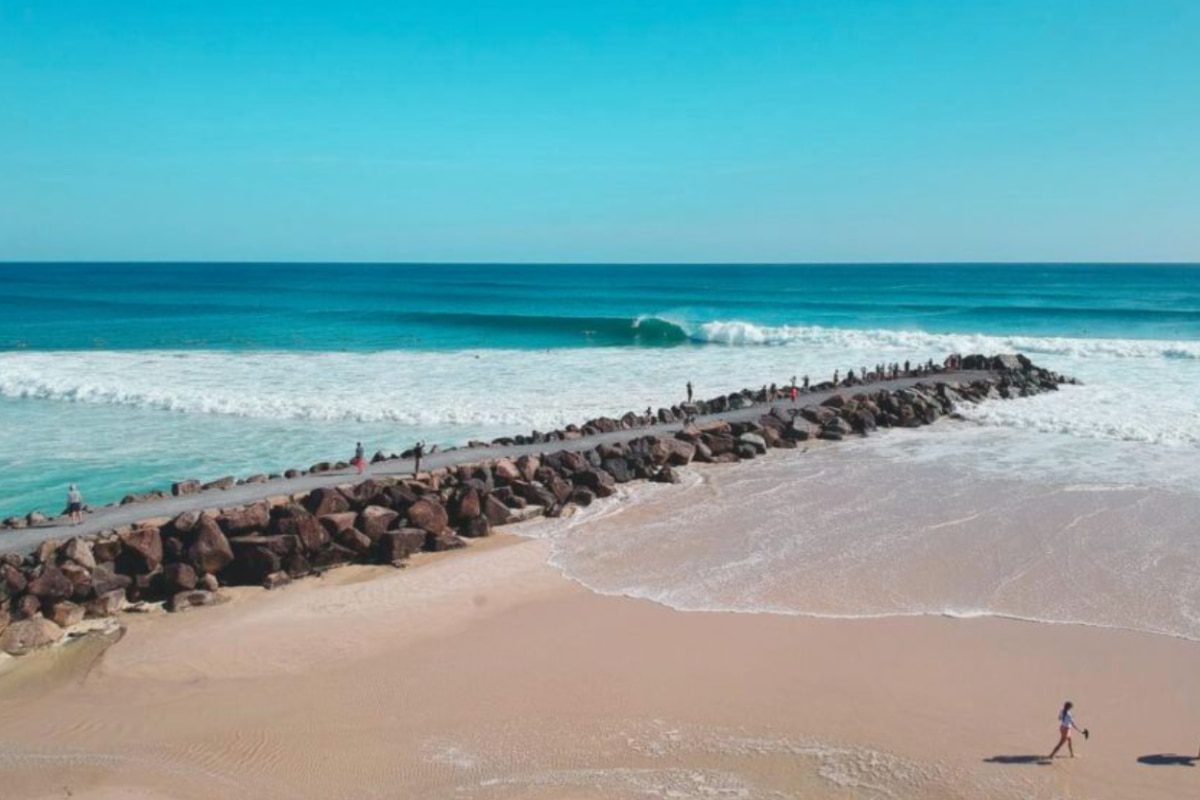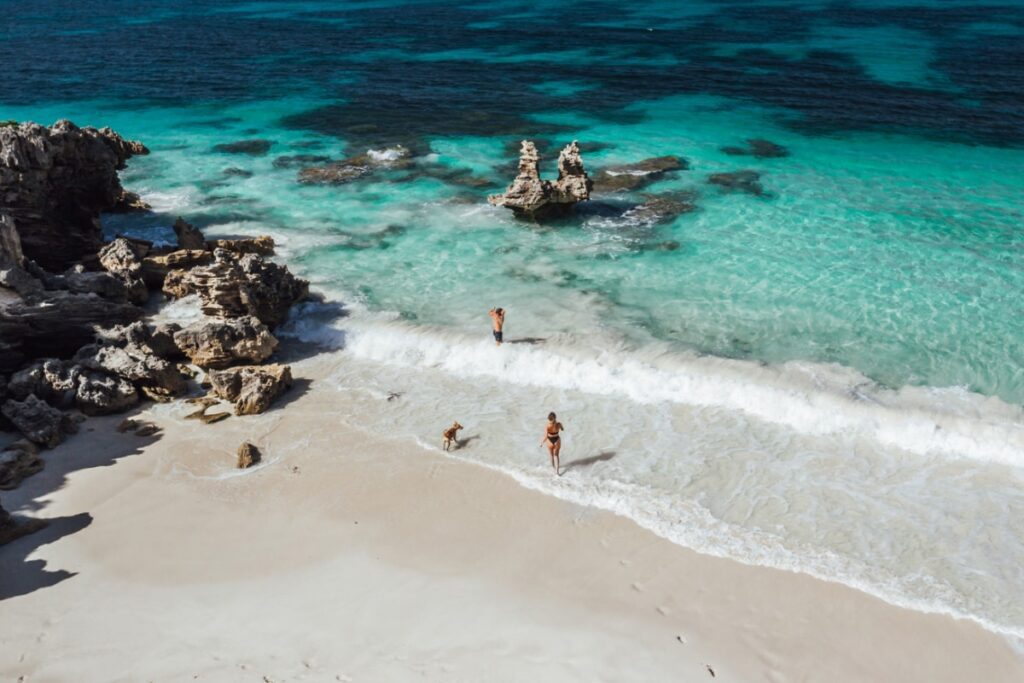

Australia has some pretty amazing beaches. We’re talking about over 25,000 kilometres of coastline with beaches that will blow your mind.
From super white sand that looks like it came from a fairy tale to waves that surfers dream about, Australia’s got it all.
You might be wondering which beaches are actually worth your time. Well, you’re in luck. We’ve put together a list of the best beaches in Australia that locals love and tourists can’t stop talking about.
These aren’t just pretty spots to take photos – they’re places where you can swim, surf, relax, and have the time of your life.
Some of these beaches are perfect if you have kids. Others are great for people who want to catch some waves. Some are so beautiful, they feel unreal. Let’s explore what makes these 15 beaches truly special.
Discover the 15 Best Beaches in Australia
1. Whitehaven Beach, Queensland
Known for: Soft white sand and clear turquoise waves
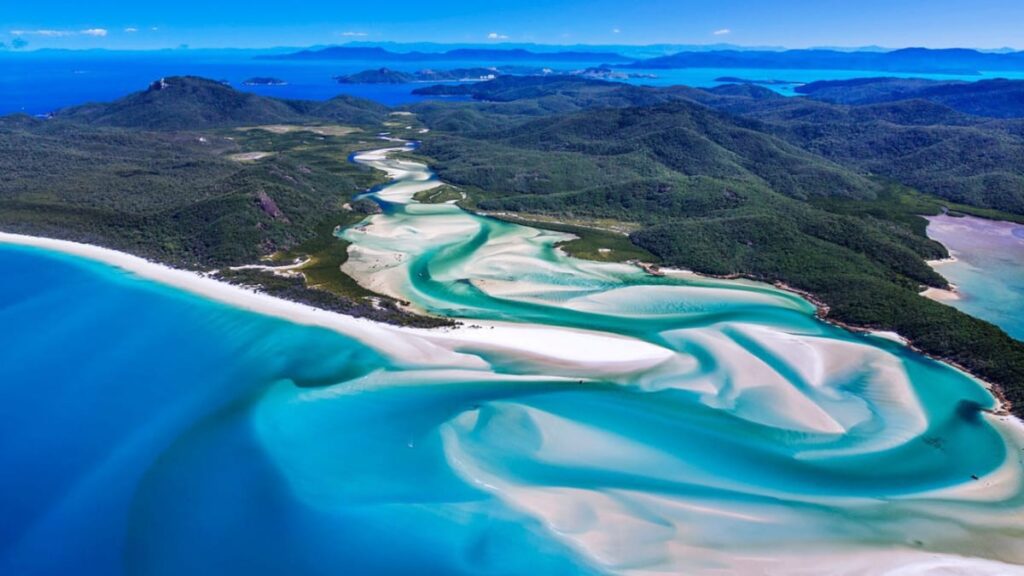
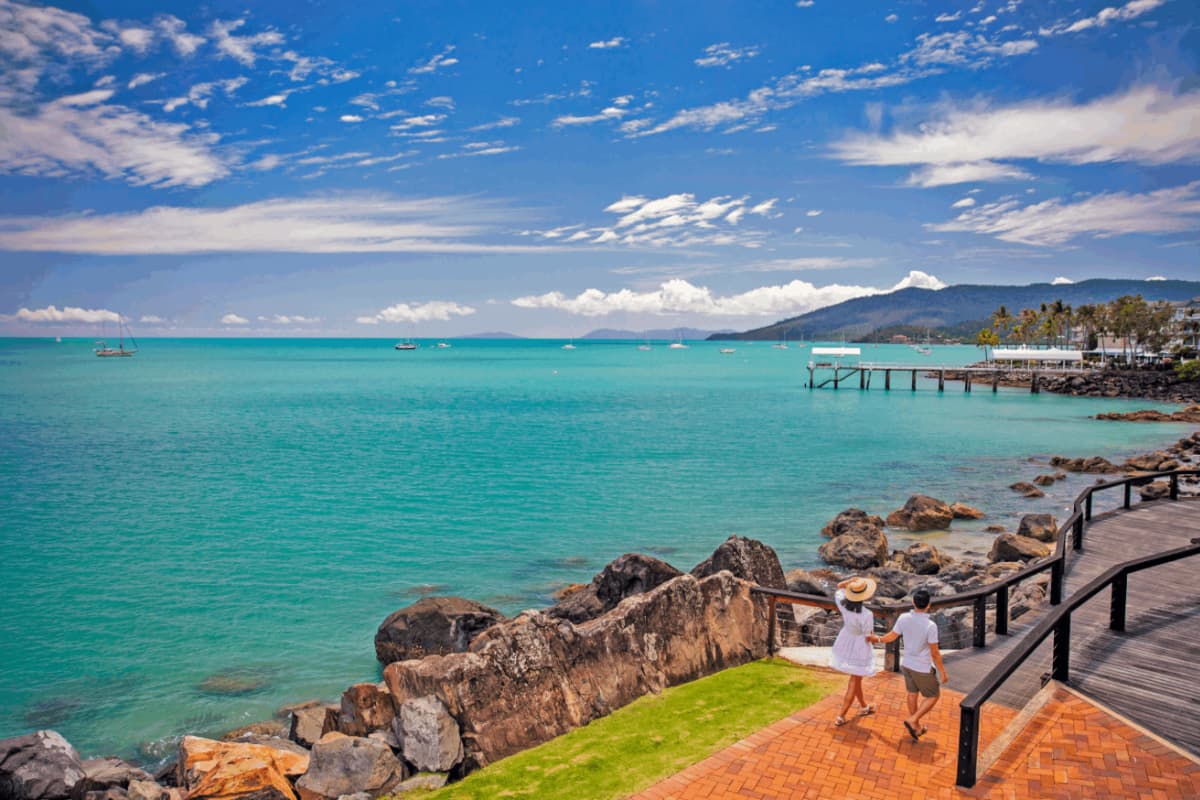
Whitehaven Beach sits on Whitsunday Island in the Whitsundays, and it is best for travellers who want a full day out on the water rather than a quick swim. The sand is almost pure silica, so it stays cool underfoot and looks bright white even on a cloudy day. You can only get here by boat, seaplane or helicopter, which is part of the appeal. Most visitors join a day cruise from Airlie Beach, then walk up to the Hill Inlet lookout to watch the tide swirl sand and water into shifting patterns below.
The best time to visit is the dry season, roughly May to October, when the days are warm and the sea is calmer. In the warmer months, from about October to May, marine stingers can be present, so wear a stinger suit on boat trips and follow your skipper’s advice. There are no shops, cafes or shade structures on the beach itself, so pack reef-safe sunscreen, a hat and plenty of water. Arrive early in the day if you want the lookout track quieter, and give yourself time at Hill Inlet. It is the view most people remember long after the boat ride home.
One practical tip: book your cruise a few days ahead in school holidays, because the popular day trips fill up fast. If you get seasick, pick a larger catamaran rather than a small speedboat, and sit near the back of the boat where the ride is steadier.
2. Bondi Beach, New South Wales
Known for: Surf culture and colourful beach life
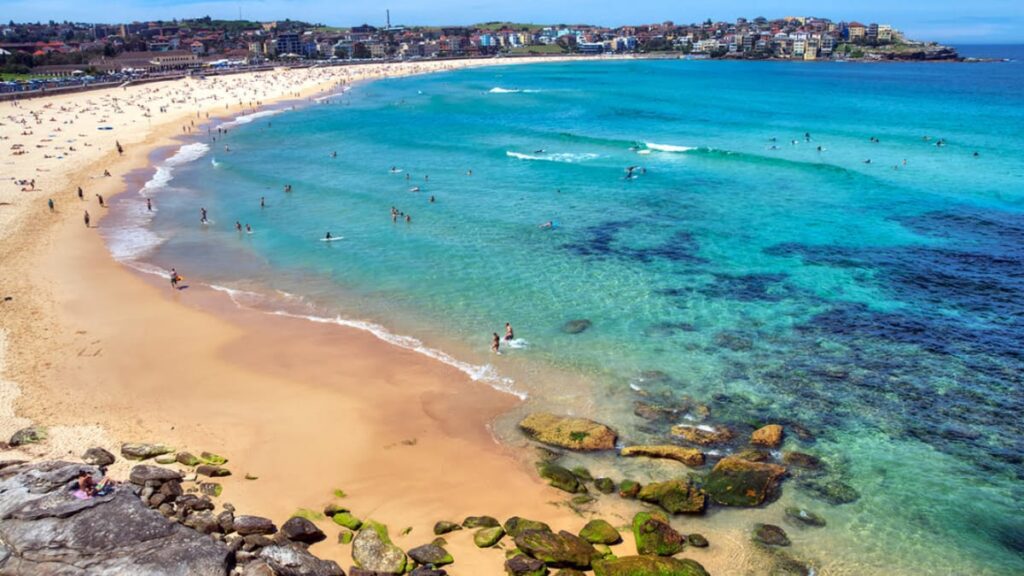
Bondi Beach is best for first-time Sydney visitors who want surf culture, cafes and a coastal walk all in one place. The beach sits about 7 kilometres east of the Sydney CBD, and lifeguards patrol it all year round. Surf schools run lessons through the day, so beginners can try a board with an instructor close by. Even if you never stand up, it is good fun to watch the locals work the waves from the sand or the promenade.
The best time to visit is a weekday morning, when the beach is busy enough to feel alive but not packed. Summer weekends draw big crowds, so arrive early if you want a good spot near the flags. After your swim, walk along Campbell Parade for cafes, restaurants and shops, then try the Bondi to Coogee coastal walk. It takes a couple of hours at an easy pace, with ocean pools and small bays along the way. Buses run regularly between Bondi and the city, and there is paid parking near the beach if you drive.
One practical tip: swim between the red and yellow flags. Bondi has strong rips, even on calm-looking days, and the flagged area is where the lifeguards watch. Leave valuables at your hotel, because the beach gets crowded and bags sit out in the open.
3. Hyams Beach, New South Wales
Known for: Bright white sand and calm, family-friendly waters
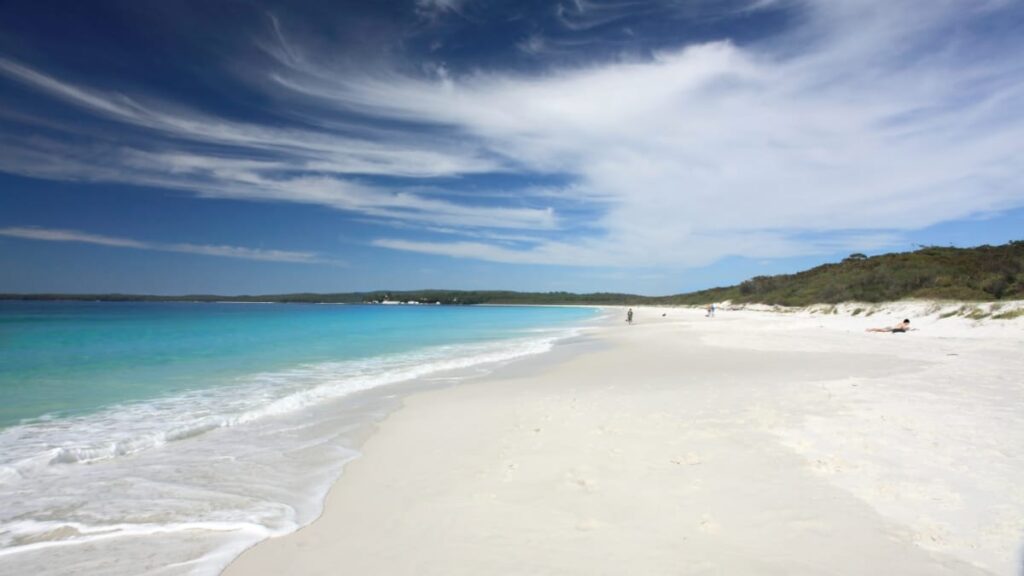
Hyams Beach is best for families who want calm water and soft white sand without the Sydney crowds. It sits on Jervis Bay, about three hours south of Sydney, and the bay shelters the beach from the open ocean swell. That sheltered water suits swimming, snorkelling and kayaking, and little ones can splash in the shallows while you relax on the sand. The sand here is often called some of the whitest in the world, and against the blue water of the bay it is easy to see why.
The best time to visit is outside school holidays if you can manage it, because the small village and its car parks fill up fast in summer. Weekdays are quiet, and the water stays pleasant well into autumn. There are a few cafes and a small store in the village, but no big shopping strip, so bring what you need for the day. If you want to make a weekend of it, nearby Jervis Bay towns offer more places to stay, plus dolphin cruises and national park walks.
One practical tip: arrive before mid-morning in summer. The main car park fills early, and the walk from overflow parking is longer than most people expect. Pack shade too, because the beach itself has little natural cover.
4. Cottesloe Beach, Western Australia
Known for: Sunset views and clear Indian Ocean waters
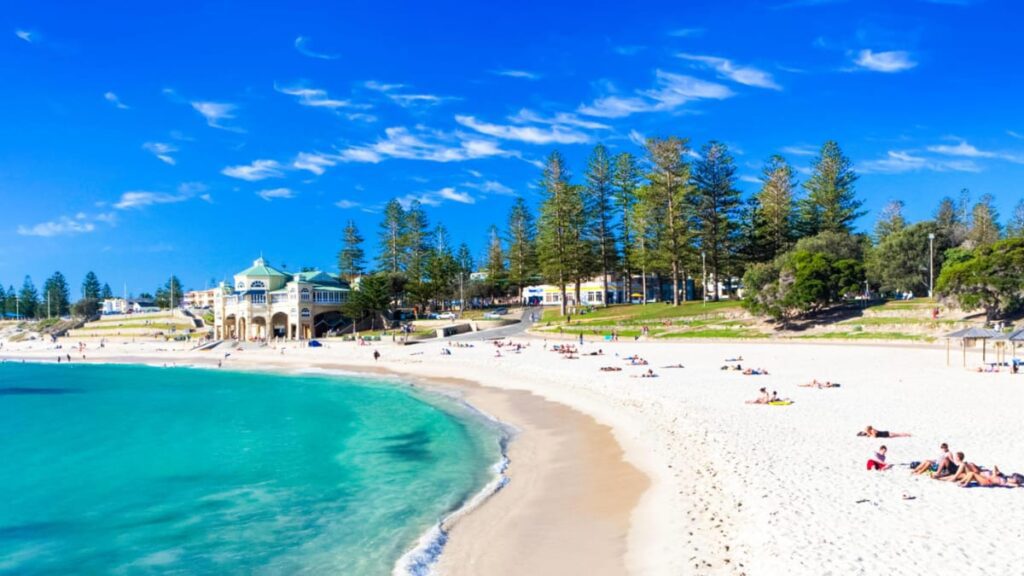
Cottesloe Beach is best for an easy Perth beach day that ends with a sunset. It is one of Perth’s most loved beaches, with white sand, clear Indian Ocean water and a reef just offshore that keeps the bigger waves out. That makes it a strong swimming spot for families and casual swimmers. Norfolk pines line the grass behind the sand, so you can always find some shade for a picnic, and the cafes along Marine Parade are an easy walk from the water.
The best time to visit is late afternoon, when the sun drops over the ocean and the beach fills with locals watching the sky change colour. Summer days are hot and busy, so mornings suit swimmers who want calmer water and an easier car park. Every year, Sculpture by the Sea turns the beach into an open-air gallery, and it is worth timing a visit for it if you can. You can reach Cottesloe by train or bus from Perth city, and the Perth beaches guide has more options nearby if you want to compare.
One practical tip: bring a light layer for the evening. The sea breeze picks up after sunset and it can feel cool even after a hot day. If you plan to swim, check the flags first, because conditions shift with the wind.
5. Bells Beach, Victoria
Known for: World-class surfing and rugged coastal scenery
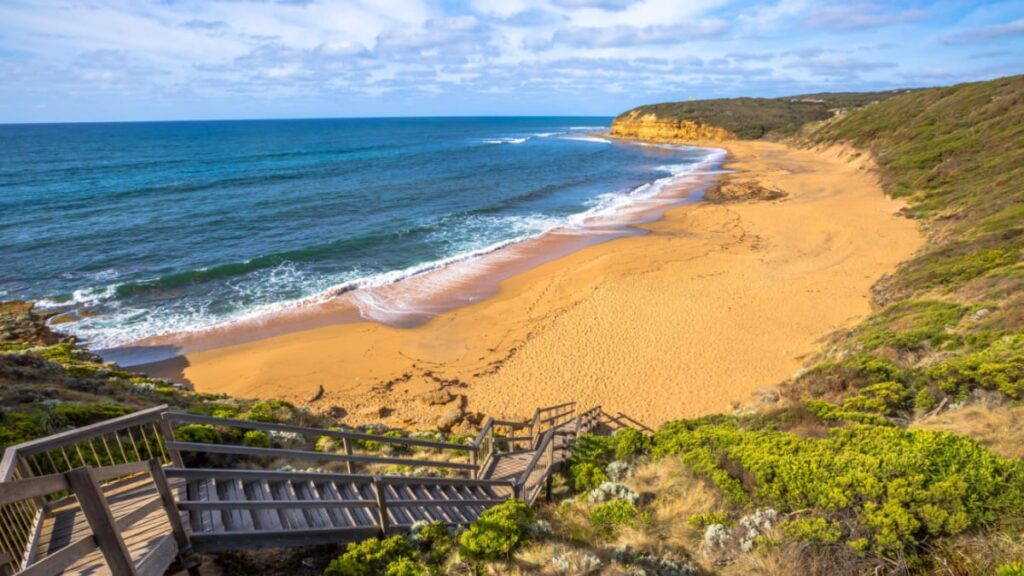
Bells Beach is best for surf fans and anyone who wants to see one of the most famous waves in the world. It sits near Torquay, about 100 kilometres south-west of Melbourne, and big, powerful waves roll in beneath rugged cliffs. Every Easter the Rip Curl Pro, one of the longest-running surf contests in the world, takes place here. Outside contest time the beach is quieter, but you can still watch skilled surfers take on the swell from the cliff tops.
The best time to visit is autumn, when the swell is often at its best and the contest brings the beach to life. If you visit at Easter, book your stay early, because Torquay fills up fast. The water is cold and the waves are serious, so most visitors come to watch rather than swim. The cliff-top walk through coastal bushland is worth the trip on its own, with lookouts over the break. Read the full Bells Beach guide before you go, because it covers parking and the walk in detail.
One practical tip: wear sturdy shoes. The path down to the beach is steep, and the cliff-top tracks are uneven in places. If you want to swim, head to the patrolled beaches at Torquay or Jan Juc nearby instead.
6. Vivonne Bay Beach, South Australia
Known for: Pristine wilderness and diverse marine life
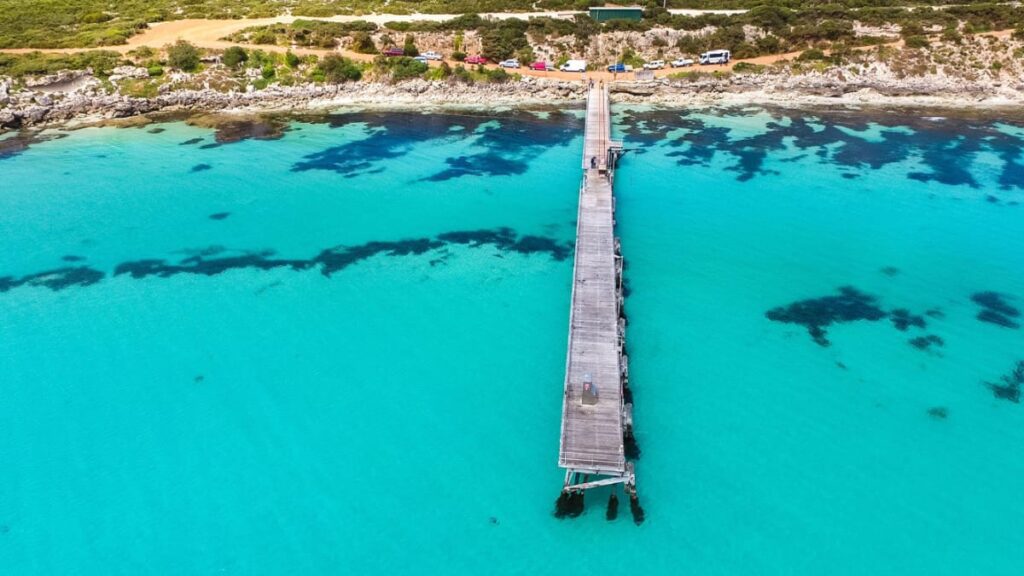
Vivonne Bay is best for travellers who want wild, quiet coast and wildlife over cafes and crowds. It sits on Kangaroo Island, and long stretches of sand, dunes and native scrub show the coast in its most natural state. The wildlife is the real drawcard. You might spot kangaroos near the dunes, echidnas in the scrub, or dolphins in the waves. The water is clear and inviting for a swim, and the beach stays quiet because the island sits well off the main tourist track.
The best time to visit is spring and autumn, when the weather is mild and the island is less busy. Summer is warm and good for swimming, but book your ferry and stay well ahead, because Kangaroo Island accommodation is limited. Facilities at the beach are basic, so bring food, water and fuel for the drive. You reach the island by ferry from Cape Jervis, then drive across the island to the bay. The South Australia beaches guide lists more coastal options if you are touring the state.
One practical tip: fill up the car before you head to the bay, and keep an eye out for wildlife on the road, especially at dawn and dusk. Kangaroos cross the island roads often, and a slow drive keeps everyone safe.
7. Maroubra Beach, New South Wales
Known for: Excellent surfing conditions and local beach culture
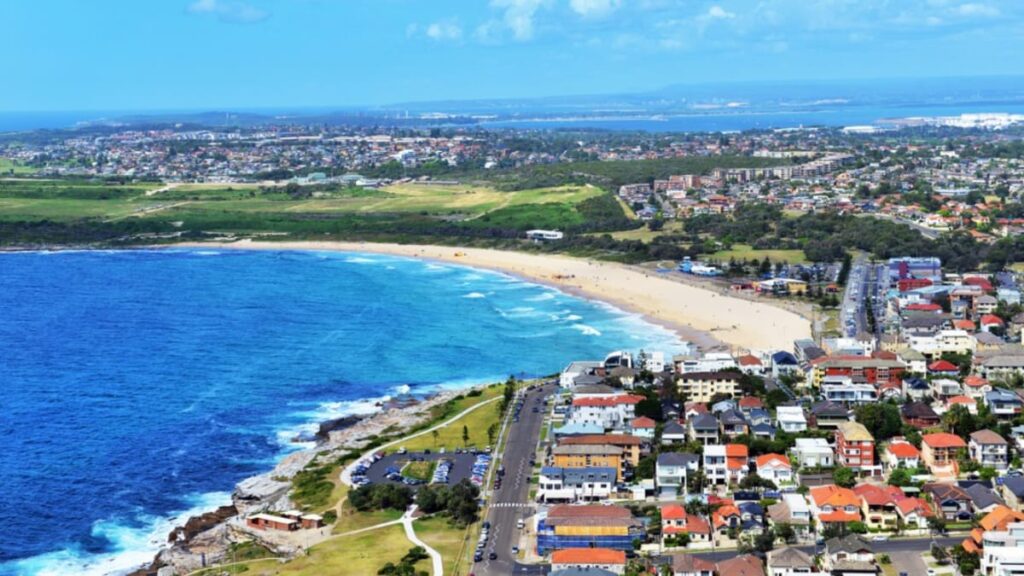
Maroubra Beach is best for surfers and Sydney visitors who want a local beach without the tourist crowds. It is a long, golden stretch in Sydney’s east, and it faces south-east, so it picks up good swell for surfing. Surf lifesavers patrol here, which makes swimming safer for the whole family. The feel is relaxed. Locals run surf competitions and beach events through the year, and the pace is slower than the famous eastern beaches.
The best time to visit is a weekday or an early weekend morning, before the car parks fill. Summer brings consistent waves and warm water, while autumn often brings cleaner surf with fewer people around. When you are done in the water, there are parks, cafes and shops along Maroubra Bay Road, and the rock pool at the southern end suits a calm swim. The Sydney beaches guide compares Maroubra with the other eastern beaches if you want to pick between them.
One practical tip: check the surf report before you go. Maroubra can get rough when the swell is up, and beginners should stick to the flagged area or take a lesson with a local surf school.
8. Bronte Beach, New South Wales
Known for: Family-friendly atmosphere and beautiful park setting
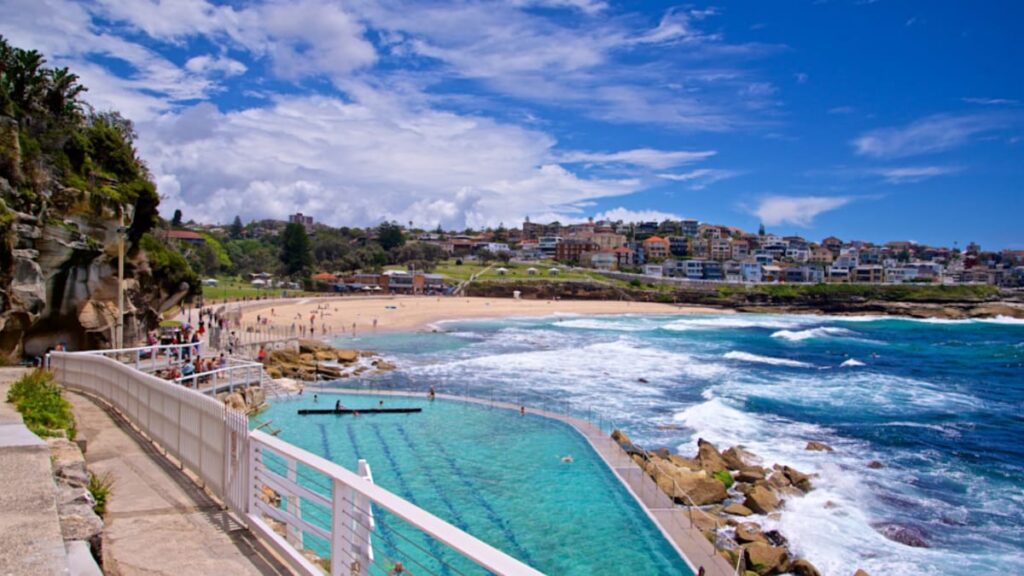
Bronte Beach is best for families who want a smaller, calmer day out than Bondi. It is smaller than its famous neighbour, but it has everything you need. Calm water for a swim, a big park with free barbecues right behind the sand, and playgrounds the kids will love. At the southern end there is a natural ocean pool where you can swim without worrying about waves. The cafes around the beach are good too, and the whole place feels like a locals’ beach where everyone is welcome.
The best time to visit is a weekday morning or late afternoon, when the park is quiet and parking is easier. Summer weekends are busy, so arrive early and plan to stay for lunch in the park. Bronte sits between Bondi and Coogee on the coastal walk, so it works well as a stop on that walk or as a destination on its own. Buses connect Bronte with Bondi Junction and the city, and the Sydney beaches guide has transport tips for the whole eastern suburbs coastline.
One practical tip: bring food for the barbecue and claim a spot early on weekends. The free barbecues are popular, and the shaded tables go first. If the ocean pool is your plan, check the tide, because rough seas can wash over it.
9. Cabarita Beach, New South Wales
Known for: Consistent surf breaks and laid-back coastal town atmosphere
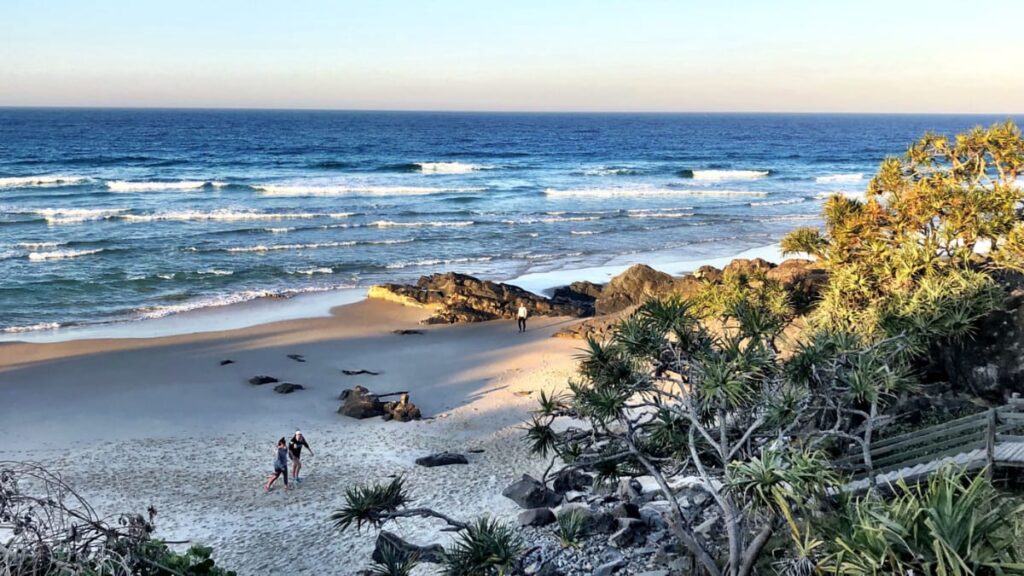
Cabarita Beach is best for surfers who want consistent waves and a laid-back town to stay in. It sits in far northern New South Wales near the Queensland border, and waves roll in all year, which suits learners and experienced surfers alike. The beach runs for kilometres, so it rarely feels crowded, even in peak season. Surf schools operate here if you would like a lesson, and the town has a relaxed, alternative feel, with organic cafes, yoga studios and friendly locals who are happy to share their favourite surf spots.
The best time to visit is autumn and winter, when the water stays warm enough for a long session and the crowds thin out. Summer is busier and hotter, but the long beach means you can always find space. The town is small, so book your stay ahead in school holidays. Read the Cabarita Beach guide for a simple day plan, including the walk up Norries Headland and the park behind the beach.
One practical tip: pick your break to match your level. The main beach has several breaks, and the calmer corners near the headland suit learners better than the main peaks on a big day.
10. Dreamtime Beach, New South Wales
Known for: Secluded location and pristine natural beauty
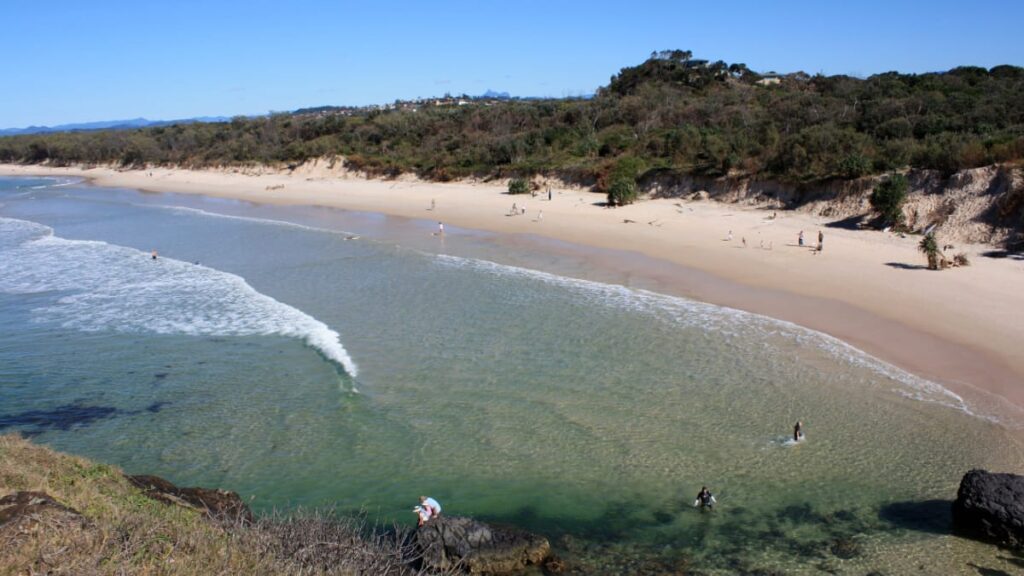
Dreamtime Beach is best for walkers and travellers who want a beach that still feels like a secret. It sits just south of Fingal Head on the New South Wales coast, and you reach it on foot through coastal bushland, which keeps the crowds away. There is almost no development behind the dunes, just native forest and clean, clear water. It is the coast in its simplest form, and the walk in makes the arrival feel earned.
The best time to visit is a calm weekday, when you may have long stretches of sand to yourself. The surf can be strong here, so check the conditions before you go and swim with care. There are no shops, lifeguards or facilities at the beach, so carry water, sunscreen and everything you need for the day. Park at Fingal Head and follow the bush track south. The walk is not long, but wear closed shoes, because the track is sandy and uneven in places.
One practical tip: do not plan this as a patrolled swimming beach. Treat it as a walk and a picnic spot first, and only swim if conditions are calm and you are a confident swimmer. Families with small kids will find the patrolled beaches at nearby Kingscliff an easier day out.
11. Culburra Beach, New South Wales
Known for: Long stretches of sand and excellent fishing opportunities
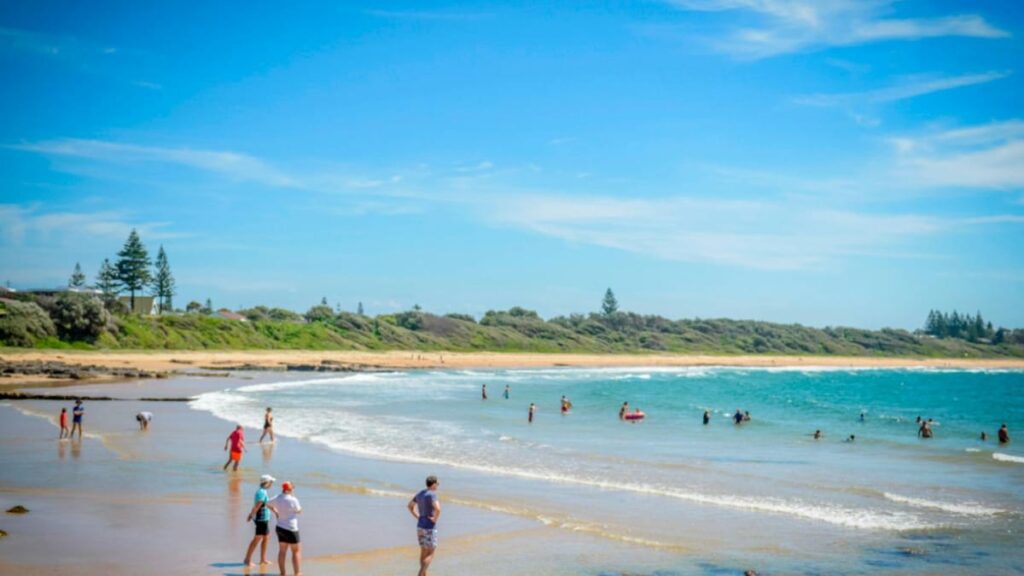
Culburra Beach is best for fishing, long walks and families who want space. It sits on the Shoalhaven Coast, about two and a half hours south of Sydney, with long white sand and good conditions for swimming, surfing and bodyboarding. Anglers love this stretch of coast for beach fishing, and at low tide the rock pools are fun for families to explore. The town of Culburra Beach is laid-back with a proper holiday feel, and you will find shops, eateries and places to stay within an easy stroll of the sand.
The best time to visit is spring and autumn, when the weather is warm, the water is still pleasant, and the town is quieter than in summer. Summer school holidays are the busiest weeks, so book your stay early if that is when you travel. The beach is long enough that even a busy day never feels packed. For more detail on the town and the coast around it, see the Culburra Beach guide, which covers fishing spots and nearby walks.
One practical tip: check the tide times before you go rock pooling. Low tide opens up the best pools, and a rising tide can cut off the walk back along the rocks. Take reef shoes for the kids, because the rocks are sharp and slippery.
12. Coolum Beach, Queensland
Known for: Consistent surf and relaxed Sunshine Coast atmosphere
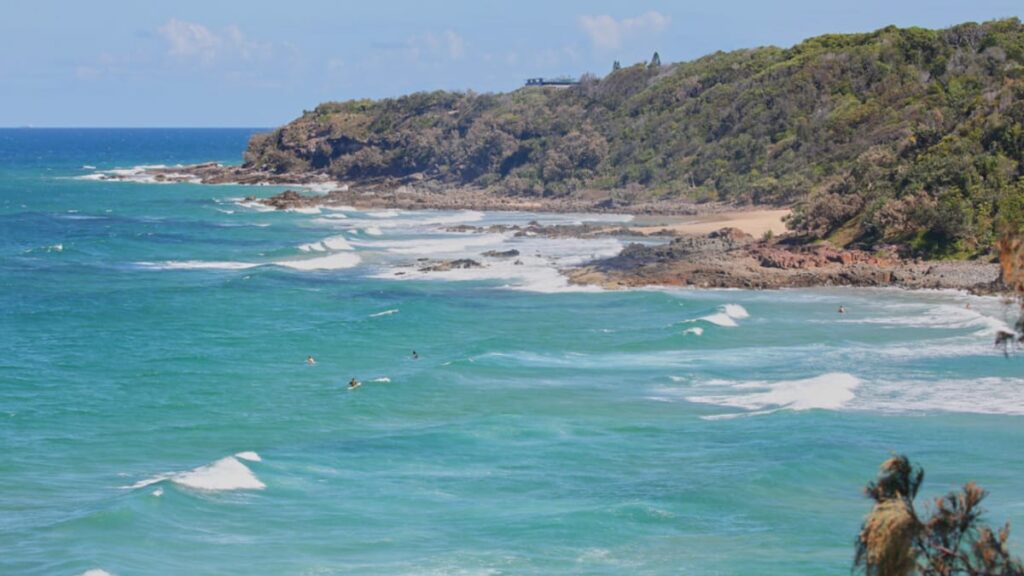
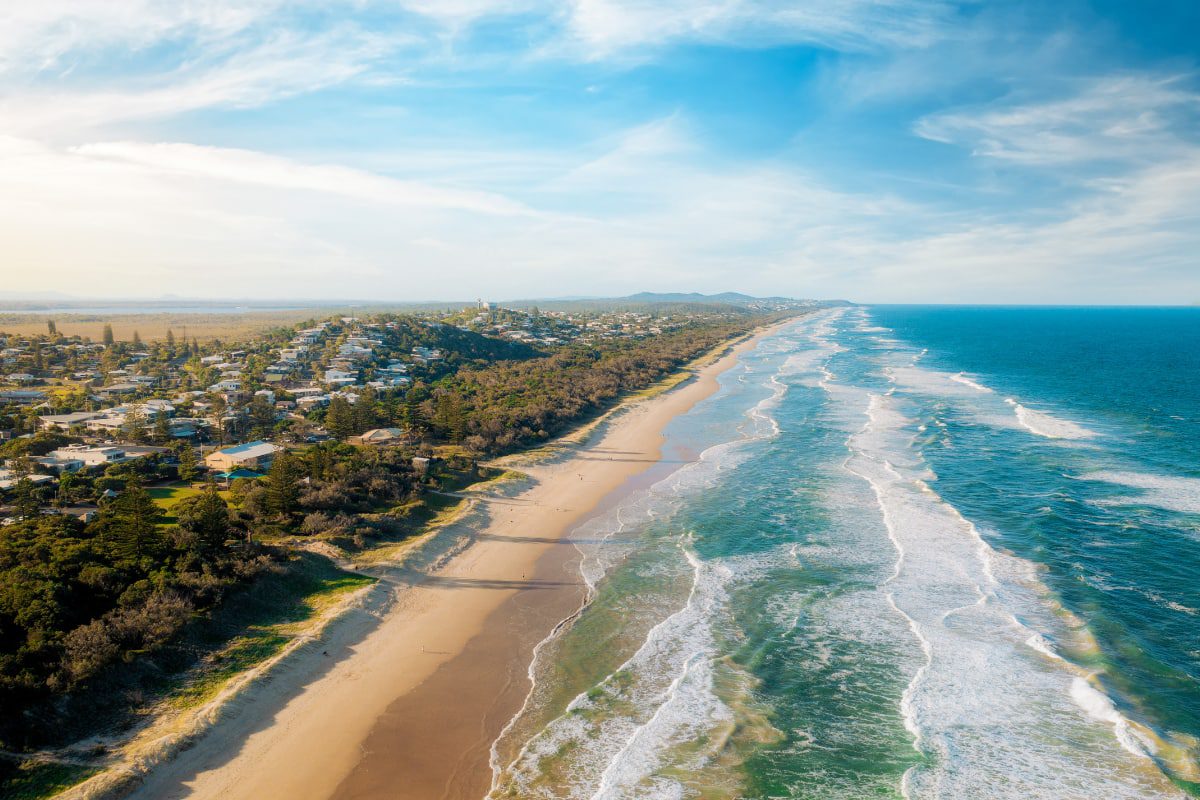
Coolum Beach is best for a relaxed Sunshine Coast base with consistent surf. The waves are steady all year, which suits surfers of every level, and surf lifesavers patrol the beach. The town has plenty of cafes, restaurants and shops, so you can walk from the sand to lunch without moving the car. Behind the beach rises Mount Coolum, an extinct volcanic dome with a walking track and big views for those keen to stretch their legs.
The best time to visit is autumn and spring, when the days are warm, the water is pleasant and the town is calmer than in the summer holidays. Summer is the busiest season, and the beach is popular with families, so arrive early for parking near the surf club. Coolum also makes a handy base, because other Sunshine Coast highlights are close by. The Coolum Beach guide covers the mountain walk, the markets and day trips from town.
One practical tip: climb Mount Coolum early in the morning. The track is steep and exposed, and the heat builds fast by midday. Take water and a hat, and allow time at the top for the view.
13. Balmoral Beach, New South Wales
Known for: Calm harbor waters and upscale Sydney atmosphere
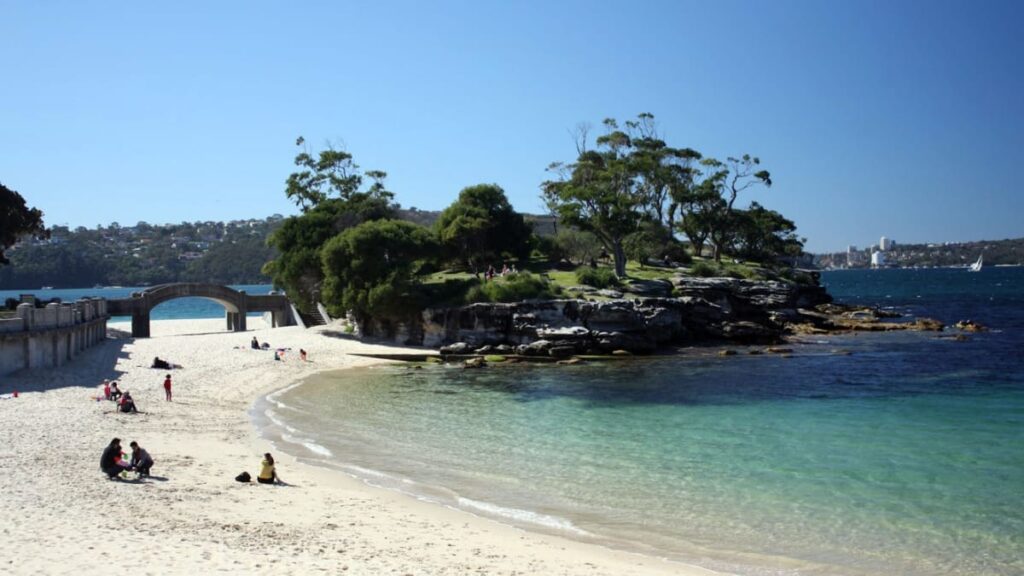
Balmoral Beach is best for calm-water swimming, kayaking and a gentle harbour day out. It sits on Sydney’s North Shore and trades ocean surf for calm harbour scenery. The sheltered water is ideal for swimming, kayaking and stand-up paddleboarding, with pretty views across the harbour. The neighbourhood has a polished feel, with good cafes and restaurants close by. Take a dip in the historic sea baths, then rest under the tall Norfolk pines.
The best time to visit is a weekday morning, when the beach is at its most peaceful and parking is easier. Summer weekends draw families and paddleboarders, so arrive early if you want a spot near the baths. It is a small beach, and that is the appeal. You can combine it with a ferry ride across the harbour or a walk along the foreshore to nearby bays. The Balmoral Beach guide covers the baths, the walks and where to eat.
One practical tip: bring a picnic if you want to keep costs down. The cafes are good but priced for the area, and the grassed reserve behind the beach has shaded tables that suit a long lunch.
14. Lady Bay Beach, New South Wales
Known for: Clothing-optional beach and secluded harbor location
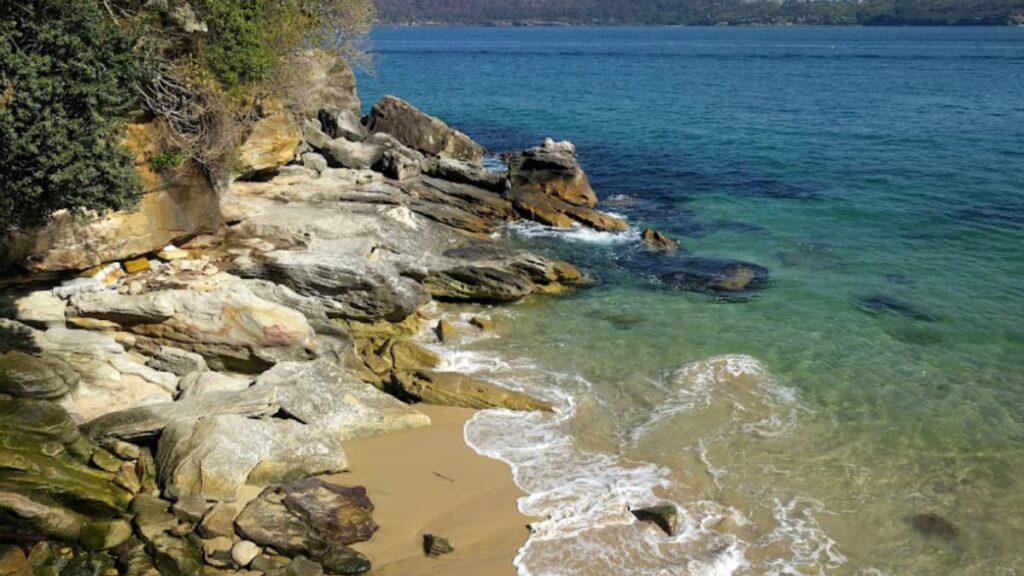
Lady Bay Beach is best for a quiet, natural harbour swim away from the busy ocean beaches. It is a small, secluded cove at Watsons Bay on Sydney Harbour, and one of Sydney’s few official clothing-optional beaches. People come here for a relaxed, natural beach experience. Tucked behind the cliffs, it feels hidden away, and the water is calm and clear, with lovely harbour views.
The best time to visit is a weekday, when the cove is at its quietest and the steep path down is easy to manage. Summer weekends bring more visitors, but the cove never feels as crowded as the ocean beaches. You reach it down a steep path, which keeps the crowds away, so wear shoes you can walk in and carry light. There are no shops at the beach itself, so bring water and snacks. Watsons Bay village, a short walk away, has cafes and a ferry wharf back to the city.
One practical tip: check the signs at the top of the path before you go down. The clothing-optional area is marked, and the path can be slippery after rain. If the steep walk does not suit you, the main Watsons Bay beach nearby is flat and easy to reach.
15. Wineglass Bay Beach, Tasmania
Known for: Lookout views and crystal-clear waters
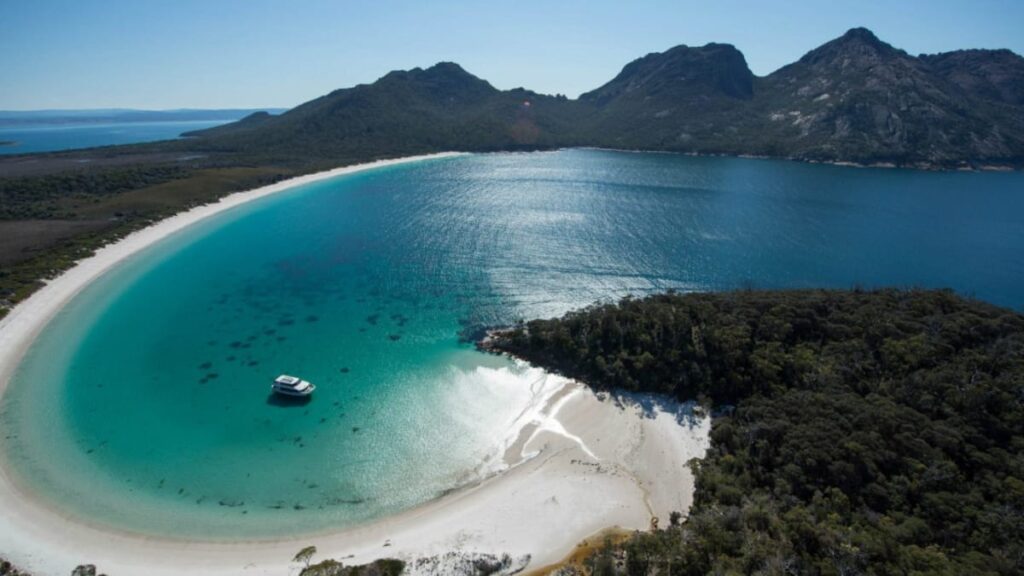
Wineglass Bay is best for walkers who want a beach that rewards the effort to reach it. It sits inside Freycinet National Park in Tasmania, and its curve of white sand and clear blue water makes it one of the most photographed beaches in the country. Most people first see it from the Wineglass Bay lookout, then walk down to the sand. You can swim, kayak, or tackle the longer trails through the park, and the walk in makes the arrival feel earned.
The best time to visit is late spring and autumn, when the days are mild and the tracks are quieter than in summer. Summer is the busiest season in Freycinet, so start the lookout walk early to beat the crowds and the heat. The walk from the car park to the lookout is uphill but well formed, and the descent to the beach adds more time, so allow a half day for the round trip. The Tasmania beaches guide compares Wineglass Bay with the island’s other coastal highlights.
One practical tip: carry more water than you think you need, and check the park’s fire and track alerts before you set out. Freycinet can close tracks on high fire danger days, and there is no shop once you leave the visitor centre area.
Why These Beaches Are Special
These famous beaches in Australia aren’t just pretty – they’ve all got something that makes them special. Some have animals you won’t see anywhere else.
Others have waves that surfers dream about. And some are just so beautiful you could sit there all day and do nothing.
Many of these beaches sit in protected areas, so they stay natural. You might spot dolphins, whales or seals, and some beaches even have little penguins coming ashore at night.
Planning Your Beach Adventure
When you’re considering a visit to the best beaches in Australia, work out what it is you want to do first. Some are great for families. Others are better for surfing or exploring Australia. A few require some planning to get there, but it’s worth it.
Do not forget sun protection like sunscreen, hats, and light clothes. The Australian sun is very strong in summer. Always swim only in areas marked by lifeguards. And check what the conditions are like before you go in the water.
Best Beaches by State
If you are planning a trip around one state, start with the beach that suits your style and build from there. Each state has its own coastline character, and the best pick depends on whether you want surf, calm water, wildlife or quiet sand.
New South Wales. Sydney’s harbour beaches suit calm swimming, while the ocean beaches suit surfers. For a full state guide, start with the best beaches in New South Wales, then add a south coast trip to Hyams Beach or a north coast stop at Cabarita Beach.
Queensland. The Sunshine Coast and Gold Coast suit families and learners, while the Whitsundays suit boat trips and island days. The beaches in Queensland guide covers the regions in full, and Whitehaven Beach is the pick if you only have one island day.
Victoria. The surf coast around Torquay suits experienced surfers, while the bay beaches near Melbourne suit families. The beaches in Victoria guide compares the two coasts, and Bells Beach is the pick if you want to see a world-class break.
Western Australia. Perth’s beaches suit easy city days, while the south-west and north-west coasts suit longer road trips. The beaches in Western Australia guide covers the regions, and Cottesloe Beach is the pick for a first Perth sunset.
South Australia. The Yorke and Eyre peninsulas suit fishing and long empty beaches, while Kangaroo Island suits wildlife and wild coast. The beaches in South Australia guide covers the options, and Vivonne Bay is the pick if you want quiet sand.
Tasmania. The east coast suits walking and clear water, while the west coast suits wild weather and empty beaches. The beaches in Tasmania guide covers the island, and Wineglass Bay is the pick if you only have time for one Freycinet walk.
Northern Territory. Darwin’s beaches suit sunsets and markets more than swimming, because crocodiles and stingers limit sea swimming for much of the year. The beaches in the Northern Territory guide explains which spots suit a swim and which suit a sunset picnic.
How to use this list. If you only have one beach day, pick the state section that matches your trip and choose the beach that fits your group. Families should lean toward patrolled beaches with toilets, shade and parking close by. Surfers should check the swell report and the flags before they drive out. Walkers should allow a half day for the lookout beaches, because the track and the return walk take longer than most people expect. If you are touring more than one state, the state guides linked above help you plan the next stop without starting your research over, and they point you to the smaller beaches that never make a national list.
When to Visit: North vs South
Australia’s beaches do not share one best season. The north and the south run on different calendars, and picking the right months for your destination makes the trip much better.
In the tropical north, from about October to May, marine stingers can be present in the sea, and the wet season brings heavy rain and high humidity. Boat tours provide stinger suits in these months, and patrolled lagoons and pools are the safer swim. The dry season, roughly May to October, brings warm, sunny days and calmer seas, and it is the main tourist season in the north. If you plan a Whitsundays trip, aim for the dry months.
In the south, beaches are swimmable through summer and often into autumn, and the water stays pleasant well past the school holidays. Winter suits walking, coastal drives and whale watching more than swimming, because the water is cold and the wind picks up. Sydney, Melbourne and Perth beaches are at their busiest in the summer school holidays, so book stays early and arrive at the beach before mid-morning if you travel then.
The shoulder seasons, spring and autumn, are often the sweet spot. The water is still warm enough for a swim in the north and in New South Wales, the crowds are thinner, and stays are easier to book. In the south, autumn brings steady surf and mild walking weather, while spring brings wildflowers along the coastal tracks and longer days for evening walks. If you can travel outside school holidays, these months give you the best mix of good weather and quiet sand, and you will find parking and picnic spots far easier than in January.
If your trip covers both north and south, the middle of the year works well. The north is in its dry season, and the south is in a mild winter that suits walking and sightseeing. Pack for both: swim gear and a stinger suit for the north, and a warm layer for southern evenings.
Conclusion
Australia has some of the world’s most beautiful beaches, and no two are alike. From the famous Bondi Beach to the natural wonders of Vivonne Bay, there is something for everyone.
You can surf, swim with family, or explore quiet natural spots. These 15 beaches illustrate the reason Australia is a real beach paradise with lasting memories and endless adventures. For more Australian travel guides, visit Australia City Guide.
Keep Exploring Australia’s Best Beaches
Best Beaches in New South Wales
Best Beaches in Victoria
Best Beaches in Queensland
Best Beaches in Western Australia
Best Beaches in South Australia
Frequently Asked Questions (FAQs)
Which beach in Australia has the whitest sand?
Hyams Beach is often said to have some of the whitest sand in the world. Visitors love its soft white sand and clear water.
How many beaches are there in Australia?
Australia has more than 11,000 beaches. If you visited a new one every day, it would take you around 30 years to see them all.
Where can I find a map of the best beaches in Australia?
Online and at visitor centres, you can get maps that tell you the best beaches in Australia. These maps will assist in the planning of trips and the exploration of quieter beaches.
What is the most famous beach in Australia?
Bondi Beach in Sydney is widely regarded as one of Australia’s most famous beaches, thanks to its golden sand, surf culture, coastal walk and buzzing beachside scene.
Which beach is best for surfing in Australia?
Bells Beach in Victoria is a favourite with surfers. It hosts international surf competitions and draws surfers from around the world with its big, powerful waves.
Can you swim at all 15 beaches on this list?
No. Some are made for swimming, and some are made for watching. Bondi, Hyams, Cottesloe, Bronte, Balmoral and Coolum suit a swim, especially inside the flags at patrolled beaches. Bells Beach and Dreamtime Beach are surf beaches with strong waves, so most visitors watch from the shore and swim at a patrolled beach nearby. Always check the flags and the conditions board before you get in.
Do you need a car to visit these beaches?
Not always, but it helps. Bondi, Bronte, Maroubra, Balmoral and Cottesloe are easy by bus, train or ferry from the city. Whitehaven needs a boat trip, and Vivonne Bay, Wineglass Bay and Dreamtime Beach need a car and a walk. If you plan to visit several beaches in one trip, a hire car saves a lot of time, especially on the south coast of New South Wales and in Tasmania.
Which beach is best for families with young kids?
Hyams Beach, Bronte Beach and Balmoral Beach are the safest bets. Hyams has sheltered, shallow water and soft sand. Bronte has a park, free barbecues, playgrounds and a calm ocean pool. Balmoral has harbour water with no surf, plus shade and cafes close by. All three have parking and toilets nearby, which matters more than most parents expect on a beach day.
Are dogs allowed on Australian beaches?
It depends on the beach and the local council rules. Some beaches allow dogs off lead at set times, some allow dogs on lead only, and some ban dogs entirely. National park beaches, including Wineglass Bay, usually do not allow dogs. Check the council signs at the beach entrance before you let your dog off the lead, and always carry bags and water for your dog.