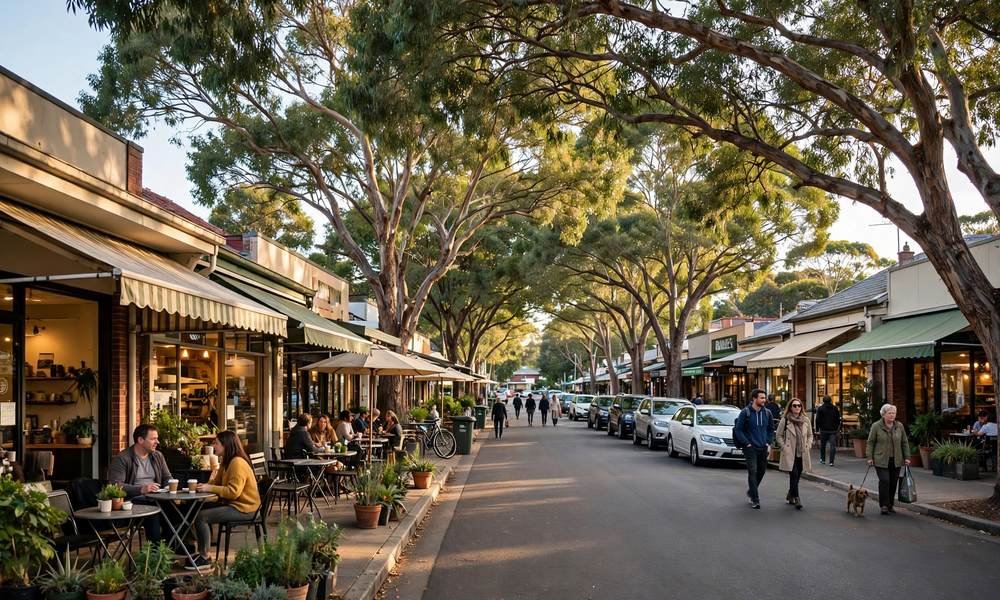
If you only visit one museum in Canberra, make it Old Parliament House Canberra. This is where Australian democracy actually happened, from 1927 to 1988. Sixty years of prime ministers, debates, elections and drama played out inside these walls, and today the whole building is the Museum of Australian Democracy (MoAD). Best of all, entry is free. Whether you are planning a trip from our friends at Australia City Guide or you are already in town, this guide tells you what to see inside, which tours are worth your time, and how to plan your visit.
Why Visit Old Parliament House
Old Parliament House is not a stuffy museum behind glass. It is the real thing. You walk into the actual chambers where laws were debated and passed. You sit in the Prime Minister’s office. You stand in rooms that still look the way they did in the 1980s, right down to the phones and the carpet.
Few places in Australia let you get this close to living history. The building feels personal and human-sized. It was meant to be temporary, so it has a warm, lived-in charm that big marble monuments do not have. Visitors often say it feels more real than the new Parliament House up the hill, and they are right.
The Story of the Building
When Australia became a nation in 1901, parliament met in Melbourne. A new capital was needed, and Canberra was chosen, but building a whole city takes time. Plans for a grand, permanent parliament house were shelved when World War I broke out.
In 1923, the government gave up waiting and ordered a “provisional” building. It was only meant to last about 50 years. Architect John Smith Murdoch designed it in a stripped-back classical style: plain brick walls, simple lines, no grand columns. Builders used local Canberra clay bricks, timber and cement. It took four years to build.
The building opened on 9 May 1927, with the Duke and Duchess of York doing the honours. The “temporary” parliament house ended up serving for 61 years. By the 1970s it was bursting at the seams, so a new Parliament House was built on Capital Hill and parliament moved there in 1988. In 2009, Old Parliament House reopened as the Museum of Australian Democracy.
The Rooms You Can Walk Through
The building is laid out around King’s Hall, with the two chambers on either side. Here are the rooms to look for.
King’s Hall
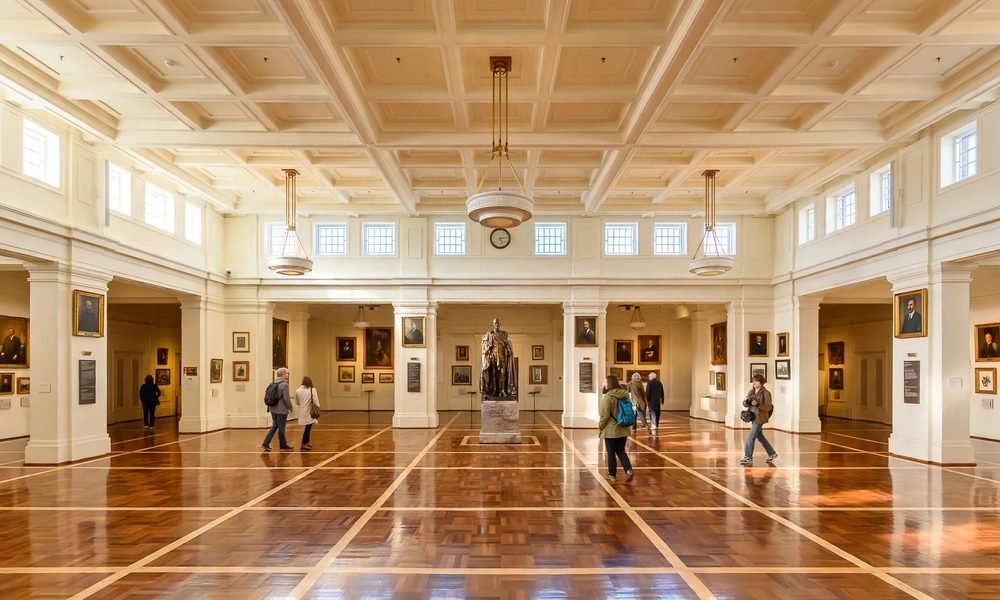
King’s Hall is the grand entrance and meeting place at the centre of the building. A bronze statue of King George V stands at one end. The walls and columns are lined with artworks and portraits, and the polished parquet floor still gleams. Start here, because every other room leads off from this space.
The Senate Chamber
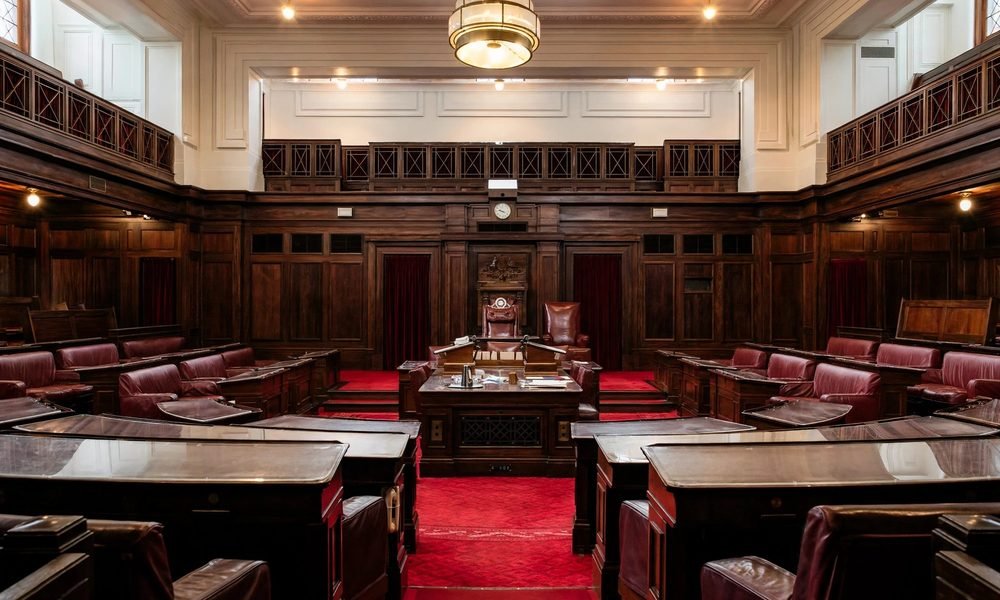
The Senate Chamber is on one side of King’s Hall. This is where Australia’s senators debated and voted, and where some of the country’s biggest political moments happened. The red carpet and red leather chairs mark it as the Senate’s home. On a guided tour you can sit in the seats and hear the stories of what went on in this room.
The House of Representatives Chamber
Across the hall sits the House of Representatives Chamber, with green carpets and green leather seats. This is where the prime minister and the government faced question time. The room has been kept just as it was, so you get a clear picture of how federal politics worked for six decades.
The Prime Minister’s Suite, the Cabinet Room and the Speaker’s Suite
The Prime Minister’s Suite is a working office, not a palace. Gough Whitlam, Malcolm Fraser and Bob Hawke all worked here. The desk, the books and the 1980s details are all original. Next door, the small Cabinet Room is where the government’s top ministers met in secret, and the Speaker’s Suite honours Joan Child, the first woman to become Speaker of the House. (Note: the PM’s office is sometimes closed for maintenance work, so check on the day if it is on your must-see list.)
The 1980s Offices, Frozen in Time
The best surprise in the building is the staff offices. They look like everyone just left for the day. Old typewriters sit on desks. Filing cabinets hold yellowing papers. The wood panelling and plush carpets scream 1980s. For many visitors, this is the most fun part of the visit, because it feels like a time machine rather than a museum.
The Exhibitions at the Museum of Australian Democracy
MoAD is a living museum, so the exhibitions are hands-on and often playful. These are the ones to look out for.
PlayUP and Democracy DNA
PlayUP is the exhibition younger kids love most. It is full of craft, stories, role play and games, and it runs craft activities every day from 10:30am to 12:30pm. Democracy DNA takes older kids and teens through the debates and decisions that shaped the nation, with plenty of interactive displays.
The Press Gallery and Behind the Lines
The Press Gallery exhibition shows how journalists covered politics from high above the chambers. Kids can jump behind a microphone, try old radio gear and see how news was made. Behind the Lines is the museum’s yearly show of political cartoons, and it is always one of the most popular exhibitions on.
More Exhibitions Worth Your Time
If you have extra time, do not rush past these. Changemakers celebrates activists who fought for justice and equality. DressUP lets kids try on costumes and imagine changing the world. The Howard Library follows John Howard’s 11 years as prime minister. Happy and Glorious shares souvenirs and stories from Queen Elizabeth II’s 1954 visit. Yours Faithfully has vintage typewriters you can use to write real letters. Truth, Power and a Free Press and Blueprint dig into how Australian democracy actually works, and the Zine Lounge lets you make your own mini magazine.
The Gardens Outside
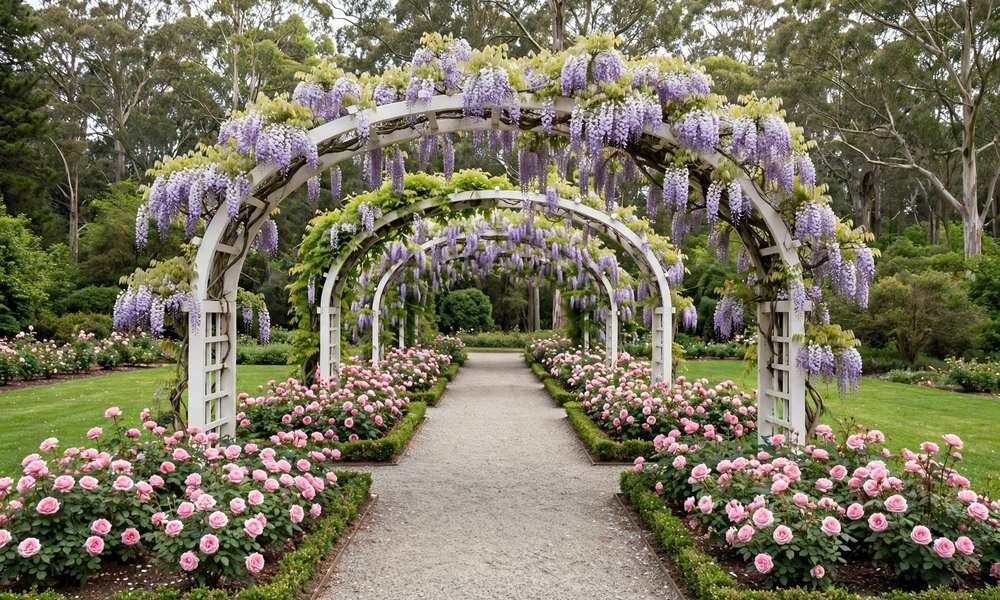
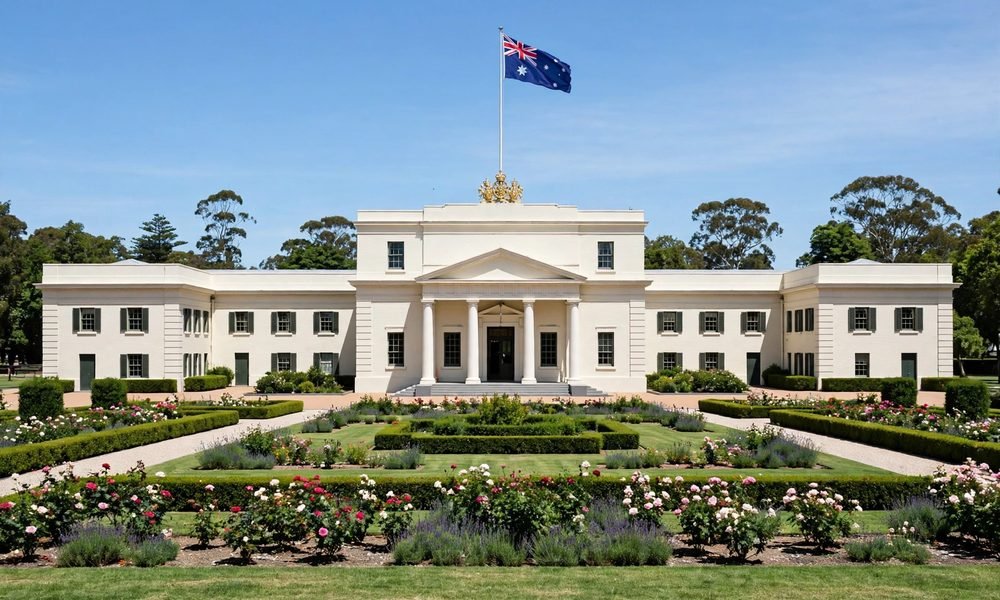
Do not skip the gardens on either side of the building. The National Rose Garden was designed in the 1930s and is full of colour in spring and summer. In spring the wisteria blooms in pale purple arches over the paths, and visitors call it one of Canberra’s prettiest sights.
The gardens are free to walk through and open every day. The museum also runs guided rose garden tours that share the story behind the 1930s garden design. Old tennis courts coloured red and green (for the Senate and the House) are still there, and there is plenty of lawn for a picnic. Go early in the morning if you want the wisteria photos without the crowds.
How Long You Need
Give yourself 2 to 3 hours. That covers a 45-minute guided tour, a wander through the chambers and offices, one or two exhibitions, and a stroll through the gardens. Rushed visitors can do the highlights in 90 minutes, but this is a place that rewards slow looking.
A simple plan that works well:
- Start in King’s Hall, then visit the Senate and House of Representatives chambers.
- Walk through the Prime Minister’s Suite, the Cabinet Room and the 1980s offices.
- Pick one or two exhibitions, such as PlayUP with kids or the Press Gallery.
- Finish with the gardens and a coffee at the Courtyard Cafe.
Best Time to Visit
Spring is the sweet spot. The wisteria and roses are in bloom, the weather is mild, and the gardens look their best. Autumn is lovely too, with coloured leaves around the Parliamentary Triangle. Summer mornings are fine, but visit the gardens early before the heat builds. In winter, plan to spend more time indoors in the chambers and exhibitions.
Weekdays are quieter than weekends. School holidays bring more families, which is great for kids but means the popular tours fill faster.
Getting There
Old Parliament House sits at 18 King George Terrace in Parkes, right at the base of Capital Hill. It is one of the easiest attractions in Canberra to reach.
- Bus: several routes stop within a short walk, including routes 2, 3, 4, 5, 6, 7 and 10. Grab a MyWay card to make bus travel easy.
- Taxi or rideshare: a taxi or Uber from Canberra’s city centre takes a few minutes and costs roughly $13 to $17.
- Train: Canberra Railway Station in Kingston is about 6 km away; take a bus or taxi from there.
- Plane: Canberra Airport is about 7 km away; hire a car, catch a taxi, or use public transport.
- Car: paid short-stay parking is right in front of the building and on either side. Longer-stay paid parking sits behind the building on Queen Victoria Terrace. Free accessible parking and drop-off zones are available at the front.
You can also walk from the new Parliament House. It is a short, well-signposted walk downhill, and many visitors do both buildings in one day. See our Parliament House Canberra guide if you are planning the pair.
What Is Near Old Parliament House
The location could not be better for a day of sightseeing. The Aboriginal Tent Embassy sits on the lawns directly in front of the building. Set up in 1972, it is a permanent protest site for Aboriginal and Torres Strait Islander land rights, and it is worth a respectful look.
Uphill is the new Parliament House, with its grass roof walk and city views. The National Gallery of Australia, Questacon, the National Museum of Australia and Australian War Memorial are all a short drive or bus ride away. Walk down to Lake Burley Griffin for an afternoon stroll when you are done. Our Things to Do in Canberra guide maps out how to join it all into one trip.
Where to Stay Nearby
The Parkes and Barton areas sit closest to Old Parliament House, with heritage hotels and apartments a short walk or drive away. Staying in this part of town puts you near the Parliamentary Triangle’s biggest attractions. For a full rundown of areas and hotels, see our Where to Stay in Canberra guide.
Guided Tours You Can Join
Tours are the best way to get the stories behind the rooms. Most are free with entry, and you can join by booking at the front desk or on the museum’s website. These are the main ones:
- Highlights of Old Parliament House: the classic tour, around 45 minutes, covering the chambers, King’s Hall and the best rooms. Perfect for first-time visitors.
- Chifley’s Tour: follows Ben Chifley’s time in office and visits the rooms he worked in.
- Dismissed Tour: tells the story of the dramatic 1975 dismissal and how it unfolded in this very building.
- History of Old Parliament House: goes deep on the building itself, from the 1920s design to the 1988 move.
- Paranormal Investigations of Old Parliament House: a fun after-dark style tour that asks whether the building is haunted.
- Old Parliament House Rose Gardens Tour: explores the gardens and their 1930s design.
- Family trails: self-guided trails that turn the visit into a game for kids.
Private group tours are available for community, social and corporate groups. There is also a short midday mystery tour that changes topic, so check the daily schedule when you arrive.
Entry, Hours and Tickets
General entry to Old Parliament House is free. That covers the chambers, the historic rooms, most exhibitions and the gardens. Some special exhibitions are ticketed, and you can book those at the front desk or online through the museum’s website. Guided tours are generally free with entry.
The museum is open daily from 9am to 5pm, including weekends and public holidays. It is closed on Christmas Day only. Hours can change for special events, so a quick check of the official website before you go is a good idea.
Good to Know Before You Go
A few practical tips make the visit smoother. Join a tour if you can, because the guides tell stories you will not get from the signs alone. Photography is allowed in most areas, but watch for any signs that say otherwise in special exhibitions.
The museum is one of the most family-friendly stops in the Australian Capital Territory. Kids get the most out of PlayUP, DressUP and the family trails, and prams are fine throughout. The whole building has step-free access with lifts to all levels, and there are wheelchairs to borrow, hearing loops and a sensory guide for visitors who want one.
Refuel at the Courtyard Cafe inside the building, or bring a picnic for the gardens. Combine your visit with the new Parliament House next door and the Tent Embassy on the lawn to turn it into a full half-day of political history. And since entry is free, this is one of the best value stops on our Free Things to Do in Canberra list.
FAQs About Visiting Old Parliament House
Is entry to Old Parliament House free?
Yes. General admission is free, including the chambers, historic rooms, most exhibitions and the gardens. Some special exhibitions have a ticket price, which you can pay at the front desk or online.
How long should I spend at Old Parliament House?
Plan for 2 to 3 hours. A 45-minute guided tour plus time in the chambers, offices and gardens fills a relaxed half-day. If you are short on time, 90 minutes covers the highlights.
Is Old Parliament House good for kids?
Very. PlayUP is built for young kids with craft, stories and games, and the museum runs family trails and dress-up exhibitions. Older kids enjoy the Press Gallery and the behind-the-scenes stories. It is one of the most popular family museums in Canberra.
Do I need to book ahead?
For general entry, no. You can just walk in. Tours are first come, first served, so arrive a little early if a specific tour matters to you. School holidays and weekends are the busiest times.
Can I visit without joining a tour?
Yes. The building is easy to explore on your own, and the signs do a good job. But the free guided tours add stories and details you would otherwise miss, so take one if your timing works.
What is the difference between Old Parliament House and the new Parliament House?
Old Parliament House is where parliament sat from 1927 to 1988. It is now a museum. The new Parliament House, on Capital Hill, is where Australia’s parliament sits today. Both are worth visiting, and they are a short walk apart.
Can I walk from the new Parliament House to Old Parliament House?
Yes, it is a short downhill walk and it is well signposted. Many visitors tour both in one day. Start at the new building in the morning and walk down to Old Parliament House after lunch.
Final Thoughts on Visiting Old Parliament House
Old Parliament House is the rare museum that is both important and genuinely fun. The chambers give you the weight of history. The 1980s offices give you the laugh of recognition. The exhibitions and gardens make it a full outing, not just a quick photo stop. And free entry means there is no reason to skip it.
Go for the tour, stay for the stories, and leave time for the gardens. Pair it with the new Parliament House and the Tent Embassy, and you will have covered the core of Canberra’s political story in a single day. Few attractions in Australia give you this much for this little.
Keep exploring:
- Parliament House Canberra: Complete Visitor Guide
- Things to Do in Canberra: Complete Guide
- Free Things to Do in Canberra
- National Gallery of Australia: Visitor Guide
- Questacon Canberra: Complete Visitor Guide
- National Museum of Australia: Visitor Guide
- Where to Stay in Canberra: Best Areas and Hotels