
Canberra has an image problem, and it is completely unfair. People hear “national capital” and picture grey office blocks and long meetings. The real list of things to do in Canberra looks nothing like that: world-class museums with free entry, a lake built for kayaking and sunset cycles, lookouts with views across the whole planned city, and a food scene that locals quietly rate as one of the best in the country. This guide covers the headline attractions, the planning basics, and the practical tips, with links through to detailed guides wherever you want more depth.
One thing to know up front: a lot of the best stuff here costs nothing. Parliament House tours, the War Memorial, the national galleries, the lake paths. Our guide to free things to do in Canberra covers the no-cost side in full, so this pillar keeps the freebies to brief mentions and focuses on helping you plan the whole trip.
The Best Things to Do in Canberra: Landmarks and Icons
Start with the Parliamentary Triangle, the wedge of land between the lake and Capital Hill where the nation’s biggest institutions sit. You can walk between most of them, and this is where a first-time visitor should spend day one.
Parliament House
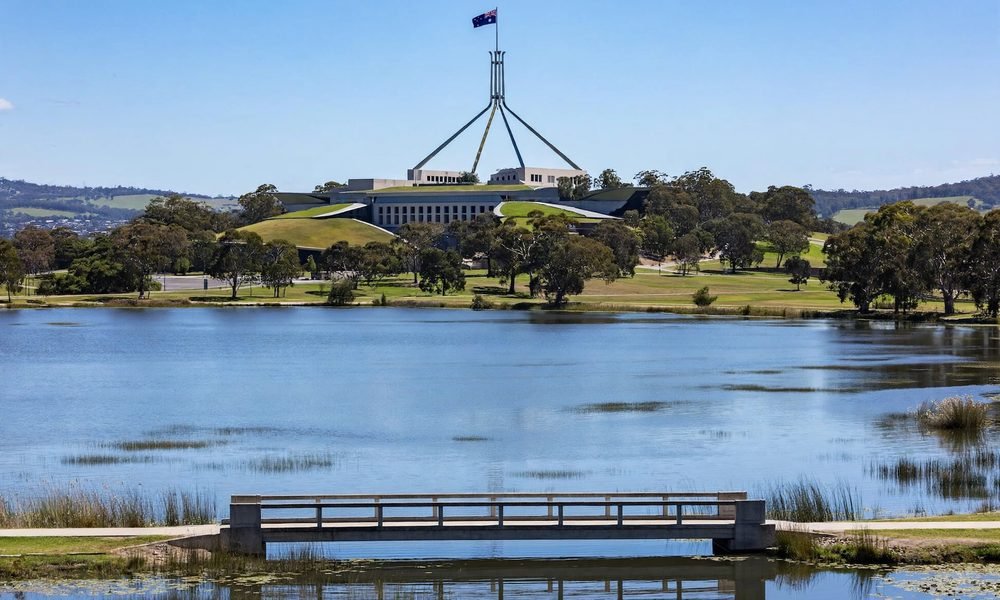
New Parliament House sits on Capital Hill with its famous flag mast rising 81 metres above it, and it is far more interesting than most visitors expect. The building is partly buried in the hill, so you can walk up the grass roof for one of the best free views in the city. Inside, free guided tours run through the chambers, the Great Hall, and the art collection, and you can watch question time from the public galleries when parliament is sitting. Allow two to three hours. Our Parliament House Canberra guide covers tours, what to see inside, and how to plan your visit.
The Australian War Memorial
This is the attraction Canberrans recommend most, and it is not close. Part museum, part shrine, the Australian War Memorial tells Australia’s military history through personal stories, huge galleries of artefacts, and the moving Roll of Honour with over 100,000 names. Entry is free, though you book a timed ticket. Stay for the Last Post ceremony at the end of the day if you can. It is short, simple, and people remember it for years. Plan at least half a day. This is a big, emotional visit, so do not stack it straight after another heavy museum.

Old Parliament House
Down the hill from the new building, Old Parliament House is where Australia was governed from 1927 to 1988. It now houses the Museum of Australian Democracy, with the old chambers preserved much as they were, plus exhibitions on protest movements, prime ministers, and political cartoons. The rose gardens out front are a lovely spot for a picnic, and kids tend to enjoy the interactive democracy exhibits. It pairs naturally with a Parliament House morning.
Museums and Galleries Worth Half a Day Each
Canberra holds the national collections, which means the museums here are the biggest and best-funded in the country. Three of them sit within a short drive or lakeside walk of each other. Do not try to rush all three in one day.
National Gallery of Australia
The National Gallery of Australia in Parkes holds the national art collection, and general entry is free. The Aboriginal and Torres Strait Islander galleries are the highlight for most visitors, especially the Aboriginal Memorial at the building’s centre. You will also find Sidney Nolan’s Ned Kelly paintings and one of the most talked-about modern art purchases in Australian history. Give it two to three hours, more if you love art.
National Museum of Australia
Across the lake at Acton, the National Museum of Australia covers Australian social history: Indigenous cultures, migration stories, and the objects that shaped the country. General entry is free. The building itself is worth a look, all curves and bold colours on the Acton Peninsula, and the cafe has one of the better lake views going. Families do well here because so much of it is hands-on.
Questacon: The National Science and Technology Centre
If you are travelling with kids, Questacon Canberra is close to non-negotiable. Eight galleries of hands-on science exhibits sit right on the lake in Parkes, and the free-fall slide in the main hall has terrified generations of school groups in the best way. Unlike most of the national institutions, Questacon is ticketed, so book online ahead in school holidays. Adults without kids should not write it off either. The exhibits are genuinely fun, and the views from the top floors stretch across the lake to the city.

Coin collectors and the curious should also add the Royal Australian Mint in Deakin to the list, where you can watch coins being made on a factory tour. It is a smaller stop, easy to pair with the Arboretum or a drive up to Black Mountain.
Lake Burley Griffin: Canberra’s Backyard
The lake is the middle of everything in Canberra, and locals use it the way other cities use a beach. It was designed by Walter Burley Griffin as the centrepiece of the planned capital, and today it is ringed by parks, paths, and some of the city’s best free experiences. Our Lake Burley Griffin guide goes deep on the full loop, but here are the highlights.
Walking and Cycling the Lake
A shared path runs right around the lake, and the central basin loop is the classic Canberra workout. You will pass the Captain Cook Memorial Jet shooting water high into the air, the National Carillon on Aspen Island, and Commonwealth Place with its views back to the Parliamentary Triangle. Bike hire is easy to find near Commonwealth Park, and an e-bike makes the full circuit comfortable for most fitness levels. Mornings are best, before the wind picks up.
Getting Out on the Water
Kayaks and stand-up paddleboards can be hired from several spots around the lake, and paddling past the national institutions gives you a completely different angle on the city. Guided lake cruises run from the central basin and are a low-effort way to see the sights with commentary. If you would rather stay dry, the lake foreshore at Kingston or Yarralumla is made for long lunches with a view.

Lake Beaches and Swimming Spots
Yes, landlocked Canberra has beaches. Several sandy swimming spots sit around the lake’s edge, and on a hot summer day they fill up with locals. Water quality is monitored through summer, so check conditions before you swim. Our guide to beaches in Canberra lists the best lake swimming spots and what to expect at each one.
Lookouts, Gardens and Green Space
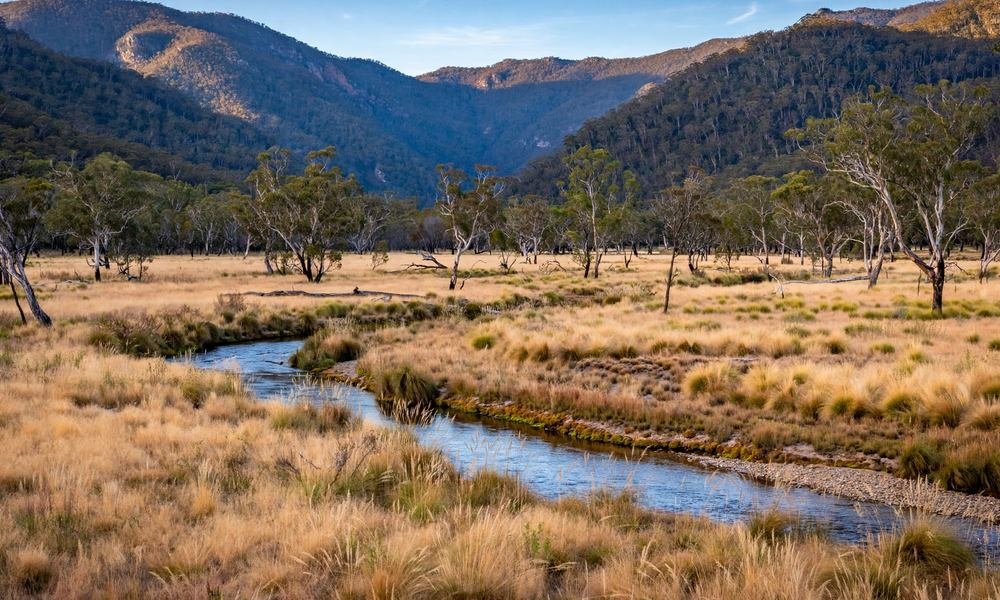
Canberra is sometimes called the bush capital, and the nickname is earned. Nature reserves and hills ring the city, and the views from the top are some of the best free experiences going.
Mount Ainslie Lookout
This is the postcard view. From the Mount Ainslie lookout you look straight down the city’s designed axis: Anzac Parade, the lake, Old Parliament House, and New Parliament House lined up in one sweep. Go at sunrise or sunset for the best light. You can drive up, or walk the trail from behind the War Memorial if you want to earn it. It is free, and it takes most people by surprise.
The Australian National Botanic Gardens
On the lower slopes of Black Mountain, the Botanic Gardens hold the world’s largest collection of Australian native plants. The rainforest gully is cool on a hot day, the red centre garden shows off desert plants, and the views from parts of the garden stretch over the city. Entry is free, and it is a calm contrast to the big institutions.
Black Mountain and the National Arboretum
Black Mountain’s summit, topped by the Telstra Tower, gives a 360-degree view over the city and the Brindabella Ranges. On the other side of the lake, the National Arboretum Canberra spreads across 250 hectares with forests of rare and endangered trees, plus the famous bonsai collection. Both are easy half-day outings and both are free to enter.
Eating, Drinking and Evenings in Canberra
Canberra’s food scene is better than its reputation, and it keeps getting better. The compact city makes it easy to eat well without much planning.
Braddon and the City’s Food Streets
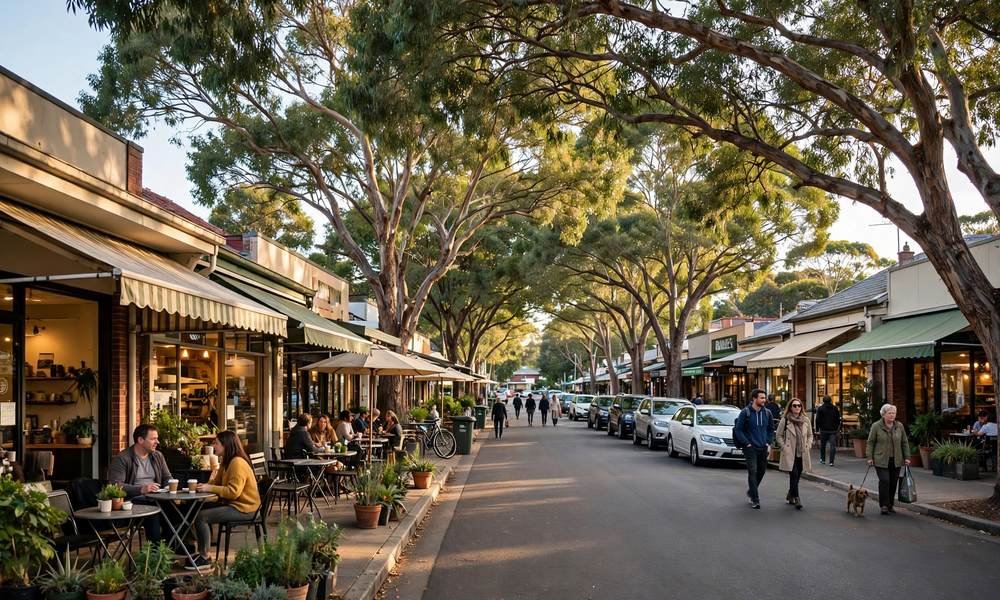
Braddon, just north of the city centre, is where much of Canberra’s eating and drinking happens these days. Lonsdale Street packs in cafes, bars, and restaurants along a few walkable blocks, and the whole strip has a lively evening feel. Kingston Foreshore offers the fancier waterfront option, with restaurants looking back across the water to the city. Manuka, one of Canberra’s oldest shopping strips, is the classic choice for a relaxed dinner.
Markets Worth a Morning
The Old Bus Depot Markets run on Sundays in Kingston and mix local produce with crafts, clothes, and street food. They are a local institution and a good way to spend a slow Sunday morning. For fresh produce during the week, the farmers markets at EPIC in Mitchell are worth the short drive north.
After Dark: Lookouts, Stars and Events
Evenings in Canberra are quieter than Sydney or Melbourne, but there is plenty to do if you know where to look. Mount Ainslie after dark gives you the city lights along the axis. For real darkness, drive out to Mount Stromlo Observatory, where the clear skies and the observatory’s history make for a memorable night. Canberra also hosts major evening events through the year, including the Enlighten Festival, which lights up the national institutions in autumn, and the Balloon Spectacular, when hot air balloons lift off from the lawns by the lake at dawn.
Easy Day Trips from Canberra
Canberra works well as a base, with worthwhile day trips in every direction. The Canberra District wine region around Murrumbateman is under an hour away, with cellar doors set among rolling hills. Tidbinbilla Nature Reserve, in the valley below, is the reliable place to see koalas, kangaroos, and emus in something close to the wild. Namadgi National Park covers nearly half the ACT and offers proper bushwalking, including Aboriginal rock art at Yankee Hat. Historic Braidwood and Bungendore make easy half-day drives for country town charm and local markets.
How Many Days Do You Need in Canberra
Two full days covers the essentials: one day for the Parliamentary Triangle institutions, one day for the lake, a lookout, and the food scene. Three days is the sweet spot, because it lets you add Questacon or the galleries properly, fit in a day trip, and slow down enough to enjoy the lake at your own pace. Day-trippers from Sydney can hit Parliament House and the War Memorial in a long day, but they miss the parts of Canberra that make people want to come back.
The Best Time to Visit Canberra
Autumn (March to May) and spring (September to November) are the pick. Autumn brings the Enlighten Festival and the Balloon Spectacular in March, plus mild days and cool nights. Spring means Floriade, the month-long flower festival around Commonwealth Park, when the gardens are at their showiest. Summer is warm and great for lake swimming, though afternoons can get hot. Winter is cold, with frosty mornings and the odd dusting of snow on the Brindabellas, but the museums are warm, the crowds are gone, and the clear winter light makes the lookouts spectacular.
Where to Stay in Canberra
Base yourself near the action and you will barely need a car. The city centre (Civic) puts you close to Braddon and the light rail, with the widest choice of hotels. Kingston and the Kingston Foreshore suit travellers who want restaurants and lake views on the doorstep. Barton is the quiet, upmarket pick near the Parliamentary Triangle, handy for early starts at the institutions. Yarralumla and Deakin offer leafy, suburban calm a short drive from the lake. Wherever you stay, book ahead for Floriade and major event weekends, when the city fills up.
Getting Around Canberra
Canberra is one of the easiest Australian capitals to get around. Driving is straightforward, with wide roads and far less traffic than Sydney or Melbourne. The light rail runs between the city centre and Gungahlin, and buses cover the rest, though services thin out in the evenings and on weekends. For the central sights, cycling is genuinely practical: the shared path network is excellent, and the distances between the lake, the Triangle, and the city are short. The airport sits about 15 minutes from the city centre, with shuttles, buses, and rideshares meeting flights.
One-Day and Three-Day Canberra Itineraries
Use these as starting points and shuffle to suit your interests. Everything below is covered in more detail in our linked guides.
One Day in Canberra
Morning: tour Parliament House, then walk down to Old Parliament House. Lunch around the lake or in Kingston. Afternoon: the Australian War Memorial, staying for the Last Post ceremony. Evening: dinner in Braddon and a drive up Mount Ainslie for the city lights.
Three Days in Canberra
Day one: follow the one-day plan above. Day two: Questacon in the morning, then the National Gallery of Australia or National Museum of Australia in the afternoon, with a sunset walk or cycle around the lake. Day three: Mount Ainslie at sunrise, the Botanic Gardens, then a day trip to Tidbinbilla or the Murrumbateman wineries, finishing with dinner at Kingston Foreshore.
Bookable Tours and Experiences
A few experiences are worth booking ahead. Hot air balloon flights lift off near the lake at dawn and drift over the waking city, a genuinely special way to see the planned layout from above. Guided lake cruises give you the institutions with commentary and zero effort. Walking tours of the Parliamentary Triangle run regularly and add the stories behind the buildings. Questacon tickets should be booked online in school holidays, and the War Memorial and Parliament House appreciate advance bookings for their free timed entries during busy periods.
Practical Tips for Visiting Canberra
- Book the popular free attractions ahead in school holidays and event weekends. Timed entry at the War Memorial and guided tours at Parliament House can fill up.
- Bring layers in every season. Canberra’s weather turns fast, and the difference between a sunny afternoon and a cold evening can be startling.
- Do not try to do the War Memorial and another big museum on the same day. Both deserve fresh legs and fresh attention.
- The city is spread out. Group your days by area: the Triangle one day, the lake and Acton the next.
- Sundays are market day in Kingston. Plan a slow morning there before the afternoon’s sightseeing.
- Most national institutions are closed on major public holidays, so check before you plan around Christmas or Easter.
FAQs About Visiting Canberra
Is Canberra worth visiting?
Yes, and regular visitors tend to become slightly evangelical about it. The national museums and galleries are the best in the country, the lake and lookouts give it an outdoor life most capitals lack, and it is far more relaxed than Sydney or Melbourne. Give it two or three days rather than a rushed day trip and it usually wins people over.
How many days do you need in Canberra?
Two full days cover the headline attractions. Three days is ideal: it adds a day trip, a proper lake day, and room to slow down. Anything from four days up suits travellers using Canberra as a base for the surrounding region.
What is free in Canberra?
A surprising amount. Parliament House tours, the Australian War Memorial, the National Gallery, the National Museum, the lake paths, Mount Ainslie, the Botanic Gardens, and the Arboretum all cost nothing to enter. Our free Canberra guide lists them all with planning tips.
Is Canberra good for kids?
Excellent. Questacon is the standout, but kids also love the dinosaurs and hands-on exhibits at the National Museum, the lake beaches in summer, Tidbinbilla’s wildlife, and Cockington Green Gardens. The national institutions are more family-friendly than most parents expect, and almost all of them are free.
Can you swim in Canberra?
You can. Lake Burley Griffin has several patrolled swimming spots in summer, and locals swim there all season. Check water quality advisories before you go, as the lake occasionally closes after heavy rain. See our beaches in Canberra guide for the best spots.
Do you need a car in Canberra?
It helps, but it is not essential. The central sights are walkable and cyclable, the light rail and buses cover the main corridors, and rideshares fill the gaps. A car earns its keep for day trips to Tidbinbilla, the wineries, and Namadgi.
Final Thoughts on Visiting Canberra
Canberra rewards travellers who give it a proper chance. Come for the icons, Parliament House and the War Memorial, stay for the lake mornings, the free galleries, and the easy pace that makes everything feel unhurried. With this much to see and do across landmarks, museums, nature, and food, two or three days here balances nicely with the rest of an east coast trip. Plan around your interests using the detailed guides linked above, book the popular free attractions ahead in busy periods, and leave room for the unplanned lake sunset. You will understand why the locals are so defensive about their city. For more Canberra guides and tips, visit Australia City Guide.
Keep exploring:
- Parliament House Canberra: The Complete Visitor Guide
- Australian War Memorial: Complete Visitor Guide
- Lake Burley Griffin: Complete Guide
- National Gallery of Australia: Visitor Guide
- National Museum of Australia: Visitor Guide
- Questacon Canberra: Complete Visitor Guide
- Free Things to Do in Canberra
- Beaches in Canberra: Lake Swimming Spots