
Canberra City Centre is where the capital does its everyday living. Locals call it Civic, and that is the name you will hear most. It is the shops, the offices, the theatre, the cafes and the bus interchange, all packed into a small, flat area north of Lake Burley Griffin. It is not where most of the big national attractions sit. Those are across the lake or up Anzac Parade. But Civic is where you will probably sleep, eat, shop and catch your bus, so it pays to know it well. This guide covers what to see, where to eat, where to stay and how to get around, plus a simple walking route that ties it all together.
Civic sits in the Australian Capital Territory, right in the middle of Canberra’s north side. Everything here is close. You can walk from one end to the other in about 15 minutes, and most of the city centre is flat, which makes it easy on foot. If you are planning a wider trip, our guide to things to do in Canberra shows how Civic fits into the full city.
What Is Canberra City Centre?
Civic is Canberra’s central business district. Its official name is City, which is why road signs say “City” and locals say “Civic”. Both names mean the same place. It was set out as part of Walter Burley Griffin’s plan for the capital, and the first buildings went up in the 1920s. Parliament first sat in Canberra in 1927, the same era Civic started to take shape.
The first thing you will notice is how low the buildings are. For a capital city, Civic feels small and open. That is no accident. A planning rule caps building heights at 617 metres above sea level, and since Civic itself sits at about 567 metres, most buildings top out at around 50 metres, or about 14 storeys. The idea is simple: Parliament House should still tower over the city. The result is a city centre with wide streets, big skies and no dark canyons between towers.
Civic splits into a few small areas, though locals rarely use the official names. City Hill is the raised, tree-covered circle at the southern end, with Civic Square tucked into its northern edge. The City Centre is the shopping core around the Canberra Centre, City Walk and Garema Place. City East holds the offices and Casino Canberra. City West runs along the edge of the Australian National University and has its own run of cafes and restaurants. NewActon sits at the south-west corner, a newer block of design hotels, cinemas and bars near the lake. You do not need to learn these names. Just know that the shops and food cluster in the north-east, the offices sit in the east, and the lake is a short walk south.
The Best Things to Do in Civic
Civic will not fill a whole day on its own, and that is fine. It works best as a half-day of wandering mixed with eating, shopping and a show. Here are the places worth your time, in the order you would meet them on foot.
Start at Civic Square and City Hill
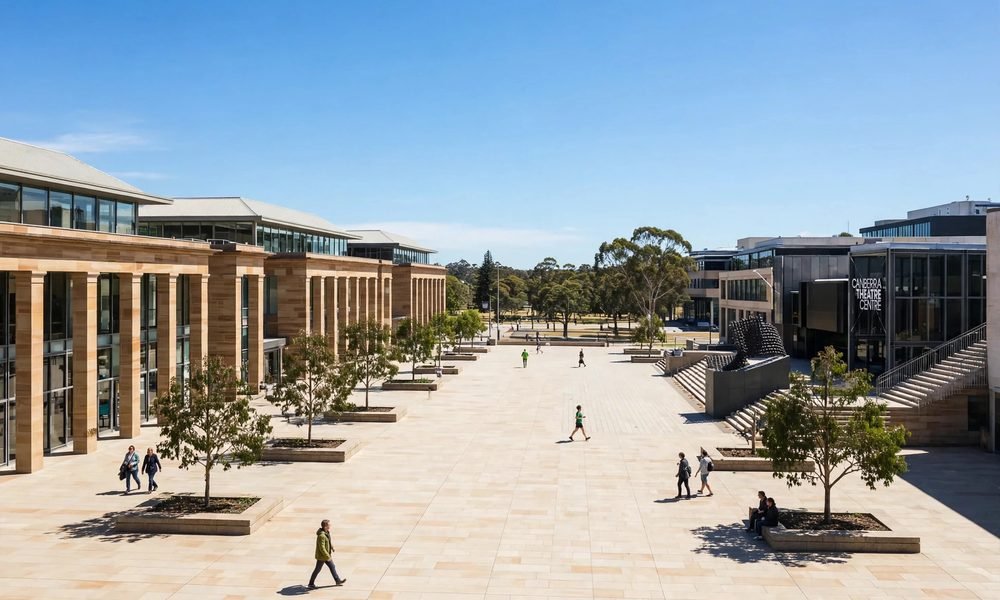
Civic Square is the city’s town square, and it is one of the few real town squares in an Australian capital. It holds the Canberra Theatre Centre, the Canberra Museum and Gallery, the Civic Library and the ACT Legislative Assembly building. The square was finished in 1961, long after Griffin’s time, but its spot was part of his plan. Stand in the square and look north-east up Ainslie Avenue and you are on the same line that runs from Mount Ainslie through the War Memorial and across the lake to Parliament House. It is a neat trick of the plan, and it is free to see.
City Hill itself is the round, tree-covered rise just south of the square. It is a good place for a slow lap under the trees, and it gives you a feel for how Griffin laid the city out. The streets run out from it like spokes, which is why first-time visitors find Civic easy to read once they have walked it once.
Canberra Museum and Gallery
The Canberra Museum and Gallery, or CMAG, sits on London Circuit at Civic Square, and it is the one museum actually in Civic. Entry is free. It tells the story of Canberra itself, which most of the big national museums do not do, and it holds the Sydney Nolan Collection. Nolan is one of Australia’s best-known painters, and the gallery shows his work alongside changing shows by local artists and photographers. Give it an hour. It opens Monday to Friday from 10 am to 5 pm, and on weekends from noon to 5 pm. If you want the national collections, the National Gallery of Australia and the National Museum of Australia are a short bus ride away across the lake.
City Walk, Garema Place and Petrie Plaza
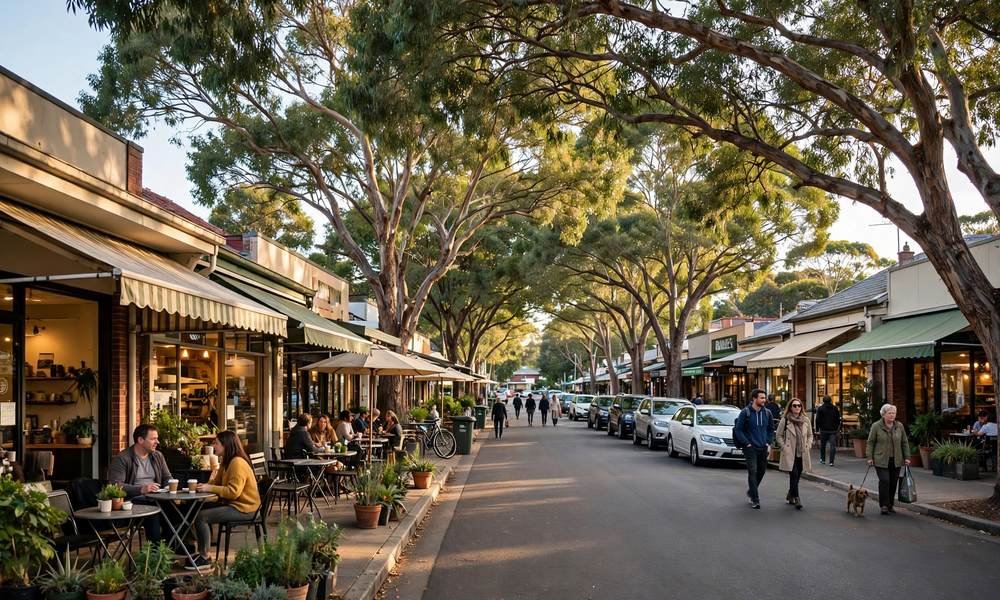
These three linked pedestrian areas sit at the centre of Civic. City Walk is the main outdoor mall, lined with shops, cafes and bars. Garema Place is a smaller square off City Walk with more outdoor tables and a relaxed feel. Petrie Plaza is the shorter mall at the eastern end, with gardens, sculptures and the merry-go-round. On a weekday lunch hour they fill with office workers. On a Saturday they fill with shoppers. In the evening the tables come out and the area stays lively well after the shops shut. If you only walk one street in Civic, walk this stretch.

Canberra Merry-Go-Round
The merry-go-round in Petrie Plaza is easy to miss and worth a look. It was built in 1914, ran in Melbourne for decades, then moved to its octagonal pavilion in Petrie Plaza in 1974. It has 52 hand-carved wooden horses and a traditional mechanical organ. Rides cost a few dollars, and they are free every day from 1 to 24 December during the city’s Christmas festival. Kids love it, and it is one of the few genuinely old things in a young city. If you are visiting Canberra with kids, this is a good first stop.
Glebe Park
Glebe Park sits on the eastern edge of Civic, between Bunda Street and the offices. It is a small park with big elm and oak trees, lawns, paths and a playground. The land was set aside for the Anglican church back in the 1840s, before Canberra existed, and the old trees are a leftover from that time. In autumn the leaves turn red and gold, and photographers come out in force. On a sunny day it is the best lunch spot in the centre. Grab takeaway from City Walk and eat it under the trees. It is also the quickest green link if you are walking from Civic across to Braddon.

Tocumwal Lane Street Art
Tucked between the buildings near Bunda Street, Tocumwal Lane is easy to walk past. Duck in and you will find walls covered in street art, much of it with a superhero theme. Local artists have painted here since 2015, and the work changes over time, so it is different on every visit. It takes five minutes and costs nothing. It is the kind of small find that makes Civic feel lived in rather than planned.
The Sydney and Melbourne Buildings
These two long buildings face each other across Northbourne Avenue at the northern end of Civic, and they are the oldest commercial buildings in the city. They went up in the 1920s, and their arched walkways were modelled on the loggias of Florence in Italy. Today they hold restaurants, pubs, bars and small shops. The Melbourne Building is in better shape. The Sydney Building is run down in parts, and plans to fix it up come and go. Even so, they give Civic its only real sense of age, and the ground-floor arcades are a good place to eat. Look up at the facades as you pass. They are the closest thing Civic has to old-town charm.
Canberra Theatre Centre
The Canberra Theatre Centre sits in Civic Square and is the city’s main stage. It has the large Canberra Theatre, the smaller Playhouse and the Courtyard Studio, and it hosts touring musicals, ballet, drama and live music through the year. If you are in town for a night or two, check what is on. A show here is the easiest way to see Civic after dark, and the square feels at its best on a performance night, with people spilling out of the theatre doors into the cafes.
NewActon Precinct
NewActon sits at the south-west corner of Civic, a short walk from City West toward the lake. It is the newest part of the centre, all sharp angles, design hotels and laneways. Palace Electric Cinemas shows independent films, festivals and art-house releases here, and the bars and restaurants around it stay open late. Some guides class it as part of Acton rather than Civic, but for a visitor it is one walk, and it is worth including in an evening wander.
A Half-Day Walking Route Around Civic
Civic is small enough to see properly on foot in half a day. This route takes about three hours at a slow pace, with stops. It works well as a first morning in Canberra, before you cross the lake to the big institutions in the afternoon.
Start at City Hill and Civic Square. Give the square half an hour, including a look inside the Canberra Museum and Gallery. Then walk north down City Walk, through Garema Place and into Petrie Plaza. Stop for the merry-go-round and the Canberra Times fountain. Duck into Tocumwal Lane off Bunda Street for the street art. From there, cut east through Glebe Park for a breather under the trees. Loop back west along Northbourne Avenue to see the Sydney and Melbourne Buildings, then finish with lunch in City West or on Bunda Street. If you still have energy, walk south from Civic Square toward Commonwealth Avenue bridge. In about 15 minutes you are at the lake, with Parliament House across the water.
Keen walkers can stretch this into a full day. From the lake, follow the path east to Commonwealth Park, or west toward the National Museum of Australia on the Acton Peninsula. Both are easy walks from Civic, and both are covered in our Lake Burley Griffin guide.
Shopping in Civic
Canberra Centre is the city’s main shopping mall and the biggest in the region, with more than 260 shops across three levels. It opened in 1963 as the Monaro Mall, and it was the first fully enclosed, air-conditioned, three-storey shopping centre in Australia. Today it holds David Jones and Myer, Big W, Coles and Aldi, plus fashion, electronics, books and a food hall. It is practical rather than pretty, but it is where Canberrans do their shopping, and it is handy for picking up anything you forgot to pack.
Beyond the mall, City Walk and Garema Place hold the smaller shops, and Petrie Plaza has a few gift and book stores. Dymocks in the Canberra Centre is better stocked than most chain bookshops and worth a browse. Craft + Design Canberra, up in Civic Square, sells Australian-made jewellery, glassware and art, and it is the best place in the centre for a gift that is actually made in Australia. For souvenirs, the gift shops in the mall lean toward generic Australian themes, so check the labels if you want something local.
Where to Eat and Drink in Civic
Civic has the widest choice of food in Canberra in one small area. You can eat well here on any budget, and the best meals are often the cheap ones. Here are the picks, grouped by what you need.
Best Budget Lunches
For a fast, cheap lunch, head for the Asian eateries around Bunda Street and the Sydney Building. Civic Asian Noodle House does good laksa and pad thai for around $18. CBD Dumpling House in the Canberra Centre is big, busy and open late, with an open kitchen where you can watch the dumplings being made. Ms Ba Co on Bunda Street is a family-run Vietnamese favourite, known for its banh mi rolls. Kebaba on Bunda Street does Turkish kebabs, pide and falafel, and it stays open late on weekends. None of these places will win awards for decor. They win on flavour and value, which is what matters at lunch.
Best Cafes and Coffee
Canberra takes its coffee seriously, and Civic is no exception. The Cupping Room on University Avenue is a local favourite with a long takeaway menu and proper specialty coffee. East Row Specialty Coffee, in the Sydney Building, does all-day breakfast with halloumi burgers, gnocchi and barramundi on the lunch menu. Blue Olive Cafe on Alinga Street is known for its New York-style sandwiches and strong coffee. Most cafes open early, around 7 am, and wind down by mid-afternoon, so get your coffee fix before 3 pm.
Best Dinners
For a proper night out, the Sydney Building holds most of Civic’s top-end restaurants. Akiba on Bunda Street does modern Japanese barbecue and cocktails, with big portions, so order less than you think. Courgette on Marcus Clarke Street is fine dining with a focus on zucchini dishes, and it is the sister restaurant to Aubergine. The Meat and Wine Co on London Circuit is the pick for steak, with an aged-beef menu and a serious wine list. Briscola, in the Melbourne Building, does old-style southern Italian food and has been family owned for years. If you want to eat well without booking ahead, walk Lonsdale Street in Braddon, ten minutes north, where the choice is just as good and the vibe is livelier.
Bars and Nightlife
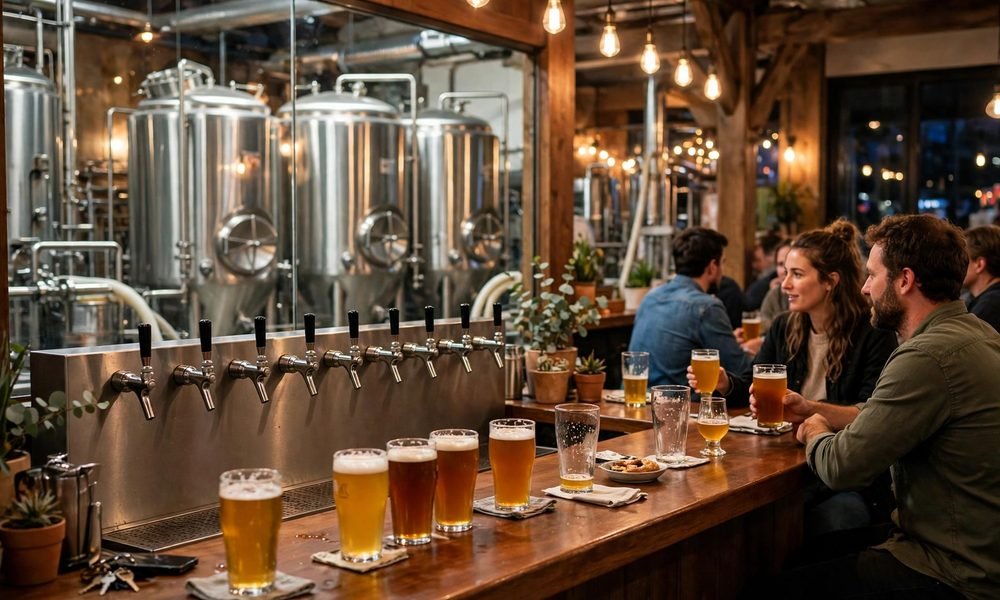
Civic has a solid spread of pubs and bars, most of them around Bunda Street, City Walk and the Sydney Building. King O’Malley’s on City Walk is the big Irish pub, relaxed and open daily. Hippo Co, upstairs in Garema Place, is a small cocktail bar with live jazz on Wednesday nights. The Highball Express on Alinga Street pours American and Central American drinks in a high-end pub setting. White Rabbit on Northbourne Avenue does cocktails and tapas with DJ nights. Cube in Petrie Plaza is Canberra’s only gay nightclub. One thing to know: many bars and clubs close on Sundays, so if you want a Sunday drink, Bunda Street is your best bet.
Civic at Night
Civic has a reputation for going quiet after dark, and on a cold weeknight there is some truth to it. The offices empty out, the shops shut, and the streets thin. But it is not dead. Theatre nights fill Civic Square. The cinemas at Canberra Centre and NewActon run late sessions. The bars on Bunda Street and City Walk stay busy on Friday and Saturday. And Casino Canberra, on Binara Street, is open daily from noon to 4 am, with table games, a sports bar and a restaurant. Note that under ACT law the casino has no poker machines, which surprises first-time visitors from other states.
The best night plan is simple. Eat in Civic or Braddon, catch a show or a film, then finish with a drink on Bunda Street. If you want a late walk, the lake path is lit in parts, but the stretch along the shore is dark and quiet, so save it for daylight.
Events in Civic Through the Year
Civic hosts some of Canberra’s biggest public events, and timing your visit to one of them changes the feel of the place completely.
The National Multicultural Festival takes over Civic each February, with food stalls and stages across the city centre. It is loud, crowded and fun, and it is the best weekend of the year to eat your way around the world without leaving Bunda Street. Enlighten runs from late February into early March, with light projections on the national buildings across the lake and night food markets. The Balloon Spectacular fills the March dawns with hot-air balloons over the lake, best seen from the shore near Commonwealth Park. Floriade runs through spring in Commonwealth Park, a short walk from Civic, and it pulls big crowds into the city centre. In January, Summernats brings street machines to Exhibition Park, and the hotels in Civic fill up fast. At Christmas, the merry-go-round rides are free, and Civic Square gets festive lights. If you are booking for any of these weeks, book your hotel early. Central rooms go first.
How Many Days Do You Need in Civic?
Civic itself needs half a day. Canberra as a whole needs two to three days, and Civic works best as your base for all of them. Stay central, see Civic on your first morning, then use the buses and the lake path to reach the national institutions. A good two-day plan looks like this. Day one: Civic in the morning, then Parliament House and the Museum of Australian Democracy in the afternoon. Day two: the National Gallery of Australia and Questacon in the morning, the Australian War Memorial and the Last Post Ceremony at 4.30 pm. Add a third day for a day trip from Canberra, such as Tidbinbilla Nature Reserve or the Murrumbateman wineries. Our full things to do in Canberra guide lays out the wider plan.
Best Time to Visit Civic
Autumn and spring are the sweet spots. March to April brings clear, still days and the autumn colour in Glebe Park and along the lake. The trees turn red and gold, and the light is at its best for photos. September to November brings Floriade, mild days and cool mornings. Summer, from December to February, is hot and dry, with days often reaching 27 to 30 degrees. Winter, from June to August, brings frosty mornings near zero and sunny days around 13 to 15 degrees. Winter is actually a good time for the galleries, since you spend the cold hours inside and the crowds are thin. Avoid nothing outright, but know that the big festival weeks fill hotels and push prices up, so check the calendar before you book.
Where to Stay in Civic
Civic has the widest range of places to stay in Canberra, with hostel beds and five-star suites side by side, and staying here puts the buses, the shops and the food at your door. It is the best base for a first visit. Our full guide to where to stay in Canberra compares all the areas, but here is the short version for Civic itself.
Budget
Little Drifter Canberra, on Akuna Street, is the city’s central hostel, a short walk from City Walk. Dorm beds start from around $35 a night, and private rooms from around $110. It has a communal kitchen, a rooftop terrace with a barbecue, a lounge with billiards and a laundry. It is the only real budget option in the centre, and it books out in festival weeks.
Mid-Range
Most visitors land in this bracket. Novotel Canberra, on Northbourne Avenue above the coach terminal, has 286 rooms, an indoor heated pool and a restaurant, with rooms often from around $165. Quest Canberra, inside the historic Melbourne Building on West Row, offers apartment-style rooms with kitchens, from around $160. The Sebel Canberra Civic, on London Circuit, has standard rooms and serviced apartments with kitchenettes, from around $160. BreakFree Capital Tower, on Marcus Clarke Street, has one, two and three-bedroom apartments with balconies, a pool, a sauna and tennis courts, from around $160. Nesuto Canberra, on Akuna Street, has studios and one and two-bedroom apartments with an indoor pool, a gym and a spa. All of these sit within a few minutes’ walk of City Walk.
Top End
At the top end, QT Canberra, on London Circuit by the lake, is the design pick, with modern rooms, private balconies and a cocktail lounge, from around $175. Crowne Plaza Canberra, on Binara Street beside Glebe Park, has an outdoor pool, a fitness centre and the Redsalt restaurant, from around $230. Ovolo Nishi, in the NewActon precinct, is a boutique design hotel with original artwork and a locally focused restaurant. Peppers Gallery Hotel, also in NewActon, sits in a heritage-listed building with designer rooms and an Italian restaurant, from around $180. Meriton Suites, on Allara Street, has 280 apartment-style suites with full kitchens, an indoor pool and a spa, from around $190. A by Adina, on Constitution Avenue, is a premium apartment hotel with floor-to-ceiling windows and a 24-hour concierge, from around $210. Prices move with the seasons and the parliamentary sitting calendar, so treat these as a guide and check the current rate before you book.
Getting to and Around Civic
Getting to Civic is easy, and getting around it is mostly on foot. Here is how each option works.
From the Airport
Canberra Airport sits about 8 kilometres east of Civic. The R3 rapid bus runs from the airport to the City Interchange in under 20 minutes, every 15 minutes on weekdays and every 30 minutes on weekends. A taxi or rideshare takes about 15 minutes, depending on traffic. If you are flying in and staying central, the bus is the simplest option. Our getting around Canberra guide covers the airport run in more detail.
By Bus and Light Rail
Almost every bus in Canberra ends up at the City Interchange, on East Row, Alinga Street, Mort Street and Northbourne Avenue. The rapid R-routes are the ones to learn: R2 from Belconnen and Fyshwick, R3 from the airport and Spence, R4 from Belconnen and Tuggeranong, R5 from Lanyon, R6 from Woden via Barton, R7 from Weston Creek and R10 from Molonglo. The light rail runs north from Alinga Street station to Gungahlin, passing Dickson on the way. Work is under way to extend it south across the lake to Commonwealth Park. You pay with a contactless bank card or phone, or with a MyWay+ card, and the same card works on buses and light rail.
By Coach
Interstate coaches stop at the Jolimont Centre on Northbourne Avenue, at the northern edge of Civic. Murrays runs to Sydney, Wollongong and Batemans Bay. V/Line runs to Albury. NSW TrainLink coaches run to Queanbeyan, Goulburn, Wagga Wagga, Cootamundra and Eden. Greyhound’s Sydney to Melbourne service also stops here. If you are arriving by coach, you are already in the centre, which is handy.
By Car and Parking
Driving in Civic is fine. The roads are wide and the traffic is light by capital-city standards. Parking is the hard part. Street parking is limited and metered, and it fills fast. The three main paid car parks are at the Canberra Centre, City West and Marcus Clarke, all run by Secure Parking. Expect to pay around $14 to $16 for a full day, with hourly rates from around $6.50. A useful trick: Braddon, just north of Civic, has cheaper metered street parking along Lonsdale Street, and it is only a short walk back into the centre.
On Foot, by Bike and by E-Scooter
Walking is the best way to see Civic. The centre is flat and compact, and the main sights are minutes apart. For longer hops, Canberra’s shared bike paths run through the city, including a loop around the lake and a path around the city centre. Hire bikes are available, and the lake path is one of the best rides in the city. E-scooters are available through Neuron, but know the rules: there is a 15 km/h speed limit in the city centre, you cannot end a ride in City Hill or Glebe Park, and you cannot ride through Civic Square or into the Canberra Centre. The scooter will power down if you try.
Civic as a Base: Easy Trips from Here
Civic earns its keep as a base because everything else is close. Here are the trips that work best from here, with honest times.

The lake is the easiest trip of all. Walk south from Civic Square for 10 to 15 minutes and you are on the Lake Burley Griffin foreshore, with flat paths for walking and cycling and clear views across to Parliament House. The full lake path runs for about 40 kilometres around the shore, but the stretch near Civic is the most useful. See our Lake Burley Griffin guide for the best sections.
Across the lake, the Parliamentary Triangle holds Parliament House, the Museum of Australian Democracy at Old Parliament House, the National Gallery of Australia and Questacon. It is a 10-minute bus ride or a 30-minute walk from Civic. Questacon is the pick if you are travelling with kids, with more than 200 hands-on science exhibits.
North-east up Anzac Parade, the Australian War Memorial sits about 2 kilometres from Civic. It is a 5-minute drive or a 25-minute walk, and the Last Post Ceremony at 4.30 pm is one of the most moving things you can do in Canberra. Behind it, Mount Ainslie lookout gives you the full sweep of the city, down Anzac Parade and across the lake to Parliament House.
For food and evening life, walk ten minutes north to Braddon, where Lonsdale Street has the cafes, bars and small shops. For a village feel, Manuka is a short drive south, with its shopping streets and oval. Both make easy evening trips from a Civic hotel.
Further out, the Australian National Botanic Gardens sit on the lower slopes of Black Mountain, a short drive west, and the Royal Australian Mint is worth an hour if you like seeing how coins are made. For a bigger day, Cockington Green Gardens is a fun stop for families. If you want to go further, our guide to day trips from Canberra covers Tidbinbilla, Namadgi, the wineries and the country towns.
Must-Knows Before You Go
A few practical points will save you trouble in Civic.
Many shops and cafes close early on Sundays, and some bars and clubs shut altogether. Sunday is the quietest day in the centre. Plan your shopping for Saturday, and keep Sunday for the lake, the galleries and a slow lunch.
Civic goes quiet on weekday evenings once the offices empty. If you want a lively night, aim for Thursday to Saturday, or head to Braddon. On a Tuesday night, book a show or eat early, because the streets thin out fast.
Free public Wi-Fi, called CBRfree, is available in Civic, mostly inside restaurants, the museum and the library. Mobile coverage is good across the centre, with 5G from all three major carriers.
Public toilets are easy to find. The Canberra Centre has clean restrooms and parent rooms on every level during shopping hours. There is also a public toilet pod at the Alinga Street interchange, open daily, and restrooms inside the Civic Library in Civic Square and in Glebe Park.
There is no hospital in Civic. For anything serious, patients go to Canberra Hospital in Woden or North Canberra Hospital in Bruce. For urgent health advice, call healthdirect on 1800 022 222. In an emergency, call 000.
Canberra City Musalla, the city prayer hall, sits at 6/16 Moore Street and is open daily for the five prayers, with Friday prayers in the early afternoon. It has a separate upstairs area for women.
Finally, do not expect to pay for parking with cash everywhere. Most car parks are ticketless and read your number plate, so check the signs when you park and pay by card or app before you leave.
FAQs About Visiting Civic
Is Civic the same as Canberra City Centre?
Yes. Civic is the common name for Canberra’s city centre. Its official division name is City, which is why signs say “City”. Canberra CBD and Civic both mean the same place.
What is there to do in Civic?
The main draws are Civic Square and the Canberra Museum and Gallery, City Walk and Garema Place for shopping and eating, the merry-go-round in Petrie Plaza, Glebe Park, the Sydney and Melbourne Buildings, the Canberra Theatre Centre and the street art in Tocumwal Lane. Most visitors pair a half-day in Civic with the national institutions across the lake.
Is Civic walkable?
Yes, very. The centre is flat and compact, and you can walk from one end to the other in about 15 minutes. The lake is a 10 to 15-minute walk south, and Braddon is about 10 minutes north on foot.
How do I get from Canberra Airport to Civic?
Take the R3 rapid bus from the airport to the City Interchange. It takes under 20 minutes and runs every 15 minutes on weekdays. A taxi or rideshare takes about 15 minutes.
Where should I stay in Canberra?
Civic is the best base for a first visit. It has the widest choice of hotels, from the Little Drifter hostel to QT Canberra and Crowne Plaza, and the buses, shops and restaurants are all at your door. Free things to do in Canberra are also easy to reach from here, since most of them sit within a short bus ride of the centre.
How far is Civic from the Australian War Memorial and Parliament House?
The War Memorial is about 2 kilometres north-east of Civic, a 5-minute drive or a 25-minute walk up Anzac Parade. Parliament House is about 4 kilometres south across the lake, a 5-minute drive or a 10-minute bus ride.
Is Civic good at night?
It is good on Thursday to Saturday nights, when the theatre, cinemas and bars are busy. On quiet weeknights it thins out early. For the liveliest evenings, walk to Braddon or book a show at the Canberra Theatre Centre.
Final Thoughts on Visiting Civic
Civic will not shout for your attention the way the War Memorial or Parliament House does. It is a working city centre, not a theme park, and that is its charm. The joy here is in the small things: coffee on City Walk, lunch under the elms in Glebe Park, the old merry-go-round turning in Petrie Plaza, the view down Ainslie Avenue from Civic Square. Give it a half-day on foot, eat well, see a show if you can, and use it as your base for the big sights across the lake. Do that and Civic stops being just the place you sleep. It becomes the part of Canberra you actually remember. For the wider trip, Australia City Guide has the full Canberra coverage, including the national institutions and the day trips.
Keep exploring:
- Things to Do in Canberra: Complete Guide
- Where to Stay in Canberra: Best Areas and Hotels
- Getting Around Canberra: Transport Guide
- Lake Burley Griffin: Complete Guide
- Australian War Memorial: Complete Visitor Guide
- Parliament House Canberra: Visitor Guide
- Braddon Canberra: Food and Culture Guide
- Manuka Canberra: Suburb Guide
- Canberra with Kids: Family Guide
- Best Day Trips from Canberra