Getting around Canberra is easier than most visitors expect. The city was designed from scratch, so the roads are wide, the distances between sights are short, and the public transport network covers the main spots without fuss. You have real choices too: light rail, Rapid buses, taxis, rideshare, hire cars, bikes, and your own two feet. Here is the full picture, with the fares, routes, and honest advice you need to pick what suits you.
How Canberra Is Laid Out
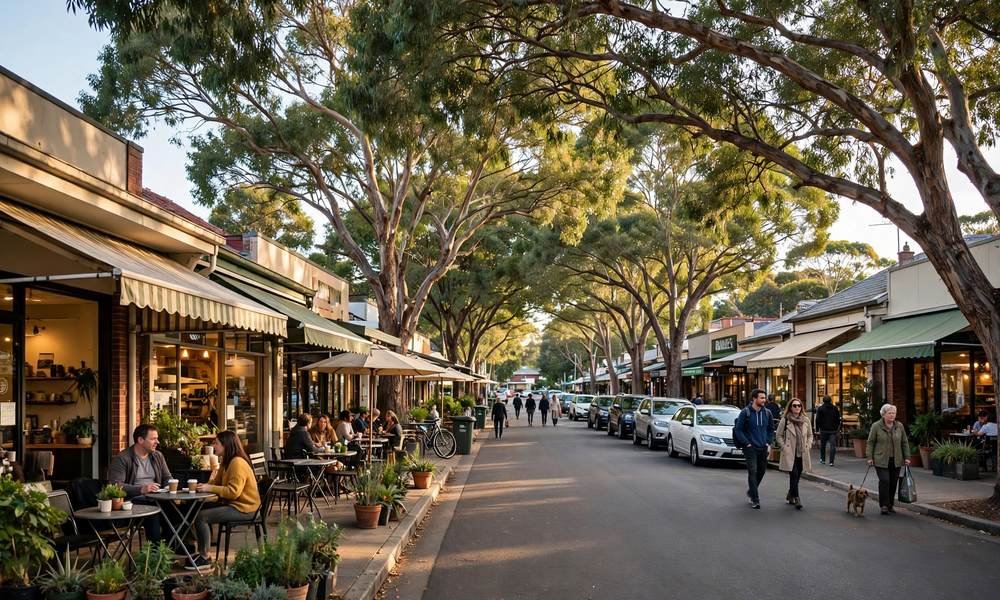
Canberra does not work like Sydney or Melbourne. There is no single busy downtown with everything packed in. Instead, the city is built around separate town centres: Civic (the city centre), Belconnen, Gungahlin, Woden, Tuggeranong, plus inner areas like Kingston, Manuka, Braddon, and Dickson.
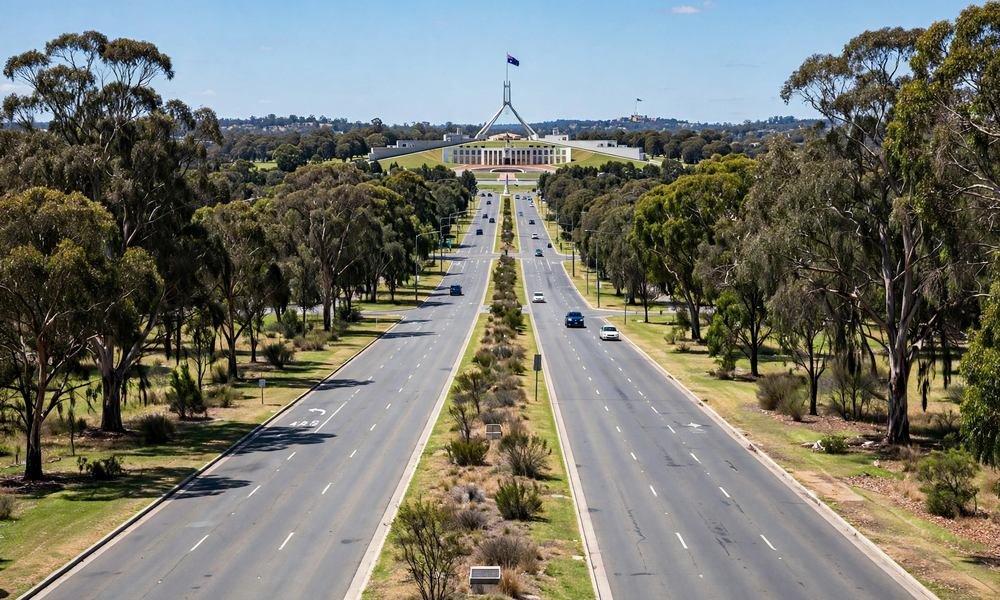
The big sights sit in a fairly tight cluster. Parliament House, the galleries, museums, and Lake Burley Griffin are mostly within a few kilometres of each other. The suburbs spread out from there, joined by wide, multi-lane parkways. This layout means a car is handy but not essential. If you stay in Civic or nearby, public transport and walking cover a lot.
One more thing to know: Canberra is a driving city by design. Traffic is light compared to other capitals, parking is simpler, and there are no toll roads anywhere in the Australian Capital Territory. That makes hiring a car an easy option here, which is not always true in Australia’s bigger cities.
Canberra’s Light Rail
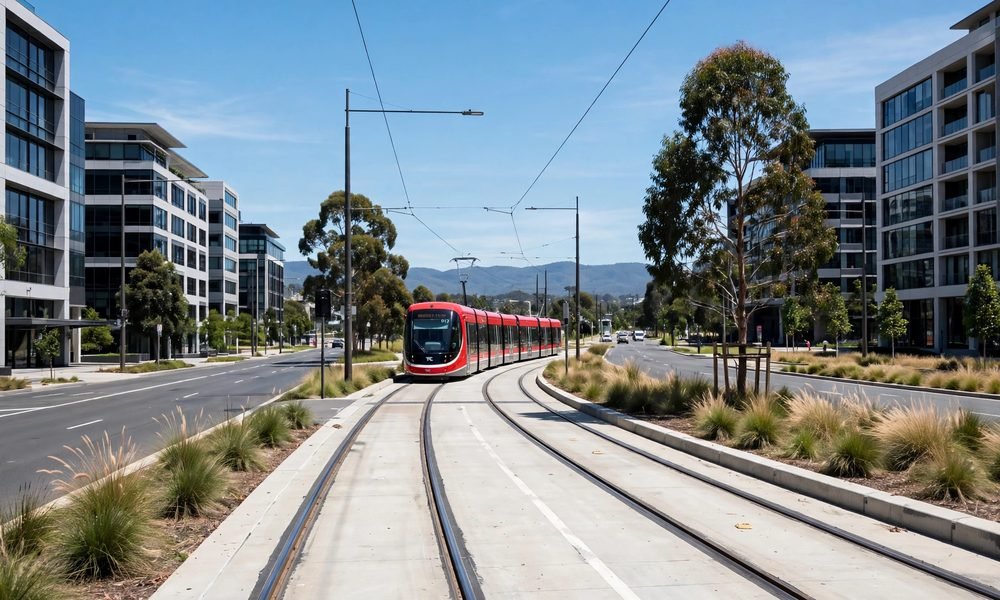
The light rail is the showpiece of Canberra’s public transport. It is quick, clean, and simple to use, and it runs right through the middle of the city’s most useful corridor.
The Route and Stops
The line runs from Gungahlin Place in the north down Northbourne Avenue to Alinga Street in the City. The trip takes about 24 minutes end to end. Useful stops for visitors include the City, the foodie and shopping strip of Braddon, and Dickson, which is known for its Asian eat streets. You can swap from the light rail to buses at key hubs in Gungahlin, Dickson, and the city.
You can also take your bike on the light rail, which is handy if you want to ride one way and roll back. A second stage of the line, extending across the lake to the south, is under construction, so check for any changes to stops before you travel.
How Often It Runs
Services run every 5 minutes in peak times and every 15 minutes in off-peak, from 6am to 11:30pm daily. On Sundays and public holidays they start at 7am. On Friday and Saturday nights, late services run until 1am. It is the most reliable ride in the city, and honestly the easiest way to move between the city, Braddon, and Dickson.
Buses in Canberra
Buses are the backbone of Canberra’s public transport. Transport Canberra runs the whole network, and the buses reach everywhere the light rail does not: the suburbs, the outer attractions, the airport, and the railway station.
Rapid Buses vs Local Buses
There are two types of service. Rapid buses are the frequent, direct ones that link the town centres and other key destinations. They run at least every 15 minutes on weekdays between 7am and 7pm, and often at other times too. Local buses connect suburbs to their nearest shops and town centre. They are less frequent, usually every 20 to 30 minutes in peak times and hourly during the day, evenings, and weekends.
For visitors, the Rapid routes do most of the work. Routes R2 through R10 cover the corridors you will use most. The buses are modern, and the high-frequency Rapid services use easy-access buses with no step, which helps travellers with reduced mobility, prams, or heavy bags. Some Rapid services also have bike racks on the front, so you can take your bike along for longer trips.
Which Bus Goes to the Sights
This is the part visitors ask about most. Transport Canberra publishes a route list for the main attractions, and these are the ones worth knowing:
- Australian War Memorial and Anzac Parade: R54
- Parliament House: R57, R58
- Old Parliament House: R57, R58, R2, R6
- Questacon: R2, R6
- National Gallery of Australia, National Portrait Gallery, and National Library: R2, R6
- Lake Burley Griffin and Commonwealth Park: R2, R4, R5, R6, R7, R10
- Kingston Foreshore: R2, R6
- Manuka Oval: R6, 56
- Royal Australian Mint: R58
- Cockington Green Gardens: R24
- Canberra Railway Station: R2
- Canberra Airport: R3
Use the real-time journey planner on the Transport Canberra website to check the next bus from wherever you are standing. All buses carry screens and audio announcements, and you can track them live so you are never guessing.

Paying for Buses and Light Rail: MyWay+
Canberra’s ticketing system is called MyWay+. It works across all buses and the light rail, and it calculates the cheapest fare for you automatically.
How to Pay
You have a few options. The simplest for visitors is to tap on and tap off with a Mastercard or Visa, either the physical card or one on your phone or watch. You can also buy a MyWay+ card at retail outlets and top it up, use a digital MyWay+ pass in the app, or buy a paper single-use ticket from a ticket vending machine. Cash is not accepted on buses.
Always tap on when you board and tap off when you get off. If you forget to tap off, a default fare is charged, which is higher than the normal fare. Every paid trip includes a free 90-minute transfer window, so you can hop from a bus to the light rail without paying twice.
What It Costs
Fares are distance-based but simple. With a MyWay+ card or contactless payment, an adult single trip costs $3.41 in peak times and $2.70 in off-peak. Off-peak means weekdays from 9am to 4:30pm and after 6pm, plus all day on weekends and public holidays.
There is also a daily cap, which is great for sightseers. Once your fares hit $10.16 on a weekday (or $6.22 on a weekend or public holiday), the rest of your travel that day is free. If you are staying a while, there is a monthly cap too: after 40 paid trips in a calendar month, the rest of the month’s travel is free. Children aged 5 and under travel free. Single-use paper tickets cost more (adult $5.29), so contactless or a MyWay+ card is the better deal. Fares change from time to time, so check the Transport Canberra fares page for the latest numbers before your trip.
Getting from Canberra Airport
Canberra Airport sits about 8 kilometres east of the city centre, and getting into town is straightforward.
The cheapest option is the Rapid R3 bus. It runs from the airport terminal to the City Interchange, then on to Belconnen and Spence. It runs half-hourly on weekdays and hourly on weekends. The ride into the city takes around 15 to 20 minutes depending on traffic.
If you would rather not wait, taxis and rideshare cars wait right outside the terminal. A taxi to the city costs roughly $25 to $35 and takes about 15 minutes. All the major car hire companies have desks at the airport, which is convenient if you plan to drive during your stay. There is no train or light rail link to the airport yet.
Taxis and Rideshare
Taxis
Canberra has a well-run taxi network. You can catch one at a taxi rank, phone ahead, or book online. The main companies are ACT Cabs (phone 02 6280 0077), Canberra Elite, and Silver Service (phone 13 31 00), which runs a premium service with luxury sedans and seven-seater vans. Wheelchair-accessible taxis need to be booked ahead on 13WATS (139 287). Taxis accept credit cards, Cabcharge, cash, and electronic transfer.
Rideshare
Uber operates across Canberra, and DiDi and Ola do too. Canberra was actually the first city in Australia to regulate and promote ridesharing, so the services are well established. Rideshare is handy for late nights when buses are thin, for airport runs, or for short hops between sights. Prices are usually close to taxi fares, sometimes cheaper off-peak.
Driving in Canberra
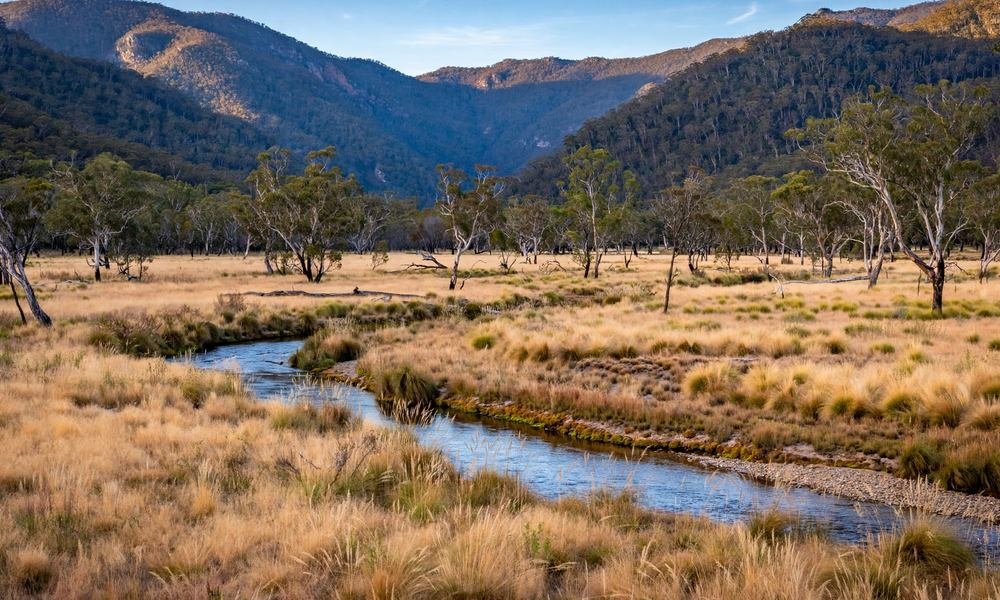
Driving is the most flexible way to see Canberra, especially if you want to reach places like Tidbinbilla Nature Reserve, the wineries, or the lookouts, where buses are patchy or non-existent.
Hiring a Car
All the major car hire companies (Avis, Budget, Europcar, Hertz, and others) have offices in the city and at Canberra Airport. Book ahead in busy periods like Floriade or school holidays. Rates vary a lot by season and car size, so compare a few providers. You will need a valid driver’s licence. International visitors can drive on a foreign licence if it is in English, or with an official English translation or an international driving permit alongside the foreign licence.
Parking
Parking in Canberra is far less painful than in Sydney or Melbourne. That said, parking in the city centre and the National Triangle (where Parliament House and the galleries sit) is paid. Expect roughly $15 to $20 per day as a broad guide, depending on the spot. Many shopping centres offer free parking for the first two hours. The EasyPark app lets you pay for street parking from your phone, which saves hunting for a meter. Most major attractions, including the galleries and the War Memorial, have their own car parks.
Road Rules to Know
Canberra’s roads are wide and well signed, and traffic is light. A few rules catch visitors out. The default speed limit is 50 km/h in built-up areas and 100 km/h in rural areas unless signs say otherwise, and speed limits are strictly enforced with cameras. It is illegal to drive with a blood alcohol level of 0.05 or higher. Everyone must wear a seatbelt, and helmets are compulsory on bicycles, motorbikes, and scooters.
If you drive out of the city, especially at dawn or dusk, watch for kangaroos, wombats, and possums on the road. They move most at those times. Stick to sealed major roads where you can, let someone know your route if you head somewhere remote, and avoid driving at night on country roads. Hitchhiking is strongly discouraged.
Two self-drive routes are worth knowing about. The Yarralumla diplomatic missions tour takes you past 33 embassies and high commissions, which is a fun free drive. The Canberra Tracks routes are six self-drive heritage trails through Ngunnawal Country, pioneer history, and local stories.
Cycling Around Canberra
Canberra is one of Australia’s best cities for cycling. The paths are wide, mostly flat around the lake, and they link the sights in a way that feels made for visitors.
Bike Hire
If you did not bring a bike, hire shops in the city and around the lake rent standard bikes and e-bikes by the hour, half day, or full day. E-bikes are worth the extra money if you plan to tackle the hills at Mount Ainslie or Black Mountain. Some hotels also lend bikes to guests, so ask at reception before you pay for a hire.
The Best Bike Paths
The star ride is the Lake Burley Griffin loop. The shared path around the central lake is about 20 kilometres, flat, sealed, and packed with views of the galleries, the Carillon, and the fountains. You can ride the whole loop in a couple of relaxed hours with stops.
Other good options: the paths through Commonwealth Park and around the National Triangle, the ride out to the Australian National Botanic Gardens, and the longer countryside loops toward the wineries for confident riders. Remember that helmets are compulsory, stick to the shared paths where they exist, and give way to pedestrians.

Walking in Canberra
The central sights are closer together than they look on a map. If you are staying in Civic, you can walk to the lake, Commonwealth Park, and the city sights without thinking twice. The walk from the city to Lake Burley Griffin is about 4 kilometres one way, through parks and gardens.
A favourite walk is the National Triangle loop, which links Parliament House, the galleries, and the lake foreshore in one easy circuit. It is mostly flat and well signed. For a walk with a payoff, the Mount Ainslie summit trail climbs from the War Memorial to one of the best views in the city. Take water and a hat; Canberra’s sun is strong even on cool days.
The Red Explorer Loop Bus
If you want the simplest sightseeing day possible, the Red Explorer Loop Bus is a hop-on, hop-off service that stops at the key attractions. It departs from the Canberra Museum and Gallery at regular times from Monday to Saturday. There is no need to book; just turn up about 10 minutes before departure and buy your ticket on the bus. It is a good pick if you only have one day and do not want to plan routes.
Which Transport Option Suits You?
Here is the quick decision guide. If you are staying in or near Civic and your plans are the galleries, museums, and Parliament House, the light rail plus Rapid buses will handle almost everything, and the daily fare cap keeps it cheap. Add the Red Explorer Loop Bus for a cruisy one-day overview.
If you want to reach Tidbinbilla, the wineries, the lookouts, or the outer suburbs, hire a car. Driving in Canberra is easy, parking is reasonable, and there are no tolls. Families with kids often find a car simplest, though children 5 and under ride public transport free.
Active travellers should grab a bike for the lake loop and walk the central sights. Late nights and airport runs are covered by taxis and rideshare. Honestly, most visitors do best with a mix: public transport for the centre, a hire car for a day or two of exploring further out.
FAQs About Getting Around Canberra
Is Canberra easy to get around without a car?
Yes, for the main sights. The light rail and Rapid buses connect Civic, Braddon, Dickson, Gungahlin, and Belconnen, and buses serve the galleries, museums, and Parliament House. You will want a car or a tour for outer spots like Tidbinbilla or the wineries.
How do I pay for buses and the light rail?
Tap on and off with a Mastercard or Visa (card, phone, or watch), a MyWay+ card, or a digital MyWay+ pass. Paper single-use tickets are available from vending machines but cost more. Cash is not accepted.
How much does public transport cost in Canberra?
An adult single trip is $3.41 peak and $2.70 off-peak with MyWay+ or contactless. A daily cap of $10.16 on weekdays ($6.22 on weekends and public holidays) means you never pay more than that per day. Check the Transport Canberra fares page for current prices.
Does the light rail go to the airport?
No. The light rail runs between Gungahlin and the City. For the airport, take the Rapid R3 bus, a taxi, or a rideshare.
Is there Uber in Canberra?
Yes. Uber, DiDi, and Ola all operate in Canberra. Taxis are also easy to find at ranks, by phone, or online.
Can I take my bike on public transport?
Yes. Bikes are allowed on the light rail, and some Rapid buses have bike racks. It is a good way to combine a ride with public transport for longer trips.
Do I need a car in Canberra?
Not for the central sights, but a car makes life much easier if you want to visit nature reserves, lookouts, wineries, or places outside the bus network. Driving here is relaxed, with wide roads and no tolls.
Final Thoughts on Getting Around Canberra
Canberra rewards visitors who mix and match. Use the light rail and Rapid buses for the city sights, where the daily fare cap makes exploring cheap. Hire a car for the days you head further out to the reserves, lookouts, and wine country. Walk the lake, ride the loop, and let the Red Explorer Loop Bus do the thinking on your busiest day. However you move, the city is compact, calm, and easy to read, which is half the pleasure of visiting. For more ideas on what to see once you arrive, browse the guides here at Australia City Guide.