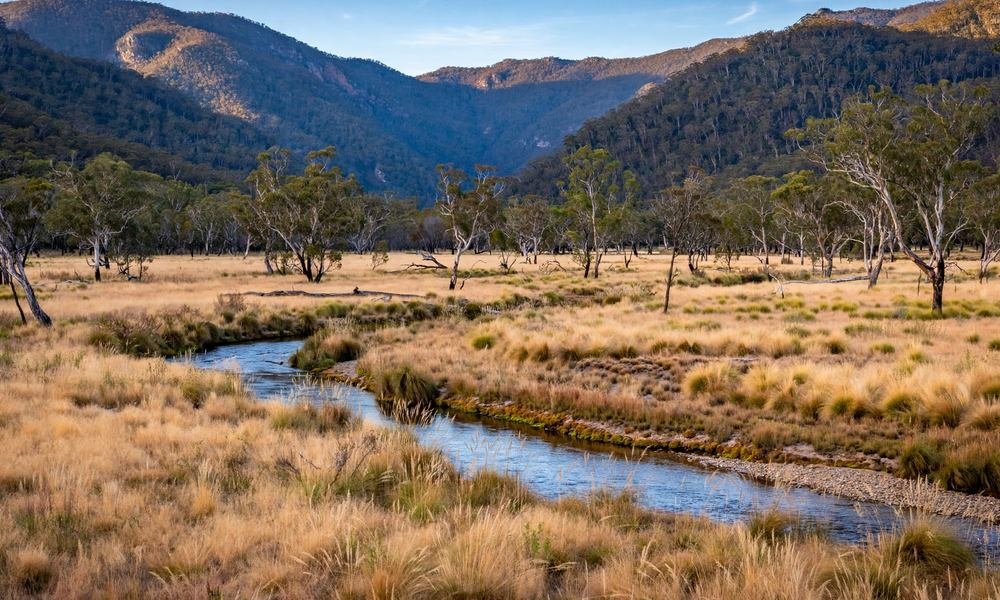
Black Mountain Canberra sits just 3 kilometres from the city centre, yet it feels like a different world. One minute you’re in the middle of the capital, and the next you’re walking through quiet eucalypt forest with kangaroos grazing in the clearings and rosellas flashing past. At 812 metres high, the mountain gives you wide views over Lake Burley Griffin, the Parliamentary Triangle and the suburbs spread out below. It’s the easiest bush escape in Canberra, and you don’t need a car full of gear or a full day to enjoy it. This guide from Australia City Guide covers everything you need: the walks, the wildlife, the honest truth about Telstra Tower, and how to plan your visit.
Why Black Mountain Is Worth the Climb
Canberra is called the Bush Capital for a reason, and Black Mountain is the best proof of it. The whole mountain is a nature reserve of 434 hectares, protected since 1970 and now part of Canberra Nature Park. You can walk from the city centre into dry sclerophyll forest in under an hour. That’s rare for a capital city anywhere in the world.
What makes the mountain special is how much it packs into a small space. There’s a proper summit walk that gets your heart pumping, an easy loop walk with open views, spring wildflowers, more than 100 bird species, and the most famous tower in the ACT standing on top. You can do the whole thing in a morning and still be back in Civic for lunch.
It’s also a local favourite, not just a tourist stop. On any given morning you’ll share the tracks with Canberrans out for their daily walk or run, birdwatchers with binoculars, and families heading up through the Australian National Botanic Gardens. That tells you a lot. Locals don’t keep coming back to a place that isn’t worth it.
Telstra Tower: Canberra’s Most Famous Landmark
You can see Telstra Tower from almost anywhere in Canberra. The 195-metre tower stands on the summit of Black Mountain, and its red and white spire is the first thing most visitors notice on the skyline. For decades it was the city’s best lookout, with an indoor viewing gallery and two open platforms that gave 360-degree views across the whole capital.
Here’s the part most travel guides get wrong, so read this before you plan your trip.
Is Telstra Tower Open?
No. Telstra Tower has been closed to the public since July 2021. It shut during the COVID-19 pandemic and has stayed shut ever since. The tower is fenced off, and you can’t go inside or up to the viewing platforms. A lot of older websites still list opening hours and ticket prices, but that information is out of date. Don’t drive up expecting to ride the lift to the top.
There is good news, though. In July 2026 the ACT Government and Telstra signed an agreement to bring the tower back to life, with plans for new visitor experiences, community spaces and a fresh design that celebrates Ngunnawal culture and the story of the tower itself. The reopening is projected for the summer of 2027/28. Until then, the tower is something to admire from the outside, not a place to visit inside.
The mountain itself is still fully open. The walks, the forest, the views from the tracks and the lookout car park are all there for you. Just set your expectations right: you’re coming for the mountain, not the tower interior.
The Story of the Tower
The tower was opened in May 1980 by then Prime Minister Malcolm Fraser. It was built as a telecommunications tower, and it still does that job today, carrying TV, radio and phone signals across the region. But it was designed to be more than a piece of infrastructure. Inside there was a viewing gallery, a small theatre, a cafe and a gift shop. Up top sat the Alto Tower Restaurant, Canberra’s only revolving restaurant, where diners slowly turned as they ate and the whole city rolled past the windows.
Before it closed, visitors could see the city from the enclosed gallery or step outside onto the two open platforms. On a clear day you could pick out Parliament House, the lake, the Brindabella Ranges and the suburbs stretching in every direction. At night the city lights spread out below like a map. Locals who went up as kids still talk about it, and plenty of Canberrans are keen to see it open again.
The Summit Walk from the Botanic Gardens
The classic way up Black Mountain starts at the Australian National Botanic Gardens. This is the walk most visitors should do first. It’s a proper climb, but it’s easy to follow, and the Gardens give you a gentle start before the hill gets steep.
The Route, Step by Step
Start at the Botanic Gardens Visitor Centre on Clunies Ross Street in Acton. Follow the Main Path up through the Gardens until you reach the top of the Rock Garden Lawn. From there, look for the blue signs pointing to the Black Mountain Gate, and the pale green metal posts marked with a Telstra Tower symbol. They lead you to the Black Mountain Gate, which is open from 9:30 am to 4:30 pm each day.
Once you pass through the gate, you’re in the Black Mountain Nature Reserve. The path climbs steeply through dry sclerophyll forest, past scribbly gums, red stringybarks and cherry ballart trees. The understorey is full of shrubs, herbs and grasses, and in spring it fills with colour. Birdlife is everywhere on this stretch, so keep your ears open as well as your eyes.
The full return trip is 5.4 kilometres and takes most people 1.5 to 2 hours. At the top you’ll reach the summit viewing platform at 812 metres above sea level, with Telstra Tower right beside you. Take a breather, look out over the city, then head back down the same way.
If you’re starting from the Belconnen Way car park on the other side of the mountain, the same summit walk is shorter: about 3.2 kilometres return and 1 to 1.5 hours, with around 195 metres of climbing. It’s rated moderate on AllTrails, where it holds a 4.4 out of 5 score from more than 430 reviews.
How Hard Is the Climb?
Be honest with yourself here. The Summit Walk is a steady, continuous climb, and parts of it are steep. The first section from the Gardens is on a firm paved path, then it changes to dirt, gravel and natural earth track for the rest of the way up. Most fit walkers will find it a good workout rather than a struggle. If you rarely walk hills, take it slow, stop when you need to, and carry water. There are no shops or water taps on the mountain.
The track is easy to follow the whole way, and it’s popular, so you’re unlikely to be alone. Runners use it for training, and birdwatchers wander it slowly with their binoculars. Wear sturdy shoes with grip, not flat sandals. In summer, start early to beat the heat. In winter, the morning frost makes the track firm and the air clear, which is lovely, but rug up for the cold at the top.

The Forest Loop Trail: An Easy Walk With Open Views
If the Summit Walk sounds like too much climbing, the Forest Loop is your walk. It’s the easy, relaxed way to enjoy Black Mountain, and honestly, it has some of the best views on the mountain. That’s because the summit itself is now ringed by tall trees that block parts of the view, while the loop track sits in open woodland where the city and the lake keep appearing through the trees.
Where the Loop Starts
Drive up Black Mountain Drive from Barry Drive. About 300 metres before you reach the Telstra Tower car park at the summit, you’ll see a large car park on the right. This is the Black Mountain lookout car park, and it fits 40 to 50 cars. The Forest Loop starts right beside it, signposted with a large blue “P” sign near the car park entry road.
The loop is 2 kilometres around and takes 40 minutes to an hour at a relaxed pace. It circles the summit about 60 metres below the top, so there’s very little climbing. Apart from the odd set of steps, anyone who can walk on uneven ground can do this one. The track is unsealed once you leave the car park, but it’s a formed trail the whole way.
What You’ll See Along the Way
The loop gives you glimpses of the city, Lake Burley Griffin, Belconnen Town Centre and the National Arboretum as you walk around. You’ll pass interpretive signs that explain the plants and the history of the mountain, a small bridge over a gully, and patches of bushland that show how the forest recovers after fire. Look out for the Canberra Centenary Trail marker on the track, and for Mount Painter standing out to the west.
Two walks start from this car park. The Forest Loop is the easy one. The other is a short, steeper walk up to the Telstra Tower itself. You can do the loop first, then decide if you want to add the short climb to the tower base for a closer look at the building and the fenced-off area around it.
There are no toilets on this trail, and no water, so sort that out before you leave the city. Phone signal is good on the loop. Dogs are not allowed, and camping is not allowed either.

More Walks on Black Mountain
The Summit Walk and the Forest Loop are the two best-known walks, but the mountain has a whole network of tracks. If you like walking, you can come back several times and do a different route each visit. Here are the others worth knowing about.
North Lyneham Ridge
For a longer walk, the North Lyneham Ridge track runs for about 9 kilometres through the northern side of the reserve. It takes you through different woodland from the summit tracks, with denser scrub, wattle and hakea, and quieter trails where you’re less likely to meet other walkers. It’s a good pick if you’ve already done the summit and want a half-day walk with a wilder feel.
Little Black Mountain
Just to the north-east of the main peak sits Little Black Mountain, a smaller hill with its own tracks and lookouts. The ACT Parks service suggests it as a natural add-on if you’re already on the mountain. It’s a gentle walk with a different angle on the city, and it’s much quieter than the summit tracks.
Caswell Drive and the ANU Link
The trail along the eastern base of the mountain follows Caswell Drive and links through to the Australian National University campus. It’s a popular lunchtime walk for university staff and students, and it’s a handy way to reach the mountain on foot from the city side without a car. The track is mostly flat, and it gives you a ground-level view of the forest before the hill rises above you.
The Canberra Centenary Trail
The Canberra Centenary Trail, a 145-kilometre loop around the whole city, passes through Black Mountain. You’ll see its markers on the Forest Loop and on other tracks across the reserve. If you’re walking the full Centenary Trail in stages, Black Mountain is one of the most enjoyable sections: real bush, real views, and a cafe in the city waiting at the end.
Wildlife and Wildflowers: What to Look For
Black Mountain is the most diverse of Canberra’s nature parks. The official count is striking for a reserve surrounded by suburbs: around 100 bird species, 500 plant species and 5,000 insect species. You don’t need to be an expert to enjoy it. Just walk slowly, look around, and listen.
Birds to Listen For
Early morning is the best time for birds. Gang gang cockatoos, the grey cockatoos with the red head crest, are one of the mountain’s signature birds, and they’re easiest to find by their creaky call. Crimson rosellas flash red and blue through the trees, superb fairy wrens hop around the low shrubs, and honeyeaters of several kinds work the flowering gums. Fan-tailed cuckoos call in spring, and after dark the powerful owl hunts through the canopy. Bring binoculars if you have them. Even without them, you’ll see plenty.
Spring Orchids and Wildflowers
Spring is the mountain’s show-off season. From August to November, native orchids flower along the walking tracks on the northern slopes, and Black Mountain is rated as one of the best and easiest places in Canberra to see them. Look for donkey orchids and spider orchids close to the track edges, along with native daisies and lilies. In summer, Australian blackthorn flowers with small white blooms that draw butterflies, and its dense, prickly branches give small birds a safe place to hide. The golden rule is simple: look, photograph, and leave every flower where it grows.
Kangaroos, Wombats and Lizards
Eastern grey kangaroos graze the grassy slopes and clearings, most often in the early morning and late afternoon. Common wombats dig burrows across the reserve, though you’re more likely to see their square-shaped droppings than the animals themselves. Brushtail possums are common at night. On warm days, watch the track ahead of you: reptiles like eastern bearded dragons and blue-tongue lizards sun themselves on the path, and skinks dart into the leaf litter as you pass. Give them space and they’ll move on. In the warmer months, stay alert for snakes too, and stick to the formed tracks.

Galambary: The Ngunnawal Story of Black Mountain
Long before it was a nature reserve, Black Mountain was Galambary to the Ngunnawal people, the Traditional Owners of the Canberra region. The mountain’s height and its views across the surrounding country made it an important landmark and gathering place. It is a place of deep cultural and spiritual significance, and that significance continues today.
Archaeologists have recorded 31 Aboriginal heritage sites within the reserve, including stone artefact scatters that show people lived and worked on and around the mountain for a very long time. When you walk the tracks, you’re walking through a cultural landscape, not just a patch of bush.
The dark rock that gives the mountain its name is part of the story too. Black Mountain rises because of a hard intrusion of dark, fine-grained basalt rock that pushed up into the softer sedimentary rocks around it during the Devonian period, hundreds of millions of years ago. The dark rock wears away more slowly than the rock around it, so the mountain stands proud above the plains. That dark colour is what early European settlers noticed, and it’s where the name Black Mountain comes from.
Europeans used the mountain for grazing and timber from the 1820s. In the 1920s the CSIRO set up its Black Mountain research laboratories on the eastern slopes, and those labs are still there today. The reserve itself was gazetted in 1970, one of the earliest protected areas in the ACT. If the tower’s planned renewal goes ahead, Ngunnawal culture will be at the centre of the new visitor experience, which feels right for a mountain that has always mattered to the Ngunnawal people.
Best Time to Visit Black Mountain
Black Mountain is open year-round, and every season has something to offer. But a little timing makes a big difference to what you get out of the visit.
Best Time of Day
Early morning is the best time to walk. The air is cool, the birds are at their loudest, and you might spot kangaroos grazing in the clearings. In summer, an early start is almost essential, as the exposed tracks get hot by late morning. Late afternoon is the other sweet spot: the light turns warm, the city below starts to glow, and the walk back down is cooler. Midday in summer is the time to avoid, especially on the steep Summit Walk.
Sunset from the Forest Loop is a quiet pleasure. The sun drops behind the Brindabella Ranges, and the lake and the city catch the last light. Just remember the ANBG Black Mountain Gate closes at 4:30 pm, so if you start your walk from the Gardens side, plan to be back through the gate in good time.
Best Time of Year
Spring, from August to November, is the pick of the seasons. That’s when the orchids and wildflowers are out, the birds are breeding and calling, and the weather is mild. Autumn is a close second: cool, clear days, crisp air and great visibility from the lookouts. Winter brings regular overnight frosts from May to August, but the days are often clear and still, and the cold air makes the views sharper. Summer is hot, with daytime temperatures of 28 to 35 degrees, and the fire risk is real, so check conditions, carry plenty of water, and skip the steep climb on very hot days. The mountain gets about 620 millimetres of rain a year, and the summit is a little cooler and windier than the city below.
How to Get to Black Mountain
Black Mountain sits on the western edge of the city centre, between Acton, the Australian National University and Belconnen. Getting there is easy by car, and possible by bus and on foot if you don’t mind a walk at the end.
By Car
Driving is the simplest option. The summit road, Black Mountain Drive, runs off Barry Drive in Acton. Follow it up the mountain and you’ll pass the Forest Loop car park, then reach the Telstra Tower car park at the summit. The tower car park is still open for parking even though the tower itself is closed, and it’s free. There’s also a larger car park off Belconnen Way on the northern side, which is the start point for the shorter version of the Summit Walk and the North Lyneham Ridge track. Parking at the reserve entry points is free, and there’s no entry fee for the reserve itself.
By Bus
Buses don’t climb the mountain, but several routes stop near its base. From the city centre, catch a bus to the ANU or to Clunies Ross Street in Acton, then walk into the Australian National Botanic Gardens and start the Summit Walk from there. Check the latest routes and times in our Getting Around Canberra guide before you go, as bus routes change from time to time. Allow an extra 20 to 30 minutes of walking from the bus stop to the trailhead.
On Foot or by Bike
If you’re staying in the city centre, you can walk to the mountain in about 30 to 40 minutes. The Caswell Drive trail from the ANU side is the most direct walking route. Cyclists can ride up Black Mountain Drive, though it’s a solid climb, and bikes are only allowed on management trails inside the reserve, not on the walking tracks. If you’re cycling, ride the road, park the bike, and walk the tracks on foot.
Where to Stay Near Black Mountain
Black Mountain is so close to the city that you don’t need to stay anywhere special to visit it. But if you’re planning a Canberra trip around the mountain and the other big sights, the best bases are Canberra City Centre and Braddon. Both are a short drive or bus ride from the mountain, and both put you within easy reach of the lake, the museums and the food scene.
Where to Stay in Canberra covers the best areas and hotels in detail, with options for tight budgets and for travellers who want to spend more. If you want to be in the middle of the action, read our guide to Canberra City Centre (Civic). If you’d rather stay somewhere with great cafes and restaurants on the doorstep, Braddon is the pick, and it’s only a few minutes from the mountain. For eating out after your walk, our guides to the best restaurants in Canberra and the best cafes in Canberra will help you pick a spot.
A Half-Day Black Mountain Plan
Here’s a simple plan that gets the best out of the mountain in one morning, without rushing.
Start at 8 am at the Australian National Botanic Gardens. Spend 45 minutes wandering the Gardens, then head through the Black Mountain Gate and walk the Summit Walk to the top. Take your time, stop for birds, and enjoy the forest. At the summit, walk around the tower base, take in what views you can, and eat a snack you’ve brought with you.
Walk back down to the lookout car park and do the Forest Loop, which takes under an hour and gives you the open views the summit can’t. By late morning you’ll be back at your car or the bus stop. From there, drive around Lake Burley Griffin for a lakeside lunch, or head to Mount Ainslie Lookout on the other side of the city for a second viewpoint and a comparison. Two lookouts in one day, and you’ll understand Canberra’s layout better than most visitors ever do.
If you’re travelling with kids, the Forest Loop is the better pick: it’s short, easy and full of things to spot. Our Canberra with Kids guide has more family-friendly ideas for the rest of the day. And if Black Mountain has given you a taste for Canberra’s outdoors, our day trips from Canberra guide covers the bigger adventures beyond the city.
What to Bring and Staying Safe
Black Mountain is an easy trip, but it’s still a bushwalk, and a little preparation goes a long way. Pack like this and you’ll have no problems.
- Water. Bring your own. There is no drinking water on the tracks, and no water at the summit. A litre per person is a good start for the Summit Walk, more on a hot day.
- Sturdy shoes. The Summit Walk has steep sections and loose gravel. Walking shoes or runners with grip are fine. Thongs and flat sandals are not.
- Sun protection. Hat, sunscreen and sunglasses. Parts of the track are exposed, and the Canberra sun is strong, even in the cooler months.
- Snacks. There are no shops or cafes on the mountain. Bring something to eat at the top.
- A charged phone. Signal is good on the mountain, and your phone is your map, your camera and your way to call for help if you need it.
- Binoculars if you have them. The birdlife is the best show on the mountain, and binoculars make it ten times better.
A few rules keep the reserve in good shape. Dogs are not allowed in the reserve, so leave your dog at home. Bikes stay on management trails and the road, not on the walking tracks. No camping, and take all your rubbish with you. Stay on the formed tracks: the orchids and the ground-nesting birds need the bush around the tracks left alone. In summer, check the fire danger rating before you go, and don’t walk on days of extreme heat or high fire danger.
FAQs About Visiting Black Mountain
Can You Drive to the Top of Black Mountain Canberra?
Yes. Black Mountain Drive runs from Barry Drive in Acton right up to the Telstra Tower car park at the summit. The road is sealed and open to cars. The tower itself is closed and fenced off, but you can park at the top and walk the short tracks around the summit.
Is Black Mountain Free to Visit?
Yes. There is no entry fee for the Black Mountain Nature Reserve, and parking is free. The only thing that used to cost money was entry to Telstra Tower, and the tower is closed anyway.
How Long Does It Take to Walk Up Black Mountain?
The Summit Walk from the Botanic Gardens takes 1.5 to 2 hours return over 5.4 kilometres. From the Belconnen Way car park it’s shorter: about 1 to 1.5 hours return over 3.2 kilometres. The Forest Loop takes 40 minutes to an hour and is mostly flat. Allow a half day if you want to do a walk plus the Botanic Gardens.
Is Black Mountain Good for Kids?
Yes, with the right walk. The Forest Loop is great for kids: it’s short, easy, and full of wildlife to spot. The Summit Walk suits older kids who are used to walking hills, but the steep sections are hard work for little legs. Bring snacks, water and hats, and let kids set the pace.
Are Dogs Allowed on Black Mountain?
No. Dogs are not allowed in the Black Mountain Nature Reserve. This is the official rule from ACT Parks and the Botanic Gardens, and it protects the wildlife, especially ground-nesting birds. Some older websites say dogs on leads are allowed, but that is not correct.
Can You See the Whole City from the Summit?
Not quite anymore. Trees have grown up around the summit lookout, and they block parts of the view from the very top. You still get good views from the summit area, but the most open views are from the Forest Loop track and the lookout car park below the summit. That’s where to go with your camera.
When Will Telstra Tower Reopen?
The reopening is projected for the summer of 2027/28, after the ACT Government and Telstra signed an agreement in July 2026 to renew the tower. Plans include new visitor experiences and community spaces, with Ngunnawal culture as a central theme. Check before your trip, as dates can shift.
What Is the Best Walk on Black Mountain?
For most visitors, the Summit Walk from the Botanic Gardens is the best single walk: a real climb, great forest, and the summit at the end. For an easy walk with the best views, pick the Forest Loop. If you have a full morning, do both. And if you want a longer, quieter walk, the North Lyneham Ridge track is the one locals choose.
Is Black Mountain Canberra Worth Visiting?
Yes, and it’s one of the best-value mornings in Canberra. You get a real bushwalk, a proper summit, wildlife, wildflowers, history and wide views, all within a few kilometres of the city centre, and it costs nothing. The tower being closed is a shame, and you should know about it before you go, but it doesn’t spoil the mountain. The forest, the tracks and the views are the real reason to come, and they’re all still here.
Go early, bring water, walk the Summit Walk if you’re up for a climb or the Forest Loop if you’d rather take it easy, and finish with a slow wander through the Botanic Gardens. That’s a Canberra morning done right. For more ideas on what to do around the capital, start with our guide to things to do in Canberra and the rest of our Australian Capital Territory guides.