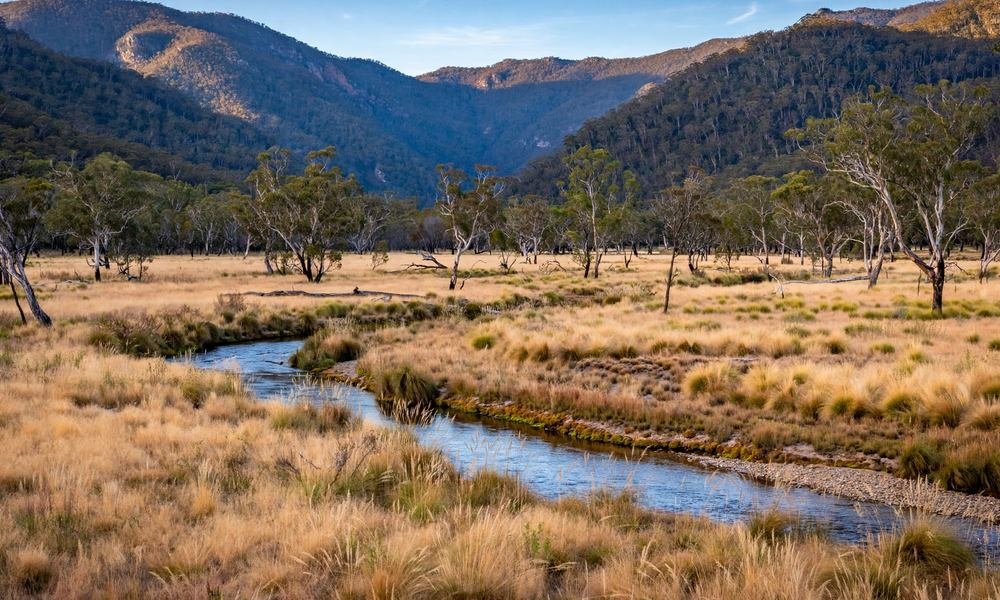
Canberra has plenty of big-name attractions, but this one is different. The Australian National Botanic Gardens is the only garden of its kind in the country: every single plant is Australian. No roses, no tulips, no exotic imports. Just the best of Australia’s native flora, spread across 90 hectares at the foot of Black Mountain, about two kilometres from the city centre. Entry is free, and you can easily fill a relaxed half day here. If you are building a list of things to do in Canberra, put this near the top.
Why This Garden Is Different
Most botanic gardens mix plants from all over the world. This one made a bold choice back in 1949: Australian plants only. The idea was to show off the country’s flora in one living collection, and to help protect it. The gardens officially opened in 1970 and are now heritage-listed.
Today the collection holds more than 5,500 species and over 90,000 individual plants. That makes it the largest collection of Australian native plants anywhere in the world. Scientists still use it for real research. The Australian National Herbarium sits within the gardens, and the team works with CSIRO on plant biodiversity. There is also a seed bank, and the nursery grows plants that are threatened in the wild, so they are not lost forever.
For you as a visitor, that science sits quietly in the background. What you get is a calm, beautiful place to walk, with each section showing a different slice of the country.
The Themed Gardens You Should Not Miss
Start at the Visitor Centre and grab the free map. It helps a lot. Then work through the themed sections at your own pace. These are the ones worth your time.
Rainforest Gully
This is the showpiece for many visitors. A raised boardwalk winds through a cool, shaded gully filled with plants from eastern Australia’s rainforests. In about three minutes on the boardwalk you pass plants from Queensland’s wet tropical forests and end among Tasmania’s cool-climate species. The light under the canopy is soft and green, and the water features along the way are the best place in the gardens to spot water dragons. It is an easy walk and one of the most photographed spots here.
Red Centre Garden

A complete change of mood. This section recreates central Australia’s dry country with red sand, spinifex, desert oaks and outback wildflowers. You expect the outback to look empty, but the planting shows how much colour and variety desert flora has. Come here in the cooler part of the day in summer, as there is little shade.
Eucalypt Lawn
The big open lawn under the gum trees is the natural picnic spot. Locals spread out rugs here on weekends. It is also one of the prettiest parts of the gardens in the late afternoon, when the light comes through the eucalypts. Rosellas often feed on the lawn, so keep your camera handy.
Rock Garden
This garden shows plants that grow in rocky country. The rocks and water features make it feel like a bush creek line, and it is another reliable spot for water dragons. They sun themselves on the warm stones and slip into the water if you get close. Watch the paths here rather than your phone and you will usually see one.
Sydney Region Flora
A compact section dedicated to plants from the Greater Sydney region. It is a quick walk-through, but it gives you a good sense of what grows in the harbour city’s national parks. Handy if Sydney is on your trip and you want a preview of its bushland.
Tasmanian Garden
This one reflects the cool, wet forests of the Tasmanian wilderness. The planting is dense and green, and it is noticeably cooler under the canopy on a hot day. If a trip to Tasmania is not on the cards, this is a small taste of what you are missing.
Banksia Garden
Banksias are some of Australia’s most recognisable plants, and this garden gives them the spotlight. The big flower spikes come in yellows, oranges and reds, and they draw honeyeaters and other nectar-feeding birds. Spring is the best time to see it at full strength.
Wildlife You’ll Spot Without Trying
You do not need to be a birdwatcher to see wildlife here. The gardens are full of it. Eastern water dragons are the stars. They live around the water features in the Rainforest Gully and the Rock Garden, and on warm days they sit out on the paths and rocks. They are used to people, but give them space and never try to touch one.

Birds are everywhere. Crimson rosellas are common and easy to spot with their bright red and blue feathers. You will hear honeyeaters before you see them, and in the warmer months skinks and other lizards dart across the paths. Early morning is the best time for wildlife. The animals are active, the light is soft, and you will have the paths mostly to yourself.
One request from the gardens: do not feed the animals. They need a natural diet to stay healthy, and human food does them harm.
The Best Walks in the Gardens
There is a walk here for every energy level. All of these start near the Visitor Centre, and the free map marks each route clearly.
The Main Path
This is the best all-round walk if you only do one. The 1.5 kilometre path is paved from start to finish, and every slope meets Australian wheelchair-access standards. It takes about an hour at an easy pace. The route crosses a footbridge over the Rainforest Gully, passes the cafe, and winds through the myrtle, Sydney region, eucalypt, acacia, hakea, rock garden and conifer sections before finishing near the Visitor Centre. If anyone in your group has limited mobility, this is the walk to choose.
Joseph Banks Walk
A short, easy stroll near the car park and Visitor Centre. The beds are planted with colourful species that show the range of Australian flora in a small area. There is also a bust of Joseph Banks, the naturalist who sailed with Captain Cook in 1770. Good for a quick taste if you are short on time.
The Conifer Walk
A short loop off the Main Path that focuses on Australia’s native conifers. Most people think of conifers as northern-hemisphere trees, but Australia has its own, and this walk shows them off. It only adds a few minutes to the Main Path.
Children’s Discovery Walk: Who Lives Here?
Designed for young kids, this 30-minute walk has nine activity stations that teach children how plants support animal life. There is a free activity booklet from the Visitor Centre with questions to ask your budding scientist. It turns a walk into a game, and kids who might get bored on the Main Path tend to love this one.
Flower to Tower: the Black Mountain Summit Walk
For walkers who want a challenge, a trail leaves the Main Path near the Eucalypt Lawn, passes through a boundary gate, and climbs through Black Mountain Nature Park to the summit. It is about 5.4 kilometres return and takes around two hours, with a steep climb. The reward is a wide view over Canberra. Note that Telstra Tower at the summit has been closed for repairs since 2021 and is expected to reopen in December 2027, so check before you go if the tower itself is your goal.
How Long Should You Spend Here?
Two to three hours is the honest minimum. That covers the Visitor Centre, the Main Path, and the Rainforest Gully and Red Centre Garden at a relaxed pace.

Half a day is the sweet spot for most visitors. That gives you time for a proper walk, a slow look at the themed gardens, lunch at the cafe or a picnic on the Eucalypt Lawn, and a browse of the bookshop. Plant lovers and photographers should allow a full day. The gardens are big enough that you will not feel rushed, and the light changes beautifully through the afternoon.
The Best Time to Visit
Spring, from September to November, is the standout season. The wildflowers are out, the banksias are flowering, and the whole garden feels alive. The “In Flower This Week” page on the garden’s website tells you what is blooming right now, which is worth checking before you visit.
Summer mornings are the best time for wildlife. The lizards and birds are active before the heat builds, and the Rainforest Gully is cool even on hot days. If you visit in summer, ask at the Visitor Centre about the jazz evenings. They run on weekends, and families bring picnics and settle on the lawns for music in the warm evening air.
Autumn brings mild days and good walking weather, and winter is quiet. You will have the paths to yourself, and the crisp air makes for clear views from the Black Mountain trail. The gardens are open year-round, so there is no bad month, just different moods.
Visitor Centre, Pollen Cafe and the Bookshop
Make the Visitor Centre your first stop. It is open from 9:30am to 4:30pm daily, and the staff will point you to what is flowering and which walks suit your group. The free map is genuinely useful, so take one.
Pollen Cafe sits within the gardens with views over the planting. It is an award-winning spot and a good place for lunch or a coffee break. Spring hours are 9am to 4pm daily. If you would rather bring your own food, the lawns and picnic tables are made for it. Just remember there are no rubbish bins in the gardens, so take your rubbish home with you.
The Botanical Bookshop in the Visitor Centre sells native plant guides, gardening books and gifts. It is worth a look even if you are not buying. There is also a small gallery that hosts exhibitions, plus regular workshops and events through the year. The Jindii Eco Spa operates on site too, if a treatment among the trees sounds like your kind of day.
Free Guided Walks and Tours
The free guided walks are one of the best deals in Canberra. Volunteer guides from the Friends of the Gardens lead them every day at 11am and 2pm, and they take about an hour. You will learn how Australia’s plants survive drought, fire and poor soils, and you will hear the stories behind the collection. Just turn up at the Visitor Centre about ten minutes early. No booking needed.
If you are visiting with a group of eight or more, the gardens ask you to book a separate guided walk instead of joining the regular one. Private booked walks cost $5 per person and can be arranged through the Visitor Centre on (02) 6250 9540.
During school holidays, keep an eye out for special programs. The adventure bus tours for kids are popular, and there are usually hands-on activities running through the holidays.
Getting to the Gardens
The gardens sit at Clunies Ross Street, Acton, on the lower slopes of Black Mountain. It is about 2.5 kilometres from the city centre, which makes for a pleasant walk or ride through the Australian National University campus. Follow the signs toward Black Mountain and you will find the main entrance.
Several bus routes service the area. From Canberra Centre, you can catch a bus toward the ANU and walk the last stretch from Barry Drive. Check Google Maps public transport directions on the day, as routes change. A taxi or rideshare from the city centre takes about four minutes and costs roughly $12 to $16.
If you are driving, take the Clunies Ross Street exit off Parkes Way from the south, or come in via Barry Drive from the north. There are bike racks near the Visitor Centre and car park. The gardens are an easy trip from anywhere in the Australian Capital Territory, and they pair well with the other national attractions nearby.
Entry, Opening Hours and Parking
Entry to the gardens is free, which earns it a spot on our list of free things to do in Canberra. Donations are welcome and go back into caring for the collection.
The gardens are open daily from 8:30am to 5:00pm, except Christmas Day. The gates are locked outside those hours. Note that staff may close parts of the gardens in dangerous weather, such as high winds or high fire danger, so check ahead on extreme days.
Parking in the on-site car park costs $3.80 per hour, up to a maximum of $16.00 for the day. Coach parking is free. If you are staying for a full day, the daily cap is the better deal.
Rules, Access and Practical Tips
A few rules keep the collection safe. Dogs and other pets are not allowed, except registered assistance dogs. Bicycles, skateboards, scooters, ball games, frisbees, kites, BBQs and fires are all banned inside the gardens. Stay on the paths, leave the gardens as you found them, and do not feed the wildlife.
Access is genuinely good. The Main Path is fully wheelchair accessible, and the Visitor Centre lends out wheelchairs and electric scooters free of charge. Ask at the centre which trails suit your needs, as some of the steeper walks are not suitable for wheels.
Wear comfortable walking shoes. Some paths are steep, and you will cover more ground than you expect. Bring a hat and sunscreen, as much of the garden is exposed. And carry water, especially in summer.
Best Spots for Photos
Early morning and late afternoon give the softest light. The Rainforest Gully is beautiful in the morning when mist hangs under the canopy, and the Red Centre Garden glows in the late afternoon sun. Macro photographers will have a field day with the banksias and wildflowers in spring.
Personal photography is welcome everywhere in the gardens. If you are planning a commercial shoot or want to fly a drone, you will need to arrange a permit first.
What to Combine It With
The gardens sit in good company. The National Museum of Australia is just down the road on the Acton Peninsula, and the two make a natural half-day pair. Walkers can continue up into Black Mountain Nature Reserve from the gardens’ boundary gate.
If you are planning a full day around the lake, pair the gardens with a stroll or cycle around Lake Burley Griffin. Both are free, both are outdoors, and together they show you Canberra at its relaxed best.
FAQs About Visiting the Australian National Botanic Gardens
Is entry to the gardens free?
Yes. Entry is free every day. You only pay for parking if you drive.
How long should I allow for a visit?
Two to three hours at a minimum. Half a day is ideal for most visitors, and plant lovers can happily fill a full day.
Are dogs allowed?
No. Dogs and other pets are not permitted, except registered assistance dogs.
Is it wheelchair accessible?
Yes. The Main Path is fully paved with wheelchair-standard slopes, and the Visitor Centre lends wheelchairs and electric scooters free of charge.
Can I have a picnic?
Yes. Picnics on the lawns are encouraged. BBQs and fires are banned, and there are no rubbish bins, so take your rubbish home.
What is the best walk for kids?
The Children’s Discovery Walk takes about 30 minutes and has nine activity stations. The Paperbark Treehouse and the ‘Who Did That?’ trail are also big hits with young ones.
Final Thoughts on Visiting the Gardens
The Australian National Botanic Gardens will not shout for your attention the way some Canberra attractions do. It does not need to. It is a calm, beautiful place that rewards slow looking: a water dragon on a warm rock, banksias full of birds, the whole continent’s flora in a single afternoon’s walk. For a free attraction two kilometres from the city, that is hard to beat. This is the kind of place Australia City Guide was made for: the real Australia, hiding in plain sight.