Queensland has some of Australia’s most loved beaches. There are 100+ beaches here. You can find quiet spots or busy ones—Queensland has it all.
The weather stays warm most of the year, so beach days are always possible. From the Great Barrier Reef to small hidden spots, every beach is different. Let’s look at the 10 best beaches that make Queensland so beautiful.
Top 10 Best Beaches in Queensland
I remember stepping off the boat and the sand squeaking under my feet—it really is that white. I went early to beat the day-trippers and had Hill Inlet almost to myself for an hour.
1. Whitehaven Beach
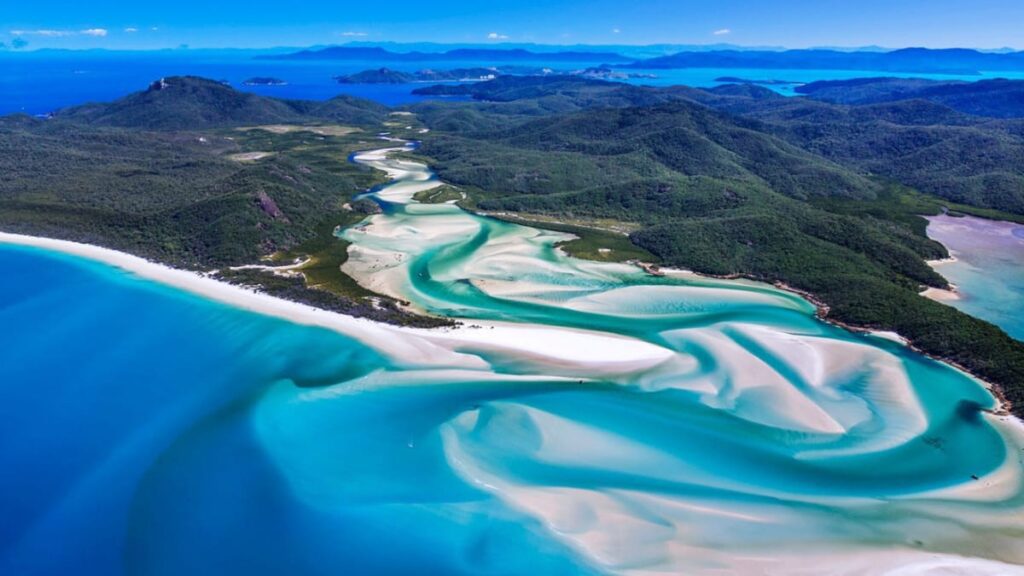
Whitehaven Beach sits on Whitsunday Island, off the coast near Airlie Beach. It runs for about 7 kilometres of white silica sand that stays cool under your feet, even on a hot day. You can only reach it by boat, which is part of the appeal. Most people visit on a day tour from Airlie Beach, and the trip usually includes a stop at Hill Inlet at the northern end, where the sand and water swirl together in patterns that change with the tide.
Whitehaven suits swimmers, photographers and anyone who wants a quiet stretch of sand. The best time to visit is from May to October, when the weather is drier and stingers are less of a worry. Try to get there early in the day. The first boats arrive mid-morning, and the beach feels very different once the day tours fill it. There are no shops, toilets or shade shelters on the beach itself, so this is a bring-everything stop.
Book your tour from Airlie Beach a day or two ahead in peak season, because the popular boats sell out. Pack food, plenty of water, sunscreen and a hat. In the warmer months, wear a stinger suit if your tour provides one, and stick to the marked paths at the Hill Inlet lookout.
2. Surfers Paradise Beach
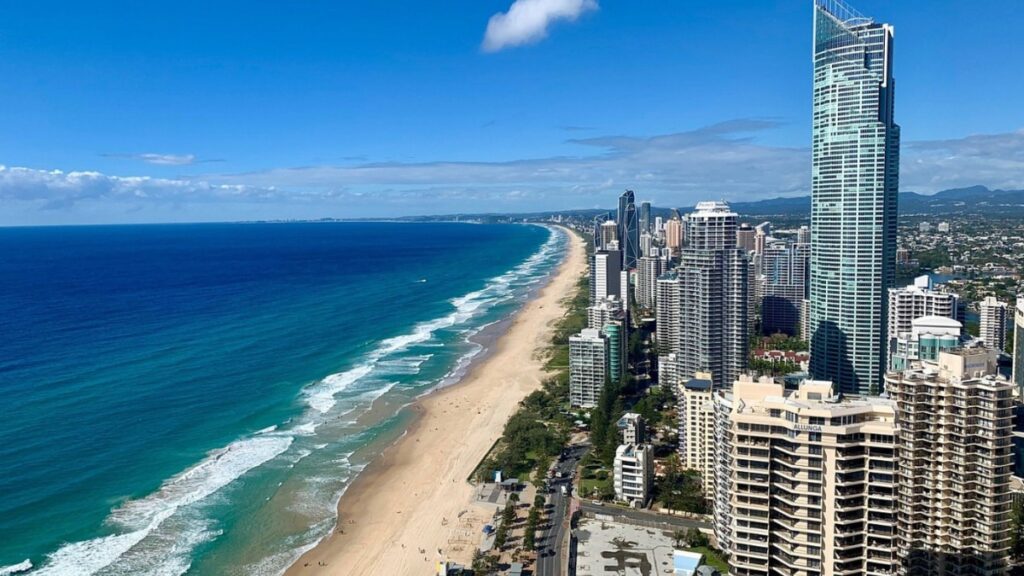
Surfers Paradise Beach is the Gold Coast beach most visitors know first. It is about 3 kilometres of patrolled yellow sand, backed by the city skyline, cafes and the beachfront esplanade. The waves here are usually small, which makes it a good place to learn to surf or to swim with kids. Lifeguards patrol daily, and there are clean toilets, showers and beach wheelchair access near the main entry points.
This beach suits first-time visitors, families and anyone who wants everything close by. Early morning is the calmest time, before the crowds build. Midday in school holidays is the busiest, and parking fills fast. You can skip the car altogether. Buses and the light rail stop near the beach, and the esplanade is flat and easy to walk.
If you are basing yourself here, read the Surfers Paradise guide and the Gold Coast stay guide before you book. Tip: swim between the flags, even when the surf looks small. Rips can form quickly on an open beach like this one.
3. Nudey Beach

Nudey Beach is a small coral-sand beach on Fitzroy Island, off the coast near Cairns. Don’t let the name put you off. It is a normal swimming beach, and the name comes from the nudibranch sea slugs found in the area. A rainforest walk of about 20 minutes from the island jetty brings you to it, through trees and down to a quiet stretch of sand that feels a long way from the mainland.
Nudey suits snorkellers and anyone chasing a quiet day. The water close to shore holds reef fish and turtles, and you can snorkel straight off the sand. The dry season, from about May to October, usually brings clearer water and calmer days. There are no shops at the beach itself, so carry what you need from the jetty area, where the island facilities are.
Tip: wear reef shoes for the walk and the rocky entry into the water, and check the return ferry time before you set out. The last boat back to Cairns leaves in the afternoon, and you don’t want to be caught on the walking track in the dark. Take drinking water, because there is no fresh water at the beach.
4. Noosa Main Beach

Noosa Main Beach sits at Noosa Heads, about 2 hours drive north of Brisbane. It faces north, which is unusual for the east coast, and that is why the waves stay small. It is a patrolled beach, and the gentle surf suits beginners and kids. Hastings Street runs right behind the sand, with cafes, restaurants and shops, so you can swim in the morning and have lunch without moving the car.
Noosa suits families, learners and slow days. Mornings are the calmest, and weekends get busy, especially in school holidays. The beach is easy to reach on foot from most Noosa Heads stays, and that is part of the charm. You can spend the whole day between the sand, the water and a long lunch.
Tip: walk the coastal track from the beach into Noosa National Park for headland views and a good chance of spotting koalas in the trees. Parking near the beach fills early, so arrive before 9 am if you are driving in. For more ideas in town, see the Noosa guide.
5. Red Beach
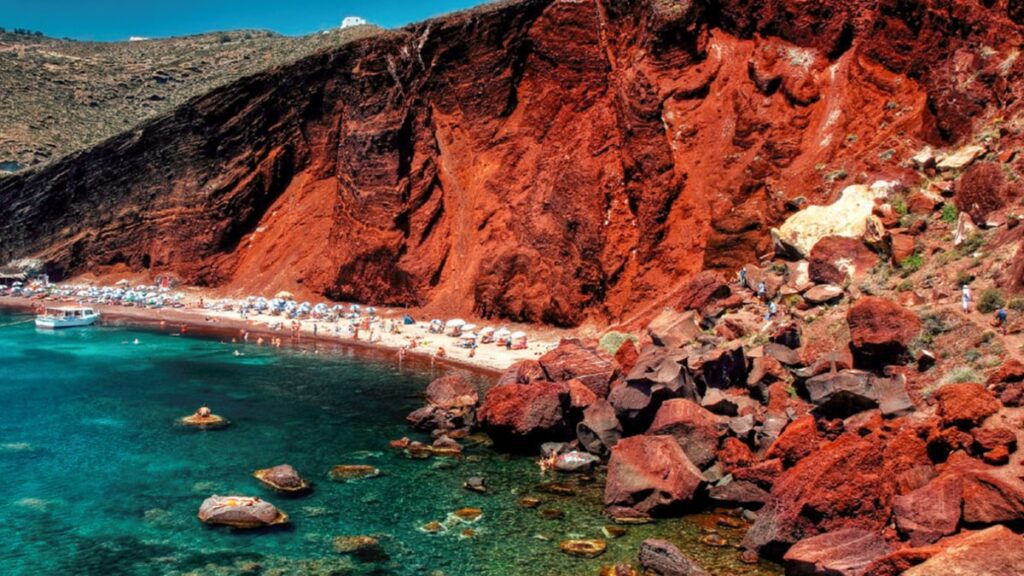
Red Beach is a small beach on Whitsunday Island, and it looks nothing like its famous neighbour. Red rock edges frame white sand and clear water, and the beach faces west, so sunsets here are a real draw. It is much quieter than Whitehaven Beach because it takes more effort to reach. Most day tours don’t stop here, so you will mostly see people arriving on their own boats.
Red Beach suits sunset watchers, snorkellers and travellers who prefer quiet places. The snorkelling close to shore is good, with fish and coral in easy reach. Like the rest of the Whitsundays, the best months are May to October. There are no shops or toilets here, so bring food, water and sun protection, and take all rubbish out with you.
Tip: the simplest way to visit is on a private boat or a Whitsundays tour that lists Red Beach as a stop. Ask when you book, because not every tour goes there. In the warmer months, wear a stinger suit in the water. Most Whitsundays trips leave from Airlie Beach, so base yourself there if this beach is on your list.
6. Rainbow Beach
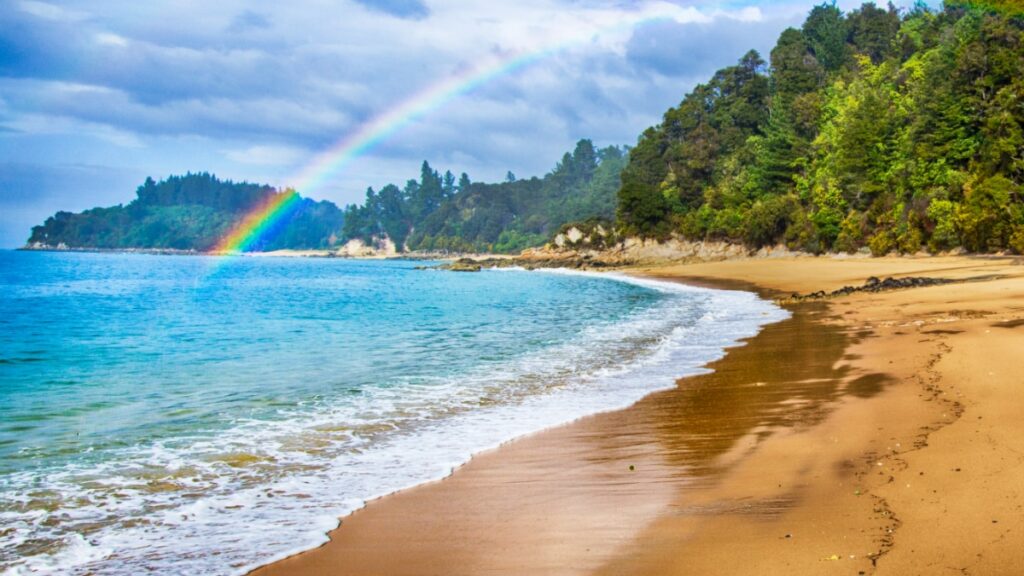
Rainbow Beach is a relaxed town on the coast south of Fraser Island, known for its coloured sand cliffs in red, yellow, orange and white. The cliffs formed over thousands of years as minerals stained the sand, and they are the town’s signature sight. The beach itself is long and flat, good for swimming, fishing and long walks, and the town has cafes and places to stay.
Rainbow Beach suits walkers, fishers and travellers heading to Fraser Island. The town is the main departure point for vehicle barges to the island, and the crossing takes only a short time. If you plan to drive on the sand, check the permit rules first. Beach driving needs a permit, and conditions change with tides and weather.
Tip: walk up to Carlo Sand Blow, the huge sand dune above town, for sunrise or late afternoon light over the coast. Take water, because there is no shade up there. For the island leg of your trip, see the Fraser Island guide and the Rainbow Beach guide.
7. Four Mile Beach
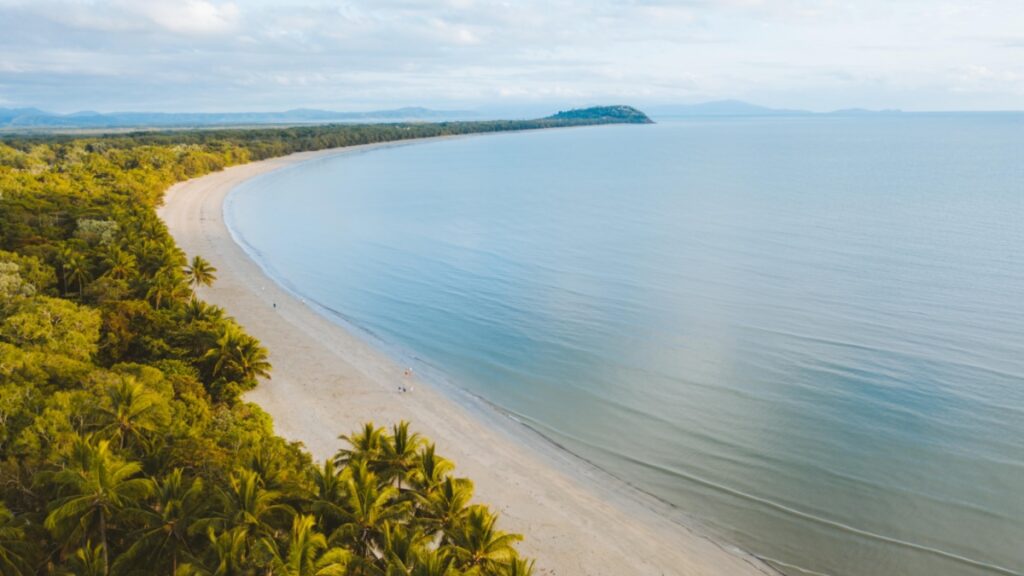
Four Mile Beach is the main beach at Port Douglas, about 1 hour drive north of Cairns. It is 4 miles long, lined with palm trees, and the water is usually calm. The town behind it is small and easy to walk, with restaurants, shops and hotels, and many Great Barrier Reef trips leave from the marina here. That mix makes it a good base if you want beach days and reef days in one trip.
Four Mile suits families, walkers and anyone who likes a tropical town feel. Sunset walks along the sand are a local habit, and the water suits a relaxed swim. In stinger season, from about October to May, swim inside the stinger nets and between the flags. In the dry season the water is at its calmest and clearest.
Tip: base yourself in Port Douglas rather than Cairns if you want a quieter town and a shorter trip to the reef. Book reef tours a day or two ahead in peak season. The beach is patrolled in the main swimming areas, so set up near the flags if you have kids with you.
8. Scarborough Beach
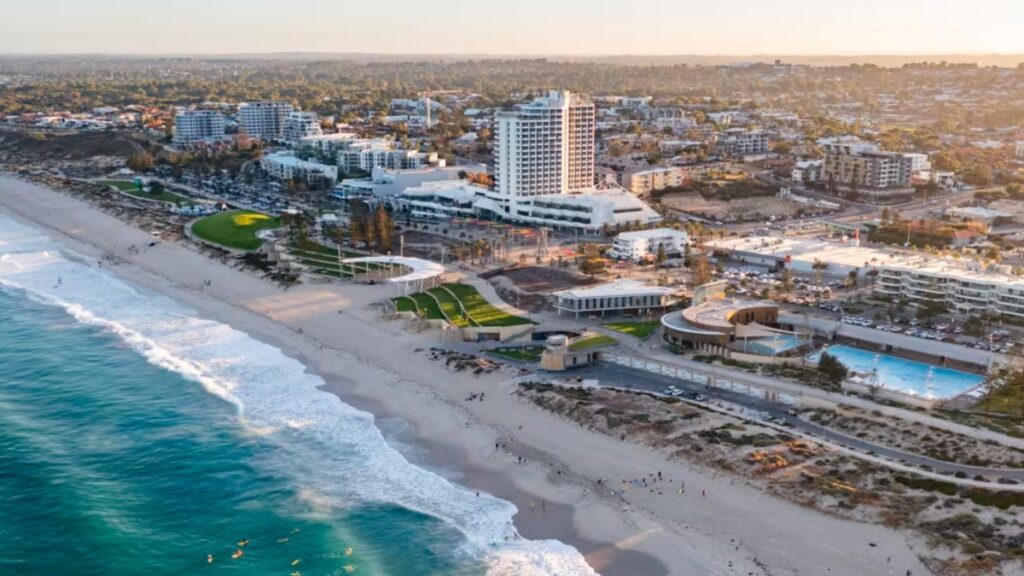
Scarborough Beach sits on the Redcliffe Peninsula, about 45 minutes north of Brisbane. It is a calm bay beach, which makes it a strong pick for families. The waves stay small, lifeguards patrol, and the foreshore has a playground, barbecue areas and parking close to the sand. A long pier runs out into the bay, and locals use it for fishing and crabbing.
Scarborough suits families and day-trippers from Brisbane. The water is calm enough for young swimmers, and the marina nearby has restaurants and cafes for lunch after a swim. Mornings are the quietest time. Weekends bring local families, but the beach rarely feels packed the way the Gold Coast can.
Tip: pair your visit with a walk along the Redcliffe foreshore, which links several small beaches and picnic spots. You can reach Scarborough by car or by train and bus from Brisbane, so it works well as a no-car day trip. Pack a picnic if you want to use the barbecue areas, because they are popular on weekends.
9. Kings Beach
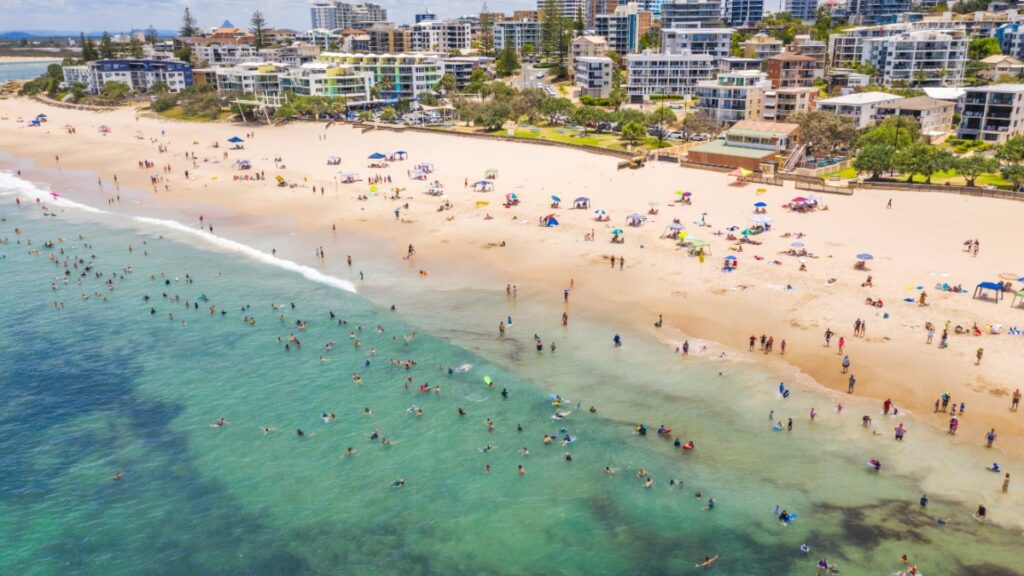
Kings Beach is at Caloundra, at the southern start of the Sunshine Coast. Its best-known feature is a rock ocean pool beside the surf beach, which gives families a safe place to swim even when the surf is up. The sand is clean and soft, and the foreshore has barbecue areas, playgrounds, showers and cafes right on the beach. Lifeguards patrol all year, and there is wheelchair access to the sand.
Kings Beach suits families with small kids and anyone who wants a classic patrolled beach with everything close by. The pool is the star for parents, because kids can splash in calm water while the surf breaks nearby. The beach is about 1.5 hours drive from Brisbane, or you can take the train to the nearby station and finish the trip by bus.
Tip: get there early on weekends and in school holidays, because the pool and the car parks fill fast. If the pool is busy, walk the esplanade towards Bulcock Beach for a quieter stretch of sand. For more Sunshine Coast ideas, see the Sunshine Coast beaches guide.
10. Palm Cove Beach
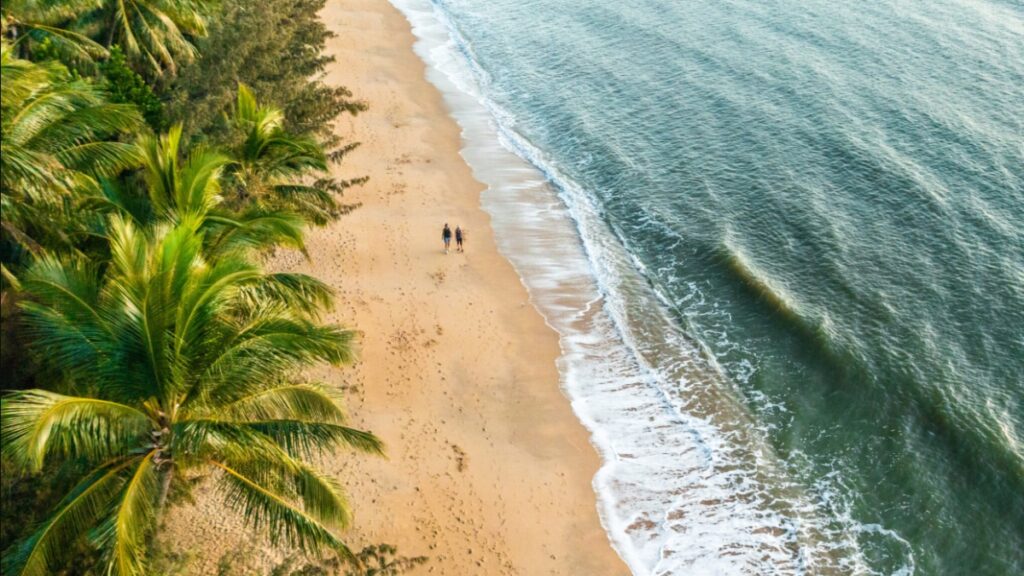
Palm Cove Beach sits between Cairns and Port Douglas, about 30 minutes north of Cairns airport. It is 2 kilometres of white sand lined with palm trees, with resorts, restaurants and day spas along the beachfront street. The water is calm and clear for swimming most of the year, the beach is patrolled, and stinger nets go up in stinger season.
Palm Cove suits couples and travellers who want a relaxed resort stay. It is quieter than Cairns city beaches and more polished than a small town beach. The dry season, from about May to October, brings the calmest water and the best beach weather. Evenings are made for a walk along the sand and dinner at one of the beachfront restaurants.
Tip: swim in the morning, when the water is calmest and the beach is quiet. If you are staying in Cairns and want a day trip, Palm Cove is an easy drive north, and it pairs well with a Port Douglas visit. For other beaches near Cairns, see the Cairns beaches guide.
Planning Your Queensland Beach Adventure?
Here is what you should know when you are planning to visit these best beaches in Queensland. Go between May and October for sunny weather and safer waters with fewer jellyfish.
If you go during the wet season (November to April), you can still have fun at these beaches. Just swim between the flags at beaches with lifeguards and look for jellyfish warning signs. Many beaches put up nets during this time to keep you safe.
You can drive to most of these beaches easily – Queensland has good roads. Don’t want to drive? There are buses, trains, and planes that can get you to these beach places.
Stinger season in the tropical north runs from about October to May. During these months, marine stingers can be present in the sea, and you should take them seriously. Boat tours in the Whitsundays provide stinger suits in season, and you should wear one when you swim or snorkel from a boat. At mainland beaches, swim inside the stinger nets where they are provided, and always swim between the red and yellow flags at patrolled beaches. If you are stung, get help from a lifeguard straight away.
In the south, around the Gold Coast, Sunshine Coast and Brisbane, stingers are far less of a worry, but the same habits still keep you safe. Swim between the flags, check the signs at the beach entry, and don’t swim alone at quiet beaches. If you are unsure about conditions at any beach, ask a lifeguard. They would rather answer a question than pull someone out of a rip.
How I Plan a Slow Day in Queensland
I start with an early swim, before the sun gets strong. The water is calmest in the morning, and I have the beach mostly to myself.
Midday I find shade and have a long lunch. I never rush—Queensland is about slowing down. A book, a cold drink, and the sound of the waves.
Late afternoon I go for a walk along the sand. The light is golden and the beach empties out. It’s my favourite time of day.
Best Queensland Beaches by Travel Style
Different beaches suit different trips. Use this quick guide to pick your base:
- For families. Noosa Main Beach and Kings Beach at Caloundra give you patrolled water, shade and easy access to food and toilets.
- For surfing. Surfers Paradise and Rainbow Beach draw surfers of all levels, with board hire and lessons close to the sand.
- For a quiet escape. Palm Cove and Red Beach on Bribie Island stay calmer than the big-name beaches, even in school holidays.
- For island trips. Whitehaven Beach in the Whitsundays and Nudey Beach on Fitzroy Island reward the boat ride with clear water and white sand.
Whichever style you pick, swim between the flags at patrolled beaches and check local signs for stingers in the tropical north during the warmer months.
Queensland Beaches by Region
Queensland is a big state, and its beaches change a lot as you travel north. The sand near Brisbane feels very different from the tropical beaches near Cairns. Use this region guide to pick the stretch of coast that fits your trip, then dig into the local guides for each area.
Brisbane and Moreton Bay
Brisbane itself is a river city, but the bay beaches are close. Scarborough Beach on the Redcliffe Peninsula is the easiest family day trip, about 45 minutes north of the city, with calm water and a long pier. If you want a city base with beach days built in, read the Brisbane beaches guide and the Brisbane stay guide. From Brisbane you can also reach the Gold Coast and the Sunshine Coast in a single drive, so many visitors split a week between the city and one beach region.
Gold Coast
The Gold Coast is Queensland’s busiest beach strip, with patrolled surf beaches backed by high-rise towers, cafes and public transport. Surfers Paradise is the famous one, but Kirra Beach at Coolangatta suits surfers and budget stays, and the full list is in the Gold Coast beaches guide. If you are staying here, the Gold Coast stay guide breaks down the best areas, from Surfers Paradise to Coolangatta. A side trip to the Gold Coast waterfalls makes a good break from the sand.
Sunshine Coast
The Sunshine Coast runs north from Caloundra to Noosa, and it feels calmer than the Gold Coast. Noosa Main Beach and Kings Beach at Caloundra are the two family favourites, with patrolled water and cafes close to the sand. See the Sunshine Coast beaches guide and the Noosa guide for town-by-town ideas. Heading further north along the coast, Hervey Bay is the jumping-off point for Fraser Island, and Rainbow Beach sits on the way there, with its coloured sand cliffs.
Tropical North
North of Townsville, the beaches turn tropical. Around Cairns you get Palm Cove, Four Mile Beach at Port Douglas and island beaches like Nudey Beach on Fitzroy Island. See the Cairns beaches guide for the full set. Further south, the Whitsundays hold Whitehaven Beach and Red Beach, and both are best reached on day tours from Airlie Beach. In this region, stinger season and the wet season shape your plans more than anywhere else in the state, so check the safety notes below before you swim.
If you only have a few days, pick one region and stay put. You will enjoy Queensland more with slow mornings on one good beach than with long drives between three of them. If you have a week or more, pair two regions that contrast, such as the Gold Coast and the Tropical North, or the Sunshine Coast and the Whitsundays. That way you get both the easy patrolled beaches and the wilder island days, without spending your whole trip on the road.
Driving between regions is part of the trip, so plan it like you plan the beaches. From Brisbane, the Gold Coast is an easy drive south and the Sunshine Coast is a bit further north, and both work as day trips or short stays from the city. The Tropical North is a different kind of trip. Airlie Beach and Cairns are a full day’s drive north from Brisbane, so most visitors fly in and pick up a car locally instead of driving the whole coast. If you want to pair two regions, flying between them saves you days on the road and leaves more time on the sand.
Best Queensland Beaches by Activity
Picking a beach gets easier when you start with what you want to do. Some beaches suit a calm swim, others suit a surf lesson or a long walk. Use this guide to match your plans to the right stretch of sand.
Swimming
For a calm swim, start with Noosa Main Beach. It faces north, so the waves stay small, and lifeguards patrol the main swimming area. It is one of the best beaches in the state for kids and for anyone who is not a strong swimmer.
Kings Beach at Caloundra is another strong pick for families. The rock ocean pool beside the surf beach gives you calm water even when the surf is up, and the foreshore has showers, barbecues and cafes. See the Sunshine Coast beaches guide for more beaches in the same area.
In the north, Palm Cove suits a relaxed swim, with patrolled water and stinger nets in season. Wherever you swim, set up between the flags at patrolled beaches and check the signs at the beach entry before you get in.
If the surf is up on the day you visit, don’t force it. Head to a rock pool or a calm bay beach instead, and save the surf beaches for a calmer day. Kids will enjoy the swim far more in flat water, and you will spend less time worrying about rips.
Surfing
Surfers Paradise is the easiest place to start. The waves are usually small, surf schools run lessons on the sand, and lifeguards patrol daily. Read the Surfers Paradise guide before you go, and book a lesson in advance during school holidays, when the schools fill up.
If you already surf, head south to Kirra Beach at Coolangatta. Kirra’s surf break is well known, and the waves here are stronger and more consistent than at Surfers Paradise. It suits confident surfers rather than first-timers, so check the conditions and watch a few sets before you paddle out.
For a full list of Gold Coast breaks, see the Gold Coast beaches guide. It covers the whole strip, so you can pick a beach that matches your level instead of guessing on the day.
Before you surf anywhere new, take a few minutes to watch the water. Look at where the waves break, where other surfers paddle out, and whether a rip is pulling along the beach. That quick check tells you more than any guide can, and it keeps you out of trouble.
Snorkelling
Nudey Beach on Fitzroy Island is one of the best places to snorkel straight off the sand. The water close to shore holds reef fish and turtles, and you reach the beach on a rainforest walk from the island jetty. Take reef shoes for the rocky entry, and check the return ferry time before you set out.
In the Whitsundays, snorkelling usually happens on a boat trip. Day tours from Airlie Beach stop at island beaches like Whitehaven Beach and Red Beach, where you can snorkel over coral close to shore. In the warmer months, wear the stinger suit your tour provides.
Four Mile Beach at Port Douglas is a calmer option. The water suits a relaxed swim, and many Great Barrier Reef trips leave from the marina here if you want a full reef day on top of your beach days.
Wherever you snorkel, look after the reef. Don’t stand on coral, keep a bit of distance from turtles and fish, and use reef-safe sunscreen where you can. The reef stays healthy when visitors treat it gently, and the snorkelling stays good for the next person too.
Fishing
Rainbow Beach is a good base for beach fishing. The beach is long and flat, the town has bait and tackle shops, and the coloured sand cliffs give you a landmark to fish near. See the Rainbow Beach guide for town details and the Fraser Island connection.
Scarborough Beach on the Redcliffe Peninsula suits pier fishing. The long pier runs out into the bay, and locals use it for fishing and crabbing. It is a calm, easy spot if you are fishing with kids, and the foreshore has barbecues and parking close by.
For a bigger trip, Fraser Island is known for beach fishing, but you need a four-wheel drive and a permit to drive on the sand, and you must follow the tide times and speed limits. Early morning is usually the quietest time on the beach, and you should take all rubbish out with you.
At any fishing spot, check the signs at the beach entry before you cast. Signs cover closed areas, size limits and spots where fishing is not allowed, and the rules can differ from one beach to the next. A quick check at the start saves you a fine later.
Coastal Walks
The coastal track from Noosa Main Beach into Noosa National Park is the best-known beach walk in Queensland. The track follows the headland, with lookouts over the water and a good chance of spotting koalas in the trees. Go early in the day for shade and fewer people.
On the Sunshine Coast, the esplanade at Kings Beach makes an easy flat walk, with cafes and playgrounds along the way. See the Sunshine Coast beaches guide for more walks in the area, including the quieter stretches north of Caloundra.
At Rainbow Beach, walk up to Carlo Sand Blow, the huge sand dune above town, for wide views over the coast. Go at sunrise or late in the afternoon, and take water, because there is no shade up there.
For any coastal walk, pack like you would for a short hike. Take water, a hat and sunscreen, and wear shoes with grip rather than thongs, because headland tracks can be steep and sandy. Start early in summer, when the heat builds fast and the shade disappears.
Conclusion
Queensland’s coastline has given me some of my favourite beach days. From Whitehaven’s white sand to Kings Beach’s ocean pool, each spot has its own character.
These ten beaches show how varied Queensland’s coastline is—whether you want adventure, relaxation, or a family day out, there’s a spot that fits.
Every beach has its own character, but they all share Queensland’s warm weather and laid-back vibe. Pack sunscreen and swimmers, and enjoy exploring the coast. For more information, visit Australia City Guide.
Keep exploring: chase the coast further with my other beach guides below — they cover the next stops I pair with a Queensland trip.
- Best Beaches in Victoria
- Best Beaches in South Australia
- Best Beaches in New South Wales
- Best Beaches in Western Australia
- Best Beaches in Adelaide
Frequently Asked Questions
What are the best beaches to visit in Queensland?
Whitehaven Beach, Palm Cove, Noosa Main Beach, and Surfers Paradise are some of the best beaches.
Are dogs allowed on Queensland beaches?
In some places, dogs will be welcomed on beaches or at particular times of the year, but always make sure that you check the local regulations before taking your pets to the beach.
When is the best time to visit Queensland beaches?
Queensland is a warm region, and therefore, it is possible to visit beaches all the time.
Which Queensland beach is best for families?
Noosa Main Beach is suitable for families because of the calm waters, lifeguards, cafes close by, and activities that all ages can enjoy.
Can I stay overnight near the beaches?
You can stay near beaches like Palm Cove and Surfers Paradise in hotels, resorts, or holiday rentals within walking distance.
What is the most famous beach in Queensland?
Whitehaven Beach in the Whitsundays is the most famous, known for its white silica sand and clear blue water. Surfers Paradise is the best known city beach.
Are Queensland beaches safe for swimming?
Patrolled beaches are safe when you swim between the flags. In the tropical north, wear a stinger suit in the warmer months and follow local signs.
Do I need a stinger suit in Queensland?
It depends where you swim. In the tropical north, from about October to May, a stinger suit is a smart idea, and most Whitsundays boat tours provide one in season. In the south, around the Gold Coast and Sunshine Coast, you usually don’t need one. If you are swimming in the north outside the nets, or on a reef trip, wear a suit. They are light, they also protect against sunburn, and tour operators will tell you when one is needed.
Can you drive on Queensland beaches?
Some Queensland beaches allow four-wheel driving, but only with a permit and only in set areas. Rainbow Beach and Fraser Island are the well-known examples, and you must follow the permit rules, tide times and speed limits. You can’t drive on patrolled swimming beaches, and you should never drive through the flagged swimming area. Check the current rules before you go, because beach conditions and closures change.
Which Queensland beach is best for a day trip from Brisbane?
It depends how far you want to drive. Scarborough Beach is about 45 minutes north and suits families who want calm water. Kings Beach at Caloundra is about 1.5 hours north and adds the rock ocean pool. Noosa Main Beach is about 2 hours north and suits a full day with lunch on Hastings Street. The Gold Coast is an easy drive south and suits visitors who want a patrolled surf beach with everything close by.
Are Queensland beaches free to visit?
Yes, public beaches in Queensland are free to visit. You don’t pay to walk onto the sand. What costs money is getting there and staying nearby: parking in busy areas, island ferries, and day tours to places like Whitehaven Beach. Some national park areas charge a vehicle entry fee, so check before you drive into a park beach. In general, a beach day itself is one of the cheapest days out in Queensland.
What is the difference between a patrolled and an unpatrolled beach?
A patrolled beach has lifeguards on duty and red and yellow flags marking the safest swimming area. Swim between the flags, and a lifeguard can help if conditions change. An unpatrolled beach has no lifeguards and no flags, so you swim at your own risk. At unpatrolled beaches, check the conditions first, don’t swim alone, and stay in shallow water if you are unsure. If you are travelling with kids, choose a patrolled beach.