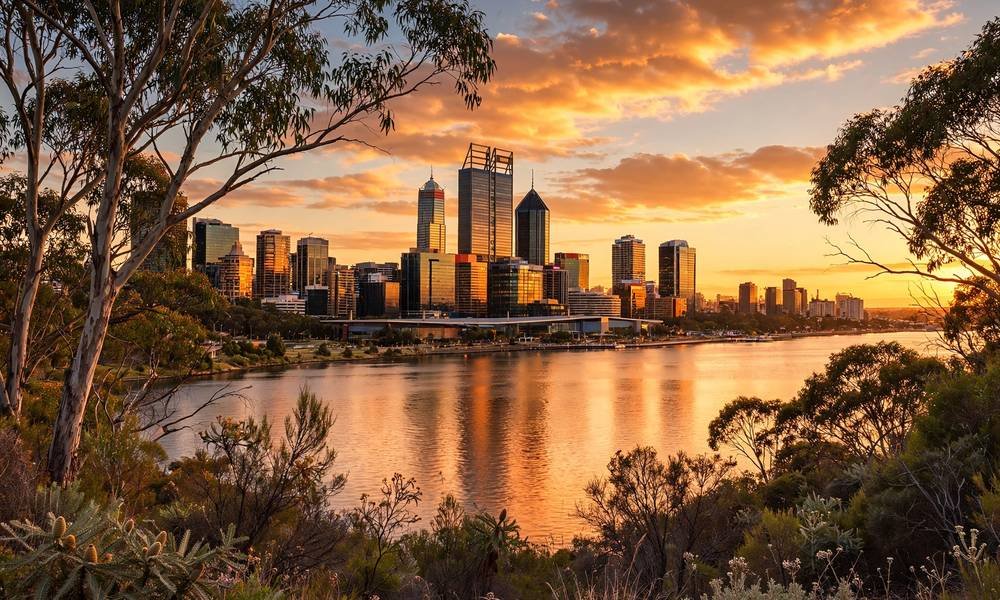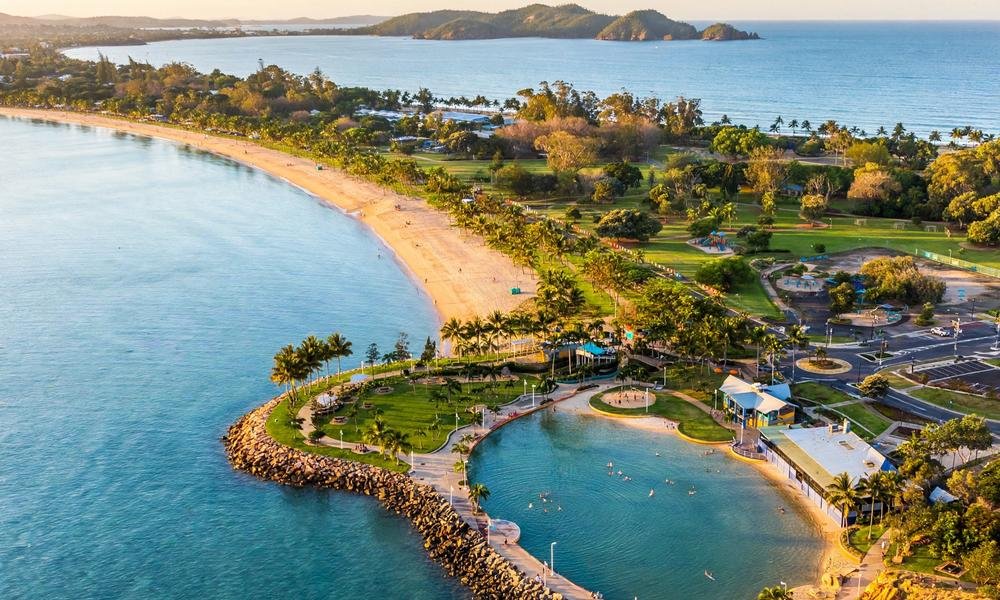
Where you stay in Brisbane shapes the whole trip. This is a river city, and the Brisbane River curls through every neighbourhood that matters. Pick a riverside hotel and you wake to skyline views. Pick the Valley and you are steps from live music. Pick South Bank and the kids get a beach, a pool, and parklands without leaving the block.
The short answer for first-time visitors: stay in or near the CBD, close to the river. It puts the CityCat ferries, the Queen Street Mall, and most day-tour pickups within easy reach. But Brisbane has several neighbourhoods that suit different travellers better, and choosing the wrong one means long commutes or a noisy night. This guide from Australia City Guide breaks down each area honestly, then matches one to your trip style. If you are still planning your days, read our guide to things to do in Brisbane first.
The Short Answer: Where to Stay in Brisbane
Brisbane’s best areas sit within a few kilometres of each other, mostly hugging the river. Here is the quick version for travellers in a hurry.
- First-time visitors: Brisbane CBD, close to the river. Central, walkable, easy tour pickups.
- Nightlife lovers: Fortitude Valley. Bars, clubs, and live music on your doorstep.
- Families: South Bank. Pools, parklands, the lagoon, and calm streets at night.
- Food lovers: West End. Markets, cafes, and some of the city’s best eating.
- View hunters: Kangaroo Point. River-facing apartments with skyline views.
- Quiet boutique stays: Paddington. Character streets, local pubs, and a calmer night’s sleep.
If none of those descriptions sound like you, read on. The area-by-area breakdown below covers the trade-offs each pocket comes with.
The Best Areas to Stay in Brisbane
Brisbane spreads along the river in a loose arc. The centre is compact and easy to walk, and the CityCat ferries connect the riverside neighbourhoods in minutes. Each area below has a distinct feel. Pick the one that matches how you travel.
Brisbane CBD and Riverside: Best for First-Time Visitors
The CBD is the practical choice if this is your first visit. Queen Street Mall and the surrounding blocks hold the main shopping, restaurants, and hotel towers. Riverside hotels face the water, and many have rooms with proper skyline or river views.
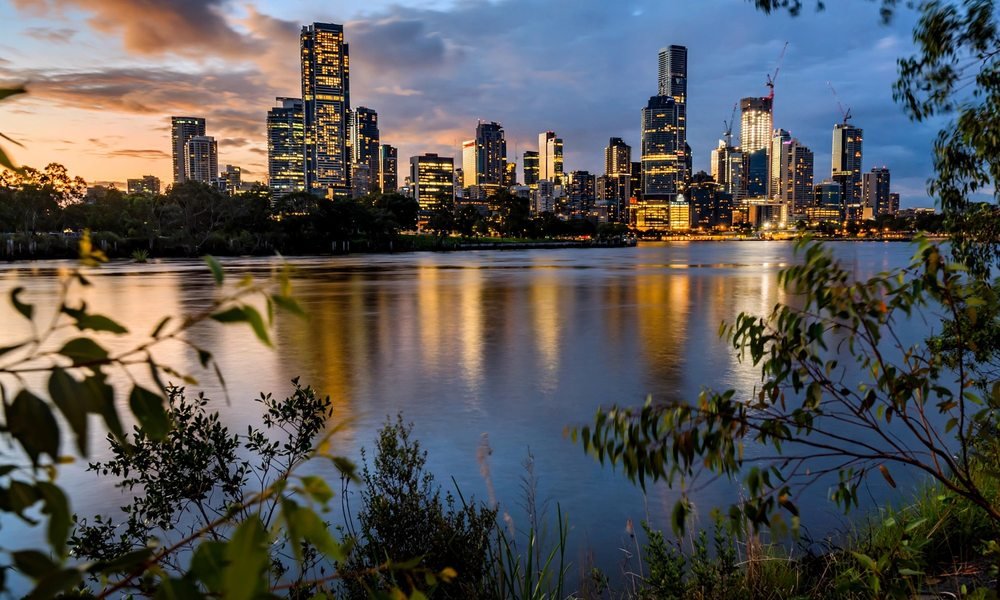
The CBD is also the transport hub. CityCat ferry stops at Riverside, North Quay, and South Bank link the key neighbourhoods, and most day tours to Moreton Island, the Gold Coast, and the Sunshine Coast pick up from CBD hotels. If you are travelling without a car, this is the easiest base by a clear margin.
The trade-off is cost and noise. Riverside rooms are the most expensive in the city, and Friday and Saturday nights can be loud around the bar streets. Ask for a room on a high floor or away from the road if you are a light sleeper.
Fortitude Valley: Best for Nightlife
The Valley, as locals call it, is Brisbane’s entertainment heart. Live music venues, rooftop bars, late-night clubs, and a strong food scene pack into a few buzzing streets. If you came to go out, there is no better base.
It sits about two kilometres north-east of the CBD, close enough to walk into town in around twenty-five minutes or take a short train or bus ride. The Valley also has some of the city’s best coffee and brunch spots, and Brunswick Street Mall adds daytime shopping.
The catch is obvious: it is loud. Weekend nights run late, and some streets stay busy until the early hours. This is a great area for a fun weekend, and a poor choice if you need quiet nights or have small children.
South Bank: Best for Families
South Bank sits directly across the river from the CBD and feels like a resort precinct in the middle of the city. The parklands hold Streets Beach, a man-made lagoon, the Wheel of Brisbane, and acres of gardens. Hotels here put families within walking distance of the lot.
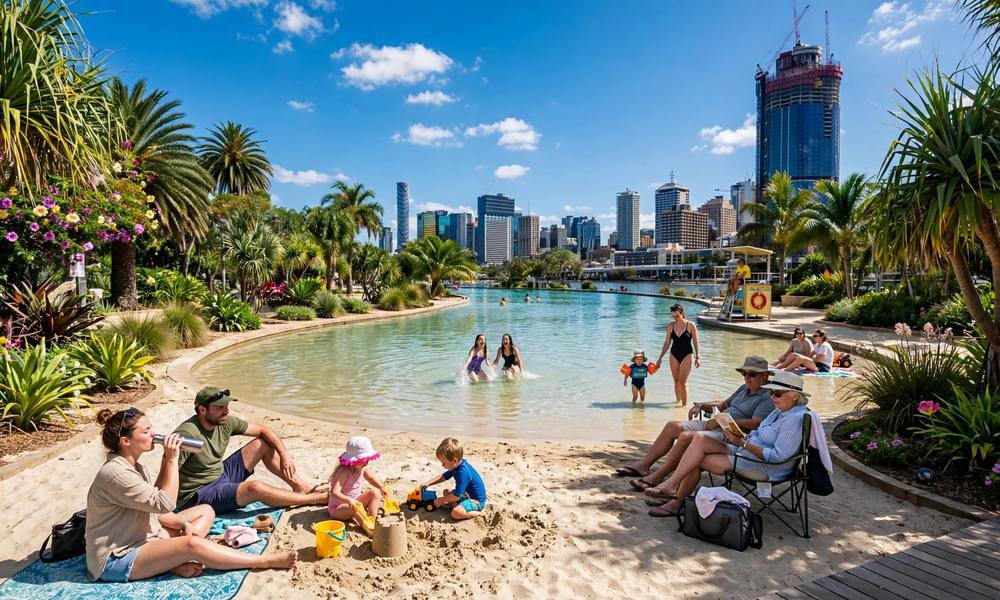
The area is calmer than the CBD at night and easy to reach on foot via the Victoria Bridge or the Goodwill Bridge. The Cultural Centre, with the Queensland Museum and the Gallery of Modern Art, sits on its edge. For a family trip, South Bank is hard to beat: the kids get a beach day without leaving the city, and you get restaurants and calm streets.
Accommodation here leans toward serviced apartments and mid-range hotels, which suits families who want a kitchen or a second room. Prices rise in school holidays, so book early if you are travelling in those weeks.
West End: Best for Food Lovers
West End is Brisbane’s foodie neighbourhood, and it sits just across the river from the CBD. Boundary Street and the surrounding blocks hold markets, Vietnamese and Greek eateries, wine bars, and some of the city’s most interesting small restaurants. The Davies Park Market on Saturdays is worth building a morning around.
The vibe is relaxed and local. You will see more residents than tourists here, which is part of the appeal. Boutique hotels and apartments are the main accommodation, with a few good hostels for budget travellers.
It is not the most central base for sightseeing. You can walk into the CBD or South Bank in about twenty minutes, or catch a bus. If food is a big part of your trip, that walk is worth it. If you plan to take day tours most days, the CBD is easier.
Kangaroo Point: Best for River Views
Kangaroo Point juts into the river directly across from the CBD, and the cliffs on its city side give some of the best skyline views in Brisbane. This is where you find apartment-style accommodation with balconies facing the water.
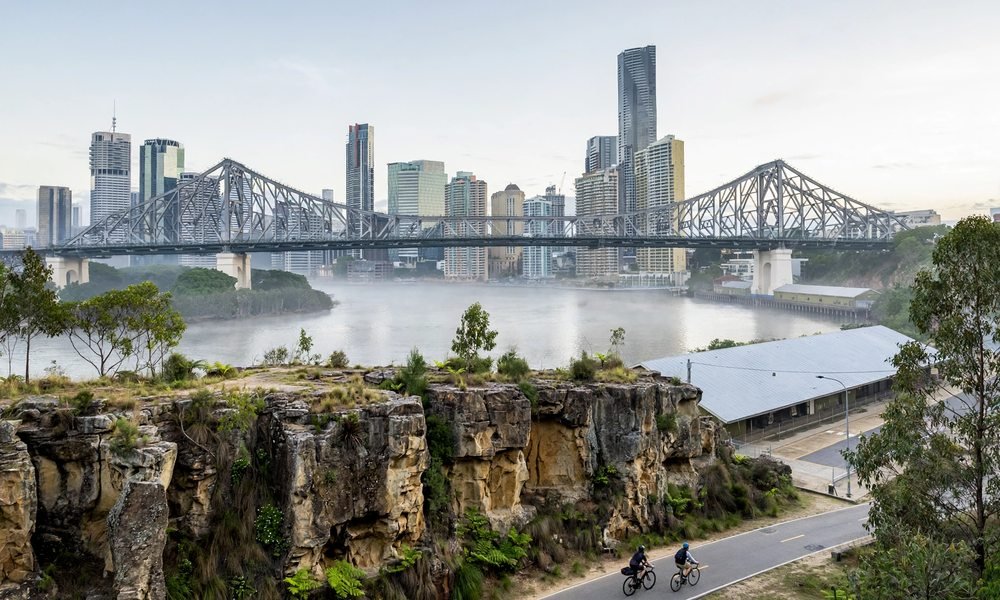
The area suits couples and self-catering travellers. Apartments with kitchens and laundry are common, and the riverside walk to the Story Bridge is one of the city’s nicest morning strolls. The cliffs also host guided abseiling and rock climbing for the adventurous.
Kangaroo Point is quieter than the CBD but less connected. You can walk across the Story Bridge or the Goodwill Bridge to reach the city, and ferries stop nearby. Driving here is easy, with parking simpler than in the centre.
Paddington: Best for a Quieter Stay
Paddington is an inner-west suburb of character streets, antique shops, and classic Queenslander pubs. It feels like a village, but it is only a few minutes from the CBD by bus. Boutique hotels and bed-and-breakfasts are the norm here rather than big hotel towers.
This is the pick for travellers who want a calm night’s sleep and a local feel. Suncorp Stadium sits on its edge, so check the event calendar if you are visiting on a game night, when the area gets busy and prices spike.
The Right Area for Your Travel Style
If the neighbourhood guide above left you torn, match your trip style to an area below.
First-Time Visitors
Stay in the CBD, close to the river. You will be near the ferry stops, the main sights, and the day-tour pickups, and you will waste no time learning the city. A riverside hotel on Eagle Street or near the Queen Street Mall puts everything within walking distance.
Families With Kids
South Bank is the clear winner. The lagoon, the parklands, and the calm streets make it easy with children, and serviced apartments give you the extra room a family needs. Check that your building has a pool, since Brisbane’s heat makes one almost essential in the warmer months.
Nightlife Lovers
Fortitude Valley, no contest. You will be walking distance from the venues, and you will not need a taxi home at the end of the night. Just bring earplugs if you are a light sleeper, or book a room on an upper floor.
Budget Travellers
Hostels cluster in the CBD, West End, and Fortitude Valley, and these are the cheapest beds in the city. Most have shared kitchens, which helps keep food costs down. Brisbane also has good-value motels a short bus ride from the centre in suburbs like Spring Hill and Woolloongabba. For more on keeping trip costs down, see our guide to things to do in Brisbane, which includes plenty of free sights.
Luxury Seekers
Riverside CBD hotels hold the city’s top-end rooms, with river views, rooftop pools, and fine dining on site. A few boutique properties in the Valley and New Farm match them on style. Book well ahead for weekends, when Brisbane’s luxury rooms fill fast.
How Many Days to Spend in Brisbane
Two to three full days covers the city itself: a day for the CBD, South Bank, and the river, a day for a neighbourhood like West End or New Farm, and an optional third day for a day trip. Moreton Island, the Gold Coast, and the Sunshine Coast all work as day trips from a Brisbane base.
If you are using Brisbane as a launchpad for Queensland, add the touring days on top. Many travellers spend a couple of nights in the city, then head north up the coast or inland to the national parks. Our guide to Australia’s best national parks covers the Queensland standouts if the hinterland is calling.
Best Time to Visit Brisbane
Brisbane is a year-round city, but the cooler months from April to September are the most comfortable. Days are mild and sunny, humidity drops, and you can walk around all day. This is also when accommodation prices tend to be highest and the best rooms book out first.
Summer, from December to February, brings heat, humidity, and afternoon storms. Prices can be lower and crowds thinner, but you will want a hotel with a pool and good air conditioning. Spring and autumn sit in the middle: warm enough for the lagoon, quiet enough for easy bookings. Check the season-by-season detail in our things to do in Brisbane guide before you lock in dates.
Getting Around Brisbane From Your Hotel
Brisbane’s public transport runs on the TransLink network: buses, trains, and ferries on one go card or contactless payment system. The CityCat ferries are the highlight. They glide along the river between the University of Queensland and Northshore Hamilton, stopping at the CBD, South Bank, Kangaroo Point, and New Farm. If your hotel sits near a ferry stop, you may barely need anything else.
The CBD, South Bank, and West End are easy on foot. The Valley connects by train and bus in minutes. If you plan day trips to the Gold Coast, Sunshine Coast, or Moreton Island, check whether your tour picks up from your hotel before you book. Many only collect from CBD addresses.
Driving is straightforward, but CBD parking is expensive and the river crossings bottleneck at peak hour. If you are hiring a car, staying outside the centre with free parking and training in for the day can work well.
Booking Tips That Save You Money
A few habits separate the travellers who overpay from the ones who don’t.
- Book early for events. Brisbane hosts big sporting events, festivals, and conferences. When a major event is on, the whole city fills and prices jump. Check the events calendar before you commit to dates.
- Compare the room, not just the price. A cheaper hotel far from transport can cost you more in taxis and time. Factor in how you will get around before you decide a deal is good.
- Midweek is usually cheaper. Business travel fills CBD hotels Monday to Thursday, while leisure demand pushes weekend prices up. Shoulder nights like Sunday can be surprisingly good value.
- Read the cancellation terms. Flexible rates cost a little more but protect you if plans change. For a city-break style trip, that flexibility is often worth it.
- Contact the hotel direct. After comparing online, it is worth asking the hotel to match or beat the price. Some will throw in breakfast or parking to win the direct booking.
Must-Knows Before You Book
Brisbane’s check-in is usually from 2 or 3 pm, and the summer heat means you will want air conditioning in your room as standard, not a bonus. If you are visiting from October to March, confirm the hotel pool is actually open. Some smaller properties close theirs for maintenance in the quieter months.
School holidays in Queensland push family accommodation prices up, especially in South Bank. Book well ahead for those periods. And if you are flying in, the Airtrain connects Brisbane Airport to the city in about twenty minutes, so you don’t need an airport hotel unless your flight is very early.
FAQs About Where to Stay in Brisbane
What is the best area to stay in Brisbane for first-time visitors?
The Brisbane CBD, close to the river. You are near the ferry stops, the main sights, and most day-tour pickups. South Bank is the best alternative, especially for families.
Is it better to stay in the CBD or South Bank?
Stay in the CBD if you want the easiest transport and the most hotel choice, particularly without a car. Stay in South Bank if you are travelling with kids, want calmer nights, and like having parklands and the lagoon on your doorstep.
Is Fortitude Valley safe to stay in?
The Valley is Brisbane’s nightlife district, so it is busy and loud late at night. The main streets are well-patrolled and fine for adults heading out. It is not the best pick for families or light sleepers, who will be happier in South Bank or Paddington.
Do I need a car in Brisbane?
Not for the city itself. Ferries, trains, and buses cover the main areas well, and the centre is walkable. You will want a car for day trips to the national parks and hinterland, though many tours handle transport for you.
How far is Brisbane from the Gold Coast?
About an hour’s drive south, depending on traffic. The train also runs between the two. Some travellers split their trip between both, but it is an easy day trip if you would rather keep one base.
Which side of the river should I stay on?
The north side holds the CBD and the Valley. The south side holds South Bank, West End, and Kangaroo Point. The river crossings are quick, so it matters less than you might think. Pick the neighbourhood that suits your style rather than worrying about the side.
What is the best area to stay in Brisbane for couples?
South Bank suits couples who want river walks, galleries and dinner spots close by. Paddington is the quieter pick, with cafes and leafy streets a short bus ride from the city.
Where should I stay in Brisbane without a car?
Stay in the CBD, South Bank or Fortitude Valley. These areas put trains, buses, ferries and most sights within walking distance, so a car is not needed.
Staying Near Brisbane Airport: When It Makes Sense
Most visitors should stay in the city, South Bank or Fortitude Valley. The airport area only makes sense for one short night before an early flight, or if you land very late and want a simple first stop.
Brisbane Airport is about 20 minutes from the city by car, and the Airtrain links the airport to Central Station and South Brisbane. If your flight leaves before the first train, an airport hotel removes the stress. For every other trip, a city base gives you better food, easier transport and more to do at night.
Final Thoughts on Where to Stay in Brisbane
Brisbane is forgiving. The city is compact, the river connects everything, and you can’t go badly wrong. But the right base still makes the trip smoother. First-time visitors should stay in the CBD near the river. Families will be happiest in South Bank. Nightlife lovers belong in the Valley, food lovers in West End, and anyone chasing a view should look at Kangaroo Point.
Book early for school holidays and event weekends, keep the ferries in your plans, and give the city at least two full days before you rush on up the coast. Brisbane rewards travellers who take it at river pace.