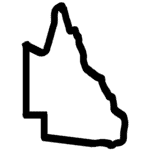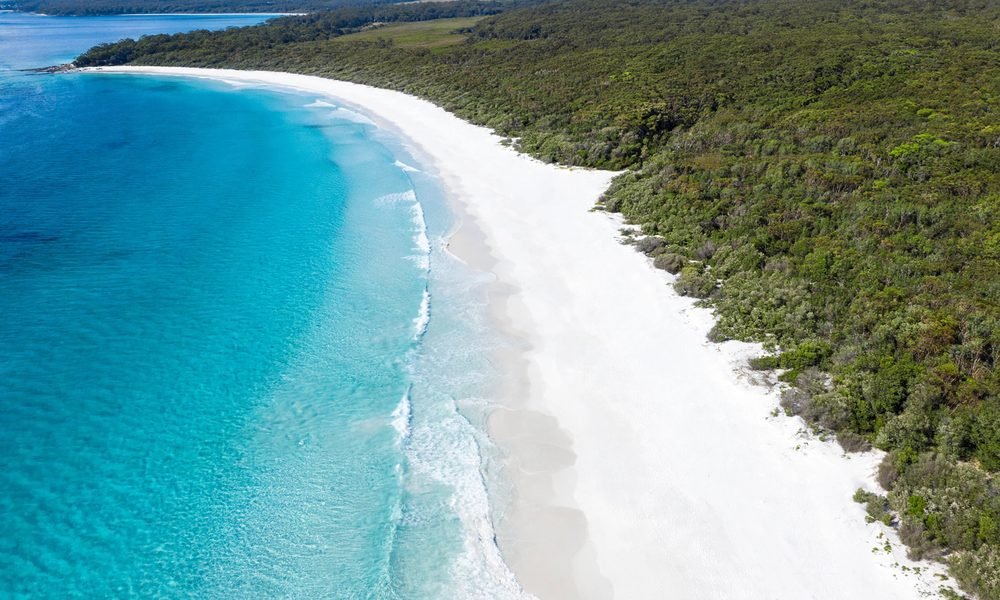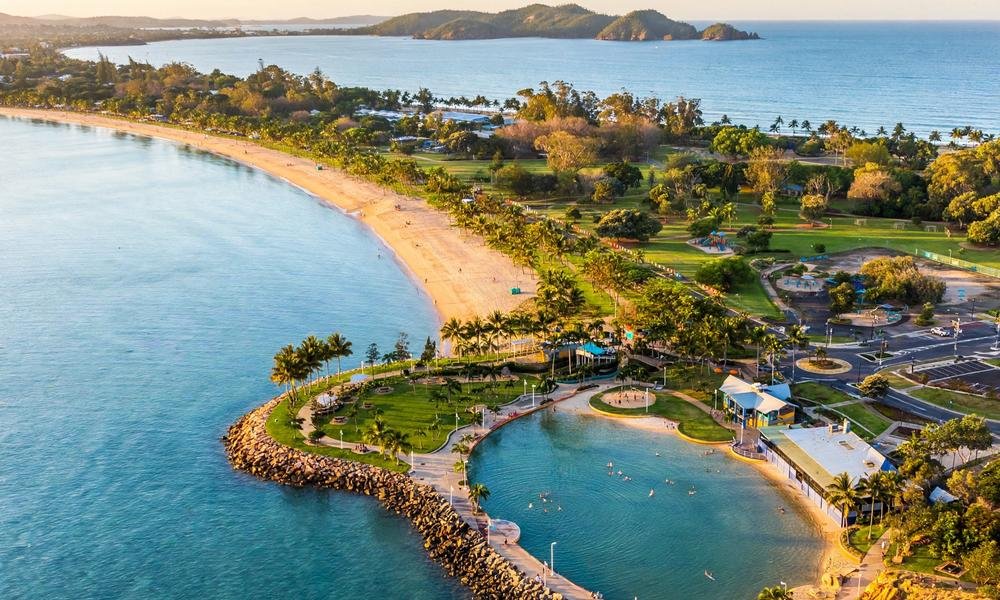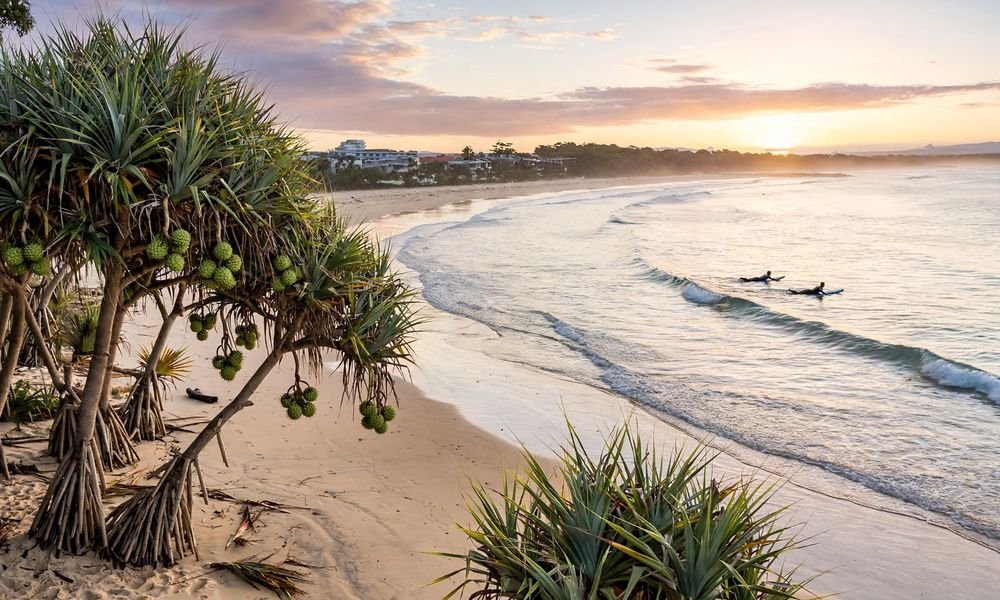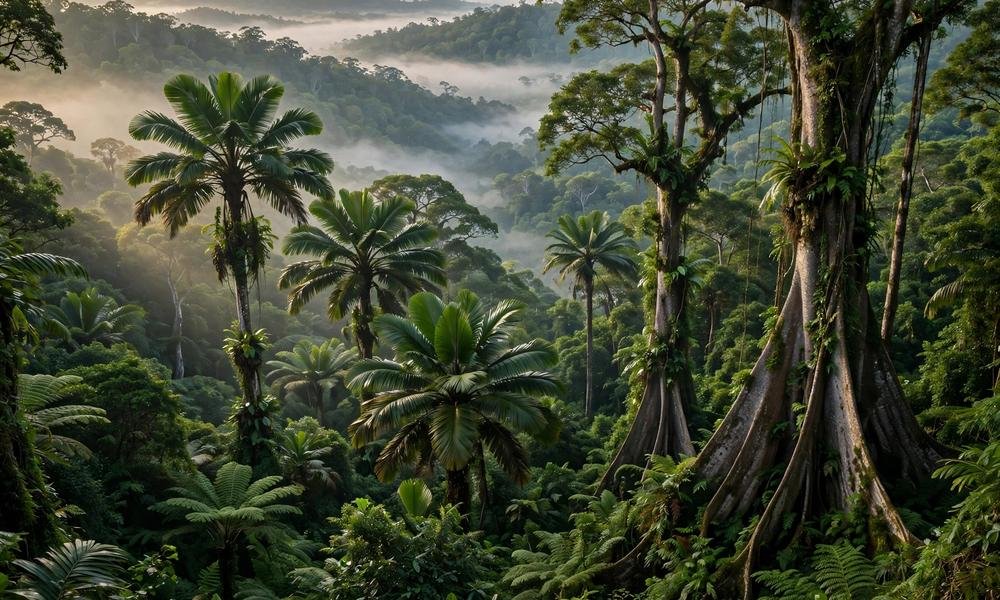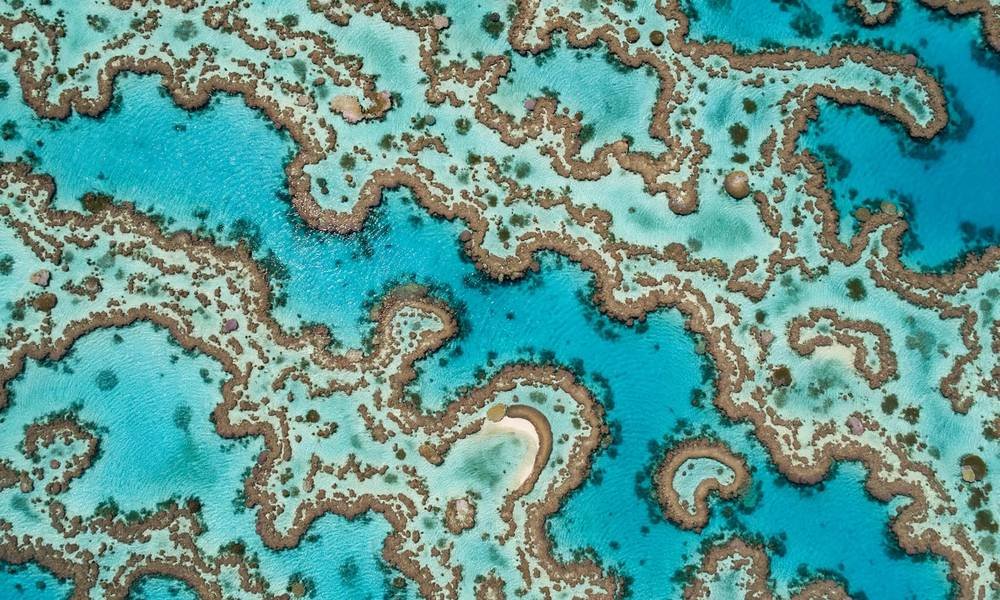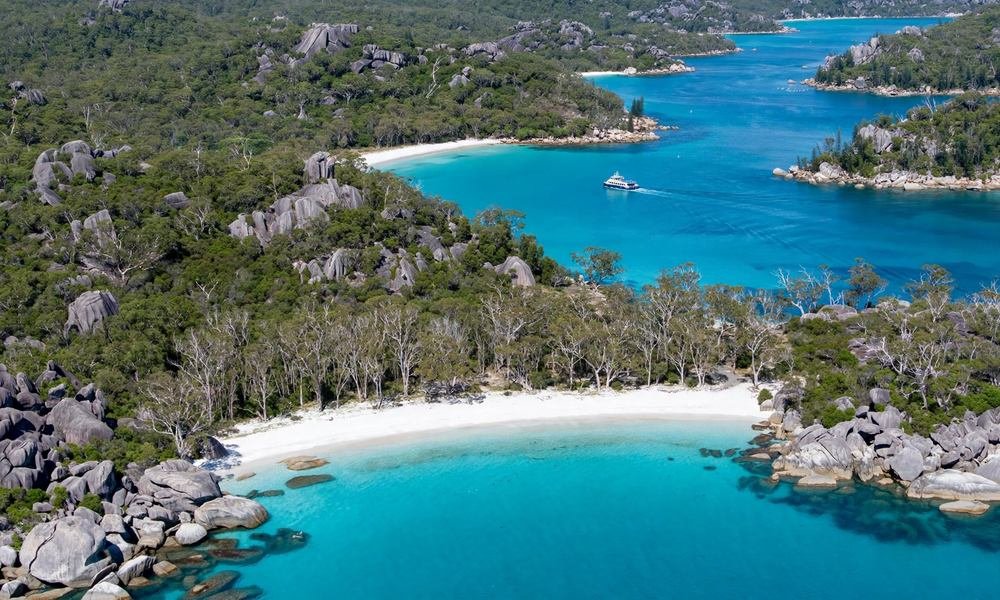

Magnetic Island sits just 8 kilometres off the coast of Townsville, and the 20-minute ferry ride is one of the easiest island escapes in Queensland. Locals call it “Maggie”, and it earns the nickname with warm weather most of the year, 23 bays and beaches, and one of the best chances in the country to spot wild koalas without paying for a wildlife park. More than half the island is protected national park, so you can go from a cafe breakfast to a bush walk past gun emplacements in under an hour. Here at Australia City Guide we reckon this is the best easy add-on to any North Queensland trip, and this guide covers the headline experiences, planning basics and practical tips so you can make the most of it.
The Forts Walk: Koalas, Wartime History and 360-Degree Views
The Forts Walk is the island’s signature walk and the best free wildlife experience on Maggie. The trail runs about 4 kilometres return through open bushland to the old WWII command post and gun emplacements on the ridge above Florence Bay. Allow 1.5 to 2 hours at an easy pace, with plenty of stops.

Koala spotting tips for the Forts Walk
Magnetic Island has one of the largest wild koala populations in northern Australia, and the Forts Walk is the best place to see them. Go early in the morning when koalas are more active and the track is cooler. Look for the pale grey lumps tucked into the forks of gum trees, and listen for rustling above you. There are no fences and no keepers, just patience and good eyes. Bring binoculars if you have them.
The WWII forts at the top
At the top of the walk you’ll reach the ruins of the coastal defence fortifications built during the Second World War, with old gun emplacements, an observation post and interpretive signs explaining what the site was for. The 360-degree views from the fort are worth the climb alone: Florence Bay on one side, the mainland and Townsville on the other. The walk is free and needs no booking, but there are no toilets on the track, so use the facilities at the trailhead before you start.
The Best Bays and Beaches on Magnetic Island
Each of Maggie’s bays has its own feel. You won’t get to all 23 on a short trip, so start with these.
Horseshoe Bay: the busiest and most social
Horseshoe Bay is the island’s largest bay and the most developed, with the longest stretch of sand, a string of cafes and restaurants, and the liveliest feel on Maggie. This is the bay to choose for water sports: horse riding on the beach, jet ski hire and sailing trips all run from here. It is also a good pick for families, with easy swimming and plenty of shade at the northern end.
Alma Bay in Arcadia: the locals’ swim spot
Alma Bay sits in the village of Arcadia and is the prettiest sheltered swimming cove on the island, ringed by huge granite boulders. The water is calm, the beach is small and shady, and locals rate it as their favourite place to swim. Walk the short track around the headland to Geoffrey Bay if you want to keep going.

Geoffrey Bay: rock wallabies and a snorkel trail
Geoffrey Bay is famous for two things. First, the allied rock wallabies that live in the boulders near the old barge jetty: they come down in the late afternoon and are used to people, making this one of the easiest wildlife encounters on the island. Second, the self-guided snorkel trail, with underwater markers guiding you over coral bommies and fish just off the beach. Bring your own mask and fins.
Radical Bay, Florence Bay and Balding Bay: the quiet trio
Walk the Radical Bay track from the Forts Walk car park and you’ll reach three tucked-away bays in one go. Radical Bay is the pick of the three for a swim, Florence Bay has the best snorkelling of the three, and Balding Bay sits between them, reached by a short track over the headland. Pack water and food: there is nothing to buy out here, and that’s the point.
Nelly Bay and Picnic Bay: arrival and sunset bays
Nelly Bay is where the ferry arrives, and it has the marina, the main shops and the island’s only real town strip. It also has its own self-guided snorkel trail off the beach. Picnic Bay is the older, quieter village at the southern end, with a stinger net for safer summer swimming and a relaxed sunset spot at the old jetty.
Snorkelling the Fringing Reef
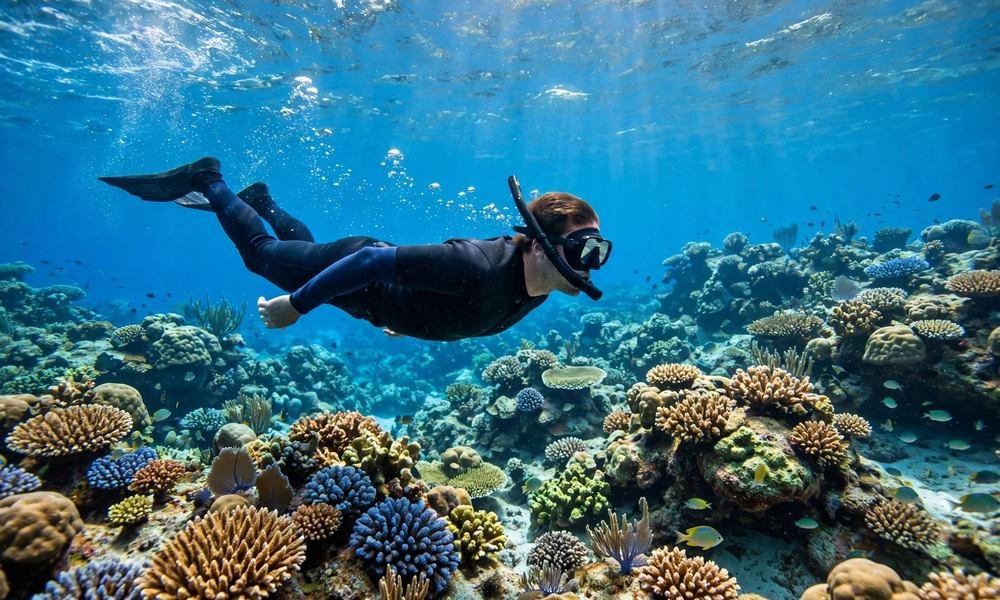
Magnetic Island sits inside the Great Barrier Reef Marine Park, which means you can snorkel coral reefs straight off the beach. The self-guided snorkel trails at Nelly Bay and Geoffrey Bay are marked with underwater signs and suit most confident swimmers. Expect coral bommies, giant clams, sea turtles and clouds of small reef fish. For bigger reef days, full-day Great Barrier Reef tours run from Townsville and pick up island visitors too. If you are here in the warmer months, wear a stinger suit: they are cheap to hire and the local dive shops will sort you out.
Wildlife Beyond the Koalas
Koalas get the headlines, but Maggie’s wildlife list runs long. The allied rock wallabies at Geoffrey Bay are the easiest to find. Possums and bandicoots come out around the villages after dark, and the island is good bird country: keep an eye out for bush stone-curlews wailing at night, rainbow lorikeets in the flowering gums and white-bellied sea eagles over the bays. Go slow on the roads at dusk and dawn, when wallabies move around. More than half the island is national park, which is why the wildlife is so easy to see, and it’s worth reading up on how Maggie fits into the country’s park system in our guide to the best national parks in Australia.
How Many Days Do You Need on Magnetic Island?
Two to three days is the sweet spot. That gives you the Forts Walk, two or three bays, a snorkel and a lazy sunset without rushing. A day trip from Townsville is possible and many people do it, but it will feel short: you’d get the Forts Walk or one bay, not both. If you only have one night, stay over and take an early ferry back. Three nights lets you slow down and walk the quieter tracks.
The Best Time to Visit Magnetic Island
The dry season, roughly May to October, is the easiest time to visit. Days are warm rather than hot, humidity is low and the water is clear. Winter (June to August) is peak season: book accommodation early for July school holidays. The wet season, roughly November to April, is hotter and more humid, and it overlaps with marine stinger season, when you should swim in stinger nets or wear a stinger suit. The island never really has a bad month, but if you want the simplest trip, aim for the dry season.
Where to Stay on Magnetic Island
Accommodation is spread across the bays, and where you base yourself changes the feel of the trip.
Nelly Bay: the most convenient base
Nelly Bay suits first-timers and anyone without a car. The ferry drops you here, the shops and restaurants are a short walk away, and the bus to other bays starts from the terminal. Expect resorts, apartments and a backpacker or two.
Horseshoe Bay: the beachfront pick
Horseshoe Bay suits travellers who want to be on the sand with restaurants in walking distance. Holiday houses, units and a couple of resorts line the bay, and the social scene is the liveliest on the island.
Picnic Bay and Arcadia: the quieter options
Picnic Bay and Arcadia suit repeat visitors and anyone chasing a slower pace. Both have holiday houses, small motels and B&Bs, village cafes and some of the best swimming on the island. You’ll rely on the bus or a hire car a bit more, but the payoff is quieter nights.

Getting to Magnetic Island and Getting Around
Getting there: the Townsville ferry
There is no bridge and no airport for visitors: the ferry is the way in. SeaLink runs fast passenger ferries from Townsville to Nelly Bay in about 20 minutes, with frequent services through the day. A separate vehicle ferry takes about 35 minutes and lets you bring your own car across: book ahead in school holidays and on long weekends, as it fills up. Check the operators’ websites for current fares and timetables before you go.
Getting around the island
You don’t need a car. The local bus connects Nelly Bay, Picnic Bay, Arcadia and Horseshoe Bay and meets the ferries. Hire cars, scooters and open-top “topless” cars are available on the island if you want more freedom, and they’re fun in fine weather. Many bays and walks are easy on foot if you’re staying nearby, but the main road between bays has no footpath in places, so don’t plan to walk everywhere.
A Simple 3-Day Itinerary for Magnetic Island
Use this as a starting point and shuffle it to suit the weather and your energy.
- Day 1: Arrive and settle in. Take a morning ferry, drop your bags in Nelly Bay and spend the afternoon on the snorkel trail. Watch the sunset from Picnic Bay jetty and eat in Nelly Bay.
- Day 2: The Forts Walk and Geoffrey Bay. Walk the Forts early for koalas and the wartime ruins, then cool off with a swim and snorkel at Alma Bay or Geoffrey Bay. Visit the rock wallabies in the late afternoon.
- Day 3: Horseshoe Bay and home. Bus to Horseshoe Bay for the beach, lunch and optional water sports, then walk or bus to Radical Bay if you have the energy. Take a late ferry back to Townsville, or stay one more night and do it all slower.
Bookable Tours and Experiences on Magnetic Island
Most experiences are easy to book the day before, but lock in the big ones early in school holidays.
- Reef day trips: full-day Great Barrier Reef tours run from Townsville and work well as a day away from the island.
- Sailing and snorkel cruises: half-day and sunset sails depart from Horseshoe Bay and Nelly Bay in the dry season.
- Horse riding on the beach: guided rides run from Horseshoe Bay and suit beginners.
- Jet ski and kayak hire: available at Horseshoe Bay in fine weather.
- Guided Forts Walk: guided walks run in peak season and are worth it if you want the wartime history explained properly.
If Maggie is one stop on a bigger Queensland drive, it slots neatly into a Brisbane to Cairns road trip itinerary: overnight in Townsville, ferry across for two or three nights, then keep heading north.
Practical Tips for Visiting Magnetic Island
- Sun protection is non-negotiable. The sun is fierce year-round. Hat, sunscreen and a rash shirt for long beach days.
- Carry water on walks. The Forts Walk and the bay tracks have no water or shops. A litre per person is the minimum.
- Stinger season matters. From roughly November to May, swim in the stinger nets or wear a stinger suit. Outside those months the risk drops, but check local advice.
- Cards work almost everywhere. Bring a little cash for market stalls and small operators, but cards are fine for the ferry, shops and restaurants.
- Watch the road at dusk. Wallabies and possums cross the roads after dark. Drive slowly and use high beam where you can.
- Leave wildlife alone. Enjoy the koalas and wallabies from a distance. Feeding wildlife makes animals sick and dependent.
FAQs About Magnetic Island
Is Magnetic Island worth visiting?
Yes. It is one of the few places in Australia where you can see wild koalas, snorkel off a beach inside the Great Barrier Reef Marine Park and walk to an empty bay, all within 20 minutes of a mainland city.
Can you do Magnetic Island as a day trip from Townsville?
You can, and many people do. But you’ll only scratch the surface: one walk or one bay, plus lunch. Two or three days is far better.
Do you need a car on Magnetic Island?
No. The bus links the main bays, and hire cars and scooters are available on the island. Bring your own car on the vehicle ferry only if you want total freedom.
Can you swim at Magnetic Island?
Yes, the swimming is excellent in the dry season. In the warmer months, stick to the stinger nets at Picnic Bay and other patrolled spots, or wear a stinger suit.
Are there really wild koalas on Magnetic Island?
Yes. The island has one of the largest wild koala populations in northern Australia, and the Forts Walk is the best place to spot them.
What is Magnetic Island famous for?
Wild koalas, granite boulders, 23 bays and beaches, fringing reef snorkelling, and the WWII Forts Walk.
Final Thoughts on Magnetic Island: Is It Worth the Ferry Ride?
Magnetic Island is the rare island trip that is easy, cheap to reach and genuinely wild once you’re there. The Forts Walk alone justifies the ferry: wild koalas, wartime ruins and big views in a single free morning. Add the bays, the fringing reef and the rock wallabies, and two or three days here will be a highlight of any North Queensland trip. Book the dry season if you can, pack your walking shoes and your snorkel gear, and don’t try to squeeze it into a day trip. Maggie rewards slowing down.