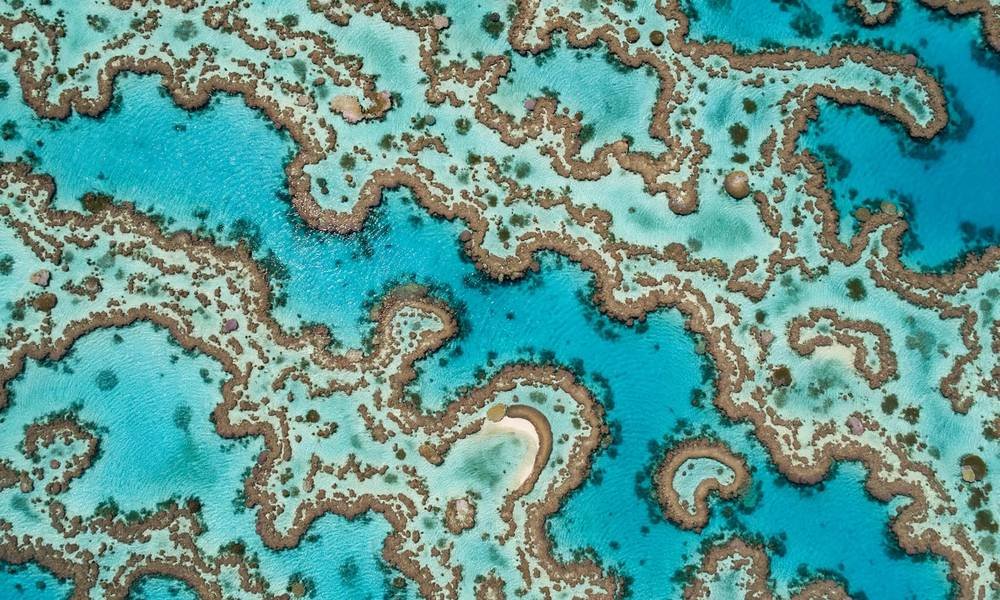
The Daintree Rainforest is the oldest tropical rainforest on Earth. Scientists estimate it at 135 to 180 million years old, and it runs straight into the Great Barrier Reef, which means two World Heritage areas meet here on the north Queensland coast. Ferns the size of cars grow under a canopy that blocks the midday sun. Cassowaries, big flightless birds that look like they walked out of the age of the dinosaurs, cross the road in front of you. The Eastern Kuku Yalanji people are the Traditional Owners of this country, and their culture here goes back thousands of years.
So what should you do in the Daintree? Cruise the Daintree River for crocodiles and birds. Walk the boardwalks at Mossman Gorge with a Kuku Yalanji guide. Stand on the sand at Cape Tribulation where the rainforest runs into the sea. Try a guided night walk to see the forest after dark. This guide from Australia City Guide covers the headline experiences, how to plan the trip, where to stay, and the safety rules that matter.
Cruise the Daintree River for Crocodiles and Birds
The Daintree River is the classic first stop, and it earns the hype. Saltwater crocodiles live in this river, and on a guided cruise you will almost certainly see one sunning itself on a mud bank. The guides know every bend and every regular croc by sight, which is part of the fun.
But crocs are only half the story. The river is lined with mangroves, and the bird life is excellent. Kingfishers dart along the banks. Herons and egrets stalk the shallows. In the dry season, the big male crocs are out and visible. Go early in the morning for the calmest water and the most active wildlife.
Cruises run from Daintree Village and from both banks of the river near the ferry crossing. A small boat with a knowledgeable local guide is worth the money. You learn more in an hour on the river than in a full day of driving around on your own.
Walk Mossman Gorge With a Kuku Yalanji Guide
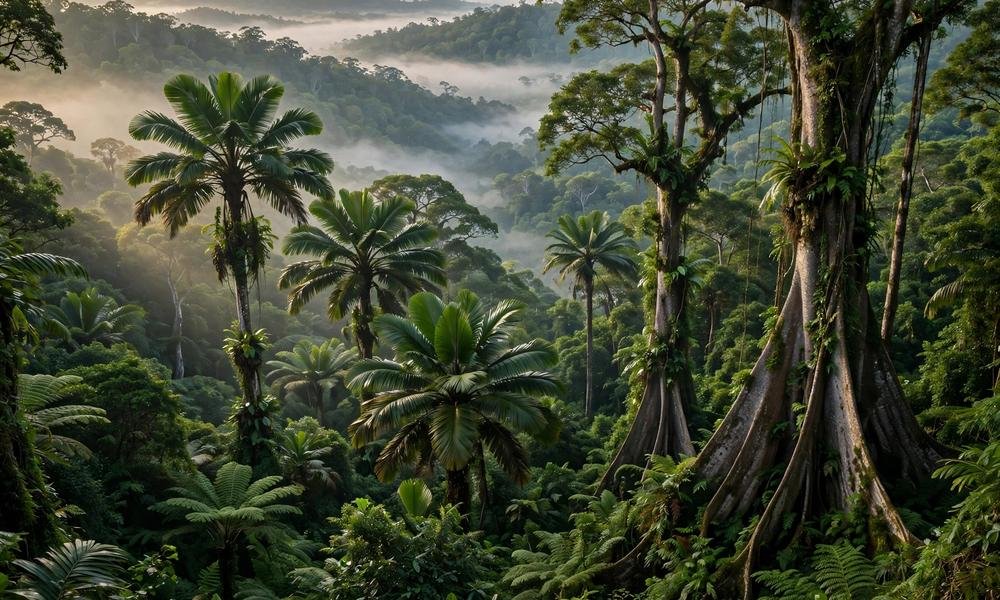
Mossman Gorge is the southern gateway to the Daintree, and it is the easiest part to visit. Clear water runs over huge granite boulders through thick rainforest, and the whole area belongs to Daintree National Park. This is Eastern Kuku Yalanji country, and you start your visit at the Mossman Gorge Cultural Centre.
Private cars cannot drive to the gorge itself. You park at the cultural centre and take the eco shuttle bus in. It runs constantly through the day, and the ride is short. The centre itself is worth a look, with a gallery, the Mayi cafe, and Kuku Yalanji staff who can answer your questions about the area.
The best way to see the gorge is the guided Dreamtime walk run by Kuku Yalanji guides. You learn which plants were used as food and medicine, hear stories about the land, and finish with a traditional smoking ceremony and bush tea. Doing this walk first changes how you see the rest of the forest. Everything stops looking like generic green and starts looking like a place people have known deeply for a very long time.
The Gorge Boardwalks and Lookouts
If you walk the gorge on your own, the track system is easy to follow. The Baral Marrjanga boardwalk leads to lookouts over the river, and longer tracks cross a suspension bridge and climb through the forest. The water looks tempting, but do not swim here. Crocodiles have been seen in the lower gorge, and the river can rise fast after rain upstream.
See the Rainforest Meet the Sea at Cape Tribulation
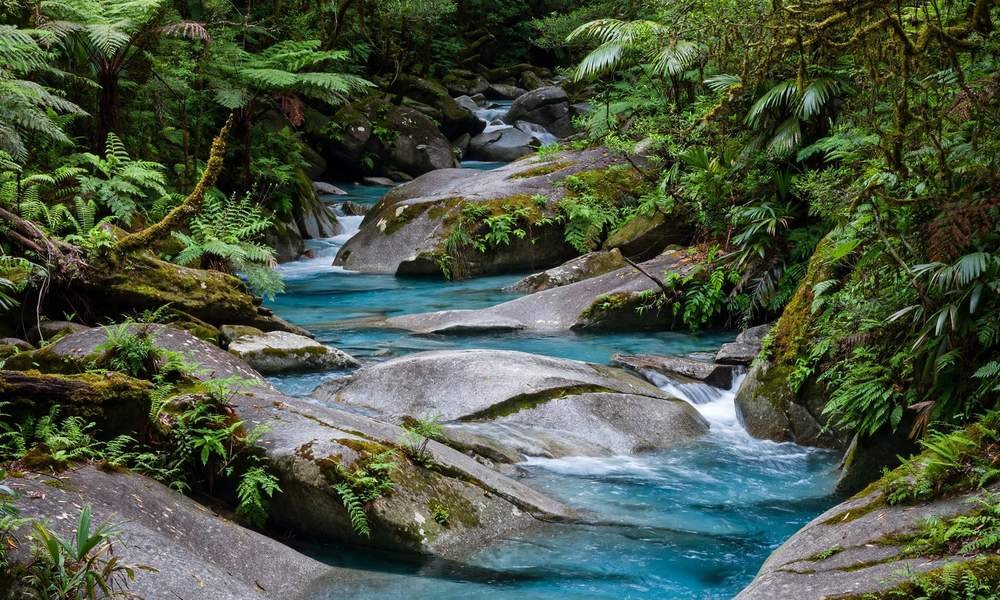
North of the Daintree River ferry, the road runs through the rainforest to Cape Tribulation, the famous spot where the forest meets the reef.
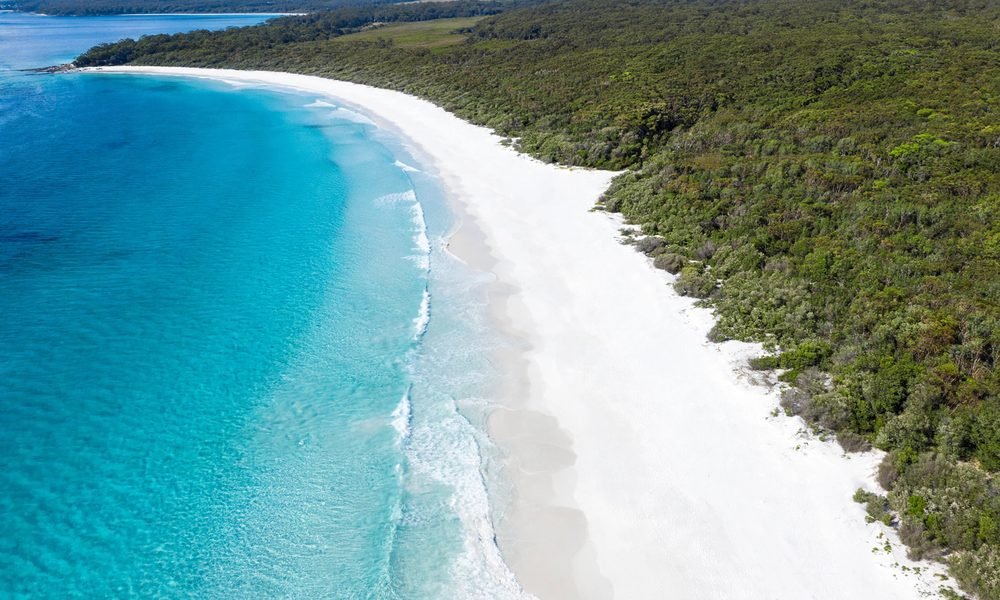
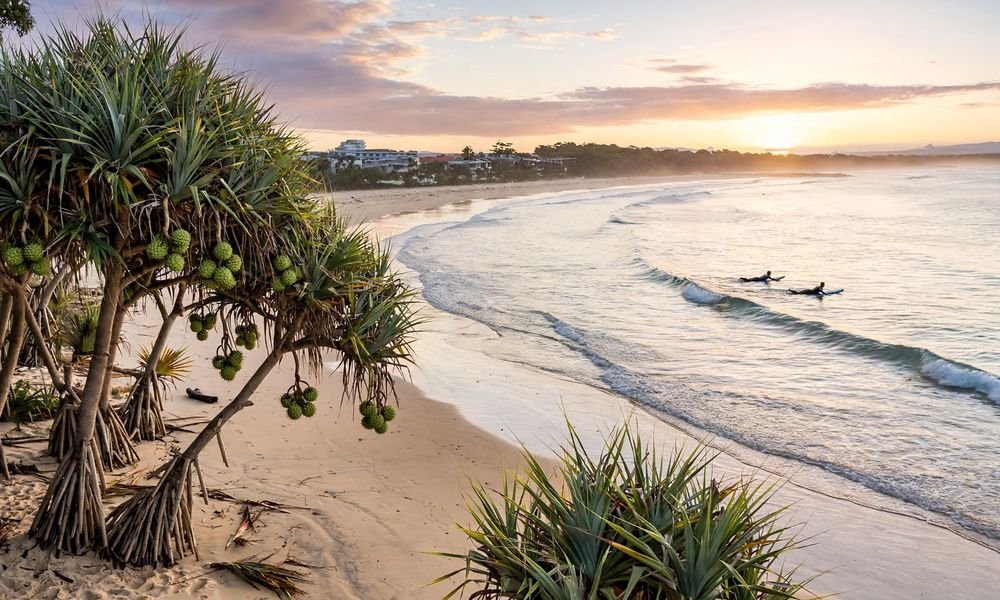
Cape Tribulation is really a string of beaches, lookouts, and rainforest walks rather than a town. Myall Beach and Thornton Beach are the main ones. The beaches themselves are beautiful, but you do not swim here. Saltwater crocodiles and, in the warmer months, marine stingers make ocean swimming dangerous. Walk the sand, take your photos, and cool off in your accommodation pool instead.
Rainforest Boardwalks at Cape Tribulation
The national park boardwalks here are the easiest way to get into the forest. The Jindalba boardwalk and the Marrdja boardwalk take you through lowland rainforest on raised walkways, and the Dubuji boardwalk runs from Myall Beach into the forest. They are flat, shaded, and short enough for the whole family. Read the signs as you go. The plants here include some of the oldest flowering species on the planet, and the forest floor is full of life if you walk slowly and look.
Keep Your Eyes Open for Cassowaries
The southern cassowary is the Daintree’s most famous animal, and seeing one in the wild is a genuine thrill. These birds are tall, colourful, and completely unbothered by you, right up until the moment they decide you are too close. They are endangered, and the Daintree is one of their last strongholds.
You are most likely to spot one along the road north of the ferry, especially around Cape Tribulation. If you see one, slow down, stay in your car or keep your distance, and never try to feed it. Cassowaries are most defensive when a male is looking after chicks, so give any young birds a very wide berth.
Honestly, my first cassowary sighting was over in seconds, just a flash of blue and red crossing the road. That is normal. But knowing they are out there changes the whole feel of the forest. You walk the boardwalks a little quieter after that.

Get a Canopy View at the Daintree Discovery Centre
The Daintree Discovery Centre sits in the forest near Cow Bay and gives you a different angle on the rainforest: from above. A canopy tower lifts you up through the layers of the forest, and the aerial walkway runs through the mid canopy. It is the fastest way to understand how the forest is built, layer on layer.
This is a good stop for families and anyone who wants the science behind the scenery. Allow a couple of hours.
How Many Days Do You Need in the Daintree?
Two full days is the sweet spot. Day one covers Mossman Gorge and the Daintree River, which both sit south of the ferry. Day two takes you across the ferry to Cape Tribulation, the boardwalks, and the beaches. That pace lets you fit in a river cruise and a guided walk without rushing.
One day is possible as a long day trip from Port Douglas, but it will feel hurried. You will pick either the gorge or Cape Tribulation, not both. Three days lets you slow right down, add a night walk, and actually spend time looking for wildlife instead of just ticking off sights.
The Best Time to Visit the Daintree
The dry season, roughly May to October, is the best time for most visitors. Days are mild, the rain eases off, and the walking tracks are at their best. Nights can be cool, which is a nice change after the tropics. This is peak season, so book accommodation and tours ahead.
The wet season, from about November to April, is a different experience. Afternoon downpours are normal, the forest is at its greenest, and the rivers run high. Some tracks can close after heavy rain, and the ferry crossing can be delayed. If you come in the wet season, build flexible days into your plan and check conditions daily.
Where to Stay: Port Douglas, Daintree Village or Cape Tribulation
Port Douglas sits south of the river and has the biggest range of accommodation, from resorts to apartments, plus restaurants and tour desks. It is the easiest base and the best pick if you want comfort and choice. You can reach Mossman Gorge in about 20 minutes and the Daintree River in under an hour.
Cape Tribulation, north of the ferry, is the pick for travellers who want to be in the forest. Eco lodges and rainforest cabins put you within walking distance of beaches and boardwalks. Staying here means you are on the right side of the river for the night walks and the early starts.
Daintree Village is the quiet option. It is a small settlement on the river with a handful of B and Bs and guesthouses. It suits travellers who want a slow base for river cruises and birdwatching.
Getting Around: The Daintree River Ferry
The Daintree River ferry is a cable ferry that carries cars across the river, and it is the only way across by road. It runs every day. There is a fee per vehicle, and you pay on the spot. Check the latest operating times before you go.
Everything south of the ferry, Mossman Gorge and Daintree Village, is easy driving on normal roads. Everything north, Cape Tribulation and the boardwalks, is reached by the sealed Cape Tribulation Road. Fill up fuel in Mossman or Port Douglas before you cross, because there are very few fuel stops north of the river.
Do You Need a 4WD?
No, not for the standard sights. The road from the ferry to Cape Tribulation is sealed and fine for any car. You only need a 4WD if you plan to drive the Bloomfield Track, the rough track that continues north from Cape Tribulation toward Wujal Wujal. For a normal Daintree trip, leave the 4WD worry at home.
A Sample Two-Day Daintree Itinerary
Day 1: Mossman Gorge and the Daintree River
Start at the Mossman Gorge Cultural Centre. Take the guided Dreamtime walk in the morning, when the forest is cool and the light is soft. Have lunch at the centre, then drive to Daintree Village for an afternoon river cruise. Finish the day back at your base in Port Douglas or Daintree Village.
Day 2: Cape Tribulation
Cross the ferry early and head straight for Cape Tribulation. Walk the Dubuji boardwalk from Myall Beach, then drive on to the Marrdja and Jindalba boardwalks. Have lunch at one of the small cafes near the cape. Spend the afternoon at the lookouts and the beach, and if you are staying north of the river, book a guided night walk for after dinner.
Bookable Daintree Tours Worth Taking
Daintree River Wildlife Cruises
River cruises are the single best wildlife experience in the Daintree. Small boats with local guides get you close to crocodiles, birds, and mangrove life. Morning cruises are calm and good for birdwatching. Some operators run sunset cruises too. This is the one tour I would book even on a short trip.
Mossman Gorge Dreamtime Walks
The Ngadiku Dreamtime Gorge Walk is run by Kuku Yalanji guides and starts at the cultural centre. It covers traditional plant use, stories of the land, and a smoking ceremony. It is the most meaningful guided experience in the southern Daintree and worth planning your day around.
Guided Night Walks
The rainforest changes completely after dark. Guided night walks run from Cape Tribulation lodges and take you into the forest with a spotlight. You can see tree frogs, insects, spiders, and sometimes a tree kangaroo. It is a gentle walk, not a hike, and it suits anyone who is comfortable on a track at night.
Reef Trips from Cape Tribulation
Cape Tribulation is the only place in Australia where you can reach the outer Great Barrier Reef by boat in under an hour. Small dive and snorkel boats leave from the cape and head straight to the reef. It is a completely different trip from the big Cairns pontoons, much more personal. Our guide to Great Barrier Reef tours covers what to look for when you pick a trip.
Daintree Must-Knows: Crocs, Cassowaries and Coverage
Do not swim in the Daintree River or any creeks unless a sign says it is safe. Saltwater crocodiles live in these waters, and they are patient and hard to spot. The same goes for the ocean beaches at Cape Tribulation, where crocs and marine stingers are both a risk.
Slow down for cassowaries. The roads north of the ferry have cassowary crossing signs for a reason. If you hit one, it is bad for the bird and for your car. Drive the speed limit, scan the road edges, and never feed a cassowary. They are wild animals with a serious kick.
Mobile coverage is patchy north of the ferry. Download your maps offline before you cross, and let someone know your plans if you are heading into the forest. Bring insect repellent too. The sandflies at the beaches can be fierce, especially at dawn and dusk.
FAQs About Visiting the Daintree Rainforest
Can you do the Daintree as a day trip?
Yes, but it is a long day. Day tours run from Port Douglas and Cairns, and you can self-drive from Port Douglas to the gorge or the river and back. You will only see part of the area, so an overnight stay is much better if you can manage it.
Do I need a 4WD for the Daintree?
No for the main sights. The road to Cape Tribulation is sealed. You only need a 4WD for the Bloomfield Track north of the cape.
Is it safe to swim in the Daintree?
Not in the rivers or the ocean. Crocodiles live in the river and creeks, and the beaches have croc and stinger risks. Only swim where signs say it is safe, such as your accommodation pool.
Are cassowaries dangerous?
They can be, but incidents are rare. Keep your distance, never feed them, and give males with chicks a wide berth. Most visitors see them from the car or across a boardwalk, which is exactly how it should be.
How do I get to the Daintree from Cairns?
Drive north from Cairns past Port Douglas to Mossman, then on to the Daintree River ferry. It is a straightforward highway drive of a couple of hours. Many travellers fold the Daintree into a longer drive up the coast, and our Brisbane to Cairns road trip itinerary shows how it fits into the bigger journey.
Final Thoughts on Visiting the Daintree Rainforest
The Daintree is worth the trip, and it is not just the age of the forest that makes it special. It is the feeling of walking into a place that has been more or less this way for millions of years. The river cruises, the gorge walk, and the boardwalks all show you different pieces of it, and each one is worth doing.
Give it two days if you can. Stay north of the river for at least one night, book the guided walks, and respect the wildlife. You will leave with mud on your boots and a new appreciation for how old this continent really is.
Keep exploring:
- Great Barrier Reef Tours, for snorkelling and diving trips from Cairns, Port Douglas and Cape Tribulation
- Brisbane to Cairns Road Trip Itinerary, to fit the Daintree into a full Queensland coast drive
- Best National Parks in Australia, where Daintree National Park earns its place
- Australia City Guide, the homepage for all our Australian travel guides