
Brisbane has a way of winning people over slowly. It does not shout like Sydney or perform like Melbourne. Instead, Australia’s third-largest city hands you warm weather, a wide river, a free swimming beach in the middle of town, and koalas you can hand-feed, all without the crowds. This guide covers the best things to do in Brisbane, from South Bank and the Story Bridge to easy day trips, plus where to stay and when to come. If you are planning a wider Queensland trip, Australia City Guide has the rest of the country covered too.
The Best Things to Do in Brisbane
Start with the headliners. These are the places that define the city, and most visitors see them in the first two days.
South Bank Parklands and Streets Beach
South Bank is where Brisbane shows off. The parklands were built for World Expo ’88 and the city kept them, which turned out to be the best decision it ever made. Entry is free, and the whole place runs on an easy rhythm of lawns, river paths, and weekend markets.
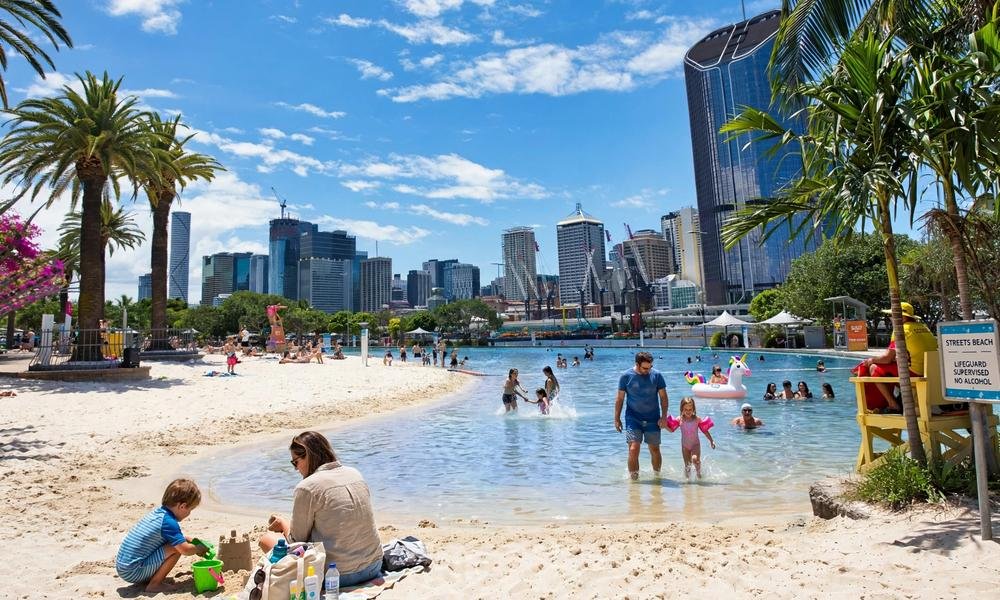
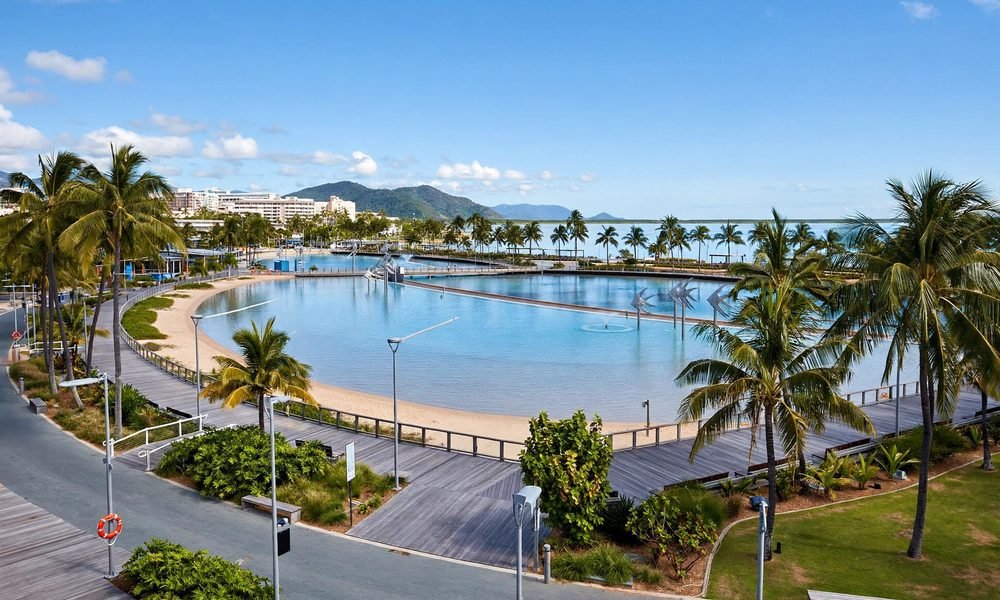
Streets Beach is the part that stops first-timers in their tracks. It is a real, lifeguarded swimming beach with sand and clear water, sitting right across the river from the city towers, and it costs nothing to swim. The Grand Arbour is a long walkway covered in bougainvillea and makes the classic Brisbane photo. The Wheel of Brisbane turns slowly above the riverbank, and the Nepal Peace Pagoda sits quietly at one end for when you want a minute out of the sun. Free guided tours run through the parklands if you want the stories behind the place. If you want sand further afield too, our guide to beaches in Brisbane covers the coastal options.
Lone Pine Koala Sanctuary
About 20 minutes from the city in Fig Tree Pocket, Lone Pine opened in 1927 and is billed as the world’s first and largest koala sanctuary. It holds more than 100 koalas, along with over 70 other native species, and you get properly close to the animals here. Hand-feeding the kangaroos is the highlight for most people, and the raptor show and platypus viewing round out the visit.
The sanctuary opens daily from 9am to 5pm. The nicest way to arrive is the river cruise from the city, which drops you at the sanctuary’s own jetty and turns the trip into half the fun. Morning visits are best, when the animals are most active and the Queensland heat has not built up yet.
The Story Bridge and the Brisbane River
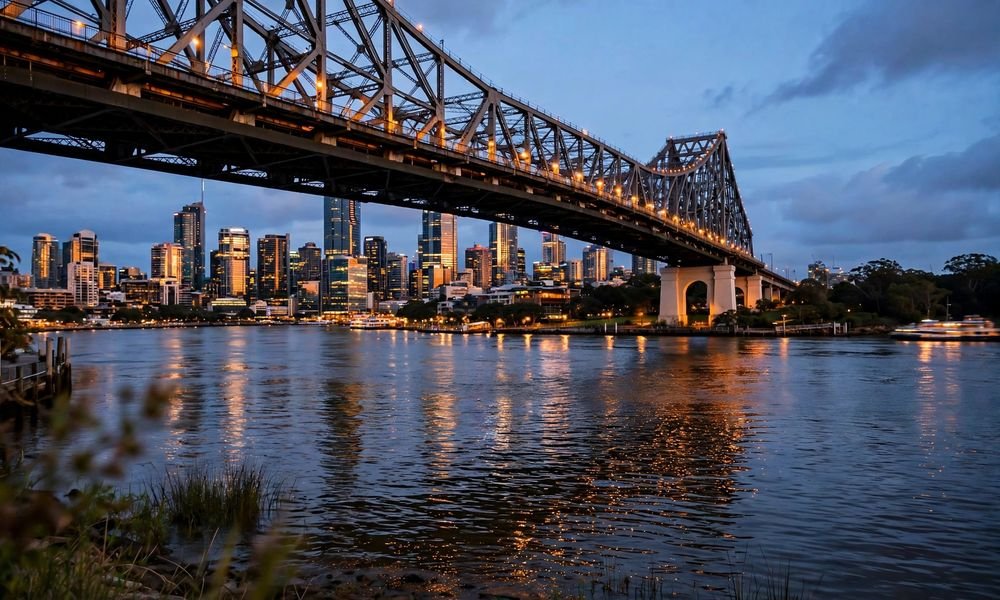
The Story Bridge has carried traffic across the river since 1940, and it is heritage-listed these days. You can walk the pedestrian footpath for free in about 15 minutes, with the city on one side and the winding river on the other. Do not confuse this with the guided climb, which is a separate, paid experience.
The Story Bridge Adventure Climb takes you up to an 80-metre platform for the big views, with day, twilight, and night climbs on offer. Book ahead in busy months, because the popular twilight slots go first. If heights are not your thing, the free footpath walk gives you the bridge experience without the harness.
Riding the CityCat Ferries
The cheapest sightseeing in Brisbane might be the CityCat ferry. The network runs from the University of Queensland at St Lucia to Northshore Hamilton, gliding past South Bank, the CBD, Kangaroo Point, and New Farm. A trip costs about 50 cents on a contactless card under Translink’s flat fares, though fares change from time to time, so check the current price before you ride.
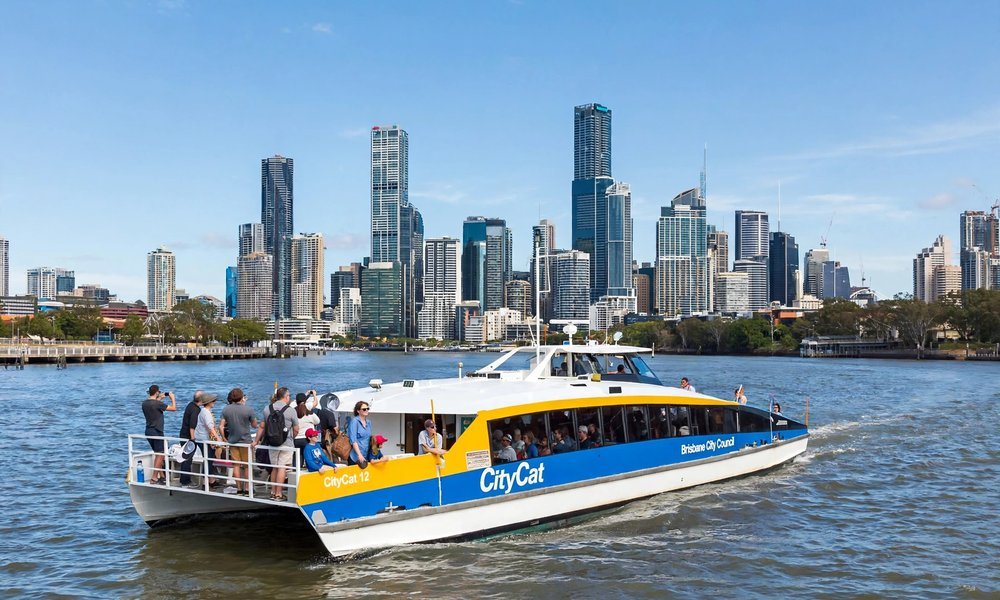
Sit on the open back deck and treat it like a river cruise. The stretch between South Bank and New Farm is the prettiest, especially late in the afternoon when the light softens over the water.
Mount Coot-tha Lookout and the Botanic Gardens
Locals head to Mount Coot-tha when they want the classic postcard shot: the city skyline with Moreton Bay behind it. It is about 15 minutes from the CBD, with a cafe at the top and bushwalking tracks through the surrounding reserve. Go for sunset if you can, when the city lights start coming on below you.
At the base of the mountain, the Brisbane Botanic Gardens are free and worth an hour on their own. The tropical dome, the Japanese garden, and the bamboo grove give you a quiet break from the city without leaving it.
Kangaroo Point Cliffs and Kangaroo Point Cliffs Park
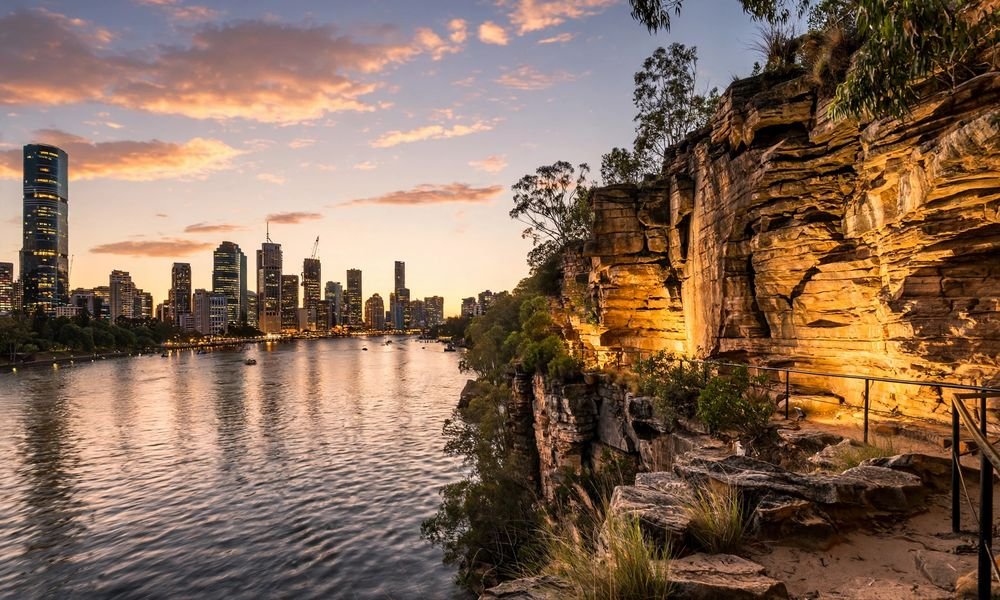
Across the river from the city centre, the Kangaroo Point Cliffs are a wall of rock that locals use as an outdoor playground. The park at the base has lawns, picnic tables, and barbecue areas, and it is a popular spot for a sunset picnic with the skyline in view. You can walk or ride along the river path here, and the views back across the water are some of the best in the city.
The cliffs are also the home of rock climbing and abseiling in Brisbane. Guided climbs run on the cliff face for beginners and for people with more experience, and all gear is supplied on guided sessions. If climbing is not your thing, just come for the walk and the views. At night the cliffs are lit up, and the whole riverside path takes on a different feel after dark.
Roma Street Parkland
Roma Street Parkland is a large garden in the middle of the city, close to Roma Street station. It has themed garden areas, lawns, lakes, and walking paths, and it works well as a calm break between city sights. Families spread out on the lawns, and the paths are flat and easy to walk, so it suits visitors of all ages.
Entry to the parkland is free, and guided walks run at set times if you want to learn about the plants. Come in the morning for quiet paths, or bring lunch and settle in for a slow afternoon. It is also a handy stop if you are catching a train, since the station is right next door.
City Botanic Gardens
Do not confuse the City Botanic Gardens with the gardens at Mount Coot-tha. The City Botanic Gardens sit on the river’s edge at the eastern end of the CBD, and they are the city’s original botanic gardens. They are smaller and flatter than the Mount Coot-tha gardens, which makes them an easy walk on a warm day.
Inside you will find lawns, old fig trees, a bamboo grove, and paths that run right beside the river. It is a good place for a morning walk, a picnic, or a quiet sit before you head into the shops. Entry is free, and the gardens connect to the riverside paths, so you can keep walking toward the Story Bridge or back toward South Bank.
Queensland Museum and Sciencentre
The Queensland Museum sits in the South Bank cultural precinct, next to the river. It tells the story of Queensland through natural history, local culture, and science, with displays on dinosaurs, Queensland wildlife, and the state’s past. It is a strong pick for families, and a good wet weather option when the heat or a summer storm drives you indoors.
The Sciencentre is part of the museum and is built around hands-on science. Kids can try the interactive displays and experiments, which makes it far more fun than a look-but-don’t-touch museum. Some special exhibitions are ticketed, so check what is on before you go. Pair it with a walk through South Bank and you have an easy half day sorted.
Queensland Gallery of Modern Art (GOMA)
GOMA is one of Australia’s largest galleries for modern and contemporary art, and it sits in the same South Bank precinct as the museum. Its big exhibition spaces host major shows, including large international exhibitions and the Asia Pacific Triennial of Contemporary Art, which runs on a recurring cycle. The building itself is worth a look, with wide open spaces and river views.
Many exhibitions at GOMA and the neighbouring Queensland Art Gallery are free, and some special shows are ticketed, so check before you go. The Children’s Art Centre inside GOMA runs hands-on activities for kids, which makes it a good stop for families. Even if modern art is not your usual thing, one big exhibition here is often a trip highlight.
Queensland Performing Arts Centre (QPAC)
QPAC is Brisbane’s main performing arts venue, also in the South Bank cultural precinct. Its theatres host musicals, plays, ballet, opera, and concerts through the year, with both Australian and touring international shows. If you are in Brisbane for a few nights, an evening show here is an easy way to fill an evening.
Shows sell out, so book ahead for popular musicals and weekend performances. The precinct around QPAC has places to eat before a show, and the riverfront setting means you can walk along South Bank afterwards. Check the program before your trip, since the line-up changes through the year.
The Wheel of Brisbane
The Wheel of Brisbane turns slowly above the South Bank riverfront, in enclosed gondolas with clear views in every direction. From the top you can see the river, the city towers, and the Story Bridge, and it is a gentle ride that suits all ages. It is a good first stop if you want to get your bearings and work out where everything sits.
Ride during the day for the widest views, or ride at night when the city lights are on and the riverfront glows. The wheel runs in most weather, but rides can pause in strong wind or storms, so check on the day if the weather looks rough. It pairs well with a walk through the parklands and a swim at Streets Beach.
Howard Smith Wharves
Howard Smith Wharves sits under the Story Bridge on the city side of the river. Old wharf buildings have been turned into a riverside precinct with restaurants, bars, and open lawns, and it has become one of the most popular evening spots in Brisbane. The setting is the draw: you eat and drink right on the water, with the bridge overhead and the river in front of you.
Come for lunch or dinner, or just for a drink and a walk along the riverfront. The lawns are a good place to sit with friends, and the precinct is an easy walk from the CBD. It gets busy on weekends, so book ahead if you want a table at a popular restaurant.
Queen Street Mall and Shopping in the City
Queen Street Mall is Brisbane’s main pedestrian shopping strip, in the middle of the CBD. It has large department stores, chain shops, and arcades running off the mall, plus street performers and places to eat. It is the easiest place in the city for a shopping trip, and it is fully pedestrian, so you can wander without traffic.
The arcades off the mall are worth a look too. They hold smaller shops, cafes, and local boutiques that you will not find in a big shopping centre. If you are shopping for gifts or just want a break from sightseeing, pair a morning in the mall with lunch in the city and an afternoon back at South Bank.
Neighbourhoods Worth Your Time
Some of the best experiences in Brisbane are just walks through the right streets. Each neighbourhood has its own feel, and they are all easy to reach from the centre.
Fortitude Valley
The Valley is Brisbane’s music and nightlife district. Live music venues, late-night bars, and Chinatown’s restaurants sit within a few blocks of each other. It is lively after dark and worth a wander in the daytime for the street art and markets.
West End
West End is the bohemian one. Weekend markets, bookshops, vintage stores, and some of the best cheap eats in town line its main streets. It is also the easiest neighbourhood for good vegetarian and vegan food, so check our vegan restaurants in Brisbane guide before you go.
New Farm and the Brisbane Powerhouse
New Farm is the riverside local’s pick. The Brisbane Powerhouse, an old power station turned arts venue, hosts gigs, comedy, and festivals year-round. Next door, New Farm Park is one of the prettiest picnic spots in the city, with huge fig trees and river views. If you are thinking of basing yourself in one of these areas, our best suburbs in Brisbane guide goes deeper.
Brisbane at Night
Brisbane is an outdoor city by day, and it keeps going after dark. Start with the river. The Story Bridge and the Kangaroo Point Cliffs are lit up at night, and a walk along the South Bank riverfront or a ride on the Wheel of Brisbane gives you the city at its prettiest. Howard Smith Wharves is the classic evening stop, with riverside tables and the bridge overhead.
For live music and late nights, head to Fortitude Valley, where music venues and bars sit within a few blocks of each other. West End is the quieter pick, with small bars and late dinners that suit a slower night. If you want a planned night out, check what is on at QPAC or the Brisbane Powerhouse before your trip, and book ahead for popular shows.
Active Ways to See Brisbane
Brisbane suits active travellers. The river, the cliffs, and the warm weather make it easy to swap a bus ride for something more fun, and most of these activities suit beginners.
Kayaking and Stand-Up Paddleboarding on the Brisbane River
Seeing Brisbane from the water does not have to mean a cruise. Kayak and stand-up paddleboard hire runs on the river, with guided trips for first-timers and self-guided hire for people with more confidence. Paddling past South Bank and under the bridges gives you a totally different view of the city, and the river is wide and calm in the central reaches.
Morning is the best time to paddle, before the heat builds and while the river is quiet. Wear sun protection and take water, and follow the guide’s advice on where to paddle and where to keep clear of ferries. If you have never paddled before, book a guided trip so someone shows you the basics first.
Riverlife Adventure Centre
Riverlife Adventure Centre sits at the base of the Kangaroo Point Cliffs and is the main base for adventure activities in the city. It runs kayaking trips on the river, rock climbing and abseiling on the cliffs, and other guided outdoor sessions. It is a good pick if you want an active morning with all gear and instruction included.
Activities suit a wide range of ages and fitness levels, and guides adjust the session to the group. Book ahead in school holidays and on weekends, since popular sessions fill up. Pair it with a picnic in Kangaroo Point Cliffs Park afterwards for an easy active day.
Brewery Tours
Brisbane has a growing craft beer scene, and brewery tours are an easy way to taste it. Tours usually walk you through how beer is made, from the brewing tanks to the taproom, and finish with tastings of a few different styles. Some tours visit more than one brewery, which makes a fun afternoon out with friends.
Most tours run at set times and group sizes are limited, so book ahead. If you are not a beer drinker, many breweries also serve food and other drinks, and the taprooms are relaxed places to spend an afternoon. Check tour times before you go, since they change through the week.
Seeing Brisbane by Helicopter
A short helicopter flight is the fastest way to see how Brisbane fits together. Scenic flights take you over the river, the Story Bridge, South Bank, and the city towers, and longer flights head out over Moreton Bay and the islands. It is a splurge, but for a special occasion it is hard to beat.
Flights run at set times and depend on weather, so book ahead and keep your plans flexible on the day. If you are short on time, a short city flight still gives you the skyline and the river bends in one quick trip. Check what each flight covers before you book, since routes and flight lengths differ.
How Many Days Do You Need in Brisbane?
Two full days cover the highlights at a comfortable pace: one day for South Bank, the river, and the city, and one for Lone Pine plus Mount Coot-tha. Four days let you slow down and add a day trip to Moreton Island or the Gold Coast. Much more than that and you are using Brisbane as a base, which honestly works well too.
A Simple Two-Day Plan
Day one: start at South Bank, swim at Streets Beach, cross the river on a CityCat, walk the Story Bridge footpath, and finish with dinner in West End. Day two: Lone Pine Koala Sanctuary in the morning, arriving by river cruise, then Mount Coot-tha for sunset. That hits everything first-timers ask about.
Adding a Third or Fourth Day
Day three is your day trip: Moreton Island for dolphin feeding and sand tobogganing, or the Gold Coast for theme parks and surf beaches. Day four is for the slower stuff: Roma Street Parkland in the morning, the GOMA and museum precinct in the afternoon, and a picnic in New Farm Park to finish. Waterfall fans can swap a day for the best waterfalls in Brisbane, most of which sit within an hour’s drive.
Best Time to Visit Brisbane
Brisbane is a subtropical city, which means warm weather most of the year. April to October is the sweet spot: mild days, low humidity, and little rain. Summer, from December to February, is hot and humid, with heavy afternoon storms that roll in fast and leave just as quickly. Winter days are genuinely lovely, and nights can get cool enough for a jacket.
Big events like Riverfire and the Ekka show draw crowds, so book accommodation ahead if your dates land on one. Outside of those weeks, Brisbane rarely feels packed, even in the school holidays.
Where to Stay in Brisbane
The CBD is the obvious choice if you want to walk to most things. South Bank is quieter at night and close to the parklands and the cultural precinct. Fortitude Valley suits night owls, with plenty of mid-range options near the music venues. West End feels more local and works well for longer stays with its markets and cafes. There is no single best area, so pick the one that matches how you travel. For most trips, the choice comes down to a few areas, and our guide to where to stay in Brisbane breaks them down by travel style.
Getting Around Brisbane
Public transport runs on Translink’s network of buses, trains, and ferries, and you pay by tapping a contactless card or phone on and off. Fares are flat and cheap. The CityCat and KittyCat ferries are the most enjoyable way to move around, and they double as sightseeing. The city centre is flat and easy to walk, and the riverwalk paths connect South Bank, the CBD, and Kangaroo Point. For Lone Pine, the bayside suburbs, or day trips out of town, a car or rideshare saves real time.
Bookable Tours and Experiences
A few Brisbane experiences sell out or run on set schedules, so these are worth booking ahead.
Story Bridge Adventure Climb
The guided climb runs several times a day, including dawn and twilight options. It is the only bridge climb in Australia besides Sydney’s, and the views from the 80-metre platform cover the whole river city. Allow about two hours for the full experience.
Lone Pine River Cruise
The cruise to Lone Pine leaves from the city and most packages include sanctuary entry. It runs a few times a day, and morning departures give you the most time with the animals. Combine it with a CityCat ride back for a full day on the water.
Day Trips from Brisbane
Moreton Island, known as Mulgumpin, is the big one. The ferry takes roughly 75 minutes, and the day is all about Tangalooma’s dolphin feeding, sand tobogganing, and snorkelling the wrecks. The Gold Coast is about an hour south by car or train, with theme parks, surf beaches, and Surfers Paradise. Our Gold Coast beaches guide and things to do in Surfers Paradise guide will help you plan it. The Sunshine Coast sits about 90 minutes north, with a slower pace and great coastal walks.
More Day Trips from Brisbane
The existing day trips in this guide cover Moreton Island, the Gold Coast, and the Sunshine Coast in brief. These extra day trips are worth a full day each, and they show a different side of south east Queensland.
North Stradbroke Island
North Stradbroke Island, known as Minjerribah, is a large sand island off the coast near Brisbane. Ferries run from the mainland at Cleveland, and the island is known for its beaches, freshwater lakes, and wildlife. Point Lookout is the main hub, with ocean views, a coastal walk, and good whale watching in whale season.
The Gorge Walk at Point Lookout is an easy coastal path with lookouts over the ocean, and it is a good place to spot dolphins, turtles, and rays from the cliffs. Inland, Blue Lake and Brown Lake offer calm freshwater swimming away from the surf. You can visit as a day trip, but staying a night gives you time to see both the coast and the lakes without rushing.
Sunshine Coast in More Depth
The Sunshine Coast sits north of Brisbane and moves at a slower pace than the Gold Coast. Noosa is the best known stop, with a national park headland walk, a calm river, and a main street full of shops and places to eat. Mooloolaba and Caloundra are quieter coastal towns that suit families and beach days.
For planning, our guide to things to do in Noosa covers the headland and the town in detail, and our guide to beaches in Sunshine Coast covers the swimming spots. Markets, coastal walks, and hinterland villages fill out a longer stay, so the Sunshine Coast works as a day trip or as a few nights after Brisbane.
Scenic Rim and Hinterland Drives
South west of Brisbane, the Scenic Rim is a region of mountains, national parks, and small country towns. Tamborine Mountain and Lamington National Park are the best known stops, with rainforest walks, lookouts, and waterfalls. The area also has wineries, farm stays, and local produce, which makes it a good food and nature trip in one.
A hinterland drive suits travellers who want a break from the coast. Roads wind through farmland and forest, and the towns are small, so plan fuel and food stops ahead. If you are planning a longer Queensland trip, our guide to holiday places in Queensland covers where else to go in the state. Check road and park conditions before you set out, since some mountain roads close in bad weather.
Free Things to Do in Brisbane
Brisbane is kind to a tight budget. Some of the best things in the city cost nothing at all, and you can fill a full day without paying for a single attraction.
Start at South Bank, where the parklands, the river paths, and Streets Beach are all free. The City Botanic Gardens and Roma Street Parkland are free too, and the Story Bridge footpath gives you bridge views without the climb price. Many exhibitions at GOMA and the Queensland Art Gallery are free, though some special shows are ticketed. Add the Mount Coot-tha lookout, the Kangaroo Point river paths, and a walk through New Farm Park, and you have a full free day. For swimming beyond Streets Beach, our guide to beaches in Brisbane covers the coastal options.
Practical Tips for Visiting Brisbane
Sun protection is non-negotiable, even in winter. The Queensland sun is harsh, so slip on a shirt, slop on sunscreen, and slap on a hat. Summer afternoon storms are normal here. If thunder rolls in while you are at a pool or beach, get out of the water. Swim between the flags at patrolled beaches, and stick to the lifeguarded areas at Streets Beach.
Brisbane Greeters run free walking tours led by local volunteers, which is a lovely way to get your bearings on day one. Check the current booking details on the Brisbane City Council site before you go. And carry a reusable water bottle: the heat creeps up on you, and most attractions have refill stations.
FAQs About Visiting Brisbane
Is Brisbane worth visiting?
Yes, especially if you like warm weather and outdoor cities. It will not overwhelm you the way Sydney can, and that is the point. It pairs well with the Gold Coast or the Sunshine Coast, and hosting the 2032 Olympic and Paralympic Games will only raise its profile from here.
How many days in Brisbane is enough?
Two to three days cover the city itself. Add a day or two if you want a day trip to Moreton Island, the Gold Coast, or the Sunshine Coast.
What is Brisbane famous for?
South Bank and Streets Beach, Lone Pine Koala Sanctuary, the Story Bridge, the river ferries, and warm weather most of the year. It is also the gateway to the Gold Coast, the Sunshine Coast, and Moreton Island.
Can you swim at South Bank?
Yes. Streets Beach is a free, lifeguarded swimming beach inside the South Bank Parklands. It is open during parkland hours and is one of the most unusual city swimming spots in Australia.
Is Brisbane expensive to visit?
It is cheaper than Sydney and Melbourne on most things. Accommodation and eating out cost less, and many of the best attractions, like South Bank, the botanic gardens, and the Story Bridge footpath, are completely free.
What is there to do in Brisbane at night?
Walk the South Bank riverfront, ride the Wheel of Brisbane after dark, or have dinner at Howard Smith Wharves under the Story Bridge. For live music and late nights, head to Fortitude Valley, and for a quieter night try West End. Check what is on at QPAC or the Brisbane Powerhouse if you want a show.
What is the best free thing to do in Brisbane?
South Bank is hard to beat: free parklands, free river paths, and a free lifeguarded beach at Streets Beach, all in one place. The City Botanic Gardens, Roma Street Parkland, and the Story Bridge footpath are also free, so you can build a full free day around them.
Is North Stradbroke Island worth a day trip from Brisbane?
Yes, if you like wild beaches and a slower pace. The ferry from Cleveland gets you to an island with surf beaches, freshwater lakes, and the Gorge Walk at Point Lookout, where you can spot marine life from the cliffs in season. It is a long day, so stay a night if you can.
Final Thoughts on Visiting Brisbane
Brisbane does not try to be the star of your Australia trip, and that is exactly why it works. The city gives you a free beach with a skyline view, koalas within 20 minutes of the CBD, sunset lookouts, and some of the easiest day trips in Queensland, all wrapped in weather that rarely disappoints. Give it two or three days on your Queensland itinerary. You will leave wondering why it is not on more bucket lists.
Keep exploring:
- Beaches in Brisbane: swimming spots in and around the city, beyond Streets Beach.
- Best suburbs in Brisbane: where to base yourself and what each area feels like.
- Best waterfalls in Brisbane: the swimming holes and cascades worth the drive.
- Vegan restaurants in Brisbane: the best plant-based eating across the city.
- Things to do in Surfers Paradise: your easiest Gold Coast day trip, planned.
- Holiday places in Queensland: where to go next in the Sunshine State.