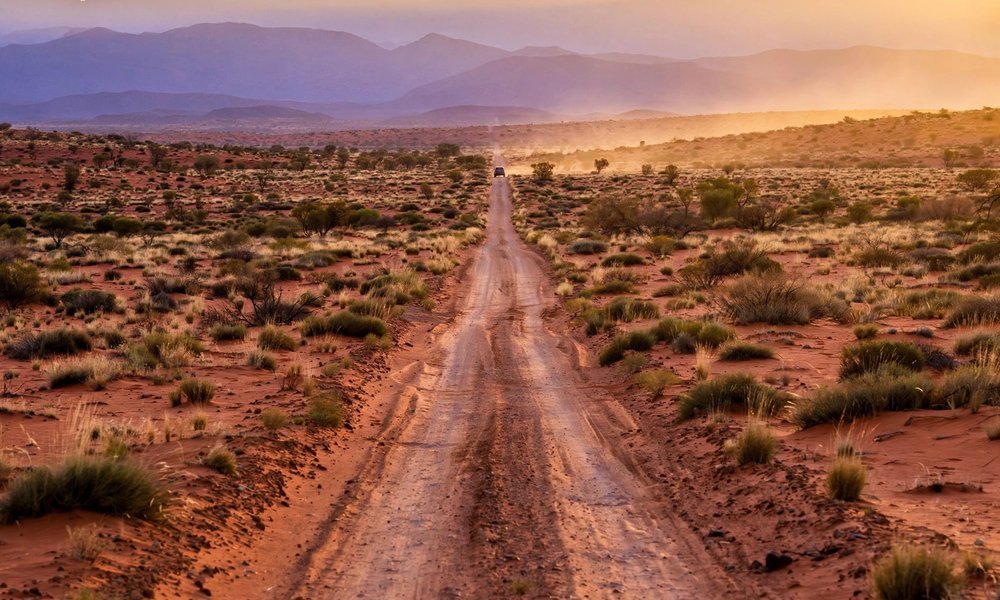
Uluru is the first thing most people picture when they think of Australia’s Red Centre. This giant sandstone monolith rises straight out of flat desert, visible for miles in every direction. Most people come for the rock itself. They stay for the walks, the art, the night skies, and Anangu culture running through it all.
Give yourself at least three days here. One day’s never enough. Trust me on that. There’s way more to do at Uluru than most visitors expect, and rushing it means missing the best bits. This guide from Australia City Guide covers the walks, lookouts, cultural experiences, tours and day trips actually worth your time.
Uluru Sunrise and Sunset: Best Lookouts
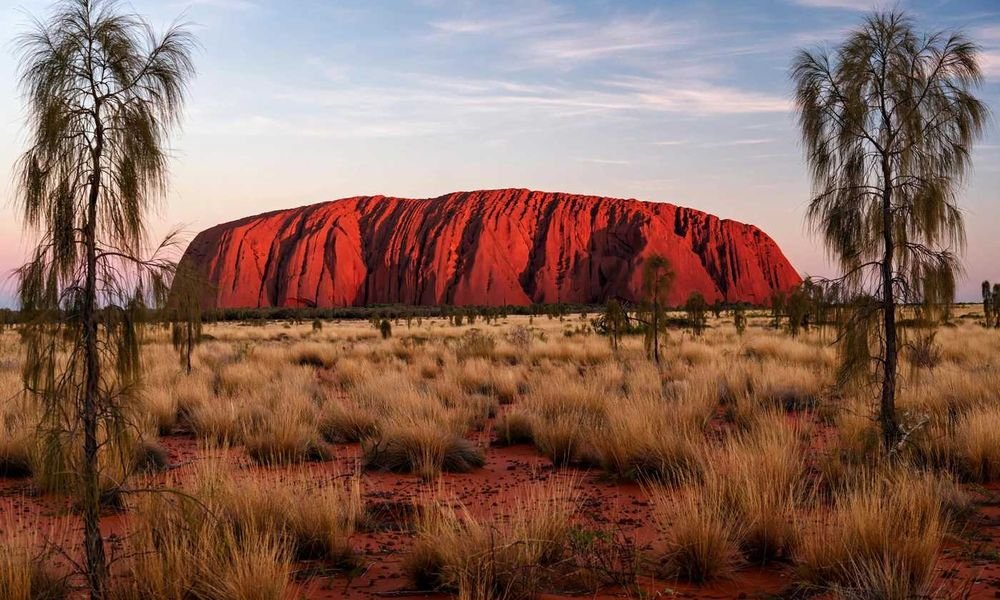
The colours of Uluru change all day. Shadows move across the rock face. The same view looks new every hour. But sunrise and sunset are the moments everyone remembers.
Talinguru Nyakunytjaku is the main sunrise viewing area. It sits east of the rock with a clear view as first light hits the face. It gets busy, so get there early. Wander a little along the trails to find a quieter spot among the spinifex.
The Uluru sunset viewing area sits on the western side. This is the classic postcard view. The rock glows deep red as the sun drops. There are separate areas for cars and tour buses because it gets crowded. Here’s a local trick: visit the sunset area at sunrise instead. It’ll be almost empty, and you’ll see the rock silhouetted against the morning sky.
Kata Tjuta has its own two lookouts. The dune viewing area suits sunrise, with a wide view across all 36 domes. The sunset viewing area sits closer to the rocks. They glow red in the last light. Try to catch at least one sunrise or sunset at Kata Tjuta as well as Uluru.
Uluru Base Walk: Trails Around the Rock
Walking is the best way to experience Uluru. The paths are flat and well marked. You’ll see caves, waterholes, rock art and the texture of the sandstone up close. Start early. The desert heat builds fast, and there’s bugger-all shade out there.
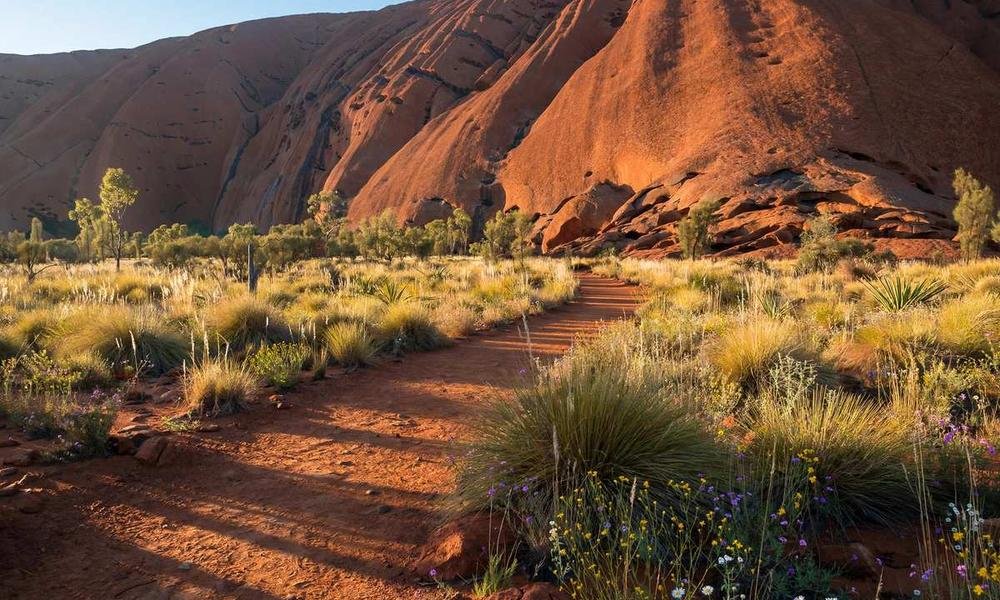
Mala Walk
The Mala Walk is short and sweet. About two kilometres return, roughly an hour with stops. You’ll pass shady trees, big red slopes and caves with deep cultural meaning. A free ranger-guided walk leaves from here each morning, so join it if you can. The rangers explain the Tjukurpa stories tied to the rock face, and it changes the whole walk.
Kuniya Walk
This is the easiest of the base walks. About one kilometre return, half an hour tops. The track leads to Mutitjulu Waterhole, a permanent water source sitting in the middle of the desert. Birds and butterflies gather here. Look for the rock art site near the waterhole. This country is deeply significant to the Anangu people, so stay on the marked track and follow the signs.
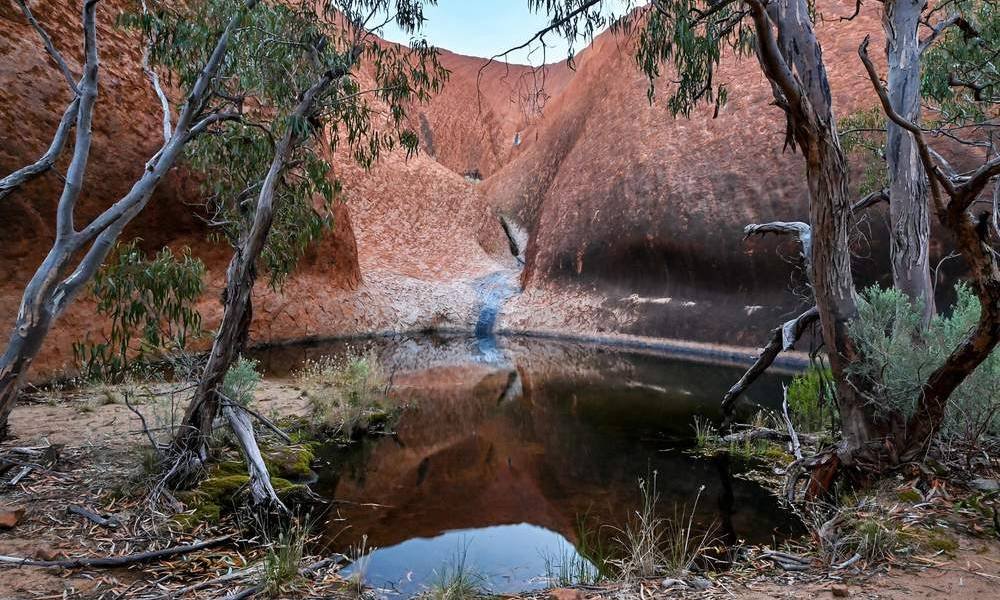
Lungkata Walk
From the Mala Walk area, the Lungkata Walk heads anticlockwise around the base. About four kilometres return, roughly 90 minutes. The rock formations along this stretch are something else. Deep grooves in the stone tell the story of ancestral beings. The walk finishes near Mutitjulu Waterhole, so it’s easy to combine with the Kuniya Walk.
Uluru Base Walk (Full Circuit)
If you’ve got the time and the legs, walk the full circuit. Just over ten kilometres, about three hours. The track hugs the rock in some sections and swings wide in others. You’ll see every side of Uluru and feel like you’ve actually seen the whole place. Start at sunrise. Take more water than you think you need.
Liru Walk and Dune Walk
The Liru Walk links the Cultural Centre to the Mala Walk area. About two kilometres each way, 30 minutes one way. It’s a good way to walk in to the rock from the Cultural Centre car park. The Dune Walk is very short, starting near the sunset bus area. It climbs into the dunes through native vegetation and gives you a feel for the desert country around the rock.
Kata Tjuta: Walks, Lookouts and Tours
Kata Tjuta sits about 50 kilometres from Uluru. Plenty of visitors skip it. Don’t. The 36 domes are spectacular in their own right. Here you walk through them, into gorges and between towering walls, instead of around one rock.
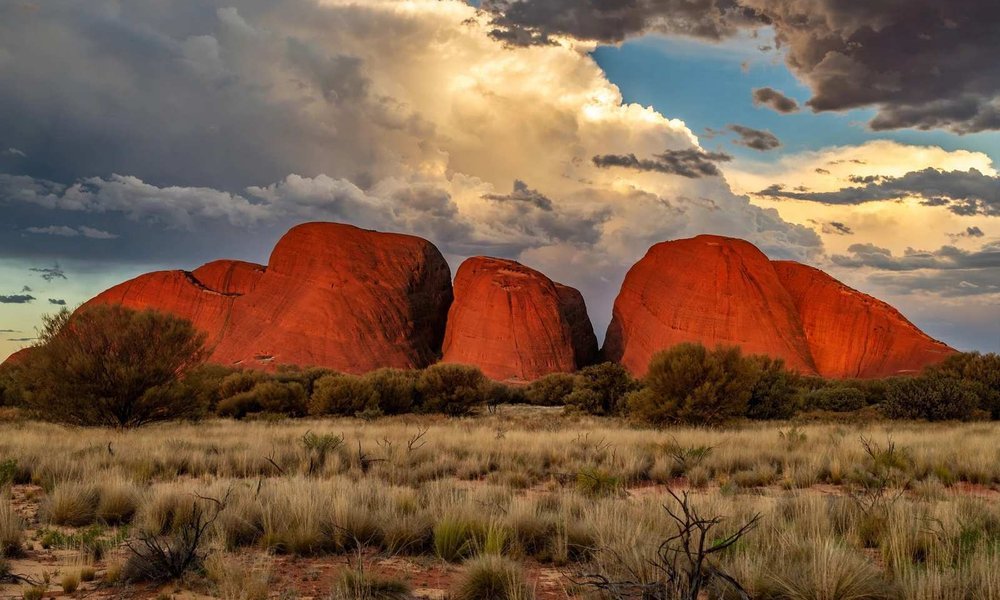
Walpa Gorge
Walpa Gorge is the most popular walk at Kata Tjuta. About 2.6 kilometres return, roughly an hour. You walk between the two highest domes into a cooler, greener gorge. A creek sometimes runs through the middle. Plants and birds thrive here because of the shelter. Easy one to fit into a morning.
Valley of the Winds
This is the deeper Kata Tjuta experience. The full walk is about 7 kilometres return, two to three hours. You head right in among the domes, with red country stretching out in every direction. Short on time? There’s a shorter option to the first lookout and back. One thing to know: parts of this area are especially sacred to the Anangu. Respect the signs asking visitors not to take photos in certain spots.
Experience Anangu Culture at Uluru
Uluru isn’t just a natural wonder. It’s a living cultural landscape. The Anangu people have cared for this country for tens of thousands of years. Tjukurpa, their law, history and way of life, is written into the rock itself. Take the time to learn about it. It’ll change how you see everything here.
Uluru-Kata Tjuta Cultural Centre
Start here. The Cultural Centre is built from local mud brick and sits near the base of Uluru. Inside you’ll find the Tjukurpa Tunnel, which explains the creation stories and law that guide Anangu life. There are also galleries run by Aboriginal-owned art organisations, with works on display and for sale. The centre has a cafe too, handy in the middle of a day of exploring. One rule: no photography inside the centre precinct.
Maruku Arts Dot Painting Workshop
Maruku Arts is owned and run by Aboriginal artists from the region. Their dot painting workshops run on the lawns near the resort shops. An artist explains the symbols and stories behind the work, then shows you the technique. Then you get to try it yourself. It’s one of the most hands-on cultural things to do at Uluru, and you leave with your own small artwork.
Gallery of Central Australia
Inside the Ayers Rock Resort, this small gallery shows work from Indigenous communities across the region. You’ll see large dot paintings, wood carvings and smaller traditional pieces. Most works are for sale, and the artist biographies help you understand the stories behind them. Entry is free.
Sold on the idea? Here’s how to plan it.
How many days do you need at Uluru?
Three days is the minimum that does the place justice. One day for the Uluru base walks and Cultural Centre, one for Kata Tjuta, one for a tour, the Field of Light or just a slower morning. With four or five days you can add Kings Canyon or simply take things at desert pace. One day isn’t enough. You’d miss Kata Tjuta entirely and rush everything else.
When is the best time to visit Uluru?
The cooler months, roughly May to September, are the most comfortable. Daytime temperatures suit walking, and the nights are crisp. This is also the busiest period, so book accommodation and tours well ahead. Summer brings extreme heat. Walks may close in the middle of the day for safety. Visiting in summer? Do everything early in the morning and rest through the afternoon. Still deciding when to travel? Our guide to what season it is in Australia helps you plan around the climate.
Where to Stay at Uluru: Yulara Accommodation Guide
Yulara is the only place to stay near the rock, about a 20-minute drive from Uluru. One resort town. One company running everything. The good news is there’s a real range of options.
Sails in the Desert is the top end. The most polished hotel in Yulara, with desert-inspired design and the best restaurant in town. Desert Gardens Hotel is the comfortable mid-range pick, with good rooms and a pool for hot afternoons. Emu Walk Apartments suit families and longer stays. Self-catering kitchens, separate bedrooms, washing machines. The Outback Pioneer is the budget choice, with both hotel rooms and a backpacker-style lodge. There’s also a campground in Yulara with powered and unpowered sites.
Peak season books out early. If you’re travelling between May and September, lock in your accommodation before you book anything else.
How much does it cost to visit Uluru?
Uluru isn’t cheap. But it’s manageable if you know where the money goes.
Accommodation is the big one. Yulara has no competition, so prices reflect that. Book early and choose the tier that suits your budget.
The park pass gets you into Uluru-Kata Tjuta National Park for multiple days. Check the Parks Australia site for current prices before you go.
Food costs more than in the cities. Everything is trucked in from a long way away. The supermarket in Yulara helps if you’re self-catering. Remember the free stuff: the walks, the Cultural Centre, the sunset viewing areas, the free resort activities and the bush food session. They cost nothing and they’re genuinely good.
Tours like the Field of Light, Sounds of Silence and scenic flights add up fast. Pick one or two that matter to you, and skip the rest.
Uluru Day Trips: Kings Canyon and the Red Centre
The Red Centre is bigger than one rock. If you’ve got extra days, these are the trips worth taking. For more off-track ideas across the country, see our guide to lesser-known spots around Australia.
Kings Canyon
Kings Canyon is the classic add-on. Its sandstone walls rise hundreds of metres from the valley floor. The Rim Walk is the highlight: a half-day circuit along the cliff tops with views into the canyon and across the desert. It’s a long drive from Uluru, so most people fold it into a Red Centre road trip rather than attempting a day trip. If you’ve only got time for one extra stop, make it this one. Love long outback drives? Our Sydney to Broken Hill road trip is another classic red-dirt journey.
West MacDonnell Ranges
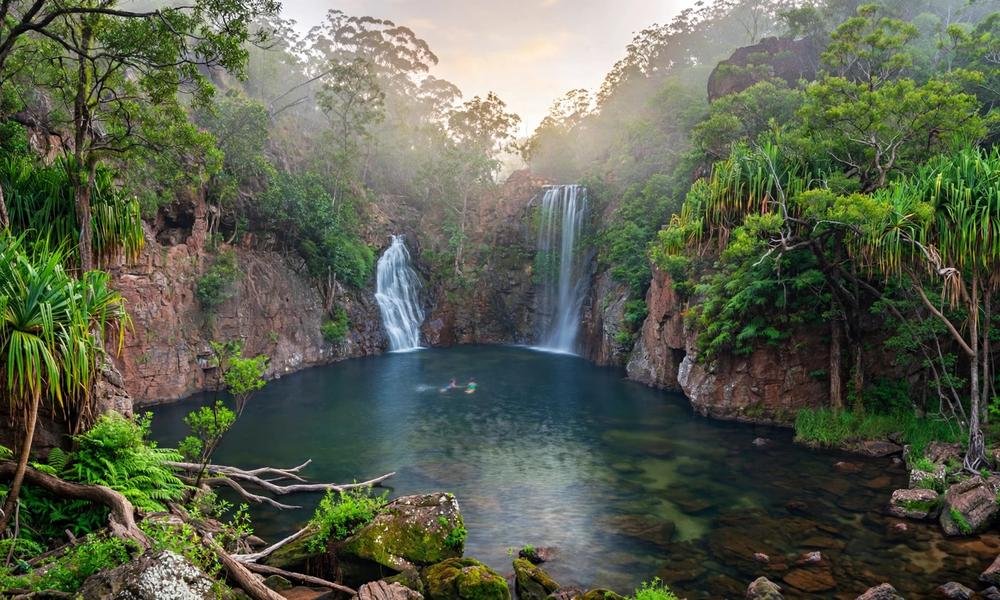
West of Alice Springs, this long mountain range hides gorges, waterholes and walking tracks. Ormiston Gorge and Glen Helen are the standouts for swimming and scenery. The Larapinta Trail runs through the ranges for experienced hikers. Too far for a comfortable day trip from Uluru, but it fits perfectly into a longer Red Centre journey.
Alice Springs
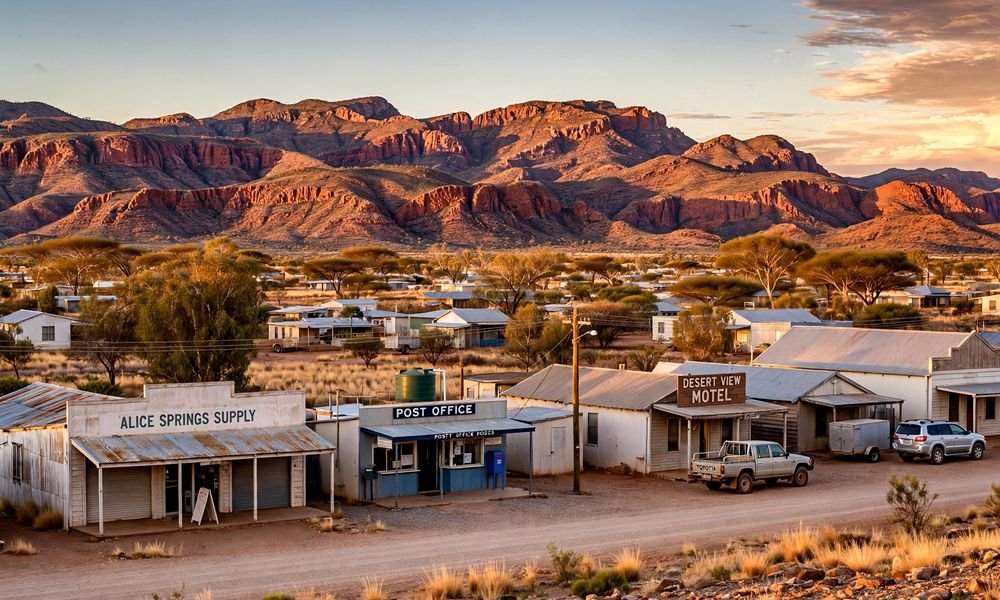
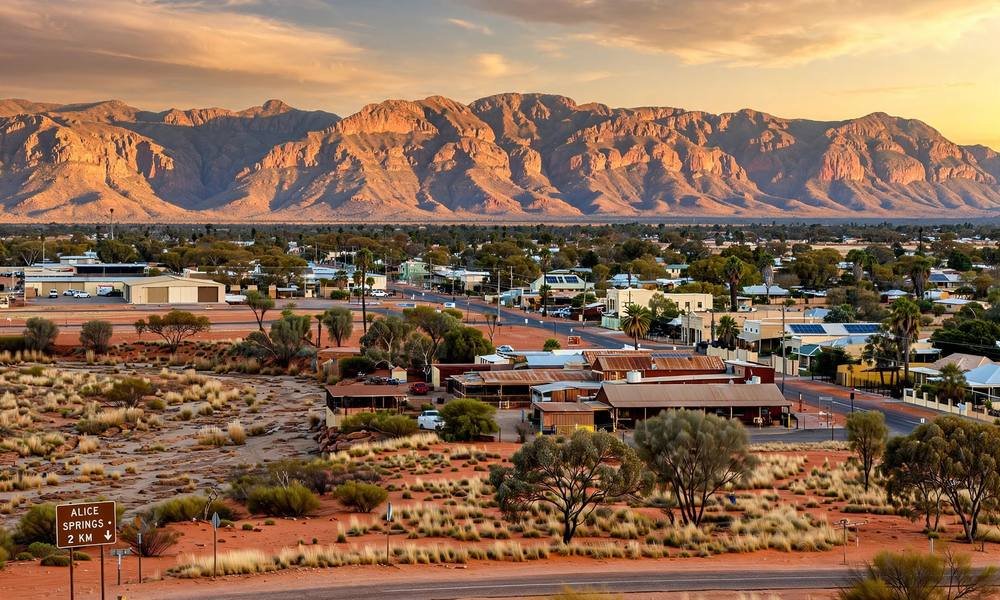
Most visitors fly into Alice Springs and drive to Uluru from there. The town has its own attractions: the historic Telegraph Station, the Desert Park, the School of the Air and the Royal Flying Doctor Service base. If your timing lines up with the Parrtjima light festival, plan around it. As a day trip from Uluru it’s very long, so treat Alice Springs as an overnight stop or the start of your trip instead.
Free Things to Do at Yulara
The resort town of Yulara runs free daily activities. Bush yarns share Indigenous stories. There are didgeridoo workshops, garden walks pointing out desert plants, and films in the Arkani Theatre. Check the activities board when you arrive. They are a good way to fill the hot middle of the day.
Planning’s sorted. Now for the experiences worth booking.
Field of Light Uluru: Night Art Installation
The Field of Light is an art installation by Bruce Munro. More than 50,000 small lights spread across the desert floor near Uluru. They switch on at sunset and slowly change colour through the night. It was meant to be temporary. It proved so popular that it stayed.
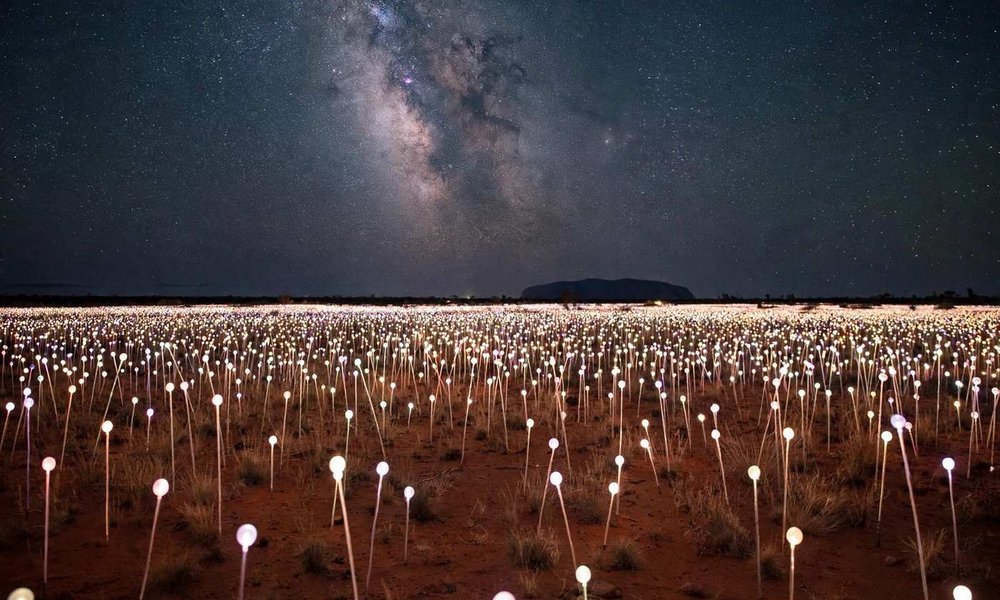
You can’t just drive up to it. Visits run by bus from Ayers Rock Resort. A few options: a sunset session with drinks and nibbles first, a later session that goes straight to the lights in the dark, or a sunrise visit with a hot drink. Book ahead. It sells out in the busy months.
Desert Dining at Uluru: Sounds of Silence and More
Sounds of Silence
This is the signature Uluru dinner. Drinks and canapes on a dune as the sun sets over the rock. Then tables set among the spinifex for a multi-course meal built around native Australian ingredients. Live music. A talk about the night sky. It runs about four hours and books out early in peak season.
Tali Wiru
Tali Wiru is the smaller, more exclusive version. A private dune, fewer guests, champagne at sunset and a four-course menu using native herbs and spices. It costs more, but the setting and the food are a step above.
Free Bush Food Experience
You don’t need to spend big to taste bush tucker. The resort runs a free daily bush food session at the Arkani Theatre, usually around the middle of the day when you want to be out of the sun anyway. A presenter explains how Anangu people have found food in this desert for thousands of years, with a cooking demonstration thrown in. Check the daily activities board at Yulara for times.
Uluru Tours: Camel Rides, Helicopter Flights and More
Uluru Sunrise Camel Ride
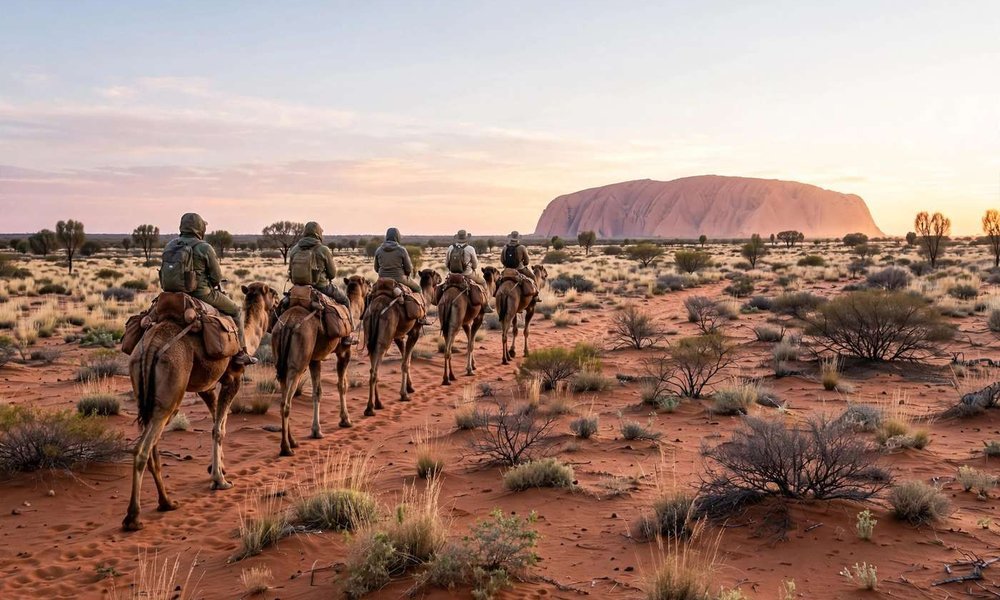
Camels carried explorers across this desert long before roads existed. A camel ride at sunrise is a gentle, memorable way to see the landscape. Most rides head out in the early morning or late afternoon light, and some include breakfast. The camel farm near Yulara also has other animals to meet if you visit during the day.
Cycling Around the Uluru Base
Walking the full base circuit takes hours. Cycling it takes far less time, and you still get right up close to the rock. You can hire bikes near the Cultural Centre. The track is flat and easy. Great option if you want the base walk experience but you’re short on time or energy.
Uluru Segway Tour
A guided Segway tour covers the base track with a guide explaining the highlights as you go. Faster than walking, more informative than cycling alone. If a Segway sounds gimmicky, it works surprisingly well out here on the smooth dirt paths.
Uluru Helicopter and Scenic Flights
Nothing prepares you for Uluru from the air. The rock looks completely different up there. You finally grasp its true shape and scale. You’ve got options: quick hops over Uluru, or longer trips that take in Kata Tjuta too. If you can stretch to the longer flight, do it. Kata Tjuta looks extraordinary from above.
Stargazing at Uluru
The desert sky at Uluru is some of the darkest in Australia. On a clear night, the Milky Way is bright enough to cast shadows. The resort runs stargazing sessions, and the Sounds of Silence dinner includes a star talk. Even just stepping outside your room at night, away from the lights, is worth it. Bring a jacket. Desert nights get cold, even after hot days.
Essential Uluru Tips: What to Know Before You Go
- You need a park pass to enter Uluru-Kata Tjuta National Park. Check the official Parks Australia site for current prices and multi-day options before you arrive.
- You can’t climb Uluru. The climb closed permanently in 2019 out of respect for Anangu culture and for safety reasons. Stay on the marked walks.
- Drones are banned throughout the national park. Leave it at home.
- Respect photography restrictions. Some areas are culturally sensitive. Obey the signs.
- Carry water everywhere. The desert heat is serious. Drink more than you think you need, and start walks early.
- Phone reception is limited. Download offline maps and save your bookings before you leave Yulara. Don’t rely on data in the park.
- Watch for wildlife. Kangaroos, dingoes and reptiles live here. Don’t feed any animal. Read our guide to Australia’s most dangerous animals before any outback trip.
- If it rains, you’re lucky. Waterfalls run over the rock face, which most visitors never see. Tracks can get muddy, so stick to the marked paths.
FAQs About Visiting Uluru
Why can’t you climb Uluru?
The climb closed permanently in October 2019. The Anangu traditional owners have always asked visitors not to climb, because the route crosses sacred sites. Safety was also a factor. The base walks give you a far richer experience of the rock anyway.
Can you fly a drone at Uluru?
No. The entire national park is a no-drone zone. Flying one is an offence, and permits are only considered in exceptional circumstances.
Can you swim in the waterholes at Uluru?
No. Swimming is not allowed. The waterholes are sacred sites and some of the only permanent water in the area, which wildlife depends on.
Is one day enough at Uluru?
No. One day only gives you a rushed look at the rock itself. You need at least three days to walk the base, visit Kata Tjuta and fit in the cultural experiences.
What happens if it rains while you’re at Uluru?
Consider yourself lucky. Rain brings waterfalls over the rock face and the wet stone shifts through deep reds, silvers and blacks. Most visitors never see it. Tracks can get muddy, so stay on the marked paths.
Is there phone reception at Uluru?
Reception around Yulara is patchy, and there’s almost none inside the national park. Download offline maps and save bookings before you head out.
What is the closest town to Uluru?
Yulara is the resort town right outside the national park, about a 20-minute drive from the rock. It has the accommodation, shops, fuel and tour departures. Alice Springs is the nearest major town, several hours away by road.