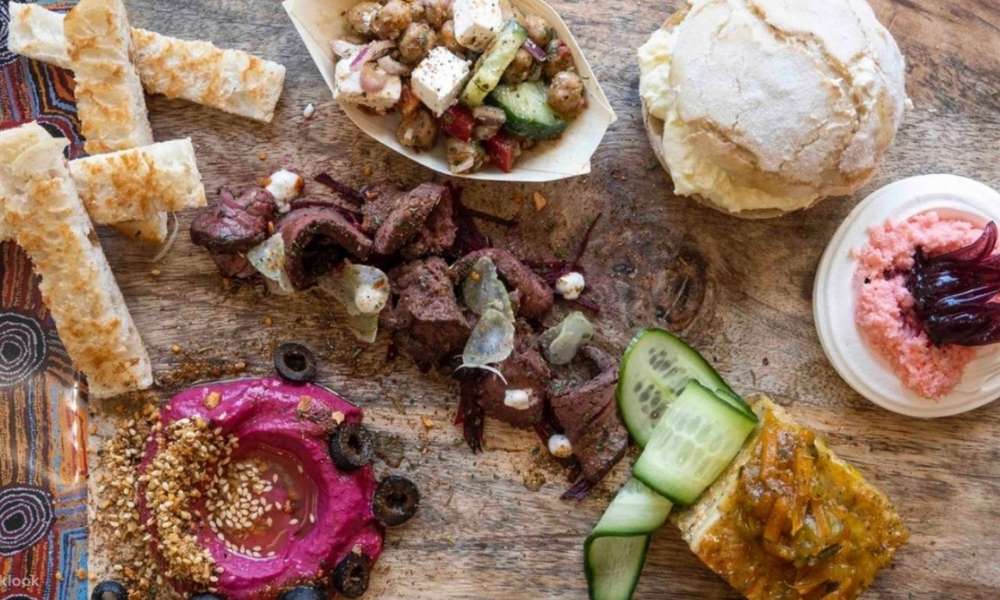

Australia has a fun and friendly food scene that reflects its beaches, multicultural cities, and laid-back lifestyle. When you visit this beautiful country, trying the typical Aussie food becomes part of the adventure.
From sweet treats to savoury snacks, there’s something special waiting at every corner. This guide from Australia City Guide will help you discover what makes eating Down Under so memorable and exciting.
What Is Typical Aussie Food?
Typical Aussie food brings together simple ingredients with bold flavours. Many dishes came from British roots but changed over time to match the warm climate and local tastes. Some foods became popular at sports games, beach trips, and backyard barbecues.
Others started as cafe treats or home recipes that everyone loved. Today, Australian food culture celebrates both traditional favourites and modern creations.
You’ll find comfort food alongside fresh seafood and tropical fruits. The best part is that most dishes are easy to eat and perfect for sharing with friends.
The 12 Best Typical Aussie Foods You Should Try
1. Lamington
This sponge cake covered in chocolate and rolled in coconut is a national treasure. Every bite gives you soft cake, sweet chocolate, and crunchy coconut flakes.
Bakeries across the country make them fresh daily. Some versions include jam or cream in the middle. They’re perfect with tea or coffee. Kids and adults both love these colourful squares at parties and gatherings.
2. Vegemite
This dark brown spread made from yeast extract divides opinions but defines Australia. Locals spread a thin layer on buttered toast for breakfast.
The salty, savoury taste takes some getting used to for visitors. It’s packed with B vitamins and has been a pantry staple since 1922. Many Australians grew up eating it and feel nostalgic about the flavour.
3. Fairy Bread
White bread, butter, and colourful sprinkles create this simple party food. It appears at every children’s birthday celebration. The combination sounds basic but tastes wonderful.
Making it takes just minutes and brings smiles to faces. Adults enjoy it too, remembering their childhood. It shows how Australians love fun, easy food that doesn’t need fancy ingredients.
4. Meat Pies
Golden pastry filled with minced beef and gravy makes the perfect handheld meal. You’ll find them at football games, service stations, and corner bakeries.
The flaky crust keeps the hot filling inside until you take a bite. Some people add tomato sauce on top. They’re affordable, filling, and ready to eat anywhere. No utensils needed for this iconic snack.
5. Pavlova
This meringue dessert with a crispy outside and soft marshmallow centre gets topped with whipped cream and fresh fruit. Passionfruit, strawberries, and kiwi are popular choices.
It’s named after a Russian ballerina who toured Australia. The dessert appears at Christmas dinners and summer celebrations. Light and sweet, it’s the perfect ending to any meal. Making one takes patience, but it tastes incredible.
6. Tim Tams
These chocolate biscuits consist of two malted cookies with chocolate cream filling, all covered in milk chocolate. Australians do the “Tim Tam Slam” by biting opposite corners and using it as a straw for hot drinks.
The biscuit melts slightly, creating a gooey treat. They come in different flavours like caramel and dark chocolate. Supermarkets always stock several varieties on their shelves.
7. Anzac Biscuits
Oats, golden syrup, and coconut combine to make these chewy cookies with historical significance. Soldiers received them during World War I because they stayed fresh during long journeys. The recipe remains simple and delicious today.
They have a wonderful texture that’s neither too hard nor too soft. Many families bake them at home following traditional recipes passed down through generations.
8. Barramundi
This white fish has firm, flaky meat and a mild, slightly sweet flavour. Chefs grill, pan-fry, or bake it with lemon and herbs. It’s caught in northern waters and considered a premium seafood choice.
The fish works well with Asian and Mediterranean flavours. Restaurants often feature it as a signature dish. It’s healthier than red meat and tastes fresh and clean.
9. Chicken Parmigiana
Breaded chicken schnitzel topped with tomato sauce, ham, and melted cheese defines pub food in Australia. It’s served with chips and salad on the side. Locals call it “parma” or “parmi” depending on the region.
The dish is huge, filling, and meant for sharing. Every pub has its own version. It’s comfort food at its best after a long day.
10. Sausage Sizzle
Grilled sausages served in white bread with onions and sauce are a weekend tradition. Hardware stores, schools, and community events host these fundraisers.
The smell of sizzling snags attracts people from far away. It costs just a few dollars and supports good causes. The combination is simple but satisfying. Democracy sausages at voting stations have become famously Australian.
11. Chiko Roll
This deep-fried snack roll contains cabbage, barley, carrot, and meat in a thick pastry. It was designed to be eaten with one hand at football matches.
The crunchy exterior gives way to a soft, savoury filling. Though not as popular as before, it remains a nostalgic favourite. You’ll find them at fish and chip shops. They’re uniquely Australian and unlike anything else.
12. Golden Gaytime
Despite the name, this is just an ice cream with vanilla and toffee covered in chocolate and honeycomb biscuit crumbs. The combination of textures makes every bite interesting. It’s been sold since 1959 and remains a summer favourite.
Kids line up at ice cream trucks hoping to hear the right chime. The name always makes visitors smile, and locals feel proud of their quirky humour.
Read Also: Top Places to Eat Port Douglas
Where Locals Usually Enjoy Aussie Favourites
Bakeries and Cafes
Corner bakeries sell fresh pies, sausage rolls, and lamingtons every morning. Cafes serve brunch favourites with excellent coffee.
These spots buzz with conversation and the smell of baking. Locals grab takeaway or sit outside enjoying the sunshine. It’s where communities meet and catch up daily.
Pubs and RSL Clubs
These venues serve chicken parmigiana, steaks, and cold drinks in relaxed settings. Sports play on big screens while friends gather around tables.
The atmosphere is casual and welcoming to everyone. Meals are generous and reasonably priced. It’s where Australians unwind after work and celebrate weekends together.
Beaches and Parks
Fish and chips, ice creams, and barbecued snags taste better outdoors near the ocean. Public grills let families cook their own food. Food trucks park near popular beaches, selling treats.
The combination of good food and beautiful scenery creates perfect memories. This is outdoor dining at its most Australian.
Markets and Food Festivals
Weekend markets showcase local produce, baked goods, and international cuisines. Food festivals celebrate specific dishes or regional specialties. Vendors offer samples and share cooking tips.
The variety is incredible, from typical Aussie food menu items to Thai restaurants in Australia. These events bring communities together over shared meals and discoveries.
Tips for First-Time Aussie Food Explorers
- Start with small portions to try many different items without getting too full
- Ask locals for recommendations about where to find the best versions of classic dishes
- Don’t judge Vegemite immediately – spread it very thinly on hot buttered toast for the real experience
- Visit local markets on weekends to discover fresh produce and regional specialities
- Try the Australian food list classics first before exploring fusion and modern interpretations
- Bring cash to small bakeries, as some don’t accept cards for small purchases
- Share meals at pubs because portions are usually large enough for two people
- Time your beach visits around meal times to enjoy fresh fish and chips by the ocean
- Keep an open mind about unusual combinations like beetroot on burgers
- Save room for dessert because pavlova and Tim Tams are worth the extra calories
Frequently Asked Questions
What is typical Aussie food for dinner?
Dinner often includes grilled meats, roasted vegetables, fresh salads, and seafood. Families enjoy barbecued steaks, lamb chops, sausages, or fish. Pub meals, such as chicken parmesan, are also popular evening choices.
What is the most popular food in Australia?
Meat pies hold the top spot as Australia’s most loved food. These handheld pastries, filled with meat and gravy, sell millions of units yearly. They’re eaten at sports events, lunch breaks, and as quick snacks throughout the day.
Do Australians really eat Vegemite every day?
Many Australians grew up eating Vegemite toast for breakfast and continue the habit. Others enjoy it occasionally. It’s definitely a household staple, though not everyone eats it daily. Visitors often find the taste challenging initially.
Where can I find authentic Australian food?
Local bakeries, neighbourhood pubs, and beachside fish shops serve the most authentic dishes. Avoid tourist-heavy areas and ask residents for their favourite spots. Markets and community events also showcase traditional foods prepared by local cooks.
Is Australian food spicy or mild?
Traditional Australian food tends toward mild flavours with emphasis on quality ingredients. However, the multicultural population means spicy options are widely available. You control the heat by adding sauces. Most classic dishes are family-friendly and not spicy.
Final Thoughts
Exploring Typical Australian Food opens a window into the country’s relaxed, friendly character. Every dish tells a story about history, community, and the joy of simple pleasures.
Whether you’re biting into a flaky meat pie at a football match or savouring pavlova at a summer party, you’re participating in traditions that Australians cherish.
The food might seem basic compared to complicated international cuisines, but that simplicity is the point.
It’s about good ingredients, honest flavours, and sharing meals with others. Don’t be afraid to try everything, ask questions, and enjoy the experience.
Food in Australia brings people together, creates conversations, and makes visitors feel welcome. Your taste buds will thank you for the adventure.