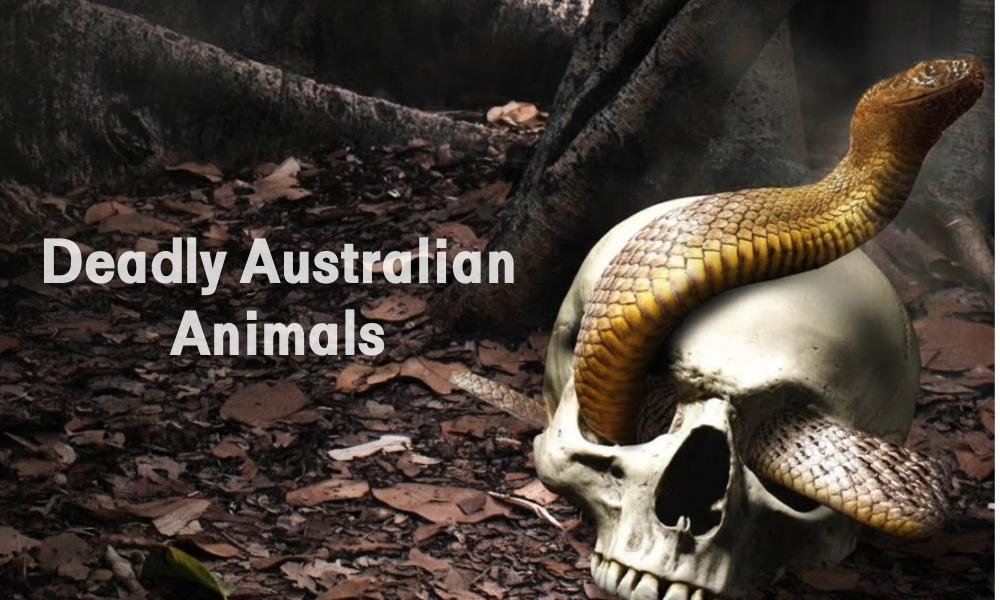

Australia is famous for many things: beautiful landscapes, friendly people, and, unfortunately, some pretty scary and deadly Australian Animals. When you think about visiting the land down under, you might wonder about the animals that call this place home.
The truth is, Australia does have some dangerous wildlife, but knowing about them helps you stay safe. This guide from Australia City Guide will show you which animals to watch out for and where they live.
Why Australia Has So Many Deadly Animals
Australia separated from other continents millions of years ago. This isolation meant animals evolved differently here than anywhere else on Earth.
The hot, dry climate in many areas forced creatures to develop strong defences to survive. Venomous snakes, spiders, and marine animals became common because these traits helped them hunt and protect themselves.
The country’s diverse environments, from tropical rainforests to deserts, created perfect homes for unique species.
Many of these animals developed potent venom or powerful bodies as survival tools. While this sounds frightening, remember that most Australian wildlife won’t bother you if you don’t bother them.
Top 10 Most Deadly Australian Animals
Box Jellyfish in Northern Coastal Waters
The box jellyfish floats in tropical waters during the summer months, especially around beaches in Australia’s northern regions. Its transparent body makes it nearly invisible in water.
The tentacles contain enough venom to kill a human within minutes. They drift close to shore, making swimming dangerous without protective clothing during certain seasons.
Saltwater Crocodile in Rivers and Estuaries
These massive reptiles live in northern rivers, swamps, and coastal areas. Saltwater crocodiles can grow over 20 feet long and weigh more than a ton.
They’re incredibly patient hunters who can launch surprise attacks from water. These prehistoric predators are responsible for several deaths each year, making them extremely dangerous near waterways.
Great White Shark in Open Ocean Zones
Great white sharks patrol Australia’s southern and western coastlines, particularly near seal colonies. These powerful fish can reach 20 feet in length and possess rows of razor-sharp teeth.
While attacks are rare, they do happen to surfers and swimmers. Most encounters occur in deeper waters where sharks hunt for their natural prey.
Sydney Funnel-Web Spider in Urban Gardens
This spider lives in and around Sydney, hiding under rocks and in garden spaces. The male funnel-web carries venom strong enough to kill a person in hours without treatment.
They’re aggressive when threatened and sometimes wander into homes. Fortunately, antivenom has prevented deaths since its development in the 1980s.
Inland Taipan in Remote Desert Areas
Living in central Australia’s dry regions, the inland taipan is the world’s most dangerous and poisonous animal when measuring venom toxicity.
One bite contains enough poison to kill 100 adults. Luckily, this shy snake lives far from cities and rarely encounters humans. No deaths have been recorded from this species.
Blue-Ringed Octopus in Tidal Pools
This tiny octopus, no bigger than a golf ball, hides in shallow coastal waters and rock pools. When threatened, bright blue rings appear on its body as a warning.
Its bite delivers venom that causes paralysis and can stop breathing. Despite its small size, it carries enough toxin to kill 26 adults.
Redback Spider in Sheds and Garages
Redback spiders love dark, quiet spots like outdoor toilets, sheds, and mailboxes across Australia. The female has a distinctive red stripe on her black body.
Her bite causes severe pain, sweating, and muscle weakness. Before antivenom existed, redback bites killed several people, but deaths are now extremely rare.
Eastern Brown Snake in Grasslands
The eastern brown snake slithers through fields, farms, and suburban areas along Australia’s east coast. This fast-moving snake is responsible for more deaths than any other snake in Australia.
It becomes defensive when surprised and strikes with lightning speed. Its venom affects blood clotting and the nervous system.
Stonefish in Shallow Reef Waters
Perfectly camouflaged as rocks on the ocean floor, stonefish wait for prey in tropical waters. Stepping on their venomous spines causes excruciating pain and can be fatal.
They live in shallow areas where people wade or swim. Wearing protective footwear when walking in reef areas prevents most injuries.
Irukandji Jellyfish in Tropical Seas
Even smaller than a thumbnail, the Irukandji jellyfish drifts in warm northern waters. Its sting might feel minor at first, but within 30 minutes, victims experience severe symptoms called Irukandji syndrome.
This includes extreme pain, nausea, and potentially heart problems. Spring in Australia brings warmer waters where these jellyfish become more active.
How These Animals Adapt to Their Environments
The deadliest Australian animals have developed amazing survival skills over thousands of years. Venomous creatures use their poison for two main purposes: catching food and defending themselves.
Snakes that live in dry areas developed heat-sensing abilities to hunt warm-blooded prey at night when it’s cooler.
Marine animals like jellyfish and octopuses use transparency and camouflage to hide from predators and surprise their prey.
Crocodiles have remained virtually unchanged for millions of years because their design works perfectly for ambush hunting.
Their eyes and nostrils sit on top of their heads, letting them watch while staying mostly underwater.
Spiders adapted to live close to humans because our buildings provide shelter and attract the insects they eat. Most deadly Australian animals species actually try to avoid people.
Their venom evolved to catch prey much smaller than humans, which explains why many defensive bites don’t release full doses of toxin.
Safety Tips When Living Near Deadly Animals
- Always wear shoes when walking through grass, especially in rural areas where snakes hide
- Check shoes, gloves, and clothing before wearing them if they’ve been sitting outside
- Never swim in northern rivers, estuaries, or waterways where crocodiles live
- Stay within patrolled areas at beaches and follow all warning signs about marine dangers
- Wear protective stinger suits when swimming in tropical waters during jellyfish season
- Keep your yard tidy by removing wood piles and debris where spiders and snakes shelter
- Learn basic first aid for bites and stings, including pressure immobilization techniques
- Don’t try to catch, kill, or handle any snake or spider you encounter
- Install screens on windows and door sweeps to keep creatures from entering homes
- Teach children to respect wildlife and maintain safe distances from all animals
- When exploring new areas, ask locals about specific dangers in that region
- Carry a first aid kit and know the location of nearest medical facilities during outdoor adventures
Frequently Asked Questions
Which country has the most dangerous animals?
Australia tops most lists for dangerous wildlife concentration, featuring venomous snakes, deadly spiders, dangerous marine life, and large predators. However, deaths from animal encounters remain rare due to medical advances.
What is Australia’s deadliest snake?
The eastern brown snake causes more human deaths than any other Australian snake species. It lives near populated areas and has highly toxic venom that attacks the nervous system rapidly.
What is the most hunted animal in Australia?
Wild rabbits are the most hunted animals in Australia, considered pests that damage crops and native ecosystems. Kangaroos are also legally hunted for population control and commercial purposes in certain regions.
What animal has killed the most humans ever?
Mosquitoes have killed more humans than any other animal throughout history by spreading deadly diseases like malaria, dengue fever, and yellow fever. They cause millions of deaths worldwide annually, even today.
Are shark attacks common in Australia?
Shark attacks in Australia are statistically rare, with only one to three fatalities annually despite millions of people swimming. Most encounters involve mistaken identity when sharks confuse surfers for seals.
Conclusion
Understanding dangerous Australian wildlife doesn’t mean living in constant fear. Most Australian explorers and residents go their entire lives without serious encounters with these creatures.
The key is education, respect, and common-sense precautions. Australia’s unique animals are part of what makes this country special and fascinating.
When you know where these animals live and how they behave, you can enjoy everything Australia offers while staying safe.
From the Great Barrier Reef to the Outback, this incredible country welcomes millions of visitors each year who leave with amazing memories and no dangerous animal encounters.
Respect nature, follow safety guidelines, and you’ll discover why Australia remains one of the world’s most beloved destinations.