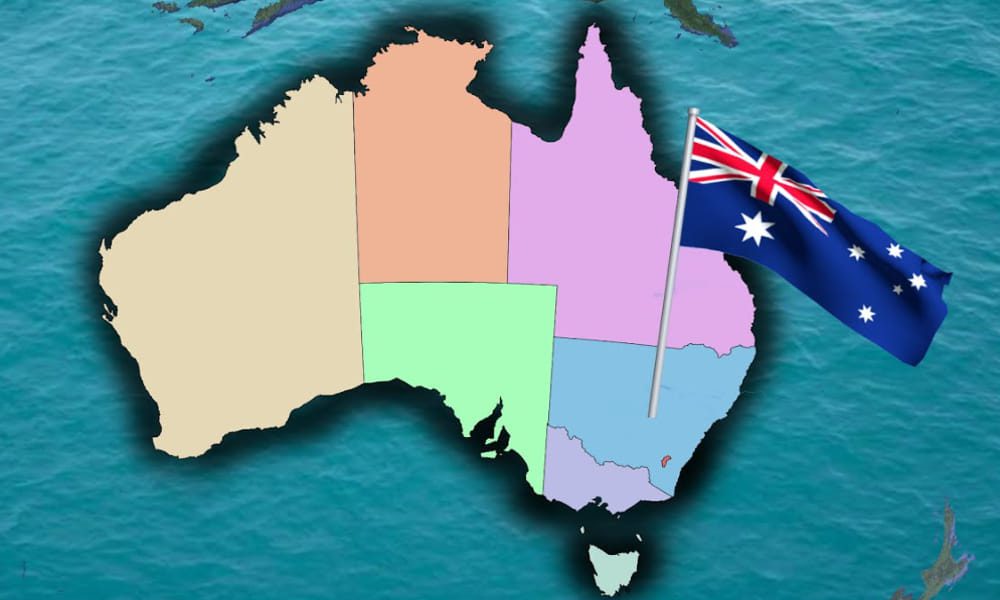

Australia stands as one of Earth’s most fascinating lands. This massive island continent sits entirely in the Southern Hemisphere, surrounded by endless ocean waters. From red deserts to tropical rainforests, the land down under showcases nature’s incredible variety.
The country stretches almost 4,000 kilometres from east to west, making it the world’s sixth-largest nation. Ancient rocks, unique wildlife, and dramatic landscapes tell stories millions of years old. Understanding this remarkable place helps us appreciate how land shapes life, culture, and daily routines.
The World’s Largest Island and Smallest Continent
Australia holds a special title that no other place can claim. It’s the biggest island on the planet while also being the smallest continent. The landmass covers about 7.7 million square kilometres of Earth’s surface. Three oceans touch its shores: the Pacific, Indian, and Southern. This isolation created something magical over millions of years, allowing plants and animals to develop differently from anywhere else on Earth.
A Land Mostly Made of Desert
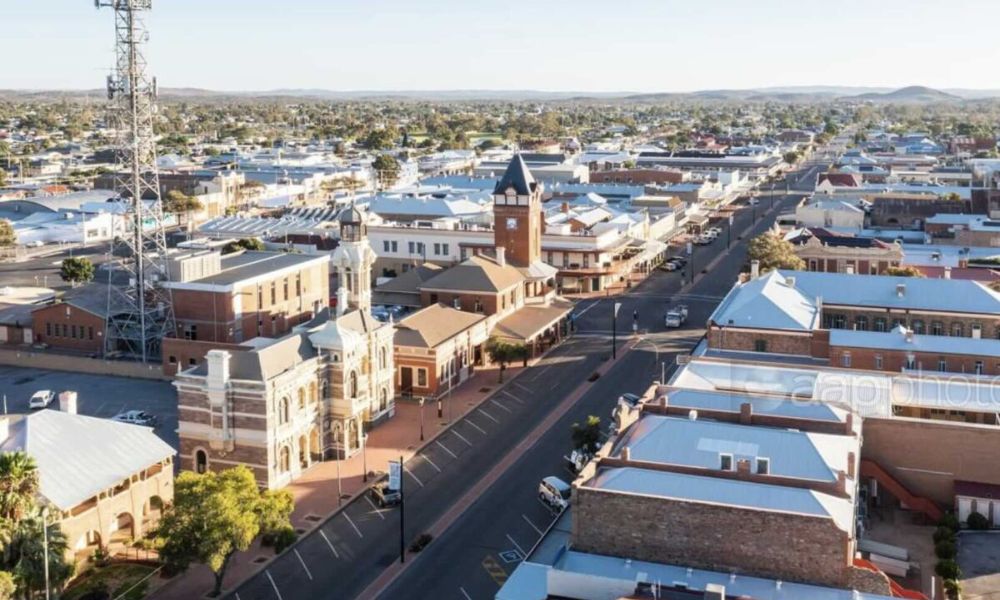
Red sand and sparse vegetation dominate much of the interior. Roughly 70% of the country receives very little rainfall each year. The Outback, as locals call it, stretches endlessly with temperatures soaring above 40 degrees Celsius in summer. Despite harsh conditions, this environment supports unique life forms. Many Australian inventions came from people learning to survive and thrive in these challenging conditions. The desert regions remain largely uninhabited but hold cultural significance for Indigenous communities.
Home to the World’s Longest Fence
The Dingo Fence runs for an incredible 5,614 kilometres across the southeastern part of the country. Built to protect sheep from wild dogs, this structure ranks as one of humanity’s longest constructions. It stretches from Queensland through South Australia, crossing multiple states. Workers maintain this barrier constantly, replacing posts and wire damaged by weather and animals. The fence demonstrates how geography influences farming practices and wildlife management in remote areas.
The Great Barrier Reef Marvel
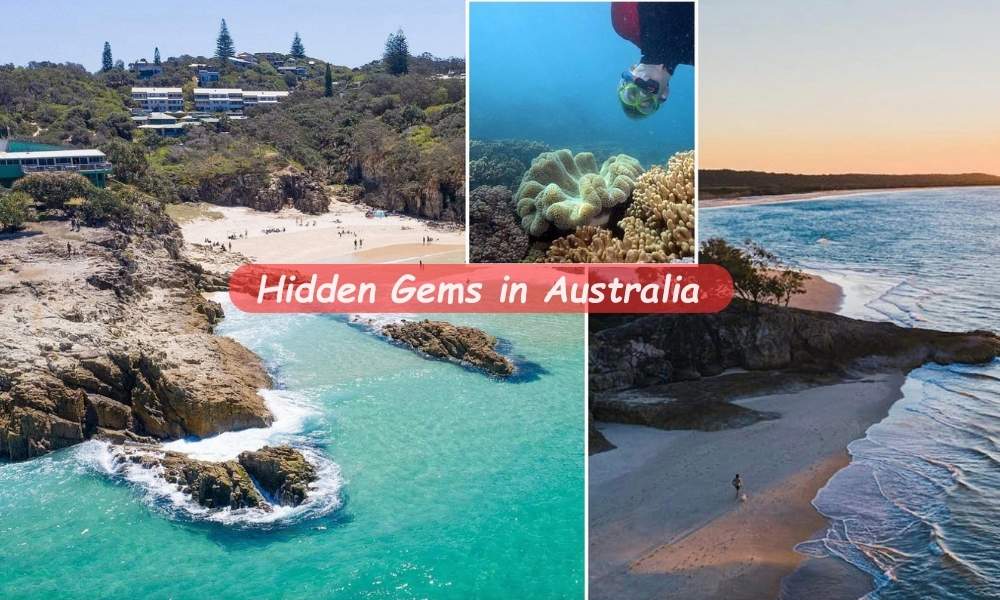
Off the northeastern coast lies the planet’s largest living structure. The Great Barrier Reef spans over 2,300 kilometres and contains billions of tiny organisms called coral polyps. Astronauts can see this natural wonder from space without any special equipment. The reef system includes 900 islands and supports thousands of marine species. Warm tropical waters and perfect conditions created this ecosystem over millions of years. Swimming among colourful fish and coral formations attracts millions of visitors annually.
Ancient Geological Treasures
Some rocks here are among Earth’s oldest, dating back over 3 billion years. The continent broke away from other landmasses about 45 million years ago, drifting northward slowly. This movement continues today at roughly seven centimetres per year. Uluru, the massive red rock formation in the centre, stands 348 meters tall and holds deep spiritual meaning. The landscape preserves geological history better than most places because tectonic activity remains relatively calm compared to other continents.
Extreme Weather Patterns and Climates
The country experiences nearly every climate type imaginable. Tropical monsoons drench the north during summer months, while snow blankets the southern mountains in winter. Tasmania enjoys cool temperate weather year-round, perfect for hiking and outdoor activities. Australian geographic zones range from arid deserts to lush rainforests within relatively short distances. Droughts and floods can affect the same regions in different years, creating challenges for farmers and city planners alike.
Unique Position Below the Equator
Being entirely in the Southern Hemisphere means seasons work opposite to North America and Europe. Christmas falls during hot summer weather, while July brings cold winter temperatures. The sun moves across the northern sky rather than the southern. Stars visible here, like the Southern Cross, cannot be seen from northern countries. This positioning affected how Australian explorers navigated and mapped the continent centuries ago, using different constellations as guides.
Mostly Coastal Population Distribution
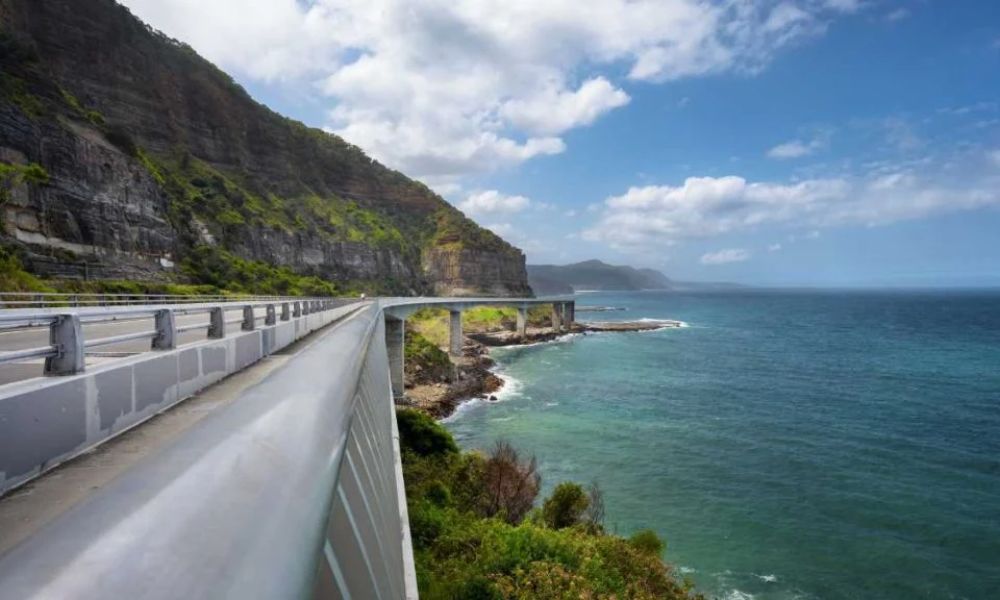
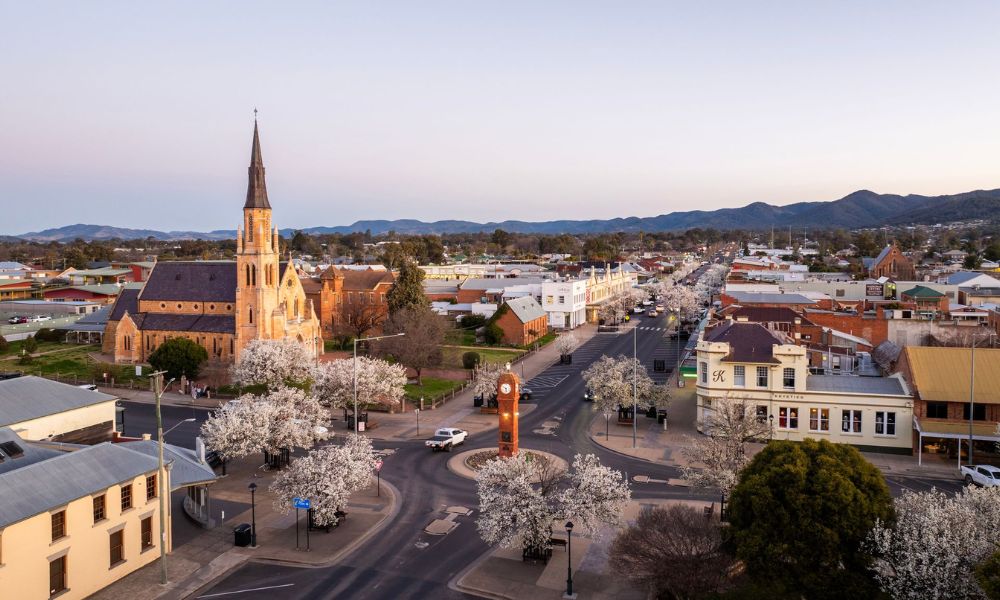
Over 85 percent of people live within 50 kilometers of the ocean. The coastline stretches for nearly 26,000 kilometers, offering countless beaches and harbors. Australia’s beautiful cities like Sydney, Melbourne, and Brisbane hug the eastern seaboard, where rainfall is more reliable. The interior remains sparsely populated due to extreme heat and water scarcity. This pattern started when European settlers arrived, choosing coastal areas for easier access to shipping routes and milder weather conditions.
How Geography Shapes Daily Life
- Beach culture dominates recreational activities with surfing, swimming, and coastal walks being weekend favorites
- Long distances between cities make flying the preferred travel method for interstate trips
- Outdoor barbecues and gatherings happen year-round thanks to generally mild weather in coastal regions
- Deadly wildlife awareness becomes second nature, from checking shoes for spiders to watching for snakes
- School holidays align with seasons differently, with the longest break occurring in December and January
- Farmers depend heavily on unpredictable rainfall patterns, requiring careful planning and drought preparation
- Remote communities rely on flying doctors and distance education for essential services
- Bushfire preparedness remains a constant concern during hot, dry summer months in many areas
Frequently Asked Questions
What is the geography of Australia?
Australia features diverse geography including vast deserts, tropical rainforests, mountain ranges, extensive coastlines, and the Great Barrier Reef, making it the world’s smallest continent and largest island.
What are the geographic areas of Australia?
The country divides into regions: the arid Outback interior, fertile eastern coastal plains, tropical northern areas, temperate southern zones, and mountainous southeastern regions including the Australian Alps.
Why is Australia so dry?
High-pressure systems dominate the interior, blocking moisture from reaching inland areas. Mountains along the coast trap rain, leaving the center with minimal precipitation throughout the year.
What makes Australia’s geography unique?
Complete isolation as an island continent allowed unique evolution, ancient stable geology, extreme climate variety within one landmass, and the Southern Hemisphere’s largest country with distinctive landforms.
How does geography affect Australian culture?
Coastal living shapes beach-oriented lifestyles, vast distances influence travel habits, harsh interior conditions created resilience, and unique landscapes inspire art, literature, and strong environmental awareness among citizens.
Final Words
Australia is unique because its geography touches every part of life. The land controls how people live, travel, and work. From deserts to lively coasts, the country offers strong contrasts in a single place. Its old land and natural isolation helped create rare wildlife and strong cultural ties to nature.
Explore more facts about Australia at Australia City Guide and continue discovering what makes this country special. Learning these facts helps people appreciate how nature and humans continue to shape Australia together.