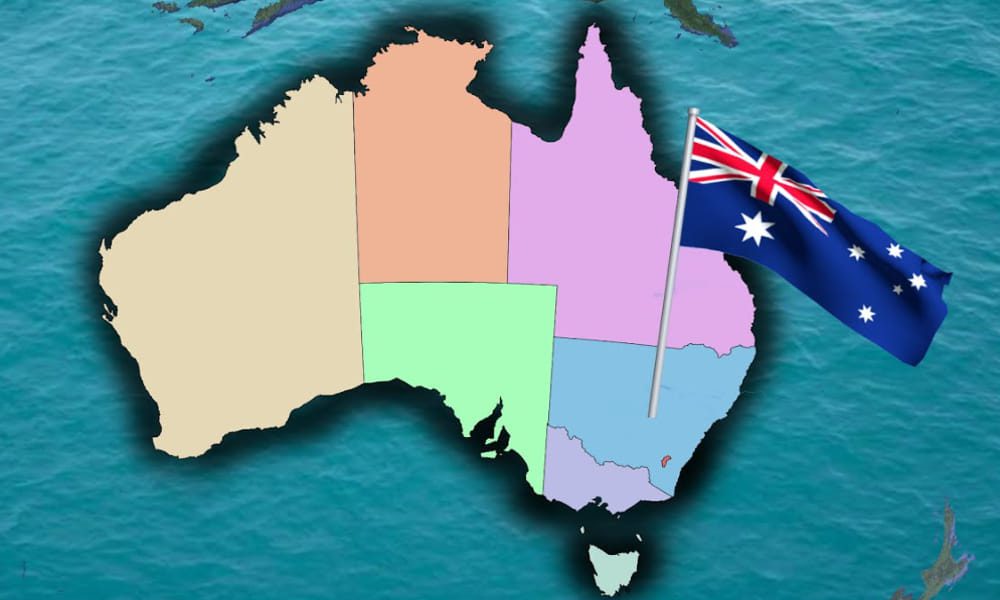

Australia has given the world much more than kangaroos and beautiful beaches. This island nation has produced some of the most practical and life-changing inventions that we use every day.
From medical breakthroughs to technology that connects billions of people, Australian creativity has shaped modern life in ways you might not expect. These innovations prove that great ideas can come from anywhere, even from a country located far from traditional innovation centres.
Why Australia Is a Hub for Innovation
Australia’s unique position as an isolated continent pushed its people to think differently and solve problems creatively. The harsh environment and distance from other nations meant Australians had to develop their own solutions rather than wait for imports. This spirit of self-reliance created a culture where inventors felt encouraged to experiment and take risks.
The country’s excellent education system and research institutions have played a major role too. Universities across Australia invest heavily in science and technology programs. Government support for research and development has helped turn brilliant ideas into real products.
The multicultural society brings together diverse perspectives, leading to fresh approaches to old problems. This combination of necessity, education, and cultural diversity makes Australia a natural birthplace for innovation.
The Best Australian Inventions of All Time
1. Prepaid Postage – 1838
James Raymond created the first adhesive postage stamps in Sydney, changing how people sent letters forever. Before this invention, recipients paid for mail delivery, which caused many problems. His simple idea made sending letters easier and more reliable, helping communication grow across long distances in the expanding colony.
2. Electric Drill – 1889
Arthur James Arnot and William Blanch Brain designed the world’s first electric drill in Melbourne. This powerful tool transformed construction and manufacturing industries worldwide. Workers could now complete tasks in minutes that previously took hours with hand-powered tools, revolutionising how buildings were constructed and products were made.
3. Notepad – 1902
J.A. Birchall from Tasmania invented the notepad by backing paper with cardboard and binding sheets together at the top. This simple creation became essential for students, offices, and homes everywhere. The notepad remains one of the most used office supplies globally, proving that simple ideas often have the biggest impact.
4. Feature Film – 1906
The world’s first full-length narrative film, “The Story of the Kelly Gang,” was made in Melbourne. Running over an hour long, it pioneered storytelling through cinema. This achievement launched the global film industry, showing that movies could tell complete stories and entertain audiences for extended periods.
5. Black Box Flight Recorder – 1958
David Warren invented the flight data recorder after a tragic plane crash. His device records cockpit conversations and flight information, helping investigators understand what happens during accidents. This invention has saved countless lives by improving aircraft safety standards worldwide, making air travel much safer for everyone.
6. Ultrasound Scanner – 1961
David Robinson and George Kossoff developed the first commercially practical ultrasound scanner for medical use. Their invention allows doctors to see inside the human body without surgery. Millions of parents have seen their babies before birth thanks to this technology, which also helps diagnose various medical conditions safely.
7. Cochlear Implant – 1978
Graeme Clark created the bionic ear, giving hearing to thousands of deaf people worldwide. His multi-channel cochlear implant changed lives by allowing people to hear sounds they never experienced before. This medical breakthrough continues helping people connect with the world through sound.
8. Polymer Banknotes – 1988
The Reserve Bank of Australia introduced plastic money that lasts longer and fights counterfeiting better than paper currency. These durable notes resist water and tearing while incorporating advanced security features. Over twenty countries now use this Australian technology for their currency.
9. WiFi Technology – 1992
A CSIRO team led by John O’Sullivan developed technology that became essential for modern WiFi. Their work on radio astronomy unexpectedly solved problems in wireless communication. Today, billions of devices connect to the internet wirelessly because of this breakthrough, transforming how we work and communicate.
10. Google Maps – 2003
Danish-Australian brothers Lars and Jens Rasmussen created the mapping technology that became Google Maps. Their company, Where 2 Technologies, developed the software that helps millions navigate daily. This invention changed how people find locations, plan trips, and explore new places around the globe.
11. Spray-on Skin – 1999
Fiona Wood developed this revolutionary treatment for burn victims that speeds healing and reduces scarring. Her invention sprays skin cells directly onto wounds, helping them heal faster. This breakthrough has saved lives and improved recovery for countless burn patients worldwide.
12. Triton Artificial Gills – 2016
Designer Jeabyun Yeon conceptualised a breathing device for underwater use without heavy tanks. While still developing, this invention promises to revolutionise diving and underwater exploration. The concept shows how Australian inventors continue pushing boundaries in every field.
13. Self-Righting Lifeboat – 2018
Australian naval architects developed lifeboats that automatically flip upright if capsized in rough seas. This safety feature protects people during maritime emergencies when conditions are most dangerous. The technology has been adopted by maritime organisations worldwide.
14. Smart Pacemaker – 2019
Australian researchers created pacemakers that adjust automatically to patient activity levels and medical needs. These devices communicate with doctors remotely and last longer than traditional models. This advancement in cardiac care improves the quality of life for heart patients everywhere.
How Australian Inventions Impact the Global Economy
Australian innovations contribute billions of dollars to the world economy each year. WiFi technology alone generates hundreds of billions in economic value globally. Companies worldwide license Australian patents, creating jobs and driving technological progress. The polymer banknote technology has reduced counterfeiting costs for nations that adopted it.
Medical inventions like the cochlear implant and spray-on skin have created entire industries supporting manufacturing, research, and healthcare services. These technologies save healthcare systems money while improving patient outcomes. The black box flight recorder has prevented countless aviation disasters, protecting the trillion-dollar airline industry.
Innovation continues to be a major export for Australia. The country ranks among the top nations for research quality and patent applications per capita. International companies invest heavily in Australian research facilities, recognising the country’s ability to produce practical solutions. This cycle of invention and commercialisation strengthens Australia’s economy while benefiting people worldwide.
Best Australian Inventors and Their Inventions in History
Howard Florey – This Nobel Prize winner helped develop penicillin into a practical medicine during World War Two. His work on mass production saved millions of lives and launched the antibiotic revolution in medicine.
Elizabeth Kenny – She revolutionised polio treatment by developing new therapy methods that challenged the medical establishment’s thinking. Her techniques helped thousands of children recover movement and avoid permanent disability from this devastating disease.
Mark Oliphant – A nuclear physicist who contributed to radar development and atomic research during wartime. His scientific work advanced the understanding of atomic particles and influenced the development of particle accelerators used in modern research.
Victor Chang – This cardiac surgeon pioneered heart transplant techniques and developed artificial heart valves. His medical innovations extended countless lives and advanced cardiac surgery worldwide before his tragic death in 1991.
Ian Frazer – He co-invented the HPV vaccine that prevents cervical cancer, saving thousands of lives annually. This breakthrough in preventive medicine demonstrates how Australian medical research continues to protect global health.
May Holman – While known as a politician, she invented improvements to agricultural equipment and supported female inventors. Her work highlighted contributions of women to Australian innovation during times when recognition was rare.
The Future of Australian Innovation
Australia continues building on its legacy of practical innovation with exciting developments across multiple fields. Research institutions are tackling climate change, healthcare challenges, and technological advancement with renewed energy. The government has committed to supporting science and technology sectors through increased funding and policy reforms.
Future innovations will likely focus on these key areas:
- Renewable energy solutions that harness Australia’s abundant sunshine and wind resources efficiently
- Agricultural technology is improving crop yields while reducing water usage in dry climates
- Quantum computing advances that could revolutionise data processing and security systems globally
- Marine conservation tools protecting the Great Barrier Reef and ocean ecosystems worldwide
- Space technology development as Australia expands its presence in satellite and space exploration
- Artificial intelligence applications solving uniquely Australian challenges in healthcare and infrastructure
- Biotechnology breakthroughs are creating new treatments for diseases affecting global populations
- Clean water technologies addressing scarcity issues both domestically and in developing nations
Frequently Asked Questions
What are 5 Australian inventions?
The most notable Australian inventions include WiFi technology, the black box flight recorder, cochlear implants, ultrasound scanners, and polymer banknotes that are used worldwide today.
What did the Australians invent?
Australians invented numerous practical items, including the electric drill, notepad, spray-on skin for burns, self-righting lifeboats, and the world’s first feature film in 1906.
What technology is Australia known for?
Australia is globally recognised for WiFi technology, medical imaging equipment like ultrasound scanners, cochlear implants for hearing, flight safety devices, and mapping software innovations.
Who is the most famous Australian inventor?
Howard Florey stands out as he helped develop penicillin production, saving millions worldwide. Other notable inventors include David Warren, Graeme Clark, and the CSIRO WiFi team.
Are there books about Australian inventions?
Yes, several publications document Australian innovations and their inventors. These books celebrate the country’s contribution to science, medicine, and technology throughout history and continue to be published.
Conclusion
Australian inventions have touched nearly every aspect of modern life, from the money in your wallet to the WiFi connecting your devices. The inventive spirit that drove early Australian explorers and settlers continues today in laboratories, workshops, and research centres across the continent.
Looking through any Australian inventions timeline reveals a pattern of practical solutions to real problems. Whether you’re interested in an Australian inventions book or just browsing through resources like the Australia City Guide, you’ll discover that Aussie inventions have made life better for billions.