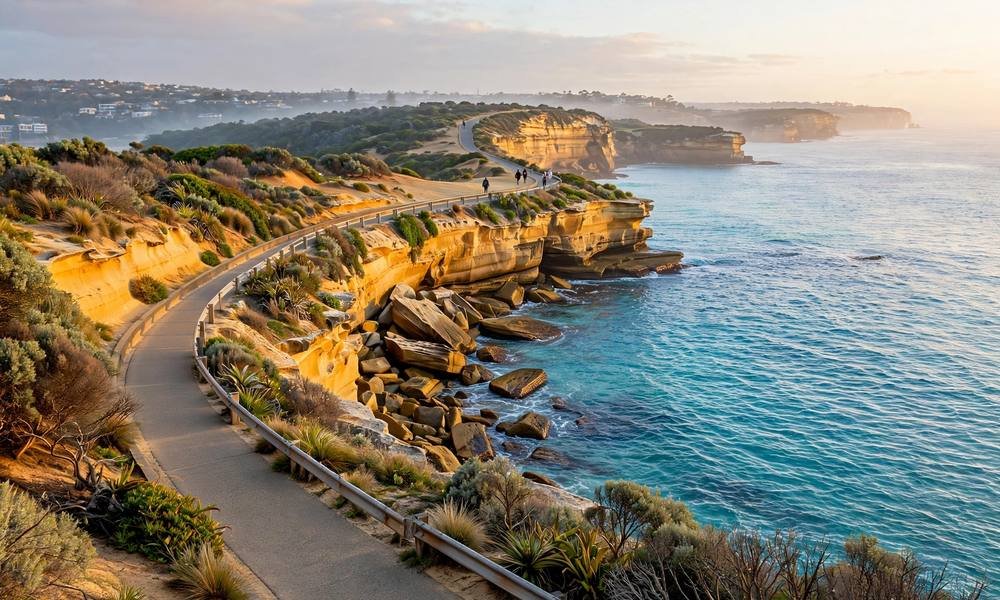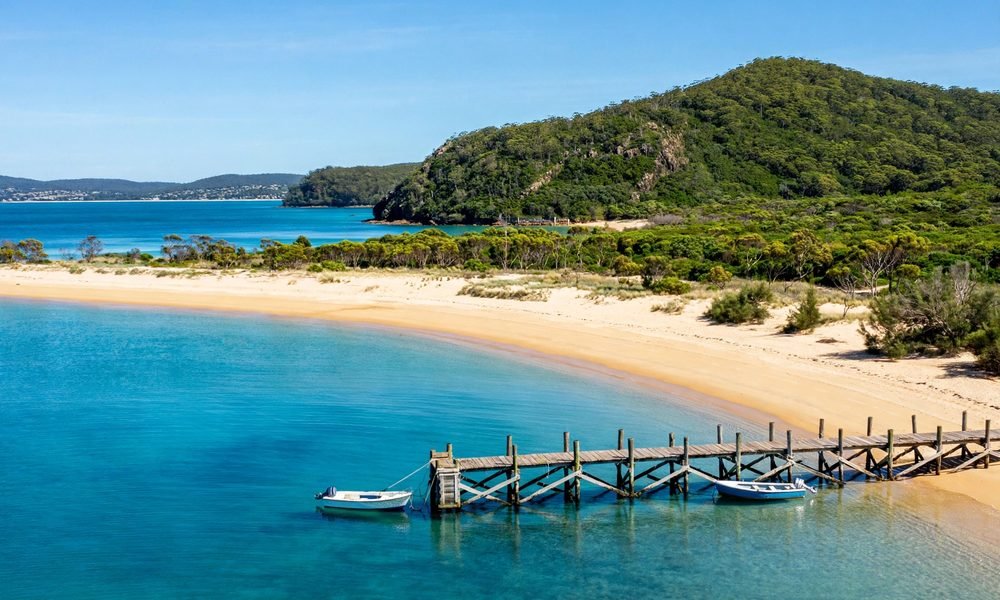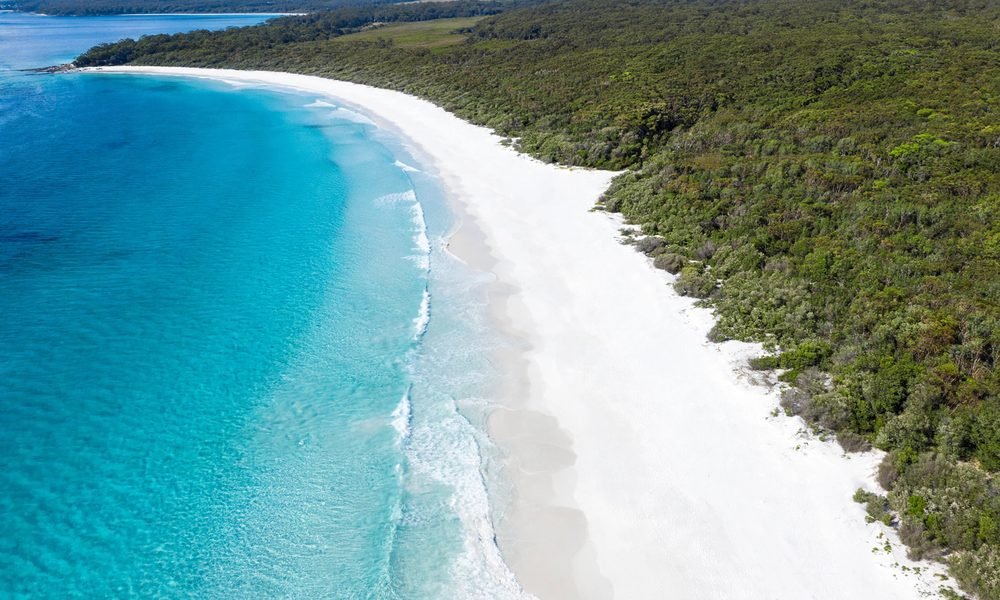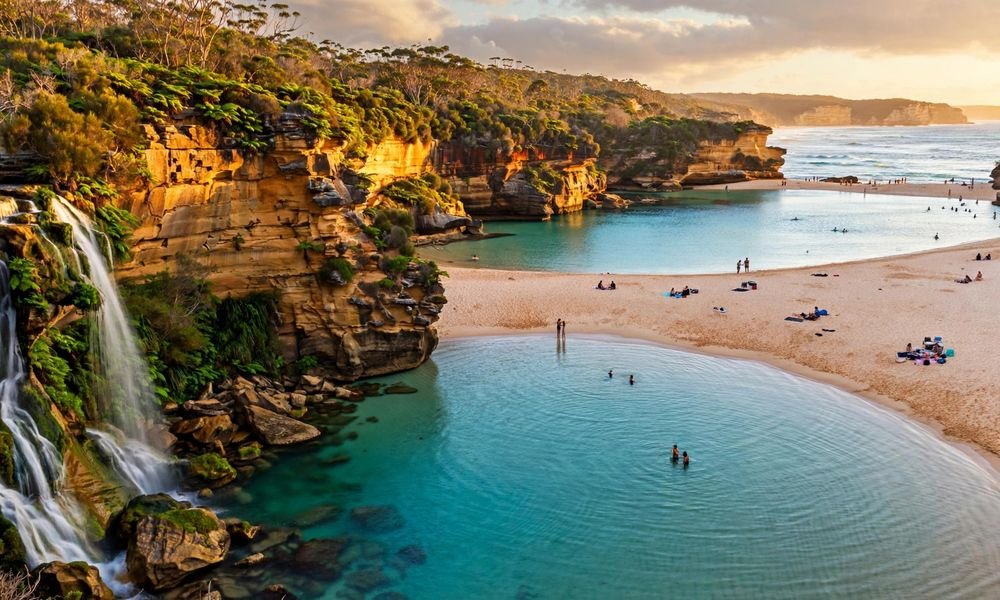

Just 36 kilometres south of Sydney, New South Wales holds a park that is older than almost every other national park on Earth. Royal National Park was established in 1879, which makes it the second oldest national park in the world and the oldest in Australia. It covers more than 15,000 hectares of coast, forest, rivers and heath, and it packs in beaches, waterfalls, lookouts, camping grounds and over 150 kilometres of walking tracks. This guide covers the best things to do, the best walks for every fitness level, where to stay, how to get there and how to plan your days, so you can enjoy the park without missing its best parts.
Most visitors come from Sydney for a day trip, and that works well for the highlights. But the park rewards a slower visit too. If you have two days, you can walk the full Coast Track, swim in calm pools and watch the sunset from a clifftop. Use this guide to pick the areas that suit you, and check current alerts before you go, because tracks and campgrounds can close at short notice.
Why Royal National Park Is Worth a Visit
Royal National Park is special for three reasons. First, it is huge and varied. In one park you can walk along sandstone cliffs, swim in a lagoon, paddle a river, cross rainforest and stand above waterfalls that drop into the sea. Second, it is easy to reach. You can drive there in about an hour from central Sydney, or take a train and ferry without a car at all. Third, it suits all kinds of visitors. Families can enjoy picnic grounds and calm water, keen walkers can take on a two-day hike, and anyone who wants a quiet day can find a beach that feels far from the city.
The park stretches from Bundeena and Port Hacking in the north to Otford and the Illawarra escarpment in the south. Its attractions are spread out, so it helps to plan around one area per visit rather than trying to see everything in a single day. Audley suits riverside picnics and short walks. Bundeena suits beach and headland walks. Wattamolla suits a swim and a picnic in one spot. Pick one base area, enjoy it properly, and save the rest for your next trip.
The Best Things to Do in Royal National Park
These are the experiences most visitors come for. If you only have one day, work through this list and pick the three or four that appeal to you most.
Walk a Section of the Coast Track
The Coast Track is the park’s signature walk. It runs about 26 to 27 kilometres from Bundeena in the north to Otford in the south, and it links beaches, clifftops, heathland and forest. Most people walk it over two days with an overnight stop, but you can also walk a short section as a day walk. The Bundeena to Little Marley Beach section is about six kilometres return and takes around three hours, and it passes Wedding Cake Rock on the way. It is a great first taste of the track.
The full track is a Grade 4 walk, which means it needs good fitness and solid preparation. Plan your overnight stop in advance, because the booked camping option at Garie Beach has limited space. Carry enough water and food, download your maps before you enter the park, and tell someone your route and expected return time.
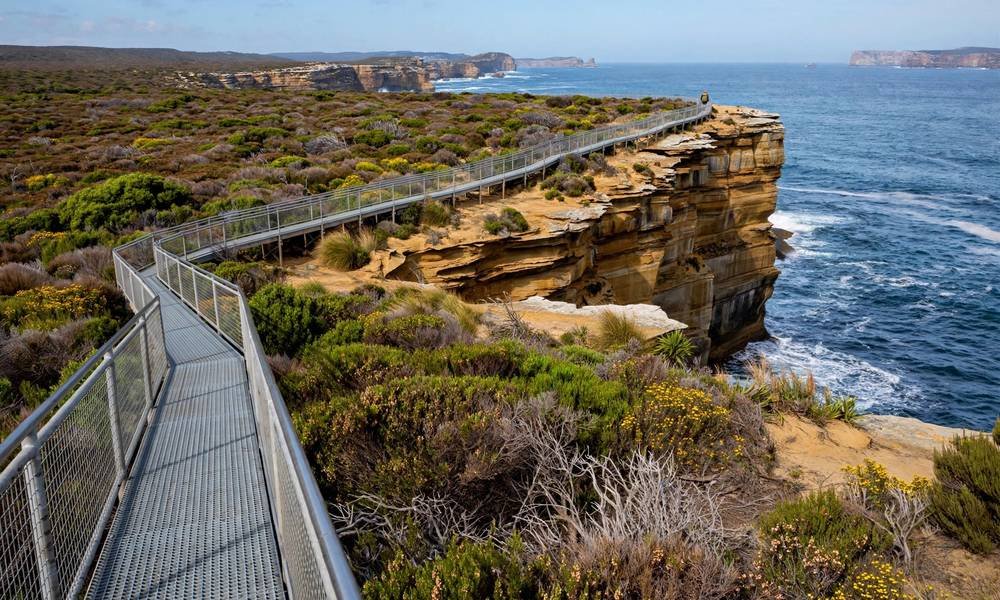
Swim at Wattamolla Beach and Lagoon
Wattamolla is the park’s most popular day-use area, and it is easy to see why. It has an ocean beach, a calm lagoon, a small waterfall, picnic grounds and barbecues all in one place. Families love the lagoon because the water is calmer than the open surf. On warm weekends the car park can fill up, so arrive early or visit on a weekday if you can.
Swim with care at Wattamolla and at every park beach. Many park beaches are unpatrolled and can have strong rip currents. Swim between the flags where a beach is patrolled, and check conditions before you get in the water. Cliff jumping is not allowed, and you should always follow warning signs and water-quality notices.
See Wedding Cake Rock
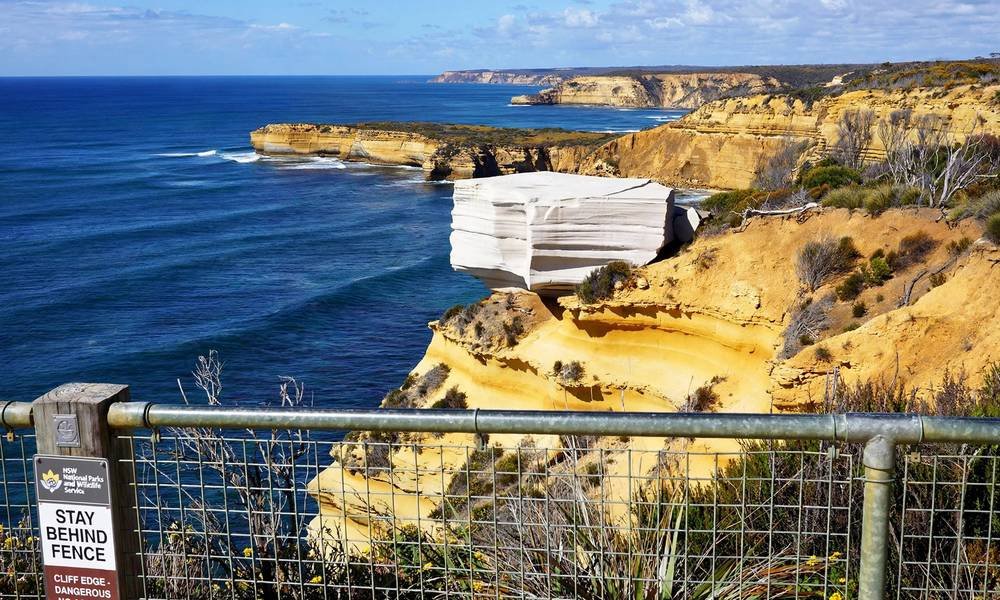
Wedding Cake Rock is a bright white slab of sandstone on the cliff edge near Bundeena, and it stands out sharply against the yellow cliffs around it. It became famous through photos, but it is unstable, so a fence now keeps visitors back from the edge. Stay behind the fence, take your photos from a safe distance, and stay well back from all unfenced cliff edges in the park.
The walk from Bundeena to Wedding Cake Rock is about 5.7 kilometres return and takes two to three hours. The path follows the cliff edge for much of the way, so you get wide ocean views the whole time. It is an easy walk, and it pairs well with a swim at Jibbon Beach afterwards.
Visit Figure Eight Pools With Care
Figure Eight Pools are natural rock pools on a wave-washed rock platform south of Burning Palms Beach. They are beautiful, but they are also one of the most dangerous spots in the park. Large waves can sweep across the platform without warning, even at low tide, and people have been hurt there. Only visit when the official risk forecast, tide, swell and weather are all suitable, and turn back if conditions look wrong.
The walk from Garrawarra Farm car park is about six kilometres return and takes around two hours each way. The path is steep and uneven, there are no toilets, water or food facilities on the rock shelf, and the route is not suitable for prams or young children. Allow enough daylight for the climb back, and check the forecast on the day you plan to go.
Paddle the Hacking River From Audley
Audley is the park’s main visitor precinct, set beside the Hacking River. From Audley Boatshed you can hire a rowboat, canoe or kayak and paddle up the river or along Kangaroo Creek. The water is calm, the banks are lined with trees, and you may see kingfishers, turtles and lace monitors along the way. It is a relaxing change from coastal walking, and it suits visitors who want a gentle morning on the water.
Audley also has picnic grounds, toilets, the Royal National Park Visitor Centre and the Audley Dance Hall Cafe. The visitor centre is a good first stop for maps, current conditions and advice on which tracks are open. Other picnic areas in the park include Reids Flat, Currawong Flat and Ironbark Flat.
Spot Whales From Governor Game Lookout
Between May and November, humpback whales pass along this coast on their yearly migration. Governor Game Lookout, near North Era, is one of the best places to watch for them, and the coastal sections near Bundeena and along the Coast Track are good too. Whales generally travel north between May and July and return south between September and November, but sightings are never guaranteed, so treat a sighting as a bonus.
Stay well back from cliff edges while you watch or take photos. The lookouts are exposed to wind, so bring a jacket even on a mild day. If you visit in spring, the heathland along the coastal tracks also fills with wildflowers, including waratahs and flannel flowers.
Best Walks for Every Fitness Level
With more than 150 kilometres of tracks, the park has walks for every level. The list below groups the best ones by difficulty, so you can pick a walk that suits your fitness and the time you have.
Easy Walks
The Jibbon Beach Loop is a 5.3 kilometre circuit from Bundeena that takes about two hours. It follows a beach, crosses headlands and passes Aboriginal rock engravings near Jibbon Head. The engravings include a whale and a sky spirit, and they are places of continuing cultural importance. Stay on the track, stay behind barriers, and never touch or stand on the engravings.
The Forest Path is a 4.4 kilometre loop through cabbage tree palms, Gymea lilies and rainforest along Bola Creek. It takes about an hour and is mostly shaded, which makes it a good choice on a hot day. The Wattamolla Dam walk is even shorter at 1.3 kilometres return, and it leads to a calm swimming spot that suits families. Bungoona Lookout, near Audley, has a short and fairly level path with wide views over the Hacking River, and it is one of the easiest lookouts to reach in the park.
Moderate Walks
The Bundeena Drive to Little Marley Beach walk is eight kilometres return and takes about two hours. It crosses heath, passes freshwater pools and creeks, and ends at a quiet beach. The Karloo Walking Track is ten kilometres return and takes about four hours, passing waterfalls and pools, so bring your swimmers. The Curra Moors Loop is a 9.5 kilometre circuit that takes two to three hours and is at its best in spring, when wildflowers cover the heath.
The Palm Jungle Loop is a challenging ten kilometre walk that takes about five hours. It winds through palm groves to beaches and clifftops, and it gives you a very different feel from the coastal tracks. The Wattamolla to Big Marley walk is 9.2 kilometres return and takes about three hours, mostly on boardwalk, and it visits two quiet beaches that rarely get busy. The Garie Beach to Eagle Rock walk is 9.1 kilometres return and takes about three hours, with a steep climb at the start and then fairly flat walking to Eagle Rock and Curracurrong Falls.
Hard Walks
The full Coast Track is the park’s big challenge. It is about 27 kilometres one way, it is graded Grade 4, and most walkers spread it over two days. Day one covers about 17 kilometres from Bundeena to Garie Beach. Day two covers about 10 kilometres from Garie Beach to Otford, with climbs and shaded forest. You need to book your overnight stop in advance and arrange transport at both ends, because the two ends are far apart.
The Uloola Track is an 11 kilometre one-way walk through forest to Uloola Falls, where walk-in camping is also available. It is a solid day walk that suits experienced walkers. The Couranga Track is 5.1 kilometres one way, and the Loftus Loop Trail is a 10 kilometre return mountain bike trail. Lady Carrington Drive is a 10 kilometre historic route along the Hacking River that walkers and cyclists share, and you can walk a shorter return section from either end.
Beaches in Royal National Park
The park’s beaches are one of its main drawcards, but they are wild ocean beaches, not city beaches. Most are unpatrolled, surf can be strong, and conditions can change fast. Check conditions before you swim, and choose a patrolled beach elsewhere if you need lifeguard supervision.
Wattamolla is the best all-rounder, with a beach, lagoon and picnic grounds together. Garie Beach is a long surf beach backed by steep slopes, popular with surfers, fishers and Coast Track walkers. Burning Palms is a quieter beach reached on foot, and it is the starting point for the walk to Figure Eight Pools. Jibbon Beach near Bundeena is sheltered and good for swimming and picnics. Little Marley and Big Marley are remote-feeling beaches that rarely get busy, though rips mean they are not the best for swimming. North Era and South Era are quiet beaches south of Garie, and Werrong Beach is a short but steep walk through palm forest to a wild stretch of sand.
For calm water, head to the lagoon at Wattamolla, the dam at Wattamolla, or the freshwater pools at Karloo and Curracurrong. These spots suit families and weaker swimmers far better than the open surf beaches.
Waterfalls and Swimming Holes
Freshwater pools and waterfalls are scattered through the park, and they are often the best swimming spots on a hot day. Water depth, currents and quality can change after rain, so check conditions and never dive into water you cannot see into.
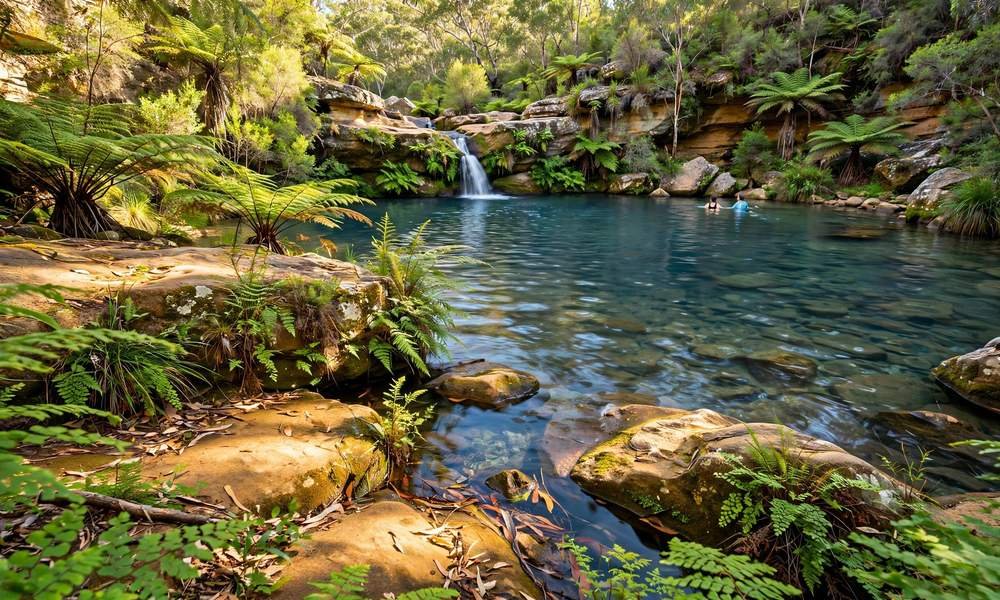
Karloo Pools are reached on the Karloo Track and are a favourite summer swimming spot. Winifred Falls is a short two kilometre return walk to a pretty fall and pool. Wattamolla Falls sits near the Wattamolla picnic ground and is an easy stop before the dam walk. Curracurrong Falls drops twice into the ocean near Eagle Rock, and the swimming hole at its base is reached on a side track from the Coast Track. Uloola Falls and National Falls are quieter falls on interior tracks, and Palona Cave is a small cave walk that suits a short outing.
After rain, small falls appear all over the park, and the pools fill up. That is often the best time for a waterfall walk, though tracks can be slippery, so wear shoes with good grip.
Wildlife and Dharawal Cultural Heritage
Royal National Park sits on Dharawal Country, and Aboriginal people have cared for this landscape for thousands of years. The engravings around Jibbon Head are among the most accessible cultural sites in the park. Look at them with respect, keep to the tracks, and do not touch, walk on or damage them. If you want to learn more, check whether a guided experience is running during your visit.
Wildlife is easy to spot if you walk quietly. Wallabies graze near the North Era campground and along the coastal tracks. Cockatoos and lorikeets are common around picnic areas, and lyrebirds live in the wetter forest gullies. Echidnas, possums and many reptiles also live in the park. Never feed wildlife, never approach it, and never remove animals or plants from the park.
How Many Days Do You Need
You can see the highlights in one day, but two days lets you enjoy the park properly. Here are two plans that work well.
One-Day Highlights Plan
Start in Bundeena. Grab breakfast in the village, then walk the Coast Track section to Little Marley Beach and back, stopping at Wedding Cake Rock. After the walk, drive to Wattamolla for a swim in the lagoon and a picnic lunch. In the afternoon, paddle a kayak from Audley Boatshed or take the short walk to Bungoona Lookout. Finish at Stanwell Tops for sunset over the coast, then drive south across the Sea Cliff Bridge if you have time.
This plan covers a coastal walk, a famous lookout, a swim and a sunset in a single day. It needs a car to work smoothly, because the areas are spread out. If you do not have a car, base your day on Bundeena and the northern Coast Track, using the train and ferry to get there and back.
Two-Day Coast Track Plan
Day one starts at Bundeena and walks about 17 kilometres to Garie Beach, passing Wedding Cake Rock, Marley beaches, Wattamolla and Eagle Rock. Stay overnight at the booked Garie Beach camping option, and carry all your food, water and camping gear. Day two walks about 10 kilometres from Garie Beach to Otford, with climbs, ocean views and shaded forest. Arrange your return transport from Otford before you start, because there is no regular shuttle between the two ends.
This is a demanding two days, so train for it if you are not a regular walker. Book your campsite well ahead, check track alerts, and carry more water than you think you need. If the full track feels too much, split it into two separate day walks from different starting points instead.
Where to Stay in Royal National Park
Bonnie Vale Campground near Bundeena is the park’s main campground. It sits by the water, it takes tents, camper trailers and caravans, and bookings are required. Check site access and vehicle size limits when you book, and note that facilities are basic. For Coast Track walkers, the booked Garie Beach overnight option is a raised timber platform with room for two small one-person tents or one two-person tent, with shared picnic-area facilities nearby.
Uloola Falls is a separate walk-in camping destination with its own booking conditions, and it does not replace a Coast Track overnight stop. Cottages and other accommodation are also available at selected spots inside the park, though prices and minimum stays vary, especially on weekends and in school holidays. Camping is only allowed in designated booked campgrounds. You cannot sleep overnight in picnic areas, vehicles or beside walking tracks.
If you prefer a bed outside the park, Bundeena has a small range of stays near the ferry wharf, and Cronulla, just across the water, has hotels and apartments. Wollongong to the south is another good base, especially if you plan to combine the park with the Grand Pacific Drive and Sea Cliff Bridge.
Getting There and Getting Around
By car, the park is about an hour from central Sydney. The main entries are Farnell Avenue just south of Loftus, McKell Avenue at Waterfall, and the southern entry at Otford. There is a per-car entry fee, and you can pay at visitor centres, entry stations, ticket machines or through the Park’nPay system where it is available. Parking can fill up at popular spots on weekends and public holidays, so arrive early in summer.
Without a car, take a train to Cronulla and then the ferry to Bundeena. The ferry takes about 30 minutes and is one of the prettiest ways to arrive. You can also reach parts of the park from Loftus, Heathcote, Waterfall and Otford train stations, though you will need to walk further to reach the tracks. There is no frequent public transport linking every area inside the park, so plan your return trip before you start a one-way walk.
Inside the park, a car gives you the most freedom, because the areas are far apart. Cyclists can use Lady Carrington Drive and the Loftus Loop Trail, but must give way to walkers and take care on rough or damp surfaces. For a scenic drive, the Grand Pacific Drive winds through the park and across the Sea Cliff Bridge, and Stanwell Tops is a popular sunset stop at the southern end.
Best Time to Visit Royal National Park
The park is open all year, and each season has something to offer. Spring is one of the best times, because wildflowers cover the heathland and the weather is mild for walking. Summer is best for swimming, though beaches and car parks get busy and you should arrive early. Winter is quieter, the coastal tracks are cooler for walking, and whales pass by between May and November.
Autumn brings mild days and fewer crowds, which suits the longer walks. After rain, waterfalls run well and the pools fill up, though tracks can be slippery. Whatever the season, check the weather and park alerts before you go. Areas can close for fire danger, storms, floods, maintenance or emergency work, and popular spots can reach capacity on hot weekends.
Park Fees and Practical Tips
The standard park-use fee is $12 per vehicle per day. Vehicles with more than eight seats are charged per person, at $4.40 per adult and $2.20 per child per day. People who arrive on foot or by public transport do not pay the standard vehicle fee, though camping, tours and other booked activities have their own charges. The park is generally open daily from around 7am to 8.30pm, but gates may close in poor weather, extreme fire danger, flooding or other emergencies.
A few practical tips will make your visit smoother. Download the park map before you arrive, because mobile reception is patchy inside the park. Carry enough water, because there is no public drinking water on the walking tracks. Wear sun protection and sturdy shoes, and take a hat in sunny weather. Pets are not allowed in the park, and the park is a no smoking area. Follow the park’s social channels or alert pages for live parking updates on busy days.
Check official alerts on the day of your visit. Past alerts have included the closure of North Era campground, weekday maintenance closures on some fire trails, and short vehicle closures at Audley for bridge works. These change often, so treat any list you read as a starting point and confirm the current position before you travel.
FAQs About Royal National Park
How far is Royal National Park from Sydney?
Royal National Park is about 36 kilometres south of central Sydney. The drive takes around an hour, though traffic and parking can add time on weekends and public holidays. By public transport, take a train to Cronulla and then the ferry to Bundeena, which takes about 30 minutes.
Is there an entry fee for Royal National Park?
Yes. The standard fee is $12 per vehicle per day. Vehicles with more than eight seats pay $4.40 per adult and $2.20 per child per day. People who arrive on foot or by public transport do not pay the vehicle fee, but camping and other booked activities have separate charges.
Can you visit Royal National Park without a car?
Yes. The easiest car-free visit is the train to Cronulla plus the ferry to Bundeena, which suits Jibbon Beach and the northern Coast Track. You can also use Loftus, Heathcote, Waterfall and Otford stations for other areas, though you will walk further. A full day of sightseeing across several areas is much easier with a car.
How many days do you need in Royal National Park?
One day is enough for the highlights, such as a Coast Track section, Wedding Cake Rock, Wattamolla and a sunset at Stanwell Tops. Two days lets you walk the full Coast Track with an overnight camp at Garie Beach, and gives you time for waterfalls, pools and a second area of the park.
Is Royal National Park safe for swimming?
Swimming needs care here. Most ocean beaches are unpatrolled and can have strong rip currents, so check conditions and swim between the flags where a beach is patrolled. For calm water, choose the lagoon at Wattamolla, Wattamolla Dam or the freshwater pools at Karloo and Curracurrong. Never dive into water you cannot see into, and always follow warning signs.
Can you camp in Royal National Park?
Yes, but only in designated booked campgrounds. Bonnie Vale near Bundeena is the main campground, and Garie Beach has a small booked platform for Coast Track walkers. Uloola Falls is a separate walk-in camping option. Book ahead, because spaces are limited, and do not camp in picnic areas, vehicles or beside tracks.
Are dogs allowed in Royal National Park?
No. Pets are not allowed in Royal National Park. The park is also a no smoking area, and visitors should stay on tracks, keep back from cliff edges and avoid touching cultural sites.
Final Thoughts on Visiting Royal National Park
Royal National Park earns its reputation. It is close to Sydney, yet it feels like a different world once you step onto a coastal track or paddle up the Hacking River. The best approach is simple: pick one area, walk one great track, swim in one good spot and finish with a sunset. Then come back for the rest, because one visit is rarely enough for a park this big.
If you only do three things, walk a section of the Coast Track, swim at Wattamolla and watch the sunset from Stanwell Tops. If you have more time, add Figure Eight Pools on a safe day, a waterfall walk inland and a night at Bonnie Vale. For more ideas across the state, visit Australia City Guide and keep exploring New South Wales.