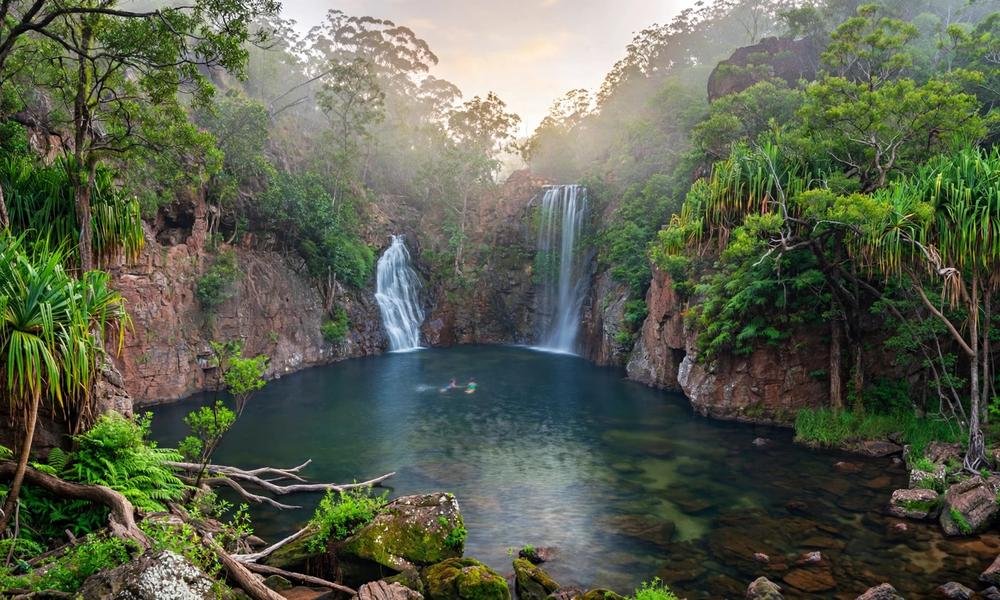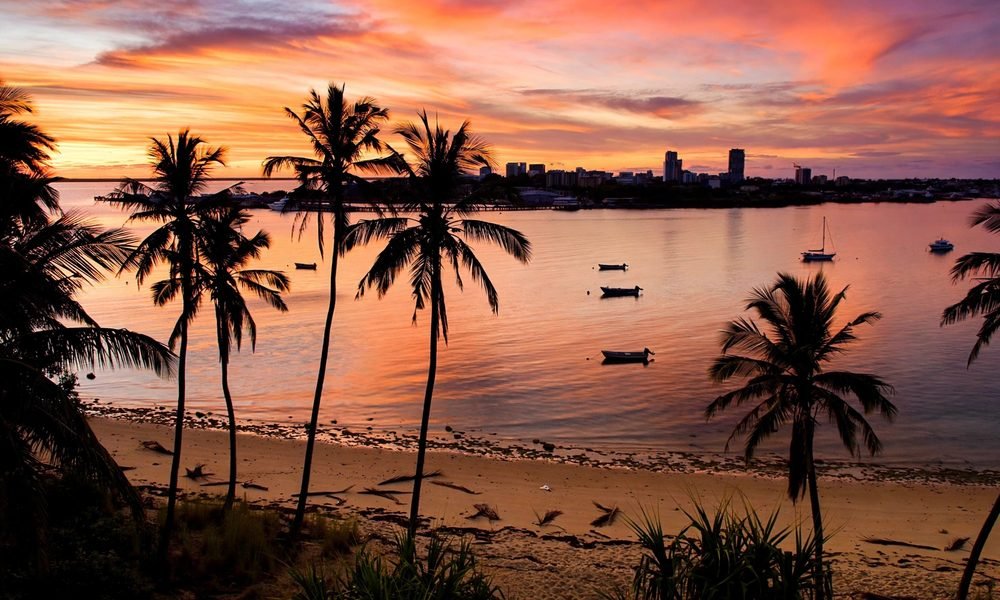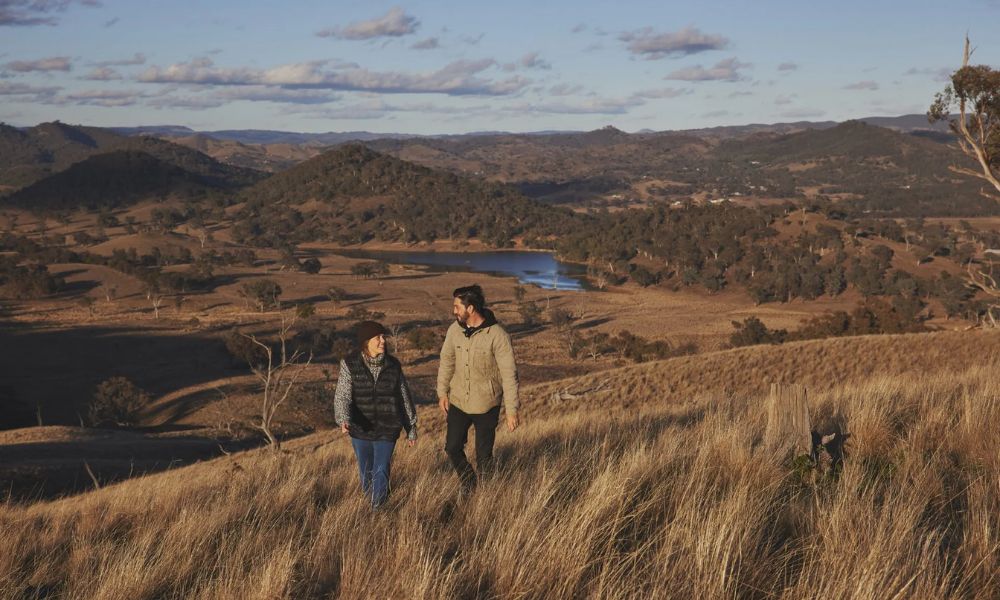

Tasmania is a hidden gem waiting to be explored. This island state sits off Australia’s southern coast and offers something special for everyone. From stunning coastlines to ancient rainforests, the landscapes here will take your breath away.
The local wildlife is unique, and the food scene is outstanding. Whether you love adventure or prefer quiet nature walks, this destination has it all. Many travellers overlook this incredible place, but those who visit never forget it. Get ready to discover what things to do in Tasmania.
Why Tasmania Should Be Your Next Travel Destination?
Tasmania is a small island full of natural charm. It has clean air, clear streams, and amazing wildlife like wallabies and Tasmanian devils. You can enjoy beaches, mountains, and forests all in one trip.
The food is fresh with seafood, wine, and local produce. History lovers can explore old buildings and convict sites, while adventure seekers enjoy hiking, kayaking, and rock climbing. Tasmania offers something special for every traveller looking for beauty and peace in nature.
Getting around shapes the trip more than anything else. I fly into Hobart or Launceston, pick up a car, and give the loop at least a week. The distances look short on a map, but the roads wind through hills and small towns that all tempt you to stop. Some travellers ride the overnight ferry across Bass Strait and bring their own car. Either way, the island rewards slow travel: pick a few bases, settle in, and let the weather set the daily plan.
8 Must-Experience Adventures in Tasmania
1. Explore Freycinet National Park and Wineglass Bay
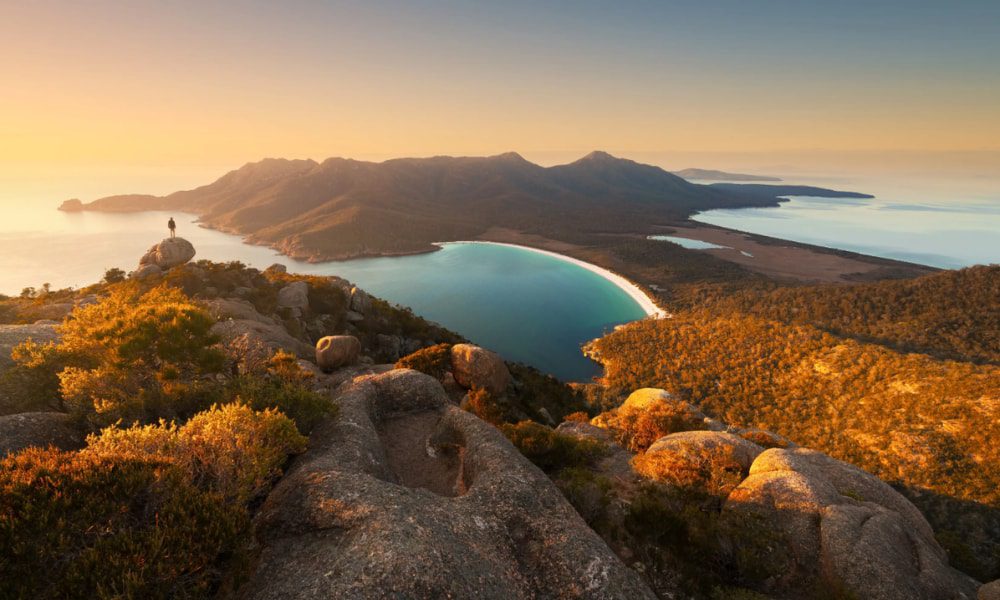
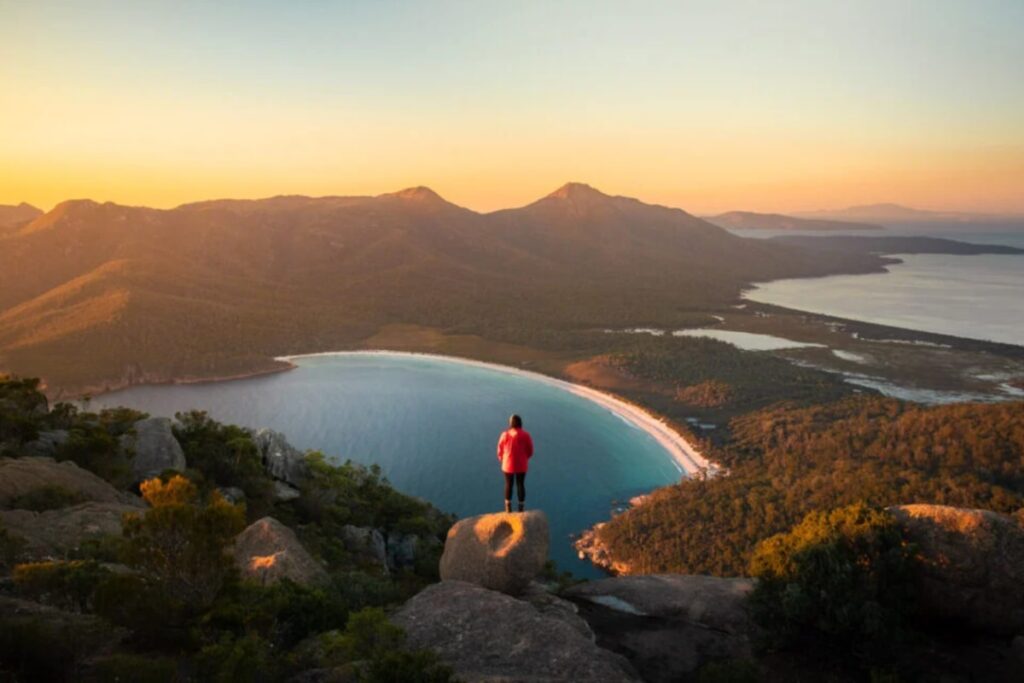
Freycinet National Park tops almost every visitor’s list for good reason. The park features pink granite peaks that glow at sunrise and sunset. Wineglass Bay keeps earning its place on travellers’ lists of favourite Australian beaches.
The crescent-shaped bay displays water in shades of turquoise and sapphire blue. A two-hour return hike leads to the famous lookout point. The view from above is absolutely stunning. Pack a picnic and spend time on the white sand below. Kayaking tours offer a different perspective from the water.
I walked up to the Wineglass Bay lookout early, before the tour groups arrived, and the colour of the water still caught me off guard. The walk back down to the beach is steeper than it looks from above, so take your time and wear proper shoes. Morning visits suit me best: the light sits soft on the Hazards and the sand feels cool underfoot.
2. Discover the Wild Beauty of Cradle Mountain

Cradle Mountain sits in the heart of Tasmania’s wilderness area. The jagged peak reflects perfectly in Dove Lake on calm days. Walking tracks range from easy boardwalks to challenging climbs. You might see wombats grazing near the visitor centre at dusk.
The area receives snow in winter, creating magical white landscapes. Button grass plains and ancient forests surround the mountain. Day visitors can enjoy shorter walks while serious hikers tackle multi-day trails. The changing weather adds drama to photographs throughout the day.
I start the Dove Lake circuit early, while the car park stays quiet and the light catches the peaks. The weather turns fast up here, so I pack a warm layer and a rain jacket even in summer. In the late afternoon I wander down to Ronny Creek and watch wombats graze along the boardwalk.
3. Visit the Historic Port Arthur Site
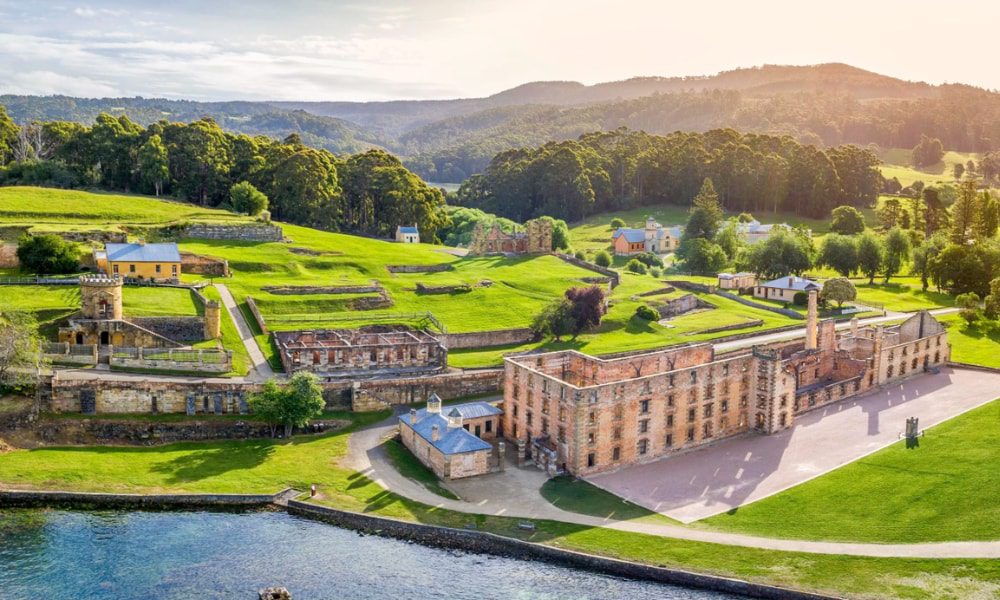
Port Arthur tells the story of Australia’s convict past. This former penal settlement operated from 1830 to 1877. Thousands of convicts served time at this remote location. The preserved ruins include a church, prison cells, and guard towers.
Guided tours bring history to life with fascinating stories. Ghost tours run after dark for those who enjoy spooky experiences. The surrounding gardens provide peaceful spots for reflection. A harbour cruise includes a stop at the Isle of the Dead cemetery.
I give Port Arthur a full day and walk slowly through the ruins instead of rushing between signs. The harbour cruise to the Isle of the Dead is the part that stays with me. When the crowds thin out late in the day, I sit in the gardens and take in the quiet before driving back.
4. Experience MONA (Museum of Old and New Art)
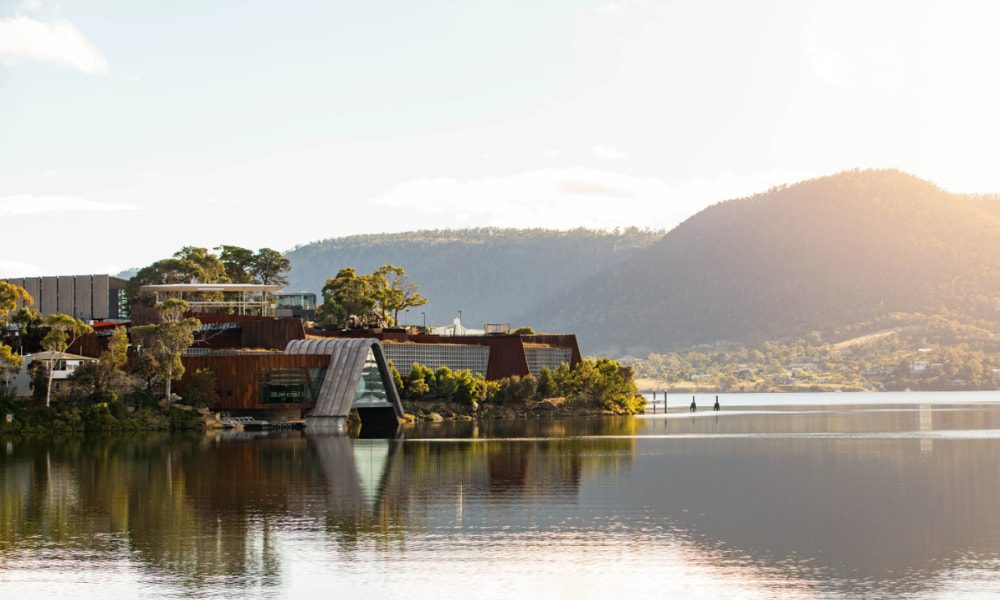
MONA revolutionised Tasmania’s art scene when it opened in 2011. This privately-owned museum sits underground, carved into sandstone cliffs. The collection ranges from ancient Egyptian artifacts to controversial modern installations.
Every visit creates different emotions and reactions from viewers. No labels accompany the artworks, encouraging personal interpretation. The architecture itself is worth seeing. Restaurants and a brewery complete the cultural experience. A ferry ride from Hobart adds to the adventure.
I ride the ferry from Hobart’s waterfront and give MONA at least three hours. Parts of the collection challenge me, and that is the point: nobody leaves this place indifferent. Afterwards I grab a coffee on the lawn and watch the Derwent River roll past. The building alone justifies the trip.
5. Walk Through Ancient Forests in Tahune AirWalk
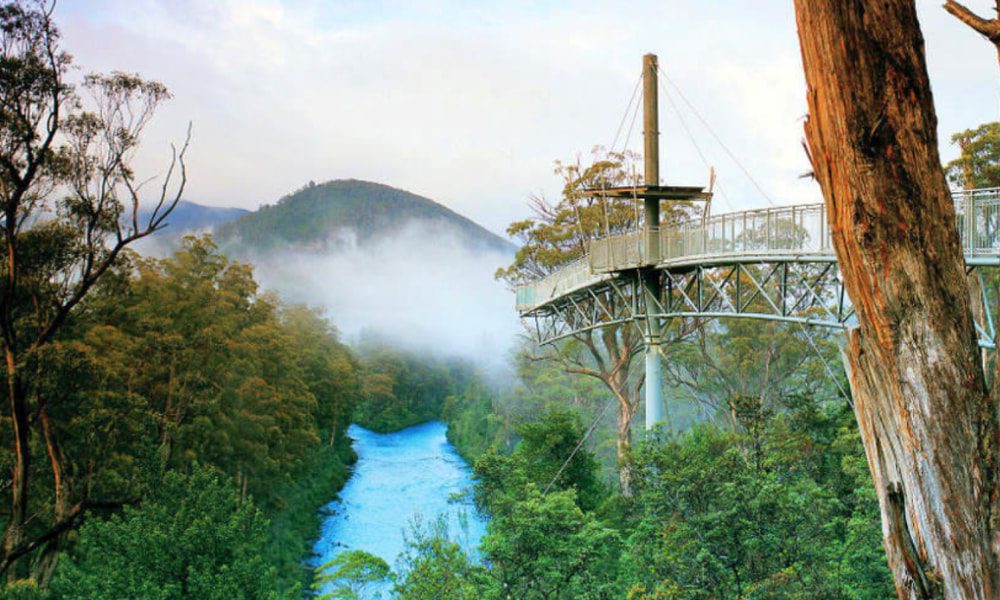
The Tahune AirWalk takes you into the treetops of old-growth forests. This elevated walkway rises high among the branches. The Huon pines in this area can live for thousands of years. The forest floor below looks completely different from above.
A cantilever section juts out over the river, testing your nerves. Walking tracks at ground level lead to swimming holes and picnic spots. The visitor center explains the ecology of these special forests. Zip-lining adds extra excitement for thrill-seekers.
I step onto the cantilever slowly and let the river noise rise up through the grating. After rain, mist hangs in the canopy and the whole walkway feels like it floats. Back at ground level I follow the track to the river and eat lunch where the Huon pines lean over the water.
6. Swim in the Crystal Waters of Bay of Fires
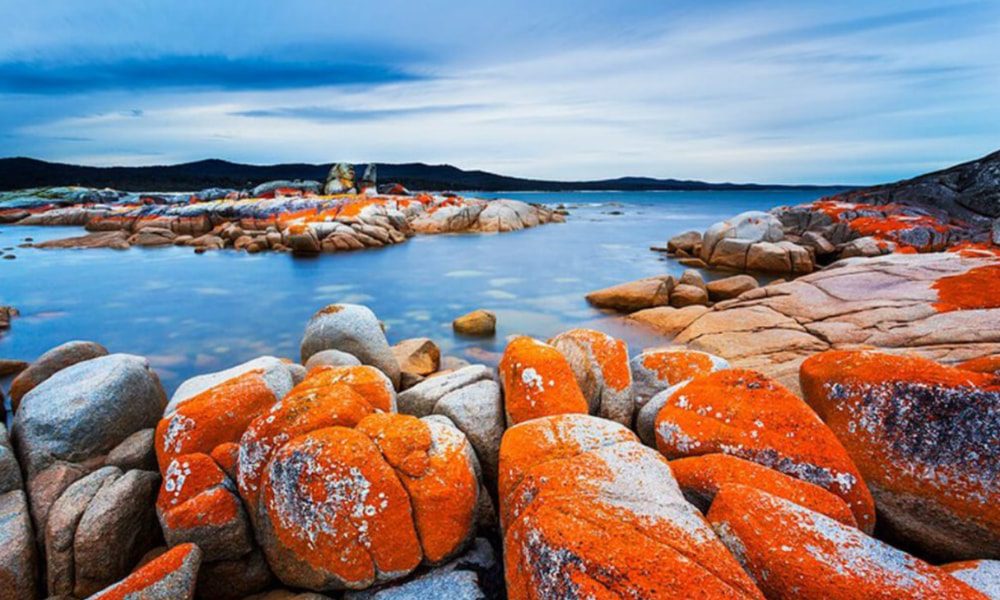
The Bay of Fires showcases some of the most beautiful beaches in Tasmania. Orange-hued rocks contrast brilliantly with white sand and blue water. The long stretch of coast offers countless spots to explore. Swimming, snorkelling, and fishing are popular activities here.
Rock pools trap water at low tide, creating natural aquariums. Small coastal towns provide accommodation and dining options. Camping under the stars connects you with nature. Early morning and late afternoon light create the best photo opportunities.
I swim early here, before the wind picks up and while the water sits glassy over the white sand. The rocks glow a deep orange in the first light, and the rock pools keep the kids busy for hours. Binalong Bay makes an easy base, but my favourite swims sit down the short tracks further north.
7. Taste Your Way Through the Huon Valley
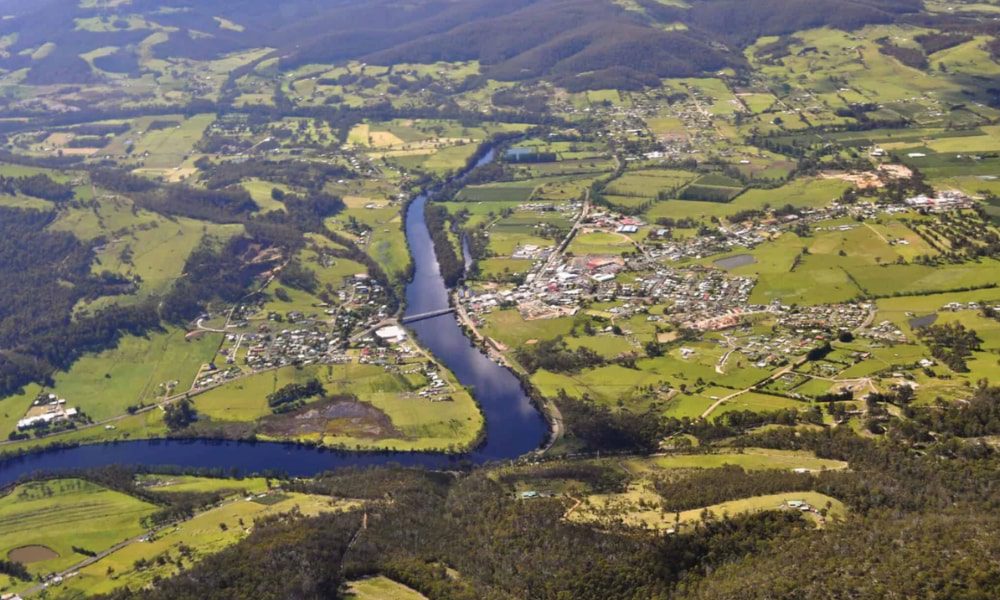
The Huon Valley south of Hobart is a food lover’s paradise. Apple orchards cover the hillsides, continuing a tradition over 100 years old. Local producers offer tastings of cider, wine, and spirits. Farmers’ markets sell fresh vegetables, cheese, and baked goods.
Salmon farms provide tours showing sustainable aquaculture practices. Chocolate and fudge factories tempt visitors with sweet treats. Riverside cafes serve lunch with stunning views. The scenic drive between stops is equally rewarding.
I drive the river road slowly and stop at the farm gates that catch my eye. A cider tasting in an old apple shed is my usual first stop, then a bakery lunch in one of the small towns along the river. The valley rewards a slow pace, so I leave the afternoon unplanned.
8. Marvel at the Unique Landscape of Remarkable Cave
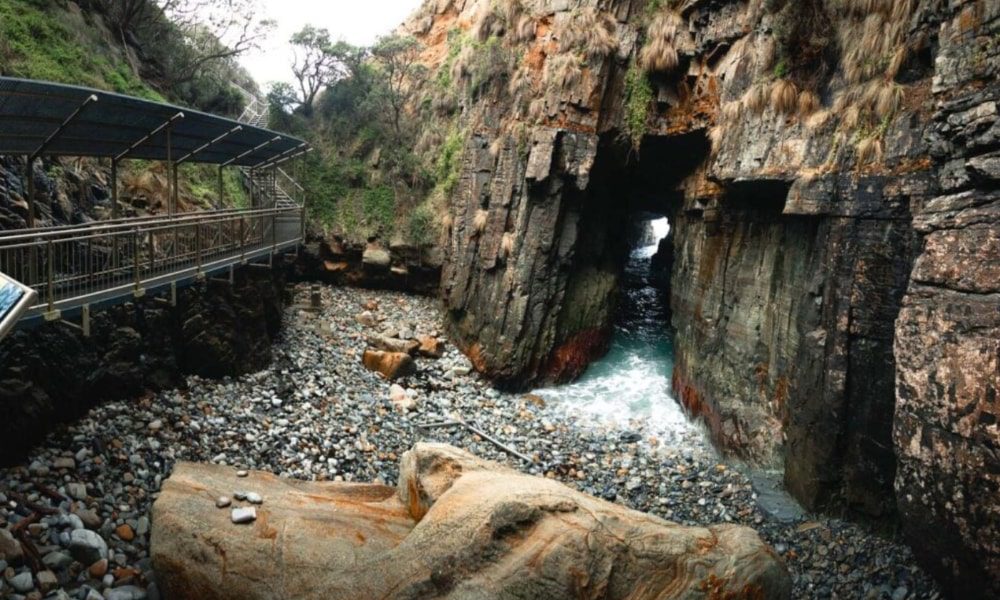
Remarkable Cave lives up to its name with dramatic coastal scenery. This sea cave sits near Port Arthur on the Tasman Peninsula. A wooden walkway leads down to a viewing platform. The cave’s opening frames views of the Southern Ocean perfectly.
Waves crash through the tunnel, creating thunderous sounds. Rock formations show millions of years of geological history. The surrounding cliffs host seabird colonies. Sunset visits offer particularly spectacular lighting conditions.
I pair Remarkable Cave with a Port Arthur day, since the two sit close together. The steps down are steady rather than steep, and the viewing platform sits right where the waves push through the tunnel. I check the tide before I go, because a bigger swell turns the whole cave into a drum.
Conclusion
There are many exciting things to do in Tasmania for every traveller. Tasmania offers experiences that stay with you long after you leave. The island’s natural beauty surpasses expectations at every turn. From mountain peaks to coastal wonders, every day brings discoveries. The friendly locals share their knowledge and pride in their home.
Food and beverage experiences rank among Australia’s finest. History and culture add depth to outdoor adventures. Whether you seek excitement or relaxation, Tasmania delivers both.
I keep coming back to Tasmania because no two trips feel the same. One visit means hiking boots and mountain weather. The next means slow coastal drives, cold swims, and long lunches in small towns that never hurry you along.
Start planning your trip today and create your own unforgettable memories. This special island awaits your arrival with open arms. For more information visit, Australia City Guide.
Keep exploring Australia:
- Beaches in Tasmania
- Things to Do in Byron Bay
- Deadly Australian Animals
- Top Australian Inventions
- Melbourne to Sydney Drive
Frequently Asked Questions
When is the best time to visit Tasmania for outdoor activities?
The summer months from December to February offer the warmest weather and longest daylight hours. However, Tasmania’s beauty shines year-round, with each season bringing unique experiences and fewer crowds in shoulder periods.
How long should I stay in Tasmania?
Seven to ten days fits main highlights and calm travel. Longer lets you take slow drives, explore islands and enjoy local food and quiet beaches.
What wildlife can I expect to see near Tasmania’s national parks?
Expect encounters with wombats, wallabies, possums, and unique bird species throughout your travels. Tasmanian devils live in wildlife parks and some wild areas. Platypus sightings happen near rivers and streams during dawn.
Do I need a car to explore Tasmania effectively?
Renting a car provides the most flexibility for exploring Tasmania’s diverse landscapes and attractions. Public transport serves major towns but limits access to remote beaches, national parks, and scenic routes between destinations.
Are beaches safe for swimming?
Many beaches are safe in summer for swimming. Waves and currents can be strong. Check local advice, choose patrolled beaches and avoid risky headlands.