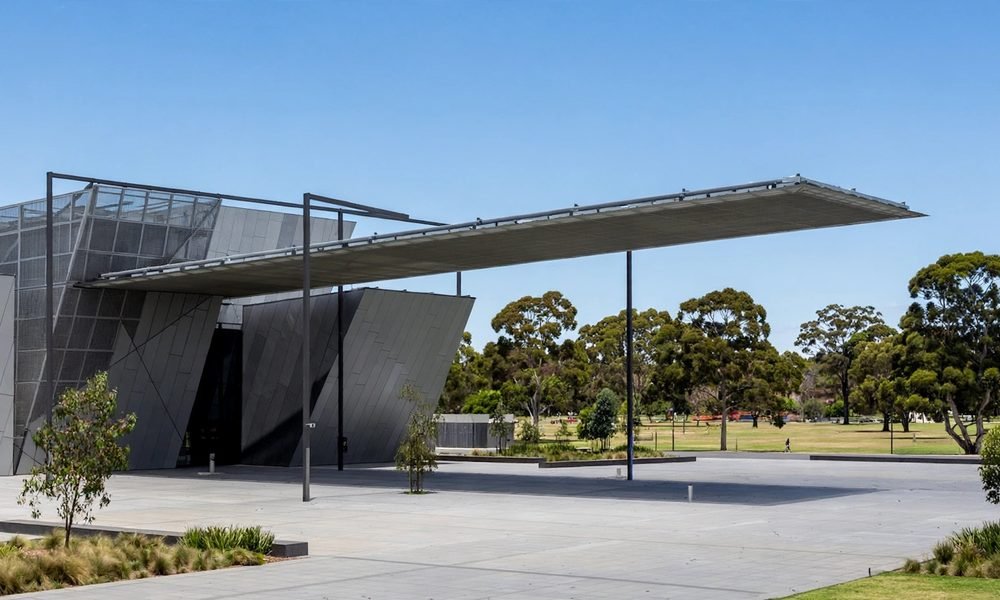

Melbourne Museum is the kind of place that can fill a whole day without you noticing. Tucked inside Carlton Gardens, a short walk from the CBD, it is the largest museum in the Southern Hemisphere, with dinosaur skeletons, a living indoor rainforest, First Peoples stories, and a racehorse legend all under one roof. This guide covers what to see, how to plan your visit, and the small details that make the day easier. It is written by Australia City Guide as part of our Melbourne coverage.
Melbourne Museum Highlights: What You Shouldn’t Miss
The museum is spread over three levels, so it helps to know the headline galleries before you walk in. These are the ones visitors talk about most.
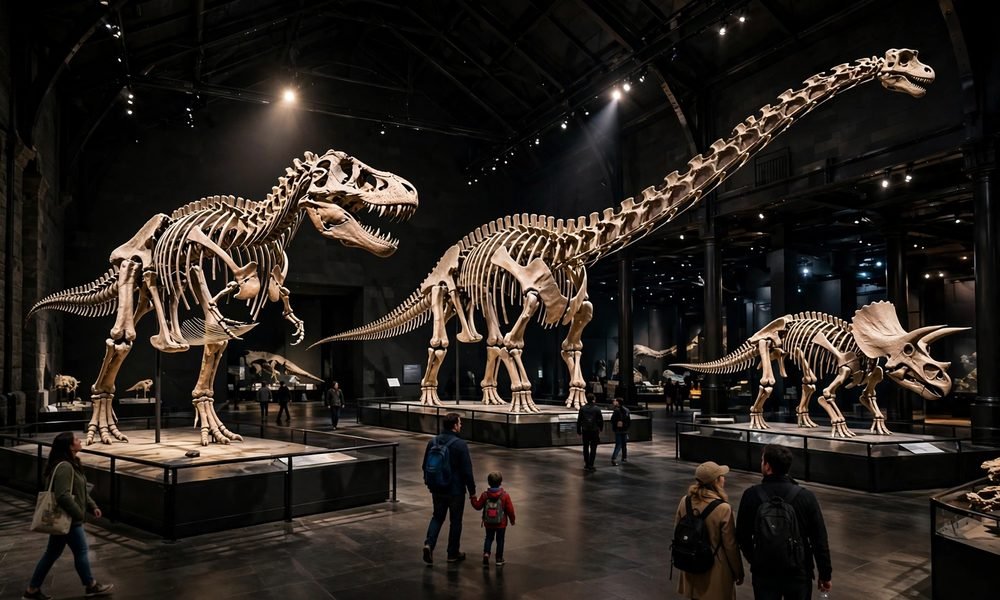
Dinosaur Walk and Horridus the Triceratops
Dinosaur Walk is where most people head first, and it earns the hype. Towering skeletons fill the gallery, including a giant sauropod that seems to stretch the length of the hall. The real star is Horridus, a Triceratops skeleton with around 87 percent real fossil bones. It is the most complete Triceratops skeleton on display in Australia, and standing next to it is genuinely hard to forget.
Kids press their faces to the glass here, but adults linger just as long. Read a few of the panels. The stories about how the fossils were found and pieced together are as good as the bones.
The Forest Gallery: A Rainforest Indoors
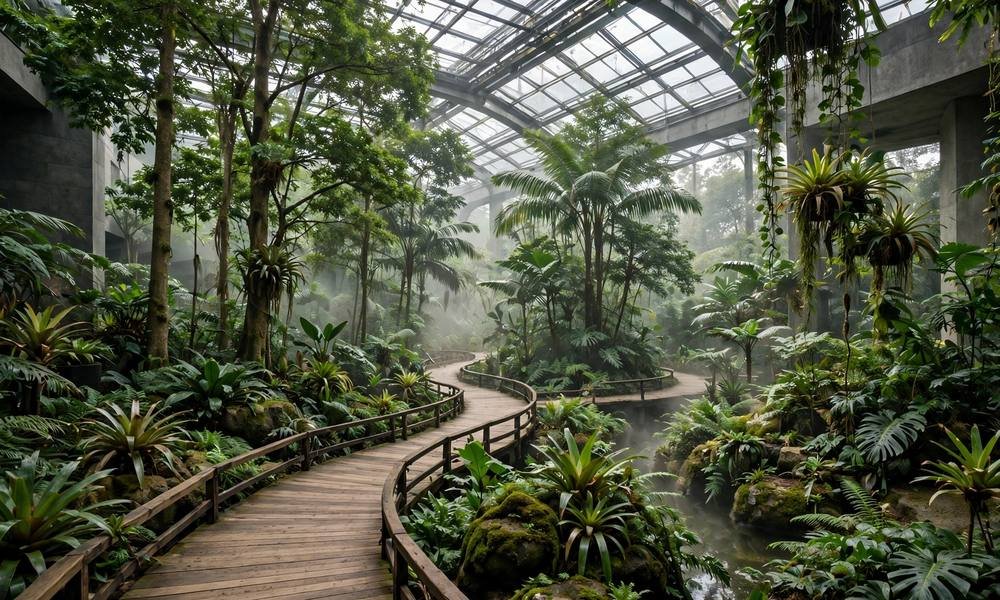
Step through the doors and the noise of the city drops away. The Forest Gallery is a living patch of Victorian mountain rainforest growing inside the museum, complete with tall trees, ferns, and a winding boardwalk. Native birds fly free overhead, fish move in the streams below, and if you are patient you might spot a tawny frogmouth pretending to be a branch.
The gallery changes with the seasons, so repeat visitors get a slightly different scene each time. There are quiet hides and benches where you can sit and watch. It is the calmest room in the building, and a good reset between the busier galleries.
Bunjilaka: First Peoples of Victoria
Bunjilaka is the Aboriginal cultural centre of the museum, and it is one of the most thoughtfully presented spaces in the building. The exhibition was developed with the Yulendj Group of Kulin Elders and holds more than 600 objects, photographs, and stories from Victoria’s First Peoples. Outside, the Milarri Garden includes an eel pond with a daily feeding session that kids love.
Take your time here. The stories are personal and powerful, and the gallery rewards slow reading. Photography may be restricted in parts of this space, so check the signs at the entrance.
The Melbourne Story and Phar Lap
The Melbourne Story walks you through the city’s past, from the gold rush and early settlement to the laneway culture of today. Look out for the reconstructed pieces of Cole’s Book Arcade, the famous bookshop that once drew crowds to the city centre. Then there is Phar Lap. The champion racehorse’s taxidermied body stands in the gallery, and for many Australians, seeing him in person is a proper pilgrimage.
Bugs Alive and the Science Galleries
Bugs Alive is louder and weirder than it sounds. Live insects, spiders, and scorpions share the space with enormous models, and a colony of beetles quietly cleans flesh from real animal specimens as part of the museum’s research work. It sounds grim, and it is fascinating.
Nearby, the Science and Life galleries cover fossils, human biology, and the natural world, while Dynamic Earth shows off minerals, crystals, and the geology that shaped the continent. These galleries are packed with hands-on displays, which makes them a hit with school-age kids.
Pauline Gandel Children’s Gallery
If you are visiting with under-fives, this gallery is the reason to come. It is a dedicated play and discovery space with a dinosaur dig, a camouflage disco, and plenty of room to climb and touch. Entry is free, but it runs on timed 50-minute sessions with limited numbers, so book a slot when you arrive or risk missing out.
Small Surprises Worth Finding
A few corners of the museum rarely make the brochures but are worth the detour. The Mini Mega Model Museum is a quirky collection of tiny, detailed models with a dry sense of humour. Dynamic Earth hides some genuinely beautiful crystal specimens. And the Rainbow Threads display celebrates LGBTQIA+ textile history in a small but warm corner. These are the rooms that make repeat visits worthwhile.
How Much Time Do You Need at Melbourne Museum?
Most visitors spend between two and a half and five hours inside. Two to three hours covers the highlights: Dinosaur Walk, Horridus, the Forest Gallery, Bunjilaka, the Melbourne Story, and Phar Lap. Four to five hours lets you read the panels properly, add the science galleries, and fit in a coffee break. A full day is only needed if you are the type who reads every label or you are adding a temporary exhibition on top.
Temporary exhibitions are ticketed separately and usually take an extra hour. If you are short on time, skip the extras and focus on the permanent galleries. They are the reason the museum is famous.
A Simple Walking Route Through the Galleries
The museum does not force a path on you, which is freeing but can feel aimless. Here is a route that flows well and hits the highlights in about three hours:
- Start at Dinosaur Walk (45 minutes). Arrive at opening and go straight here while it is quiet. Meet Horridus, then work through the fossil displays.
- Forest Gallery (25 minutes). A calm walk after the dinosaurs. Sit on a bench, watch the birds, and reset.
- Bunjilaka (40 minutes). Slow down for the First Peoples stories. Time it for the Milarri Garden eel feeding if you can.
- Coffee break (20 minutes). The cafe is near the main circulation, and you will want the rest.
- The Melbourne Story and Phar Lap (30 minutes). Gold rush, Cole’s Book Arcade, and the great horse.
- Bugs Alive and the science galleries (30 minutes). Finish with the living insects and hands-on displays, which kids find hardest to leave.
- Children’s Gallery (50 minutes). If you have little ones, book a timed session that starts as you finish the science galleries.
This is a plan, not a contract. If the Forest Gallery pulls you in for an hour, let it. The museum is best enjoyed at your own pace.
The Best Time to Visit
Weekday afternoons from around 3 to 5pm are the quietest window, especially during school terms. Mornings are busier, and weekends, public holidays, and school holidays can get packed. Rainy days are the busiest of all, because half of Melbourne has the same idea.
If you can only visit on a weekend, arrive at 9am opening and follow the route above in reverse crowd flow. Temporary exhibitions with timed entry often sell out on weekends, so book those online well ahead.
Melbourne Museum Tickets: What You’ll Pay
General entry costs around $18 for adults, with seniors paying around $12. Entry is free for children under 16, concession card holders, and Museums Victoria members. That makes it one of the better-value big attractions in Melbourne, especially for families.
Temporary exhibitions and the IMAX cinema cost extra and need separate tickets. Book general entry online before you go on weekends and holidays. It is quicker at the door and guarantees entry on busy days.
If you plan to visit more than once, or you want to see Scienceworks and the Immigration Museum too, look at Museums Victoria membership. It pays for itself quickly if museums are your thing.
Where to Eat at the Museum
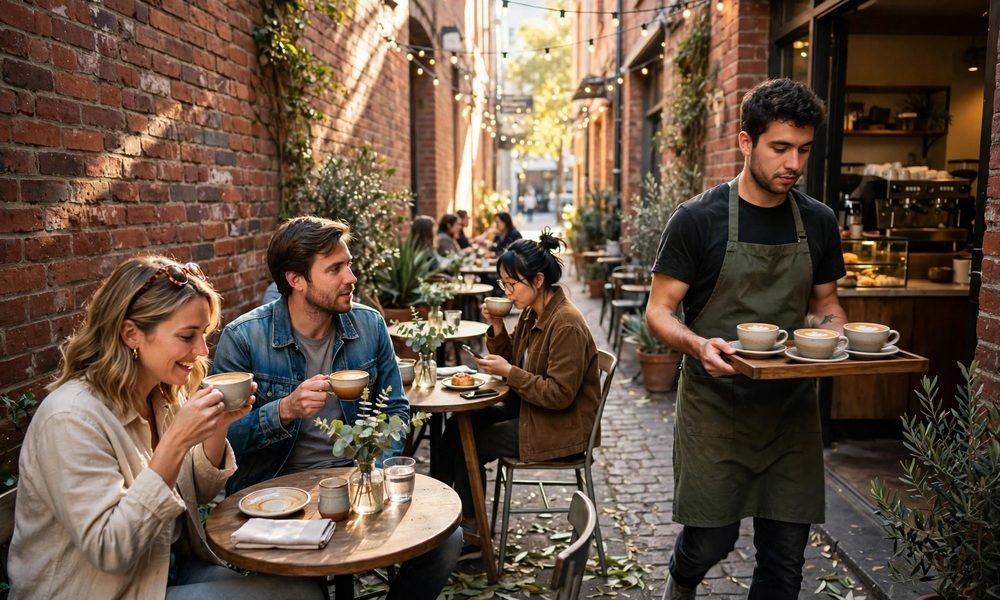
The museum cafe serves coffee, sandwiches, salads, and hot meals, with indoor and outdoor seating. It is a solid lunch stop and the coffee is genuinely good. You cannot take food or drink into the galleries, so plan your break between wings.
If the cafe line is long, you are spoiled for choice outside. Carlton’s Lygon Street, famous for its Italian eateries, is a short walk away, and the Carlton Gardens lawns are made for a picnic on a fine day. Pack snacks for kids either way. Museum days are long ones.
Getting to Melbourne Museum
The museum sits at 11 Nicholson Street, Carlton, inside Carlton Gardens. Trams 86 and 96 stop right outside at Stop 11, the Museum stop. Note that this stop sits just outside the free tram zone, so you will need a valid myki fare. Parliament Station is about a ten-minute walk away, and buses run along Rathdowne Street.
Driving? There is an underground car park beneath the museum with a validated rate of around $25, but it fills early on weekends, so arrive before 10am or take the tram. Bike racks are available at the entrance. For more ideas across the state, browse our Victoria guides.
Where to Stay Nearby
Carlton and neighbouring Fitzroy are the obvious picks for staying close to the museum. Carlton has leafy streets and some of Melbourne’s best Italian food on Lygon Street, while Fitzroy leans artsy with live music and vintage shops. Both are an easy tram ride or a pleasant walk from the museum doors.
The CBD is also close, with the biggest choice of hotels at every price. From most city hotels you can reach the museum in under 20 minutes by tram. Staying in the east end of the city puts you closest to Carlton Gardens.
Tours, Talks and Helpful Extras
The museum runs a daily program of talks, feeding sessions, and guided experiences, and it changes often. Check the what’s-on board near the entrance when you arrive, or look at the program online before your visit. The Milarri Garden eel feeding and any First Peoples cultural talks are the ones to prioritise.
There is no regular free guided tour of the whole museum, so the route in this guide is your best friend. If an audio guide or museum app is available for the day’s exhibitions, grab it at the desk. It adds a lot to galleries like Bunjilaka and the Melbourne Story.
Turn It Into a Full Day: Carlton Gardens and Beyond
The museum is only half the precinct. Give the rest of the day to what is around it.
The Royal Exhibition Building and Carlton Gardens
Directly across the forecourt stands the Royal Exhibition Building, a World Heritage-listed landmark with its famous dome. Guided dome tours run separately and need advance booking, and the upper promenade is not wheelchair accessible. Even without the tour, the building is worth admiring from the gardens.
Carlton Gardens themselves are free to wander, with fountains, ornamental lakes, and grand avenues of trees. On a sunny day, they are one of the nicest picnic spots in inner Melbourne. The museum and gardens together make an easy half-day outing.
Lygon Street, Fitzroy Gardens and the CBD
Walk ten minutes south and you hit Lygon Street, Carlton’s famous strip of Italian restaurants, delis, and gelato shops. Dinner here after a museum day is a Melbourne classic. Fitzroy Gardens, with its historic cottages and the Conservatory, is a similar distance east and pairs well for a slow afternoon stroll.
If you are hungry for more museums, our guide to the best museums in Melbourne covers the rest of the city’s big hitters, including the NGV and the Immigration Museum.
Practical Tips Before You Go
- Photos: Personal photography is fine in most galleries, but skip the flash. Some special exhibitions and cultural spaces restrict photos, so watch for the signs.
- Bags: Large bags and backpacks may need to go in the lockers or cloakroom. Travel light if you can.
- Kids: Prams are welcome and lifts serve every level. The museum is very family friendly, but bring snacks and plan a midday break.
- Accessibility: The museum is step-free with lifts throughout. Sensory maps and free sensory bags are available, and low-sensory sessions run on select dates. The Sunflower program supports visitors with hidden disabilities.
- Shop: The Museum Shop near the exit stocks books, toys, and local design. It is worth a browse even if you buy nothing.
- Comfort: You will walk a lot. Wear comfortable shoes and bring a water bottle.
FAQs About Visiting Melbourne Museum
Is Melbourne Museum good for kids?
Yes, it is one of the best family attractions in Melbourne. The Children’s Gallery is built for under-fives, Dinosaur Walk and Bugs Alive thrill older kids, and the school holiday program adds extra activities. Under-16s get in free, which keeps the day affordable.
Is it wheelchair accessible?
Yes. The museum is step-free with lifts to all levels, accessible toilets, and wheelchair hire. The neighbouring Royal Exhibition Building dome tour is the one exception, as the upper promenade is not wheelchair accessible.
Can you take photos inside?
In most galleries, yes, for personal use, without flash. Some temporary exhibitions and parts of Bunjilaka restrict photography. Check the signs in each space.
Do you need to book tickets in advance?
Not always, but it is smart on weekends, public holidays, and school holidays. Online booking is quick and guarantees entry. Temporary exhibitions and IMAX sessions should always be booked ahead.
Is the IMAX included in the ticket?
No. IMAX Melbourne is a separate cinema inside the museum complex with its own tickets. The same goes for most temporary exhibitions. General entry covers all the permanent galleries.
What is the best day to visit?
A weekday afternoon during school term is the sweet spot. You will share the galleries with far fewer people, and the 3 to 5pm window is the quietest of all.
Final Thoughts: Is Melbourne Museum Worth Visiting?
Honestly, yes, and it is not close. For the price of a couple of coffees you get dinosaurs, a living rainforest, powerful First Peoples stories, and a racehorse legend, all in one of the most beautiful museum buildings in the country. It works in any weather, suits every age, and the free entry for kids makes it a genuine bargain.
Give it at least half a day, follow the route above or wander at will, and finish with a walk through Carlton Gardens. Few Melbourne days are better spent.