Melbourne has one of the best museum scenes in Australia. You could spend a rainy week on art, science and history and still miss a couple. Some are free, some need tickets, and a few will surprise you with how much time you lose inside them.
I have been to most of the big ones more than once. Here are the best museums in Melbourne worth your time, plus how to plan your days around them. If you are mapping out the rest of your trip, check our guide to the best things to do in Melbourne, and keep reading Australia City Guide for more ideas.
Melbourne Museum: Dinosaurs, Forest and First Peoples Culture
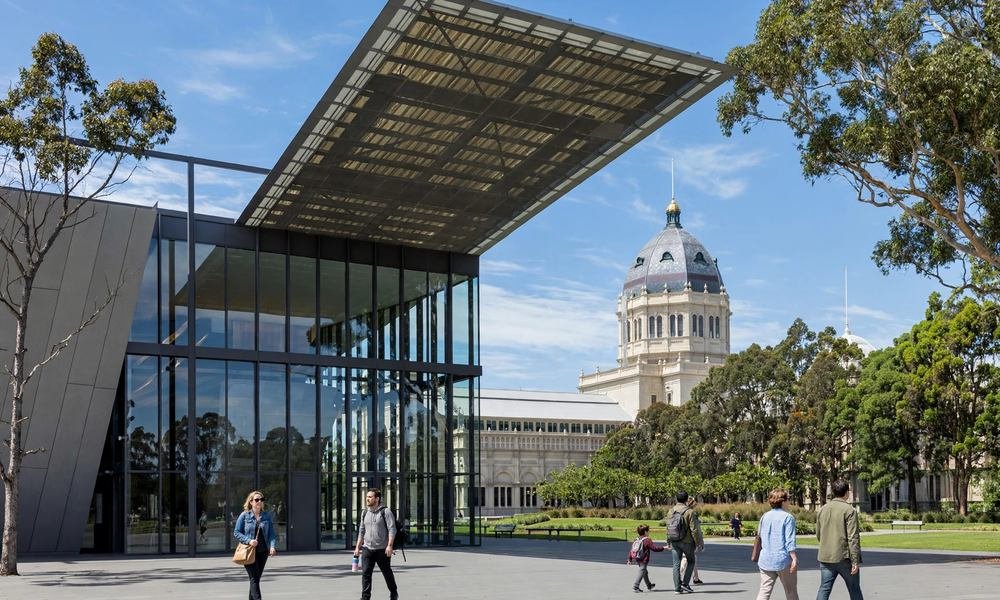
If you only visit one museum in Melbourne, make it this one. It sits in Carlton, right next to the Royal Exhibition Building, and it covers a lot of ground. Natural history, science, human stories and culture all sit under one big roof.
The dinosaur gallery is the first stop for most visitors. The skeletons are huge and kids love them. Give yourself time to wander the whole floor because the best bits are easy to rush past.
Bunjilaka Aboriginal Cultural Centre
Bunjilaka sits inside Melbourne Museum and it is one of the strongest parts of the visit. It is a dedicated space for Aboriginal culture and history in Victoria, with exhibitions, art and storytelling. Take your time here. It is quieter than the rest of the museum and it deserves a slow walk.
The Forest Gallery
This is a tall indoor rainforest inside the museum. You walk through it on raised paths while birds fly around and water runs below. It feels like stepping outside in the middle of a museum visit. Honestly, it is the part I remember most clearly from my first trip.
NGV International: Big-Name Art on St Kilda Road
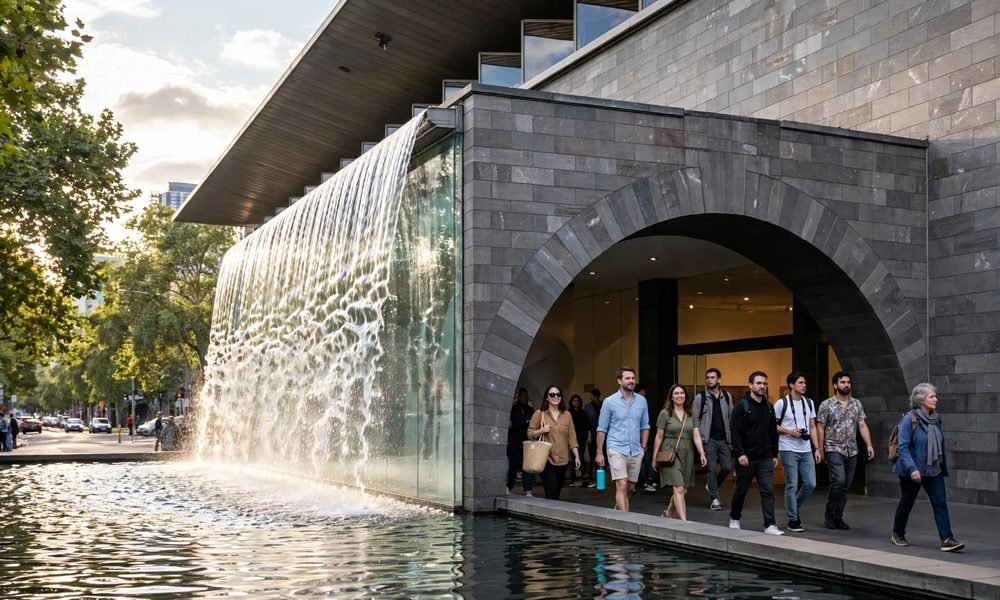
The National Gallery of Victoria has two homes. NGV International on St Kilda Road holds the international collection, with art from many eras and countries. You walk in through a water wall that pours over glass doors. It is a proper Melbourne moment.
General entry is free, which makes it an easy add to any day. The big visiting exhibitions are ticketed and they sell out on weekends, so book ahead if there is one on while you are in town. Check what is on before you go because the lineup changes through the year.
ACMI: Film, TV and Games at Federation Square
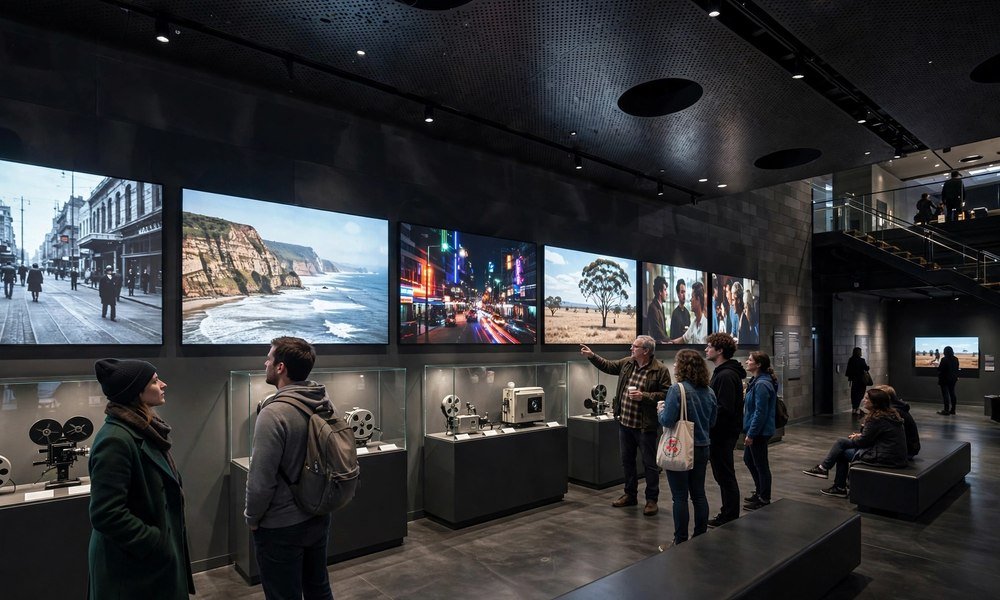
ACMI is the Australian Centre for the Moving Image. It sits right in Federation Square and it is all about screen culture. Film, TV, video games and digital art.
The free gallery walks you through a century of moving images. Early cinema, classic TV and the games people play today all get their space. If you grew up on movies and games, you will lose track of time in here.
Scienceworks and the Melbourne Planetarium
Scienceworks is in Spotswood, a short trip out of the city centre. It is the hands-on science museum, built for touching, pulling, pushing and testing things. Kids go wild here, but plenty of adults end up glued to the exhibits too.
The Melbourne Planetarium is part of the same site. Shows take you through the night sky and out into space. It is a strong pick for a family day or a cloudy afternoon when outdoor plans fall apart.
Immigration Museum in the Old Customs House
This one sits in the Old Customs House on Flinders Street, a grand old building from the 1800s. It tells the stories of the people who moved to Australia and built new lives here.
The personal stories are what make it work. Real people, real objects, real reasons for leaving home. It is smaller than Melbourne Museum, so it fits well into a half day paired with the city centre.
Shrine of Remembrance: Stories of Service
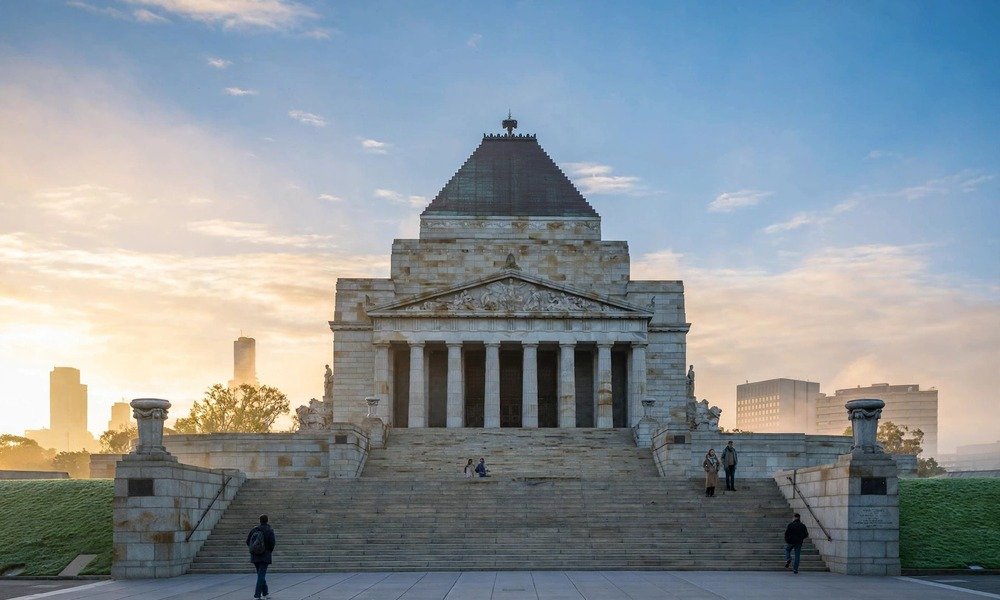
The Shrine stands on St Kilda Road and honours Australians who served in war. The building itself is worth seeing. Wide steps lead up to a quiet sanctuary with city views from the balcony.
The galleries below tell the stories of service men and women through letters, uniforms and personal items. It is moving without being heavy handed. Give it an hour or two and do not rush the balcony view.
State Library Victoria: More Than Books
The State Library on Swanston Street is free and open to everyone. The La Trobe Reading Room is the famous bit, a huge domed room that looks like something from a film set. You can just walk in and have a look.
The library also holds exhibitions, and you can see the original Ned Kelly armour here. It is a good stop between museums in the city centre. Pop in for the reading room even if you skip the exhibits.
Old Melbourne Gaol: History With an Edge
The Old Melbourne Gaol on Russell Street is where Ned Kelly was held and executed. The bluestone building still feels like a prison, all cold stone and narrow cells.
Day visits cover the history of the gaol and the Kelly story. There are also night tours if you want the darker side of it. It is different from every other museum on this list, and history buffs should not skip it.
More Melbourne Museums Worth Your Time
The eight museums above cover the big names. Melbourne has plenty more, and some of the smaller ones are the most memorable. Use the groups below to find the ones that match your interests. Check current opening hours before you visit any of them, as hours can change.
Sport, Transport and Working History
The Australian Sports Museum suits anyone who follows sport. It covers great Australian sporting moments, famous athletes, and the games that shaped the country. Even if you do not follow sport closely, the stories behind the wins and losses are easy to enjoy.
Two aviation museums cover flight from different angles. The RAAF Museum tells the story of Australia’s air force, with aircraft on display and stories from the people who flew and fixed them. The Australian National Aviation Museum covers civil flying, with older planes and the history of how everyday air travel grew in Australia.
Maritime museums tell the story of Melbourne as a port city. You will learn about ships, sailors, trade, and life on the water. If you enjoy boats or harbour history, add one to your list.
The Melbourne Tram Museum is a treat if you like old trams. Melbourne is famous for its trams, and this museum shows how they looked and worked in past years. It is a good stop for transport fans and for kids who love big machines.
The Victoria Police Museum covers police work in Victoria, from early days to now. It looks at past cases, police tools, and how police work has changed over time. Some displays deal with crime, so it suits older kids and adults more than young children.
Art Beyond the Big Galleries
Heide Museum of Modern Art pairs modern Australian art with gardens and outdoor sculpture. The setting feels calm and open, which makes it a nice change from a busy city gallery. Allow time to walk the grounds as well as the indoor rooms.
The Australian Centre for Contemporary Art, known as ACCA, shows new and experimental art. Shows change often, so each visit can feel different. It suits visitors who like fresh ideas and want to see what artists are making now.
The Lyon Housemuseum and The Johnston Collection are both house museums, so art sits inside real homes. The Lyon Housemuseum mixes art with striking house design. The Johnston Collection shows fine antiques and decorative arts in a home setting. Both are small, so the visit feels personal. Check booking details before you go, as small house museums can run on set visit times.
The Grainger Museum looks at the life and music of composer Percy Grainger. It holds his music, instruments, and personal items. It suits music lovers and anyone curious about a creative Australian life.
The Australian Music Vault celebrates Australian music, from early performers to recent stars. You will see costumes, instruments, and stories from the artists behind well known songs. It is a fun stop even if you only know a few Australian acts.
Cultures, Faith and Community Stories
The Hellenic Museum tells the story of Greek history and Greek Australian life. It covers ancient Greek culture as well as the Greek families who built new lives in Melbourne. It is a good stop if you want to understand one of the city’s largest migrant stories.
The Chinese Museum covers Chinese Australian history, from the gold rush years to today. It looks at the work, family life, and culture of Chinese migrants in Victoria. You will find it in the Chinatown area, so it pairs well with a walk and a meal nearby.
The Islamic Museum of Australia covers Islamic art, history, and science, plus the stories of Australian Muslims. It is a clear, welcoming introduction even if you know little about Islam. The Jewish Museum of Australia covers Jewish life in Australia, including migration stories and the Holocaust. Some parts are sad and serious, so give yourself time and space after your visit.
The Mary MacKillop Heritage Centre tells the story of Mary MacKillop, Australia’s first saint. It covers her life, her work with poor families, and the schools and care she helped start. It suits visitors who like personal stories and social history.
The Medical History Museum looks at how medicine has changed over time. Old tools, models, and displays show how doctors learned, treated patients, and fought disease. It is a good pick if you like science with a human side.
Melbourne’s Living Museum of the West covers the stories of the western suburbs. It looks at working life, factories, migration, and local communities. It suits visitors who want to see Melbourne beyond the city centre.
Old Treasury Building: Gold, Government and City History
The Old Treasury Building is one of Melbourne’s grand old buildings, and it now holds exhibitions about the city’s past. Gold rush displays explain how gold changed Victoria almost overnight. Other displays cover government, city growth, and everyday life in early Melbourne. The building itself is part of the visit, so take a moment to look at the rooms and the stonework as you walk through.
How Many Days Do You Need for Melbourne’s Museums
Most travellers need two to three days to do the big museums properly. One day covers Melbourne Museum and the city centre spots like ACMI and the State Library. A second day handles NGV International and the Shrine, since they sit on the same stretch of St Kilda Road. A third day works for Scienceworks in Spotswood plus the Immigration Museum.
If you only have one day, pick two or three that match your interests and do not try to squeeze in everything. Museum fatigue is real. Two good visits beat four rushed ones.
When to Visit Melbourne’s Museums
Weekday mornings are the quietest time, especially outside school holidays. Weekends and school holiday periods get busy, and the popular free museums can feel crowded by midday.
Winter is actually a fine time for museums in Melbourne. You are indoors most of the day, which suits the cooler months. Summer holidays draw bigger crowds, so plan popular spots early in the day.
Where to Stay for Museum Hopping
Stay in or near the CBD if museums are your main plan. Melbourne Museum is in Carlton, just north of the city. ACMI, the State Library, the Immigration Museum and Old Melbourne Gaol are all in or near the centre. NGV International and the Shrine sit south along St Kilda Road, easy to reach by tram.
Southbank works well too. It puts you close to NGV International and a short tram ride from the city. Carlton is handy for Melbourne Museum but a little quieter in the evenings. Pick based on what else you want to do at night.
Getting Around Melbourne’s Museums
Melbourne’s free tram zone covers the CBD and Docklands, which includes several museums. You can hop on and off without paying inside the zone. For trips outside it, like Scienceworks in Spotswood, you will need a myki card on the tram or train.
Walking works for the city centre cluster. ACMI, the State Library and Old Melbourne Gaol are all within easy walking distance of each other. Take the tram down St Kilda Road for NGV International and the Shrine.
Bookable Tours and Blockbuster Exhibits
The big ticketed exhibitions at NGV International often need advance booking, especially on weekends. If a major show is on during your visit, grab tickets as soon as you know your dates. They really do sell out.
Old Melbourne Gaol runs guided tours, including night tours that are separate from day entry. Melbourne Museum and NGV both offer guided tours that add a lot if you want more than the signs tell you. Check what is on during your trip because tours and talks change through the year.
Pick Museums by Interest
If the full list feels too long, start with your interest and pick one or two from that group. You can mix a big museum with a small one on the same day. For ideas beyond museums, see our guide to things to do in Melbourne.
- History first: Old Treasury Building, Immigration Museum, Old Melbourne Gaol, Chinese Museum, Hellenic Museum, and Melbourne’s Living Museum of the West.
- Art lovers: NGV International, Heide Museum of Modern Art, ACCA, The Johnston Collection, and Lyon Housemuseum.
- Families with kids: Scienceworks, Melbourne Museum, Australian Sports Museum, Melbourne Tram Museum, and the Australian Music Vault.
- Music and screen: Australian Music Vault, Grainger Museum, and ACMI.
- Something different: Victoria Police Museum, Medical History Museum, RAAF Museum, Australian National Aviation Museum, and the maritime museums.
Free Museums at a Glance
Melbourne is kind to travellers on a budget. These museums already appear in this guide and have free general entry: NGV International, ACMI, the Shrine of Remembrance, and the State Library Victoria. Special exhibitions at these venues are usually ticketed, so check before you go. For the smaller museums in this guide, entry rules differ, so check each museum’s current entry details before you visit. If you plan to visit several Museums Victoria sites in one trip, check whether a membership would save you money before you buy single tickets.
How Long to Spend at Each Museum
Use these guides to plan your days. They are rough guides, not rules, so stay longer where you enjoy yourself and leave early where you do not.
- Big museums (Melbourne Museum, NGV International, Scienceworks): allow half a day each.
- Mid-size museums (Immigration Museum, Australian Sports Museum, Heide, Chinese Museum, Islamic Museum of Australia, Jewish Museum of Australia, Old Treasury Building): allow one to two hours each.
- Small and house museums (ACCA, Lyon Housemuseum, The Johnston Collection, Grainger Museum, Melbourne Tram Museum, Victoria Police Museum, Medical History Museum, Mary MacKillop Heritage Centre, Melbourne’s Living Museum of the West, Australian Music Vault, RAAF Museum, Australian National Aviation Museum, maritime museums): allow about an hour each.
A simple plan is one big museum plus one small museum per day. That pace leaves time for lunch, a walk, and a second look at anything you loved.
Practical Must-Knows for Museum Days in Melbourne
Most museums let you take photos in the permanent galleries, but flash is usually banned. Special exhibitions often ban photography completely, so check the signs at each one.
Big bags and backpacks may need to go in lockers or the cloakroom. Travel light if you can. Food and drink are not allowed in the galleries, but most museums have cafes for a break between sections.
Several of the best museums are free for general entry. The ticketed ones are worth it, but the free options mean you can build a full museum day without spending much. Always check opening days before you go, since some change hours on public holidays.
FAQs About Visiting Melbourne’s Museums
Are Melbourne’s museums free?
Some are. NGV International, ACMI, the Shrine of Remembrance and the State Library all have free general entry. Melbourne Museum, Scienceworks, the Immigration Museum and Old Melbourne Gaol charge for general admission. Special exhibitions are usually ticketed everywhere.
Which museum should I visit first in Melbourne?
Start with Melbourne Museum if you want the biggest all-round experience. Art lovers should start at NGV International. Families with young kids will get the most from Scienceworks.
Can I take kids to Melbourne’s museums?
Yes. Scienceworks is built for kids, Melbourne Museum has plenty for families, and ACMI keeps older kids busy. The Shrine and the Immigration Museum suit older children who can sit with the stories a bit longer.
Do I need to book tickets in advance?
For free museums, no. For ticketed museums, booking online saves time on busy days. For blockbuster exhibitions at NGV and night tours at Old Melbourne Gaol, book ahead. Those are the ones that sell out.
Are there smaller museums in Melbourne worth visiting?
Yes, plenty. The Australian Sports Museum, Heide, ACCA, the Chinese Museum, the Hellenic Museum, and the Old Treasury Building all add something the big museums do not. Small house museums like the Lyon Housemuseum and The Johnston Collection feel personal and quiet. Pick one or two that match your interests and add them to a day you already planned.
How long should I spend at each museum?
Allow half a day for the big museums like Melbourne Museum, NGV International, and Scienceworks. Allow one to two hours for mid-size museums like the Immigration Museum and the Australian Sports Museum. Allow about an hour for small museums like the Tram Museum and the house museums. One big museum plus one small museum makes a comfortable day.
Do small museums need booking?
Some do and some do not. Small house museums can run on set visit times, and popular small museums can fill up on weekends. Check booking details before you go, especially for the Lyon Housemuseum and The Johnston Collection. For larger museums, booking helps on busy days but is not always required.
Final Thoughts on Visiting Melbourne’s Museums
Melbourne’s museums are some of the best in the country, and several of them are free. Melbourne Museum is the standout for first timers. NGV International and ACMI cover art and screen culture at a high level. Scienceworks wins with families, and the Shrine adds something thoughtful to the mix.
Two or three days is enough to see the best of them without rushing. Stay central, use the trams, and book ahead for the big exhibitions. You will leave with a much better feel for the city than a week of shopping ever gives you.