Melbourne is Australia’s capital of culture. No single giant icon like Sydney’s Opera House. Instead: laneways full of street art, world-class museums, a legendary food scene and neighbourhoods with real character. Best way to see it? On foot, coffee in hand.
Give the city itself three days. Add two more for day trips. This guide from Australia City Guide covers the laneways, icons, museums, neighbourhoods, beaches and day trips worth your time.
Melbourne Laneways and Street Art
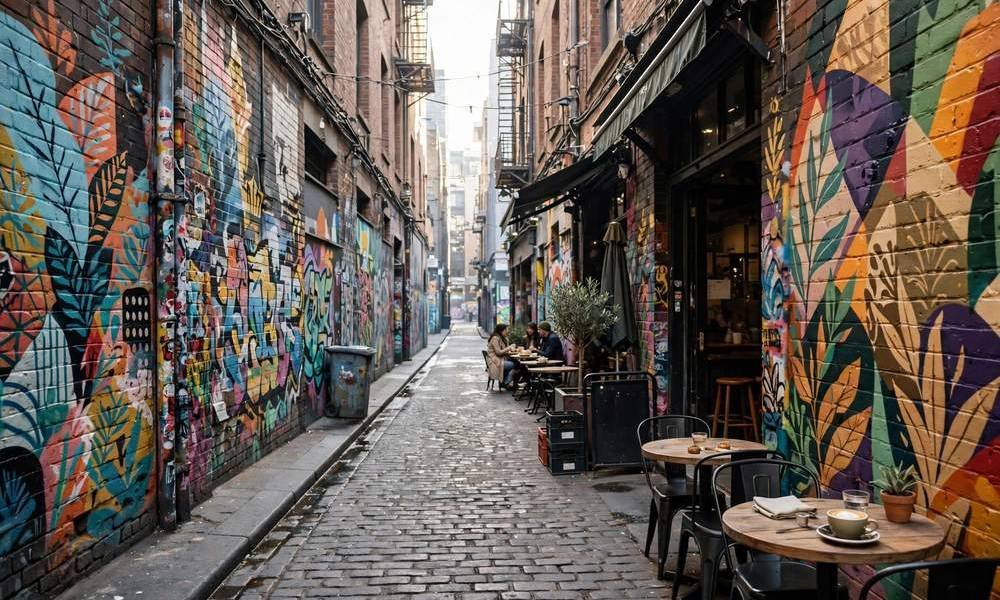
Melbourne’s laneways are the city’s signature. Narrow passages off the main streets holding the best coffee, bars, boutiques and street art in town. Start with Hosier Lane, the most famous, where the walls get repainted constantly. Then find AC/DC Lane, Duckboard Place and Centre Place. Each has its own feel.
The Block Arcade and Royal Arcade are the grand old versions, Victorian shopfronts under glass canopies, dating back to the gold rush wealth of the 1800s. Degraves Street is the classic coffee laneway. Narrow, busy, full of outdoor tables.
A guided laneway walk is worth it on your first day. A local guide explains the stories behind the art and points out details you’d walk straight past otherwise.
Melbourne Icons: Flinders Street Station, Federation Square and the MCG
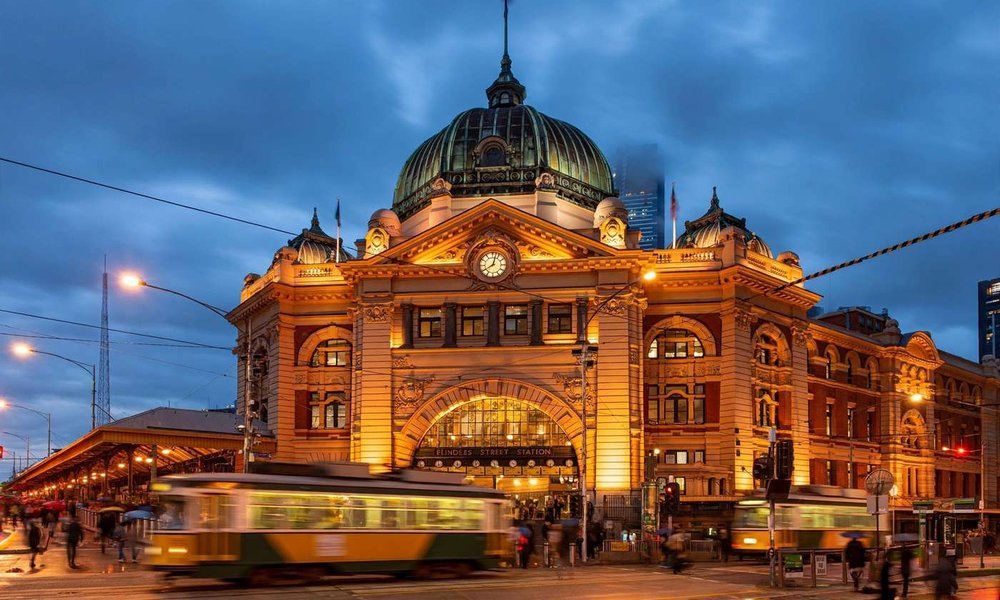
Flinders Street Station is the meeting point of Melbourne. “Meet me under the clocks” is the local phrase. The yellow facade and green copper dome are the most photographed sight in the city. Step inside for the grand old concourse.
Across the road sits Federation Square. Its angular, modern design split opinion when it opened. These days it’s the city’s public living room. Big events screen on the outdoor stage. Inside you’ll find the ACMI museum of film and screen culture, the Ian Potter Centre (the Australian art wing of the NGV) and the Koorie Heritage Trust, which shows Indigenous art and runs Aboriginal walking tours. For shopping, the Bourke Street Mall pedestrian strip sits a short walk north, lined with department stores and chain shops.
The MCG is sacred ground for sports fans. The Melbourne Cricket Ground holds more than 100,000 people and hosts the AFL Grand Final each year. Even with no game on, the guided tour takes you through the players’ rooms and onto the hallowed turf. The Australian Sports Museum inside covers cricket, AFL, the Olympics and more.
Melbourne Neighbourhoods: Fitzroy, St Kilda and More
The inner suburbs are where Melbourne’s personality lives. Each has its own character, all an easy tram ride from the centre. Want a deeper feel for where to base yourself? Read our guide to the best suburbs in Melbourne.
Fitzroy and Collingwood
Fitzroy is where Melbourne’s creative crowd lives. Street art covers whole buildings. Vintage shops, live music venues and late-night bars line Brunswick Street and Smith Street. Our guide to vegan restaurants in Fitzroy is handy here. Best area in the city for plant-based food, no contest. Next door, Collingwood has breweries, galleries and the redeveloped Collingwood Yards arts precinct.
Carlton and Brunswick
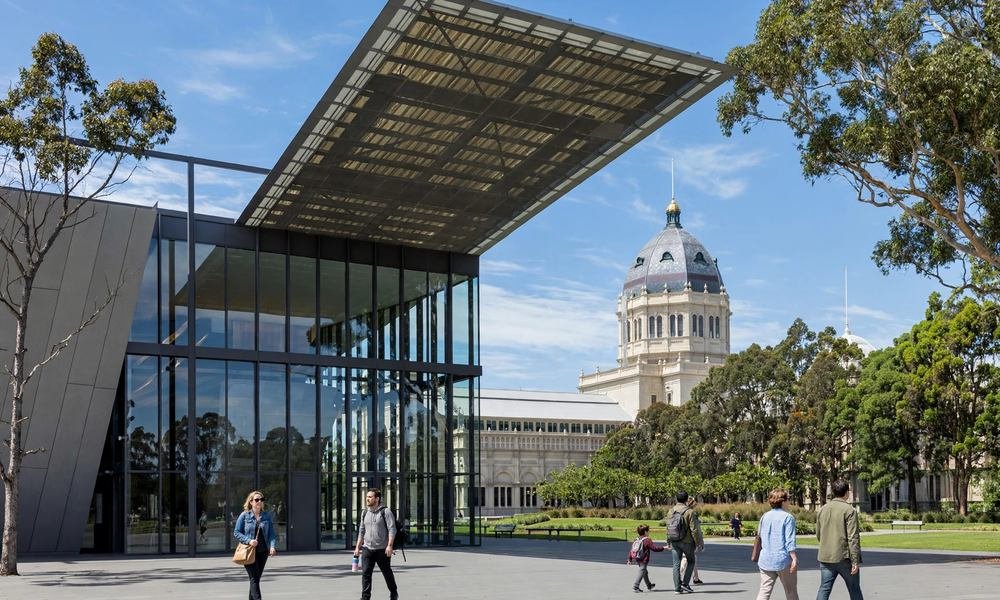
Carlton is Melbourne’s Italian quarter. Lygon Street is lined with Italian restaurants, many run by the same families for generations. It’s also home to the beautiful Royal Exhibition Building and Melbourne Museum precinct. Further north, Brunswick has a grittier, alternative feel. Great live music, Middle Eastern food and a strong arts scene.
St Kilda
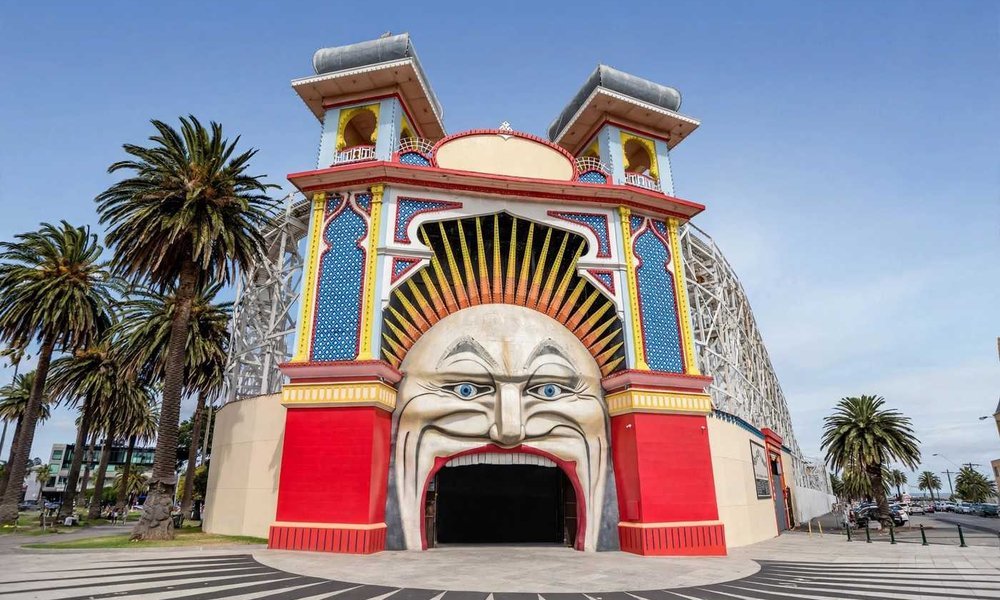
St Kilda is the city’s seaside playground. The famous Luna Park grinning face has greeted visitors for over a century. Walk the promenade, swim at the sea baths or just watch the skateboarders. Time your visit for the Sunday markets if you can. At dusk, look for the little penguins nesting along the breakwater. For more on the city’s coastline, see our guide to beaches in Melbourne.
Footscray
Footscray shows Melbourne’s multicultural side at full strength. Vietnamese, Chinese and African restaurants crowd the main streets. The Footscray Market is a sensory overload in the best way. Less polished than the inner north. That’s exactly the point.
Southbank and Docklands
Southbank runs along the Yarra opposite the CBD. Casino complex, riverside restaurants and the Arts Centre with its famous spire. Docklands, further west, is all modern waterfront. Good for a sunset walk and the giant observation wheel area.
Best Museums in Melbourne
Melbourne has the best museums in the country. You could spend days on these alone.
Melbourne Museum in Carlton is the big one. Natural history, dinosaurs, the Melbourne story gallery and the moving Bunjilaka Aboriginal Cultural Centre. The preserved body of Phar Lap, Australia’s most famous racehorse, is here. It’s also the cheapest major museum day out. Entry is very affordable and kids get in free.
The NGV (National Gallery of Victoria) is Australia’s oldest and largest art museum. The main St Kilda Road building holds international art. Think Monet, Picasso and Rembrandt. Plus a strong Asian collection. The Australian art lives at the Ian Potter Centre in Federation Square. General entry is free.
Heide Museum of Modern Art sits in the suburbs in the former home of art patrons John and Sunday Reed. It tells the story of modern Australian art in a beautiful garden setting. The Immigration Museum in the Old Customs House explains how waves of migration built the city you see today. Essential context for understanding Melbourne’s food and neighbourhoods. Museum lovers heading north should also see our guide to the best museums in Sydney.
Historic Melbourne: Queen Victoria Market, Old Melbourne Gaol and Grand Buildings
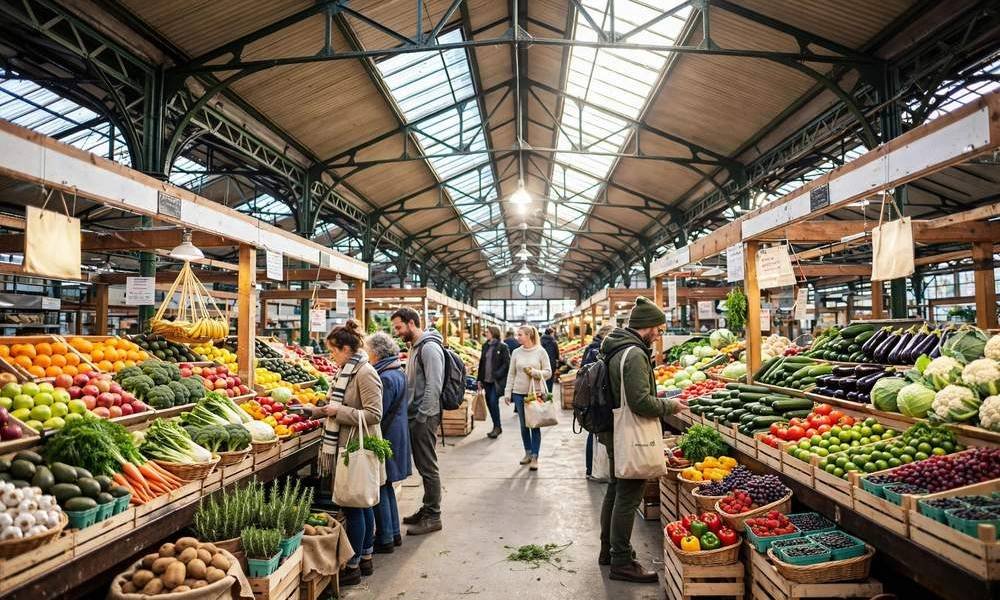
Queen Victoria Market has traded since the 1800s. Two city blocks of fresh produce, clothing, souvenirs and street food. Go hungry. The night markets in summer are a highlight. It’s closed Mondays and Wednesdays most of the year, so check before you go.
The Old Melbourne Gaol is where the bushranger Ned Kelly was hanged. Walk the cell blocks, see the death masks, hear the grim stories. The night tours lean into the ghost stories, if that’s your thing.
The Royal Exhibition Building is Melbourne’s only World Heritage-listed site. Built for the 1880 international exhibition, it later hosted the opening of Australia’s first parliament. Guided tours run when events aren’t on.
The State Library Victoria is worth visiting just for the La Trobe Reading Room. A vast octagonal space under a glass dome. One of the most beautiful interiors in Australia, and entry is free.
The Shrine of Remembrance sits in Kings Domain near the Botanic Gardens. It honours Australians who served in wars. The views from the top steps stretch across the city to the bay. Worth the climb.
St Paul’s Cathedral stands directly opposite Federation Square, an Anglican cathedral with a striking tiled interior. St Patrick’s Cathedral on Eastern Hill is the Catholic cathedral, built from bluestone in the 1800s and one of the grandest church buildings in the country.
Melbourne Parks and Gardens
The Royal Botanic Gardens cover 38 hectares on the Yarra. Thousands of plant species from around the world. Join the joggers on the Tan Track around the edge, or take the Aboriginal Heritage Walk to learn how local plants were used for food, tools and medicine.
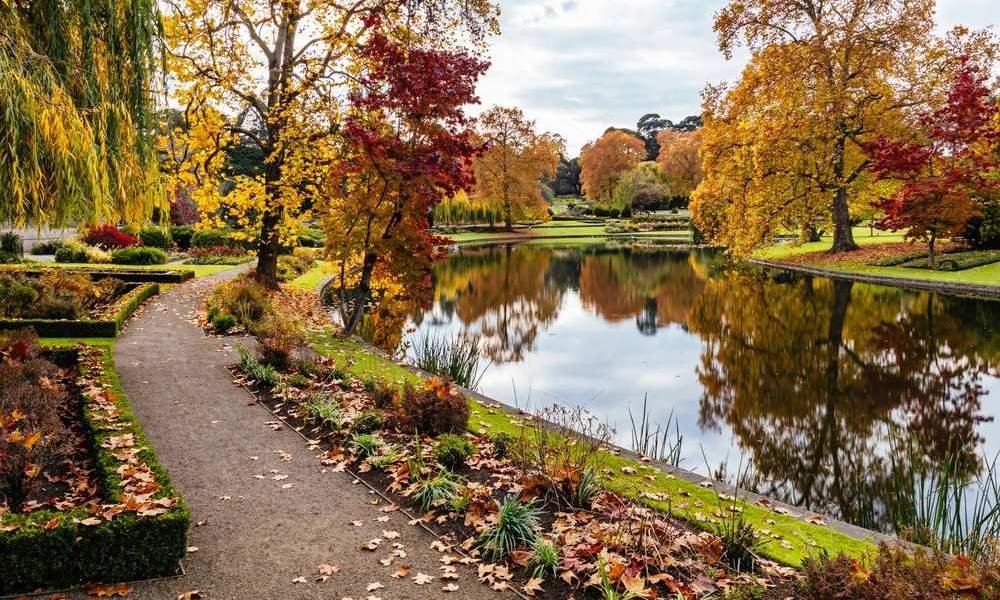
Fitzroy Gardens in East Melbourne is smaller and very pretty, with the historic Cook’s Cottage and the charming Fairies’ Tree. Albert Park Lake is good for a walk or run with city views. The Yarra River itself is an attraction. Walk or cycle the riverside trails, hire a kayak, or take a river cruise past the city skyline.
Melbourne Beaches: Brighton, St Kilda and Williamstown
Melbourne isn’t famous for beaches, but the bayside suburbs are lovely on a warm day. Brighton Beach has the iconic colourful bathing boxes. Go early for photos without crowds.
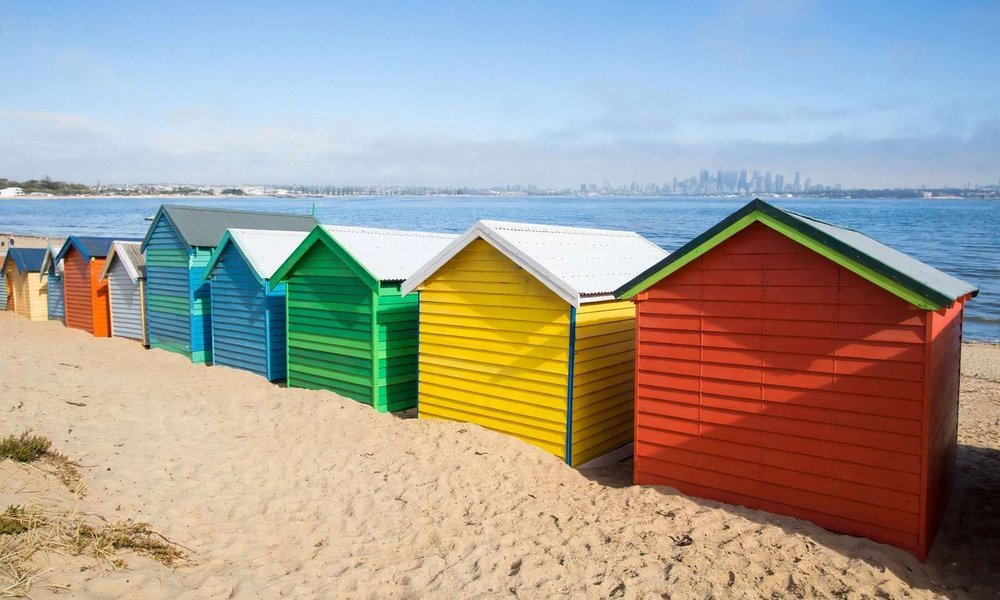
Our guide to Brighton Beach has the details. St Kilda Beach is the liveliest, with the promenade and bars. Williamstown has a village feel with old bluestone buildings and harbour views. See our Williamstown Beach guide. Our full rundown of beaches in Melbourne and the wider beaches in Victoria if you want to go further.
Melbourne Food Scene: Eating and Drinking Like a Local
Melbourne takes food seriously. The coffee culture is world-famous. Order a flat white and you’ll understand why. The laneways hide tiny cafes that roast their own beans.
For dinner, the options are endless. Carlton does Italian. Footscray does Vietnamese. Fitzroy does everything. Want the classics first? Our guide to typical Aussie food is a fun starting point. Craving Thai? Our guide to the best Thai restaurant in Melbourne sorts the standouts. The hidden bar scene is half the fun after dark. Small bars down unmarked laneways, rooftop bars in summer, wine bars everywhere.
Melbourne with Kids: Family-Friendly Attractions
SEA LIFE Melbourne Aquarium sits on the Yarra in the CBD. The ocean tunnel with sharks swimming overhead is the highlight, plus the penguin enclosure. Melbourne Zoo in Parkville is one of Australia’s best, with the Australian bush precinct great for seeing kangaroos and koalas. Scienceworks in Spotswood has the famous lightning room shows that kids love. Legoland Discovery Centre at Chadstone suits younger children.
Melbourne Viewpoints: Eureka Skydeck and Hot Air Ballooning
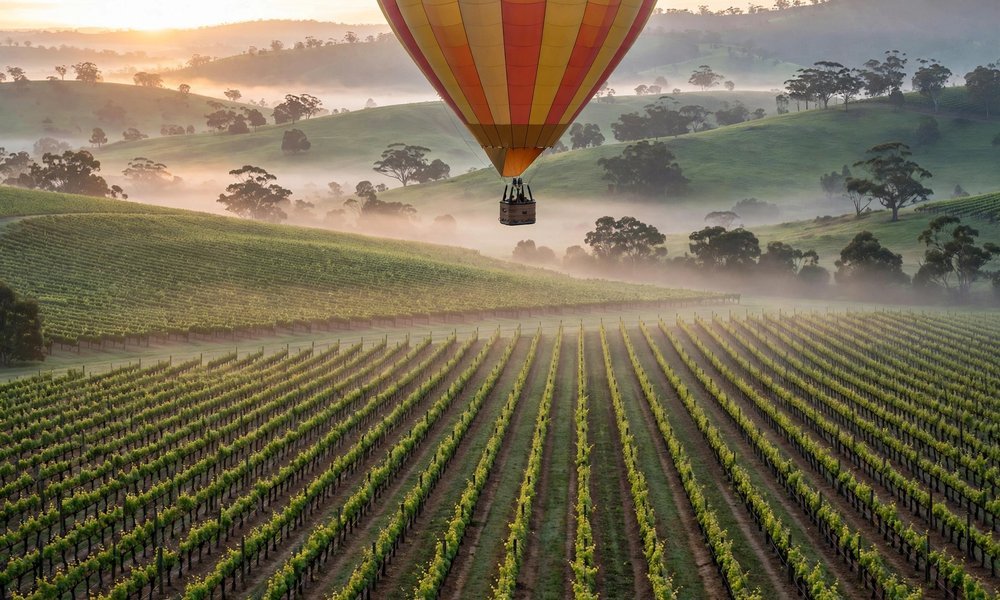
The Eureka Skydeck on the 88th floor of Eureka Tower is the highest public viewpoint in the Southern Hemisphere. The Edge, a glass cube that projects out from the building, is not for the faint-hearted. For something gentler, a hot air balloon flight over the city at sunrise is the kind of thing you remember for years. Melbourne is one of few cities in the world where balloons fly right over the centre.
Sold on the idea? Here’s how to plan it.
How many days in Melbourne is enough?
Three days covers the city itself: laneways and icons on day one, museums and neighbourhoods on day two, gardens and bayside on day three. Five days lets you add a day trip or two. With a week you can do the Great Ocean Road properly and still have lazy mornings in Carlton cafes.
Where to Stay in Melbourne: Best Areas and Suburbs
The CBD suits first-timers who want everything walkable. Fitzroy and Collingwood suit nightlife and food lovers. St Kilda suits beach days. South Yarra and South Melbourne are polished and central.
Whatever your budget, there’s something here. Backpacker hostels around the CBD and St Kilda suit solo travellers and tight budgets. Budget hotels cover the mid-range. Fitzroy and Carlton have the best boutique picks, small hotels with real character. For a splurge, the luxury hotels cluster around the CBD and Southbank. Our detailed guide on where to stay in Melbourne breaks down the best areas and options.
Getting Around Melbourne: Trams, Myki and the Free Tram Zone
The free tram zone covers the CBD and Docklands. Trams inside it cost nothing. Just hop on. Outside the zone you’ll need a Myki card, the rechargeable smart card for trains, trams and buses across Victoria. Buy one at stations, 7-Elevens and retailers, then top up as you go. The city centre is very walkable, so you’ll mostly use trams for the inner suburbs.
Best Day Trips from Melbourne
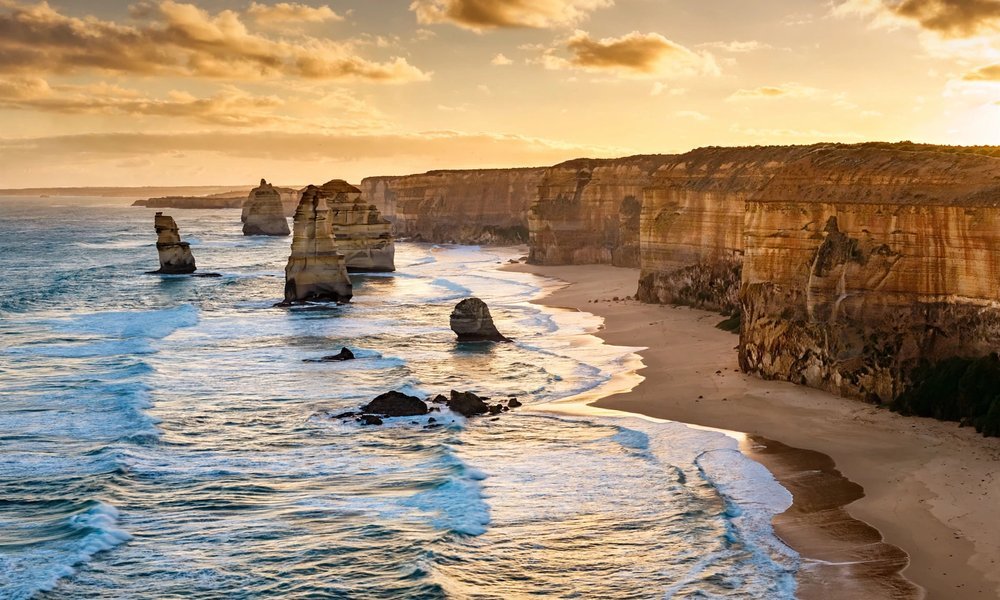
Melbourne’s day trips are some of the best in Australia. Puffing Billy, a historic steam train through the Dandenong Ranges, is a huge hit with families. The Great Ocean Road is the country’s most famous coastal drive, with the Twelve Apostles as the headline act. Phillip Island is home to the nightly penguin parade. The Yarra Valley does wine, chocolate and rolling green hills. Each deserves a full day, so plan your Melbourne stay to allow for at least one.
Melbourne Tours: City, Food and Bar Tours
Melbourne rewards a good guide. City sightseeing tours cover the icons in a half day, handy if you’re short on time. Food tours through the laneways take you to the coffee spots and hole-in-the-wall eateries you’d never find alone. After dark, hidden bar tours unlock the small bars and rooftops tucked down unmarked lanes. A local shows you the doors you’d walk straight past.
That’s the planning done. Here’s what everyone asks before they visit.
FAQs About Visiting Melbourne
How many days in Melbourne is enough?
Three days for the city itself. Five days if you want to add day trips like the Great Ocean Road or Phillip Island. The CBD attractions cluster close together, so you can see a lot quickly.
What is Melbourne famous for?
Coffee, laneways, street art, live music, sport (especially AFL and the MCG), multicultural food and unpredictable weather. It’s often called Australia’s cultural capital.
Do I need a Myki card in Melbourne?
Only if you travel outside the free tram zone. Trams within the CBD and Docklands are free. For trains, buses and trams further out, buy a Myki card and top it up.
What are the best day trips from Melbourne?
The Great Ocean Road, Phillip Island penguin parade, Puffing Billy steam train and the Yarra Valley wineries. Each needs a full day. Book tours ahead in peak season.
Is Melbourne worth visiting in winter?
Yes, with the right expectations. Winter is cool and changeable. The “four seasons in one day” saying is real. But the galleries, bars, restaurants and laneways are year-round, and there are fewer crowds.
What is the best suburb to stay in Melbourne?
First-timers should stay in the CBD for walkability. Fitzroy suits food and nightlife lovers. St Kilda suits beach days. See our best suburbs in Melbourne guide for the full breakdown.
Is Melbourne expensive for tourists?
It can be. Accommodation and dining add up. But many of the best things are free: laneways, street art, the Botanic Gardens, the NGV, the State Library. The free tram zone also saves on transport.