If you want big mountain views, waterfalls and walks without a long flight, the Grampians are hard to beat. This national park in western Victoria packs sandstone ranges, lookouts, rock art and wildlife into one easy road trip from Melbourne.
The Traditional Owners know this place as Gariwerd, and its stories run far deeper than the walking tracks. In this guide from Australia City Guide, you will find the best walks, waterfalls and lookouts, plus honest planning help: how many days you need, where to stay, and what to check before you go.
Why the Grampians Are Worth the Trip
The Grampians rise straight out of flat farmland, so the first sight of the ranges always surprises people. One minute you are driving past paddocks, and the next you are looking at rocky peaks and deep valleys. That contrast is a big part of the appeal.
The park suits all kinds of travellers. Serious walkers can spend days on the ridges. Families can mix short lookout walks with a zoo visit and a picnic. And if you just want a slow weekend, Halls Gap gives you cafes, cabins and kangaroos on the lawn without any hiking at all.
Gariwerd also carries deep cultural meaning. The Jadawadjali and Djab Wurrung Peoples have cared for this country for tens of thousands of years, and the park holds one of the richest collections of Aboriginal rock art in south-eastern Australia. You will get much more from your visit if you take time to learn that side of the story too.
The Pinnacle and the Wonderland Range
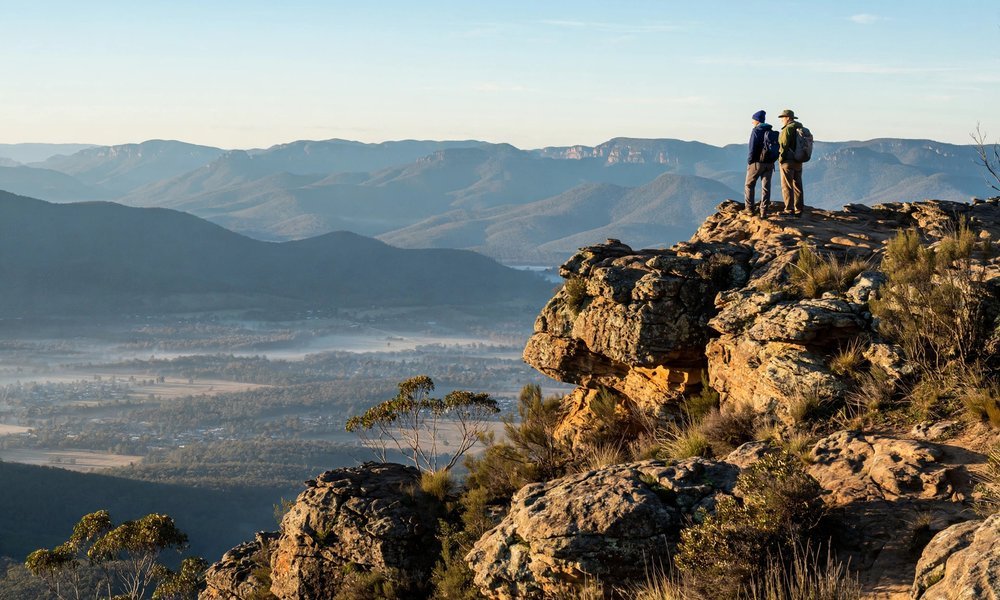
Most first visits revolve around one walk: the climb to The Pinnacle. It is the park’s best-known lookout, and it earns that reputation. The track winds through the Wonderland Range, past narrow passages and balanced rocks, then opens onto a rocky platform high above Halls Gap.
The Pinnacle Lookout
Start this walk in the cool of the morning. It is steep in places, and there is little shade on the upper sections, so an early start makes the whole thing more pleasant. Take plenty of water, wear sturdy shoes, and allow a few hours return at a relaxed pace.
The view from the top takes in Halls Gap, Lake Bellfield and the ranges rolling away in every direction. It is also the busiest walk in the park, so if you want the lookout to yourself, go on a weekday or get there before the tour groups arrive.
The Grand Canyon Walk
The Grand Canyon is a short, narrow passage of tall rock walls in the Wonderland Range, and it sits on the way to The Pinnacle for many walkers. It is a fun section for kids, who love squeezing between the walls and spotting the light patterns on the rock.
Track conditions here can change, and sections have closed for repairs in the past. Check the current track status before you set out, and have a backup plan if your first-choice route is shut.
Waterfalls Worth Chasing
The Grampians have some of Victoria’s best waterfalls, and they are at their strongest after rain and through spring. Plan your waterfall stops for the middle of the day if you want the light on the water, and be ready for wet steps and spray near the base of the bigger falls.
MacKenzie Falls
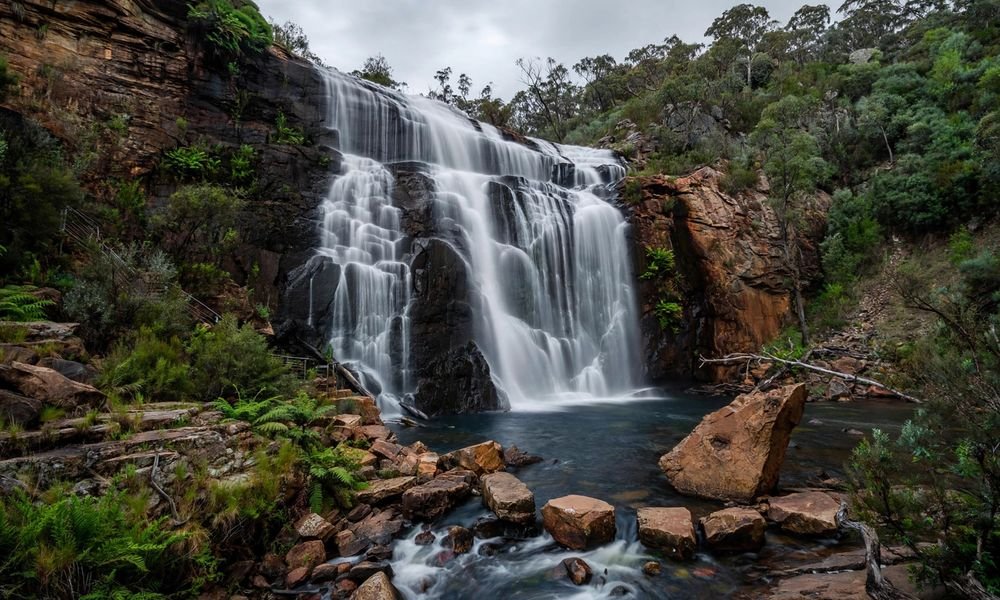
MacKenzie Falls is the park’s most famous waterfall, and one of the largest in Victoria. Water drops over rugged cliffs into a deep pool, and the falls flow all year, though they are strongest after rain.
You can view the falls from lookouts above without tackling the steep descent to the base. The walk down is a long flight of steps, so it suits people with good knees and good shoes. If you do go down, take your time coming back up, and keep off wet rocks near the water.
Access to MacKenzie Falls has been affected by major upgrade works, so treat it as a stop to confirm, not assume. Check Parks Victoria on the morning you travel, and keep the lookouts or Zumsteins as your backup if the falls area is closed.
Silverband Falls and Beehive Falls
Silverband Falls is a gentle walk through forest to a slim waterfall, and it is a good pick when you want something easy. The track is mostly flat, the setting is quiet, and it pairs well with a picnic stop nearby.
Beehive Falls sits in the northern part of the park and is best after rain or in spring, when wildflowers dot the walk in. The falls drop into a rock pool, and the whole walk feels wilder and less visited than the central sights.
Venus Baths and Broken Falls
Venus Baths are natural rock pools close to Halls Gap, and they are a favourite cooling-off spot on warm days. The walk in is short and easy, which makes it a good choice for families or for a late-afternoon wander after a bigger walk.
Broken Falls is a smaller cascade near the MacKenzie Falls area, reached by a pleasant track from the same car park. It is worth adding if you are already in the area and want a quieter waterfall without another drive.
If you have time for a southern side trip, Wannon Falls and Nigretta Falls near Hamilton are worth a look. Wannon Falls is a wide, single drop over a volcanic cliff, while Nigretta Falls spills over a series of rock steps. Both sit outside the park, so treat them as extras, not core Grampians stops.
Lookouts You Can Reach by Car
You do not need to be a hiker to enjoy the Grampians. Some of the best views in the park sit a short stroll from a car park, which makes them perfect for sunset trips, travellers with limited mobility, or days when your legs are tired from yesterday’s walk.
Boroka Lookout
Boroka Lookout is a drive-up viewpoint with wide views over Halls Gap and Lake Bellfield. The path from the car park is short and easy, and the lookout is a great sunset spot when the light turns warm over the ranges.
Reed Lookout and The Balconies
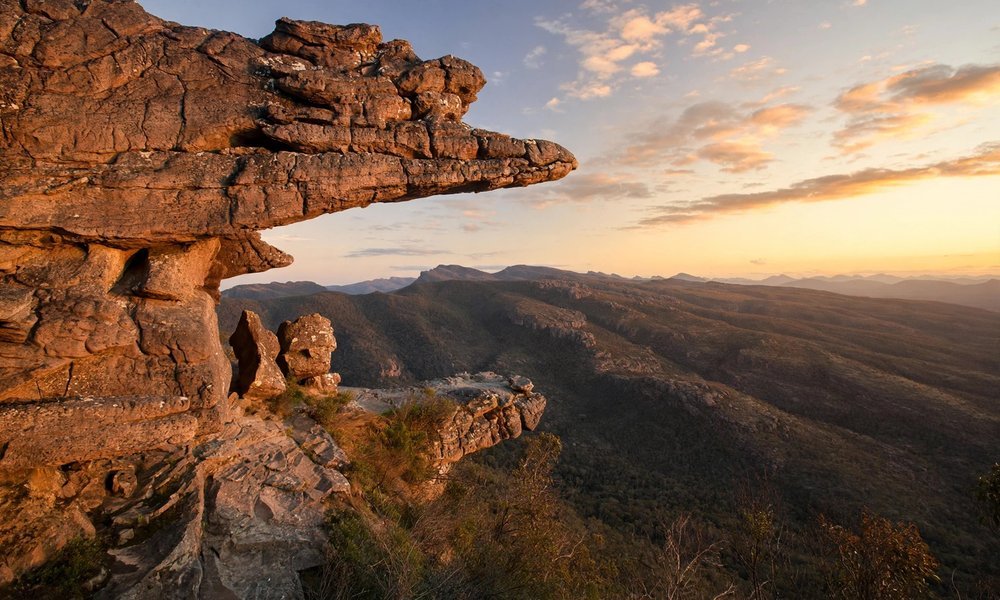
Reed Lookout gives you sweeping views over the Victoria Valley and the western ranges from a well-kept, accessible path. From the same area, a flat, easy walk leads to The Balconies, a set of rock formations that jut out over the valley like stone balconies.
The Balconies are at their best late in the day, when long shadows stretch across the valley. It is one of the most photographed spots in the park, and it is easy to see why.
Rock Art and Living Culture
Gariwerd holds an extraordinary cultural record. Paintings and carvings in rock shelters across the park tell stories that go back tens of thousands of years. A few sites are open to the public, and visiting them with respect is one of the most rewarding things you can do here.
Brambuk Cultural Centre
Start at Brambuk, the National Park and Cultural Centre in Halls Gap. The centre explains the living culture of the Traditional Owners, the meaning of Gariwerd, and the stories behind the rock art. Staff can also point you to which sites are open and how to visit them properly.
Give Brambuk at least an hour. It changes how you see the rest of the park, and kids tend to enjoy the hands-on displays and the stories behind the art.
Rock Art Sites You Can Visit
Bunjil’s Shelter is one of the most important rock art sites in Victoria, with a rare painting of Bunjil, the creator spirit. It is a short drive from Halls Gap and an easy stop to add to any day.
Gulgurn Manja Shelter, in the northern Grampians, is known for its handprints and motifs set against wide views over the plains. Ngamadjidj Shelter is another open site, and it pairs well with a sunset stop at the end of a day in the central park.
A few simple rules apply at every rock art site. Do not touch the art, stay behind any barriers, take photos from a distance without flash, and skip any site that is closed. Closed sites are closed for cultural reasons or for safety, and there are always open sites to enjoy instead.
Wildlife and Wildflowers
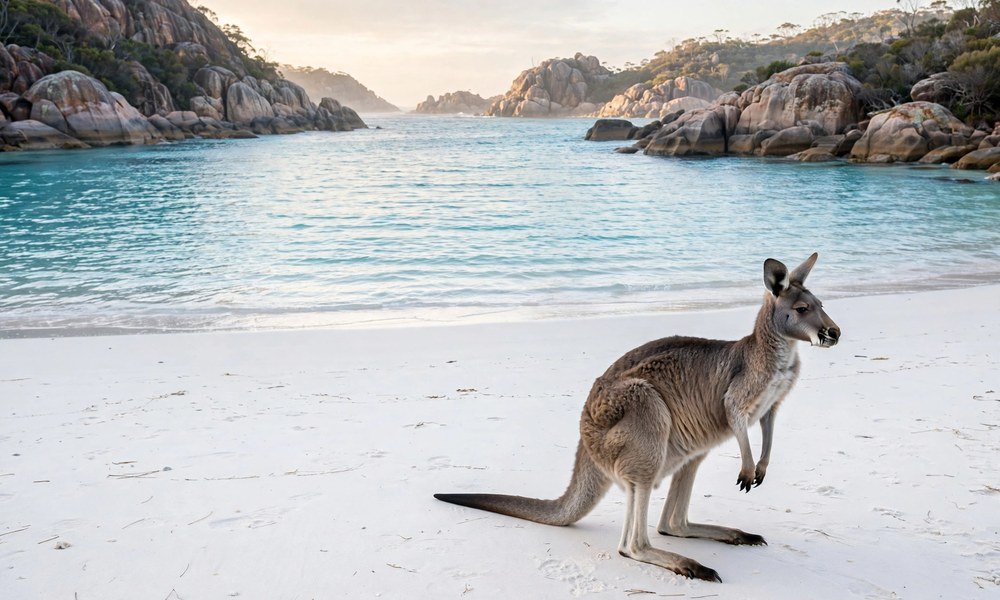
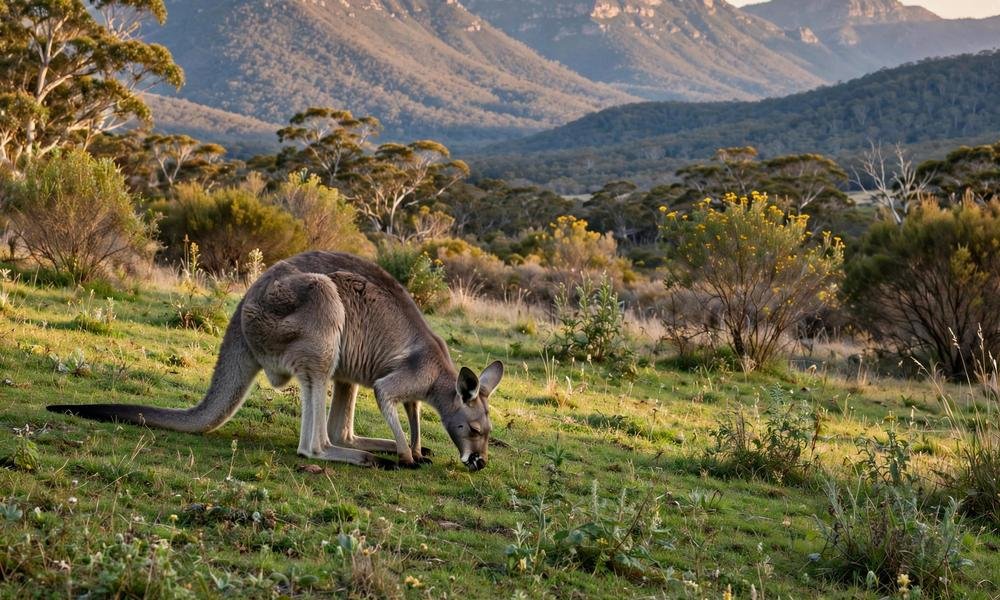
Wildlife spotting in the Grampians is easy, sometimes too easy. Kangaroos graze on the Halls Gap recreation reserve most evenings, and emus wander through the town and campgrounds. Wallabies, echidnas and possums are common too, and birdwatchers will have plenty to look for, with hundreds of species recorded in the park.
The best wildlife moments come early in the morning or late in the afternoon. Walk quietly, keep your distance, and never feed wild animals. Food from people makes them sick and changes their behaviour, and it can make them bold around other visitors.
Spring is wildflower season, and it is a wonderful time to visit. From September to November, the heathlands and forest floors fill with colour, and the park is known as one of the best wildflower regions in Victoria. The displays change week by week, so even locals find something new on repeat visits.
Drive carefully at dawn and dusk. Kangaroos and emus can step onto the road without warning, and the park’s winding roads leave little room to react. Slow down, watch the edges of the road, and never swerve suddenly for an animal.
Lakes, Swimming Spots and Scenic Drives
Not every Grampians day needs to be a hike. Lake Bellfield, near Halls Gap, is a calm spot for picnics, fishing and paddling, and its shoreline road makes a pleasant slow drive. Lake Wartook and Moora Moora Reservoir, further west, are also popular for fishing, canoeing and kayaking. Check local fishing rules before you cast a line.
For swimming, Venus Baths and the lakes are the sensible picks on a hot day. Never swim above a waterfall, in fast-moving water, or in pools you cannot see the bottom of. After heavy rain, water levels can rise fast, so check conditions before you get in.
The drive along Mt Victory Road is the classic Grampians scenic drive, linking Halls Gap with the main lookouts and waterfalls. Mt Zero Road, in the north, takes you into quieter country with fewer cars and a wilder feel. Both are sealed in the main sections, but side roads can be rough, so check your route if you are in a small hire car.
The Three Regions: North, Central and South
It helps to think of the park in three parts. Each region has its own character, and knowing which one suits you saves a lot of driving back and forth.
Central Grampians
The central region is where most first visits happen. It holds The Pinnacle, MacKenzie Falls, The Balconies, Boroka Lookout and Halls Gap itself. If you only have a day or two, base yourself here and you will see the icons without long drives.
Northern Grampians
The northern Grampians are rougher and quieter. Mount Stapylton is a steep climb with big views over the plains, and the Hollow Mountain trail winds through wind-shaped rock formations. This region also holds some of the best rock art shelters, including Gulgurn Manja. Come here when you want space and a sense of remoteness.
Southern Grampians
The southern Grampians suit walkers chasing solitude and big peaks. Mount William, the park’s highest peak, is reached by a road and a walk from the car park, and it rewards you with wide views on a clear day. Near Dunkeld, the climbs up Mount Abrupt, Mount Sturgeon and The Piccaninny are shorter but still give you that high-country feeling, with open grasslands and rocky outcrops along the way.
The Grampians Peaks Trail
The Grampians Peaks Trail is a 164-kilometre, multi-day walk that runs the length of the ranges, from Mt Zero in the north to Dunkeld in the south. Most walkers take around 13 days to complete it, staying at purpose-built hike-in campgrounds along the way.
You do not need to walk the whole trail to enjoy it. Many visitors walk a single section as a day walk or an overnight trip, which gives you a taste of the ridges and the campgrounds without two weeks off work. Book hike-in campsites through Parks Victoria well ahead, especially in spring and over school holidays.
The Peaks Trail is a serious walk. It crosses exposed ridges, and weather can turn fast. Only take it on with good fitness, proper gear, and a plan for water, food and exit points. If you would rather have support, licensed tour operators run guided sections and full-trail trips.
Halls Gap: The Town at the Centre of It All
Halls Gap is the only town inside the park, and it is the natural base for most visits. It has a visitor information centre, cafes, a small supermarket, fuel, and a good range of places to stay. Book ahead in school holidays and over long weekends, when the town fills fast.
Evenings in Halls Gap are a highlight on their own. Kangaroos graze on the oval as the light fades, and the cafes and restaurants fill with walkers swapping notes about the day’s tracks. It is a friendly, low-key town, and it is easy to see why so many people return year after year.
Eating and Drinking in Halls Gap
Halls Gap has everything from casual cafes to proper sit-down restaurants, and most places are used to hungry walkers. Grab a big breakfast before a long walk, and book dinner ahead on weekends if you have your heart set on a particular spot.
Stock up on food and water before you arrive if you can. The town supermarket covers the basics, but choice is limited compared with Melbourne or Ballarat, and prices reflect the distance everything travels.
The Grampians Wine Region
The wine region around Great Western and Ararat has been making wine for well over a century, and some of its cellars hold vines among the oldest in the world. Cool-climate wines are the local strength, and the cellar doors make an easy, relaxed day trip from Halls Gap.
A wine loop through Stawell and Great Western pairs well with a rest day between walks. If you are driving, nominate a driver or join a tour, and keep tastings modest. The roads back to Halls Gap are winding, and they are no place to rush.
Halls Gap Zoo and Family Fun
Halls Gap Zoo is Victoria’s largest regional zoo, with more than 160 species, including native animals and exotic species. Keeper talks and feeding sessions run through the day, and kids usually rate it as a trip highlight.
Grampians Adventure Golf, near Lake Bellfield, is another easy family stop, and a stroll around the lake afterwards makes a gentle end to a busy day. Both are good wet-weather or rest-day options when little legs need a break from walking.
How Many Days Do You Need?
One day is enough to see the headline sights from Halls Gap, but it will feel rushed, and you will spend a lot of it driving. If you can only spare a day, pick one big walk and two lookouts, and save the rest for next time.
Two days is the sweet spot for a first visit. You get a full day of icons plus a second, slower day for waterfalls, rock art and a scenic drive. Three to four days lets you add the northern or southern regions, the wine region, and a proper rest day.
Five days or more suits walkers tackling Peaks Trail sections or travellers combining the Grampians with Ballarat and the Great Ocean Road. There is no bad length of stay here, but overnight beats a day trip every time. Staying the night means you get the early mornings and the evenings, which are the best parts of the park.
When to Visit the Grampians
The Grampians are good all year, but each season has a different feel. Spring, from September to November, is the classic pick: wildflowers are out, waterfalls are flowing, and the walking weather is mild. Autumn, from March to May, brings cooler days, colourful foliage and quieter tracks.
Winter, from June to August, is quiet and moody, with misty mornings and strong waterfalls. It is a great time for walkers who like empty tracks, but pack warm layers and check for track closures after storms. Summer, from December to February, suits swimming and lake days, but start walks early to beat the heat, and take fire danger ratings seriously.
If you have a choice, aim for spring or autumn. You will get the best mix of comfortable walking, flowing water and colour, without the summer heat or the winter mud.
Where to Stay
Staying in Halls Gap
Halls Gap is the best base for a first visit. It puts you minutes from The Pinnacle, the lookouts and the waterfalls, and it has the widest choice of places to stay: motels, cabins, lodges, holiday parks and a youth hostel. Staying in town also means you can walk to dinner and wake up to kangaroos outside your door.
Dunkeld and Stawell
Dunkeld, at the southern end of the park, is a good base if your focus is the southern peaks or the Peaks Trail’s final sections. It is a small town with a well-known restaurant scene and a relaxed pace. Stawell, to the north-east, is a larger town with more services, and it works well as an overflow base when Halls Gap is full.
Camping in the Park
Camping inside the park is a great way to stay close to the action. Borough Huts, Smiths Mill and Jimmy Creek campgrounds are popular choices, and Smiths Mill is handy for MacKenzie Falls sunrises. Book through Parks Victoria, especially in spring and school holidays, and bring everything you need, as campgrounds have basic facilities only.
If you want a softer version of camping, glamping is now well established around Halls Gap and Great Western, with bell tents, safari tents and cabins that give you a real bed without losing the sounds of the bush at night.
Getting There and Getting Around
Driving is the easiest way to reach the Grampians. From Melbourne, it is about 260 kilometres, or roughly three hours, west along the Western Highway to Halls Gap. From Adelaide, it is about 460 kilometres, or roughly five hours. Ballarat makes a handy midway stop on the Melbourne drive, and it is worth a day of its own if you have time.
Public transport is possible but slower. V/Line trains and coaches run from Melbourne to Ballarat, with connections towards Ararat and Halls Gap, and the full trip takes around four and a half hours. If you travel this way, plan your park days around tours or a hire car from Halls Gap, as buses inside the park are limited.
Once you are there, a car is almost essential. The sights are spread out, and the park’s roads link lookouts, waterfalls and trailheads that are too far apart to walk between. Fill up in Halls Gap or Stawell before heading into the quieter parts of the park, and download offline maps, as phone signal drops out in the valleys.
Sample Itineraries
One Big Day
Start early with The Pinnacle walk, then drive to Boroka Lookout for lunch views. Spend the afternoon at Reed Lookout and The Balconies, and finish with kangaroo spotting around Halls Gap as the light fades. It is a full day, so skip MacKenzie Falls if you are short on time or energy.
Two Days at a Relaxed Pace
Day one follows the one-day plan above. Day two starts with MacKenzie Falls and Broken Falls, then moves on to Silverband Falls and a picnic at Zumsteins. Spend the afternoon at Brambuk Cultural Centre and Bunjil’s Shelter, and finish with dinner in Halls Gap.
Three to Four Days: The Full Trip
Day three adds the northern Grampians: Hollow Mountain and Gulgurn Manja Shelter, with a quiet drive along Mt Zero Road. Day four heads south to Mount William or Mount Abrupt, then winds up with a wine tasting loop through Great Western on the way back. If you have a fifth day, add Ballarat on the way home, or keep driving south to join the Great Ocean Road itinerary at Warrnambool.
Tours if You Don’t Want to Drive
Guided day tours run from Melbourne to the Grampians, and they suit travellers without a car or anyone who wants the driving and timing handled for them. Most tours cover The Pinnacle or the main lookouts, MacKenzie Falls, and wildlife spotting around Halls Gap, and they return to Melbourne the same evening.
Multi-day tours and guided Peaks Trail sections are also available, and they are worth considering if you want local knowledge on the track or help with the logistics of a longer walk. Compare what each tour actually includes before booking, as some spend more time driving than walking.
Must-Knows Before You Go
Track Closures and Fire Danger
Always check Parks Victoria for track closures and change-of-conditions notices before you head out, and check the CFA fire danger rating on the day. Tracks close for storm damage, cultural reasons and fire risk, and a closed track is not a suggestion. Have a backup plan for every walk, and be ready to change your day if conditions turn.
On total fire ban days, do not light campfires or use open flames outside designated areas, and follow any directions from park staff. If you are in any doubt about safety, ask at the Halls Gap visitor centre before you set out.
What to Pack
Pack layers, even in summer. The weather in the ranges can change fast, and a cool change can turn a warm afternoon into a cold evening. Sturdy shoes, a hat, sunscreen, insect repellent, a first aid kit, snacks and at least two litres of water per person per walk are the basics.
Bring a paper map or downloaded offline maps as backup. Phone signal is patchy in the valleys and gorges, and you should not rely on it for navigation or safety. Tell someone your walk plan and expected return time before heading out on longer tracks.
Accessibility
Several Grampians highlights are accessible without a big walk. Boroka Lookout and Reed Lookout both have short, easy paths from their car parks, and MacKenzie Falls has lookout platforms you can reach without the steep descent to the base. Brambuk Cultural Centre is also easy to get around.
Many bush tracks are steep, rocky or uneven, so check track grades on Parks Victoria before choosing a walk. The Halls Gap visitor centre can advise on the best options for your needs.
Visiting With Kids
The Grampians work well with kids if you match the walk to their energy. The Balconies, Venus Baths and Silverband Falls are all short and rewarding, and the zoo and adventure golf give you non-walking options for rest days. Let kids carry their own small backpack with water and snacks, and build in plenty of stops.
Keep children close on lookout platforms and near cliff edges, and hold hands on narrow or exposed sections. The views are the reward, but the drops are real, and safety barriers are there for a reason.
FAQs About Visiting the Grampians
How far is the Grampians from Melbourne?
It is about 260 kilometres, or roughly three hours by car, from Melbourne to Halls Gap. An overnight stay is well worth it, as a day return leaves little time for walking.
Is there an entry fee for Grampians National Park?
Day entry to the park has generally been free, but camping and Peaks Trail hike-in campsites are booked and paid for separately through Parks Victoria. Confirm the current setup before you travel, as fees and booking rules can change.
Is MacKenzie Falls open?
Access has been affected by upgrade works, so check Parks Victoria on the morning you travel. If the falls area is closed, the lookouts, Zumsteins and the other waterfalls in this guide make good backups.
Can you visit the Grampians in a day from Melbourne?
Yes, but it is a long day with a lot of driving. You will enjoy the park far more with at least one night in Halls Gap, which gives you the early morning walks and the evening wildlife.
Are dogs allowed in the Grampians?
No, dogs and other pets are not allowed in the national park. This protects wildlife and the park’s cultural sites, so leave pets at home or arrange care outside the park.
What is the best time to visit the Grampians?
Spring and autumn are the best all-round picks, with mild walking weather, flowing waterfalls and wildflowers in spring. Winter is quiet and moody, and summer suits swimming and lake days if you start walks early.
Do I need to book camping?
Yes, book campgrounds and Peaks Trail hike-in sites through Parks Victoria ahead of time, especially in spring, over school holidays and on long weekends. Sites fill fast in peak periods.
Final Thoughts on Visiting Grampians National Park
The Grampians reward travellers who slow down. One big walk, one waterfall and one sunset are worth more than a rushed checklist of every lookout in the park. Stay a night or two, start early, and leave room in your days for the unplanned moments: kangaroos at dusk, a quiet track to yourself, or a long lunch at a cellar door.
For more ideas in the state, browse our Victoria guides, and if you are planning a longer Victorian trip, pair this park with the coast or with Ballarat’s gold-rush history. However you shape your visit, Gariwerd’s ranges, waterfalls and stories are the kind of trip that stays with you long after you drive home.