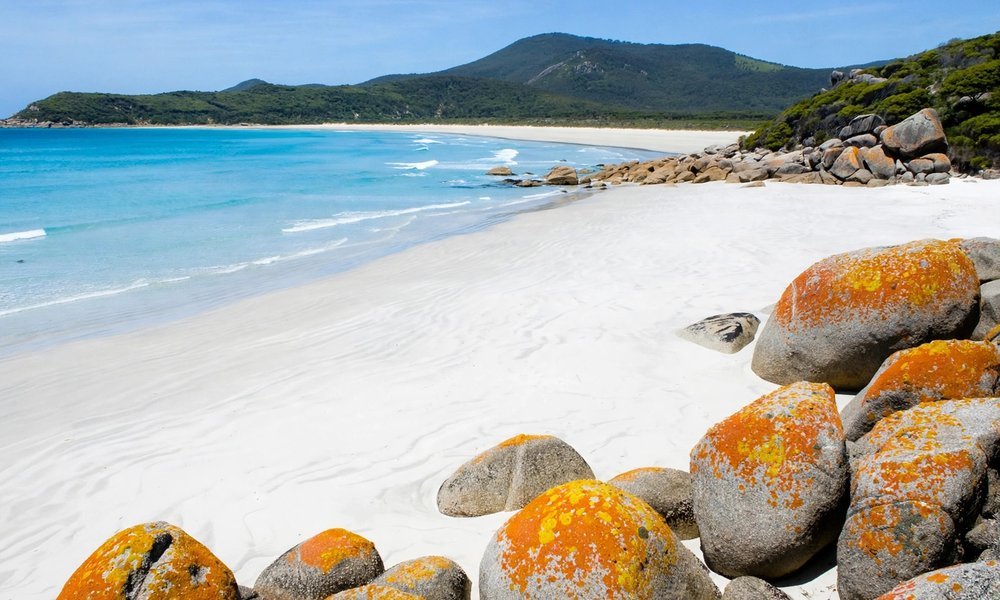

Phillip Island sits about 140 kilometres southeast of Melbourne, joined to the mainland by a single bridge at San Remo. It is small, just over 100 square kilometres, but it packs in more than most places ten times its size: the world’s largest little penguin colony, Australia’s biggest fur seal colony, a world-famous race circuit, surf beaches on one side and calm swimming beaches on the other. Most people come for a weekend or a few days, and honestly, the island rewards every extra night you give it. This guide from Australia City Guide covers everything in one place: the wildlife, the walks, the food, where to stay and how to plan your time.
Phillip Island sits in Victoria, an easy drive from Melbourne, which makes it one of the state’s most popular short breaks. If you only do one thing here, make it the Penguin Parade. But stay longer and you’ll find the island has layers most day-trippers never see.
The Penguin Parade: The Island’s Most Famous Night Out
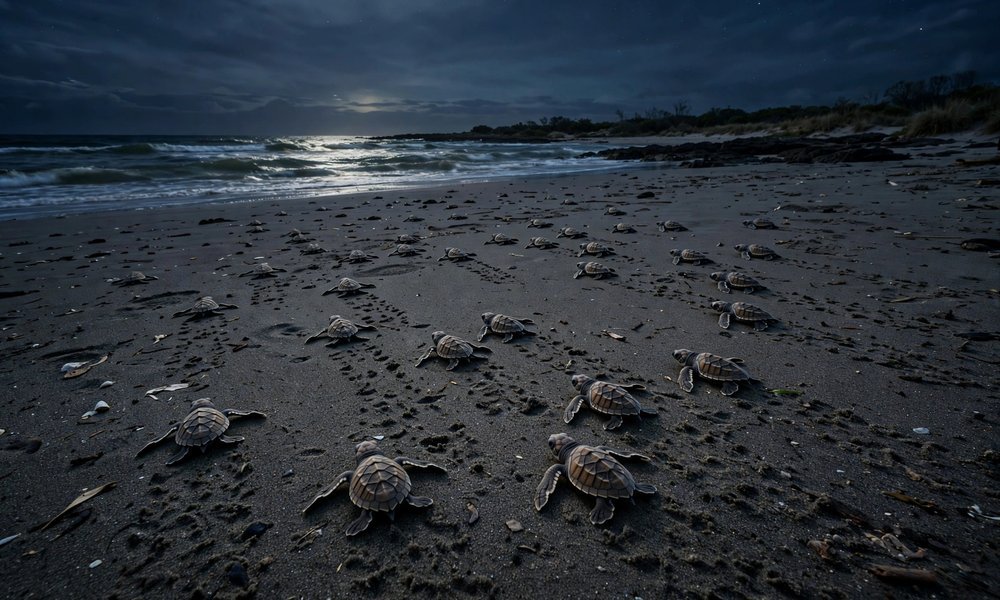
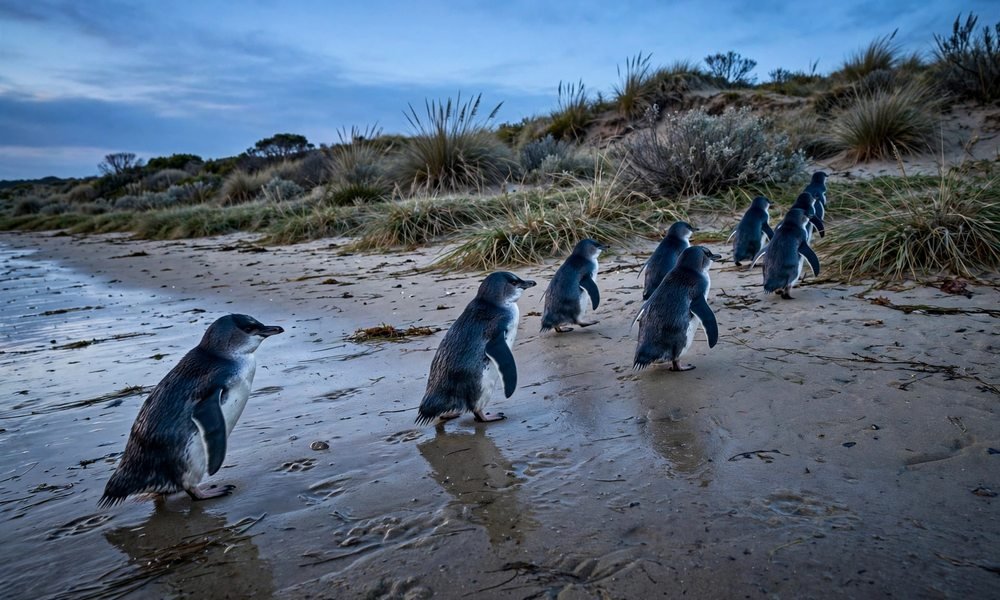
Every single night of the year, little penguins come ashore at Summerland Beach. They have been fishing all day and wait offshore until enough of them have gathered, then they cross the sand in small groups and waddle up to their burrows in the dunes. The colony numbers around 40,000 birds, the largest little penguin colony in the world. It is the one experience on Phillip Island you should not skip, and it genuinely lives up to the hype.
How the Penguin Parade Works
Penguin arrival time changes with the seasons, because it depends on sunset. In summer the birds often come in between 8:00 and 8:45 pm; in winter it can be as early as 5:15 to 6:45 pm. Phillip Island Nature Parks publishes a penguin arrival calendar, so check it before you book and plan your evening around it. Allow at least two hours for the whole experience: time to get there, settle in, watch the crossing, then follow the boardwalks up the hill as the penguins make their slow way to their burrows.
The grandstands and boardwalks are set up so you can watch without disturbing the colony. Come prepared for cold weather even in summer, because the beach catches the wind. Warm layers, a beanie and a windproof jacket make the difference between a great night and a shivering one.
Penguin Parade Ticket Options and Rules
There are several ticket tiers, from the general viewing grandstands through to smaller beachfront platforms, underground viewing galleries and ranger-guided tours with night-vision gear. The premium options get you closer to the birds with far fewer people around you. Booking ahead is essential, especially in summer and on school holidays, because sessions regularly sell out. On the busiest nights of the Christmas period, even general viewing can fill and you may end up standing.
One rule matters more than any other: no photography and no phones. Your phone stays in your pocket or bag for the entire parade, because screen light disorients the penguins just as much as a camera flash. The rule applies to every viewing option. You can take photos freely during the day at the visitor centre, the Nobbies and the Koala Conservation Reserve.
The Nobbies, Seal Rocks and the Wild Southwest
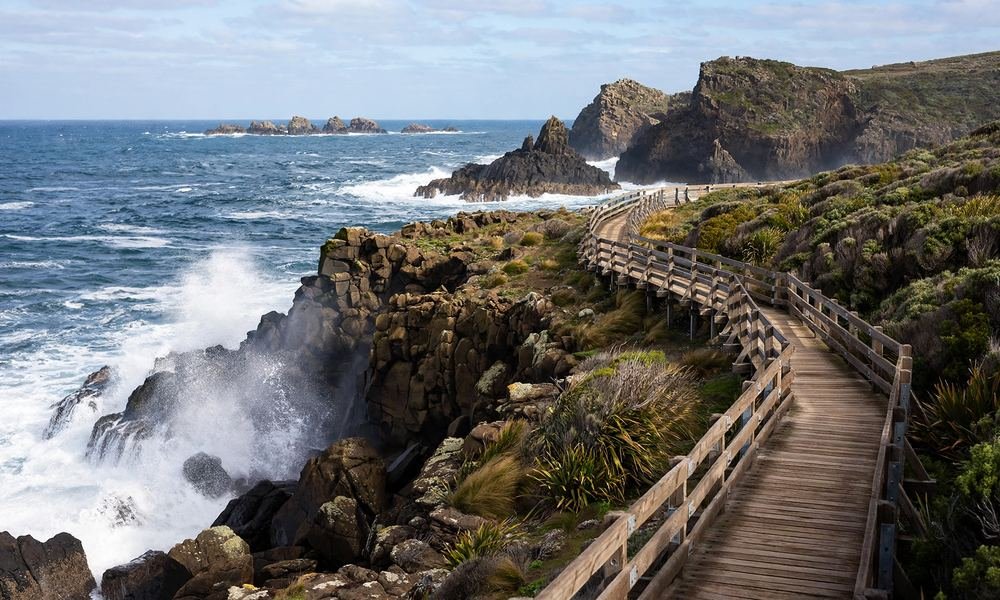
Phillip Island’s southwestern tip is where the island shows its wild side. The Nobbies Centre sits above cliffs that drop straight into Bass Strait, with boardwalks running along the coast past blowholes and rock stacks. The Antarctic Journey exhibition inside the centre covers the marine life of the Southern Ocean, and the outdoor platforms look straight out to Seal Rocks.
Seal Rocks and Its Fur Seals
Seal Rocks, about a kilometre and a half offshore, is home to Australia’s largest fur seal colony, with thousands of animals hauled out on the rocks year round. You cannot land on the rocks, but from the Nobbies boardwalks you can watch the seals clearly, especially with binoculars. Boat cruises go much closer if you want a proper look, and the seals are there in every season. This is also one of the island’s best whale-watching spots in winter.
The Nobbies Boardwalk and Blowhole
The boardwalk itself is an easy walk of about a kilometre, taking 20 to 40 minutes depending on how often you stop. It passes the blowhole, which is at its best when the swell is up, and several lookout platforms over the seal rocks. Little penguins nest in the burrows along the boardwalk, and if you look carefully through the slats you can sometimes spot them for free during the day. The route includes steps, so it is not well suited to prams or wheelchairs.
Koalas, Wallabies and the Island’s Other Wildlife
Phillip Island is famous for penguins and seals, but the bushland between the coast roads holds plenty more. Give the quieter reserves at least half a day and you’ll be surprised what turns up.
Koala Conservation Reserve
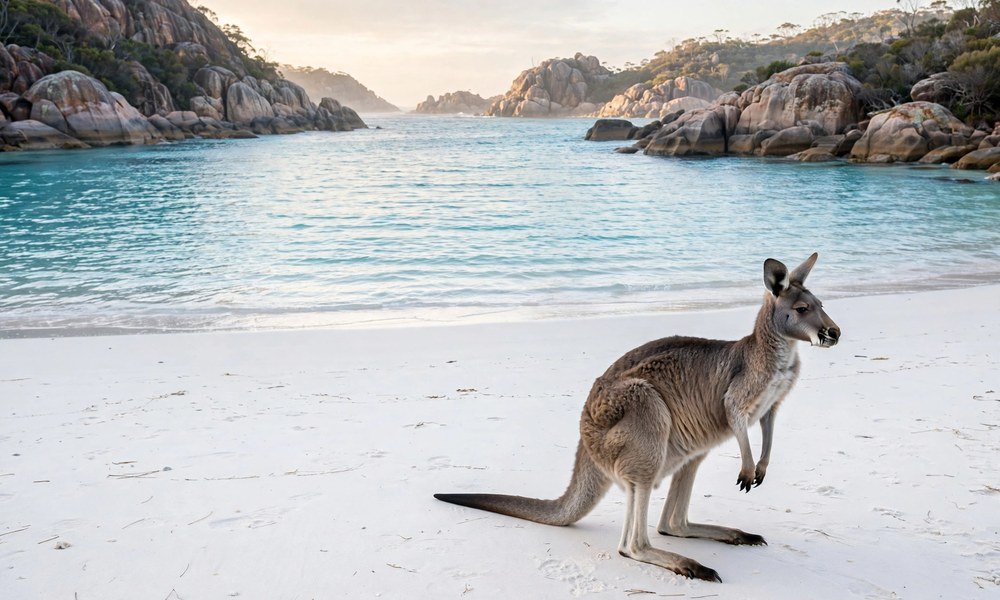
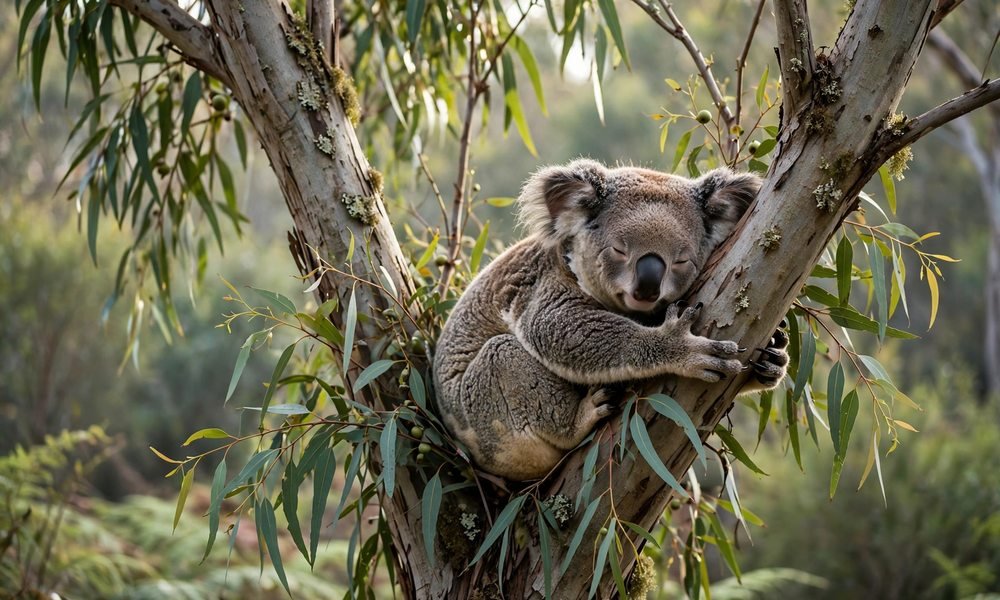
The Koala Conservation Reserve is the island’s dedicated koala habitat, with treetop boardwalks that put you at eye level with the animals as they sleep in the crooks of the eucalypts. Koalas sleep around 20 hours a day, so don’t expect action, but watching one wake up, shift position and start feeding is worth the visit. The visitor centre has displays on koala behaviour and conservation, and the bushland trails around the reserve often turn up wallabies, echidnas and colourful birds. Buy your ticket in advance on busy days.
Shearwaters: The Free Sunset Show
While the penguins get the crowds, another bird show plays out every evening for free. Short-tailed shearwaters migrate to Phillip Island from the northern hemisphere each year and return to their burrows at sunset in enormous numbers. Find a spot anywhere from Cape Woolamai to Smiths Beach at dusk and watch the sky fill with them. It costs nothing and hardly anyone seems to know about it.
Churchill Island: Farming History on a Separate Island
Churchill Island sits just off Phillip Island’s eastern shore, connected by a short bridge, and it feels like a different century. This is the site of the first farm in Victoria, and the heritage farm still works the land much as it did in the 1850s. You can watch sheep shearing, cow milking and whip cracking, ride in a Clydesdale-drawn wagon and walk through the old homestead with its original wallpaper. The island was home to the Boon Wurrung people long before European settlement, and the ancient midden and stone remains on the island mark thousands of years of history. Families love this place, and it makes a good half-day between the bigger attractions.
Walks Worth Your Time: Cape Woolamai and Beyond
Phillip Island is made for walking. The tracks are well kept, mostly short, and the coastal scenery does the heavy lifting. Bring water, wear proper shoes and remember the weather can turn fast on the south coast.
Cape Woolamai Walk
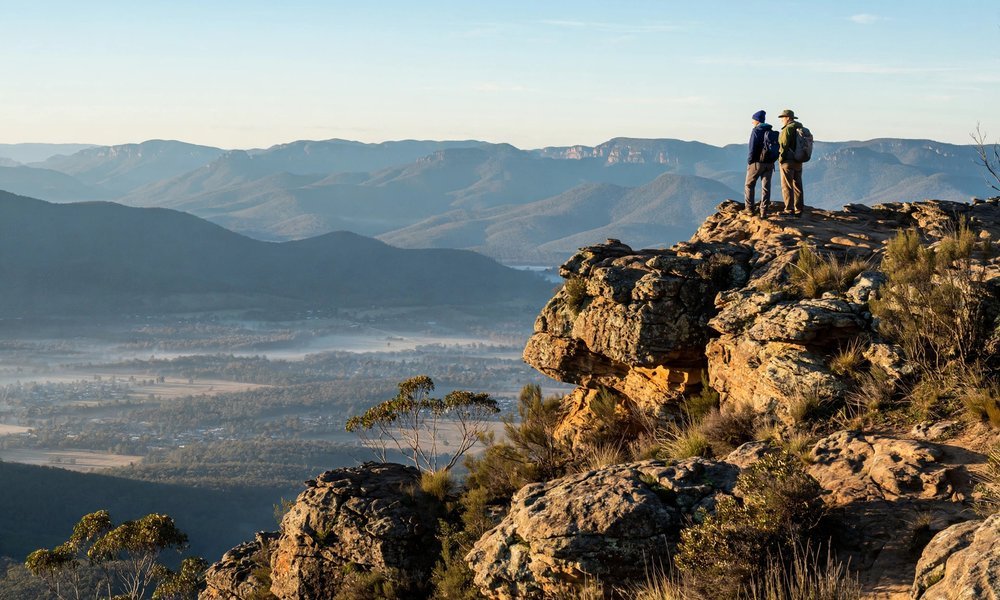
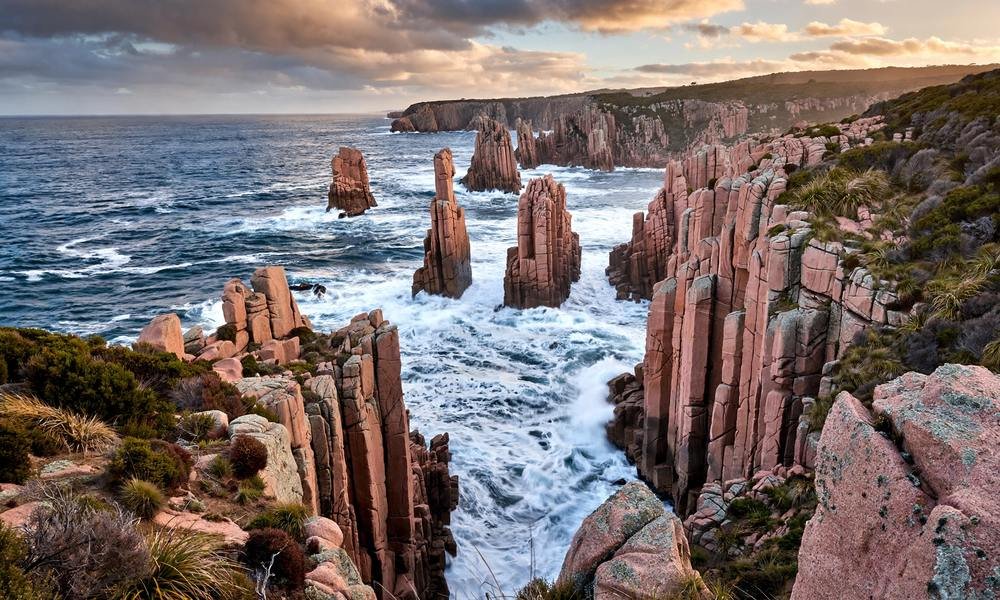
Cape Woolamai is the island’s highest point, and the walk around it is the single best hike on Phillip Island. Several marked routes start from the surf club car park. The Pinnacle Loop takes you out to the granite pinnacles at the cape’s tip with big views back along the coast, and you can link routes together for a longer circuit if you have the legs. Allow two to three hours for the main loop, and give yourself extra time for the viewing platforms. Surfers park at the beach below while walkers head for the cliffs, so it is a good spot to see both sides of island life at once.
Pyramid Rock, Forest Caves and Rhyll Inlet
Pyramid Rock Walk is another coastal favourite, a shorter track with big views of the island’s rugged southern cliffs. At Forest Caves, on the island’s southeast corner, low tide reveals sea caves you can walk into. Go only at low tide, check the tide times before you head down, and wear shoes you don’t mind getting wet. For something gentler, the Rhyll Inlet loop and Conservation Hill walk wind through wetlands and mangroves and are excellent for birdwatching. Rhyll itself is a quiet fishing village on the island’s north side and a nice spot for lunch.
Beaches and Surf: The Calm North and the Wild South
Phillip Island’s two coasts could hardly be more different. The north side faces Western Port Bay and is calm and sheltered. The south side faces Bass Strait and gets the swell. Pick your beach based on the day you want.
Family Beaches on the North Coast
Cowes Beach is the main town beach, north facing, with calm water, shady Norfolk pines and great sunset views across the bay. It is the obvious pick for families with small kids. Summerland Beach, home of the Penguin Parade, is also lovely during the day when the penguins are at sea.
Surf Beaches on the South Coast
The south coast holds the island’s surf breaks. Phillip Island was declared Victoria’s first National Surfing Reserve in 2013, and it has waves for every level. Beginners do well at sheltered spots like Smiths Beach, while experienced surfers head to Woolamai, Cat Bay and the reef breaks. Surf shops in Cowes hire boards and wetsuits, and Island Surfboards runs lessons for beginners. If you prefer your surf culture dry, Islantis is a small multimedia museum devoted to the island’s surfing history.
On the Water: Kayaking and Wildlife Cruises
Some of Phillip Island’s best scenery is only visible from the water. Both of these are easy to book and suitable for most fitness levels.
Kayak Tours
Guided kayak tours run along the island’s coastlines, including trips around Cape Woolamai’s granite cliffs and sea caves, the quiet mangroves and mudflats of the Rhyll wetlands, and gentle paddles along the Cowes foreshore that suit beginners and families. Sunset paddles are the pick of the bunch. No experience is needed for most tours, and all gear is provided.
Seal and Whale Cruises
Wildlife cruises leave from Cowes and run out along the island’s rugged coastline to Seal Rocks, where you get far closer to the fur seal colony than the boardwalks allow. Depending on the season you may also see dolphins, seabirds and, in winter, whales. Most cruises include commentary and run for a couple of hours. Book ahead in school holidays.
Whale Season and the Island Whale Festival
From May to October, migrating whales pass the island’s coast, and winter is the best time to see them. Humpbacks and southern right whales are the most common sightings. The Whale Discovery Trail is a self-guided walk with information signs about the whales’ life cycle and behaviour, and the best land-based lookouts are around the Nobbies and Cape Woolamai. The Island Whale Festival runs in mid-July with whale cruises, talks, art and film screenings. Bring warm clothes and binoculars.
Stargazing and the Southern Lights
Phillip Island has dark skies and uninterrupted horizons, which makes it one of the better stargazing spots within easy reach of Melbourne. On clear winter nights you have a genuine chance of seeing the aurora australis, the Southern Lights, dancing low over Bass Strait. Check the aurora forecasts, get away from the town lights of Cowes, and look south. If you want to learn the craft, local operators run private night photography workshops.
The Grand Prix Circuit: Motorsport on the Coast
The Phillip Island Grand Prix Circuit sits on the cliffs at Ventnor and is widely rated one of the finest race tracks in the world, with long fast corners and a permanent view over the sea. It has hosted the Australian Motorcycle Grand Prix since 1997, along with the World Superbike Championship each February and the Supercars round in autumn. Note for race fans: the 2026 MotoGP was set to be the last ever held on the island, with the race moving to Adelaide from 2027, so the island’s motorsport calendar is changing.
Outside race weekends the circuit is open all year. The visitor centre runs guided track tours with access to race control and the pit roof, hot laps in a race car for the brave, and a motorsport history exhibition. The go-kart track is a scaled replica of the full circuit and is good fun even if you have no interest in racing. It pairs well with the Nobbies, which is only a few minutes away.
Eating and Drinking Around the Island
Phillip Island’s food scene has grown up a lot in recent years. You can eat well here without leaving the island, from long winery lunches to classic fish and chips.
Wineries, Breweries and the Drink Trail
The island’s cool-climate wineries make an easy afternoon. Phillip Island Winery has a restaurant with vineyard views and a gift shop of local produce, while Purple Hen Wines does tastings of its award-winning cool-climate drops. Ocean Reach Brewing covers the craft beer side with a relaxed taproom. If you enjoy this sort of thing, string them into your own drink trail for a lazy afternoon between the walks and the wildlife.
Cafes and Restaurants in Cowes
Cowes, the main town, has the island’s best concentration of places to eat. The main street and the foreshore hold cafes, Italian restaurants, pubs and takeaway shops. M&O Cafe does all-day breakfasts opposite the beach, the Cape Kitchen serves a smart modern menu on the cliffs with big views over Bass Strait, and long-running Italian spots like Isola Di Capri cover the dinner crowd. For a picnic, the Store in Cowes is a good gourmet stop.
San Remo: Fish and Chips and the Pelican Feed
San Remo is the mainland town at the island end of the bridge, and it is worth a stop on the way in or out. Every day at noon, pelicans gather at the foreshore for their daily feed, hand-fed by a volunteer from the San Remo Fisherman’s Co-op. It is quite a show, and it is free. Afterwards, eat at the Co-op itself: the fish and chips are made from locally caught fish and are among the best on this coast. Wild Food Farm near Rhyll is another good stop, with a bush food trail and a farmhouse cafe serving native ingredients.
Family Favourites: Chocolate, Mazes and a War Museum
If you are travelling with kids, Phillip Island has you covered on the rainy-day front too.
Phillip Island Chocolate Factory
Panny’s Amazing World of Chocolate is exactly what it sounds like: a chocolate factory tour with a two-metre chocolate statue of Michelangelo’s David, a chocolate waterfall, a one-tonne block of chocolate you can try to lift, and a conveyor belt that delivers the treats you make yourself. Even the entry ticket is edible. Book ahead in school holidays.
A Maze’N Things
This long-running attraction mixes indoor illusions, a mirror maze and puzzle rooms with outdoor mini-golf, a giant maze and a sky trail ropes course. It is the kind of place kids talk about for weeks. Give it at least half a day if your kids are the adventurous type.
National Vietnam Veterans Museum
The National Vietnam Veterans Museum near Newhaven is a moving and well-put-together museum covering Australia’s involvement in the Vietnam War, with restored artefacts, interactive displays and 3D presentations. The cafe does a good Devonshire tea. It is a worthwhile stop for an hour or two, especially on a wet day.
How Many Days Do You Need on Phillip Island?
One day is enough to see the Penguin Parade plus one or two other stops, which is why so many Melbourne day tours follow that formula. Two days lets you add the Nobbies, a Cape Woolamai walk and a proper dinner in Cowes. Three days is the sweet spot: you can cover the wildlife, the walks, a beach day and the circuit without rushing, and you have a buffer if the weather turns. A full week is not too long either if you like slow mornings, fishing and long walks.
Best Time to Visit Phillip Island
The island is a year-round destination, but the seasons change the experience. Summer (December to February) brings the warmest weather, the most penguins ashore and the longest evenings, but also the biggest crowds. Christmas and January are the busiest weeks of the year, with heavy traffic on the bridge and parade sessions selling out. Autumn (March to May) is a local favourite: still warm, fewer people, and the start of whale season. Winter (June to August) is cool and sometimes wild, but it brings whales, dark skies for stargazing, lower accommodation prices and an atmospheric, quiet island. Spring (September to November) is good for wildflowers, walking and wildlife, with the Jazz Festival in Cowes each November and the Island Whale Festival in July.
Where to Stay on Phillip Island
Cowes is the main town and the obvious base, with the most accommodation, restaurants and the calmest beach. Most first-timers stay here.
Cowes
Cowes has everything from beachfront holiday parks and caravan sites to motels, apartments and boutique stays. The beachfront holiday parks put you right on the sand with playgrounds and camp kitchens, which suits families. If you want something quieter, the guesthouses and farm stays a few minutes out of town are good value.
Rhyll and Ventnor
Rhyll is a sleepy fishing village on the north side with a handful of B&Bs and holiday houses. Ventnor sits on the south coast near the circuit and the Nobbies and suits travellers who want to be near the walks and the wildlife rather than the town buzz.
San Remo
Staying in San Remo on the mainland side of the bridge is a smart move in peak season when island accommodation books out. It is only minutes from the island, has its own restaurants and the pelican feed, and is usually a little cheaper. Silverwater Resort sits here with coastal views and family facilities.
Getting There and Getting Around
Driving from Melbourne
Driving is the easiest way to reach Phillip Island. Take the Monash Freeway and South Gippsland Highway from Melbourne, then the Bass Highway across the bridge at San Remo. The trip takes about 90 minutes to two hours depending on traffic. A car also gives you the freedom the island demands, since the attractions are spread out and public transport is limited.
Public Transport and the Ferry
V/Line runs coaches from Southern Cross Station in Melbourne to Cowes, but there are two catches: the bus does not drop you at the Penguin Parade, and there is no return bus to Melbourne after the parade finishes at night. Sort out your return trip before you go. A passenger ferry also runs between Stony Point on the Mornington Peninsula and Cowes, though it is weather dependent and less frequent. If you have no car, an organised day tour from Melbourne is the simplest option and usually includes the Koala Reserve and the parade.
Getting Around the Island
With a car, everything on the island is within about 25 minutes of Cowes. Taxis operate on the island for evenings out. Cyclists love the loop road linking Cowes, Ventnor and the Nobbies, which has wide shoulders and gentle gradients and takes in most of the main sights. A few local tour operators run small-group island tours if you would rather not drive.
Sample Phillip Island Itineraries
One Day: The Highlights
Arrive by late morning and head straight to the Nobbies for the boardwalk, Seal Rocks and the blowhole. Have lunch in Cowes, spend the afternoon at the Koala Conservation Reserve, then get to the Penguin Parade early for an evening session. It is a full day but it covers the two big-ticket experiences.
Two Days: Wildlife and Coast
Day one: the Nobbies and Seal Rocks, lunch at the San Remo Co-op on the way in, Cape Woolamai walk in the afternoon, Penguin Parade at night. Day two: Churchill Island in the morning, the Chocolate Factory or A Maze’N Things after lunch, then a sunset kayak or a beach afternoon at Cowes.
Three Days: The Full Island
Days one and two as above. Day three: sleep in, brunch in Cowes, the Grand Prix Circuit visitor centre and go-karts, a winery or brewery stop in the afternoon, and a final sunset at Pyramid Rock or Summerland Beach. If it is whale season, fit in a cruise or the Whale Discovery Trail.
Bookable Tours and Experiences
Most of the island’s best experiences can be booked in advance, and for the Penguin Parade you should. Day tours from Melbourne bundle transport with the Koala Reserve and the parade and suit travellers without a car. Wildlife Coast Cruises run seal and whale cruises from Cowes. Scenic helicopter flights give you the island from above in minutes, including the parade beach, the Nobbies and Seal Rocks. Surf schools, kayak operators and fishing charters all take online bookings. If you are visiting for the MotoGP or World Superbikes, book accommodation months ahead: the island’s population swells enormously on race weekends.
Must-Knows Before You Visit
- Book the Penguin Parade well ahead, especially in summer and school holidays. Check the penguin arrival calendar and arrive early.
- No phones or cameras at the parade. Not in your hand, not for a quick snap. Leave them in your bag.
- The weather changes fast and the south coast is always windy. Bring layers and a windproof jacket in every season.
- Free camping is not permitted on Phillip Island. Use the holiday parks and campgrounds.
- The V/Line bus does not go to the Penguin Parade and does not run back to Melbourne after it. Plan your transport.
- Traffic on the bridge gets heavy on summer weekends and holidays. Leave earlier than you think you need to.
- Buy a Nature Parks Multi Pass if you plan to visit several parks and reserves. It works out cheaper than separate tickets.
- At Forest Caves, go at low tide only and check the tide times first.
FAQs About Visiting Phillip Island
Can you see the penguins for free? The Penguin Parade is a ticketed experience, but little penguins nest along the Nobbies boardwalks and you can sometimes spot them there for free during the day if you look carefully through the boardwalk slats.
How long should you spend on Phillip Island? Two to three days covers the wildlife, the walks and the main attractions comfortably. One day works for the parade plus a stop or two. A week suits slow travellers.
Is Phillip Island good for kids? Yes, it is one of the best family destinations in Victoria. Penguins, koalas, mazes, chocolate, go-karts and calm beaches cover every age group.
Which is the best beach for swimming? Cowes Beach on the north coast has the calmest water and suits families. The south-coast surf beaches have strong rips and are for surfers, not swimmers, unless you are confident and between the flags where patrolled.
Do you need a car on Phillip Island? A car makes everything much easier, since attractions are spread across the island and public transport is limited. Without one, join a day tour from Melbourne or use the island’s tour operators and taxis.
When is whale season? Whales pass the island from about May to October, with the best land-based viewing from the Nobbies and Cape Woolamai.
Final Thoughts on Visiting Phillip Island
Phillip Island earns its reputation. The Penguin Parade is one of those rare famous attractions that is actually better in person than in photos, and the island backs it up with real depth: world-class surf, serious walks, a race circuit with genuine history, and a food scene that keeps improving. Give it three days if you can, book the parade early, dress for the wind, and leave room in the plan for the things you stumble across. This is Australia City Guide‘s pick for the easiest great weekend in Victoria, and it rarely disappoints.