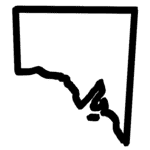

Coober Pedy is one of the strangest towns in Australia, and that is exactly why people love it. About 850 kilometres north of Adelaide, out on the Stuart Highway, sits a town where many homes, hotels and even churches are built underground. The reason is simple: summer days here can push past 40 degrees, and life below the surface stays cool and comfortable all year.
The town is famous for opals. Miners have been digging here since 1915, and today Coober Pedy is still one of the biggest opal fields in the world. You can tour old mines, try finding your own opal, and sleep in an underground room carved out of the rock. This Australia City Guide covers everything: what to see, where to stay, what it costs, and how to plan your visit.
Why Half of Coober Pedy Lives Underground
Ask anyone in town and they will tell you the same thing: going underground was never a gimmick. It was survival. When miners first came here in the early 1900s, they dug holes to live in because there was no timber for houses and the heat was unbearable. They soon found that a dugout stays at a steady temperature of about 23 to 24 degrees, winter or summer. No air conditioning needed.
Modern dugouts are proper homes. They have kitchens, bathrooms, multiple bedrooms and even underground swimming pools. Most have a chimney-like ventilation shaft that lets in fresh air and light. Step inside one and it feels surprisingly normal, except there are no windows and the walls are bare rock.
Around 60 percent of the town still lives this way. For a visitor, that is the whole point. You have not really done Coober Pedy until you have slept in a dugout, even for one night.
Go Underground: The Opal Mines and Museums
Coober Pedy has several mines you can tour, and they are all different. If you only pick one, make it Umoona. If you have time for two, add Old Timers.
Umoona Opal Mine and Museum
Umoona sits right on the main street and is the best all-round mine tour in town. The guided tour takes you through tunnels where miners worked with picks and shovels, and you learn how opals form. This area was once covered by an ancient sea, and the museum displays the fossils left behind. You will see old mining gear, black-and-white photos of the early days, and a collection of opals including some expensive ones. The tour runs at set times through the day and takes about an hour. It is an easy walk from most hotels.
Old Timers Mine
Old Timers is the oldest working mine in town, hand-dug back in 1916. The self-guided tour uses an audio guide that tells you stories of the miners who lived and worked here when Coober Pedy was just tents and holes in the ground. The tunnels are narrow and rough, and that is the charm. You get a real feel for how hard this life was a hundred years ago. Allow about 45 minutes.
Tom’s Working Opal Mine
Tom’s is a real working mine, so the tour has an extra spark. Your guide is often a miner, and you hear first-hand stories about finds, misses and the strange rules of mining life. Tours run on a schedule and the groups are small, so it feels personal. If you are short on time, Umoona still gets the nod for the museum side of things. But if you want to hear what it is like to mine for a living, Tom’s is worth the extra stop.
Coober Pedy’s Underground Churches
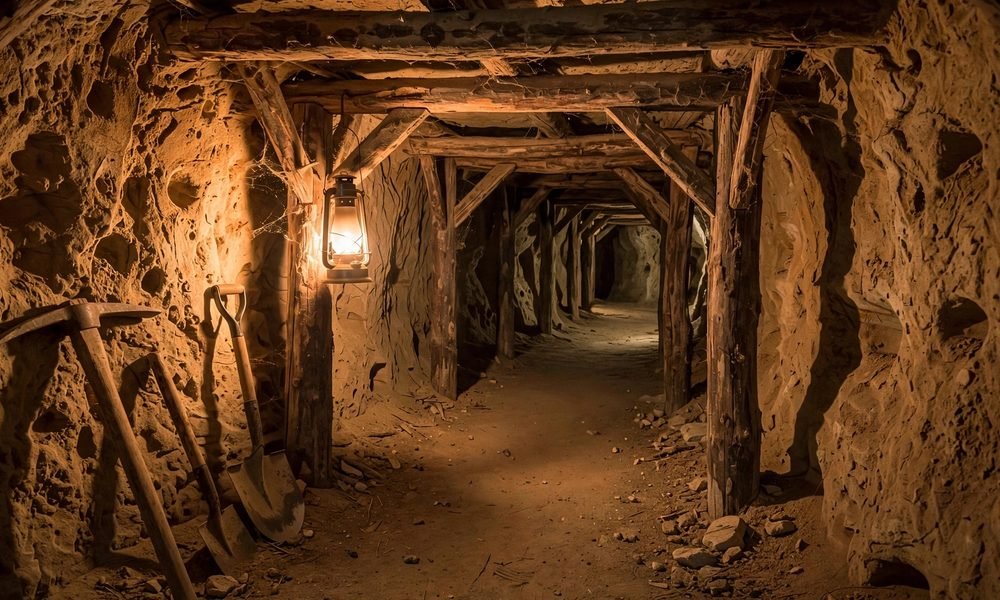
The town has three underground churches, and all of them are open to visitors. The Serbian Orthodox Church is the most famous. It was hand-dug by Serbian miners and the inside is beautiful: carved walls, icons, and stained glass set right into the rock. The Catacomb Church is smaller and simpler, with a rough-hewn altar and wooden pews. St Peter and Paul Catholic Church is another quiet space worth a few minutes.
You do not need to be religious to enjoy them. They are a big part of Coober Pedy’s story. People from more than 40 nationalities live in this town, and the churches show how the early miners brought their faith with them into the ground. Entry is usually by small donation. Dress is casual but keep the noise down. They are still used for services.
Try Noodling: Find Your Own Opal
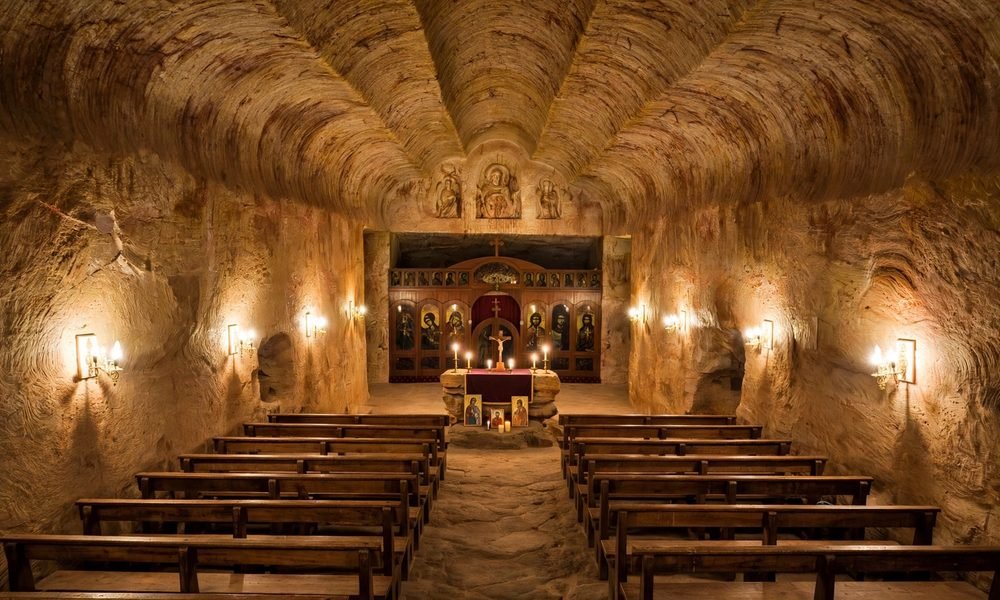
Noodling means picking through the mullock heaps, the piles of dirt miners leave behind, looking for opals they missed. It sounds like a dream, and it costs nothing. You will see people doing it all over the fields with buckets and small picks.
There is a free noodling area set aside for visitors, which is the safest place to try. You can also join a guided night tour with UV lights, since opal glows under ultraviolet light and the dark makes it easier to spot colour in the dirt. Be honest with yourself: finding something valuable is rare. Miners are good at their job. But finding even a small piece is a fun story to take home.
A few rules matter. Never noodle on a working claim without permission. Never go down old mine shafts. And wear solid shoes and gloves, because the mullock heaps are full of sharp rock. Kids love noodling, so it is one of the best family activities in town.
Meet the Locals: Faye’s Home, Crocodile Harry and the Big Winch
Some of Coober Pedy’s best attractions are just people who built strange and wonderful places. These are the stops that give the town its character.
Faye’s Underground Home is the house of Faye Naylor, who dug it herself over many years. The tour shows how a real dugout home works: bedrooms, a kitchen, and even an underground pool, all carved by one determined woman. It is the best way to see what underground living is really like, beyond the hotels.
Crocodile Harry’s Underground Nest is harder to describe. Harry was a Latvian crocodile hunter who settled here and turned his dugout into a living artwork. The walls are covered with his paintings, carvings and collected oddities. It is weird, personal and completely one of a kind. Go with an open mind.
The Big Winch is the giant mining winch on the hill overlooking town, and it now has a 360-degree viewing platform and a small cinema. The lookout is one of the best photo spots in Coober Pedy, especially at sunset. The cinema shows short films about opal mining, which are a good rainy-afternoon option.
Movie props and Josephine’s. Coober Pedy has starred in films like Mad Max and Priscilla, and you will spot props around town, including a spaceship from the film Pitch Black. Josephine’s Gallery and Kangaroo Orphanage is part art gallery, part wildlife rescue. The gallery sells beautiful Aboriginal art, and the orphanage looks after injured kangaroos and other wildlife. It is a good stop for families.
Sunset at Kanku-Breakaways Conservation Park
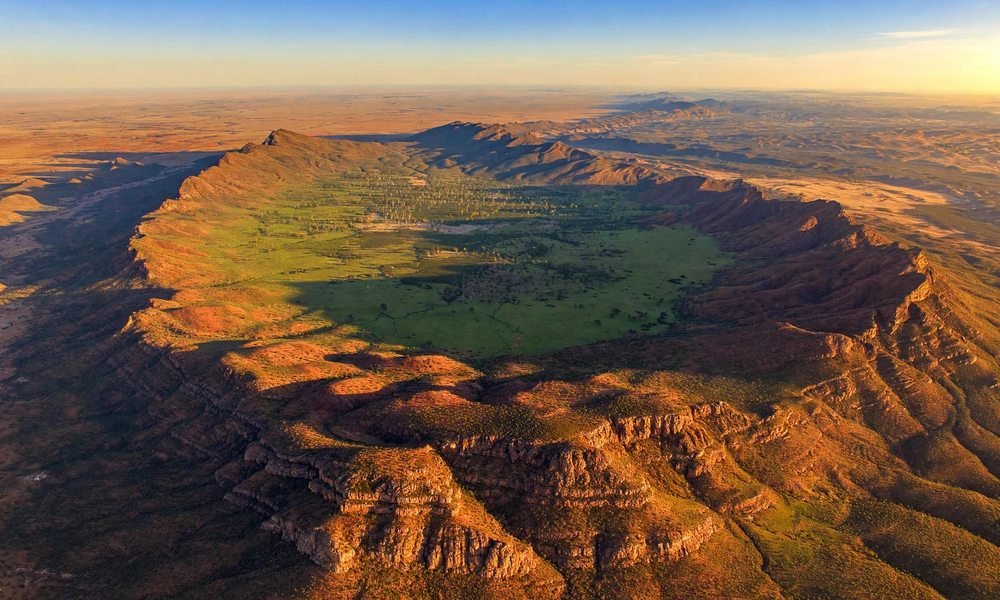
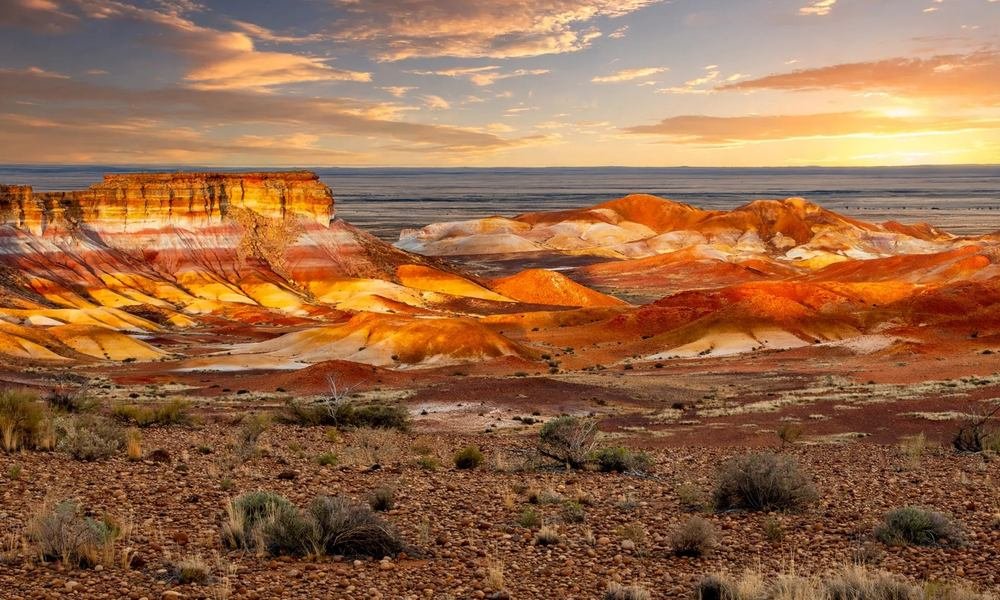
The Breakaways are the big landscape moment of a Coober Pedy trip. About 30 kilometres north of town, these flat-topped mesas and colourful hills rise out of the desert floor. The rock layers show yellow, red, orange and white bands, and at sunset the whole scene glows.
The park has a scenic drive with two lookouts. The road is unsealed but usually fine for a normal car in dry weather. Check conditions at the visitor centre before you go, because rain can close it. Bring water and a camera. Stay on the marked tracks.
The Breakaways are part of the Antakirinja Matu-Yankunytjatjara people’s country, and the area has deep cultural meaning. The name Kanku-Breakaways reflects the joint management of the park. Treat it with respect and leave everything as you find it. Most visitors come for sunset, but the light is also lovely in the first hour after sunrise, with far fewer people.
The Moon Plain and the Dingo Fence
On the way to the Breakaways you cross the Moon Plain, a flat stretch of cracked clay that looks like the surface of another planet. It is genuinely strange country, bare and silent, and worth a photo stop.
You will also cross the Dingo Fence, the famous barrier that runs thousands of kilometres across Australia to keep dingoes out of sheep country. There is not much to see except the fence itself, but it is one of those outback landmarks that is fun to stand next to. The drive north from Coober Pedy is the scenic leg of the trip, so allow time to stop.
Play the World’s Most Unusual Golf Course
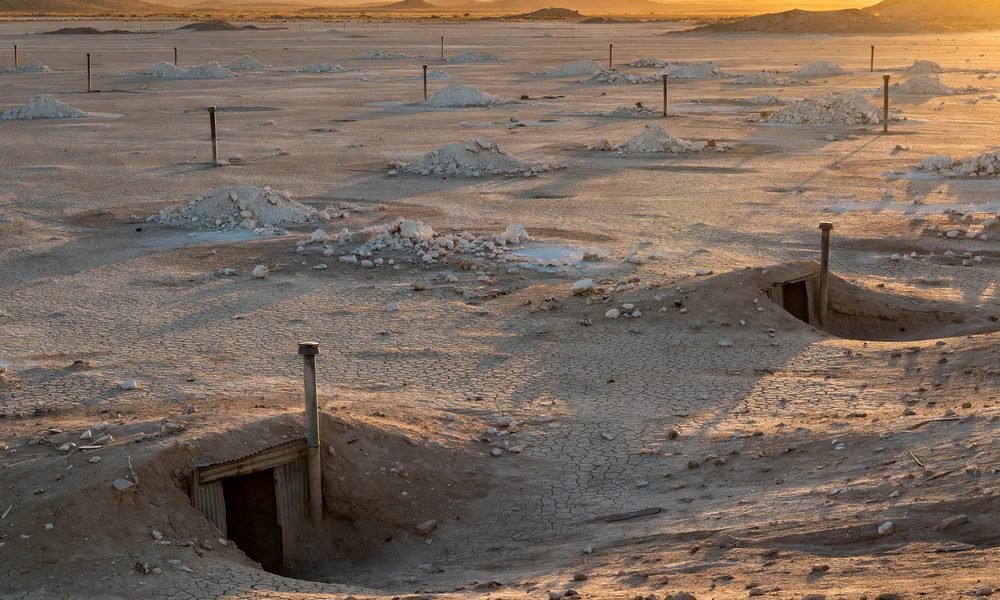
The Coober Pedy Opal Fields Golf Club has no grass. None at all. The course is played on desert ground, with oiled sand greens that you carry around in a small scoop. Players get a small square of artificial turf to hit from, called the fairway mat.
You do not need to be a golfer to enjoy it. The club welcomes visitors, and you can hire clubs and have a hit for a small fee. It is one of the most photographed courses in Australia. Even a bad round of golf here is a great story.
Stargazing in the Desert Sky
Once the sun goes down, look up. Coober Pedy is hundreds of kilometres from any big city, so the night sky is dark and full of stars. The Milky Way is bright enough to cast a faint shadow on a clear night. You can simply walk to a quiet spot on the edge of town and lie back.
If you want more, some local tours run night sky sessions with telescopes and a guide who can point out the Southern Cross, the Magellanic Clouds and the planets. The UV noodling tours also double as a night-sky outing, since you are out in the dark away from town lights anyway.
Tours Worth Your Money
You can see a lot of Coober Pedy on your own, but a few tours get you places you cannot reach alone. These are the ones worth considering.
The Outback Mail Man
This is one of the great outback experiences in Australia. The mail run heads out from Coober Pedy across the desert, delivering mail to remote stations and Aboriginal communities. You ride along for the day, see country you would never reach alone, and hear stories from a driver who knows every track. It is a long day but a memorable one. Book ahead, because seats are limited and it does not run every day.
Scenic Flights Over the Painted Hills
The Painted Hills (also called the Arckaringa Hills) are a maze of coloured rock that can only be reached by air. A scenic flight from Coober Pedy takes you over them, and often over Lake Eyre as well. It is the most expensive single activity in town, but the views are unreal. If your budget allows one splurge, this is it.
Painted Desert and Breakaways 4WD Tours
If you would rather stay on the ground, guided 4WD tours cover the Painted Desert and the Breakaways in half a day or a full day. A local guide adds the stories and the geology that you would miss on your own. These tours also solve the car question: if you do not have your own wheels, a tour is the easiest way to see the country outside town.
How Many Days Do You Need in Coober Pedy?
Two full days is the sweet spot. That gives you one day for the underground attractions and opal mines in town, and a second day for the Breakaways, the Moon Plain and a tour like the mail run or a scenic flight. You can rush the highlights in one long day, but you will miss the relaxed pace that makes this town fun. Three days works if you want to add a full-day tour and some noodling time.
One-Day and Two-Day Coober Pedy Itineraries
Here is how to sequence it all. These plans assume you have a car, which most visitors do.
One Day: The Coober Pedy Highlights
Start at Umoona Opal Mine and Museum for the morning tour. Walk to the Serbian Orthodox Church and the Catacomb Church after that. Grab lunch in town, then head to Faye’s Underground Home and Old Timers Mine in the afternoon. Stop at the Big Winch lookout on the way back for photos. Finish with a sunset drive to Kanku-Breakaways Conservation Park. Dinner back in town, and if you still have energy, look up at the stars.
Two Days: The Relaxed Version
Day one follows the one-day plan above, but skip the Breakaways at sunset and spend the evening noodling instead. Day two starts with the Moon Plain and the Dingo Fence on the drive north, then a slow morning at the Breakaways. After lunch, pick one big experience: the Outback Mail Man day trip, a scenic flight over the Painted Hills, or an afternoon at Josephine’s Gallery and Crocodile Harry’s. Finish the day back at the Breakaways for sunset if you skipped it on day one. Two days lets you see everything without rushing, and the town rewards a slower look.
Best Time to Visit Coober Pedy
The best months are April to October. Days are warm and pleasant, nights can be cold (bring a jacket for winter evenings), and every attraction is open. May to September is the coolest stretch and the most popular time to visit.
Summer, from November to March, is brutal. Daytime temperatures regularly pass 40 degrees, and some outdoor tours stop running. The underground attractions stay comfortable, but walking around town in the heat is no fun. If you must come in summer, plan indoor and underground activities for the middle of the day and save the Breakaways for late afternoon.
Getting to Coober Pedy
Driving the Stuart Highway
Most visitors drive. Coober Pedy sits on the Stuart Highway, about 850 kilometres north of Adelaide and 700 kilometres south of Alice Springs. The drive from Adelaide takes around nine hours, so break it up with an overnight stop. Port Augusta is a common first stop. The road is sealed and in good condition, but watch for road trains, and do not drive at dawn or dusk if you can avoid it. Kangaroos are everywhere.
Fill up at every opportunity. Fuel stops are spaced out on this road, and running low between towns is a real risk. Carry more water than you think you need.
The Ghan Train
The Ghan, the famous train between Adelaide and Darwin, stops at Manguri, about 40 kilometres from Coober Pedy. Some Ghan journeys include a Coober Pedy excursion, with transfers into town. It is a comfortable way to arrive and a great option if you do not want to drive the whole way. Check the current Ghan timetable, because the excursions vary by season.
Flying
Rex flies between Adelaide and Coober Pedy. It is a short flight, and it is the fastest way in. Flights are not daily, and prices are higher than the average domestic fare, so book early. The airport is close to town and most accommodation offers transfers.
Getting Around Town Without a Car
A car makes life easy in Coober Pedy, but it is not essential. The town itself is compact. The main street, the churches, Umoona and the Big Winch are all within walking distance of the central hotels. It is a dusty, sunny walk, so go early or late in the day.
For anything outside town, use tours. The Breakaways, the Moon Plain and the Painted Desert are all covered by guided tours that pick up from your accommodation. The mail run and the mine tours also offer pickups. If you arrive by train or plane, ask your hotel about transfers and tour bookings when you check in. Locals are used to car-free travellers.
Where to Stay: Sleep Underground
Sleeping in a dugout is the signature Coober Pedy experience. Do not leave town without trying it at least one night.
Underground Hotels and Motels
Several hotels and motels in town have underground rooms. The Desert Cave Hotel is the best known, with comfortable underground suites right on the main street. There are also smaller underground motels and backpacker-style dugouts that cost less. Underground rooms stay naturally cool and are wonderfully quiet. Book ahead in the busy winter months, because the underground rooms sell out first. If you are on a tight budget, a standard above-ground motel room still puts you in town for all the attractions.
Caravan Parks and Camping
Coober Pedy has a few caravan parks with powered and unpowered sites. They are a good base if you are driving through with a van or tent. Facilities are solid: camp kitchens, laundries and showers. Some parks also have underground bunkhouse rooms, which are a cheap way to try sleeping below ground. Unpowered sites are the cheapest way to stay in town.
Where to Eat in Coober Pedy
Food is the one area where Coober Pedy is limited, and it is worth knowing before you arrive. There are a few pubs and cafes on the main street serving burgers, steaks, pizzas and cold drinks. The pub meals are hearty and the prices are fair for a remote town. There is also a bakery and a couple of takeaway spots.
The town has one main supermarket, which is well stocked but more expensive than city shops. If you are driving up from Adelaide, do your big shop there and save money. Self-catering is a smart move, especially for breakfasts and lunches. Vegetarians should plan ahead: pub menus lean heavily toward meat, and options can be thin. If you have dietary needs, stock up before you arrive and talk to the cafes early. They are friendly and will often help out if you ask.
Carry water everywhere. The desert air is dry and you will drink more than you expect.
What Does a Trip to Coober Pedy Cost?
Coober Pedy is not an expensive destination by outback standards, but the big costs are getting there and the big tours. Mine museum entries are modest, most churches ask only for a donation, and a round on the golf course costs little. A noodling session in the free area costs nothing at all.
The costs that add up are fuel for the long drive, accommodation in the cooler months, and the signature tours. The mail run and the 4WD day tours are mid-range day-tour prices. Scenic flights are the big splurge. For a couple spending two days, with an underground room, mine entries, one mid-range tour and pub meals, expect a comfortable but not cheap long weekend. Self-catering and caravan park stays bring the total down a lot. Check current prices before you go, because remote-town prices do move around.
Coober Pedy’s Opal Festival
Once a year, the town throws the Opal Festival, a winter weekend of live music, market stalls, street parades and gem displays. It celebrates the town’s multicultural community, with food from many countries and performances through the day and night. Miners and dealers set up stalls, so it is also a good weekend to shop for opals.
The festival dates change each year, so check before you plan a trip around it. Accommodation books out fast for festival weekend, so lock in a room early if you are coming for it. If your timing is flexible, the festival is a fun reason to visit. If not, the town is just as interesting on any other winter weekend.
Buying Opals Without Getting Ripped Off
Coober Pedy is one of the best places in the world to buy an opal, because you are buying at the source. There are many opal shops and galleries on the main street, and prices are generally better than in the cities. A few simple rules keep you safe.
First, buy from an established shop, not from a stranger in a car park. Second, ask for a certificate of authenticity for anything expensive. Reputable dealers provide one without fuss. Third, learn the basics before you shop: opals are graded on colour, pattern and brightness, and a little knowledge goes a long way. The museum at Umoona is a good place to get that education before you spend a cent.
Set a budget before you walk in. Opals range from a few dollars for a small rough stone to thousands for a top-grade black opal. There is no shame in buying a small one. A little piece of Coober Pedy colour is a perfect souvenir.
Must-Knows Before You Go
Mine shafts are everywhere. The opal fields around town are full of old shafts, some of them unmarked. Never walk off the paths on the fields, and keep children close. This is the number one safety rule in Coober Pedy.
Do not drive at night. Kangaroos, cattle and even camels come onto the roads after dark. Plan your driving for daylight hours, and slow down at dawn and dusk when animals are most active.
Fuel up and carry water. Distances are long and service stations are far apart. Fill the tank at every town, and keep several litres of drinking water in the car.
The heat is serious in summer. If you visit between November to March, do underground activities in the middle of the day and save the Breakaways for late afternoon. Wear a hat, use sunscreen and drink water constantly.
Kids love Coober Pedy. Noodling, the mine tunnels, the golf course and the kangaroo orphanage are all kid-friendly. The underground churches and museums work for older kids. The mine shafts rule applies double for little ones, so hold hands on the fields.
Pets are tricky. Most underground attractions and tours do not allow dogs, and summer heat makes cars deadly for animals left inside. If you are travelling with a pet, check with each attraction first and plan for someone to stay with the animal.
Phone reception is patchy. You will get coverage in town, but it drops off fast once you head out to the Breakaways or the Moon Plain. Download offline maps before you leave town.
FAQs About Visiting Coober Pedy
Is Coober Pedy worth the detour? If you are driving the Stuart Highway between Adelaide and Alice Springs, yes. It is one of the most unusual towns in Australia, and the underground life, the opal mines and the Breakaways are all genuinely worth seeing. It is a detour off the main highway routes further east, so it suits travellers already heading through South Australia.
Can you sleep underground in Coober Pedy? Yes, and you should. Several hotels and motels have underground rooms, and they stay cool and quiet all night. Book ahead in winter because they fill up.
Is noodling really free? Yes, at the designated free noodling area. You can also pay for guided fossicking tours, including night tours with UV lights. Finding a valuable opal is rare, but the fun is real.
How do I get to the Breakaways? Drive yourself in dry weather (the road is unsealed) or join a guided tour. Tours run from town and include pickups. Check road conditions at the visitor centre after rain.
What does the town’s name mean? Coober Pedy comes from an Aboriginal phrase often translated as “white man’s hole in the ground”, which is exactly what the town looks like from above: a flat plain dotted with mine shafts and dugout entrances.
Can I visit in summer? You can, but it is very hot. The underground attractions stay comfortable, but outdoor tours may not run. April to October is a much better bet.
Final Thoughts on Visiting Coober Pedy
Coober Pedy is not a polished tourist town, and that is the whole appeal. It is a real working opal field where people live underground, dig for a living and welcome travellers into their strange, warm world. The mines, the churches, the Breakaways and the night sky add up to one of the most memorable stops in outback South Australia.
If you are driving between Adelaide and Alice Springs, do not just pass through. Stay two nights, sleep in a dugout, try your luck noodling, and watch the sun go down over the Breakaways. You will not find another town like it.