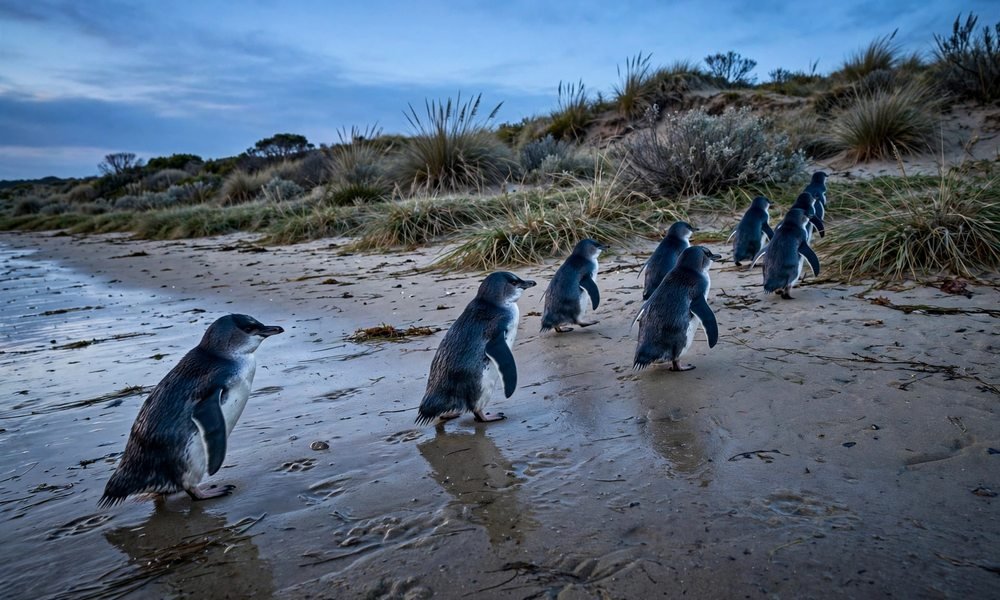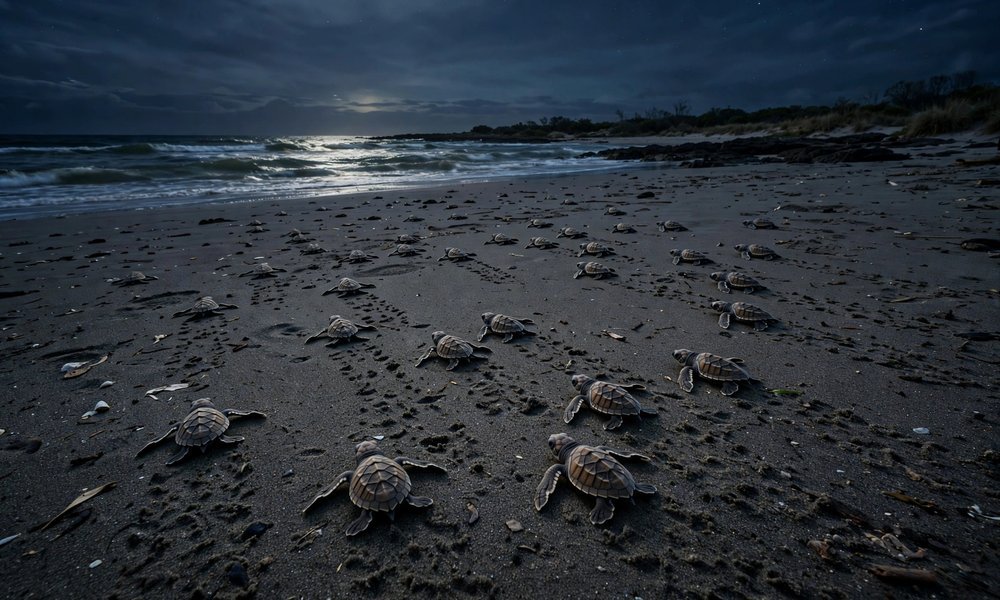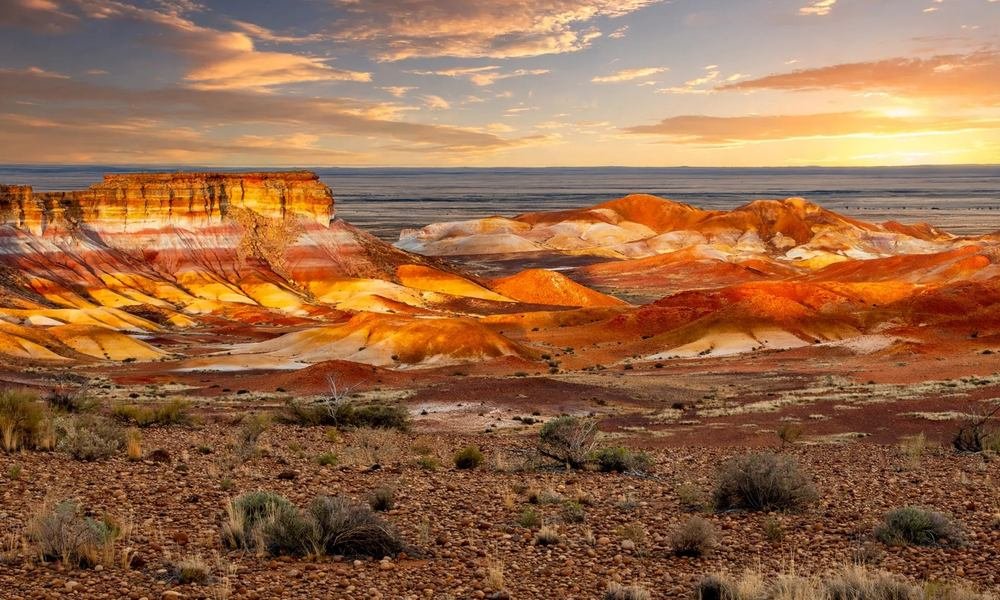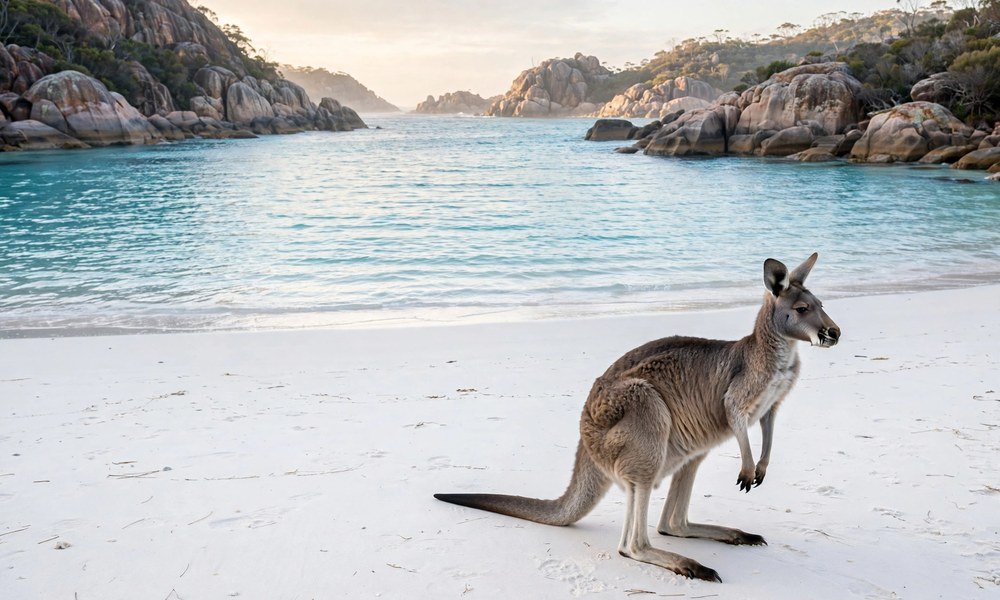

The Flinders Ranges are the place where South Australia stops being farmland and starts being outback. About five hours north of Adelaide in South Australia, a long spine of rust red ridges rises out of flat saltbush plains, and at the middle of it sits Wilpena Pound, a natural amphitheatre so big it is hard to take in from the ground. The rock here is some of the oldest you can walk on anywhere in the world, the wildlife is easy to spot, and the Aboriginal culture runs deep. This guide covers the walks, gorges, towns, stays and safety tips you need for a proper trip, brought to you by Australia City Guide.
The ranges run for roughly 430 kilometres from south to north, and the national park at their centre, Ikara-Flinders Ranges National Park, covers about 95,000 hectares. Most visitors base themselves at Wilpena Pound and explore from there, with day trips into the gorges and towns around it. You do not need a four-wheel drive for the main sights, but you do need a plan. Distances are long, fuel stops are few, and summer heat can close the big walks. Get the basics right and this is one of the best outback trips in the country.
Why the Flinders Ranges Are Worth the Drive
The first thing to understand is how old this country is. The rock layers in the Flinders were laid down in ancient seas hundreds of millions of years ago, then folded and lifted into ridges, then worn down by wind and rain. In Brachina Gorge you can walk past layers that span around 130 million years of earth history in order, with signs explaining each one. Geologists come here from all over the world because the Ediacaran period, the first new geological period defined in more than a century, was named from fossils found in these ranges. The fossils are among the earliest complex multicellular life known, roughly 550 million years old.
The second thing is the culture. This is the Country of the Adnyamathanha people, who have lived in and cared for this land for tens of thousands of years. Ikara is their name for Wilpena Pound, and it means meeting place. The park was renamed Ikara-Flinders Ranges National Park in 2016 to recognise that connection. Rock paintings, engravings, stories and sacred places are part of the park today, not just its past. When you walk here, you are walking through a living cultural landscape, and the respect you show matters. Stay on marked tracks, stay behind barriers at art sites, and follow the guidance of Adnyamathanha guides.
The third thing is how easy the park is to enjoy compared with more remote outback parks. The road to Wilpena Pound is sealed, the visitor centre is well set up, and there are walks for every fitness level, from flat strolls to full day climbs. You can sleep in a motel room, a safari tent or a swag under some of the darkest skies in the country. That mix is rare. It is a genuine outback experience without the logistics of a desert crossing.
Wilpena Pound: The Natural Amphitheatre
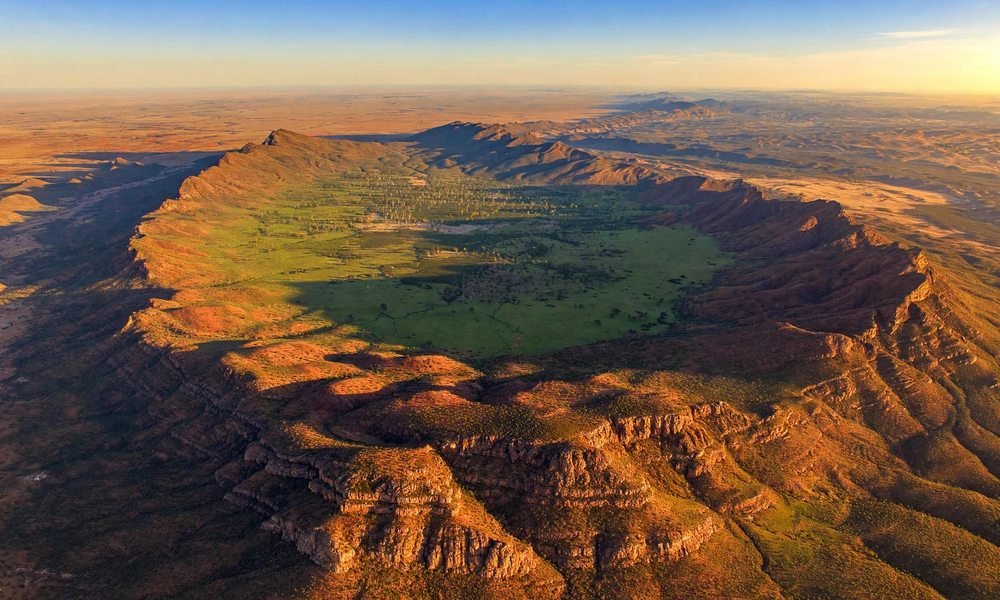
Wilpena Pound is the centrepiece, and it is worth clearing up the most common misunderstanding first. It is not a meteorite crater and not a volcanic caldera. It is a syncline, a basin formed where rock layers folded downward and the harder rim resisted erosion while the softer centre wore away. The result is a ring of mountains enclosing a basin about 17 kilometres long and 8 kilometres wide, with a single narrow gap where Wilpena Creek flows out. The resort, campground and visitor centre sit at that gap, which is the only easy way in on foot.
From the ground, the Pound looks like a valley ringed by ridges. From the air, the whole shape finally makes sense, which is why a scenic flight is on so many visitors’ lists. On foot, the walks below are the way to get to know it. Start at the visitor centre for maps, current track advice and a look at the displays, then pick a walk that matches your fitness.
Hills Homestead and Wangara Lookout
The Hills Homestead walk is the best first walk in the park. It is about 6.6 kilometres return on a mostly flat, easy trail that follows the creek through the gap in the Pound wall to a stone cottage on the basin floor. The Hill family tried to farm wheat inside the Pound in the early 1900s, and signs along the trail tell both the pioneer story and the Adnyamathanha story of the same country. Allow about two hours at an easy pace, and keep an eye out for emus and kangaroos along the creek.
Keep going past the homestead and the trail climbs to the Wangara Lookouts. The lower lookout is about 6.2 kilometres return from the trailhead and the upper lookout about 7.8 kilometres return in total, taking around three hours. The climb is steep and rocky in parts, so it is rated hard, but the view from the top is the classic Wilpena view: the whole basin floor spread out below you, ringed by mountains. A shuttle runs partway from the visitor centre for walkers who want to shorten the trip. If you only do one walk in the Pound, make it this one.
Mount Ohlssen Bagge
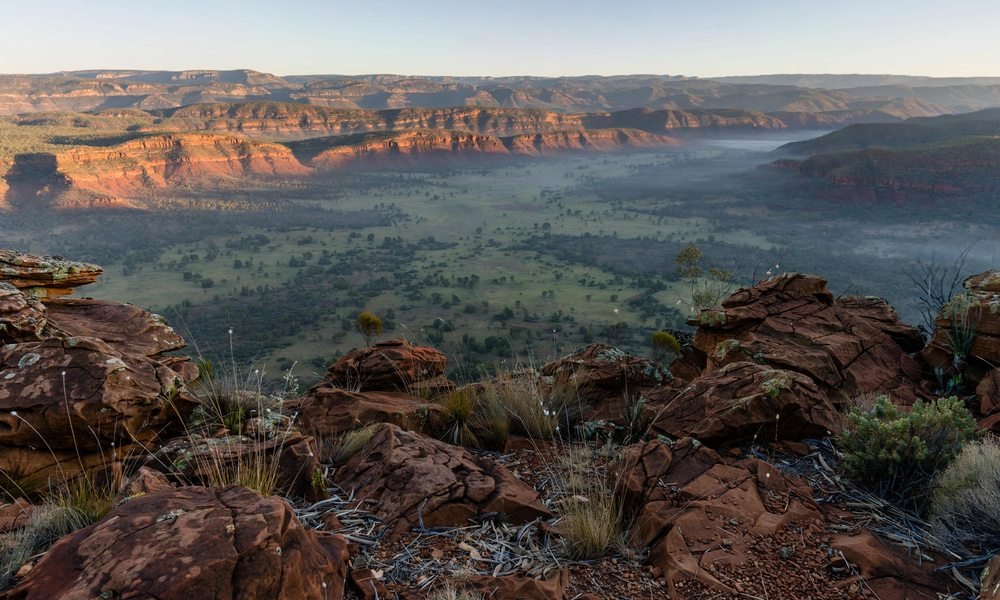
Mount Ohlssen Bagge is the best payoff for the effort in the park. The walk is about 6.5 kilometres return, steep and rocky throughout, and takes three to four hours. The summit looks down into the Pound from the outside rather than the inside, which gives you a different angle on the whole formation. Start early. The rock holds heat, there is almost no shade, and the descent is harder on the knees than the climb is on the lungs. Take more water than you think you need and wear shoes with strong grip.
St Mary Peak and the Tanderra Saddle Request
St Mary Peak is the highest point in the Flinders Ranges at 1,171 metres. The direct route is 14.6 kilometres return and takes six to eight hours, or you can walk the full loop of about 21.5 kilometres through the Pound. It is a full day walk for fit walkers, with rock scrambling and exposed sections.
There is one thing every walker should know before setting out. The summit, known as Ngarri Mudlanha, is a significant place in the Adnyamathanha creation story, and the Adnyamathanha people ask visitors not to climb to the summit itself. Instead, walk to Tanderra Saddle, just below the summit. The views from the saddle are just as good, and stopping there respects the wishes of the Traditional Owners. Trailhead signs explain the request, and most walkers now follow it. The higher trails are also closed in summer because of the heat, so this is a cooler months walk.
Scenic Flights Over the Pound
A scenic flight is the only way to see the whole shape of the Pound at once. Flights of 20 minutes to an hour leave from the airstrip near the resort and circle the basin, the gorges and the surrounding ranges. If you have the budget for one paid activity, this is the one most visitors rate highest. Book ahead in peak season, from April to October, because seats are limited. Morning flights usually give the calmest air and the clearest light for photos.
Old Wilpena Station and the Living with the Land Walk
A short walk from the visitor centre, Old Wilpena Station tells the pastoral side of the story. The homestead, blacksmith’s shop and stables belonged to a station that ran for 135 years, and the people who worked there included both pastoralists and Aboriginal workers. The Living with the Land Walk is a 1 kilometre loop around the old buildings, with signs sharing both perspectives. It is an easy afternoon walk after a bigger morning hike, and you will likely see kangaroos, euros, emus and plenty of birdlife along the way.
Welcome to Country
Start your visit the right way by joining the daily Welcome to Country at Wilpena Pound Resort. Each evening an Adnyamathanha guide welcomes visitors in the Yura Ngawarla language and shares traditional stories of the Dreaming, called Yura Muda. It is held on the lawn in front of reception, under a huge tree, and the time shifts with the season, so check at the visitor centre when you arrive. It is a short, generous introduction to the culture of the place, and it sets the tone for the whole trip.
Brachina Gorge and the Corridors Through Time
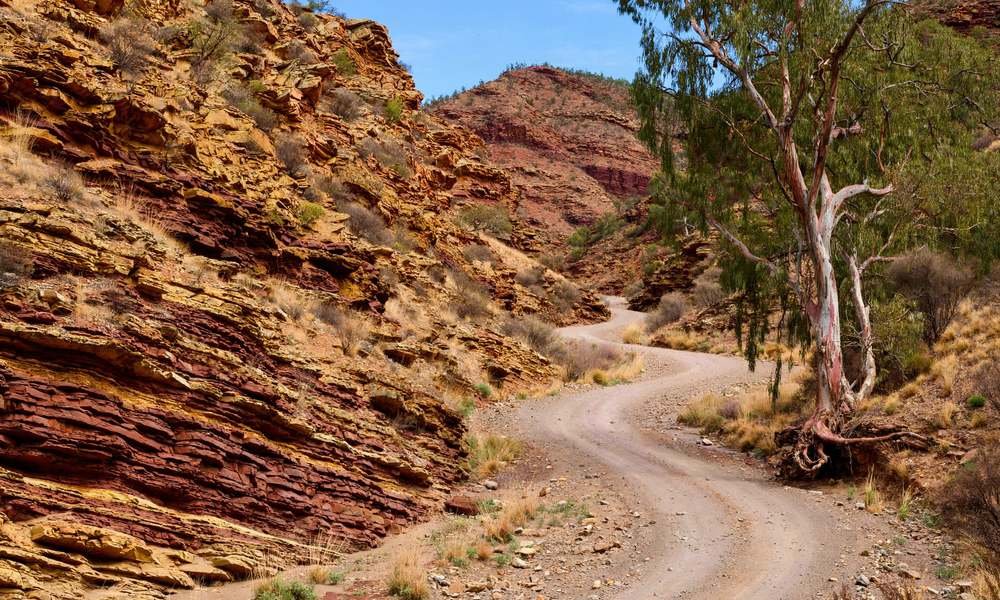
Brachina Gorge is the drive most visitors remember best, and it is the part of the park that explains why geologists care so much about the Flinders. The Brachina Gorge Geological Trail is a 20 kilometre self-guided drive through the gorge, with interpretive signs at each major rock layer. The signs were written with working geologists from the South Australian Museum and the Geological Survey, and they are genuinely good. You drive through deep time in order, from some of the oldest fossil-bearing sediments on Earth to much younger layers, all in one gorge.
Allow half a day for the drive with stops. The road is unsealed, corrugated in places and crossed by dry creek beds, so drive slowly. A two-wheel drive can usually manage it in dry conditions, but clearance helps, and the road closes after rain. While you are there, watch the rocky slopes above the road for yellow-footed rock wallabies. The Brachina population is one of the most reliable places in Australia to see this endangered species in the wild. Your best chance is early morning or late afternoon, when the wallabies come out onto the rocks to feed and warm up. Drive slowly and stop at the pullouts rather than scanning at speed.
Bunyeroo Gorge and Razorback Lookout
Bunyeroo Gorge runs parallel to Brachina and pairs with it as a natural half-day loop from Wilpena. The drive through the gorge is quieter than Brachina, with gum-lined creek beds and wide views across the ABC Range. Partway along, the Bunyeroo Valley lookout gives the widest view in the park, and it is the photograph most people come home with.
If you want to stretch your legs, the Bunyeroo Gorge hike is a 7.5 kilometre return walk along the gorge floor that takes about three and a half hours. You can always turn back early if you are short on time. On the way back, stop at Razorback Lookout, a short 30 minute return walk to a panoramic view across the Heysen Range. It is one of the best sunset spots in the park, and it is an easy add-on after the gorge drive. The two gorges together are the drive to prioritise on your third day.
Rock Art and Aboriginal Culture
The Flinders hold some of the most significant Aboriginal art sites in South Australia, and two of them are easy to visit from Wilpena. Both reward a slow visit, and both come with rules that protect them. Do not touch the art, stay behind barriers, and never use flash photography on painted surfaces.
Arkaroo Rock
Arkaroo Rock is about a 20 minute drive from Wilpena Pound Resort. The walk is a 3 kilometre loop that takes about 90 minutes, with some scrambling near the end, and it leads to a rock shelter holding Adnyamathanha paintings in ochre and charcoal. The paintings tell the Dreaming story of the creation of Ikara, and they are thought to be several thousand years old. The shelter is fenced to protect the art, but you can see the paintings clearly through the gaps. Go in the morning, when the light reaches into the shelter and the colours show best. There are toilets at the car park.
Sacred Canyon
Sacred Canyon is a short, flat walk of about 1 kilometre return into a narrow gorge where the walls carry Adnyamathanha engravings, mostly circles, animal tracks and abstract patterns pecked into the rock face. It takes about 30 minutes, but there is an important change to know about. Sacred Canyon can now be visited only with an Adnyamathanha guide, so book a cultural tour through the visitor centre rather than turning up on your own. The guided visit is far better anyway. Understanding what the marks mean is a completely different experience from just looking at them.
Adnyamathanha Cultural Tours
Cultural tours run from the Wilpena Pound visitor centre and from the Iga Warta cultural centre in the northern Flinders. Guides share stories of Yura Muda, bush foods and medicines, and the history of Aboriginal people working on the pastoral stations. Group sizes are kept small on purpose, so book ahead. If you do one guided thing in the Flinders, make it a cultural tour. It changes how you see every gorge and ridge for the rest of the trip.
Parachilna and the Northern Flinders
North of Wilpena, the country opens up and the towns get smaller. Blinman is the highest town in South Australia and the gateway to the northern Flinders, and Parachilna, a tiny settlement on the road north, is famous for one pub and one gorge. If you have four or five days, this section is well worth the extra driving.
Blinman and the Mine Tour
Blinman grew up around a copper mine in the 1860s, and the Blinman Mine Tour takes you underground into the old workings, followed by a 1 kilometre self-guided walk around the mine site above ground. Allow about an hour for the tour. It is a proper underground tour, so give it a miss if you are claustrophobic. After the tour, the Blinman General Store and Bakery is the place for a Cornish pasty, a local tradition that goes back to the Cornish miners who worked here.
Blinman Pools
The Blinman Pools hike is a challenging 10 kilometre return walk with creek crossings, rock hopping and steep climbs, and the track is unmarked in places, though the creek itself is easy to follow. The reward is a chain of rock pools in a rugged gorge, and a swim on a hot day if the water is there. Only attempt it if you are fit, you have plenty of water, and you have checked conditions first. It is a full morning or afternoon on its own.
The Great Wall of China
About 15 kilometres south of Blinman, a natural rock formation known as the Great Wall of China runs along a ridge near Gum Creek. It is a long, straight wall of rock that really does look like a wall, and it makes a good lunch stop on the drive between Blinman and Wilpena. Pack your pasty from the Blinman bakery and eat it with a view.
Parachilna Gorge and the Prairie Hotel
Parachilna Gorge is where the Heysen Trail, the 1,200 kilometre long distance trail from Cape Jervis on the Fleurieu Peninsula, reaches its northern end. You do not need to walk the whole trail to enjoy the gorge. A short 6 kilometre return walk gives you the scenery without the commitment. The Prairie Hotel at Parachilna is an outback pub with a well known menu built around local produce, including the feral feast that mixes kangaroo, emu, camel and goat dishes. It is a fun dinner stop, and the hotel also offers rooms if you want to stay the night up north. Book ahead, since it is small and popular.
Alligator Gorge in Mount Remarkable
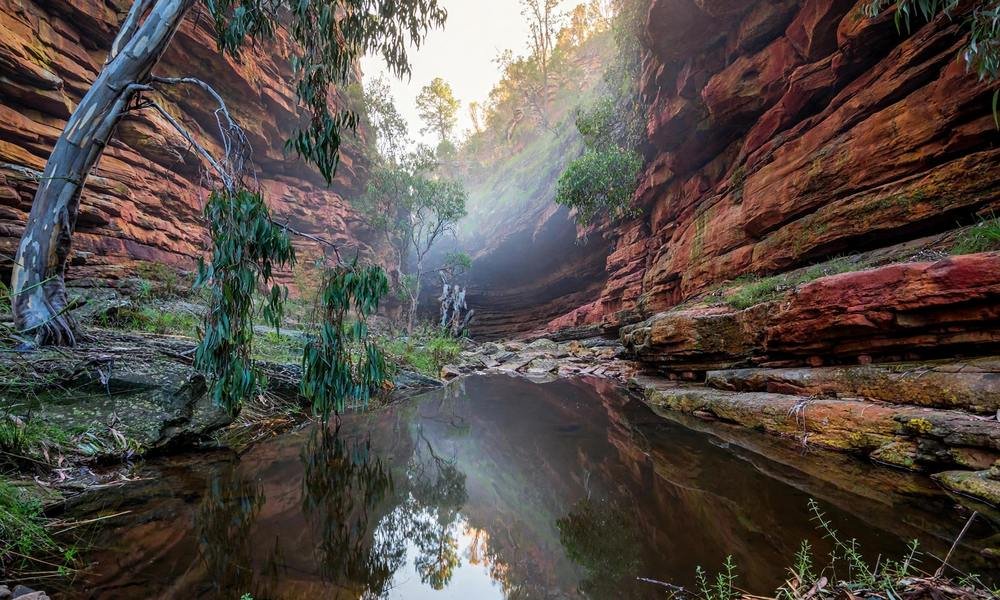
Alligator Gorge is the sight most Flinders guides skip, and that is a shame, because it is one of the best short gorge walks in the state. It sits in Mount Remarkable National Park in the southern Flinders, near the towns of Melrose and Wilmington, and it makes a perfect stop on the drive home to Adelaide.
The walk into the gorge is short and easy, following a creek between high red walls to a series of rock pools. After rain the pools can be deep enough for a paddle, and in dry times the walk is a pleasant shaded stroll. The gorge is at its best in the cooler months, when the water is clear and the walking is comfortable. There are no crocodiles here despite the name, which comes from an early settler’s name, not the animal. If you are driving home via Wilmington and Melrose instead of the main highway, add an hour or two for Alligator Gorge. It is a gentle finish to a big outback trip, and it shows you a completely different, greener side of the ranges.
The Southern Flinders: Quorn, Melrose and the Pichi Richi Railway
Most visitors drive straight through the southern Flinders on the way to Wilpena, but if you have a spare day, it is worth slowing down. Quorn is a historic railway town and the home of the Pichi Richi Railway, a heritage steam railway that runs through the foothills between Quorn and Port Augusta on selected weekends. A half day steam train ride is a relaxed way to see the southern ranges, and you should book ahead since services do not run every day.
Melrose, at the base of Mount Remarkable, is the oldest town in the Flinders and a good base for the southern walks. Dutchman’s Stern is a 10.5 kilometre loop to a summit with wide views over the ranges and the gulf, and Warren Gorge is a 5.2 kilometre loop through a quiet gorge that suits walkers who want distance without a hard climb. Mount Remarkable itself has longer summit walks for fit walkers. Quorn Caravan Park and the Melrose caravan park both offer powered sites and cabins, and both towns have a bakery, a pub and fuel, which makes them handy overnight stops on the way north or south.
Wildlife and Night Skies
Wildlife watching in the Flinders is easy, because the animals are out in the open and used to people keeping their distance. Yellow-footed rock wallabies are the star, and Brachina Gorge is your best chance, but you will also see euros and red kangaroos grazing near the roads at dawn and dusk, and emus wandering in mobs near Wilpena. Wedge-tailed eagles ride the thermals along the ridges, and parrots and cockatoos are noisy around the campgrounds in the morning. Drive slowly at dawn and dusk, since kangaroos cross the roads without warning, and never feed wildlife. Human food makes animals sick and changes their behaviour.
At night, the Flinders has some of the darkest skies within easy reach of an Australian capital city. On a clear moonless night the Milky Way is bright enough to cast a faint shadow, and autumn and winter give the clearest air and the best view of the galactic core. No equipment is needed. Walk a few minutes from the campground lights, let your eyes adjust for twenty minutes, and look up. Campgrounds like Trezona, with no street lights anywhere nearby, are ideal for it. Plan an evening around the stars rather than treating them as a bonus, because for many visitors the night sky is the part of the trip that stays with them longest.
How Many Days Do You Need?
Two nights is the minimum for a satisfying trip, three nights is the sweet spot, and four or five nights lets you add the north and the south without rushing. Here is how to split your time.
Two Nights: Wilpena and One Gorge Day
Day one: drive from Adelaide, check in at the visitor centre, and finish with a sunset from Stokes Hill Lookout or Hucks Lookout, both a short drive from Wilpena on the Hawker to Blinman Road. Day two: walk into the Pound in the morning, either Hills Homestead and Wangara Lookout or Mount Ohlssen Bagge, then spend the afternoon on the Living with the Land Walk and the Welcome to Country. Day three: drive Brachina Gorge in the morning, then head home via Alligator Gorge if you have time. You will miss the northern Flinders, but you will see the best of the park.
Three Nights: The Full Park
Follow the two night plan, then add a third full day for the gorges. Drive Brachina Gorge in the morning, stop for wallabies and the geological signs, then continue through Bunyeroo Gorge to Razorback Lookout for sunset. With three nights you can also fit in Arkaroo Rock and a scenic flight without feeling rushed, and you have a buffer if one day is too hot or a road is closed.
Four to Five Nights: North and South as Well
Day four: head north to Blinman for the mine tour and a bakery lunch, then the Great Wall of China and Parachilna Gorge, with dinner at the Prairie Hotel. Day five: drive south again via the southern Flinders, stopping at Quorn for the Pichi Richi Railway if it is running, or at Melrose for a walk in Warren Gorge. Five nights also gives you room for a second big walk, such as St Mary Peak to Tanderra Saddle, or a guided cultural tour at Iga Warta in the northern Flinders.
Getting to the Flinders Ranges
There is no public transport into the park and no nearby airport that helps, so driving is the only realistic option. That is fine, because the drive is part of the trip, but it needs honest planning.
Driving from Adelaide
From Adelaide the route runs north on Highway 1 to Port Augusta, roughly three hours, then inland on the Flinders Ranges Way through Quorn and Hawker. The whole drive to Wilpena Pound is about 430 kilometres and takes five to five and a half hours without stops. All of it is sealed. Three routes are worth knowing about. The Clare Valley route goes via Clare and the wine country, which suits a slower trip with an overnight stop. The inland route goes via Jamestown and Orroroo, which is the most direct. The coastal route goes via Port Pirie and Port Germein to Port Augusta, which suits travellers who want to break the drive at the coast. If you want more ideas around the capital before you set out, see our guide to day trips from Adelaide.
Do You Need a Four-Wheel Drive?
A two-wheel drive is genuinely fine for the main park. The road to Wilpena Pound is sealed the whole way, and the trailheads for Wangara Lookout, Mount Ohlssen Bagge and St Mary Peak are all reachable in an ordinary car. Where clearance starts to matter is the unsealed gorge roads, particularly Brachina and Bunyeroo, which are corrugated, rocky in sections and cross several dry creek beds. A two-wheel drive can usually manage them slowly in dry conditions. After rain they close, and you should not attempt them. The more demanding routes, such as the Arkapena Track and the tracks around Arkaroola in the north, are four-wheel drive only. If you are hiring, check your hire terms before you leave Adelaide, since some standard hire cars are not covered for unsealed roads.
Fuel and Supplies
Hawker is the last town with reliable fuel, a supermarket and a bakery, and it sits about 45 minutes south of Wilpena Pound. Fill the tank there no matter what the gauge says, because fuel inside the park is limited and considerably more expensive. Fuel is also available at Wilpena Pound Resort and Rawnsley Park Station, and at Quorn, Blinman, Parachilna and Angorichina in the wider region. Stock up on food and water in Hawker or Port Augusta. The resort store sells groceries and takeaway food, but the range is limited and the prices reflect the distance. The tap water at the resort campground is not for drinking, so bring your own or buy it at the store.
The Best Time to Visit the Flinders Ranges
The best time to visit is April to October. Autumn, from April to June, brings mild days around 18 to 25 degrees and cold nights, and it is the pick for walking. Winter, from July to August, brings cool days around 15 to 18 degrees and nights near freezing, which is quiet and crisp and excellent for photography, though cold for camping. Spring, from September to October, brings warming weather and wildflowers after winter rain, and the country turns green for a short time.
Summer, from November to March, is a different story. Daytime temperatures regularly pass 40 degrees, and the longer walks are formally closed on days of extreme heat. There is no shade and no water on most trails, so summer hiking here is genuinely dangerous rather than just uncomfortable. If you do travel in summer, plan around scenic drives and short early morning walks, and check track closures every day. The fire danger season also runs through the warmer months, which can close tracks and campfires, so check current park alerts before you travel. The peak visitor months are April to October, so book stays ahead for school holidays in that window.
Where to Stay in and Around the Flinders Ranges
You have four kinds of stay to choose from: the resort at Wilpena, campgrounds inside the park, station stays nearby, and town motels and caravan parks. Pick by the walks you plan to do first, since the park is big and driving back and forth eats time.
Wilpena Pound Resort and Campground
Wilpena Pound Resort is the most comfortable base, within walking distance of the trailheads. It is run in partnership with the Adnyamathanha Traditional Lands Association and offers motel rooms and safari tents with their own bathrooms, plus a restaurant, a bar and a general store selling groceries, takeaway food and fuel. The resort campground has powered and unpowered sites among native pines and river red gums, with a camp kitchen and laundry, and it takes caravans of any size. Book ahead for school holidays and from April to October. Pets are not allowed.
Campgrounds Inside the Park
The park has around 10 campgrounds, and most are basic bush camps with pit toilets, fire pits and no water, so you need to be self-sufficient. Book online before you arrive, since there is no mobile coverage at most campgrounds to book on the spot. Trezona Campground, on the Brachina Gorge Road beside a gum creek, is a favourite for its shade, big sites and stargazing. Dingley Dell is a quiet bush camp near the Pound, and Acraman Campground sits near the Bunyeroo Gorge road with toilets nearby. Fires are not allowed in the fire danger season, and you cannot collect firewood inside the park, so bring your own.
Station Stays
Station stays are the Flinders specialty. Rawnsley Park Station, a short drive from Wilpena, offers eco villas, cabins and a caravan park, plus a restaurant at the Woolshed, and it is a good base for the Pound walks. Arkaba Homestead, near Hawker, is a smaller, all inclusive outback retreat with guided walks and wildlife, suited to travellers who want a hosted stay. Alpana Station, near Blinman, offers camping, cabins and shearers’ quarters for the northern Flinders. Station stays suit visitors who want local knowledge, a hosted dinner and a bed that is not a tent, and they book out in peak season.
Towns: Hawker, Blinman and Quorn
Hawker has motels, a caravan park, a supermarket, a bakery and the Jeff Morgan Gallery, home of the Wilpena Panorama, a huge 360 degree painting of the view from St Mary Peak. It is the best town base if you want services close by. Blinman has a hotel, a general store and the mine tour on its doorstep, and it suits a northern Flinders night. Quorn has a caravan park, motels and the railway, and it suits the first or last night of a longer trip. If you are travelling with a pet, note that dogs are not allowed inside the national park, but some station stays and town parks outside the park do allow them, so check before you book.
Guided Tours Worth Considering
You can visit the Flinders on your own, but a guided tour adds a lot, especially for culture and for the country you cannot reach by yourself. Adnyamathanha cultural tours from Wilpena and Iga Warta cover rock art, bush foods, stories and station history, and they are the only way into Sacred Canyon. Four-wheel drive tours from Hawker and Blinman cover the gorges, the northern Flinders and the Arkaroola Ridgetop Tour, a guided drive through private conservation country with viewpoints no other operator reaches. Scenic flights from the Wilpena airstrip run from 20 minutes to an hour and suit anyone short on time or unable to walk far.
When you pick a tour, check what it includes. Some tours include stays and meals, others are walk-only day tours from a lodge or resort. Ask about group size, walking distances and fitness needs, and say so before you book if a walk sounds too hard. A good operator will match you to the right trip. For a longer outback road trip after the Flinders, our Red Centre Way itinerary covers the classic desert route, and it pairs well with a Flinders trip for travellers who want to keep the outback theme going.
Photography Tips for the Flinders Ranges
The Flinders reward photographers who plan around the light. Early morning is best for Arkaroo Rock, when the light reaches into the shelter, and for Brachina Gorge, when the wallabies are active and the light is soft on the rock layers. Late afternoon is best for the domes of the Pound rim, for Razorback Lookout and for Stokes Hill, where the low sun warms the ridges. Midday is the hardest light, so use that time for the shaded gorge drives or for the Wilpena Panorama at Hawker, which you can enjoy indoors.
For night photography, a simple tripod is enough. Set up away from campground lights, let your eyes adjust, and shoot the Milky Way over the Pound rim on a moonless night. Protect your gear from dust on the gorge roads, carry spare batteries since there is nowhere to charge on the trails, and take a lens cloth, because red dust gets everywhere. Drones need care here too. Check current park rules before you fly, since some areas restrict drone use, and never fly over art sites or wildlife.
Must-Knows Before You Go
The Flinders reward preparation and punish shortcuts. Run through this list before you leave Adelaide or Port Augusta, and you will avoid the common problems.
Packing Checklist
Pack water first. Carry at least three litres per person per day for walking, and more on hot days or long climbs. There is no drinking water on the trails and limited water at the bush campgrounds. Pack food for your whole stay, plus extra for a delay. Pack fuel, because the next station can be a long way off. Pack sun protection, a wide-brimmed hat, sturdy walking shoes with ankle support, a first-aid kit, a map and a torch. Pack warm layers for cold nights, even in autumn and spring, since nights can drop close to freezing in winter. Pack firewood if you plan campfires, since you cannot collect it in the park. And pack a personal locator beacon if you have one, because mobile signal is patchy at best.
Safety Basics
Walk early. Start big walks before 9am and rest in the shade during the hottest part of the day. The Pound walks have little shade, so heat builds fast. Tell someone your plans, and check in at the visitor centre. If the temperature climbs well over 40 degrees or the fire danger rises, the park may close walks for safety, so follow staff advice without argument. Mobile reception is patchy across the park, and some areas have none at all. Download offline maps before you arrive, and do not rely on your phone for help on the trails. The nearest hospital is in Port Augusta, and serious cases are flown out, so a first-aid kit is not optional.
Common Mistakes to Avoid
The most common mistake is trying the gorge roads in the wrong vehicle or after rain. A low-clearance car on a corrugated gorge road, or any vehicle on a road closed after rain, is asking for trouble. The second mistake is starting a big walk at midday with one small water bottle. The third is skipping the visitor centre check-in and missing a track closure. The fourth is expecting fuel, shops or phone signal inside the park. The fifth is climbing to the St Mary Peak summit against the wishes of the Adnyamathanha people. And the sixth is leaving food out at camp, which brings in wildlife and creates problems for every camper after you.
Fees and Bookings
A vehicle entry fee applies for the national park, and camping fees apply on top of that. Fees change from time to time, so check the current fee on the South Australia parks website before you travel, and book your campground online ahead of time. Flights, resort rooms, station stays and tours also need advance booking in peak season. Do not assume you can turn up and get a room or a site in June, July or August.
Visiting the Flinders Ranges With Kids
The Flinders work well with kids if you pick the right walks. Hills Homestead, the Living with the Land Walk, Sacred Canyon with a guide and the short Alligator Gorge walk all suit families with older kids who can walk a few kilometres. The resort campground has powered sites, a camp kitchen and a store nearby, which makes life easier with kids. Skip St Mary Peak, Mount Ohlssen Bagge and the class 4 climbs with young kids. The scrambling, heat and distances are not suited to small legs. Keep walks short, carry extra water and snacks for kids, and plan a swim or a shaded break in the middle of the day when the sun is strong. Watch kids closely around unfenced lookout edges and gorge steps.
FAQs About Visiting the Flinders Ranges
Can I visit the Flinders Ranges in a two-wheel drive car?
Yes, for the main park. The road to Wilpena Pound is sealed, and the main trailheads are reachable in an ordinary car. The unsealed gorge roads are usually manageable slowly in dry conditions, but they close after rain. The northern tracks and the Arkaroola area need a four-wheel drive.
When is the best time to visit the Flinders Ranges?
April to October is the best window. Days are mild to warm, nights are cool, and the walking is comfortable. Avoid November to March for big walks, when temperatures pass 40 degrees and tracks can close for heat and fire danger.
How many days do I need in the Flinders Ranges?
Two nights covers Wilpena and one gorge day. Three nights is a comfortable trip that adds Brachina and Bunyeroo properly. Four or five nights lets you add Blinman, Parachilna and the southern Flinders without rushing.
Can I bring my dog to the Flinders Ranges?
No. Dogs and other animals are not allowed inside the national park. This protects wildlife and respects the cultural values of the park. Some station stays and town caravan parks outside the park do allow pets, so check before you book.
Is there phone signal in the Flinders Ranges?
Signal is patchy at best. There is reasonable coverage at Wilpena Pound Resort, but it drops out quickly on the walking trails and at most bush campgrounds. Download offline maps before you arrive, and carry a personal locator beacon on the harder walks.
Do I need to book camping in advance?
Yes, especially from April to October and in school holidays. Campgrounds have limited sites, and peak season fills up. Book online ahead of time, since you cannot rely on coverage at the campgrounds to book on arrival.
Can I climb to the summit of St Mary Peak?
The Adnyamathanha people ask visitors not to climb to the summit, which is a significant place in their creation story. Walk to Tanderra Saddle, just below the summit, instead. The views are just as good, and stopping there respects the wishes of the Traditional Owners.
Is Wilpena Pound a crater?
No. It looks like a crater from the air, but it is a syncline, a basin formed where rock layers folded downward and the harder rim resisted erosion while the softer centre wore away. A scenic flight is the best way to see the whole shape.
Are scenic flights worth it?
Yes, for most visitors. Flights of 20 minutes to an hour from the Wilpena airstrip are the only way to see the whole Pound at once, and they suit travellers who cannot walk far. Book ahead in peak season.
Is Alligator Gorge worth the detour?
Yes. It is a short, easy gorge walk in Mount Remarkable National Park, near Melrose and Wilmington, and it fits neatly into the drive home to Adelaide. It shows a greener side of the ranges that most visitors miss.
Final Thoughts on Visiting the Flinders Ranges
The Flinders Ranges ask for a bit of planning and give back far more than they ask. The drive is long, the summer heat is real, and the big walks demand water, early starts and respect for the country you are walking on. But the reward is a park where ancient rock, living culture and open wildlife all come together in one trip. The view from Wangara Lookout, the wallabies in Brachina Gorge, the quiet of Sacred Canyon with a guide and the stars over a campground with no street lights are hard to beat anywhere in Australia.
If you go, give it three nights at least. Check in at the visitor centre, walk early, carry more water than you think you need, and book your camp, room or tour ahead of time. Respect the Country, stop at Tanderra Saddle, and leave the art sites as you found them. Do that, and the Flinders will give you one of the best outback trips in the country. For more parks to add to your list, see our guide to the best national parks in Australia, and if you liked the gorge walking here, our guides to Karijini National Park and the Grampians are good next reads.