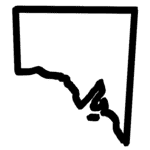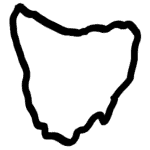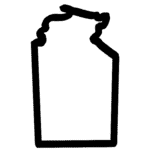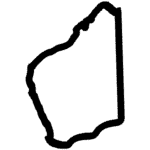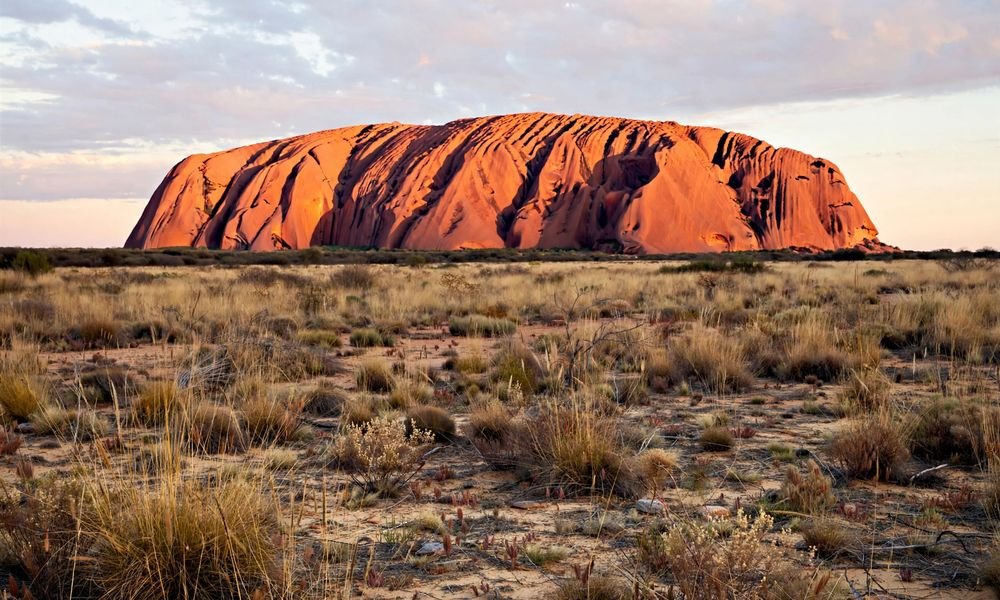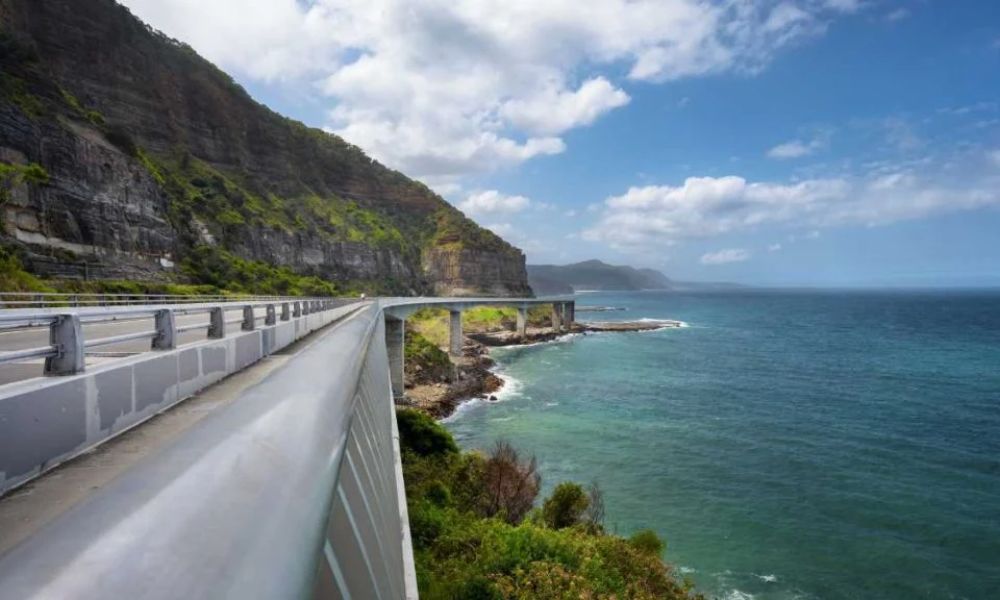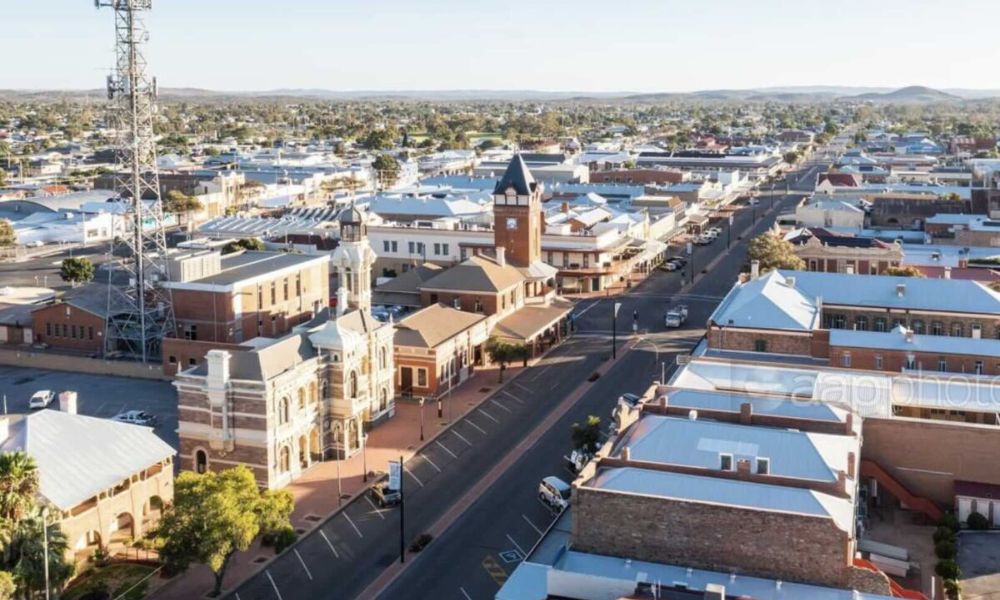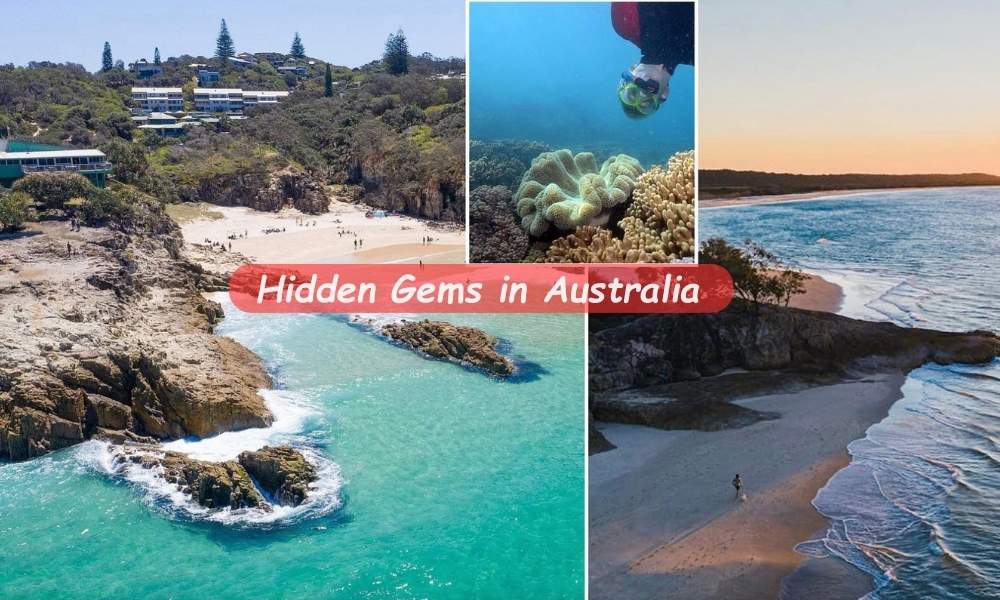

Australia is famous for its iconic landmarks like the Sydney Opera House and the Great Barrier Reef. However, beyond these popular spots lies a world of secret places that most travelers never discover.
These hidden gems in Australia offer breathtaking beauty without the crowds that pack the usual tourist destinations.
From Australia’s secret waterfalls tucked away in rainforests to quiet beaches where you might be the only visitor, these special locations provide authentic experiences that guidebooks often miss.
Whether you’re a local looking for weekend adventures or a traveller seeking something different, these lesser-known spots will show you a side of Australia that feels like your own personal discovery.
I keep a short list of these quieter stops in my trip notes and add one or two to every long drive. A busy city break feels better when I pair it with a calm beach, a short gorge walk, or a small town bakery stop. I check road conditions, fuel stops, and park alerts before I leave, then I give each place proper time. Rushing ruins these spots. The secret places in Australia reward travellers who slow down, walk a little further, and leave each place clean.
The Best 12 Hidden Gems in Australia
1. Wineglass Bay Lookout Circuit, Tasmania
This stunning walking trail takes you through native bushland to one of the most beautiful coastal views you’ll ever see. The turquoise water against white sand creates a perfect crescent shape that looks almost unreal.
The hike takes about two hours, and the peace you’ll find here beats any crowded beach. Early morning visits offer the best light for photos and fewer people on the trail.
Location: Freycinet National Park, Tasmania
2. Lake Hillier, Western Australia
Imagine a bright pink lake sitting next to the deep blue ocean. That’s exactly what Lake Hillier offers, and scientists still debate why the water stays this bubblegum color.
You can only view it from the air, making it a truly special experience. The contrast between the pink water, white sand, and blue sea creates an unforgettable sight.
Location: Middle Island, Recherche Archipelago, Western Australia
3. Mossman Gorge, Queensland
Crystal-clear water flows between ancient rocks covered in lush rainforest in this peaceful gorge. The swimming holes here are perfect for cooling off after exploring the walking tracks.
Indigenous guides share stories about the land that make your visit even more meaningful. The gorge stays relatively quiet compared to other tropical Queensland attractions.
Location: Daintree National Park, Queensland
4. The Grampians National Park, Victoria
Towering sandstone mountains, hidden waterfalls, and ancient rock art make this park a treasure for nature lovers. During different seasons in Australia, the landscape changes dramatically with wildflowers in spring and golden tones in autumn.
Rock climbing, hiking, and wildlife spotting keep visitors busy for days. MacKenzie Falls alone is worth the entire trip to this region.
Location: Western Victoria
5. Little Beach, Western Australia
This secluded spot requires a short bushwalk from the main beach, which keeps it wonderfully empty most days. The protected cove offers calm waters perfect for swimming and snorkelling among colourful fish.
Pack a picnic because you won’t find any facilities here, just pure natural beauty. Sunset at Little Beach paints the sky in colours you won’t forget.
Location: Two Peoples Bay Nature Reserve, near Albany, Western Australia
6. Horizontal Falls, Western Australia
Powerful tidal movements create rushing waterfalls that flow horizontally through narrow cliff passages. The sheer force of nature on display here makes it one of David Attenborough’s favourite natural wonders.
You can experience it by boat or seaplane for different perspectives. The falls change direction with the tides, creating a constantly shifting spectacle.
Location: Talbot Bay, Kimberley region, Western Australia
7. Kangaroo Island, South Australia
This entire island feels like a secret world with pristine beaches, unique wildlife, and dramatic coastal formations. Seal colonies, penguin parades, and wild kangaroos roam freely across the landscape.
The Remarkable Rocks and Admirals Arch showcase nature’s sculptural talents. Fresh seafood and local honey add delicious flavours to your island adventure.
Location: Off the coast of South Australia
8. Cradle Mountain, Tasmania
Jagged peaks reflect perfectly in glacial lakes, creating postcard scenes around every corner. Walking trails range from easy lakeside strolls to challenging summit climbs.
Wombats often waddle past hikers, completely unbothered by human presence. The changing weather adds drama to the already spectacular mountain scenery.
Location: Cradle Mountain-Lake St Clair National Park, Tasmania
I pair Cradle Mountain with Wineglass Bay on the same Tasmania road trip when I have a full week. The island roads stay quiet outside holiday peaks, and small towns make easy fuel and bakery stops. I pack warm layers even in summer because mountain weather turns fast. Walkers who want the full route can follow my things to do in Tasmania.
For the coast, I slow the drive down and stop at small bays between the big sights. I swim only at patrolled or calm local spots, and I ask at the visitor centre when I am unsure. That simple habit keeps the trip relaxed and safe around the beaches in Tasmania.
9. Karijini National Park, Western Australia
Ancient gorges with walls stretching hundreds of meters high hide secret pools and waterfalls. The red and orange rocks glow brilliantly under the outback sun.
Swimming in the natural pools after hiking through the gorges feels absolutely magical. This park receives far fewer visitors than it deserves, given its incredible beauty.
Location: Pilbara region, Western Australia
10. Lord Howe Island, New South Wales
Visitor numbers on the island stay strictly limited, which keeps it peaceful and pristine. Coral reef surrounds the island, and the snorkelling and diving feel calm and clear.
Mountains rise dramatically from the ocean, creating a unique island landscape. No mobile phone coverage means you can truly disconnect and relax.
Location: Tasman Sea, 600km east of Port Macquarie
11. Wilson’s Promontory, Victoria
Squeaky white sand beaches, granite mountains, and abundant wildlife pack into this peninsula paradise. This national park offers some of the country’s most diverse coastal scenery.
Wombats and kangaroos often appear on the beaches during quiet evenings. The camping spots here book out quickly because locals know how special this place is.
Location: Southernmost point of mainland Australia, Victoria
12. Ningaloo Reef, Western Australia
While everyone flocks to the Great Barrier Reef, this equally stunning reef remains surprisingly quiet. You can swim with whale sharks, manta rays, and turtles right from the beach.
The Best Beaches in Australia often include Turquoise Bay, where the reef sits just meters from shore. Coral spawning events create underwater snowstorms of new life each year.
Location: Western Australian coast, near Exmouth
How I Plan a Hidden Gems Trip
I start with a simple map and one main stop per day. Long distances eat time fast in Australia, so I leave room for fuel stops, short walks, and a bakery break in a small town. I download offline maps before I leave town, because phone coverage drops quickly outside cities. I also carry extra water, a hat, and a basic first aid kit in the car.
I respect local rules when I arrive. I stay on marked tracks, keep away from fragile lake edges, and take all rubbish with me. I check park alerts and weather on the morning I visit, and I change plans when conditions look rough. These places stay special when visitors tread lightly and leave them exactly as they found them.
I start long drives early, when the roads stay quiet and the light suits photos. I book small motels or caravan parks ahead on holiday weekends, because country towns fill fast. I keep a spare day in the plan for weather or roadworks, and that buffer saves stress more often than any shortcut.
Budget Tips for Visiting Hidden Gems
I keep costs low with a few habits I use on every long drive. I camp where I can, carry food and water, and pick free walks and swims over paid tours.
- Camp instead of staying in hotels – Many national parks offer affordable camping with basic facilities and incredible locations
- Travel during shoulder seasons – Prices drop significantly in autumn and spring, while the weather remains pleasant
- Pack your own food and water – Remote locations rarely have shops, and bringing supplies saves money and reduces waste
- Buy national park annual passes – If visiting multiple parks, annual passes pay for themselves quickly
- Choose free activities – Swimming, hiking, and wildlife watching cost nothing but create priceless memories
- Book flights on Tuesday or Wednesday – Airlines often release deals mid-week for domestic travel
- Use public transport when possible – Some hidden gems connect to bus or train routes that save on rental cars
- Bring reusable water bottles and containers – Save money and help protect these beautiful places from plastic waste
Conclusion
Australia has many special places that most travellers never see. These hidden spots feel calm and personal. They let you enjoy nature without crowds or noise. Many of these places are even more beautiful than famous landmarks.
From quiet lakes to deep gorges and peaceful beaches, each place offers something different. Plan your trip with care and respect nature so others can enjoy it too.
Explore more destinations at the Australia City Guide. You will find many things to do, places to visit, and travel ideas to help you discover the real Australia beyond guidebooks.
I update this list as I drive new routes and hear tips from local visitor centres. Start with one place near your next trip, add a slow morning or a sunset stop, and keep notes on what surprised you. For more routes and town guides, browse our things to do guides.
Keep exploring more of my Australia guides:
- Australian Geographic Facts
- Top Australian Inventions
- Most Deadly Australian Animals
- Australian Explorers and Their Greatest Feats
- Tourist Information in Australia
Frequently Asked Questions
What are some hidden gems in Australia?
Hidden gems include Lord Howe Island’s pristine beaches, Karijini National Park’s ancient gorges, Pink Lake Hillier, and the secluded Little Beach. These spots offer incredible beauty without tourist crowds.
Is there any unfound treasure in Australia?
While legendary treasures remain undiscovered, Australia’s real treasures are its secret natural locations. Places like Horizontal Falls and Mossman Gorge offer experiences more valuable than gold to those who visit.
What gemstones are found only in Australia?
Australia is famous for its opals, including black opals from Lightning Ridge and boulder opals from Queensland. Collectors value these local stones.
When is the best time to visit Australia’s hidden locations?
Spring and autumn offer comfortable temperatures and fewer crowds at most hidden gems. However, timing depends on the specific location, as tropical areas shine during dry winter months.
How do I reach remote hidden gems in Australia?
Most hidden locations require rental cars and careful planning. Some spots need 4WD vehicles, while others, like Lord Howe Island, require flights. Research access requirements before your trip starts.