Mon Repos Turtle Centre sits on a quiet beach near Bundaberg in Queensland, and it guards one of the great wildlife shows in Australia. Each summer, endangered loggerhead turtles crawl ashore after dark to lay their eggs in the sand. Weeks later, tiny hatchlings dig free and race for the sea. You watch it all with rangers who study these turtles and protect them.
This guide covers the turtle season, the night tour, day visits, booking, where to stay, and what to pack. It suits first-time visitors, families, and wildlife lovers who want a clear plan. Australia City Guide
Why Mon Repos matters
Mon Repos supports the largest group of nesting marine turtles on the eastern Australian mainland. It also holds the most significant loggerhead nesting population in the South Pacific region. That makes successful nesting here critical for the survival of the endangered loggerhead turtle.
The centre does not keep captive turtles for display. Rangers, researchers, and volunteers study wild turtles on a real beach. They count nests, tag turtles, and gather data that shapes conservation work. Your ticket supports that work, and your visit teaches you why these animals need protection.
The scale of the season shows why the site matters. In the 2025-26 breeding season along the Woongarra Coast, 422 loggerhead turtles nested, along with 19 flatback turtles and one green turtle. Rangers counted around 1,700 nests and about 212,100 eggs. Turtle Encounter tours guided 22,146 visitors to witness nesting and hatching and learn about marine turtle protection.
The turtle season at a glance
Turtle Encounter night tours run nightly from November to late March. The centre closes night tours on 24, 25, and 31 December. Ticket sales for each season open in June, and popular nights book out fast.
Nesting runs from November to early February. Female turtles come ashore after dark, dig a nest above the high tide line, and lay their eggs. Hatching runs from late January to the end of March. Hatchlings dig out of the nest when the sand cools and make their first run to the sea.
Late January to late February gives you the overlap window. Both nesting and hatching turtles can be active then, and your group goes to whichever event is ready on the night. You may see a nesting turtle, or you may see hatchlings. You cannot pick one in advance, and rangers cannot promise either.
Outside the night tour season, you can still visit the Turtle Centre by day. The displays and Turtle Tales immersive experience run all year, so a winter visit still teaches you plenty. You just will not see turtles on the beach at night.
The Turtle Encounter night tour
The night tour is the main event, and it runs on turtle time, not clock time. The centre opens at 6pm, and the tour briefing starts at 7pm in the outdoor amphitheatre. Rangers explain the rules, the group system, and what may happen on the beach. You then wait at the centre until rangers call your group.
Up to 300 visitors join each night, split into five groups of 60 people. Rangers allocate groups by booking date, so earlier bookings usually reach the beach earlier. You cannot request a specific group, and allocations are final on the day.
Your total visit can last up to six hours. On nights when turtles arrive early, several groups may head to the beach close together. On slow nights, your group may not walk to the beach until late, and some nights run past midnight. Rangers will tell you honestly that turtles do not keep a schedule, and some nights bring no nesting or hatching at all. That is rare, but it happens, and no sighting is ever guaranteed.
What happens on a nesting night
When rangers spot a female turtle on the beach, they call a group and lead it to her. You walk up to 1.6 kilometres return over soft sand in the dark, and you stand on uneven sand for up to two hours. The group stays together for the whole event, and you cannot walk back to the centre alone.
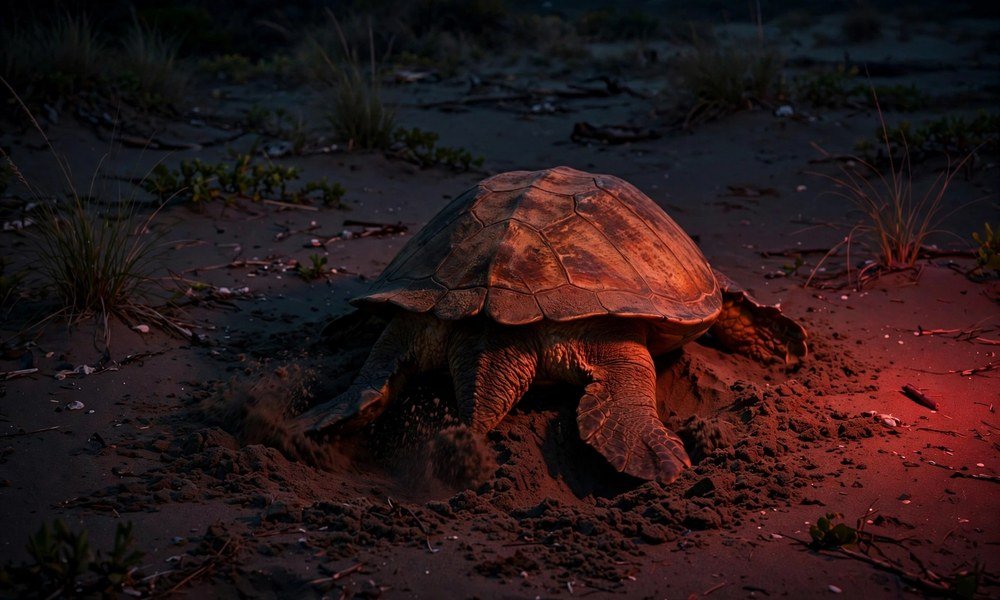
Rangers place the group behind the turtle so you can watch her lay. She digs a nest with her back flippers and lays around 130 eggs in one clutch. She may lay up to four clutches in one season. The watch takes about an hour, and the guide tells you when you may take photos. Flash and phone lights stay off outside that short window.
After she covers the nest, she heads back to the sea. Rangers may move some clutches to higher ground if storms or high tides threaten the nest. Some visitors help carry eggs to a safer nest, but that only happens when rangers need it.
What happens on a hatching night
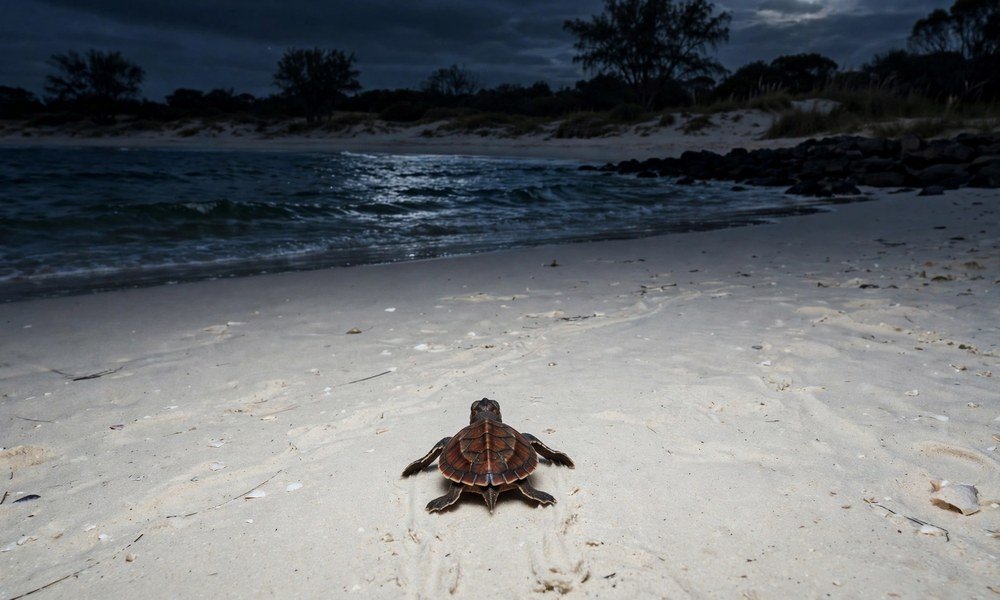
Hatching nights move faster. Rangers watch nests all evening, and they place a bucket over a nest that starts to hatch so the hatchlings wait for the group. When your group arrives, rangers split you into two rows and lift the bucket. The hatchlings run down the sand between you and into the water.
The whole dash lasts a minute or two, and then the beach goes quiet again. It sounds short, but most visitors say it stays with them for years. Only about one hatchling in 1,000 survives to adulthood, so each tiny runner faces long odds from the moment it leaves the nest.
What the night program includes while you wait
Waiting is part of the night, and the centre fills it well. Your ticket includes the Turtle Tales immersive experience, ranger talks, a kids activity session from 8pm to 10pm, nature documentaries, games, and books. The Milbi Cafe and gift shop open from 6pm to 9pm on tour nights, with hot food orders until 8:30pm.
Bring a book or a quiet game for the wait, and eat dinner before you arrive or at the cafe early. Seating in the main hall is limited, so many visitors use the outdoor amphitheatre and nearby seating areas. The centre keeps outdoor lighting low to protect the turtles, so expect a dark, warm, busy summer night.
Visiting the Turtle Centre by day
You do not need a night tour to enjoy Mon Repos. The Turtle Centre opens seven days a week from 9am to 2pm, except 25 December and 25 April. Day tickets cover the Turtle Tales immersive experience, with interactive displays and theatre areas that explain the turtle life cycle, threats, and research.
The Turtle Tracks and Tales ranger-guided walk runs on selected weekdays all year, with extra walks in school holidays. It suits visitors who want a guided walk and turtle stories without a late night. The Junior Ranger program gives kids hands-on turtle activities, and it works well for families who visit by day.
Day visits also suit visitors who cannot manage the night beach walk. You learn the same conservation story, you see the same centre, and you keep your evening free. If you visit outside the turtle season, a day visit is the way to experience Mon Repos.
How to book your Turtle Encounter
Book online, and book early. Ticket sales open in June for the coming season, and holiday periods and weekends sell out first. Rangers allocate groups by booking date, so an early booking usually means an earlier walk to the beach. If your preferred night sells out, ask about the waitlist.
At research time, official ticket prices were $31.30 for an adult, $16.15 for a child aged 5 to 17, and $75.50 for a family of two adults and up to two children. Children under five enter free. School groups pay a separate rate. Check current prices before you book, because fees can change.
Before you book, read the conditions of entry and the things to know before you go. Full refunds may not apply, and cancellation fees can apply. Tours may be cancelled at short notice in severe weather, and ticket holders get a text message and an email if that happens.
How many days do you need
One night covers the turtle tour itself, but two days give you a proper Bundaberg trip. Arrive in the afternoon, settle in, and spend the evening at the centre. Use the next day for Bargara beach, the Bundaberg sights, and a slow lunch before you drive on.
A simple two-day plan looks like this. Day one: arrive in Bundaberg, check in near Bargara, and spend the afternoon at the beach or the Bundaberg Botanic Gardens. Head to the Turtle Centre for the 6pm opening and the 7pm briefing, and stay for the night tour. Day two: sleep in, visit the Hinkler Hall of Aviation or the Bundaberg Rum Distillery, and stop at a farm gate for strawberries or macadamias on the way out.
If you only have one day, you can still do the night tour. Drive to Bundaberg in the afternoon, eat dinner early, and join the tour. Just do not plan an early start the next morning, because your group may not return to the centre until after midnight.
The best month to visit
November opens the season with nesting turtles, and the beach feels fresh and less crowded. December brings more turtles and more visitors, and school holiday nights book out fast. January gives you the overlap window, with nesting and hatching both possible, and it ranks as the busiest month.
February keeps both events going early in the month, then shifts toward hatching as nesting winds down. March closes the season with hatching nights, and the crowds ease. Pick November or March for a quieter night, and pick January if you want the best chance of either event and you book well ahead.
Weather shapes the season too. Summer storms can cancel a night tour, and rangers make the call on the day. Most nights go ahead in light rain, so pack a rain jacket and expect a warm, humid evening.
Where to stay near Mon Repos
Staying close to Mon Repos makes the late night easy. Turtle Sands Nature Resort sits next door to the centre, with camping, glamping tents, and villas. The resort takes turtle protection seriously. Guests sign a pledge, outside lights switch off after 7:30pm in nesting season, and late check-ins are not allowed. That suits visitors who want a short walk home after the tour.
Bargara, the beach town beside Mon Repos, holds caravan parks and holiday units within a short drive. Bargara Beach Caravan Park and other nearby parks suit families and campers. Bundaberg, about 14 kilometres away and a 15 minute drive, holds motels, hotels, and apartments with more choice and lower prices.
Book your stay as early as you book your tour. Turtle season matches Queensland school holidays, and the closest stays fill first. If you stay in Bundaberg, plan a taxi or a designated driver for the night, because you will drive home late.
Getting there and around
Mon Repos sits on Mon Repos Road, a short drive east of Bundaberg. The drive from Brisbane takes about four and a half hours, and many visitors pair the trip with a longer Queensland coast drive. The Tilt Train runs from Brisbane to Bundaberg, and you can hire a car or catch a taxi from Bundaberg to the centre.
Parking is available at the centre, but the walk from the car park to the centre and the beach can be uneven. Public transport to Mon Repos is limited, so a car gives you the most freedom. If you stay at Turtle Sands or in Bargara, the centre is a short drive or walk away.
For a longer trip, Mon Repos fits neatly into a Brisbane to Cairns drive. You stop in Bundaberg for a night or two, see the turtles, and keep driving north. Things to Do on Fraser Island sits further south on the same coast, and it pairs well with a turtle night for wildlife lovers.
What to pack for the night tour
Pack light, because you carry everything on a dark beach walk. Wear closed walking shoes that handle soft sand, rocks, and shells. Bring a jumper or windcheater, because the beach gets cold and windy at night. Pack a rain jacket, since umbrellas are not permitted on the beach.
Bring a water bottle, snacks, and insect repellent. The centre has a water refill station. Bring a book or a quiet game for the wait, and eat dinner before you arrive if you want a full meal.
Light rules matter more than anything else you pack. Light-up shoes and glow sticks are not permitted. You may use a torch of 100 lumens or less, and only when rangers allow it. Keep phones, smart watches, and other screens on theatre mode and stored away. Photography is only permitted in the short window your guide announces, and video must not use a constant light.
Rules that protect the turtles
Artificial light can kill hatchlings. Bright lights pull them away from the sea and toward roads and houses, where they rarely survive. That is why the centre bans glow sticks, light-up shoes, and phone screens on the beach, and why nearby stays switch lights off at night.
The beach closure backs up the light rules. From 15 October to 31 May, the restricted area of the conservation park, the beach, and nearby waters close from 6pm to 6am. Only Turtle Encounter tour participants may enter the beach after 6pm in the season. Do not try to watch turtles on your own at night, because rangers patrol the beach and fines apply.
On the beach, stay with your group, keep lights off, and avoid sudden movements. Nesting turtles scare easily when they leave the water and dig their nests, and a disturbed turtle may return to the sea without laying. Never touch a turtle or a hatchling, and never pick up eggs. Rangers handle every turtle, and they will tell you when you may help, such as carrying eggs to higher ground.
By day, help the beach too. Flatten large sandcastles and fill holes before you leave, because both can trap hatchlings and block nesting turtles. Swimming is not recommended at Mon Repos Beach, because surf lifesavers do not patrol it. The tidal lagoon and rock pools nearby give you a safer place to paddle and explore.
Is Mon Repos good for kids and families
Families love Mon Repos, but the night tour suits some kids better than others. The Turtle Tales displays, the kids activity session, and the Junior Ranger program all engage children. Older kids who can stay up late and walk on soft sand in the dark usually enjoy the night most.
Young children may struggle with the wait and the late finish. Tours are not recommended for very young children, and the official guidance says the wait can challenge families with young kids. The beach walk needs a good level of fitness, and children must keep pace with a large group in the dark.
If your kids are young, consider a day visit plus a Turtle Tracks and Tales walk instead of a night tour. You still get the turtle story, the displays, and a ranger guide, and everyone sleeps at a normal hour. If your kids are older and keen on wildlife, book an early group and bring books, snacks, and patience for the wait.
Access needs care too. Conventional wheelchairs do not suit the soft sand and steep access points on the night tour. Some all-terrain wheelchair users may manage the tour, so contact the centre before you book if you use a wheelchair or a mobility aid. The day centre and displays are far easier to access than the night beach walk.
The turtles you may see
Loggerhead turtles dominate Mon Repos. They grow large, they return to the beach where they hatched, and they can live up to 80 years. A female lays around 130 eggs per clutch and up to four clutches in a season, and her eggs hatch after about eight weeks in the sand.
Flatback turtles nest here in smaller numbers, and green turtles nest here rarely. The 2025-26 season counted 19 flatbacks and one green turtle beside the 422 loggerheads. Each species faces threats at sea, from fishing gear, boat strikes, plastic, and predators, and each hatchling faces long odds.
Rangers track individual turtles across seasons, so a turtle you watch tonight may return to the same beach in a later season. That long return journey is why Mon Repos research matters. Every nest counted and every hatchling protected adds to a population that cannot afford to lose ground.
More things to do near Mon Repos
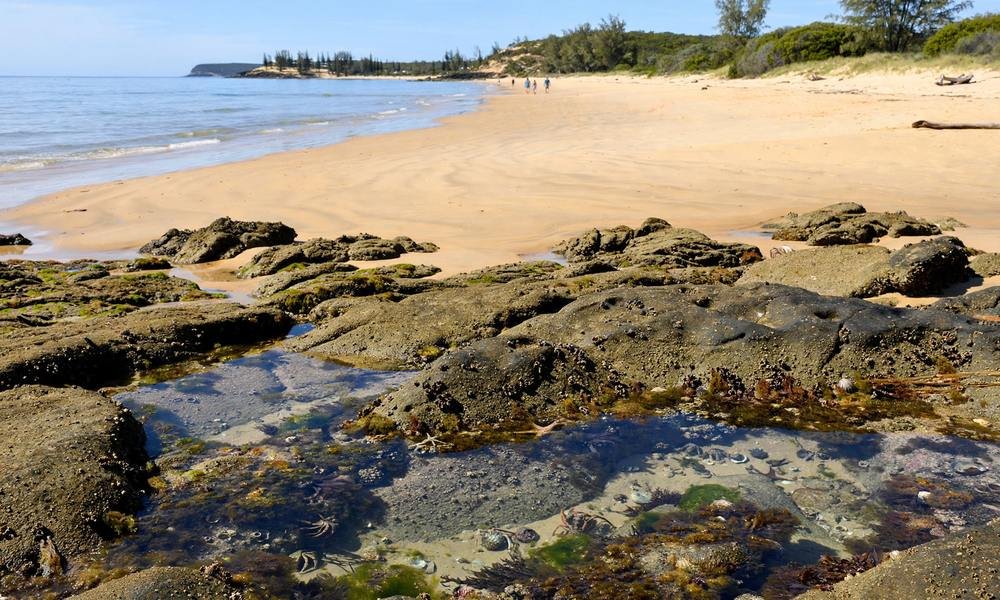
Mon Repos makes a strong base for a Bundaberg stay, and the area fills a full day easily. Bargara Beach sits beside the centre, with a tidal lagoon, rock pools, and shore diving that ranks among the most popular shore dives in Australia. The beach suits a morning walk and a swim in daylight hours.
Bert Hinkler history adds a second story to the area. Hinkler built and flew his first gliders at Mon Repos in 1911 and 1912, and the Hinkler Hall of Aviation in Bundaberg tells his story. The Bundaberg Rum Distillery runs tours and tastings, and it suits adults who want a classic Bundaberg stop.
Food lovers can follow the farm gates. Tinaberries serves strawberry desserts, Macadamias Australia pours macadamia tastings and gelato, and Kalki Moon Distilling Co. runs gin tours and tastings. Monsoon Aquatics, the coral farm near Bundaberg, runs one-hour tours of coral cultivation and reef fish. These stops turn a turtle night into a full Bundaberg trip.
Must-knows before you go
Turtles are wild animals, and no sighting is guaranteed. Book early, arrive before the 7pm briefing, and expect a long night. Bring patience, because your group may wait hours before rangers call you to the beach.
Check the weather before you travel, and watch for a text message or email if severe weather cancels your night. Read the cancellation terms when you book, because full refunds may not apply. If you use a wheelchair or a mobility aid, or if you have a fear of the dark, contact the centre before you book so rangers can advise you honestly.
Do not plan a tight schedule the morning after a night tour. Your group may return to the centre after midnight, and a slow morning in Bargara beats a rushed drive. Keep your camera ready for the short photo window, but keep your phone away for the rest of the night. The turtles come first, and the rules protect them.
Frequently asked questions
What is the best month to visit Mon Repos?
November to February suits nesting, and late January to March suits hatching. January gives you the overlap window, but it is also the busiest month. November and March feel quieter.
Do I need to book a Turtle Encounter tour?
Yes. Bookings are essential, ticket sales open in June, and popular nights sell out. Walk-up tickets are not a reliable plan in the season.
Can I see turtles outside the season?
No night tours run outside November to late March, and the beach closes at night in the restricted period. You can still visit the Turtle Centre by day all year for displays and guided walks.
Can I take photos on the night tour?
Only in the short window your guide announces. Flash and phone lights stay off outside that window, and video must not use a constant light. Keep devices on theatre mode and stored away otherwise.
Is the night tour suitable for young children?
Older children usually enjoy it, but the wait, the late finish, and the dark beach walk challenge young kids. Tours are not recommended for very young children. A day visit suits younger families better.
How long does the night take?
Your total visit can last up to six hours, including waiting at the centre and up to two hours on the beach. Some groups return before 10pm, and some return after midnight.
Can I walk on Mon Repos beach at night without a tour?
No. Only Turtle Encounter tour participants may enter the beach after 6pm in the season. The restricted area closes from 6pm to 6am from 15 October to 31 May.
How much are Turtle Encounter tickets?
At research time, official prices were $31.30 for an adult, $16.15 for a child aged 5 to 17, and $75.50 for a family. Children under five enter free. Check current prices before you book.
Conclusion
Mon Repos gives you a rare chance to watch an ancient life cycle on a real beach, guided by rangers who protect it. The night takes patience, the rules are strict, and no sighting is guaranteed. That is exactly why the experience feels so special when a turtle appears or hatchlings run for the sea.
Book early, pick your month with the season guide above, and stay close to Bargara so the late night stays easy. Pack for a dark beach walk, follow the light rules, and let the rangers lead. If you want one wildlife night that teaches you as much as it thrills you, Mon Repos deserves a place on your Queensland trip.