Wilsons Promontory sits at the southern tip of mainland Australia, about three hours by road from Melbourne. Locals call it the Prom, and it earns that short name. Granite peaks rise behind white sand beaches, cool forests meet clear water, and wombats wander near the campground at dusk. You can visit for one big day, or you can stay for days and walk deep into quiet coastal country.
This guide covers the best things to do, the walks worth your legs, the beaches worth your towel, where to stay, and what to book before you go. It is written for first-time visitors, families, and walkers who want a clear plan. Australia City Guide
Why Wilsons Promontory is worth the trip
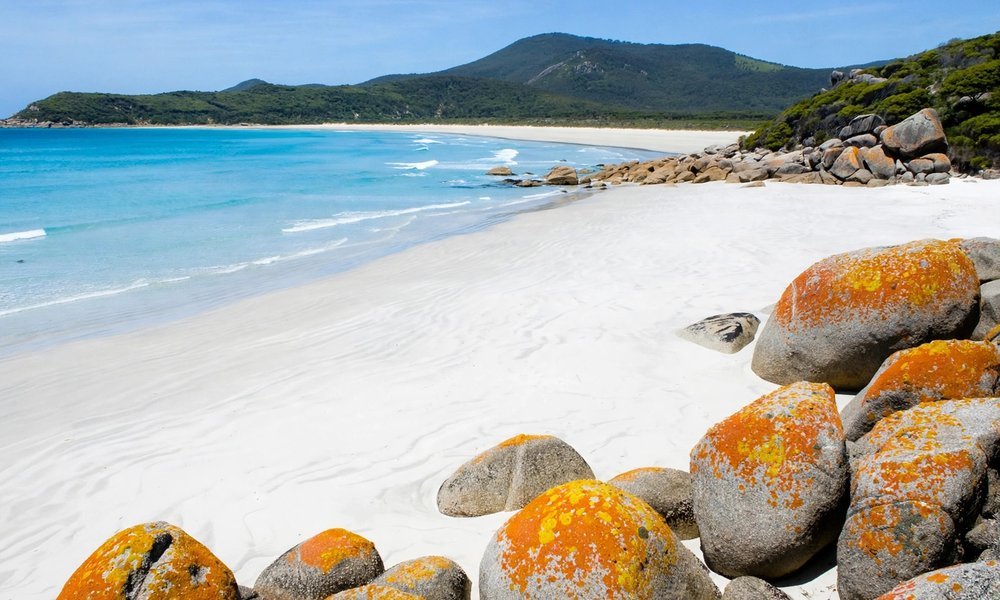
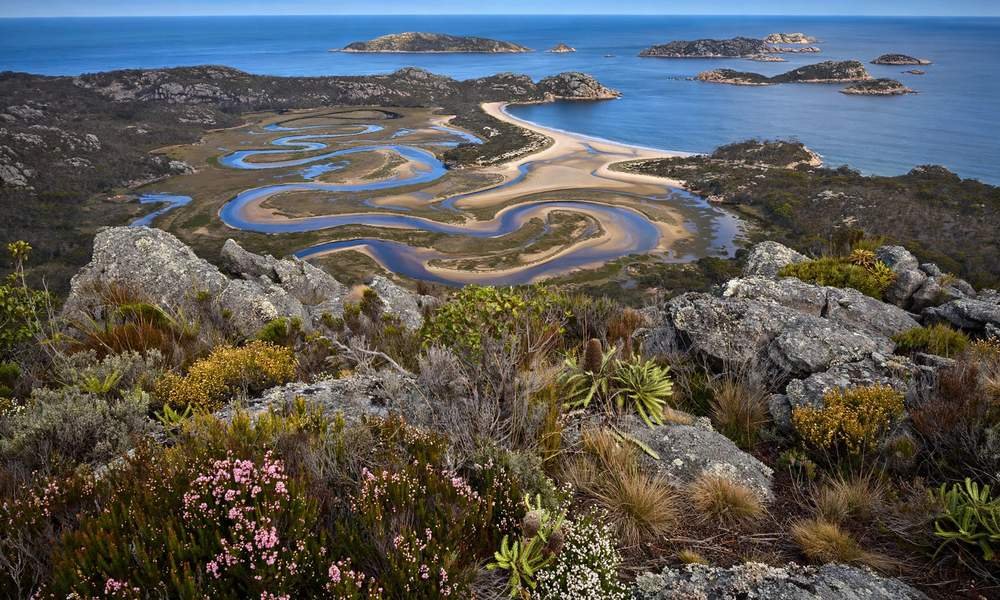
Wilsons Promontory National Park protects the largest coastal wilderness area in Victoria. Its coastline runs for about 130 kilometres, with granite headlands, forests, fern gullies, and long beaches. That mix is rare. You can stand on a mountain summit in the morning, swim at a white sand beach by lunch, and watch kangaroos graze near your tent in the evening.
Tidal River is the only settlement inside the park. It holds the visitor centre, the campground, cabins, a general store, and a takeaway food outlet. Almost every walk and beach trip starts from here or from a short drive away. That makes planning simple. You base yourself in one place and fan out each day.
It also ranks among the Best National Parks in Australia for coastal walking. The park suits many travel styles. Day visitors can tick off the headline sights. Families can mix short walks with beach time. Serious walkers can take on the Southern Circuit, a multi-day hike through the wild south of the park. Wildlife watchers get wombats, wallabies, emus, echidnas, and hundreds of bird species. If you like quiet places, visit outside school holidays and walk past the first beach. The crowds thin fast.
The best things to do at Wilsons Promontory
Walk to the top of Mount Oberon
Mount Oberon is the walk most visitors remember. The return walk is about 6.8 kilometres and takes about two hours. It starts at the Telegraph Saddle car park and follows a wide management track uphill. The climb is steady, with some steep steps near the top.
The summit sits 558 metres above sea level. From the top, you look out over Tidal River, Norman Beach, the coast, and offshore islands. Late afternoon is a fine time to go, because the light softens and the crowds thin. Take a torch or headlamp if you stay for sunset, because you will walk back down in low light.
This walk suits most fit walkers, including older kids who like a clear goal. Wear closed shoes, carry water, and wear sun protection. The track is exposed in places, so wind and heat can bite on a warm day.
Squeaky Beach and the beaches near Tidal River
Squeaky Beach gets its name from its sand. The sand holds a high share of quartz, and the round grains rub together and squeak under your feet. The beach sits in a sheltered cove, with clear water and large granite boulders at each end. Walk to the northern end and you find boulders that form passages and small caves to explore.
You can reach Squeaky Beach on foot from Tidal River, or drive to the Lilly Pilly Gully car park and walk in from there. Early morning is quiet. Midday in summer is busy, so arrive early if you want space.
Norman Beach is the closest beach to the campground. It is a long, open beach, good for swimming, surfing, kayaking, and long walks. Families like it because it is close, easy to reach, and easy to leave when kids tire. Picnic Bay and Little Oberon Bay sit further along the coast and suit walkers who want a quieter swim after a walk.
Whisky Bay is a short drive and walk from Tidal River. It has soft sand, calm water on a good day, and granite boulders that catch the evening light. It is a strong pick for sunset. For more coastal picks across the state, see our guide to Best Beaches in Victoria. Darby Beach, on the northern side of the park, is wilder and quieter. It suits visitors who want space and do not mind a longer drive. Cotters Beach, also in the north, needs a walk in from the car park and rewards you with an empty stretch of sand.
Swim only where conditions look safe, and watch children closely. Ocean beaches can have rips and changing surf. If you are unsure, ask at the visitor centre before you swim.
Lilly Pilly Gully and easy nature walks
Not every good walk at the Prom needs a summit. Lilly Pilly Gully is a gentle loop through tall eucalyptus forest, tree ferns, and heath. It is one of the best walks for birdwatching, and it suits families, older visitors, and anyone who wants shade on a warm day. You can walk to the boardwalk and back, or keep going on the circuit toward Mount Bishop if you want more.
The Tidal River Boardwalk is an easy, flat stroll along the river from the campground. It suits prams and wheelchairs in parts, and it links to other short walks. The Tidal Overlook Walk climbs gently above Tidal River and gives you a clear view down to Squeaky Beach on a fine day. You can return the same way or keep going on a circuit back to the campground.
Pillar Point is another short walk with a clear payoff. A few large boulders near the end make a good seat while you look out over the coast. These short walks pair well together. You can do two or three in a morning and still have the afternoon at the beach.
Tongue Point and the wilder coast
Tongue Point suits walkers who want a longer day walk without an overnight pack. The return walk is about 9 kilometres. It crosses windswept heath, passes lookouts, and ends at a headland above the sea. A side track part way along drops to Fairy Cove, but you can only reach that cove safely at low tide. Check tide times before you try it.
The walk feels wilder than the Tidal River walks. The wind can be strong, and the track can be rough in places. Carry water, wear sturdy shoes, and allow plenty of time. On a clear day, the views along the coast make the effort worthwhile. On a wet or windy day, pick a shorter walk instead and save Tongue Point for better weather.
Sealers Cove and the Southern Circuit
Sealers Cove is one of the most loved beaches in the park, and you can only reach it on foot. The walk in is about 10 kilometres each way, a challenging Grade 4 walk with steep sections. Allow at least three hours each way, and longer on the way back uphill. The beach itself is golden sand backed by rainforest, and it feels far from the busy hub at Tidal River.
Sealers Cove also forms part of the Southern Circuit, the classic multi-day hike in the park. The circuit usually takes two to three days. Walkers start near the Mount Oberon car park, head east to Sealers Cove, then south along the coast to Refuge Cove and Waterloo Bay. From there, the track heads inland past the Lightstation area and back toward Tidal River, with a stop at Halfway Hut or Roaring Meg along the way.
You need an overnight hiking permit for the Southern Circuit, and you must book your campsites ahead through Parks Victoria. Campsites along the circuit are basic. You carry your tent, food, sleeping gear, and layers, and you treat creek water before you drink it. This hike suits fit, experienced walkers. If you are new to overnight hiking, do Sealers Cove as a long day walk first and see how you feel.
Wilsons Promontory Lightstation
The Wilsons Promontory Lightstation stands at South East Point, the southernmost point of mainland Australia. It has operated since 1859 and was built from local granite. You can reach it on a long day walk of about 19 kilometres return, which takes about six hours each way for most walkers, so most people visit it as part of an overnight hike instead.
You cannot camp at the Lightstation itself, but you can book a stay in one of the historic keepers cottages. A cottage stay gives you a rare night at the edge of the mainland, with a museum to visit and rugged coastal views in every direction. Book well ahead, because cottage nights are limited and popular.
If a cottage stay is out of reach, you can still enjoy the Lightstation area on the Southern Circuit. Walkers pass near it on the second day of most circuit plans, and the detour is worth the extra steps.
The Big Drift sand dunes
The Big Drift looks out of place in the best way. It is a large area of inland sand dunes, ringed by bushland, with no beach in sight. The walk in is about 2 kilometres each way through pleasant bush. The dunes themselves are wide, pale, and open, and they make a fine spot for photos and a quiet sit.
Visit in the late afternoon if you can. The low light warms the sand, and the walk back is cooler. Note where you entered the dunes, because wind wipes out footprints fast and it is easy to lose your way back. Take water, wear a hat, and keep to a clear line back to the track.
Wildlife watching at the Prom
Wildlife is one of the main reasons people return to the Prom. Wombats graze near the Tidal River campground, often at dusk. Kangaroos and wallabies feed on open grassy areas in the early morning and late afternoon. Emus stride through heath and open country, and echidnas snuffle through leaf litter on quiet tracks. Birdwatchers can find rosellas, wrens, honeyeaters, and many more species across the park.
The Prom Wildlife Walk near Tidal River is a short, flat walk and a good pick for an evening stroll. Go quietly, keep your distance, and never feed wildlife. Feeding animals harms them and is an offence in the park. Store food well at your campsite, take all rubbish home, and keep to tracks so you do not disturb nests and burrows.
Winter brings another wildlife highlight. Humpback whales and southern right whales pass along the coast on their yearly migration, and keen watchers scan from headlands on calm days. Seals haul out on offshore rocks, and you may spot them from a boat cruise or from a high lookout with binoculars.
On the water: cruises, kayaking and snorkelling
The waters around the Prom form Victoria’s first marine national park, and they hold granite cliffs, deep reefs, seal colonies, and clear water. Licensed tour operators run amphibious boat cruises to Skull Rock, a large granite monolith offshore. Cruises also offer seal watching and, in season, whale watching. These tours suit visitors who want to see the wild coast without a long hike.
Kayaking suits calm days on sheltered water, and Norman Beach is a good launch point. Snorkelling and diving open up the underwater side of the marine park, with fish life and reef country below the cliffs. If you cannot get under water, explore rockpools at low tide among the granite boulders at the beaches. Take care on wet rock, wear reef shoes if you have them, and leave sea life where you find it.
How many days do you need
One day at Wilsons Promontory
One day is enough for the headline sights if you start early. Drive in, stop at the visitor centre, walk Mount Oberon, have lunch at Tidal River, then spend the afternoon at Squeaky Beach or Norman Beach. Finish with a short walk, such as the Tidal Overlook or the boardwalk, before you drive out. You will leave with a clear feel for the park, and a list of walks to come back for.
A day trip works best on a weekday outside school holidays. Summer weekends can be very busy, and parking at popular spots fills early. Arrive before 10 am if you can, and carpool where possible.
Two days at Wilsons Promontory
Two days let you slow down and mix walks with beach time. On day one, walk Mount Oberon in the morning, then spend the afternoon at Squeaky Beach and Norman Beach. Watch for wombats near the campground at dusk. On day two, walk Lilly Pilly Gully in the morning, then head to Whisky Bay or Tongue Point in the afternoon, based on your energy and the weather.
Two days also give you room for a boat cruise or a kayak session, and for a relaxed dinner at your campsite or cabin. If you stay overnight, book your site or cabin well ahead, most of all in summer and on long weekends.
Three days and the Southern Circuit
Three days open up the Southern Circuit for fit walkers. A common plan runs from Telegraph Saddle to Sealers Cove on day one, then south to Refuge Cove and Waterloo Bay on day two, with a visit to the Lightstation area, then back toward Tidal River on day three. You camp at designated hike-in campsites, carry all your gear, and book permits ahead.
If multi-day hiking is not your style, use three days for a slower version of the two-day plan. Add Tongue Point, the Big Drift, and a northern drive to Vereker Outlook and Millers Landing. You will see far more of the park, with time to rest between walks.
Best time to visit Wilsons Promontory
There is no bad season at the Prom, only trade-offs. Summer brings warm weather, inviting beaches, and long days, but it also brings crowds, full campgrounds, and vehicle limits on busy days. Book ahead, visit on a weekday if you can, and arrive early.
Spring brings wildflowers and mild weather, with fewer visitors than summer. Autumn brings crisp mornings, calm days, and good wildlife watching. Shoulder months such as October, November, February, and March suit many visitors well, with warm days and thinner crowds.
Winter is cooler and wetter, but it is quiet, and whale watchers rate it highly. Pack wet weather gear in every season. Weather at the Prom can change fast, with wind and rain arriving off Bass Strait. Check the forecast and the park page before you travel, and pack layers even on a warm day.
Where to stay at Wilsons Promontory
Tidal River Campground and cabins
Tidal River Campground is the main place to stay inside the park. It has 484 campsites, with hot showers, laundry facilities, dishwashing stations, picnic tables, and free gas barbecues. The general store stocks basic supplies, souvenirs, and camping gear, and a takeaway outlet serves simple meals.
Powered sites, unpowered sites, and roofed accommodation such as cabins are available, but all stays must be booked ahead through Parks Victoria. Summer and school holidays book out fast, and the campground can run a ballot system for peak periods. Book as early as you can, and check the current booking rules before you plan around a date.
Campground life suits families well. Kids can ride, swim, and explore the short walks near camp, and wildlife visits in the evening add to the trip. Keep food stored, keep noise down at night, and follow the campground rules on fires. No fires are allowed in the park at any time of year.
Wilsons Promontory Lightstation cottages
Lightstation cottages offer a very different stay. You sleep in a historic keepers cottage at the southern edge of the mainland, far from roads and crowds. The stay includes access to the museum and the wild coast around the Lightstation. You still need to walk in with your gear, so pack light and plan your food well.
Cottage nights are limited, so book well ahead. This stay suits couples, small groups, and walkers who want a quiet, memorable night. It is not a good pick for a first visit if you want easy beach access, because the walk in is long.
Staying outside the park
If Tidal River is full, or you want a pub meal and a shop with wider choice, stay outside the park. Yanakie is the small gateway town just before the park entrance, and it suits an early start. Foster, about 30 minutes away, has shops, cafes, and a pub, and it works well as a base for a day trip. Fish Creek is another nearby town with cafes and galleries, and it suits a slower South Gippsland trip.
Staying outside the park also suits visitors who want to mix the Prom with other South Gippsland sights, such as the towns along the coast and the rail trail country inland. You trade easy dawn and dusk wildlife watching for more food and lodging choice.
Getting to Wilsons Promontory and getting around
Most visitors drive. The drive from Melbourne takes about three hours, through South Gippsland to Yanakie and then into the park. The park road between Yanakie and Tidal River runs for about 30 kilometres inside the park boundary, and it is scenic. Drive slowly and watch for wildlife, most of all at dawn and dusk.
Public transport is limited. There is no direct public transport to Tidal River. The closest V/Line bus services reach towns such as Fish Creek and Foster, and from Foster some visitors arrange a shuttle to the park, often tied to a hostel stay. If you do not have a car, plan this leg carefully before you book anything else.
Inside the park, you need a car to reach most trailheads, or you need to walk from Tidal River. A shuttle sometimes runs between Tidal River and the Telegraph Saddle car park in peak periods, which helps Mount Oberon walkers. Check current shuttle details at the visitor centre when you arrive. Carpool inside the park where you can, because parking at popular spots fills fast in summer and a vehicle limit can apply.
Bookable tours and activities
Bookable tours suit visitors who want local knowledge or who do not want to drive and walk everywhere alone. Amphibious boat cruises to Skull Rock show the granite coast, seal colonies, and offshore islands from the water. Whale watching tours run in season, when whales pass along the coast. Guided walks, cycling tours, horse trail riding, and surf lessons are also offered by licensed operators in the area.
Book tours ahead in summer and on weekends. Check what each tour includes, such as pick-up points and wet weather rules, before you pay. A tour pairs well with a walk day. For example, take a morning cruise, then spend the afternoon at Squeaky Beach or on a short walk near Tidal River.
Must-knows before you go
Entry to Wilsons Promontory National Park is free for day visitors. Fees apply for overnight camping, cabins, cottage stays, and overnight hiking permits. Book all overnight stays ahead through Parks Victoria, and check the current rules before you travel.
Summer brings a vehicle limit, because the park can only hold a set number of vehicles safely. On busy days, you may wait, and popular car parks can fill. Visit on a weekday if you can, arrive early, bring food and water, and leave when you check out so new visitors can enter.
Dogs are not allowed in the national park, and assistance dogs have entry rules to check ahead. No fires are allowed at any time of year. Tracks are for walking only, not bikes, so stay on tracks and leave bikes at camp or at home. Do not feed wildlife, and take all rubbish home with you.
The visitor centre at Tidal River is open seven days a week, from 9 am to 4 pm, and to 4.30 pm in summer. Staff can advise on track conditions, tide times, wildlife sightings, and safety. Stop there first if you are unsure about a walk or a swim.
Pack for changeable weather. Bring sun protection, a hat, and water for every walk, plus wet weather gear and warm layers. Wear closed, comfortable shoes for walks, and sandals or slip-on shoes for camp. Bring a torch for evening walks, a first-aid kit, and a day pack. For overnight hikes, bring a water filter or purification tablets, because creek water needs treatment.
Food planning matters. The general store at Tidal River stocks basic items, but choice is limited and prices reflect the remote site. Stock up in Yanakie, Foster, or Fish Creek before you enter the park, most of all if you camp for several nights or hike the Southern Circuit. Fuel up before you enter the park too, because there is no fuel inside the park.
Phone signal can be patchy in the park, most of all on remote tracks. Download maps and track notes before you go, tell someone your plan for long walks, and carry a charged phone. For remote hikes, experienced walkers carry a personal locator beacon as well.
Wilsons Promontory with kids
The Prom works well for families who plan around short walks and beach time. The Tidal River Boardwalk, Lilly Pilly Gully, and the Prom Wildlife Walk are easy and engaging for young kids. Norman Beach and Squeaky Beach give kids safe, open space to play, with supervision near the water at all times.
Older kids often love Mount Oberon, because the summit gives a clear goal and a big view. The Big Drift also appeals to kids, with wide dunes to run on and a clear walk in and out. At camp, kids enjoy spotting wombats at dusk, with quiet voices and a safe distance.
Pack extra snacks, water, hats, and sunscreen for kids, and plan a rest or beach break between walks. If you camp, book a site near facilities for easier nights, and bring warm layers for cool evenings.
Frequently asked questions about Wilsons Promontory
Where is Wilsons Promontory?
Wilsons Promontory is in South Gippsland, Victoria, at the southernmost point of mainland Australia. It sits about 225 kilometres south-east of Melbourne, or about three hours by road.
Is entry to Wilsons Promontory free?
Yes, day entry is free. Fees apply for overnight camping, cabins, Lightstation cottages, and overnight hiking permits. Book overnight stays ahead through Parks Victoria.
How many days do you need at Wilsons Promontory?
One day covers the headline sights, such as Mount Oberon and Squeaky Beach. Two days suit most visitors, with time for walks, beaches, and a tour. Three days suit walkers who want the Southern Circuit or a slower trip with the northern area included.
What is the best time to visit Wilsons Promontory?
Summer suits beach days but brings crowds. Spring and autumn suit walkers, with mild weather and fewer visitors. Shoulder months such as October, November, February, and March suit many visitors. Winter suits quiet trips and whale watching.
Can you swim at Wilsons Promontory?
Yes, at beaches such as Norman Beach, Squeaky Beach, and Whisky Bay on calm days. Ocean conditions change, so check conditions, swim with care, and supervise children closely. Ask at the visitor centre if you are unsure.
Where should you stay at Wilsons Promontory?
Most visitors stay at Tidal River Campground or in a Tidal River cabin. Walkers can book a Lightstation cottage for a rare night at the southern tip. If the park is full, stay in Yanakie, Foster, or Fish Creek and drive in for day trips.
Is there public transport to Wilsons Promontory?
There is no direct public transport to Tidal River. Bus services reach Foster and Fish Creek, and some visitors arrange a shuttle from Foster. A car gives you far more freedom inside the park.
Is Wilsons Promontory dog friendly?
No, dogs are not allowed in the national park. Assistance dogs have entry rules to check ahead with Parks Victoria.
Do you need to book camping at Wilsons Promontory?
Yes, book all camping and roofed stays ahead through Parks Victoria. Summer, school holidays, and long weekends book out fast, and peak periods can involve a ballot system.
What wildlife can you see at Wilsons Promontory?
You can see wombats, kangaroos, wallabies, emus, echidnas, and many bird species. Seals live on offshore rocks, and whales pass along the coast in winter. Dawn and dusk are the best times for land wildlife.
Conclusion
Wilsons Promontory rewards visitors who plan a little and walk a lot. Mount Oberon gives you the view, Squeaky Beach gives you the swim, and the Southern Circuit gives serious walkers a true wild coast. Tidal River keeps the trip simple, with one base for walks, beaches, and wildlife, while the northern area and the Big Drift add quiet corners for a second or third day.
For a first trip, stay two days if you can. Walk Mount Oberon, swim at Squeaky Beach, walk Lilly Pilly Gully, and spend an evening watching for wombats near camp. Book your stay ahead, arrive early, pack for changeable weather, and leave the park as clean as you found it. Australia City Guide If you want one Victorian national park that mixes beaches, mountains, forests, and wildlife in a single trip, start with the Prom.