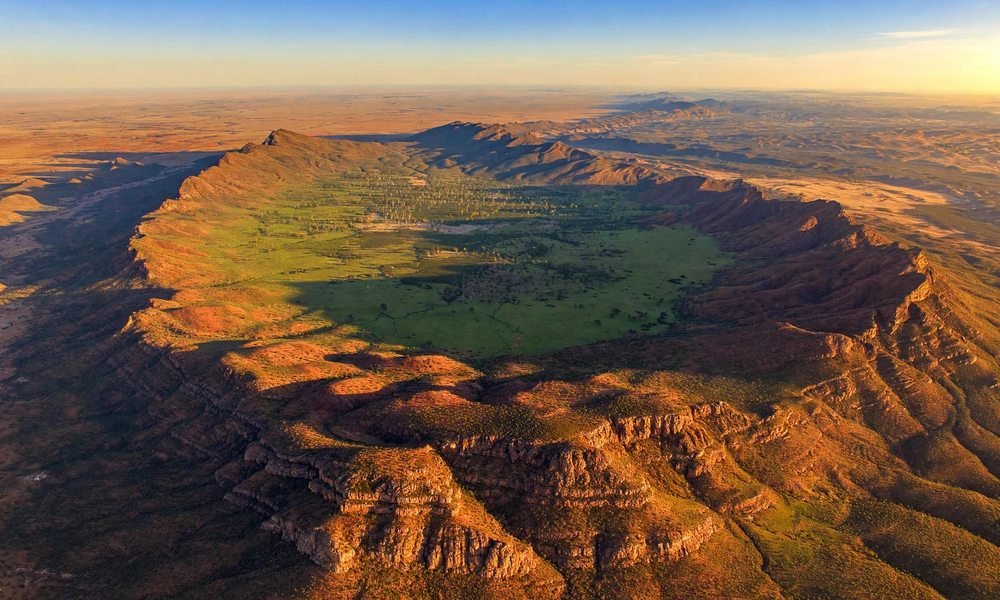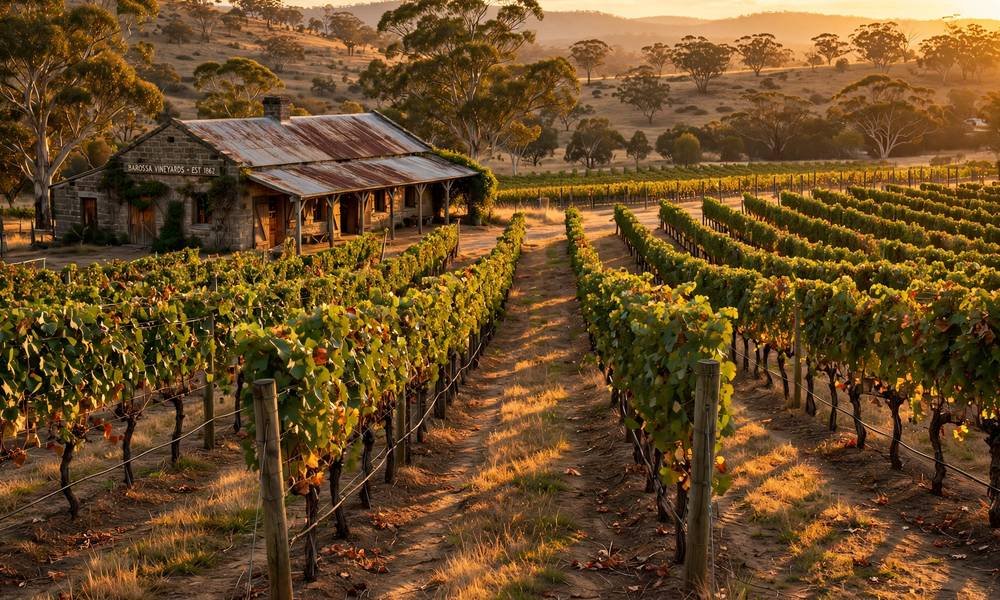

Kangaroo Island sits off the coast of South Australia, about a 45-minute ferry ride from the mainland below Adelaide. Give it three days and it will show you more wildlife, wild coastline and good food than most week-long holidays. Two days works in a pinch. One day does not. This guide covers everything you need to plan the trip, from the headline sights to where to sleep and how to get around. If you are building a bigger South Australia itinerary, the team at Australia City Guide has you covered across the state.
Why Kangaroo Island Is Worth the Trip
Most Australian wildlife experiences happen behind fences or from a boardwalk. Kangaroo Island is different. Here you walk onto a beach with wild sea lions, spot koalas dozing in roadside gum trees, and watch fur seals play in rock pools while the Southern Ocean pounds in behind them. Nobody staged any of it. That is the whole point.
The island is Australia’s third-largest, roughly 4,400 square kilometres, and about a quarter of it is protected national park or conservation land. Because it was cut off from the mainland thousands of years ago, several introduced pests never arrived, and the bush here is in remarkably good shape. The result is one of the best places in the country to see native animals living entirely on their own terms.
It is not just animals, though. The coastline is genuinely wild, the food and wine scene punches well above its weight for an island of 5,000 people, and the pace forces you to slow down. There is no nightlife and no big shopping. You will not miss either.
The Big Sights You Can’t Miss
Start here. These are the experiences people fly across the world for, and every one of them delivers.
Flinders Chase National Park
This is the island’s headline act, covering 326 square kilometres at the wild western end. The park holds the island’s two most photographed landmarks, a historic lighthouse and some of the most dramatic coastline in the country. Most of the highlights sit close together, so a half day covers the icons and a full day lets you walk a trail or two. Entry fees apply, and it is worth checking current openings before you go, as the park is still recovering from the 2019-2020 bushfires.
Remarkable Rocks
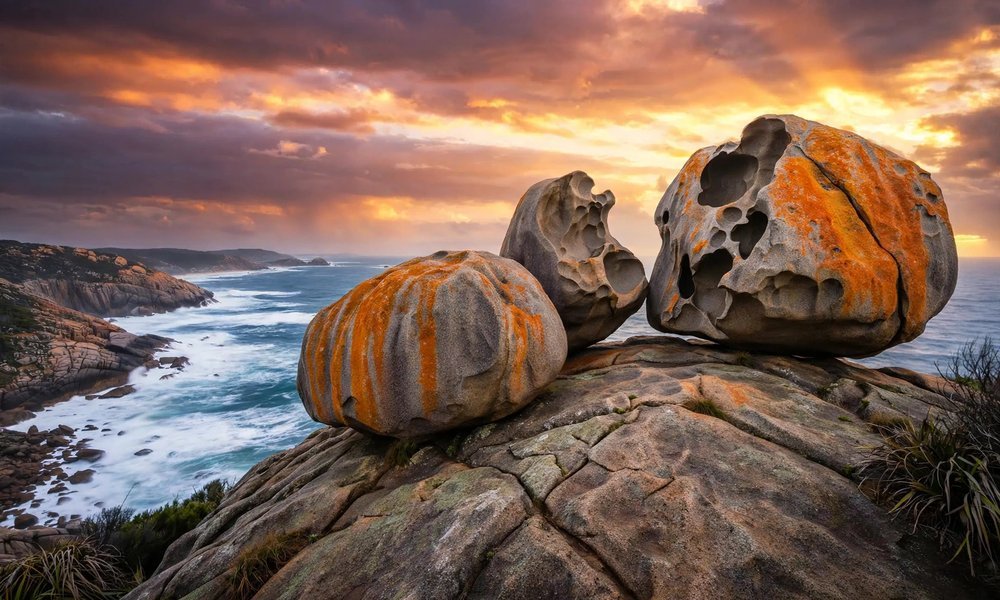
A cluster of giant granite boulders streaked with orange lichen, balanced on a dome of rock above the ocean. Wind and sea have been sculpting them for millions of years, and they look almost deliberately carved. Get there early. The car park fills up by mid-morning, and the light is better for photos before lunch anyway. Clambering around the rocks is half the fun.
Admirals Arch and the Fur Seals
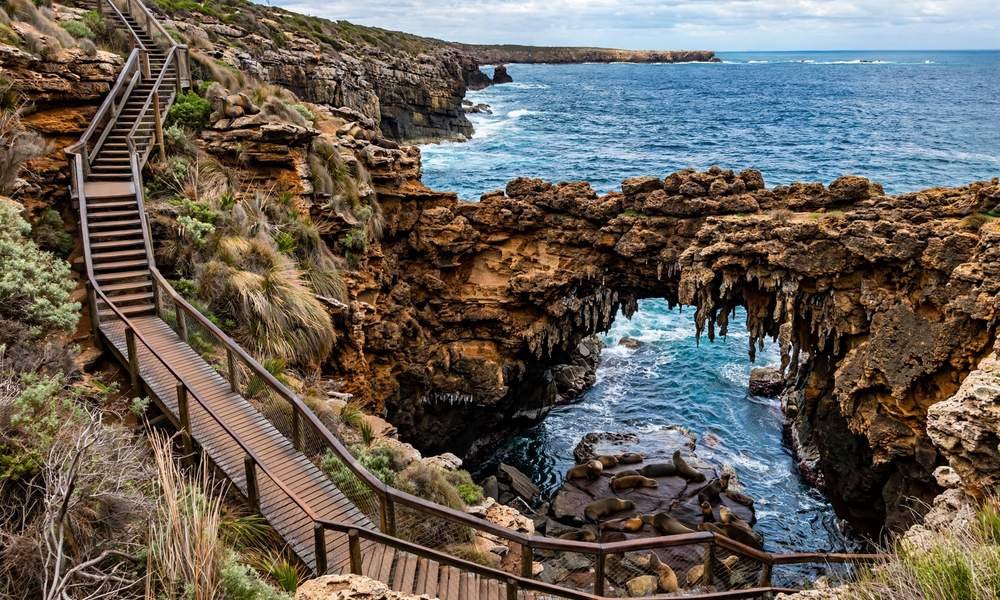
A few minutes’ drive from Remarkable Rocks, a wooden boardwalk winds down the cliff to a huge sea-carved rock arch. Below it, a colony of long-nosed fur seals hauls out on the rocks, pups playing in the surf while waves crash through the arch. Stand on the viewing platform and you are close enough to hear them. Right beside the arch stands the Cape du Couedic Lighthouse, built in the early 1900s on one of the most windswept points on the island.
Seal Bay: Walking With Sea Lions
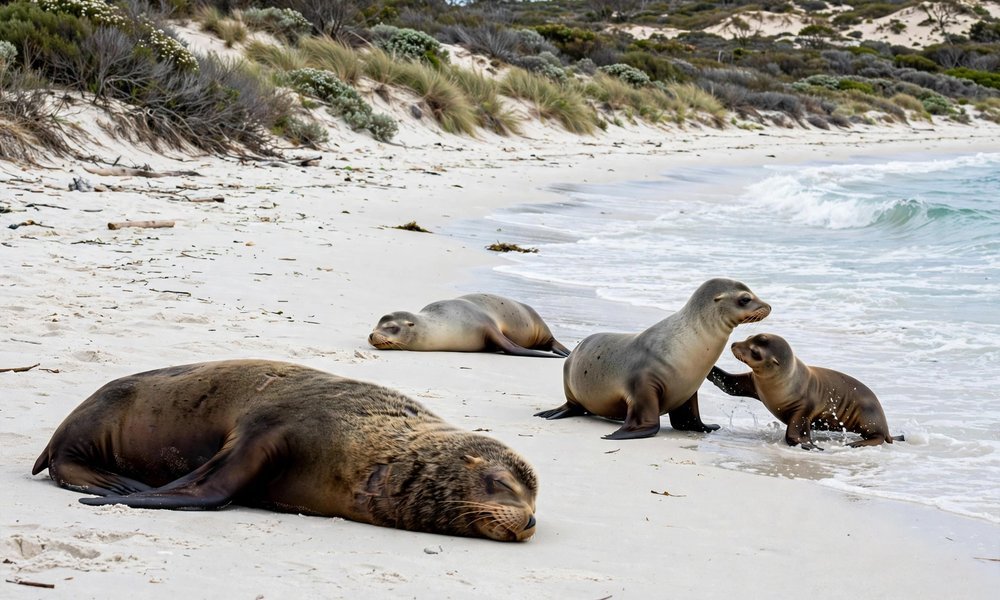
Seal Bay Conservation Park protects one of the largest colonies of Australian sea lions left in the country, around 800 animals. You have two ways to see them. The 45-minute guided beach tour takes you right down onto the sand with a ranger, walking among sea lions as they snooze, bark and lollop down to the surf. The self-guided 900-metre boardwalk winds through the dunes and along limestone cliffs with lookouts over the colony. If you only pay for one tour on the island, make it this one. Just past Seal Bay, the Bales Beach lookout is worth the five-minute detour for the view alone.
Koalas in the Wild
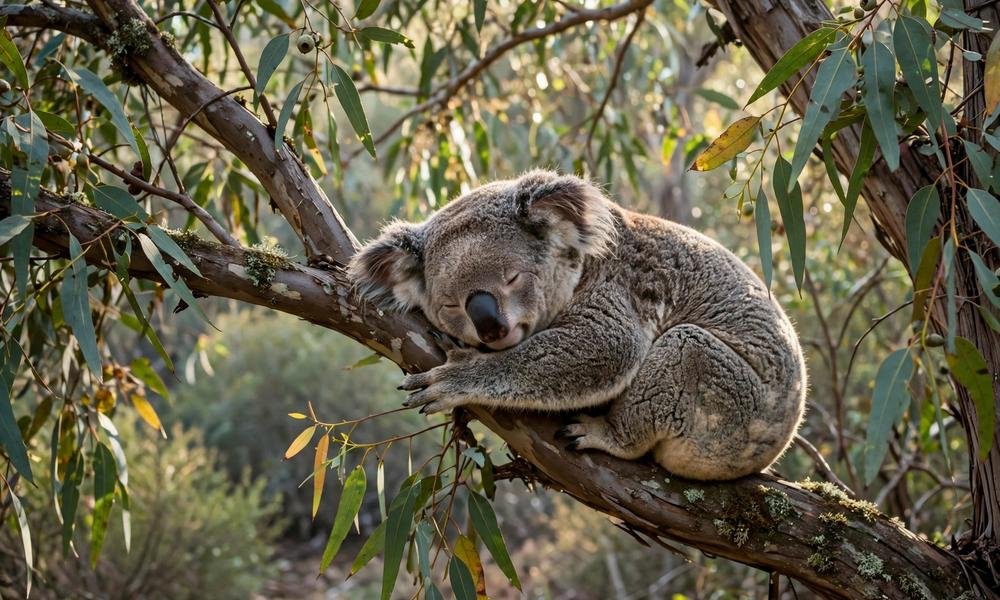
Kangaroo Island is one of the few places you can reliably see koalas in the wild rather than in an enclosure. Drive the back roads slowly and scan the gum trees. The Hanson Bay Wildlife Sanctuary, on 5,000 acres of protected land near Flinders Chase, runs guided koala walks where the animals roam free in the canopy. Book ahead, as visits are by guided tour only. For a guaranteed close encounter, the Kangaroo Island Wildlife Park near Parndana lets you feed kangaroos and hold a koala. It houses more than 150 native species and does genuine rescue and rehabilitation work.
Little Sahara
An inland dune system of about two square kilometres that looks like it belongs on another continent. You can hire a sandboard or toboggan and race down the slopes at your own speed, or join a guided buggy tour through the dunes and surrounding bush. The Little Sahara Adventure Centre and Kangaroo Island Outdoor Action both run tours. An hour or two here is plenty, and kids rate it as a trip highlight.
Kelly Hill Caves
Head underground into a maze of limestone caverns decorated with stalagmites, stalactites and columns formed over 200 million years. The caves can only be visited on a guided tour, which takes about an hour and includes an audiovisual light display. The visitor experience was recently upgraded, and it is a good wet-weather option.
Cape Willoughby Lighthouse
South Australia’s first lighthouse stands on the island’s eastern tip, and you can climb it on a guided tour. The views up and down the coast are superb, and the Cape Willoughby Lightstation Heritage Hike makes a good leg-stretcher if you arrive by the morning ferry. For lighthouse fans, Cape Borda at the remote north-west tip (built 1858) is the wilder, quieter alternative.
Beaches Worth Your Time
The island has dozens of beaches, but a few stand clearly above the rest. None of them are patrolled, so swim within your limits and check conditions on the day.
Stokes Bay
The local favourite and, in 2023, named Australia’s best beach by the Australian Tourism Board. From the car park it looks like nothing special. Then you squeeze through a narrow passage in the rocks and step out onto a sheltered white-sand cove with glassy turquoise water. The rock pool tucked behind the boulders is made for a lazy swim. Go early or late to have it mostly to yourself.
Vivonne Bay
A long crescent of white sand and clear water on the south coast, regularly rated one of Australia’s best beaches. Good for a beach walk, a swim on calm days and a surf when the swell is up. The Vivonne Bay General Store does a famous whiting burger if you time it for lunch.
Emu Bay
Five kilometres of white sand on the north coast, and one of the few beaches where you can drive straight onto the sand. Families love it for the calm, shallow swimming. The Emu Bay Lavender Farm sits just back from the shore, with more than a dozen lavender varieties across 50 acres and a cafe doing lavender scones and ice cream. Visit in summer to see the lavender in bloom.
Pennington Bay and Snelling Beach
Pennington Bay pairs a pretty surf beach with the walk up Prospect Hill, the island’s highest point. The 500 steps to the summit are a proper workout, and the lookout takes in Pelican Lagoon and the south coast. Snelling Beach, on the north coast, is the quiet one. Fewer people, good snorkelling when it is calm, and a fine sunset spot.
Food and Drink: What to Taste
For a small island, the produce is serious. Build tastings into your days rather than treating them as an afterthought.
Wineries and the Brewery
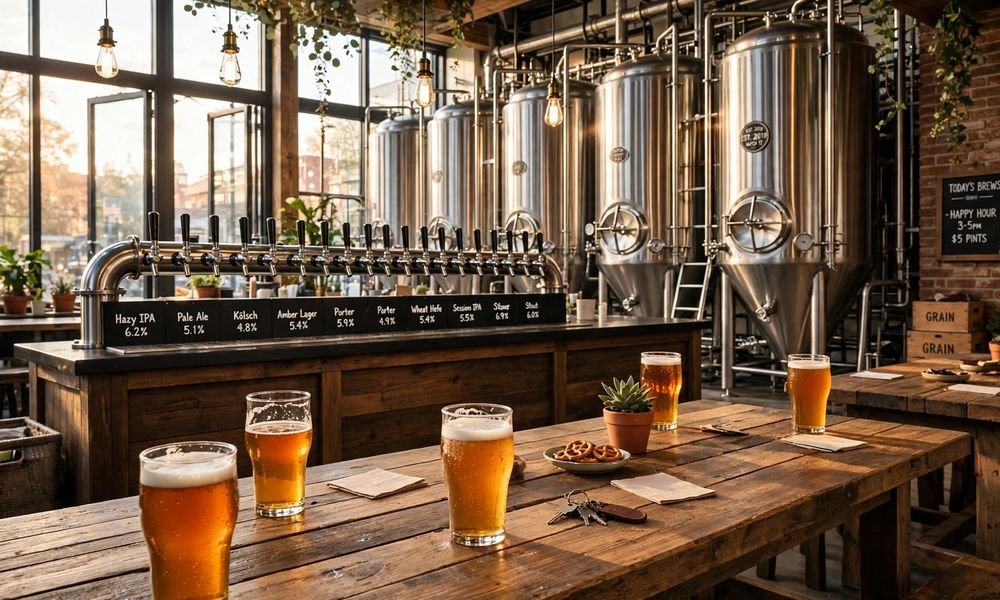
Dudley Wines sits 15 minutes from the Penneshaw ferry terminal, and its cellar door opens straight onto ocean views. Start here if you arrive by ferry. The Islander Estate and False Cape Wines are worth a stop for red wine fans. Beer drinkers should head to Kangaroo Island Brewery, the island’s first microbrewery, which also does coffee and soft drinks for non-drinkers.
Gin, Honey and Eucalyptus
Kangaroo Island Spirits makes gin from native juniper berries at its distillery in Cygnet River. The Gin Garden does tasting flights and cocktails in a lovely outdoor setting. At Clifford’s Honey Farm you can taste honey from the island’s famous Ligurian bees, brought from Italy in the 1880s. The island has been a protected bee sanctuary since 1885, and the honey ice cream alone justifies the stop. Emu Ridge Eucalyptus Distillery is the only commercial eucalyptus oil distillery still operating in South Australia, with a self-guided tour, cafe and shop.
Seafood and Farm Produce
American River is the island’s seafood capital. The Oyster Farm Shop sells fresh local oysters, and the wharf sheds often have the day’s catch. Try the King George whiting wherever you see it on a menu. The Island Pure Sheep Dairy does tastings of its cheeses, and the Kingscote Farmers Market runs on Sundays if your dates line up. For a splurge, The Enchanted Fig Tree does fine dining under a giant fig tree, but it is seasonal and bookings are essential.
Wildlife Watching Done Right
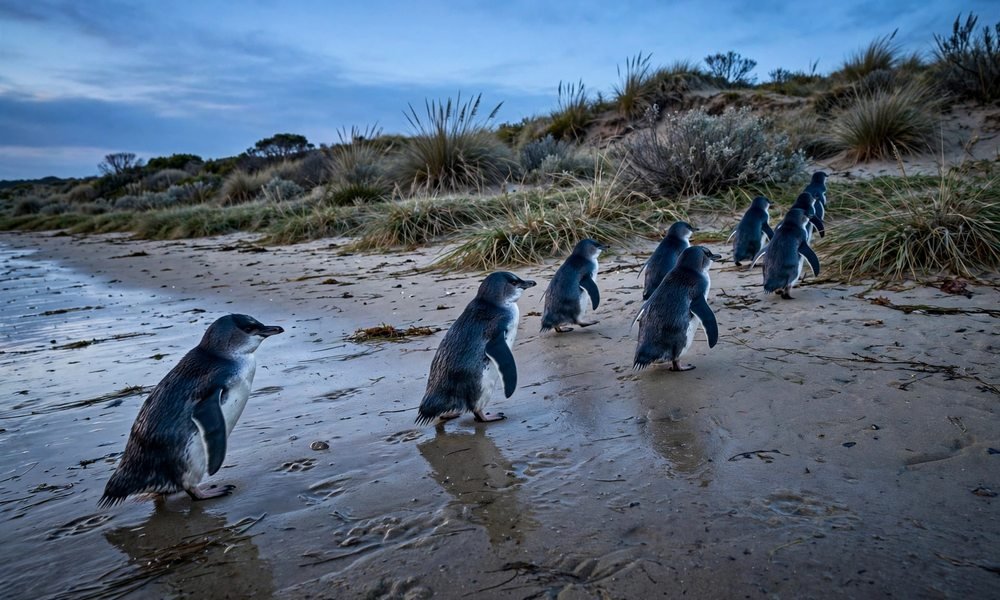
Beyond the big names, the island rewards anyone who looks closely. Raptor Domain, near Seal Bay, is a conservation centre for birds of prey with a free-flight presentation and a reptile show. In Penneshaw, the Penguin Centre runs night-walking tours to look for little penguins, the world’s smallest penguin species. Sightings are never guaranteed, but a guide with an animal-friendly torch gives you the best chance.
A few rules make the wildlife encounters better for everyone. Keep your distance, never feed wild animals, and stay on marked trails. If a koala or kangaroo changes its behaviour because of you, you are too close. Drive carefully at dawn and dusk, when kangaroos and wallabies are most active on the roads. And take the snake warning seriously. The island has venomous snakes, so wear closed shoes on bush walks and watch where you step. For the quiet corners, Cape Gantheaume Conservation Park on the south coast has walking trails, beaches and campgrounds well away from the tour buses.
How Many Days Do You Need?
Three days is the sweet spot. It covers Flinders Chase, Seal Bay, the best beaches and a tasting or two without rushing. Four or five days lets you slow down, add the north coast and fit in a second visit to your favourite spots. A week gives you the full island plus the Kangaroo Island Wilderness Trail sections or a couple of lazy beach days.
Two days works if you are disciplined. Focus on one side of the island or pick the highlights and accept you will miss things. A day trip from Adelaide does not work. Between the ferry, the driving and the ferry back, you would spend more time travelling than sightseeing. Stay at least two nights.
Best Time to Visit Kangaroo Island
The island has a mild Mediterranean climate, so there is no bad time, but each season trades things differently.
Autumn (March to May): Best Overall
Warm, settled days, quiet trails and active wildlife. This is the most reliable all-rounder and many locals’ pick for the best time to visit.
Summer (December to February): Peak Season
The warmest weather and best swimming, but also the biggest crowds, highest prices and real bushfire risk. Book accommodation and the car ferry well ahead, and stay across fire warnings while you travel.
Spring (September to November): Wildflowers and Joeys
The island bursts into wildflower bloom, and it is a great time for newborn wildlife. Seas are calmer than in winter and crowds are thinner than in summer. A strong second choice.
Winter (June to August): Budget and Whales
The cheapest and quietest season, with lush green landscapes. Whale watching runs from about May to October along the coast, and sea lion pups are playful at Seal Bay from late May. The trade-off is cold, wet and windy weather plus rougher ferry crossings.
Watch the Australian school holidays. Prices jump and ferries, tours and accommodation fill fast, especially over the summer break and Easter. Travelling just outside those windows gets you quieter sites and better availability.
Getting to Kangaroo Island
You have two options. Most visitors take the SeaLink ferry from Cape Jervis to Penneshaw, a 45-minute crossing. Cape Jervis is about a 1.5 to 2-hour drive south of Adelaide, and the ferry carries both foot passengers and vehicles. If you are taking a car across, book the vehicle spot ahead in peak season, as sailings fill fast. The quicker option is to fly from Adelaide to Kingscote Airport in about 30 minutes. Flying saves time but means hiring a car or joining tours once you land.
Should you self-drive or take a tour? Self-driving wins on flexibility. You set the pace, linger at the places you love and reach the quieter corners tours skip. A guided tour wins on simplicity. Three-day tours from Adelaide bundle the ferry, transport, accommodation, meals and park entries, which suits travellers who do not want to hire a car or plan ferry bookings. Both work. Pick based on how you like to travel.
Getting Around: Distances and Drive Times
There is no public transport and no taxis on the island, so a car is essential unless you are on an organised tour. Distances are bigger than they look on a map. Plan your days around these rough drive times so you are not racing the light.
- Penneshaw to Kingscote: about 1 hour
- Kingscote to Seal Bay: about 45 minutes to 1 hour
- Kingscote to Vivonne Bay: about 45 minutes
- Kingscote to Flinders Chase National Park: about 1.5 hours
- Penneshaw to Flinders Chase National Park: about 2 hours
- Flinders Chase to Hanson Bay: about 10 minutes
- Kingscote to Stokes Bay: about 1 hour
- Penneshaw to Cape Willoughby: about 25 minutes
If you hire a car on the mainland, check the hire company allows its vehicles on Kangaroo Island, as some have policies against it. Cars can also be hired on the island, but book well ahead in peak season. Mobile coverage is patchy outside the main towns, so download offline maps before you leave Adelaide. A South Australia Parks Pass covers the national park entries and pays for itself if you visit several parks.
Where to Stay: Picking Your Base
Kingscote is the easiest all-round base. It is the island’s biggest town, roughly central, and has the most accommodation, shops and places to eat. Penneshaw suits ferry arrivals who want to start early or leave late, and it has the penguin tours on its doorstep. Staying west, around Vivonne Bay or near Flinders Chase, cuts the driving on a west-focused itinerary but leaves you further from restaurants and shops.
Options span every budget. The Kangaroo Island Seaside Inn in Kingscote gets strong reviews for its location and restaurant. The Kangaroo Island Wilderness Retreat sits right by Flinders Chase for early park starts. Mid-range travellers do well with the self-contained cottages and B&Bs dotted around Kingscote and American River, while Ecopia Retreat and Southern Ocean Lodge sit at the luxury end. In peak season and school holidays, book months ahead. The island is small and good places sell out.
3-Day Itinerary
This is the classic first visit. It hits the icons and leaves room to breathe.
Day 1: Arrive and Explore the East
Take the morning ferry to Penneshaw. Head straight to Dudley Wines for a tasting with ocean views, then climb Prospect Hill’s 500 steps for the panorama over Pelican Lagoon. Swing by Cape Willoughby Lighthouse on the way back, or call into Clifford’s Honey Farm for honey tasting and ice cream. Finish the day at Stokes Bay, timing it for a swim and the sunset through the rock passage. Overnight in Kingscote.
Day 2: Flinders Chase and the West
Drive west early. Start at Remarkable Rocks before the crowds, then take the boardwalk down to Admirals Arch and the fur seal colony. Walk the Platypus Waterhole Walk (4.7 kilometres, about two hours) if you want a trail, or tour Kelly Hill Caves on the way back. Stop at Hanson Bay for sunset. If you would rather not drive back in the dark, the park has campgrounds and cottages for the night.
Day 3: Seal Bay and the South Coast
Join the morning guided beach tour at Seal Bay, then drive to Vivonne Bay for a beach walk and lunch. Spend the afternoon sandboarding at Little Sahara or visiting Raptor Domain. On the way back to Penneshaw, stop at Emu Bay Lavender Farm or Kangaroo Island Spirits for last-minute tastings and souvenirs. Catch the evening ferry to the mainland.
5-Day Itinerary for a Slower Trip
Two extra days change the whole feel of the trip. Add a full day for the north coast: Emu Bay’s drive-on beach, Stokes Bay at low tide, Snelling Beach and the wineries you missed. Spend another day around American River and the Dudley Peninsula: kayaking on Pelican Lagoon, the Oyster Farm Shop, Island Pure Sheep Dairy and the Emu Ridge Eucalyptus Distillery. You will also have slack for a second crack at Flinders Chase in different light, or a full day walking a section of the Kangaroo Island Wilderness Trail.
Bookable Tours and Experiences
Tours are worth booking ahead in peak season and school holidays. These are the ones travellers rate most highly.
- Seal Bay guided beach tour: the 45-minute ranger walk among the sea lion colony. Bookable through the National Parks service.
- Swim with dolphins and seals: ocean safaris from the north coast let you swim with wild dolphins and seals, or watch from the boat.
- 75-minute coastal safari: a marine wildlife cruise spotting dolphins and seals along the coast.
- Little Sahara buggy tours: guided dune and bush tours, plus sandboard and toboggan hire.
- Kangaroo Island Outdoor Action: quad bike tours, guided kayaking and kayak hire on the Harriet River.
- Penneshaw penguin night tour: a guided evening walk looking for little penguins. Sightings are not guaranteed.
- Kelly Hill Caves guided tour: the only way into the caves, about an hour with the light display.
- 3-day tours from Adelaide: bundle ferry, transport, camping or hotel stays, meals and park entries. Good if you do not want to self-drive.
Must-Knows Before You Go
- Book the ferry vehicle spot early. Foot passengers are easy. Cars sell out in peak season and school holidays.
- Download offline maps. Mobile coverage is patchy across much of the island.
- Stock up in town. Kingscote and Penneshaw have supermarkets and fuel. Plan supplies before long west-coast drives.
- Check what is open. Some parks and attractions are still recovering from the bushfires. Confirm hours before you set out, especially in the low season.
- Pack layers. The weather can turn fast, even in spring and autumn. A warm layer and a rain shell earn their place in the bag.
- Drive at wildlife hours with care. Kangaroos and wallabies are most active at dawn and dusk. Slow down and use high beam where you can.
- Respect the fire risk. In summer, check fire danger ratings daily and follow local advice.
FAQs About Visiting Kangaroo Island
How many days do you need on Kangaroo Island?
Three days is the sweet spot for the main highlights. Four to five days gives you a relaxed pace and the north coast. Two days works if you focus on one side of the island. A day trip is not enough.
Can you do Kangaroo Island as a day trip from Adelaide?
Technically yes, but it is not worth it. The ferry alone takes 45 minutes each way, plus the drive to Cape Jervis, and the island’s sights are spread over two hours of driving. You would see very little. Stay at least two nights.
How do you get to Kangaroo Island?
Take the SeaLink ferry from Cape Jervis to Penneshaw (about 45 minutes), or fly from Adelaide to Kingscote Airport (about 30 minutes). Most visitors self-drive, but guided tours from Adelaide bundle everything.
Do you need a car on Kangaroo Island?
Yes, unless you join an organised tour. There is no public transport and no taxis on the island, and the sights are spread out. Book hire cars and ferry vehicle spots well ahead in peak season.
What is the best month to visit Kangaroo Island?
Autumn (March to May) is the most reliable all-rounder. Spring (September to November) brings wildflowers and newborn wildlife. Summer is best for swimming but busiest. Winter is cheapest, with whale watching from May to October.
Is Kangaroo Island expensive?
It can be, but it scales to your budget. Budget travellers camping and self-catering can get by on roughly AUD 100 to 150 a day, a comfortable mid-range trip runs about AUD 200 to 400, and luxury lodges push past AUD 500. The ferry, car hire and park entries are the fixed costs. Book accommodation and tours early for the best prices.
Can you see koalas in the wild on Kangaroo Island?
Yes. Wild koalas live across the island, and the Hanson Bay Wildlife Sanctuary runs guided koala walks where you see them free in the canopy. The wildlife park near Parndana guarantees a close encounter.
Is it safe to swim at Kangaroo Island beaches?
The sheltered bays like Stokes Bay and Emu Bay are calm on good days, but none of the beaches are patrolled. Check conditions on the day, swim within your limits and be cautious on surf beaches like Pennington Bay and Vivonne Bay.
Final Thoughts: Is Kangaroo Island Worth Visiting?
If you love wildlife, absolutely. Few places in Australia let you share the landscape with animals on their own terms the way Kangaroo Island does. The sea lions at Seal Bay, the fur seals at Admirals Arch and the koalas in the roadside gums are experiences you will talk about for years.
The honest trade-offs are the travel time and the cost. Getting there takes half a day each way, and the ferry, car hire and tours add up. But three days on the island buys you a kind of trip that is getting harder to find: quiet roads, empty beaches, dark skies and animals that were there first. For a deeper look at the state’s outback, pair it with our Flinders Ranges guide, or browse day trips from Adelaide to round out your South Australia plans.