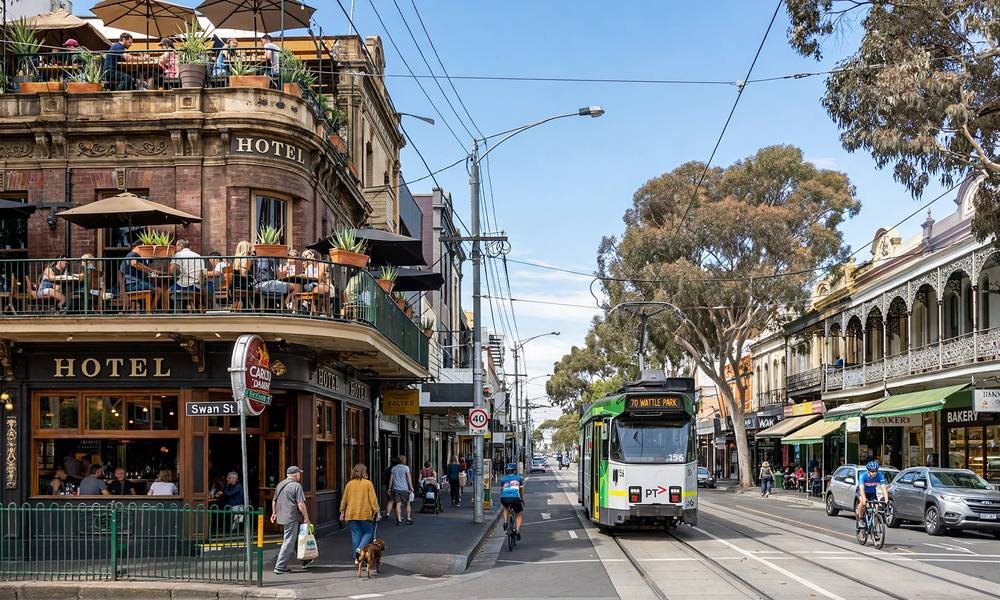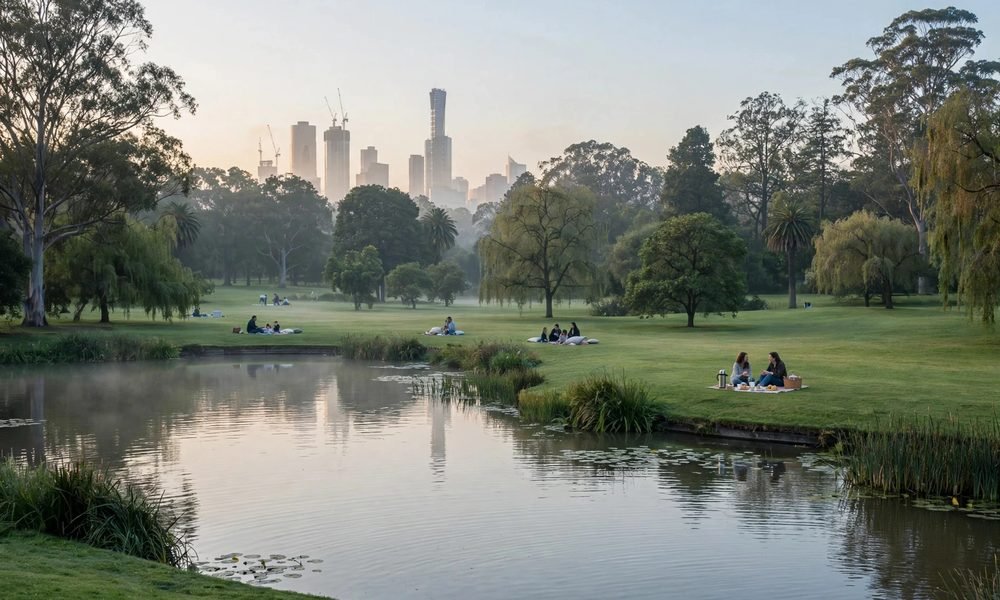

Melbourne has more green space than most visitors expect. The City of Melbourne manages close to 480 hectares of parks and gardens, and most of them sit within a short walk or tram ride of the centre. This guide covers the best parks in Melbourne, with hours, entry costs and how to get to each one.
Details checked on the official site, November 2026
Quick facts
- Location: across central Melbourne and the outer suburbs, from Parkville to Cranbourne
- Cost: free entry to nearly every park in this guide
- Time needed: half a day for the inner-city parks, a full day if you add the outer gardens
- How to get there: walk, tram or train from the CBD, with trams free inside the Free Tram Zone
Best Parks in Melbourne
These are the parks to start with. They cover the grand formal gardens, the riverside parks and the wild bushland, and each one is free to enter.
Royal Botanic Gardens Melbourne
The Royal Botanic Gardens Melbourne sit on 38 hectares beside the Yarra River, a short walk from the city. More than 8,500 plant species grow here, with over 50,000 plants in themed collections from Australia and around the world. Entry is free. The gardens open at 7:30am every day and close at 7:30pm from October to March, and at 5:30pm from April to September. Royal Botanic Gardens Victoria runs the gardens, and the site is on Birdwood Avenue in South Yarra.
The Ornamental Lake is the calm centre of the gardens, and the paths around it suit a slow walk or a picnic on the lawns. Fern Gully feels like a cool rainforest, and Guilfoyle’s Volcano is a garden built into a water reservoir, with a short path to the top. The Ian Potter Foundation Children’s Garden opens at 10am and is closed on Mondays and Tuesdays outside school holidays, so check the day before you go with kids.
The Tan Track loops the gardens and Kings Domain. Two cafes sit inside the gardens, and free guided walks leave from the Visitor Centre.
Fitzroy Gardens
Fitzroy Gardens covers 26 hectares on the eastern edge of the CBD, and entry is free. The gardens date from the 1860s and keep a Victorian layout, with elm avenues, lawns and flower beds. The City of Melbourne lists the gardens on Wellington Parade in East Melbourne.
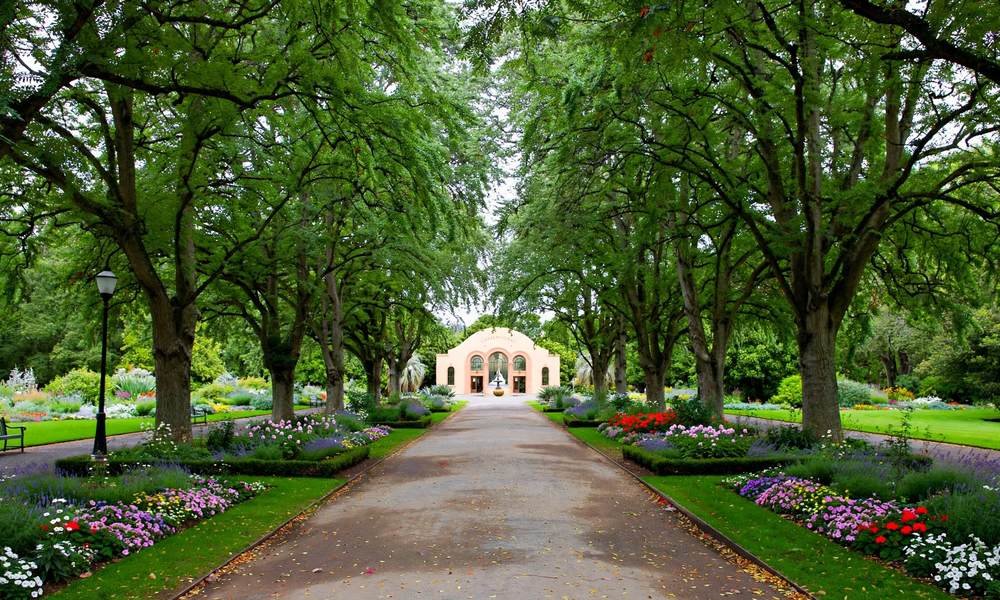
The Conservatory opened in 1930 and holds floral displays that change five times a year. It opens from 9am to 5pm and entry is free, but it closes for a few days at each changeover, so check before you make a special trip. Cook’s Cottage sits nearby. The cottage was built in England in 1755 and rebuilt here in 1934. It opens daily from 10am to 4pm, and a small entry fee applies, so check the official site for current prices.
Kids head for the Fairies Tree, a carved red gum stump, and the model Tudor village beside it. The scarred tree in the gardens is a reminder that the Wurundjeri people lived on this land long before the gardens were laid out. A cafe and visitor centre sit at the Wellington Parade entrance.
Carlton Gardens
Carlton Gardens covers 26 hectares just north of the CBD. The Royal Exhibition Building and Carlton Gardens were added to the UNESCO World Heritage List in 2004, and the building is the main survivor of Melbourne’s international exhibitions of 1880 and 1888. UNESCO lists the site under the name Royal Exhibition Building and Carlton Gardens.
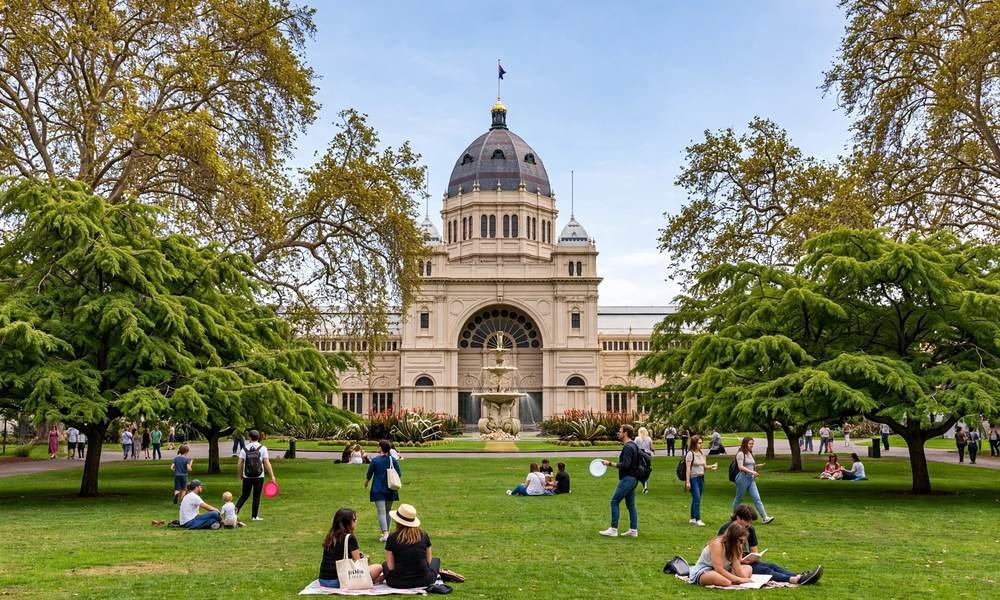
The gardens hold ornamental lakes, fountains and tree-lined avenues, and the lawns fill with picnics on weekends. Melbourne Museum sits on the northern edge of the gardens, and entry fees apply to the museum. The children’s playground here is a local favourite, and the gardens are at their brightest in spring when the flower beds fill in.
Albert Park and Lake
Albert Park sits about 3 km south of the CBD, and the park covers 225 hectares around a 49-hectare lake. The flat path around the lake runs for about 5 km, and it takes around an hour to walk. Runners use it early, cyclists share the path, and distance markers sit every 500 metres. Parks Victoria manages the park, and more than 6 million visits are made here each year.
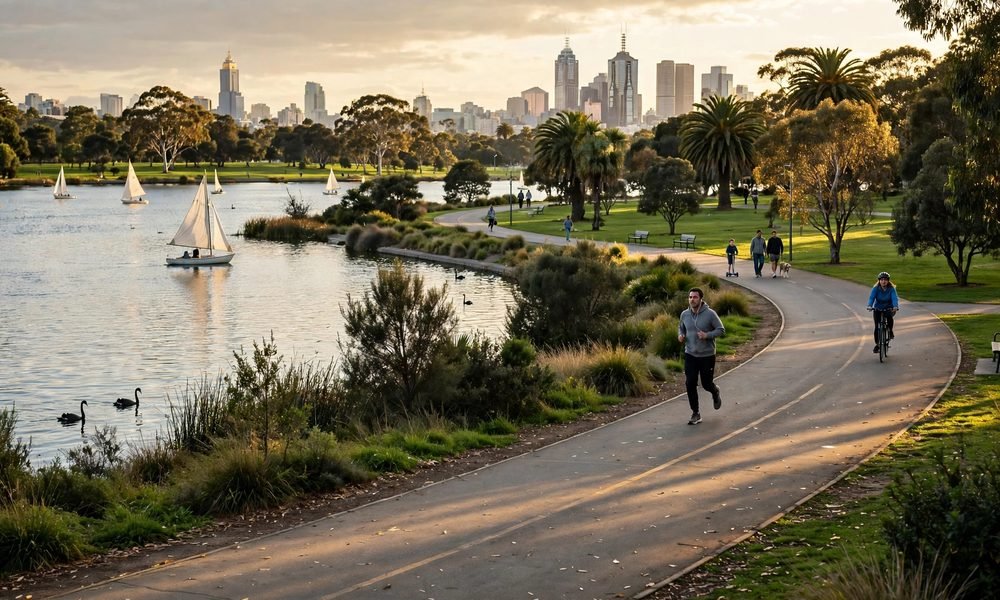
The lake draws sailors, rowers and kayakers, and the park holds playgrounds, barbecue areas and sports fields. The Melbourne Sports and Aquatic Centre sits on the park’s edge. Once a year the roads around the lake become the Australian Grand Prix circuit, and access is restricted over the race weekend, so check the dates before you plan a visit.
Yarra Bend Park
Yarra Bend Park is a large stretch of natural bushland along the Yarra River, about 4 km from the CBD. It feels far from the city, even though the centre is a short drive away. The Main Yarra Trail runs through the park, and the Studley Park Boathouse is a good stop for a coffee or a paddle. Parks Victoria manages the park.
The park is home to a colony of grey-headed flying foxes. They roost in the trees during the day and leave at dusk, so sunset is the time to watch them. Canoes and kayaks can be hired near the boathouse, and the river trails suit walkers and cyclists. Wear sturdy shoes if you leave the main paths, and give the flying foxes space during the day.
Kings Domain
Kings Domain runs beside the Royal Botanic Gardens, with 35 hectares of lawns, paths and memorials. The Shrine of Remembrance stands on the rise above St Kilda Road. It opens daily from 10am to 5pm, and entry is free. The last entry is at 4:30pm, and it closes on Good Friday and Christmas Day. The Shrine’s visitor page lists the current hours.
The Grotto is a sunken garden built on an old quarry, with stone paths, ferns and a small waterfall. The Sidney Myer Music Bowl hosts concerts and festivals through the year, including Carols by Candlelight. The King’s Domain Resting Place marks the reburial place of 38 Aboriginal people, and it is a place of quiet respect.
Queen Victoria Gardens
Queen Victoria Gardens sits across St Kilda Road from Kings Domain. The gardens are formally laid out, with flower beds, ornamental ponds and sculptures. The Floral Clock sits on the edge of St Kilda Road and is easy to spot. It was a gift to the city in 1966, and its display of more than 7,000 flowering plants changes twice a year.
The Queen Victoria Memorial stands at the centre of the gardens, and the Janet Lady Clarke Rotunda is a popular spot for weddings. The gardens are small enough to cross in a few minutes, which makes them an easy stop on a walk down St Kilda Road.
Alexandra Gardens
Alexandra Gardens sits on the south bank of the Yarra, opposite the city. Rowing sheds line the river here, and crews train on the water early in the morning. The lawns beside the river are a favourite picnic spot, with views back to the skyline.
The riverside promenade links the gardens to the city and to Birrarung Marr across Princes Bridge. Skateboarders use the Riverslide Skate Park beside the gardens, which is free and open to all ages.
Birrarung Marr
Birrarung Marr opened in 2002, which makes it the newest park on this list. It sits beside the Yarra at Federation Square, and its name means “river of mists” in Woi Wurrung and Boon Wurrung language. The Birrarung Wilam art installation at the entrance recreates a traditional meeting place, with a mound campsite, message sticks and ancestor stones.
The Federation Bells are 39 bells on steel poles, and they play short compositions three times a day. The park also holds a large playground and ArtPlay, a children’s art centre. The William Barak Bridge links the park to the sports precinct on the far side of the river.
Treasury Gardens
Treasury Gardens covers just over 5 hectares beside the Old Treasury Building, a short walk from Parliament House. The ornamental pond is the focal point, and avenues of Moreton Bay figs, elms and oaks shade the lawns.
The gardens are a lunch spot for office workers and a meeting point for rallies and marches. Memorials around the pond honour the state’s emergency services, the poet Robert Burns and former US President John F. Kennedy.
Flagstaff Gardens
Flagstaff Gardens was laid out in 1862, and it sits on the north-west corner of the CBD, near Flagstaff Station, and its lawns fill with office workers at lunch. The park was the site of Melbourne’s first burial ground, and the flagstaff on the hill once signalled ships in the bay.
The southern end holds deciduous trees that turn in autumn, and the northern end is planted with native eucalypts. It is a small park, and an hour here is enough to walk the paths and sit under the elm avenues.
Princess Park
Princess Park sits about 5 km north of the CBD, between Carlton North and Brunswick. The park is a local favourite for weekend picnics, and the lawns near the top of the park fill fast on Sundays. A gravel track of about 3.3 km loops the park, and it is popular with runners and walkers.
The park holds a bowls club, sports ovals and a large off-leash area for dogs. The open grass at the southern end is where dog owners gather, and it is one of the easiest places in the inner north to let a dog run.
Royal Park
Royal Park is a large open space in Parkville, mixing open grassland, eucalypt woodland, sports fields and wetlands, and Melbourne Zoo sits on its edge.
The Nature Play playground is the draw for families. It has a water play area, climbing logs and rocks, and slides on a grassy slope. The wetlands are a quiet corner for birdwatching, and the Upfield shared path runs through the park for walkers and cyclists.
Best Parks a Short Trip from the City
These gardens sit outside the centre, but each one is worth the trip. They work well as half-day outings, and you can pair most of them with a nearby town or beach. See the day trips from Melbourne guide to plan the drive.
Williamstown Botanic Gardens
Williamstown Botanic Gardens sits across the road from Williamstown Beach, a short train ride from the city. The gardens are among the oldest public gardens in Victoria, with a palm avenue, wide lawns and a pond. Pair a visit with a walk along the Williamstown foreshore or lunch on Nelson Place.
Victoria State Rose Garden, Werribee
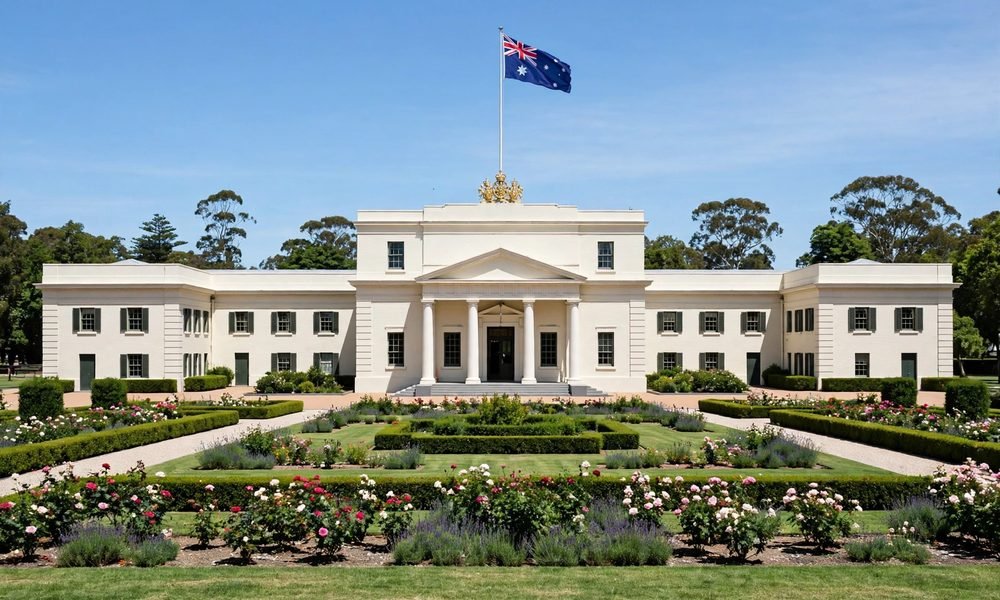
The Victoria State Rose Garden sits inside the Werribee Park precinct, beside the historic mansion. Rows of roses fill the garden, and the mansion gardens are a good spot for a picnic.
Royal Botanic Gardens Cranbourne
Cranbourne Gardens is the second site of Royal Botanic Gardens Victoria, south-east of the city. It is a native garden, with more than 170,000 Australian plants from 1,700 varieties, and the Australian Garden is the centrepiece. The gardens open daily from 9am to 5pm and are closed on Christmas Day. Royal Botanic Gardens Victoria runs both sites. Walking tracks run through 348 hectares of surrounding bushland, and the Boon Wurrung Cafe overlooks the Red Sand Garden.
Dandenong Ranges Botanic Garden
The Dandenong Ranges Botanic Garden sits in Olinda, in the hills east of the city. It is a cool-climate garden, with rhododendrons, azaleas, camellias and daffodils that change with the seasons. A circuit runs past the ornamental lake, and the cherry trees in Cherry Tree Grove flower in spring.
Alfred Nicholas Memorial Garden
Alfred Nicholas Memorial Garden sits in Sherbrooke, in the Dandenong Ranges. The garden was once part of the Burnham Beeches estate, and it holds waterfalls, walking tracks and an ornamental lake. It is open daily, and autumn is the time to go, when the trees by the lake turn red, orange and gold.
Which Park Should You Visit First?
A first visit: Royal Botanic Gardens. It is a good first stop, and it sits beside Kings Domain and the Shrine, so you can see three places in one walk.
Kids in tow: Fitzroy Gardens or Royal Park. Fitzroy has the Fairies Tree and the Tudor village, and Royal Park has the Nature Play playground and the zoo next door.
Running or cycling: the Tan Track or the Albert Park lake loop. Both are busy with other runners, so you will not be alone on the path.
A picnic: Carlton Gardens or Alexandra Gardens. Both sit close to food shops, so you can buy lunch on the way.
A quiet escape: Yarra Bend Park or Alfred Nicholas Memorial Garden. Both feel removed from the city, and both reward a slow walk.
Dogs: Princess Park or Royal Park. Both are easy to reach by public transport, and both have room for a dog to run.
Parks for Families with Kids
Melbourne’s parks are easy with kids, and most of them are free. The Children’s Garden at the Royal Botanic Gardens has water play and paths to explore. Fitzroy Gardens works well for younger kids, and the Conservatory gives kids a warm stop on a cold day. Carlton Gardens pairs a playground with a museum visit, and Birrarung Marr pairs its playground with ArtPlay next door. Royal Park’s Nature Play playground suits toddlers through to older kids, with water play, logs and slides. For a full family day, add Melbourne Zoo to a Royal Park visit.
Running and Cycling Routes
The Tan Track is a popular running loop. It runs 3.8 km around the Royal Botanic Gardens and Kings Domain, it is lit from 5am to midnight, and distance markers sit every 250 metres. The Albert Park lake loop is flat and shared, and a free parkrun meets here each Saturday at 8am. Helmets are mandatory for cycling in Victoria, and shared paths are busy on weekends, so keep left and give way to walkers.
Picnics, Barbecues and Dogs
Many parks have free electric barbecues. Albert Park, Carlton Gardens, Royal Park and Yarra Bend Park all have barbecue areas and picnic lawns. Bring your own food and clean up after yourself, and check for fire bans before you light a barbecue in summer. Dogs are welcome in most parks on a leash, and off-leash areas sit at Princess Park and Royal Park. Check the signs at each park, as rules change between areas. Alcohol is allowed in some parks, but public drinking rules apply, so check local signs before you open a bottle.
Parks in Autumn
Fitzroy Gardens and Carlton Gardens turn gold in late April and May, when the English elm avenues change colour. Flagstaff Gardens has the same effect on a smaller scale, with deciduous trees at the southern end. The Dandenong Ranges and Alfred Nicholas Memorial Garden are the places to go for a full autumn day, with forest colour and mist in the hills. The Royal Botanic Gardens is worth a visit in any season, and the autumn light on the Ornamental Lake is a good reason to go in May.
A One-Day Walk Through Melbourne’s Parks
You can link seven of the city’s gardens in a single day on foot. Start at the Royal Botanic Gardens in the morning, then cross into Kings Domain and the Shrine. Walk down St Kilda Road to Queen Victoria Gardens, then cross Princes Bridge to Alexandra Gardens and Birrarung Marr. Finish at Fitzroy Gardens and Treasury Gardens, which sit beside each other in East Melbourne.
Trams run along St Kilda Road the whole way, so you can cut the walk short at any point and ride back to the city. Allow a full day if you want to stop at the Shrine and Cook’s Cottage, and wear comfortable shoes, as the paths are long and the gardens are large.
Getting to Melbourne’s Parks
Most of the parks in this guide sit within a short walk or tram ride of the CBD. Trams run down St Kilda Road from the city to the Botanic Gardens, Kings Domain and Queen Victoria Gardens, and Anzac Station on the Metro Tunnel sits beside the Shrine. Fitzroy Gardens, Treasury Gardens, Carlton Gardens and Birrarung Marr are all within walking distance of Flinders Street Station. Albert Park is a short tram ride south, and Yarra Bend Park is a short drive or bus ride north-east. The outer gardens need a car or a train plus a bus, so check the Parks Victoria page before you set out. A myki card covers tram and train travel beyond the free zone. Pair a park visit with one of the best cafes in Melbourne for a coffee stop on the way.
Final Thoughts on Visiting Melbourne’s Parks
Start with the Royal Botanic Gardens and Kings Domain, then add one or two more from this list. The gardens reward a slow pace, so pick a few and give each one time, rather than rushing through all of them. If you only have a morning, walk the Tan Track and finish with a coffee by the Ornamental Lake.
Frequently Asked Questions
Are Melbourne’s parks free to enter?
Yes, entry is free at nearly every park in this guide. The only charges are for Cook’s Cottage in Fitzroy Gardens, entry to Melbourne Museum at Carlton Gardens, and ticketed events such as summer cinema nights at the Botanic Gardens. Picnic areas, barbecues, playgrounds and walking tracks are free.
Is booking needed before visiting a Melbourne park?
No booking is needed for the parks themselves. Cook’s Cottage sells tickets at the Fitzroy Gardens Visitor Centre, and it is worth buying them early on weekends. Summer events such as Moonlight Cinema at the Botanic Gardens are ticketed, so book those in advance.
Are dogs allowed in Melbourne’s parks?
Yes, dogs are welcome in most parks on a leash. Princess Park and Royal Park have large off-leash areas. Dogs are not allowed in some garden beds and fenced areas, so check the signs at the park entrance, as rules vary between areas.
When is the best time of year to visit Melbourne’s parks?
Spring, from September to November, is the time for flower displays, and the roses at Werribee are at their best from November to April. Summer evenings suit the lake paths and outdoor cinema, and the gardens open later in the warmer months. Winter is quieter, and the paths are still open, so it is a good time for a walk without crowds.
Are Melbourne’s parks safe at night?
The main paths are lit, and the Tan Track stays lit from 5am to midnight. The fenced gardens close at set hours, so check the closing time before an evening visit. Stick to lit paths after dark, and visit with someone else if you are walking alone late in the evening.
Plan the rest of your trip with Australia City Guide, and see the full Melbourne section for more guides to the city.