Melbourne is a great city to live in and visit, but some of the best parts of Victoria sit just outside it. Within one to three hours of the city you can stand on a wild surf coast, watch little penguins waddle up a beach at dusk, taste wine in a valley full of cellar doors, ride a steam train through tall mountain forests, and soak in natural hot springs. These are the best day trips from Melbourne, and this guide covers each one properly: how far it is, how to get there, what to do when you arrive, and whether it really works as a day trip or deserves a night away.
Every trip below is one we would happily do ourselves. Some need a car, some work fine by train or tour, and a few are best done with an early start and a plan. Use the quick list first to pick your trip, then read the full section for the one you choose. If you are still planning your Melbourne base, our guide to things to do in Melbourne will help you sort out the city days around these trips.
At a Glance: Distance, Drive Time and Best For
Short on time? Start here. These are the trips in this guide, sorted by how long the drive takes from the Melbourne CBD.
Under 1 hour from Melbourne
- Dandenong Ranges and Puffing Billy (about 45 minutes): mountain forests, a steam train, gardens and tea houses. Easy by train too.
- Yarra Valley (about 1 hour): wineries, food, Healesville Sanctuary and the Yarra Valley Chocolaterie.
- Mornington Peninsula (about 1 hour): beaches, hot springs, wineries and seaside towns.
- Werribee Open Range Zoo (about 40 minutes): an African-style safari park, great with kids.
- St Kilda and Brighton (about 20 to 30 minutes by tram): beach suburbs, Luna Park, cake shops and the famous bathing boxes.
1 to 2 hours from Melbourne
- Geelong and the Bellarine Peninsula (about 1 hour): a relaxed waterfront city, galleries, wineries and bay beaches.
- Macedon Ranges and Hanging Rock (about 1 hour): gardens, country towns, wineries and a famous volcanic rock.
- Ballarat and Sovereign Hill (about 1.5 hours): gold rush history you can walk through, plus gold panning.
- Daylesford and Hepburn Springs (about 1.5 hours): mineral springs, spa baths, lake walks and slow food.
- Warburton and the Yarra Ranges (about 1.5 hours): redwood forest, river walks and a rail trail.
- Castlemaine (about 1.5 hours): creative gold rush town with galleries, gardens and a big old mill full of small shops.
- Nagambie (about 1.5 hours): lake, wineries and water sports in the Goulburn Valley.
- Phillip Island (about 2 hours): the Penguin Parade, koalas, seal cruises and surf beaches.
- Heathcote (about 2 hours): shiraz wine country and autumn colour.
- Inverloch (about 2 hours): quiet Bass Coast beaches and a dinosaur dig site.
2 to 3 hours from Melbourne
- Great Ocean Road and the Twelve Apostles (about 2 hours to Lorne, 3 hours to the Apostles): the big one. Coast road, surf towns, rainforest and sea stacks.
- Bendigo (about 2 hours): grand gold rush streets, a gold mine tour and a top regional gallery.
- Wilsons Promontory (under 3 hours): wild beaches, mountain views, wombats and Squeaky Beach.
- Grampians National Park (about 3 hours): mountain hikes, waterfalls, lookouts and Aboriginal rock art.
3 hours or more: a long day, or stay the night
- Mount Buller (about 3 hours): skiing and snow play in winter, mountain biking and hiking in summer.
- Lake Mountain (about 2 hours): Melbourne’s closest snow, best for tobogganing and snow play with kids.
- Silo Art Trail (3 to 5 hours to cover the trail): giant murals painted on country grain silos.
How to Pick the Right Day Trip
With so many trips on offer, the best one depends on what you want from the day. Start with how much time you have and how you plan to travel.
If you only have half a day, stay close. The Dandenong Ranges, the Yarra Valley, the Mornington Peninsula and Werribee Zoo all work in half a day, and you will be back in the city for dinner. If you have a full day and a car, the Great Ocean Road, Phillip Island and the Grampians open up. If you have a full day but no car, pick a trip with a direct train or a good day tour: Ballarat, Geelong, Bendigo and the Dandenongs all work by public transport.
Then match the trip to your mood. Wine and food lovers should head for the Yarra Valley, the Mornington Peninsula, Heathcote or Daylesford. Families with kids will get the most from Phillip Island, Sovereign Hill, Puffing Billy and Werribee Zoo. Walkers and nature lovers should pick the Grampians, Wilsons Prom or the Dandenongs. History buffs will love Ballarat, Bendigo and Castlemaine. And if you only do one trip while you are in Melbourne, make it the Great Ocean Road. It is the one people talk about for years after.
One more tip before you choose: check the weather and check the season. Melbourne weather changes fast, and a trip that is perfect on a clear autumn day can be cold and wet on a winter one. The seasons section near the end of this guide tells you which trips suit which time of year.
The Great Ocean Road and the Twelve Apostles
The Great Ocean Road is the trip most visitors to Melbourne dream about, and it lives up to the hype. The road runs for 243 kilometres along the south west coast of Victoria, from Torquay to Allansford, and it was built as a memorial to soldiers who died in the First World War. That makes it the largest war memorial in the world, and it is also one of the great coastal drives on the planet.
Most day trippers drive straight to the Twelve Apostles and work their way back towards the city. That is the smart move. The Apostles are about three hours from Melbourne, so leave by 7am and you will be there before the tour buses. The sea stacks rise out of the Southern Ocean in a line, and they look different every time you see them. Only a handful of the original twelve stacks still stand, but the ones that remain are just as striking.
Best stops on a Great Ocean Road day trip
Do not just drive to the Apostles and turn around. The stops along the way are half the trip. Torquay is where the road starts, and it is worth a short stop for the surf beach and the town’s laid back feel. Lorne is the classic coastal town on the route, with cafes, a pier and a beach you can walk in minutes. Apollo Bay is a good lunch stop, and it sits in a wide bay with hills behind it.
Past Apollo Bay the road climbs into the Otway Ranges, where you will find tall rainforest and a good chance of spotting wild koalas in the gum trees near Kennett River. Keep an eye out as you drive this stretch and pull over safely if you see one. Near Port Campbell you reach the main sights: the Twelve Apostles, Loch Ard Gorge and London Bridge. Loch Ard Gorge is a short walk from the Apostles car park, and it is worth it. The gorge is where the ship Loch Ard was wrecked in 1878, and the cliffs and beach there are just as dramatic as the Apostles themselves.
Can you do the Great Ocean Road in one day?
Yes, but it is a long day. Expect 12 hours door to door if you drive yourself, with about five hours of driving. That is why so many people book a day tour instead. On a tour you sit back, someone else drives the winding road, and you get a guide who knows the stops. If you drive, take the inland road back to Melbourne from the Apostles rather than driving the coast twice. It is faster and you still get the coast on the way out.
If you can spare two or three days, do it over a weekend instead. Our full Great Ocean Road itinerary covers the whole route in detail, including where to stay along the way.
Phillip Island and the Penguin Parade
Phillip Island sits about two hours south east of Melbourne, across a bridge from the town of San Remo. It is one of the most popular trips from the city, and the reason is simple: every evening, hundreds of little penguins come ashore at Summerland Beach and waddle up the sand to their burrows. The Penguin Parade is the island’s star act, and it happens every night of the year, at sunset.
Book your Penguin Parade tickets ahead, especially in summer and on weekends. The parade is the main event, but it is only part of the island. Arrive early in the day and you can fit in a lot more. The Koala Conservation Centre lets you see koalas up close on raised boardwalks through the trees. The Nobbies Centre, at the western tip of the island, has clifftop boardwalks with big ocean views, and seal cruises leave from nearby Cowes to visit the fur seal colony at Seal Rocks.

What else to see on Phillip Island
Churchill Island is a quiet heritage farm where you can watch sheep shearing and wander old farm buildings. Cowes is the island’s main town, with a beach, cafes and fish and chip shops for dinner before the parade. If you like surf, Woolamai Beach on the island’s south side has big waves and a long stretch of sand. Families often pair the island with a stop at Moonlit Sanctuary on the way down, a wildlife park between Melbourne and the island where you can hand feed kangaroos and meet koalas.
Getting there and back in a day
Driving is the easiest way to do Phillip Island in a day, and it takes about two hours each way. Public transport is possible but slow: a train and bus trip can take more than three hours each way, which eats into your day. That is why many visitors without a car book a tour that includes the parade and a wildlife park stop. Tours pick up from Melbourne hotels in the early afternoon and drop you back late at night. If you drive yourself, plan to leave the island after the parade, which can mean getting back to Melbourne after 10pm in summer. For the full detail, see our Phillip Island guide.
Yarra Valley
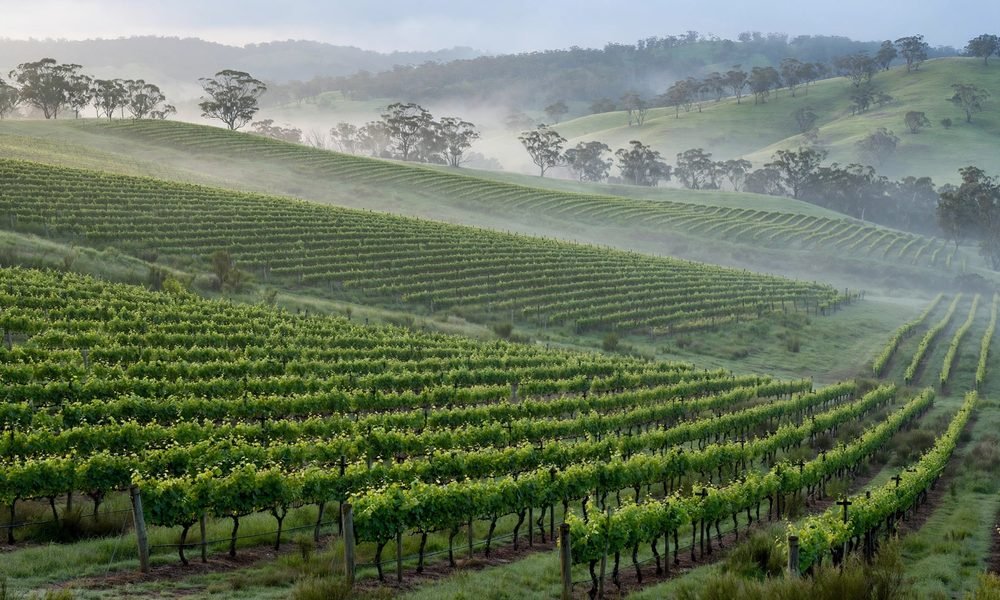
The Yarra Valley is about an hour north east of Melbourne, and it is the easiest wine trip from the city. There are more than 150 wineries in the valley, spread across rolling hills around the towns of Healesville and Yarra Glen. The region is best known for pinot noir and chardonnay, and the cellar doors range from small family places to big names like Domaine Chandon and Yering Station.
You do not need to be a wine expert to enjoy the valley. Most cellar doors are relaxed, tastings are friendly, and the staff are happy to talk you through what you are tasting. If wine is not your thing, the valley still has plenty to offer. The Yarra Valley Chocolaterie and Ice Creamery is a sweet stop that kids love, Four Pillars makes gin in Healesville, and there are cheese makers, breweries and farm gates all through the area.
Healesville Sanctuary and food stops
Healesville Sanctuary is the valley’s best family stop. It is a bushland zoo where you can see kangaroos, koalas, platypus and birds of prey in natural style enclosures, and the daily keeper talks and bird show are worth planning your visit around. Healesville town itself is a good base for lunch, with cafes, a bakery and a brewery.
Plan for three or four wineries in a day, with lunch in the middle. That pace lets you enjoy each stop instead of rushing between them. If you plan to taste wine, sort out a designated driver or book a tour. Tours take the driving off your hands, and most include tastings and lunch. Trains run from Flinders Street to Lilydale, but from there you still need a bus or a tour to reach the wineries, so a car or a tour is the better option.
Mornington Peninsula
The Mornington Peninsula sits about an hour south of Melbourne, and it packs a lot into a small area. One side faces the calm waters of Port Phillip Bay, the other faces the open ocean of Bass Strait. That gives you calm swimming beaches on one side and wild surf beaches on the other, plus wineries, farms, seaside towns and hot springs in between.
Sorrento and Portsea sit at the tip of the peninsula, with cafes, boutiques and beaches within easy walking distance of each other. Mornington is the bigger town on the bay side, with a pier, a main street full of shops and a good strip of cafes. For views, ride the Arthurs Seat Eagle cable car up the hill for a look across the bay to the city. For a walk, the cliff top tracks around Cape Schanck and the lighthouse there give you big ocean views without a hard climb.
Peninsula Hot Springs
The Peninsula Hot Springs is the peninsula’s most popular stop, and it is worth a whole afternoon on its own. Natural mineral water feeds a set of outdoor pools, baths and saunas set among the trees. There is a family friendly bathing area and a separate adults only spa dreaming centre, so pick the one that suits your group. Book ahead, because sessions sell out on weekends and in winter, when the hot pools feel best. Across the road, Alba Thermal Springs is a newer and more upmarket option if you want a quieter soak.
Wine lovers should allow time for a cellar door or two. The peninsula grows good pinot noir and chardonnay, and Pt Leo Estate pairs wine with a sculpture park and a restaurant with bay views. Families will enjoy Ashcombe Maze and Lavender Gardens, with its hedge maze and year round lavender, and Moonlit Sanctuary Wildlife Conservation Park, where you can meet koalas and feed kangaroos.
Dandenong Ranges and Puffing Billy
The Dandenong Ranges are about 45 minutes east of Melbourne, and they feel like a different world. Tall mountain ash trees, tree ferns and misty air replace the city streets, and the air is often a few degrees cooler than in town. It is the closest proper mountain escape to Melbourne, and it is also one of the easiest trips to do without a car.
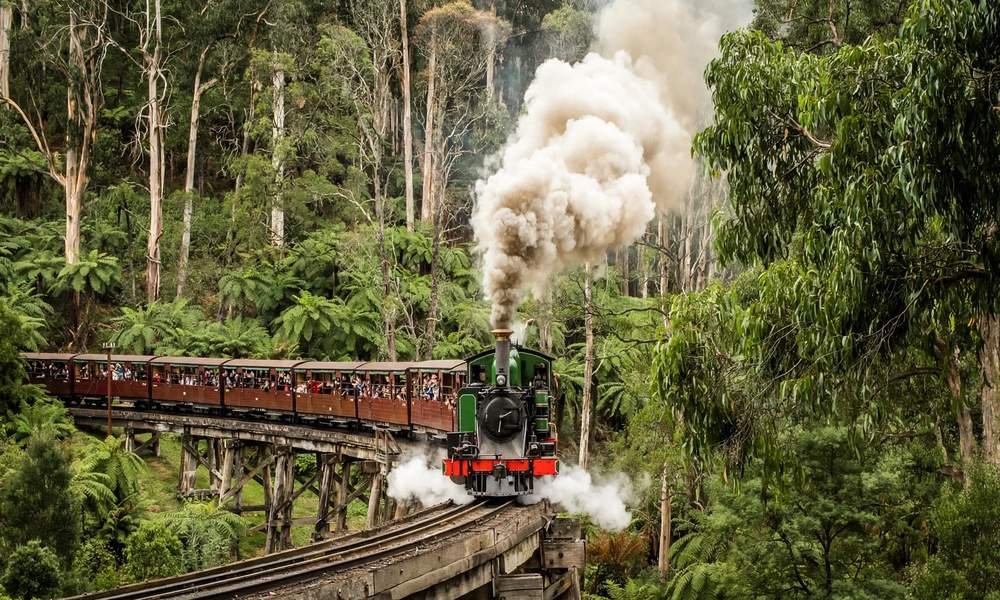
The star of the ranges is Puffing Billy, a century old steam train that runs from Belgrave through the forest to Lakeside and Gembrook. The best seats are the open sided carriages, where you can sit on the sill with your legs out and feel the forest go past. The full return trip takes about two hours, and it is the trip most visitors remember. Book tickets ahead, because trains sell out on weekends and school holidays.
Walks, gardens and villages
If you like walking, the 1000 Steps Kokoda Track at Upper Ferntree Gully is the ranges’ most famous walk. It climbs through the forest in about 1,000 steps, and it is steep, so take water and good shoes. For something gentler, the Alfred Nicholas Memorial Garden at Sherbrooke has lakes, bridges and ornamental trees, and the Dandenong Ranges Botanic Garden at Olinda has wide lawns and seasonal colour.
The mountain villages are part of the charm. Sassafras and Olinda have tea houses, antique shops and galleries along their main streets, and a Devonshire tea in Sassafras is a classic Dandenongs stop. SkyHigh Mount Dandenong, at the top of the mountain, has a restaurant and a lookout with views back across the city and the bay. Trains run from the city to Belgrave, Upper Ferntree Gully and Croydon, and local buses link the villages, so this is one of the best trips from Melbourne without a car.
Grampians National Park
The Grampians, known as Gariwerd to the Traditional Owners, sit about three hours north west of Melbourne. It is a long day trip, but it is worth the early start. Sandstone mountain ranges rise out of flat farmland in a way that looks out of place until you see it, and the park has some of the best walking, views and Aboriginal cultural sites in Victoria.
Halls Gap is the town at the centre of the park, and it is the best base for a day trip. Wild kangaroos graze on the town oval most evenings, and the cafes and shops there cover lunch and supplies. The walk most visitors do first is the Pinnacle, which gives you a wide view over Halls Gap and the ranges. There are a few ways up: the track from Sundial car park is the easiest, the Wonderland car park track is steeper, and the walk from Halls Gap itself is a full half day for fit walkers.
Waterfalls, lookouts and rock art
MacKenzie Falls is the park’s best known waterfall, and it runs all year. It is a short walk down from the car park, with steps and a viewing platform at the base. Boroka Lookout is a short drive from Halls Gap and gives you a big view over the eastern side of the park with almost no walking. The Grand Canyon, a narrow slot between tall rock walls, is a short walk off the Wonderland track and pairs well with the Pinnacle.
Do not miss Brambuk, the National Park and Cultural Centre in Halls Gap. It explains the Aboriginal history of Gariwerd, and the park holds the largest number of significant rock art sites in southern Australia. If you only have one day, a good plan is Brambuk first, then the Pinnacle walk, then MacKenzie Falls, then a late lunch in Halls Gap. Most day tours from Melbourne run for 12 to 13 hours, which tells you how full the day is. For a deeper look, see our Grampians National Park guide and our round up of the best national parks in Australia.
Ballarat and Sovereign Hill
Ballarat is about 1.5 hours north west of Melbourne, and it is the best gold rush day trip from the city. The city grew rich in the 1850s gold rush, and the grand streets and buildings from that time are still there. The main draw is Sovereign Hill, an open air museum that rebuilds a gold rush town in full: costumed townsfolk, horse drawn coaches, old shops, a working mine and a chance to pan for gold yourself.
Allow at least four hours at Sovereign Hill. Gold panning is a must, and the mine tour takes you underground into a real 19th century mine. Kids love the old lolly shop, the candle making and the blacksmith, and the evening Aura sound and light show tells the story of the Eureka Rebellion on selected nights. Book the Aura show ahead if you want to see it, as it only runs on certain evenings.
What else to do in Ballarat
Ballarat itself is worth a walk. Lake Wendouree is a calm spot for a stroll or a picnic, and the Ballarat Botanic Gardens sit beside it. The Gold Museum, next to Sovereign Hill, has nuggets and mining gear from the rush. Kryal Castle is a medieval theme park that kids enjoy, and Ballarat Wildlife Park lets you meet kangaroos and koalas up close.
Trains run direct from Southern Cross to Ballarat in about 1.5 hours, so this is a strong trip without a car. If you drive, the trip is just as easy on the freeway. Food in Ballarat has come a long way, with good cafes and regional wine bars in the city centre. For the full detail, see our Sovereign Hill guide and our guide to things to do in Ballarat. If you decide to stay the night, our guide to the best accommodation in Ballarat will help.
Daylesford and Hepburn Springs
Daylesford is about 1.5 hours north west of Melbourne, and it is the town Victorians head to when they want to slow down. The area sits on natural mineral springs, and the town has been a spa destination for more than a century. The pace here is gentle: lake walks, cafes, galleries, markets and long lunches.
The main draw is the Hepburn Bathhouse and Spa at Hepburn Springs, a short drive from Daylesford. The bathhouse has mineral water pools, a spa and a salt pool, and the water is naturally warm. Book ahead, especially on weekends, as sessions fill up. If you prefer a quieter soak, the Daylesford Day Spa in town is a smaller option. The town’s mineral water springs are also free to visit, and you can fill a bottle from the public pumps around Hepburn Springs. The water is fizzy and tastes strongly of minerals, so try a sip before you fill up.
Lakes, markets and lavender
Lake Daylesford is the town’s green heart, with a walking track around the water and picnic spots under the trees. The Convent Gallery, on Wombat Hill, has art across three levels in an old convent, and the views from the hill are worth the short climb. Lavandula Swiss Italian Farm, just out of town, has lavender fields, farm animals and a cafe with Italian food. The farm closes for part of the year for maintenance, so check opening times before you go.
Food is a big part of Daylesford. The town has good cafes, a well known bakery and restaurants that use local produce. The Amazing Mill Markets and the Sunday market are good for browsing antiques and local goods. Daylesford pairs well with the Macedon Ranges on a weekend, but it works as a day trip too if you leave early and keep the day relaxed.
Macedon Ranges and Hanging Rock
The Macedon Ranges are about an hour north west of Melbourne, and they are the quiet neighbour of Daylesford. Misty forests, country gardens and small towns give the area a calm feel, and it is a good pick if you want a nature day without the crowds of the Dandenongs.
Hanging Rock is the area’s most famous sight. It is a volcanic rock formation that rises out of the plain, and it became famous through the book and film Picnic at Hanging Rock. The walk to the top takes about 40 minutes return, and the views from the summit stretch across the ranges. The rock has deep significance for Aboriginal people, and the Discovery Centre at the base explains its geology and history. There are picnic spots and shorter walks around the base if you do not want to climb.
Gardens, towns and wineries
Mount Macedon has one of the best gardens in the state. The Mount Macedon Memorial Cross sits at the top of the mountain with views over the ranges, and the gardens and forest around it are at their best in autumn, when the leaves turn. The towns of Woodend and Kyneton are good lunch stops, with cafes, pubs and small shops. Woodend has a V/Line train station, so you can get here by train from Southern Cross and walk or catch a local bus to the main sights.
There are wineries through the ranges, including Hanging Rock Winery, and the area is known for cool climate wine. Pair the Macedon Ranges with Daylesford for a full weekend, or do it as a relaxed single day trip from Melbourne.
Geelong and the Bellarine Peninsula
Geelong is about an hour south west of Melbourne, and it has changed a lot in recent years. Victoria’s second largest city now has a lively waterfront, good food and a growing arts scene, and it makes for an easy, relaxed day trip.
Start at the Geelong waterfront. The esplanade has a beach, a swimming pool built into the bay at Eastern Beach, and a long boardwalk that is good for a stroll. Look for the Baywalk Bollards, a set of painted wooden sculptures along the waterfront that tell stories from Geelong’s history. They are quirky, fun and very Geelong. The Geelong Gallery in the city centre has a strong collection of Australian art, and the National Wool Museum tells the story of the industry that built the city. The old Geelong Gaol is also open for tours if you like a bit of history with a chill.
The Bellarine Peninsula sits just past Geelong, and it is worth the extra drive. The peninsula has wineries, breweries, farm gates and coastal towns like Queenscliff and Point Lonsdale. The Port Phillip Ferry from Docklands to Geelong is a scenic way to arrive, and it turns the trip itself into part of the day. Trains run from Southern Cross to Geelong every half hour, so this is one of the best trips from Melbourne without a car.
Wilsons Promontory
Wilsons Promontory, known to locals as the Prom, is the southernmost point of mainland Australia. It sits under three hours south east of Melbourne, and it is one of the wildest and most beautiful places in Victoria. The park has granite mountains, white sand beaches, tall forests and more wildlife than almost anywhere else in the state.
Tidal River is the park’s main hub, with a shop, a cafe and the start of most walks. Squeaky Beach is the park’s most famous beach: the sand is so fine and white that it squeaks under your feet when you walk on it. The walk to Mount Oberon summit is the best short hike in the park, with a view over the whole promontory from the top. Allow about two hours return, and go early on a clear day.
Wildlife is everywhere at the Prom. Wombats graze around Tidal River in the evening, kangaroos and emus are common along the roads, and whales pass by the coast in season. Drive slowly inside the park, especially at dusk, as animals cross the road. A day trip is possible, but the Prom is really a place that rewards a night or two. If you only have a day, pick two or three walks and keep the plan simple. Our full Wilsons Promontory guide covers the beaches, walks and stays in detail.
Bendigo
Bendigo is about two hours north west of Melbourne, and it is one of the grandest country cities in Australia. The city was built on gold, and at one point it was one of the richest cities in the world. That wealth shows in the streets: grand Victorian buildings line Pall Mall, and the Bendigo Art Gallery hosts big touring exhibitions that draw visitors from all over the state.
The Central Deborah Gold Mine is the best hands on stop in Bendigo. You can go underground on a tour and see what life was like for the miners who worked the gold fields. The mine ran from 1939 to 1954 and produced nearly a tonne of gold. The Golden Dragon Museum tells the story of the Chinese miners who came to Bendigo during the gold rush, and it holds Loong, the oldest surviving complete processional dragon in the world. The Vintage Talking Tram is a fun way to see the city centre, with a recorded guide that points out the sights as you ride.
Trains run direct from Southern Cross to Bendigo, so this is an easy trip without a car. Allow time for a walk around Rosalind Park and the Bendigo Botanic Gardens, and for lunch in one of the cafes on Pall Mall. Bendigo is a full day on its own, and it pairs well with Castlemaine or Heathcote if you stay the weekend.
More Day Trips Worth a Look
Not every good trip from Melbourne is famous. These six are worth knowing about, especially if you have already done the big names and want something a bit different.
Warburton and the Yarra Ranges
Warburton sits about 1.5 hours east of Melbourne, in the upper Yarra Valley. The town is small and quiet, and the main draws are the forest around it. The Warburton Redwood Forest is a stand of Californian redwoods planted nearly 100 years ago, and walking among the tall straight trunks feels like stepping into another country. The Rainforest Gallery is a raised boardwalk through the forest canopy, and the 38 kilometre Warburton Rail Trail runs from Lilydale to Warburton for walkers and cyclists. In winter, Mount Donna Buang, at 1,245 metres, is Melbourne’s closest snowfield, with snow play and tobogganing when conditions allow.
Castlemaine
Castlemaine is about 1.5 hours north west of Melbourne, and it is one of the most creative country towns in Victoria. The gold rush left it with grand buildings, and artists and makers have filled them since. The Mill Castlemaine is a repurposed 1870s woollen mill with dozens of small shops selling food, art and vintage goods. Buda Historic Home and Garden and the Castlemaine Art Gallery are both worth a visit, and the Botanic Gardens are a calm spot for a picnic. Food is a draw here too, with a Viennese cafe, a chocolate maker and a craft brewery in town.
Heathcote
Heathcote is about two hours north of Melbourne, and it is one of the state’s best wine regions. The area grows shiraz that wins awards around the world, and there are more than 40 wineries to choose from. The town itself is small, with historic buildings from the gold rush era and a Chinese Joss House Museum. In autumn, the Valley of Liquid Ambers turns colour and draws photographers from across the state. The Pink Cliffs Geological Reserve, just out of town, has a short walking track through red and white cliffs that look like a desert.
Inverloch
Inverloch is about two hours south east of Melbourne, on the Bass Coast near Phillip Island. It is a quiet seaside town with long beaches, rock pools and a relaxed feel. The town is known for the Dinosaur Dreaming dig site, where more than 15,000 dinosaur fossils have been found, and for its long stretch of beach at low tide. It is a good pick if you want a beach day without the crowds of the Mornington Peninsula, and it pairs well with a stop at Phillip Island on the way home.
Nagambie
Nagambie is about 1.5 hours north of Melbourne, on the banks of Lake Nagambie in the Goulburn Valley. The lake is the centre of the town, with fishing, boating, kayaking and swimming in summer. The area has wineries and breweries, including Tahbilk, the oldest family owned winery in Victoria, and Mitchelton, which has a restaurant and a gallery. Nagambie is a gentle, easy day trip, and it works well for families and for anyone who wants a lake day instead of a beach day.
Silo Art Trail
The Silo Art Trail is a different kind of trip. Across country Victoria, artists have painted giant murals on grain silos, turning them into Australia’s largest outdoor art gallery. There are more than 15 painted silos on the trail, with favourites at Sheep Hills and Rupanyup. The trail takes three to five hours of driving to cover in full, so it is a long day or a weekend trip rather than a quick outing. You need a car, a map and a plan, and you should allow time for the small towns along the way. It is a great trip for photographers and for anyone who wants to see country Victoria properly.
Snow Day Trips: Mount Buller and Lake Mountain
Victoria is not the first place people think of for snow, but there is real skiing within a few hours of Melbourne. Mount Buller is about three hours north east of the city, and it is the state’s best known ski resort. The ski season usually runs from June to September, depending on snowfall, and the resort has downhill runs, a terrain park, tobogganing and snowshoeing. Day tours from Melbourne run in winter and give you about six hours on the mountain, which is enough for a few runs and a look around the village. If you drive yourself, check chain rules and road conditions before you go, and allow extra time in bad weather.
Lake Mountain is closer, about two hours from Melbourne, and it is the best pick for families and first timers. The resort is set up for snow play rather than serious skiing, with toboggan runs, a snow play area and cross country trails. It is a good choice if you have kids and just want to see snow without the cost and drive of a big resort. Both resorts are open in summer too, with mountain biking and walking trails when the snow is gone.
Close to Town: St Kilda, Brighton, Werribee Zoo and Williamstown
You do not need to drive for hours to have a proper day out from Melbourne. These trips are all within an hour of the CBD, and two of them are on the tram network.
St Kilda and Brighton
St Kilda is Melbourne’s most famous beach suburb, a short tram ride from the city. Walk along the pier, where little penguins come ashore at sunset, ride the old roller coaster at Luna Park, and work your way along Acland Street’s cake shops. A little further south, Brighton Beach has the famous bathing boxes: a row of small painted beach huts that are one of the most photographed sights in Melbourne. Both suburbs are easy by tram or train, and they make a great half day trip if you do not have a car.
Werribee Open Range Zoo
Werribee Open Range Zoo is about 40 minutes south west of Melbourne, and it is a great family day out. The zoo is set out like an African savannah, and the safari bus takes you through open plains where giraffes, zebras, rhinos and antelope roam. There are also Australian animals, a gorilla exhibit and a kids play area. Allow half a day, and book the safari bus ahead on weekends.
Williamstown and Pentridge Prison
Williamstown is a short ferry ride across the bay from the city, and it has a maritime feel that is different from the rest of Melbourne. The town was the state’s first port, and you can walk the beach, see the old lighthouse and browse the cafes along the waterfront. Pentridge Prison in Coburg is a different kind of close to town trip. The old prison, where Ned Kelly was held, runs tours of the grounds and cells, and the site is slowly being turned into a new village with shops and homes. Both are good options if you want a half day out without leaving the city far behind.
Without a Car: Trips by Train and Tour
You can do a lot of these trips without a car, but you need to pick the right ones. Trains and tours are your two options, and they suit different trips.
Trains work best for Ballarat, Bendigo, Geelong and Castlemaine, where V/Line trains run direct from Southern Cross and the main sights are a short walk or bus ride from the station. The Dandenong Ranges are also easy by train: take the train to Belgrave for Puffing Billy, or to Upper Ferntree Gully for the 1000 Steps. St Kilda, Brighton and Williamstown are on the tram and ferry network, so they need no planning at all.
Tours work best for the Great Ocean Road, Phillip Island, the Grampians and the Yarra Valley. These trips are hard or slow by public transport, and a tour takes the driving and the planning off your hands. Most tours pick up from Melbourne hotels, include entry fees and drop you back in the city at night. Book ahead in summer and on public holiday weekends, as the popular tours sell out.
Trips that are hard without a car include Wilsons Promontory, the Silo Art Trail, Heathcote and Inverloch. You can get part of the way by train and bus, but you will lose hours and miss the best parts. For those trips, hire a car for the day or join a tour if one runs.
How to Combine Two Trips in One Day
Some trips sit close together, and pairing them makes a fuller day without much extra driving. Here are the pairings that work best.
Yarra Valley and Healesville Sanctuary go together naturally. The sanctuary sits in the valley, so you can spend the morning with the animals and the afternoon at two or three wineries. Dandenong Ranges and Healesville also pair well, as the sanctuary is a short drive from the ranges. Geelong and Torquay work as a pair: spend the morning on the Geelong waterfront, then drive 20 minutes to Torquay for the beach and the start of the Great Ocean Road.
Daylesford and the Macedon Ranges are neighbours, and a weekend lets you do both properly. Ballarat and Daylesford also pair well over a weekend, as they are about 40 minutes apart. Phillip Island and the Mornington Peninsula are close on the map, but do not try to do both in one day. Each one deserves a full day on its own, and you will enjoy both more if you give them the time.
What a Day Trip from Melbourne Costs
Costs vary a lot by trip, so here is what to budget for. Driving is usually the cheapest option for two or more people, as you split fuel and tolls between the group. The Great Ocean Road and the Grampians are the longest drives, so allow more for fuel on those trips. Some roads in the city have tolls, so check your route before you leave.
Entry fees are the other main cost. Most national parks are free to enter, but some attractions charge: the Penguin Parade, Sovereign Hill, Puffing Billy, Healesville Sanctuary, the hot springs and the zoos all have ticket prices, and they vary by age and by time of year. Check current prices on the attraction’s own website before you go, and book ahead where you can, as online tickets are often cheaper than buying at the gate.
Day tours cost more than driving yourself, but they include transport, a guide and often entry fees, so they can be good value if you do not have a car. Food costs are the same as in the city: country cafes and winery restaurants are fairly priced, and a picnic from a Melbourne supermarket can keep a day trip cheap. Pack water and snacks, as country shops can be a long way apart on the longer trips.
Best Time of Year for These Trips
Melbourne’s weather is famous for changing fast, and the same day can bring sun, wind and rain. That is part of the fun, but it is worth matching your trip to the season.
Summer, from December to February, is best for beach trips: the Great Ocean Road, the Mornington Peninsula, Phillip Island and Wilsons Prom. The days are long, the water is warm enough for a swim, and the Penguin Parade happens later in the evening. Book ahead in summer, as it is the busiest time.
Autumn, from March to May, is the best season for the Yarra Valley, Daylesford and the Macedon Ranges. The vineyard leaves turn colour, the air is cool and clear, and the crowds are smaller. The Dandenong Ranges are also lovely in autumn, with the gardens at their best.
Winter, from June to August, is ski season at Mount Buller and Lake Mountain, and it is also the best time for the hot springs at Daylesford and the Mornington Peninsula. The Dandenongs are misty and quiet in winter, which suits a slow day of tea houses and forest walks.
Spring, from September to November, is wildflower season in the Grampians and a good time for walking everywhere. The weather is mild, the days are getting longer, and the parks are at their greenest.
Book Ahead: The Trips That Sell Out
Some trips need booking, and some do not. Book ahead for Puffing Billy, the Penguin Parade, the Peninsula Hot Springs, the Hepburn Bathhouse and the Aura light show at Sovereign Hill. All of these have limited places, and they sell out on weekends, school holidays and public holidays. Book at least a few days ahead in the busy season, and a week or more ahead for the Penguin Parade in summer.
Day tours from Melbourne also sell out, especially the Great Ocean Road and Grampians tours in summer. If you want a specific date, book the tour when you book your Melbourne stay. For everything else, a walk up ticket is usually fine, but check opening hours before you go. Some attractions, like Lavandula farm near Daylesford, close for part of the year, and the William Ricketts Sanctuary in the Dandenongs has had closures for storm repairs, so check before you drive out.
What to Pack for a Day Trip from Melbourne
Pack for changeable weather. Layers are the rule: a light jacket, a hat and sunscreen, even if the morning looks fine. Comfortable walking shoes are a must, as most trips involve walking on tracks, beaches or town streets. Bring water and snacks, especially for the Grampians, Wilsons Prom and the Great Ocean Road, where shops are few and far between.
Other useful items are a phone charger, a paper map or downloaded offline maps in case mobile signal drops out, and cash or a card for small country shops. If you are driving, check your fuel before you leave the city, and check for total fire bans and road closures on hot days through the VicEmergency app. If you are going to the snow, bring warm clothes, gloves and a beanie, and check chain rules before you drive up the mountain.
FAQs About Day Trips from Melbourne
What is the best day trip from Melbourne?
The Great Ocean Road is the most iconic trip from Melbourne, and it is the one most visitors remember best. If you only do one trip, do that one. For wine lovers the Yarra Valley is the best pick, for families it is Phillip Island, and for walkers it is the Grampians.
Where can I go 1 hour from Melbourne?
Within an hour you can reach the Yarra Valley, the Mornington Peninsula, the Dandenong Ranges, Geelong and the Macedon Ranges. All five are full day trips in their own right, and all five are easy drives from the city.
Where can I go 2 hours from Melbourne?
Within two hours you can reach Phillip Island, Ballarat, Daylesford, Bendigo, Warburton, Castlemaine, Heathcote, Inverloch and Nagambie. Phillip Island and Ballarat are the two most popular trips in this range.
Can you do the Great Ocean Road as a day trip from Melbourne?
Yes. It is a long day, about 12 hours door to door, with five hours of driving. Leave by 7am, drive straight to the Twelve Apostles, then work your way back along the coast. A day tour is a good option if you do not want to drive the winding road yourself.
What is the best day trip from Melbourne without a car?
Ballarat, Geelong, Bendigo and the Dandenong Ranges are the easiest by train. For the Great Ocean Road, Phillip Island and the Grampians, book a day tour, as public transport to those places is slow and awkward.
Is Phillip Island worth a day trip from Melbourne?
Yes, if you go for the Penguin Parade and arrive early enough to see the rest of the island. The parade is a special experience, and the Koala Conservation Centre, the Nobbies and the beaches make a full day of it. Book parade tickets ahead.
What is the best wine region day trip from Melbourne?
The Yarra Valley is the closest and the best known, with more than 150 wineries an hour from the city. The Mornington Peninsula is a close second, with good pinot noir and a food scene to match. Heathcote is the pick for shiraz lovers who want a quieter wine day.
Final Thoughts on Day Trips from Melbourne
Melbourne is one of the best cities in Australia to use as a base, because the trips around it are so varied. You can drive an hour and be tasting wine in a valley, ride a steam train through a mountain forest, watch penguins come ashore at dusk, or walk among wildflowers in a mountain park. No other Australian city gives you this many different days out within a few hours of the centre.
If you are short on time, pick one trip and do it well. The Great Ocean Road is the classic choice, and it earns its fame. If you have a few days, mix a coast trip with a wine trip and a mountain trip, and you will see the best of Victoria without packing a bag. Leave early, book the trips that sell out, pack for four seasons in one day, and let the day run a little longer than you planned. The best moments on these trips are often the unplanned ones: a koala in a tree by the road, a quiet beach you did not expect, or a country cafe that turns out to be the best meal of your trip.
For more ideas and planning help, Australia City Guide has guides to the city itself and to the rest of the state. Pick your trip, set the alarm early, and enjoy the drive.
Keep exploring:
- Things to Do in Melbourne: Complete Guide
- Great Ocean Road Itinerary
- Phillip Island: The Complete Visitor Guide
- Wilsons Promontory: A Complete Guide to Beaches, Walks and Stays
- Grampians National Park: The Complete Visitor Guide
- Sovereign Hill Ballarat: The Complete Visitor Guide
- Things to Do in Ballarat
- Best Accommodation in Ballarat
- Best Museums in Melbourne
- Best National Parks in Australia