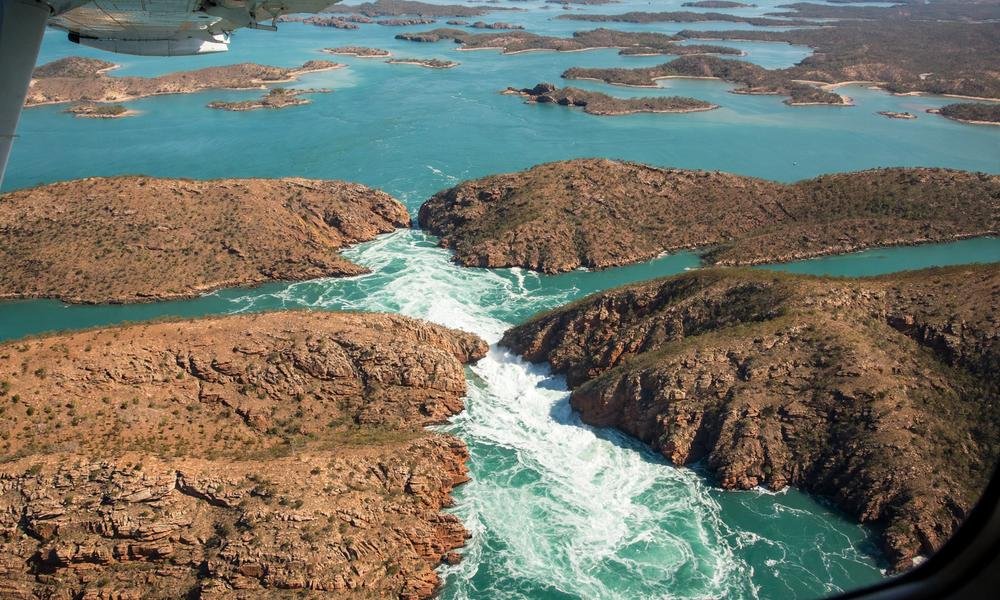

A Horizontal Falls tour is one of the few trips in Australia where the main attraction runs sideways. In Talbot Bay, in the Kimberley, huge tides push seawater through two narrow gaps in the McLarty Range. The water piles up, rushes through, and drops in a foaming sideways fall. Then the tide turns, and the whole thing runs the other way. There is no road in, no lookout you can drive to, and no way to see it properly without a flight or a boat. That is why almost everyone who visits does it as a tour, and why the tour you pick shapes the whole day. This guide explains the falls, the tide, the tour types, the departure points, and the practical rules, so you can book with confidence, brought to you by Australia City Guide.
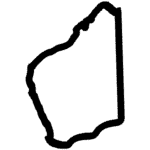
The falls sit in Western Australia, in the Buccaneer Archipelago, about 250 kilometres north east of Broome by air. The area is part of the Lalang-garram / Horizontal Falls Marine Park. Access is through licensed tour operators only. You cannot just turn up in your own boat and cruise through, and you cannot drive there at all. The tours below all start from Broome, Derby, or Cygnet Bay, and they all use a seaplane, a helicopter, or a combination of flight and boat to reach Talbot Bay.
What Are the Horizontal Falls?
Forget the picture of a normal waterfall. No river runs over a cliff here. Instead, the Kimberley coast has some of the biggest tides on the planet, with a rise and fall of up to about 10 metres. Twice a day, that huge volume of water has to move in and out of Talbot Bay. The only way through is two narrow gaps in a sandstone range. Water squeezes through those gaps, speeds up, and forms rapids, whirlpools, and a white-water drop that looks like a waterfall lying on its side.
There are two gaps. The first gap, called the Wide Gap, is the wider of the two. The second, the Narrow Gap, is tighter, and the water moves even faster through it. Boats on current tours go through the Wide Gap only. Guests see the Narrow Gap from a safe distance. That rule respects the beliefs of the Traditional Owners of this Country, and it is a good example of why a guided tour matters here. The crew know the water, the tide, and the cultural rules, and they make the calls on the day.
The falls are not the same twice. At a strong tide, the water roars through and the white water is easy to see. At a weak tide, the flow is calm, and the trip feels more like a scenic cruise. Both versions are real, and both are worth seeing, but they are very different days. That is why the tide calendar matters more than the date on your calendar, and why this guide spends so much time on tides.
Why the Tides Make the Falls
Tides here follow a cycle of about 10 to 12 days, with four movements in each 24 hour period. Water comes in until it peaks, then goes out until it drops, then the pattern repeats. The size of the difference between high and low tide changes across the cycle. Operators sort those days into three groups, and it helps to know them before you book.
Spring Tides: The Strongest Flow
Spring tides give the biggest difference between high and low water. That means the most water moving through the gaps, the fastest flow, and the most white water. If you want the full power version of the falls, a spring tide day is the one to aim for. These days book out first, so plan ahead if you can.
Mid Tides: Calmer, More Relaxed Days
Mid-tide days sit in the middle. The flow is still clear, but it is gentler than on a spring tide. The boat ride is calmer, and the day feels more like a cruise with a falls visit than a thrill ride. Some travellers prefer this. You get more time to take in the scenery, the history, and the cultural stories of the area, without the boat working as hard. Operators still run on mid-tide days, and they mark them on their tide calendars.
Neap Tides: When Tours Do Not Run
Neap tides give the smallest difference between high and low water. The flow through the gaps is weak, and the sideways fall is hard to see. The main operator does not run tours on neap tide days at all. That is a useful warning. If a date looks cheap or wide open in the middle of the season, check the tide first. It may be a neap tide day, and no tour will run. Always check the operator tide calendar before you lock in flights or stays around the tour.
The Seaplane Flight: Half the Trip
For most people, the flight is not just transport. It is half the reason to go. A seaplane lifts off from Broome, Derby, or Cygnet Bay, flies low over the Buccaneer Archipelago, and lands on the water in Talbot Bay. From the air, you see hundreds of islands, red cliffs, mangrove creeks, and long tidal flats. The colour change where the tide runs over sand flats is easy to spot, and pilots often point out wildlife and island names on the way.
Flight time depends on where you start. Broome is the longest leg, Derby is shorter, and Cygnet Bay is the shortest of the three. That matters if you are short on time, or if you would rather spend the day on the water than in the air. It also matters for price, since a longer flight usually costs more. Ask the operator for the flight time from your departure point when you compare tours, so you are comparing like with like.
Seaplanes have strict weight and space rules. You will be asked for your body weight at booking, and there is a maximum weight per passenger on the main operator tours. Bags are small too. A day tour usually allows only a small backpack, and overnight tours allow a little more. Pack light, wear what you will fly and boat in, and leave the big bag at your stay.
The Boat Ride Through the Falls
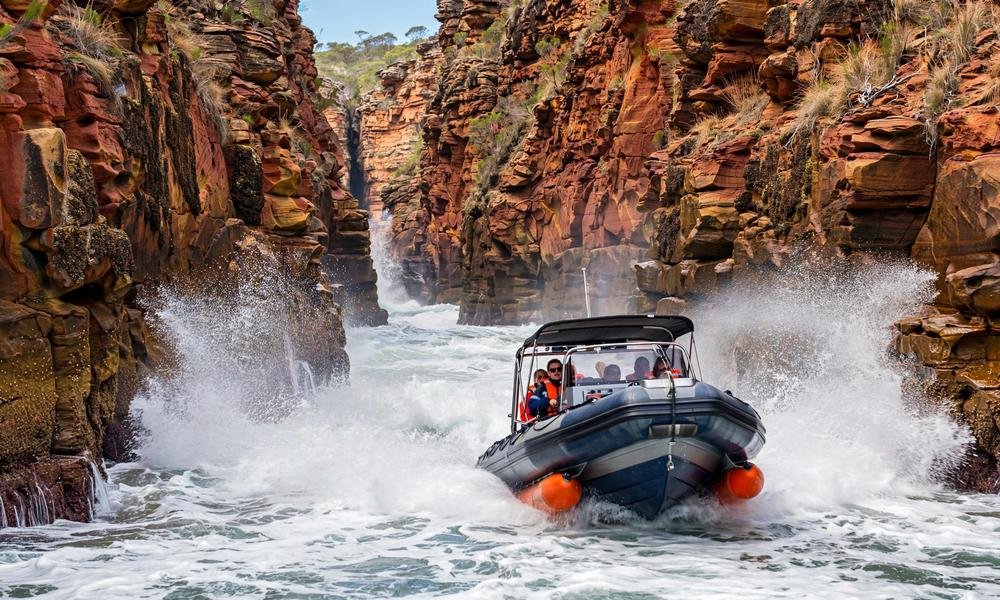
After the seaplane lands in Talbot Bay, you step onto a floating pontoon and then onto a fast boat. The boat runs through the Wide Gap, sometimes more than once, while the tide is running. The water pushes against the hull, spray comes over the side, and the boat climbs and drops with the flow. It is loud, fast, and wet in the best way. Life jackets are provided, the crew give a safety talk first, and you need to hold on and stay seated as directed.
The boat ride is the part of the day that needs the most honesty about your own health. It is bumpy by design. People with bad backs, neck problems, or other conditions that a jarring ride could worsen should talk to their doctor first, and tell the operator before booking. The same goes for pregnancy. The main operator advises pregnant travellers to check with their doctor, and does not recommend the power boat ride after 26 weeks. If the boat ride is not right for you, the flight and the bay cruise still give you a full day, so ask the operator what mix suits you.
After the falls, the boat usually slows down for a cruise around Talbot Bay and nearby creeks. This is the quiet part of the day. The water is calm away from the gaps, the cliffs close in around the creeks, and the crew point out wildlife and explain how the tide shapes the coast. Many tours also stop at a marine viewing platform, where you can swim in a shark and crocodile free enclosure and watch tawny nurse sharks during a feeding show. It is a calm, cool break after the fast boat, and kids tend to love it.
Beyond the Falls: Talbot Bay and the Buccaneer Archipelago
The falls get the headlines, but the country around them is a big part of the day. Talbot Bay is a maze of bays, creeks, and islands. Cyclone Creek, which runs inland from the bay, is a favourite on longer tours. The water is calm, the walls are high, and the cruise feels a world away from the open sea. Some tours include fishing in the bay, and the catch can end up on the dinner table that night on overnight trips.
The Buccaneer Archipelago holds hundreds of islands, most of them uninhabited. From the air, the pattern of islands, reefs, and tidal channels is hard to forget. From the water, you see it at a slower pace: mangroves at the water edge, sea eagles over the cliffs, and turtles and dolphins in the bay if you are lucky. No tour can promise wildlife, and any operator who does should be treated with care. The crew will tell you what they saw on recent trips, which is a better guide than a promise.
Wildlife You Might See
Talbot Bay and the surrounding coast are rich in marine life. Tawny nurse sharks gather around the pontoon and are part of the marine viewing show on many tours. Turtles feed in the bay, dolphins pass through, and dugongs are seen at times, though they are shy and hard to spot. On the cliffs and over the water, white-bellied sea eagles and ospreys hunt and nest. Saltwater crocodiles live in Kimberley waters, which is exactly why swimming is only in the enclosed platform, never in open water.
Photographers should plan for two very different settings. From the air, the light is bright and the subjects are far away, so a zoom lens helps if you carry a camera. On the boat, spray is the main problem. A phone in a waterproof pouch, or a camera you do not mind getting wet, is a safer choice than an expensive body with no cover. Ask the crew before you stand up for a photo. They will tell you when it is safe to move, and when you need to stay seated and hold on.
Which Horizontal Falls Tour Is Right for You?
There are four main tour types, and the right one depends on your time, your budget, and how much thrill you want. Prices change by season, departure point, and inclusions, so treat any price you see online as a guide only, and confirm the current price and inclusions with the operator before you book. The shapes below stay the same even when prices move.
Half-Day Tour: The Classic Choice
The half-day tour is the most popular option, and the best pick for most first-time visitors. It usually runs about six hours from pickup to drop-off. You fly out by seaplane, land in Talbot Bay, ride the fast boat through the falls, cruise the bay, swim or watch the shark show at the marine platform, eat a cooked breakfast or a barramundi lunch on the pontoon, and fly back. Morning and afternoon departures are offered on many days, so you can fit the tour around your other Broome plans.
Pick the half day if you want the falls, the flight, and the boat ride in one neat package, without giving up a full day or a night. It suits travellers who are short on time, families with older kids, and anyone who wants to test the Kimberley before committing to a longer trip. The trade-off is pace. You see a lot in six hours, and there is little spare time to just sit and watch the bay.
Full-Day Tour: Falls Plus the Dampier Peninsula
The full-day tour adds the Dampier Peninsula to the falls. One leg is by seaplane and the other leg is by four-wheel drive bus, in either order. Fly to the falls first and drive back, or drive out first and fly back. Both versions include the same stops. The overland leg visits Cygnet Bay Pearl Farm, where you can tour one of Australia’s oldest pearl farms, and Beagle Bay, home to the famous Mother of Pearl Church. Two meals are included on most full-day tours.
Pick the full day if you want more than the falls alone, and if you are keen to see the red dirt, the pindan soil, and the small communities of the Dampier Peninsula. It is a long day, often more than ten hours, so it suits travellers who are happy to be out all day and who want the land story as well as the sea story. If you only care about the falls, the half day gives you the same falls experience in less time.
Overnight Tour: Slow Down in Talbot Bay
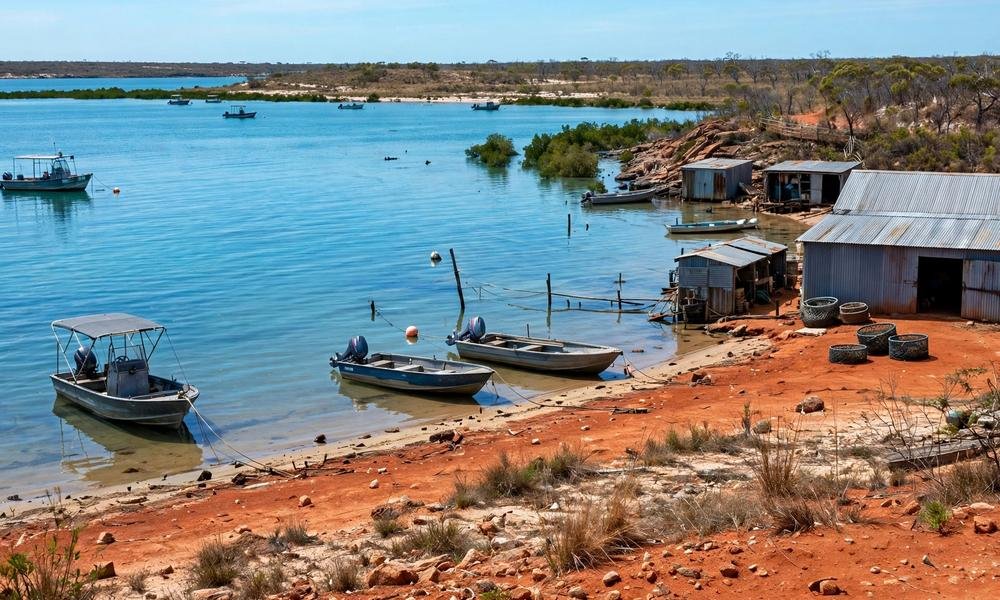
The overnight tour keeps you in Talbot Bay after the day visitors leave. You stay on a floating pontoon or houseboat, in an air-conditioned cabin, with dinner and breakfast included. The big gain is time and tide. You can ride the boat on more than one tide, including an incoming and an outgoing flow, and you see the bay at sunset and in the early morning light. There is also time for a guided fishing trip, a creek cruise, and a swim at the platform without rushing.
Pick the overnight tour if you have the time and you want the remote feeling to sink in. A night on the water, far from towns and roads, is very different from a six-hour visit. It also suits travellers who want to see the falls at more than one tide, since the flow changes through the day. The trade-off is simple: it costs more, it takes a full day plus a night, and cabins are small, so pack light.
Luxury Overnight Tour: The Top End Option
The luxury overnight tour runs on a dedicated vessel, the Jetwave Pearl, with a small guest count, a chef, and premium cabins. Guests get multiple boat cruises, a guided fishing charter, a creek cruise, sunset drinks on the rooftop lounge, a gourmet dinner, and breakfast the next morning. Standard cabins have a double bed and a private ensuite, while premium cabins add a queen bed and a balcony. Some luxury departures start from Broome with a coach transfer to Derby, which adds travel time each way.
Pick the luxury option if this trip is a special occasion, or if you want the most comfortable way to spend a night in a remote place. It is the dearest option by a clear margin, and it is best booked well ahead, since guest numbers are small. If comfort matters less than the falls themselves, the standard overnight tour gives you the same tides and the same bay for less.
Broome, Derby or Cygnet Bay: Where to Start?
Your departure point changes the flight time, the travel time to the departure point, and often the price. None of the three is wrong. The right one depends on where you already are.
Starting from Broome
Broome is the easiest base for most visitors. It has the most flights in, the most places to stay, and the most tour departures. Hotel pickup is common on Broome departures. The flight to Talbot Bay is the longest of the three, which is a plus if you love the aerial views, and a cost to weigh if you would rather be on the water. Broome also gives you a full town to enjoy before and after the tour, with Cable Beach, markets, and pearl history to fill extra days. If you are flying into the Kimberley just for this tour, Broome is the simple choice.
Starting from Derby
Derby is closer to Talbot Bay by air, so the flight is shorter and the tour can cost less than the Broome version. Derby suits travellers who are already driving through the Kimberley, or who are combining the falls with other east Kimberley trips. The town itself is smaller and quieter than Broome, with a long jetty, a big tidal range of its own, and a strong local history. If you are passing through Derby anyway, starting here saves flight time and often money. If you would need a special trip just to reach Derby, Broome may still work out simpler.
Starting from Cygnet Bay
Cygnet Bay, on the Dampier Peninsula north of Broome, is the shortest flight of the three. It suits travellers who are already staying at the pearl farm, or who are touring the Dampier Peninsula by road. Some Cygnet Bay departures include a pearl farm tour, which pairs well with the falls. The trade-off is access. You need to get yourself to Cygnet Bay first, which means a drive on unsealed roads or a tour transfer. Check road conditions and transfer options before you book a Cygnet Bay departure.
How Many Days to Allow
For a half-day tour, allow at least two nights in Broome. One night before the tour, so you are not rushing off a flight, and one night after, in case weather delays the tour by a day. For a full-day tour, allow three nights, so you have a spare day and time to enjoy Broome itself. For an overnight tour, allow three to four nights in total, including the night on the water.
That spare day matters. Kimberley weather can delay flights, and tours can shift with the tide. A spare day turns a delay into a bonus day in Broome, instead of a missed tour. It also gives you time for Cable Beach at sunset, the markets, and a pearl farm visit if the full-day tour did not already include one. If your trip is built around one fixed tour date with no spare day, you are taking a real risk, and travel insurance is worth considering for that reason alone.
Best Time to Visit the Horizontal Falls
The main operator season runs roughly from March to November, with exact start and end dates changing each year. Within that season, the dry season, from May to October, is the most reliable window. Skies are clearer, humidity is lower, and flights are less likely to be delayed by storms. The wet season, from November to April, brings heavy rain, high humidity, and cyclones at times. Most falls tours do not run through the wet season, so do not plan a falls trip for those months without checking first.
Within the dry season, the tide matters more than the month. A spring tide day in May can give a stronger falls display than a mid-tide day in August. When you shortlist dates, check the tide calendar first, then check flights and stays. Book the tour first if your dates are fixed, since spring tide days and school holiday weeks fill early. If your dates are flexible, pick a spring tide day and build the rest of the trip around it.
Getting to Broome and Getting Around
Most visitors fly to Broome. Direct flights run from Perth, and connecting flights run from other capital cities. Once in Broome, you do not need a car for the falls tour itself, since pickup is usually included from Broome stays. A car helps for the rest of a Broome stay, for Cable Beach, the markets, and day trips, but it is not needed for the tour day.
If you are driving to Derby or Cygnet Bay for a departure, check road conditions, fuel stops, and driving times before you leave. Kimberley roads can be rough, distances are long, and phone signal drops out in places. Tell your stay where you are going, carry water, and do not drive at dusk if you can avoid it, when wildlife on the road is hardest to see. For more ideas on the wider region, see our guide to things to do in Perth before you fly north, and our Karijini National Park guide if you are planning a longer Western Australia trip.
Where to Stay Before and After the Tour
Stay in Broome the night before a Broome departure, and the night after as well. Tour pickups start early, and a late flight into Broome the night before is a common cause of a stressful morning. Choose a stay that the operator picks up from, or check the pickup point when you book. If you are on an overnight tour, confirm what happens to your main bag while you are on the water. Most Broome stays will hold it for you, but ask, do not assume.
For a Derby departure, stay in Derby the night before. For a Cygnet Bay departure, stay at the pearl farm or nearby, and confirm the transfer to the seaplane base. Do not try to drive from Broome to Cygnet Bay on the morning of the tour unless the operator tells you that timing works. Early starts, unsealed roads, and tide-fixed departure times do not mix well.
What a Half-Day Tour Looks Like, Step by Step
A half-day tour follows a steady pattern, even though times shift with the tide. First comes pickup from your stay and a transfer to the seaplane base, with a safety briefing and a weight check. Then the seaplane flight out, low over the archipelago, with the pilot pointing out islands and tidal flats. Then a water landing in Talbot Bay and a step onto the pontoon.
Next comes the fast boat ride through the Wide Gap, usually more than once, followed by a slower cruise through the bay and creeks. Then a meal on the pontoon, a swim or shark show at the marine platform, and time to take photos from the pontoon. Finally, the return seaplane flight, often on a slightly different route, and a transfer back to your stay. The whole day runs about six hours, but the falls themselves are only part of it. The flight, the cruise, and the pontoon time are all part of the value, so do not judge the tour by the boat ride alone.
What to Bring and What to Wear
Pack light, and pack for sun, spray, and small planes. A small backpack is the limit on most day tours. Bring sun protection, including a hat that will stay on in wind, sunscreen, and sunglasses with a strap if you have one. Bring a camera or a phone, plus a waterproof pouch for the boat ride. Bring swimwear and a towel if you plan to swim at the platform, and a change of clothes for the flight home. Bring any medication you need, and keep it in your small bag, not in checked luggage left behind.
Wear light, quick-drying clothes and enclosed shoes. Sandals and thongs are not suitable for boarding planes and boats, and boarding can be refused if your footwear is unsafe. A light long-sleeved shirt helps with sun and spray. Leave jewellery, loose hats, and anything you would hate to lose in the boat. Spray and wind will find loose items fast. If you wear glasses, a strap is a good idea.
Health, Age and Weight Rules to Know Before Booking
Read this section before you pay, not after. The rules below come from the main operator, and other operators may differ, so confirm the rules for your exact tour.
- Children must be at least 4 years old, and at least 15 kilograms, to travel. All children must stay with an adult carer at all times.
- Seaplane passengers have a maximum weight limit, stated as 120 kilograms on the main operator tours. You will be asked for your weight at booking, and weights are used to balance the plane.
- You need enough mobility to climb aircraft stairs, step on and off boats, and keep your balance on a floating pontoon. Wheelchairs and walkers cannot be carried on the small aircraft.
- The power boat ride is bumpy. Talk to your doctor first if you are pregnant, or if you have a back, neck, or heart condition. The operator does not recommend the boat ride after 26 weeks of pregnancy.
- Sea sickness can affect the boat and the flight. If you are prone to it, ask your doctor or pharmacist about options before the day, and tell the crew if you feel unwell.
If any of these rules affect your group, call the operator before booking. A good operator will tell you plainly whether the tour suits you, and which parts you can still enjoy if the boat ride does not.
Booking Tips: How to Book Without Regrets
Book the tour before you book non-refundable flights, if you can. Pick a spring tide day, check that the tour runs on that date, and only then lock in the rest of the trip. If your dates are fixed, book as early as you can. Spring tide days, school holidays, and dry season weekends fill first, and the small guest numbers on overnight tours mean they fill faster than day tours.
Before you pay, check five things in writing: the departure point, the inclusions (flight, boat, meals, transfers), the tide type for your date, the cancellation and weather policy, and the weight and age rules for your group. Ask what happens if the tour is cancelled for weather. Most operators offer another date or a refund, but the exact terms differ, and they matter if you have flights to catch. Keep the operator confirmation, the pickup time, and the pickup point in one place, and re-check the pickup time the day before.
Do not book on price alone. A cheaper tour from a further departure point can cost more in transfers and time, and a tour on a mid-tide day is a different product from the same tour on a spring tide day. Compare the tide, the inclusions, and the departure point together, and pick the combination that fits your trip, not just the lowest number on the page.
Photography Tips for the Falls
The falls are hard to photograph well, and that is part of their charm. From the air, shoot through clean windows where you can, and keep your shutter speed fast to beat vibration. A zoom helps for the gaps and the islands, but a wide shot of the archipelago from the air is often the keeper. On the boat, protect your gear first and shoot second. Spray will reach you, and the boat moves fast through the gap.
Video often works better than still photos on the boat ride, since it captures the sound and the movement of the water. Hold the phone with both hands, brace against the boat, and keep your arms inside the boat at all times. On the pontoon, take your time. The calm water, the cliffs, and the evening light on an overnight tour give you the cleanest shots of the day, without spray or speed to fight.
Cultural Respect at the Horizontal Falls
The Horizontal Falls sit on Country with deep cultural meaning for Traditional Owners, and the area has been cared for over countless generations. The Wide Gap only rule is one visible sign of that respect. Visitors are asked to follow crew directions, stay in allowed areas, and treat the place as a living cultural landscape, not just a thrill ride. Listen when the crew share stories about the area. Those stories are part of the trip, and they change how you see the water and the cliffs.
Do not try to visit the falls outside a licensed tour, and do not pressure a crew member to go through the Narrow Gap or to break a safety rule for a photo. The rules protect people, wildlife, and culture at the same time. A tour that respects those rules is a better tour, not a lesser one.
Must-Knows Before You Go
- There is no road to the falls. Every visit is by air or sea, through a licensed operator.
- Check the tide calendar first. No tours run on neap tide days, and spring tide days give the strongest flow.
- Book ahead in the dry season. Spring tide days and overnight cabins fill early.
- Pack light, wear enclosed shoes, and bring sun protection, swimwear, and a waterproof pouch.
- Swim only in the enclosed marine platform. Never swim in open water in the Kimberley.
- Keep a spare day in Broome after the tour, in case weather shifts your date.
- Confirm pickup time, pickup point, weight limits, and cancellation terms in writing before you pay.
- Do not expect wildlife on demand. The crew will tell you what has been seen lately, which is a fairer guide.
FAQs About a Horizontal Falls Tour
Can I drive to the Horizontal Falls?
No. There is no road to Talbot Bay, and the falls base is a floating pontoon. The only way in is by seaplane, helicopter, or boat tour. The full-day tour includes a road leg on the Dampier Peninsula, but the falls leg itself is always by air.
When is the best time to visit the Horizontal Falls?
The dry season, from May to October, is the most reliable window. Within that season, pick a spring tide day for the strongest flow. Check the operator tide calendar, since tour dates change with the tide cycle and with the season each year.
How long does a Horizontal Falls tour take?
A half-day tour runs about six hours from pickup to drop-off. A full-day tour runs more than ten hours. An overnight tour runs about 18 hours, and a luxury overnight tour runs about 24 hours. Times shift with the tide and the departure point, so confirm your exact times at booking.
Is the boat ride scary?
It is fast, loud, and bumpy, and that is the point for most guests. The crew are trained, life jackets are provided, and you stay seated as directed. If you are nervous, tell the crew. They will explain what to expect, and they can seat you where the ride feels calmer. If the boat ride is not for you, the flight and bay cruise still make a full day.
Can kids go on a Horizontal Falls tour?
Yes, if they meet the operator rules. Children must be at least 4 years old and at least 15 kilograms on the main operator tours, and they must stay with an adult at all times. The boat ride is loud and bumpy, so think about your own child before booking, not just the age rule.
What if my tour is cancelled for bad weather?
Weather cancellations happen in the Kimberley, even in the dry season. Most operators offer another date or a refund, but terms differ, so check them before you pay. A spare day in Broome is the simplest insurance against a cancelled tour ruining your trip.
What if the tide is weak on my tour day?
The flow changes every day, and even a good date can feel calmer than expected. Mid-tide days still show the falls, just with less white water, and the flight, cruise, and pontoon time stay the same. If a strong flow matters most to you, book a spring tide day and ask the operator what flow to expect on that date.
Do I need to be fit for a Horizontal Falls tour?
You need a reasonable level of mobility, not high fitness. You must be able to climb plane stairs, step on and off boats, and balance on a pontoon. If you use a wheelchair or a walker, the small aircraft cannot carry them, so call the operator to discuss options before booking.
Can I swim at the Horizontal Falls?
You can swim in the enclosed marine viewing platform, which is free of sharks and crocodiles. You must not swim in open water around Talbot Bay. Saltwater crocodiles live in Kimberley waters, and the tidal currents at the gaps are far too strong for swimming.
Is a Horizontal Falls tour worth the cost?
That depends on what you value. The tour bundles a seaplane flight, a fast boat ride, a bay cruise, meals, and access to a place you cannot reach alone. If a remote natural wonder, a flight over the archipelago, and a thrill on the water sound like your kind of day, most travellers say yes. If you only want a quick photo stop, the time and cost may feel like too much, and a Broome day trip may suit you better.
Final Thoughts on Visiting the Horizontal Falls
A Horizontal Falls tour earns its reputation, but it rewards planning more than most day trips. Pick a spring tide day if you can, pick the tour type that fits your time and your nerve, and pick the departure point that fits where you already are. Pack light, wear enclosed shoes, keep a spare day in Broome, and listen to the crew on the day. They know the tide, the water, and the Country, and they will shape the day around what the falls are doing.
If you do that, you get the full package: a low flight over an island maze, a fast run through a sideways waterfall, a calm cruise in Talbot Bay, and a night or a day in one of the most remote corners of Western Australia. Book the tide first, then the flights, and give this trip the planning it deserves. It is a long way to go for a weak tide day, and a short step to a great one.