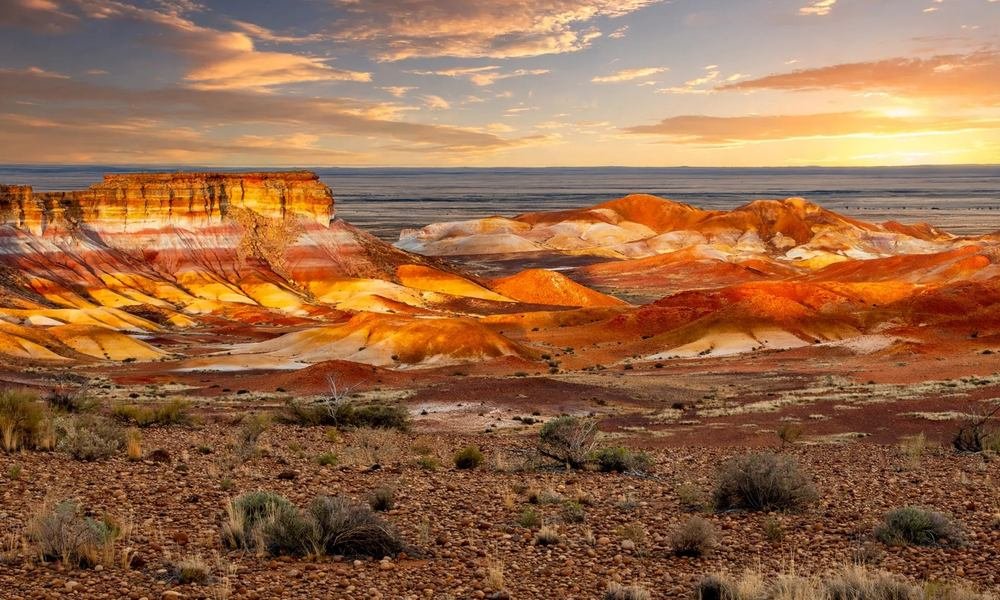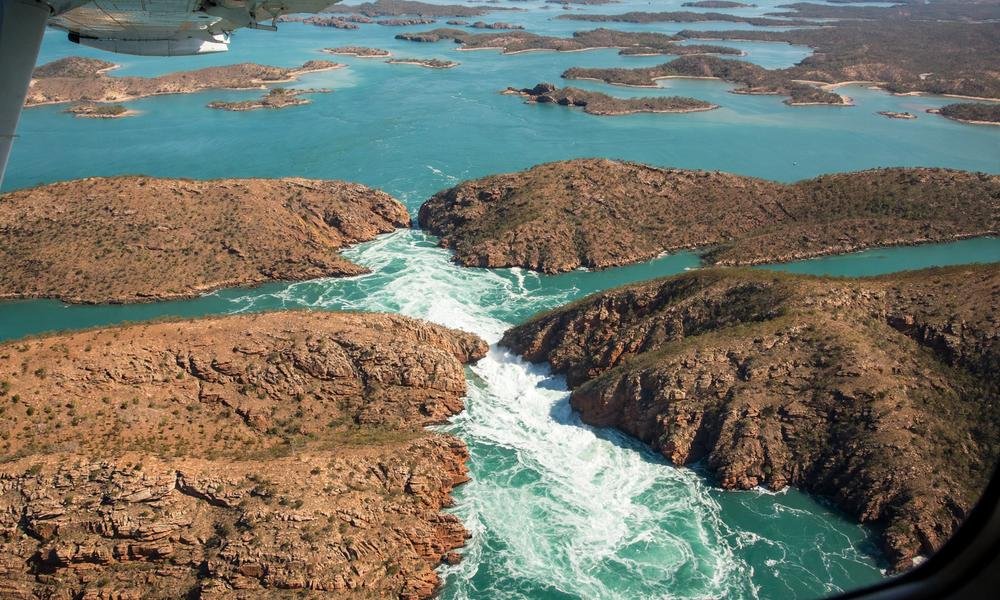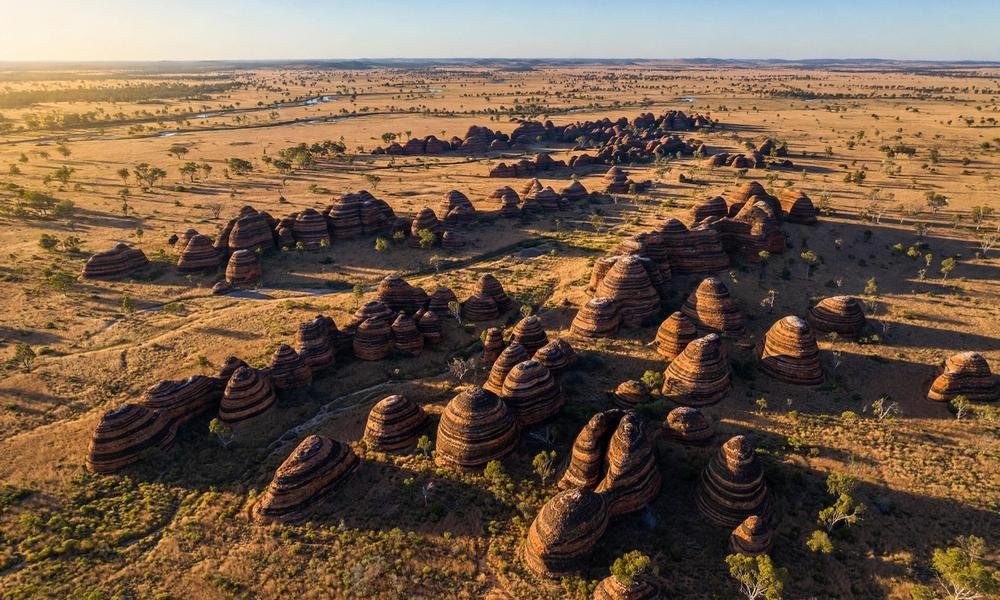

Purnululu National Park is home to one of the strangest and most loved sights in Australia. The Bungle Bungle Range rises out of flat savannah in the East Kimberley, a maze of orange and dark striped domes shaped like giant beehives. You will not find another landscape quite like it anywhere else in the country. It is remote, it takes real planning to reach, and it rewards every bit of that effort. This guide covers the walks, lookouts, flights, stays and safety tips you need before you go, brought to you by Australia City Guide.
The park sits in Western Australia, about 300 kilometres south of Kununurra. Most visitors come by high-clearance four-wheel drive, or by scenic flight. There is no shop, no fuel and no phone signal to rely on once you are inside. That is part of the appeal. You walk into deep gorges, you sleep under huge Kimberley skies, and you see a landscape that stayed almost unknown to the outside world until the 1980s.
Why Purnululu Is Worth the Long Trip
Purnululu covers almost 240,000 hectares. The Bungle Bungle Range is its famous centre, but the park is much bigger than the domes alone. Open savannah plains, dry creek beds, deep gorges and quiet waterholes spread out in every direction. In the dry season, the light is clear and sharp. In the wet season, the park closes and the country rests.
The park earned a place on the UNESCO World Heritage list in 2003. It was listed for its geology and for its living cultural value. That second part matters. This is Country for the Kija and Jaru peoples, who have lived in and cared for this land for tens of thousands of years. Rock art sites, stories and knowledge of water and seasons are part of the park today, not just its past. Visitors are asked to respect that. Stay on marked tracks, do not touch rock art, and do not enter places that are closed for cultural reasons.
If you only have time for one remote Kimberley park, this is a strong pick. The domes look unreal in photos, and they look even better in person. The gorges are cool, quiet and green in a way you do not expect after driving through dry plains. And because it is hard to reach, it never feels crowded in the way easier parks can.
The Bungle Bungle Range and How It Formed
The domes started about 350 million years ago. Back then, rivers carried sand and gravel across a wide plain and dropped them here. Over time, those layers were pressed into sandstone and lifted up with the rest of the Kimberley plateau. Wind and rain then wore the rock away, cutting gorges and leaving the rounded domes behind.
Why the Domes Are Striped
Look closely at a dome and you will see bands of orange and dark grey or black. The orange bands are sandstone coloured by iron, much like rust. The darker bands sit on layers that hold moisture longer. A type of bacteria called cyanobacteria grows on those damp layers and colours them dark. That mix of iron and bacteria gives the range its striped look.
The surface is fragile. The sandstone here never had the hard cement that holds other sandstone together. Your boots and hands can wear it away, which is why you must stay on marked tracks and never climb on the domes. The rule protects the very thing you came to see.
The Piccaninny Crater Story
Under part of the park sits another old story. About 360 million years ago, a meteorite hit this area and left a crater about seven kilometres wide. You cannot really see it from the ground. It is worn down and spread out, and the land surface today sits well below the old crater floor. From the air, though, the shape is clearer. Scenic flight pilots often point it out, and it is one more reason a flight adds so much to a visit here.
Seeing the Southern End: Domes, Cathedral Gorge and Lookouts
Most visitors split the park into two ends, south and north. The south holds the domes and Cathedral Gorge. The north holds Echidna Chasm and Mini Palms Gorge. You need a full day for the south and at least half a day for the north. Plan your driving around that split, and you will not feel rushed.
The Domes Walk
Start at Piccaninny car park, the main trailhead in the south. The Domes Walk is an easy loop of about one kilometre. It takes you right up close to the striped domes, so you can see the bands, the rounded shapes and the way the light changes on them. Go early in the morning or late in the afternoon for softer light and cooler air. It is a gentle walk, and it is a good first taste of the range before you head into the gorges.
Cathedral Gorge
Cathedral Gorge is the walk most people remember best. From Piccaninny car park, the trail runs about one kilometre into a narrow gorge, then opens into a huge natural amphitheatre. Tall walls curve around you, and sound carries in a strange, clear way. A quiet voice can travel across the space. Try the morning for the best light, and take your time on the way in. The gorge walls shade the path, which helps on a hot day, but the walk back is still warm work. Carry water even for this short walk.
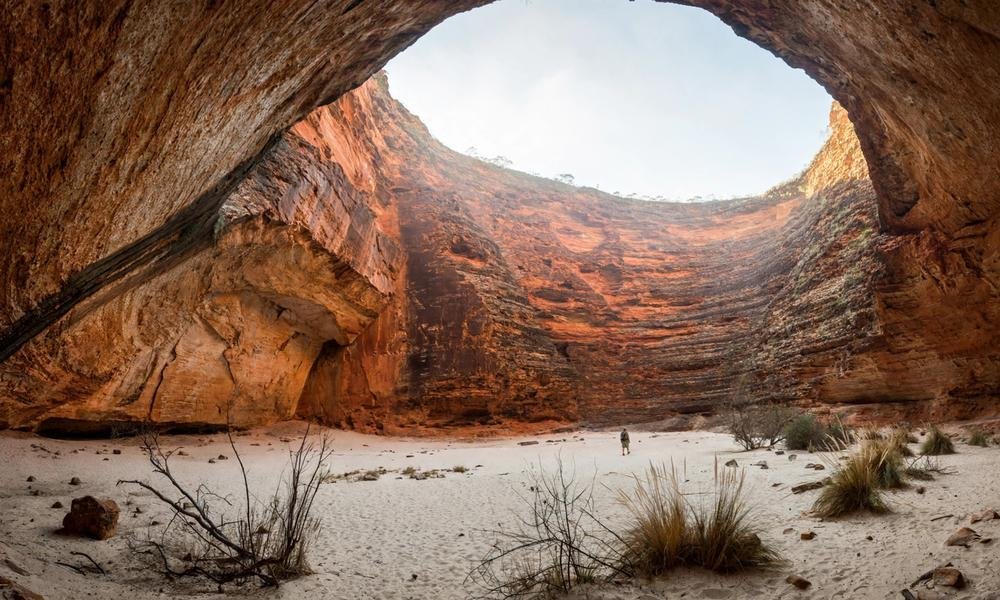
Piccaninny Creek Lookout
For a view over the domes without a long walk, take the Piccaninny Creek Lookout trail. From the Cathedral Gorge trail, bear right onto the dry creek bed instead of entering the gorge, then climb south to the lookout. The walk is about 1.4 kilometres to the lookout. From the top, you look out over the creek and the dome country. It is a good pick for visitors who want a view but cannot manage a gorge scramble.
The Window and Whip Snake Gorge
If you keep going past the lookout turn, the creek bed leads to The Window, a natural hole through the rock about two kilometres from the car park. It frames the country beyond it, and it is lovely at sunset. Past The Window, the track continues into Whip Snake Gorge, a side canyon that makes a longer day walk of about 10 kilometres return. Only take Whip Snake Gorge on if you are fit, you have plenty of water, and you have checked track advice at the visitor centre first.
Piccaninny Gorge: Only for Experienced Walkers
Beyond the day walks sits Piccaninny Gorge itself, a long gorge walk that takes more than one day and needs overnight camping in the gorge. This is not a casual add-on. It is for experienced walkers with the right gear, food, water and navigation skills. Some visitors do it as a helicopter-in and hike-out trip with a tour operator. If that sounds like you, book through an operator and get current track advice first. If it does not, the day walks above still give you the best of the south end.
Seeing the Northern End: Echidna Chasm and Mini Palms Gorge
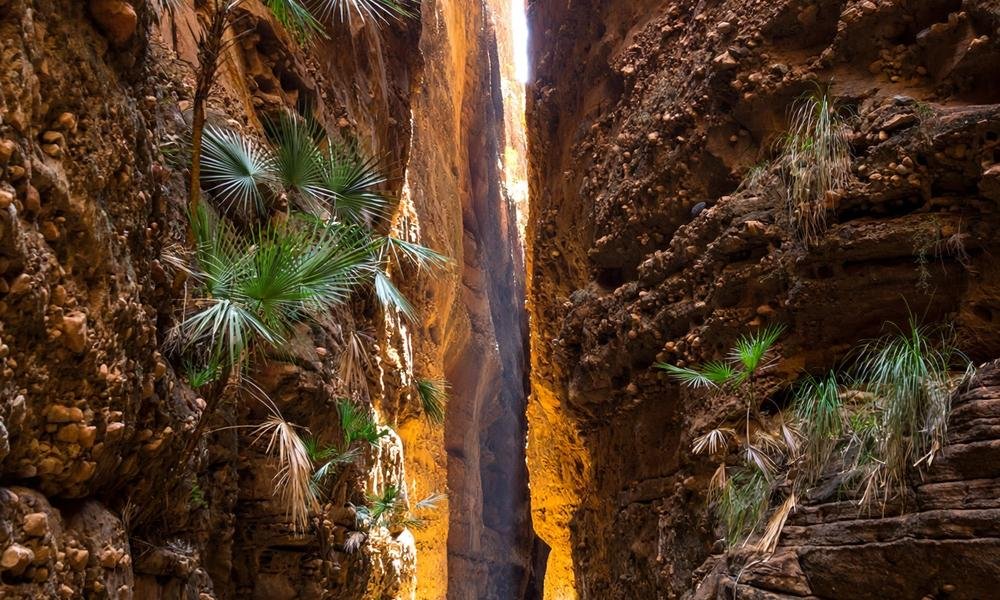
The north end feels different. There are no beehive domes here. Instead, deep canyons cut through bright sandstone, and fan palms cling to shaded walls. The walks are shorter, but some involve scrambling over boulders, so wear sturdy shoes and take your time.
Echidna Chasm
Echidna Chasm is the star of the north. Park at Bloodwoods car park and walk about one kilometre to the chasm entrance. The gorge narrows as you go, with walls rising high on both sides. Near the end, the walls close in so much that you can almost touch both sides. Time your visit between about 11am and 1pm, when the sun sits high enough to send light down into the chasm and set the rock glowing. Check the timing at the visitor centre, because the light show only lasts for a short window each day. The walk is rated moderate, and the last part involves scrambling over boulders, so it is not a pram or wheelchair walk.
Osmand Lookout
From the Echidna Chasm area, a short walk of about one kilometre leads to Osmand Lookout. It looks out over the dry, rugged Osmand Range. It is a simple add-on after Echidna Chasm, and it gives you a wide view after the closed-in feeling of the gorge. Do it in the same morning if you can, before the heat builds.
Escarpment Trail
The Escarpment Trail links the Echidna Chasm and Bloodwoods car parks. It runs about 3.6 kilometres on mostly gentle ground along the base of the escarpment. Use it to make a longer loop, or as a quiet walk on its own. It is a good choice if you want distance without a scramble.
Mini Palms Gorge
Mini Palms Gorge sits about two kilometres south-west of Bloodwoods car park. The gorge floor is filled with small fan palms that survive the seasonal floods. The trail becomes a scramble over boulders, then reaches two viewing platforms. You must not walk into the gorge itself past the platforms, because foot traffic would damage the palms. The platforms still give you a clear view into the gorge, and the walk there is part of the fun.
Homestead Valley Walk
Homestead Valley Walk follows the valley floor for about 4.4 kilometres return into Homestead Valley Gorge. It is a moderate walk with red rock views and shaded seating at the end. It suits visitors who have already done Echidna Chasm and want one more north-end walk without a long drive to another trailhead.
Kurrajong Trail
Near Kurrajong Campground, the Kurrajong Trail is a short loop of about 1.2 kilometres through the bush. It is an easy evening walk after you set up camp, and a nice way to stretch your legs without starting a gorge walk late in the day.
Kungkalanayi Lookout: The Sunset Spot
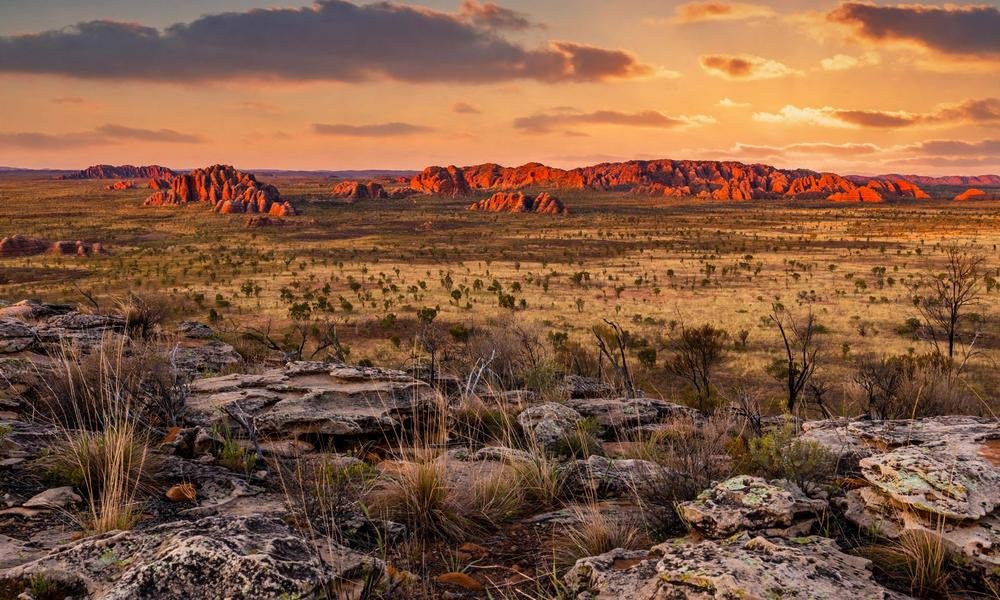
Do not miss Kungkalanayi Lookout at sunset. It sits about 2.5 kilometres north of the visitor centre. From the centre, take the track to the Three Ways junction, then take the north fork. A short walk of about 500 metres from the parking area brings you to a lookout with a wide view over the Bungle Bungle Range. At sunset, the range glows orange and red. Get there early enough to find a spot, and plan your drive back to camp in daylight. Night driving on unsealed park tracks is not a good idea.
Scenic Flights: Seeing Purnululu from the Air
A scenic flight changes how you understand Purnululu. From the ground, you see one gorge or one set of domes at a time. From the air, you see the whole range at once, the maze of domes, the gorges cutting through them, and the vast plains around them. For many visitors, the flight is the highlight of the trip.
Fixed-wing flights run from Kununurra, and some tours also fly from Broome and Halls Creek. These are non-landing tours that circle the range and return. Helicopter flights run from Bellburn airstrip inside the park, and some operators offer open-door flights for photography. Helicopter tours can also land in remote spots for guided walks, which is a way to reach country you could not walk to in a day.
If you do not have a four-wheel drive, a flight plus a guided tour is your best way in. Some visitors fly in for a day, join a guided walk to Cathedral Gorge, then fly out. Others fly in, stay at a lodge, and walk the gorges over two or three days. Book flights well ahead in the peak season, from June to August, because seats are limited and tours fill up.
When you book a flight, ask what route it takes. Some flights add Lake Argyle and the Ord River country. Others focus only on the range. Both are good, but they are different trips, so pick the one that matches what you want to see. For more ideas on planning a Kimberley trip around a flight, see our guide to things to do in Broome, a common starting point for Kimberley flights.
Getting to Purnululu National Park
Getting here is half the trip, and it needs honest planning. The turn-off sits on the Great Northern Highway, about 250 kilometres south of Kununurra and about 109 kilometres north of Halls Creek. From the highway, the Spring Creek Track runs 53 kilometres into the park. You drive through a conservation park buffer zone first, then reach the visitor centre.
The Spring Creek Track
The Spring Creek Track is unsealed, rough and corrugated, with creek crossings that change with the rain. Allow two and a half to three hours for the 53 kilometres. That sounds slow, and it is meant to be slow. Drive to the conditions, lower your tyre pressures for corrugations if you know how, and stop if a crossing looks too deep.
You need a high-clearance four-wheel drive. A normal two-wheel drive car will not make it, and hire companies may not allow their two-wheel drive cars on this track at all. Check your hire terms before you leave Kununurra. Single-axle high-clearance camper trailers can use the track in good conditions, but full caravans are not a good idea here. Many visitors leave a caravan at the rest area near the highway turn-off and drive in without it. Check current advice at the visitor centre or park alerts before you set out, because the track can close after rain.
Flying Into Kununurra
Most visitors fly into Kununurra Airport first. Flights run from Perth, Broome and Darwin, with flight times of roughly three hours from Perth, about one and a half hours from Broome, and about one hour from Darwin. From Kununurra, you can hire a four-wheel drive, join a tour, or take a scenic flight. Stock up in Kununurra before you leave. Fill the tank, buy food and water, and check your spare tyre. There is no fuel, food or supplies in the park itself.
Check In at the Visitor Centre
When you arrive, check in at the Purnululu Visitor Centre. This is not just a formality. Staff track who is in the park for safety, they give current track and weather advice, and they can tell you which walks are open. The centre also has maps, cold drinks, ice, snacks and souvenirs. The new visitor centre building, opened in 2023, has displays and interactive exhibits about the park’s geology, plants, animals and culture. Start here, even if you are keen to get walking.
How Many Days Do You Need?
How long you need depends on how you arrive and how much walking you want to do. One night is possible, but it will feel rushed. Two nights is the sweet spot for most visitors. Three or four nights lets you slow down and add the longer walks.
One Day: Fly In and Walk
A day trip works only if you fly. Drive-in day trips are not advised, because the track in and out takes five to six hours on its own, and you would end up driving back in the dark. A fly-in day trip usually means a scenic flight plus a guided walk to Cathedral Gorge and the Domes. You see the highlights, but you miss the north end and the sunset at Kungkalanayi Lookout.
Two Nights: Both Ends at a Good Pace
Two nights is the plan most guides and visitors recommend. Drive in on day one, check in at the visitor centre, and finish at Kungkalanayi Lookout for sunset. On day two, spend the full day in the south: the Domes Walk, Cathedral Gorge and Piccaninny Creek Lookout. On day three, walk the north end in the morning, Echidna Chasm and Osmand Lookout, then drive out in the afternoon. This plan covers both ends without rushing, and it leaves room for a flight on one of the days if you want one.
Three to Four Nights: The Slow Version
With three or four nights, add Mini Palms Gorge and Homestead Valley Walk in the north, and The Window and Whip Snake Gorge in the south. Add a second sunset, a morning flight, or a restful afternoon at camp. This is also the plan to pick if you want to do the Piccaninny Gorge walk with a guide, or if you are travelling with kids who need shorter days. Extra nights also give you a buffer. If one day is too hot or a track is closed, you still have time to see the rest.
Best Time to Visit Purnululu
Purnululu is a dry-season park. It is usually open from around April to November, but the exact dates change with the rain each year. Always check current park alerts before you travel, especially in the shoulder months of April, November and December. In the wet season, swollen creeks make the tracks impassable, and the park closes.
The best months for most visitors are May to September. Days are warm, nights are cooler, and the tracks are usually in good shape. June to August is peak season. The weather is at its most settled, but campgrounds and flights book out, so plan ahead.
April and October to November are shoulder months. You may find fewer people, but the heat builds late in the dry season. Late dry-season days can reach very high temperatures, and nights in the cooler months can drop close to freezing, so pack for both ends. Cold-season campers should bring a warm sleeping bag. Late-season visitors should plan walks for early morning and late afternoon, and rest in the shade during the middle of the day.
Where to Stay in and Around Purnululu
You have two choices: camp in the park, or stay at a lodge in the park. Outside the park, Kununurra, Halls Creek and Warmun give you more options, but they add a long drive each day, so most visitors stay inside the park for at least one night.
Camping in the Park: Walardi and Kurrajong
The park has two public campgrounds. Walardi Campground sits in the south, near the domes and Cathedral Gorge. Kurrajong Campground sits in the north, near Echidna Chasm. Both have toilets and picnic tables. Both are basic, and you need to be self-sufficient for food, water and power. Book ahead, especially from June to August. Backcountry camping is not allowed, so camp only in these two campgrounds or at a lodge.
Pick your campground by the walks you plan to do first. Stay at Walardi for a south-end focus, and at Kurrajong for a north-end focus. If you stay two nights, you can stay at one campground for both nights and drive to the other end, or move campgrounds between nights. Moving saves driving time, but it costs packing time, so weigh that up when you plan.
Lodges in the Park
Two lodges sit inside the park area and offer a more comfortable stay. Bungle Bungle Wilderness Lodge offers safari-style tents with meals. Bungle Bungle Savannah Lodge offers cabins, a pool, a bar and meals, and it also serves meals to non-residents with notice. Lodges suit visitors who do not want to camp, or who want a guided tour base with meals included. Book well ahead in peak season, and check what is included, because meal plans and tour options differ.
Staying Outside the Park
Kununurra has the widest range of stays, from hotels and motels to caravan parks, plus supermarkets, fuel and tour offices. It is the best base if you are flying in or joining a tour. Halls Creek is closer to the park from the south, with a roadhouse and basic stays. Warmun, on the highway north of the turn-off, has a roadhouse and a well-known Aboriginal art centre. It is worth a stop for art and for a break on the drive, even if you do not stay the night.
If you are driving the highway and need a free overnight stop, the Spring Creek Rest Stop near the turn-off allows short stays, and Leycester’s Rest sits further south by the Ord River bridge. These are rest areas, not campgrounds, so keep your stay short and leave no trace.
Getting Around Inside the Park
Once you pass the visitor centre, the park tracks split at the Three Ways junction. Take the north fork for Kurrajong Campground and Echidna Chasm. Take the south fork for the lodges, Walardi Campground, the airstrip and the domes. Knowing this split before you arrive saves confusion, because the tracks are unsealed and signposts are simple.
Drive slowly inside the park. The tracks are corrugated, and wildlife can cross without warning. Keep your speed down, watch for washouts, and never drive off the marked tracks. If you meet another vehicle on a narrow section, pull over where it is safe and let them pass. After rain, check with the visitor centre before you drive to a trailhead, because some tracks may be closed.
Wildlife, Plants and Night Skies
Purnululu sits where tropical and dry country meet, so plants and animals from both zones live here. Fan palms grow in shaded gorges, some more than 12 metres tall. Spinifex, acacia and eucalyptus cover the plains. In the wet season, wildflowers and grasses turn the dry country green for a short time.
Birdwatchers should look for spinifex pigeons, budgerigars, rainbow bee-eaters and birds of prey. More than 130 bird species have been recorded in the park. You may also see wallabies, dingoes and goannas. Snakes live here too, so watch where you step and sit, especially around rocks and logs. Do not approach or feed wildlife.
At night, the skies are a highlight on their own. With no town lights nearby, the stars are bright and clear. Sit outside your tent or cabin after dinner, let your eyes adjust, and look up. It is a simple pleasure, and it is one of the best free experiences in the park. Bring a torch with a red light if you have one, so you do not spoil your night vision.
Photography Tips for Purnululu
Purnululu is a photographer’s park, but the light matters more than the camera. For Echidna Chasm, aim for late morning, when the sun lights the gorge walls. For Cathedral Gorge, go in the morning for soft light in the amphitheatre. For the domes, early morning and late afternoon give you warm colour and long shadows.
At sunset, head to Kungkalanayi Lookout or The Window. Both face the right way for evening light. Take a tripod if you have one, because the light fades fast. Protect your gear from dust on the tracks, and carry spare batteries, because there is nowhere to charge gear in the park unless your lodge or vehicle setup allows it. Drones are not allowed in the park, so leave yours at home and enjoy the views from the lookouts instead.
Guided Tours Worth Considering
You can visit Purnululu on your own, but a guided tour adds a lot, especially if you do not have a four-wheel drive or you want cultural insight. Guided walks with local guides can explain the geology, plants and stories of the country in a way signs cannot. Multi-day tours from Kununurra often combine Purnululu with Lake Argyle, the Gibb River Road or El Questro, which suits visitors who want a longer Kimberley trip without driving it all themselves.
When you pick a tour, check what it includes. Some tours include flights, stays and meals. Others are walk-only day tours from a lodge. Ask about group size, walking distances and fitness needs. If a tour promises a walk you cannot manage, say so before you book. A good operator will match you to the right trip.
For a wider Kimberley plan, Purnululu pairs well with Kununurra and Lake Argyle before or after your park days. Many visitors also add the Gibb River Road, which runs west from the Kimberley towards Derby and Broome. See our guide to things to do in Perth if you are starting your Western Australia trip in the capital, and our guide to the best national parks in Australia for more parks to add to your list.
Must-Knows Before You Go
Purnululu rewards preparation and punishes shortcuts. Run through this list before you leave Kununurra or Halls Creek, and you will avoid the common problems.
Packing Checklist
Pack water first. Carry at least five litres per person per day, and more if you plan long walks. The campgrounds have limited drinking water, and creek water is not safe to drink. Pack food for your whole stay, plus extra for a delay. Pack fuel, because there is none in the park. Pack sun protection, a wide-brimmed hat, sturdy walking shoes, a first-aid kit, a map and a torch. Pack warm layers for cold nights, even in the dry season. And pack a satellite phone or personal locator beacon if you have one, because mobile signal is patchy at best. The lodges have wifi, but the access track and most walks do not.
Safety Basics
Walk early. Start gorge walks before 10am and after 3pm where you can, and rest in the shade during the hottest part of the day. The southern end has little shade outside the gorges, so heat builds fast. Tell someone your plans, and check in at the visitor centre. If the temperature climbs well over 40 degrees or wildfire risk rises, the park may close walks for safety, so follow staff advice without argument.
Do not bring dogs or other animals into the park. Do not fly a drone. Do not swim in waterholes unless rangers advise it is safe, because freshwater crocodiles live in some waterholes and water quality can be poor. Do not leave marked tracks, and do not touch or climb on the domes. These rules protect you, the wildlife and the fragile rock.
Common Mistakes to Avoid
The most common mistake is trying the track in the wrong vehicle. A two-wheel drive car, a low-clearance vehicle or a large caravan will not cope with the Spring Creek Track. The second mistake is arriving late in the day and driving the track in fading light. The third is skipping the visitor centre check-in and missing a track closure. The fourth is walking at midday in the south end without enough water. The fifth is expecting fuel, shops or phone signal in the park. Plan for none of those, and you will have a far better trip.
Fees and Bookings
A park entry fee applies, and camping fees apply on top of that. Fees change from time to time, so check the current fee on the Western Australia parks website before you travel, and book your campground online ahead of time. Flights, lodges and tours also need advance booking in peak season. Do not assume you can turn up and get a seat or a site in June, July or August.
FAQs About Visiting Purnululu National Park
Can I drive to Purnululu in a two-wheel drive car?
No. The 53-kilometre Spring Creek Track needs a high-clearance four-wheel drive. It is unsealed, corrugated and has creek crossings. Two-wheel drive cars are not suited to it, and many hire terms forbid it. If you do not have a four-wheel drive, take a scenic flight or join a guided tour instead.
Can I take a caravan into the park?
Large caravans are not advised on the Spring Creek Track. Single-axle high-clearance camper trailers may be allowed in good conditions, but check current advice first. Many visitors leave a caravan at the rest area near the highway turn-off and drive in without it.
When is the best time to visit Purnululu?
The dry season is the only time the park is open, usually from around April to November, depending on rain. May to September gives the most settled weather for walking and camping. June to August is peak season, so book early.
How many days should I spend in Purnululu?
Two nights is a good plan for most visitors. It covers both ends of the park at a comfortable pace, plus a sunset at Kungkalanayi Lookout. One night is rushed, and a fly-in day trip only covers the highlights. Three or four nights suits walkers who want the longer gorges and a slower pace.
Can I bring my dog to Purnululu?
No. Dogs and other animals are not allowed in the national park. This protects wildlife and respects the cultural values of the park.
Can I fly a drone in Purnululu?
No. Purnululu is a drone-free area. Leave your drone at home and take your photos from the lookouts and walking tracks.
Is it safe to swim in Purnululu waterholes?
Swimming is generally not advised. Some waterholes hold freshwater crocodiles, and water quality can be poor. Always check with rangers for current advice, and do not swim in murky or stagnant water.
Is there phone signal in Purnululu?
Signal is patchy at best. There is no reliable signal on the access track or on most walks. The lodges have wifi, and the visitor centre area may have patchy signal, but do not rely on it. Carry a satellite phone or personal locator beacon for emergencies, and tell someone your plans before you walk.
Do I need to book camping in advance?
Yes, especially from June to August. Campgrounds have limited sites, and peak season fills up. Book online ahead of time, and check in at the visitor centre when you arrive.
Is Purnululu suitable for kids?
Yes, with care. The Domes Walk, Cathedral Gorge and Kungkalanayi Lookout suit families with older kids who can walk a few kilometres. Echidna Chasm involves boulder scrambling, so it suits confident walkers only. Keep kids close on gorge walks, carry extra water for them, and plan shorter days in the heat.
What should I do if the park or track is closed?
Check park alerts before you leave, and again at the visitor centre. If the track is closed after rain, do not try it anyway. Use the extra day in Kununurra or Warmun, visit Lake Argyle, or rebook your flight or tour. Closures protect visitors and the fragile tracks, and they usually lift once conditions improve.
Final Thoughts on Visiting Purnululu National Park
Purnululu is not an easy park, and that is exactly why it stays with you. The drive in tests your planning. The gorges test your legs. And then the domes, the quiet amphitheatre of Cathedral Gorge, the midday light in Echidna Chasm and the sunset at Kungkalanayi Lookout pay all of it back. Few places in Australia mix geology, culture and remoteness in quite this way.
If you go, give it two nights at least. Check in at the visitor centre, walk early, carry more water than you think you need, and book your camp, lodge or flight ahead of time. Respect the Country you are walking on, stay on the tracks, and leave the domes as you found them. Do that, and Purnululu will give you one of the best trips in Western Australia. For more Western Australia ideas, start with our guides to the state’s parks and towns, and plan your next stop while the trip is still fresh in your mind.