Sunday morning in Canberra has a sound, a smell and a pace all of its own, and you will find all three at the old bus depot markets in Kingston. The doors open at 9:30am, the smell of fresh bread and hot coffee drifts out into Wentworth Avenue, and within an hour the big industrial hall is full of locals hunting for handmade gifts, fresh food and a good breakfast. If you are visiting Canberra for a weekend, this is the one market that earns a place on your plan.
This guide covers the whole visit: what the markets are, what you can buy and eat, when to arrive, where to park, and what to do nearby once you have had your fill. It is written for first-time visitors, so you can walk in knowing exactly how the morning works.
Kingston sits on the southern shore of Lake Burley Griffin, a short drive from the city centre, and the markets are one of the best free things to do in the Australian Capital Territory on a Sunday. For the bigger picture, see our guide to things to do in Canberra.
What Are the Old Bus Depot Markets?
They are Canberra’s best-known Sunday markets. They run every Sunday from 9:30am to 2:30pm inside a converted 1940s industrial building at 21 Wentworth Avenue, Kingston. Entry is free, and more than 200 stalls fill the hall each week with handmade crafts, art, jewellery, clothing, vintage finds and gourmet food.
The markets have won their place in the Australian Tourism Awards Hall of Fame, and locals call them “Canberra’s Sunday Best”. That name fits. For many Canberrans, a Sunday is not complete without a slow lap of the hall, a coffee in hand and a chat with a maker.
A Bus Depot Turned Market Hall
The building is the Former Transport Depot, once known as the Eastlake Garage. It was built in the 1940s to house Canberra’s buses, and you can still feel that past in the high roofs, the wide open floor and the raw industrial look of the place. The markets opened here in 1994, when two local women saw the empty depot as the right home for a makers’ market. More than 30 years later, the same hall still hosts the same weekly gathering.
That history is part of the charm. The stalls sit under the same roof where buses were once parked and fixed. The space feels open and full of light, and the noise of the crowd, the music and the food stalls fills the hall in a way a modern shopping centre never could. If you care about the markets staying here, you will see signs about a campaign to keep the markets at the depot.
Why Locals Call It “Canberra’s Sunday Best”
Canberra has plenty of markets, but this one is different because almost everything here is made, grown or crafted by the person selling it. You are not browsing rows of imported goods. You are talking to the potter who threw the bowl, the jeweller who set the stone and the baker who pulled the loaf from the oven that morning.
That direct link between maker and buyer is what keeps locals coming back week after week. Many stallholders are regulars, so shoppers build a routine: the same bread stall, the same coffee, the same jeweller. If you visit twice, you will start to see why. The markets feel like a weekly catch-up with the city itself.
What You Can Buy at the Markets
With more than 200 stalls spread over two split levels, the range is wide. The best way to shop here is to do one slow lap first without buying anything. Get a feel for what is on offer, note the stalls you want to return to, then go back with a plan. Popular stalls sell out, so if you spot something you love, do not assume it will still be there at 2pm.
Handmade Crafts and Local Makers
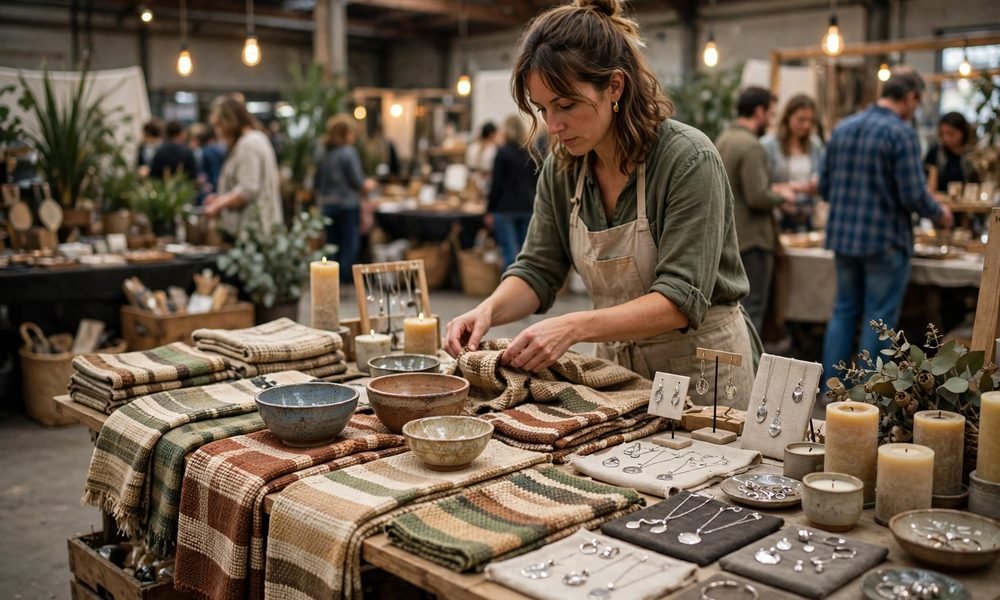
Crafts sit at the centre of these markets. You will find handmade jewellery, ceramics, textiles, paintings, sculpture and woodwork, all made by local and regional artists. Look for hand-poured candles, natural skincare, woven scarves, leather goods and small homewares that you will not find in a chain store.
The quality is high because the markets are curated. Stallholders must make what they sell, and the standard shows. If you want a gift that feels personal, this is the place to find it. A handmade bowl, a piece of local art or a bar of small-batch soap makes a better souvenir than anything from an airport shop, and the maker can often tell you the story behind it.
Vintage, Antiques and Collectibles
The markets have a strong collectibles streak. You will find stalls selling old books, vinyl records, vintage clothing and accessories, and antiques of all kinds. Collectors know to come early, because the good pieces go fast.
If you love a hunt, give the vintage and collectibles stalls extra time. They reward slow browsing. A first edition, a rare record or a piece of old Canberra memorabilia can turn up when you least expect it, and haggling is part of the fun at some stalls. Keep an eye out for themed collectibles days, when the vintage traders bring out their best stock.
Art, Jewellery and Homewares
Art lovers are well served here. Local painters, printmakers and photographers sell original work and prints, and you will often find Indigenous art and design among the stalls. Jewellery covers a wide range. You will find simple silver pieces as well as bold statement work, and many jewellers take custom orders if you want something made just for you.
Homewares are just as strong. Think handmade cushions, tableware, lamps, wall art and small furniture pieces. If you are setting up a home in Canberra, a morning here can fill a shelf with pieces that actually mean something. Prices vary a lot, so set a budget before you start and stick to it.
What to Eat at the Markets
Food is the other half of the markets, and it is worth arriving hungry. The gourmet food hall and the hot food stalls cover a huge range. You can pick up fresh bread and cheese, or sit down to a full international meal.
The Gourmet Food Hall
The gourmet food hall is where you stock the pantry. You will find artisan cheeses, smallgoods, olives, dips, jams, honey, chocolates and freshly baked bread. Taste tests are common, so take your time and try before you buy. The cheese and deli stalls are a highlight, and the bakers often sell out of the popular loaves by late morning.
Fresh produce is on offer too, with organic fruit and vegetables, eggs and flowers from local growers. If you are staying in self-contained accommodation, this is a great place to buy breakfast supplies for the rest of your trip. Many vendors cater for gluten-free and vegan diets, so ask if you need something specific.

International Street Food
Hot food stalls serve dishes from around the world, and the range changes from week to week. Gozleme, jianbing and Ethiopian dishes are among the favourites that regulars seek out, and you will also find dumplings, curries, paella and fresh seafood depending on who is trading that Sunday.
One stall worth seeking out is Fekerte’s Ethiopian Cuisine, a long-time favourite with locals. Order a plate, find a spot to sit, and eat slowly. The food stalls are spread through the hall and out into the food truck area, so wander before you commit. The smell alone will guide you.
Coffee, Cakes and Sweet Treats
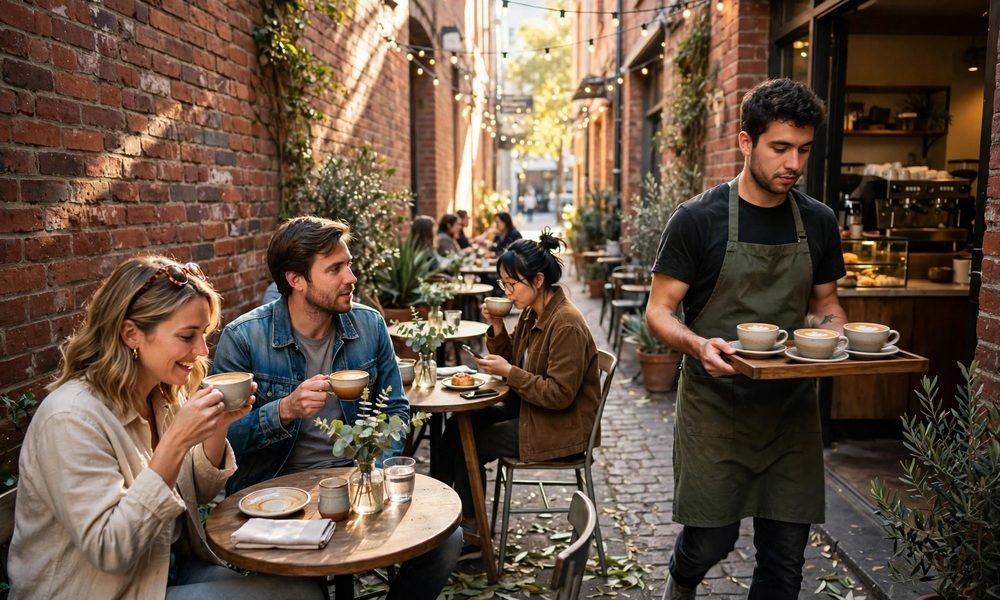
Canberra takes its coffee seriously, and the markets are no exception. You will find locally roasted coffee at several stalls, plus cafes inside the hall serving hot drinks to go with your browsing. Grab a flat white early and carry it with you as you shop.
Sweet tooths are covered too. Cannolis, pastries, cakes, handmade chocolates and lollies all have a place here. The bakery stalls are busiest in the first hour, so if you want a specific loaf or pastry, head there first. A box of chocolates or a bag of fresh pastries also makes an easy gift to take home.
Live Music, Themed Days and Special Events
The markets are never silent. Buskers and live bands play through the morning, and the music is a big part of the atmosphere. Some weeks you will find a folk duo in a corner; other weeks a full band fills the hall. The sound carries across both levels, so you are never far from a tune.
Themed markets run through the year and add a fresh reason to visit. Multicultural days celebrate the food and craft of Canberra’s many communities. Fashion-focused markets bring extra clothing and jewellery traders. Food festivals put the spotlight on a cuisine or a season. Check the official site at obdm.com.au before you go to see what is on for your Sunday.
Christmas Markets and Seasonal Events
December is the busiest month at the markets. The Christmas markets run on Sundays in the lead-up to Christmas, with handcrafted decorations, unique gifts, gourmet treats and local seasonal produce. You can expect family and pet photos with Santa, gift wrapping for a gold coin donation to charity, and stalls full of holiday-themed handmade goods.
In 2026 the Christmas markets fall on Sundays 6, 13 and 20 December, running at the usual hours of 9:30am to 2:30pm with free entry. If you plan to do your Christmas shopping here, come early in December, because the best handmade gifts sell out fast. Easter is another big one, with an Easter Bunny, themed treats and plenty of chocolate.
Other dates worth noting include the Jewel of Canberra jewellery and fashion market, a celebration of local craftsmanship with handcrafted jewellery, fashion, accessories, ceramics, natural skincare, plants and gourmet treats. Themed days like this one bring extra traders, so the hall is even fuller than usual.
Planning Your Visit
A little planning makes the morning much smoother. The markets are only open for five hours each week, and the crowd builds fast. Here is what you need to know before you go.
Hours and Entry
The markets are open every Sunday from 9:30am to 2:30pm. Entry is free, and there is no need to book. The markets run rain, hail or shine, because most of the stalls are indoors. That makes them a safe plan even when Canberra’s weather turns.
Stalls must stay set up until 2:30pm, so you can shop right up to closing time. That said, the best stock is gone by midday, and some food stalls sell out well before closing. If there is something specific you want, do not leave it to the last hour.
The Best Time to Arrive
The best time to arrive depends on what you want from the visit. If you want the widest choice and the shortest queues, get there for opening at 9:30am or just after. The first hour is calm, the bakers still have full shelves, and you can browse without the crowds.
Late morning, from about 11am to 12:30pm, is the liveliest time. The hall is buzzing, the music is going, and the food stalls are at their best. This is the time to come if you want atmosphere and a long brunch. The trade-off is crowds and queues at the popular food stalls.
Early afternoon is quieter. The crowds thin out after 1pm, and you can browse in peace, but some stalls will have sold out of their best pieces. If you are after a bargain or a relaxed wander rather than a specific purchase, the last hour suits you well.
How Long to Allow
Allow at least two hours for a proper visit. A quick lap takes about an hour, but you will want time to stop, taste, chat with makers and sit down for food. If you love markets, you could easily spend the full morning here, from 9:30am through to lunch.
Families should allow extra time. Kids enjoy the food stalls, the music and the sheer variety of things to look at, and the markets are a relaxed place to wander with a pram. For more family ideas, see our guide to Canberra with kids.
Getting There and Parking
The markets sit at 21 Wentworth Avenue, Kingston, on the southern side of Lake Burley Griffin. Kingston is a short drive from the city centre, and the markets are easy to reach by car, bus, bike or on foot from nearby suburbs.
Parking Near the Markets
Parking is the one thing visitors complain about, so plan for it. The Kingston underground car park is the closest option and the one most regulars use, but it fills up on busy Sundays. The Foreshore car park is a short walk away and is a good back-up. Residential streets around Kingston also offer street parking, though you may need to walk a few blocks.
The best advice is simple: arrive early. If you get there before 10am, parking is easy. After 11am, expect to circle or walk. Allow an extra 15 minutes for parking on a busy Sunday, and do not leave it to the last minute.
Bus, Walking and Cycling
Bus routes serve the Kingston area, and the markets are an easy trip from the city centre and surrounding suburbs. Check the Transport Canberra journey planner before you go for the best route from where you are staying. For the full picture on buses, light rail and fares, see our guide to getting around Canberra.
If you are staying nearby, walking or cycling is a great option. The markets sit close to the Kingston Foreshore and the Lake Burley Griffin walking and cycling paths, so you can ride in, lock your bike up, and enjoy the morning without thinking about parking at all. The paths around the lake are flat and well kept, and the ride from the city centre is an easy one.
A Simple Plan for Your Sunday Morning
If this is your first visit, here is a simple plan that works well. Arrive at 9:30am when the doors open. Start with a coffee and a pastry from the bakery stalls, then do a slow lap of the ground floor to see what is on offer. Note the stalls you want to come back to.
Next, head up to the second level and browse the craft and art stalls. This is where the unique gifts live, so take your time. Chat with the makers. Ask how things are made. Most stallholders love talking about their work, and you will learn things you would never learn from a price tag.
By late morning, head back down for lunch. Pick a hot food stall, find a seat, and enjoy the music. After lunch, do a final lap for the things you noted earlier, then buy what you want before the stalls start to sell out. Leave by 1pm or 1:30pm and you will have had a full morning without feeling rushed.
Where to Go After the Markets
The markets end at 2:30pm, but your Sunday does not have to. Kingston is one of Canberra’s best precincts for an afternoon wander, and the area around the markets has plenty to offer.
Canberra Glassworks sits right next door to the markets, in the same historic Kingston Powerhouse precinct. It is a working glass studio and gallery where you can watch artists shape hot glass, browse the shop, and see exhibitions. It is an easy add-on to your market visit and well worth an hour.
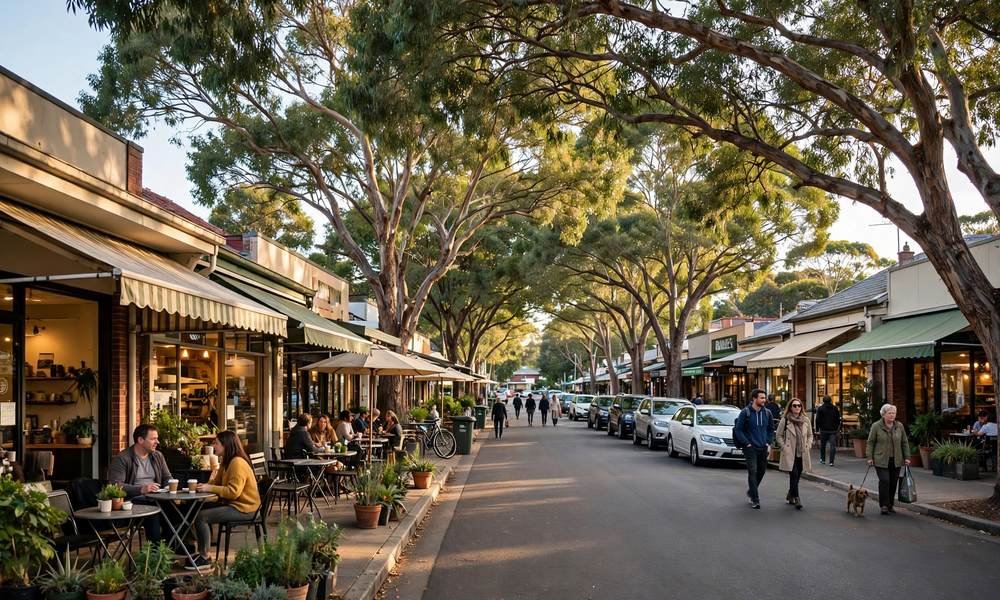
From the markets, it is a short walk to the Kingston Foreshore, where you can stroll along the water, sit at a cafe, or watch the boats on the lake. The foreshore has restaurants, bars and cafes with lake views, and it is a good spot for a late lunch if you are still hungry after the markets.
If you have energy left, the Lake Burley Griffin path runs right past Kingston. A walk or ride along the lake is one of the best free things to do in Canberra, and it pairs well with a market morning. See our Lake Burley Griffin guide for routes and stops. If you are staying overnight, our guide to where to stay in Canberra covers the best areas, including Kingston itself.

Tips for First-Time Visitors
A few simple tips will make your first visit much better. First, bring cash. Many stalls take cards these days, but some smaller makers are cash-only, and you do not want to miss out on something you love because you have no notes. An ATM is not always close by, so bring cash with you.
Second, bring your own bags. You will buy more than you expect, and a sturdy tote bag or two will save you juggling armfuls of purchases. Some stalls provide bags, but not all of them.
Third, wear comfortable shoes. You will be on your feet for a couple of hours, walking on hard floors and up and down between the two levels. The markets are wheelchair accessible, with ramps and wide aisles, and there are toilets on site.
Fourth, bring the dog. The markets are pet-friendly, and dogs are a common sight on a Sunday morning. There is even a stall selling natural dog treats on the ground floor. Keep your dog on a lead and be mindful of the crowds, but do not leave them at home.
Fifth, ask before you photograph a stallholder’s work up close. Most makers are happy for you to take photos, but it is polite to ask first, especially if they are in the middle of making something. The hall itself, with its high roof and industrial look, makes a great backdrop for photos.
Finally, check the official site at obdm.com.au before you go. It lists themed markets, special events and any changes to hours. The markets run every Sunday, but a themed day can change the feel of the visit, and you will want to know what is on.
FAQs About Visiting the Markets
What time do the markets open?
The markets are open every Sunday from 9:30am to 2:30pm. They run rain, hail or shine, as most stalls are indoors.
Where are the markets?
The markets are at 21 Wentworth Avenue, Kingston, in the Australian Capital Territory, on the southern shore of Lake Burley Griffin. The phone number is 02 6295 3331.
Is entry free?
Yes, entry is free. You only pay for what you buy from the stallholders.
Are dogs allowed at the markets?
Yes, the markets are dog-friendly. Dogs on leads are welcome, and there is a stall selling natural dog treats on the ground floor.
Is there parking at the markets?
Yes, but it fills up. The Kingston underground car park is closest, with the Foreshore car park and nearby residential streets as back-ups. Arrive before 10am for the easiest parking.
Do stalls take cards, or should I bring cash?
Many stalls take cards, but some smaller makers are cash-only. Bring cash so you do not miss out.
Are the markets wheelchair accessible?
Yes. The markets are wheelchair accessible, with ramps and wide aisles across both levels.
What can I buy at the markets?
Handmade jewellery, ceramics, textiles, art, homewares, candles, natural skincare, vintage clothing, books, records, antiques, fresh produce, artisan food and much more. More than 200 stalls trade each Sunday.
What is the best time to visit?
Arrive at 9:30am for the best choice and shortest queues. Late morning is best for atmosphere and live music. Early afternoon is quietest but some stalls sell out.
Are the markets good for kids?
Yes. Kids enjoy the food, the music, the colours and the variety. The markets are pram-friendly, and the Kingston Foreshore nearby gives them room to run around afterwards.
Final Thoughts on Visiting the Old Bus Depot Markets
These markets are the closest thing Canberra has to a weekly ritual. They are not a tourist trap, and they are not a shopping centre with a market theme. They are a real gathering of makers, growers, cooks and collectors in a grand old building that has served the city since the 1940s.
Go early, go hungry, and go with an open mind. Talk to the makers. Taste the food. Buy something made by hand. Then walk down to the foreshore, sit by the lake, and enjoy the rest of your Sunday. That is what the markets are for, and it is why Canberrans keep coming back, week after week, year after year.
For more ideas on how to spend your weekend in the capital, Australia City Guide has full guides to the city’s best restaurants, cafes, suburbs and day trips. Start with our picks for the best restaurants in Canberra and the best cafes in Canberra, and plan your next Sunday around the markets.
Keep exploring:
- Things to Do in Canberra: Complete Guide
- Free Things to Do in Canberra
- Lake Burley Griffin: Complete Guide
- Braddon Canberra: Food & Culture Guide
- Manuka Canberra: Suburb Guide
- Canberra City Centre (Civic): Complete Guide
- Where to Stay in Canberra: Best Areas & Hotels
- Getting Around Canberra: Transport Guide
- Best Day Trips from Canberra
- Canberra with Kids: Family Guide