Melbourne is one of the easiest cities in Australia to enjoy for free. You can fill a whole day with world-class art, grand old buildings, green gardens and live music without paying for a single ticket. The best free things to do in Melbourne are not second-rate extras either. They are the same places locals love and return to week after week: the Royal Botanic Gardens, the State Library, and the street art lanes in the city centre.
This guide covers the best of them, grouped so you can plan by mood: gardens and parks, art and museums, history, laneways, views, markets, kids and events. Then it answers the planning questions: how many days you need, the best time to go, where to stay cheaply, how to get around for free, and a simple one-day plan that costs nothing. If you are new to the city, start with our Things to Do in Melbourne guide for the full picture, then use this page to keep your wallet shut.
Free Gardens and Parks in Melbourne
Melbourne’s gardens are free, open every day and easy to reach. They suit slow mornings, picnics, family days and anyone who needs a break from the city streets. These four are the best places to start.
Royal Botanic Gardens
The Royal Botanic Gardens cover 38 hectares on the edge of the city, beside the Yarra River in South Yarra. Lawns, lakes, tree-lined paths and quiet corners fill the whole site, so it never feels crowded even on a sunny weekend. The Ornamental Lake sits near the middle and makes a good first stop. From there you can follow the paths past the herb garden, the fern gully and the open lawns where families spread picnic rugs.
Allow at least two hours here. If you like walking, the Tan Track runs around the edge of the gardens and the Kings Domain next door. It is a 3.8 kilometre loop that locals use for running, and it gives you a steady view of the gardens on one side and the city on the other. Free guided walks run on some days, so check the board near the visitor centre when you arrive. The Children’s Garden is a fenced area with water play and plant tunnels, and it is free when open. Bring water and snacks, as the cafe inside the gardens charges cafe prices.
Fitzroy Gardens
Fitzroy Gardens sit on the eastern edge of the city, a short walk from Parliament Station. They are smaller and calmer than the Botanic Gardens, with tall elm trees, wide lawns and winding paths. Kids love two things here: the model Tudor Village, a tiny streetscape built in the 1940s, and the Fairy Tree, an old elm carved with fairies and small animals. Both are free to look at.
The Conservatory is a Spanish Mission style glasshouse in the middle of the gardens. It holds changing flower displays through the year and costs nothing to enter. This is a good garden for a short visit. Give it 45 minutes to an hour, then walk on to the city or down to the Yarra.
Carlton Gardens and the Royal Exhibition Building
Carlton Gardens wrap around the Royal Exhibition Building, a grand 19th century hall that you can admire from the outside for free. The gardens have fountains, Moreton Bay fig trees and long lawns, and they sit right next to Melbourne Museum. The museum itself charges adults for entry, but the gardens cost nothing and the building makes a fine backdrop for photos.
Come here in the morning when the light is soft and the paths are quiet. The gardens are also a handy stop if you are walking between the city and the inner north. A playground sits on the southern side, so it works well for families who want a break between stops.
Albert Park Lake and St Kilda Foreshore
Albert Park Lake is a flat loop south of the city with skyline views across the water. Walkers, runners and cyclists share the path, and the whole loop takes about an hour at a gentle pace. Black swans live on the lake, and you will often see rowing crews out early in the morning.
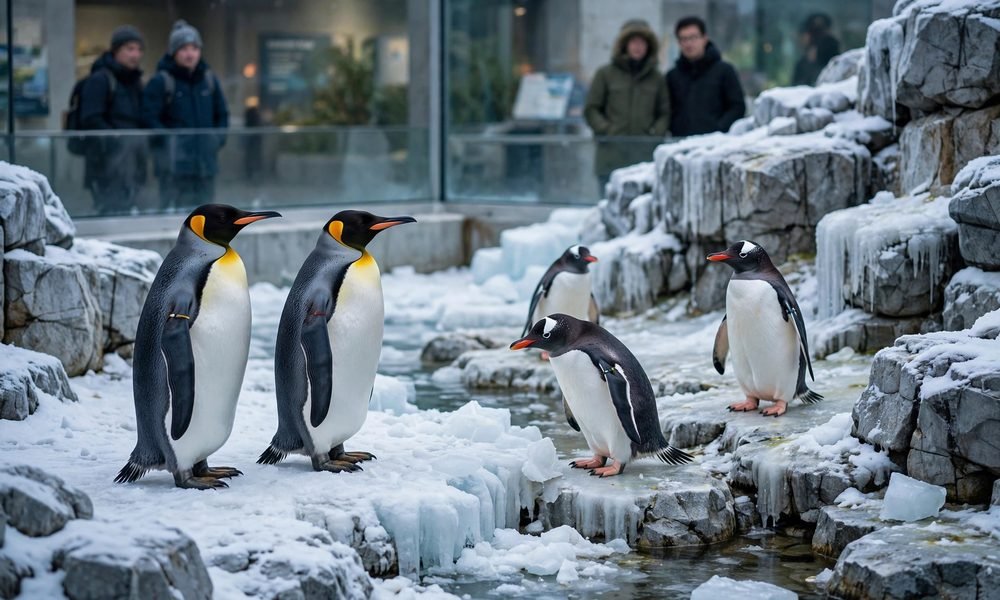
Keep going south and you reach St Kilda Foreshore, where the city gives way to the bay. The beach, the pier and the palm-lined Esplanade are all free. Walk out along St Kilda Pier for open water views back toward the city, and if you are there at dusk, look for the little penguins that come ashore near the breakwater. Acland Street, just back from the beach, is good for window shopping and people watching. Luna Park sits at the end of the street, and while the rides cost money, the famous smiling face at the gate is free to photograph. For more ideas in the area, see our Things to Do in Melbourne guide.
Free Art Galleries and Museums
Melbourne’s best art costs nothing to see. The permanent collections at the big galleries are free every day, and the smaller spaces change their shows often, so there is always something new even if you have been before. Start with these five.
NGV International
NGV International stands on St Kilda Road, just south of the river. It is Australia’s oldest and most visited art museum, and entry to the permanent collection is free. Inside you will find European paintings, Asian art, sculpture and design spread across several floors. Two things catch almost every visitor: the Water Wall at the entrance, a sheet of water you walk through to get in, and the stained-glass ceiling in the Great Hall, which throws soft colour across the floor on sunny days.
Give it two to three hours if you like art, or one hour for a quick pass through the highlights. Some special exhibitions charge for entry, so check the signs at the door and stick to the permanent galleries if you want to spend nothing. The gallery is open daily. For a deeper look at this gallery, read our NGV International guide.
NGV Australia at Federation Square
NGV Australia sits inside Federation Square in the Ian Potter Centre, and it is free too. This is the Australian collection, with Aboriginal and Torres Strait Islander art on the ground floor and Australian paintings, prints and sculpture upstairs. The ground floor gallery is one of the best places in the city to see First Nations art, and it is worth your time even if you only have half an hour.
Free highlight tours run daily from both NGV buildings. They last about an hour and a good guide will point out works you would walk straight past on your own. Both galleries sit within easy walking distance of each other, so you can see both in one afternoon.
ACMI
ACMI, the Australian Centre for the Moving Image, sits in Federation Square next to NGV Australia. Its permanent show, The Story of the Moving Image, is free and it is a treat for film and TV fans. You can walk through the history of screen culture, play with interactive displays and see props and costumes from Australian film and television, including a good dose of Neighbours nostalgia.
Allow one to two hours. Kids like the hands-on parts, and the shop is fun to browse even if you buy nothing. Some special exhibitions and cinema screenings charge, but the main galleries are free. If you want more gallery ideas, our Best Museums in Melbourne guide covers the paid ones too, so you can pick what is worth your money.
Koorie Heritage Trust
The Koorie Heritage Trust sits in Federation Square at street level, and entry is free. It is a small space with a big job: sharing the art, history and living culture of Victoria’s First Peoples. The permanent social history exhibition explains what this place was like before British colonisation, and the gallery shows changing exhibitions by Aboriginal artists.
This is a quiet, thoughtful stop. Give it 30 to 45 minutes. The shop sells books and art by First Nations makers, and the staff are happy to answer questions about the work on show.
Australian Centre for Contemporary Art
ACCA sits on Southbank, a short walk from NGV International across the river. The building itself is worth a look: a rust-red steel box that stands out from everything around it. Inside, the shows change through the year and cover new Australian and international art, often bold and sometimes strange.
Entry is free. Allow 45 minutes to an hour. This is a good stop to pair with a walk along Southbank, and it suits visitors who like new art more than old masters.
Free History and Heritage
Melbourne’s history is on show in buildings you can walk into for free. Some hold museums, some run free tours, and some are simply grand spaces that cost nothing to enjoy. These four are the best.
State Library Victoria
The State Library Victoria stands on Swanston Street in the middle of the city, and it is one of the finest free experiences in Melbourne. The building dates from the 1850s and holds more than two million books, but most visitors come for the space itself. The La Trobe Reading Room is a vast domed hall with desks fanning out under a high ceiling, and the light that falls through the dome makes it one of the most photographed rooms in the city.
Walk in, pick up a free map at the front desk and take the self-guided tour through the reading rooms and exhibition galleries. The library runs free exhibitions, talks, workshops and kids’ activities through the year, so check the program board near the entrance. You can also join a free guided tour if you want the stories behind the building. Give it at least an hour, longer if an exhibition catches your eye.

Shrine of Remembrance
The Shrine of Remembrance stands on St Kilda Road in Kings Domain, and it is free to enter. The building was completed in 1934 as a memorial to Victorians who served in the First World War, and it now honours all Australians who have served. Inside, the Sanctuary holds the Stone of Remembrance, and the galleries below tell the stories of service through objects, letters and photos.
Climb the steps to the balcony for one of the best free views in Melbourne. The city skyline lines up along Swanston Street in front of you, and on a clear day you can see right across to the bay. The Shrine is also the focus of Melbourne’s Anzac Day dawn service each year. Allow one to two hours, and take the free guided tour if one is running when you visit.

Old Treasury Building
The Old Treasury Building sits on Spring Street at the top end of Collins Street, and it is free to enter. It was built in the 1800s to hold the gold that poured in during the gold rush, and today it holds small, sharp exhibitions about how Victoria grew. The gold vaults in the basement are the highlight: you can stand in the rooms where the colony’s gold was once locked away.
This is a compact museum, so allow 45 minutes to an hour. It suits visitors who like history without the crowds, and it pairs well with a walk down Collins Street or a visit to Parliament House nearby.
Parliament House and Melbourne Town Hall Tours
Two of Melbourne’s grandest public buildings run free tours, and both are worth booking. Parliament House stands on Spring Street, and its free public tours take you through the grand corridors and chambers where Victorian politics happens. You can also sit in the public gallery and watch parliament in session for free when it is sitting, which is a strange and oddly fun way to spend an hour.
Melbourne Town Hall stands on Swanston Street, and its free weekday tours go behind the scenes of a building that has hosted concerts, civic events and famous visitors for more than 150 years. The highlight is the portico, the covered balcony where The Beatles and ABBA once waved to crowds below. Book both tours ahead through the official websites, as places fill up.
Laneways, Street Art and Grand Old Buildings
Melbourne’s laneways are its signature. The narrow streets that run off the main grid are full of street art, small bars, cafes and shops, and walking them costs nothing. The city’s old buildings are just as free to admire from the street, and a few let you step inside.
Hosier Lane and the Laneway Walk
Hosier Lane sits opposite Federation Square, and it is the most famous street art lane in Melbourne. The walls are covered in murals, paste-ups and tags that change all the time, so no two visits look the same. Go early in the morning if you want photos without crowds, or late in the afternoon when the light is warm and the lane is at its busiest.
From Hosier Lane, keep walking north through the maze of lanes. AC/DC Lane honours the band with rock-themed murals. Union Lane runs off Bourke Street Mall and is good for quick photos. Centre Place and Duckboard Place are quieter and full of small cafes. Give the laneway walk at least an hour, and wear good shoes: the bluestone lanes are uneven in places.

Arcades Worth Wandering Through
Melbourne’s old shopping arcades are free to walk through and full of detail. The Block Arcade dates from the 1890s and has a mosaic floor, glass roof and old shopfronts that make it feel like a small piece of Europe. The Royal Arcade is the city’s oldest arcade, and its shopfronts and the Gog and Magog figures above the doors are worth a look. The 333 Collins Street building has a grand domed banking chamber inside, and you can step in from the street to see it for free.
These arcades sit within a few minutes of each other in the city centre, so you can see all three in one short walk. They are also handy on a rainy day, as you can stay under cover most of the way.
Grand Churches and Cathedrals
You do not need to be religious to enjoy Melbourne’s grand churches, and all of them are free to step into. St Paul’s Cathedral stands on Flinders Street opposite Federation Square, a Gothic church with a tall spire and fine stained glass. St Patrick’s Cathedral in East Melbourne is the largest church in Victoria, built in bluestone with a calm, cool interior. St Michael’s Uniting Church on Collins Street has fine woodwork and mosaic floors, and it hosts free lunchtime organ recitals on Thursdays.
Visit quietly, keep your voice down, and check whether a service or concert is running before you walk in. The churches are at their best in the late afternoon, when the light comes through the windows.
Free Views and Riverside Walks
You do not need to pay for a sky deck to see Melbourne well. The river, the bay and the high points around the city give you the views for free, and the walks that link them are some of the best in the city.
Yarra River and Southbank Promenade
The walk along the Yarra starts at Federation Square and runs west along Southbank Promenade. Street performers work the path, the river carries rowing boats and ferries, and the city skyline rises on the far bank. Keep walking to the Crown riverfront, where the fire towers light up every hour after dark.
Cross at Princes Bridge for the classic photo: the river in front, the city behind, best at sunset. Birrarung Marr, the park beside Federation Square on the river bank, is a good place to sit and watch the city go by. The whole walk from Federation Square to Docklands takes about 45 minutes at a stroll.
Princes Pier at Sunset
Princes Pier in Port Melbourne is one of the best sunset spots in the city. The old timber pylons stand in the water beside the restored pier, and the light over Port Phillip Bay turns the whole scene gold. It is a favourite with photographers, and it is easy to reach by tram from the city.
Get there 30 minutes before sunset and stay for the colours after the sun goes down. The walk from the pier back along the foreshore to St Kilda takes about 40 minutes and is flat and easy.
Brighton Bathing Boxes
The Brighton Bathing Boxes are the 82 small beach huts that line Dendy Street Beach in Brighton, and they are free to see and photograph. The boxes were built in the 1800s as private changing rooms, and their bright paint still makes them one of the most photographed sights in Melbourne. The beach is a 20 minute train ride from the city on the Sandringham line, then a short walk from Brighton Beach station.
Go in the morning for soft light and fewer people, and walk the coastal path in either direction for more beach views. The boxes are private property, so admire them from the sand and do not try to open them.
Free Markets and Local Life
Melbourne’s markets are free to enter, and browsing costs nothing. The food and shopping cost money, but the walk through the stalls, the smells and the noise are free, and they show you the city at its most alive.
Queen Victoria Market
Queen Victoria Market is the largest open-air market in the Southern Hemisphere, and it has traded on this site since the 1870s. The sheds hold fresh produce, deli goods, clothes and souvenirs, and the whole place hums on market days. Go to browse, taste the free samples and soak up the noise. If you want to buy lunch, the food stalls are good value, but you can enjoy the market without spending a cent.
The market trades Tuesday and Thursday to Sunday, and it is closed on Mondays and Wednesdays. Get there before 10 am to beat the crowds, and check the market’s site for night market dates in summer, when the sheds fill with food stalls and live music.
South Melbourne Market
South Melbourne Market is smaller and more local than Queen Vic, and it has a different feel. The covered halls hold food stalls, fresh produce and local makers, and the crowd is mostly locals doing their weekly shop. It is a good place to see how Melburnians eat and shop, and it is free to wander.
Walk here from the city in about 30 minutes, or take a tram down Clarendon Street. Pair it with a walk around Albert Park Lake, which is close by.
Chinatown and Little Bourke Street
Melbourne’s Chinatown runs along Little Bourke Street in the city centre, and it has been the centre of the city’s Chinese community since the 1850s. Five traditional arches mark the strip, and the street is lined with restaurants, grocers and gift shops. It costs nothing to walk through, and the lanterns and signs make it one of the most photogenic streets in the city.
Come at Lunar New Year, in February, when the street fills with lion dances and crowds. The Chinese Museum on Cohen Place tells the story of Chinese Australians, and it charges a small entry fee, but the street itself is free.
Free Things to Do in Melbourne With Kids
Melbourne is kind to families on a budget. The playgrounds are big, the gardens are open, and several of the best kids’ activities in the city cost nothing at all.
Royal Park Nature Play
Royal Park Nature Play sits in Royal Park, just north of the city, and it is one of the best free playgrounds in Melbourne. Kids can climb, dig in sand, splash in water play areas and build with loose parts. The space suits younger kids best, and there is plenty of shade and lawn for parents to sit on.
Get there by tram up Royal Parade, and bring snacks and water. There is no cafe inside the play space, so pack a picnic if you plan to stay a while.
St Kilda Adventure Playground
St Kilda Adventure Playground sits in the back streets of St Kilda, and it is built for active kids. Ramps, slides, climbing frames and a big pirate ship keep older kids busy, and the space is fenced and easy to watch. It is a good stop after a walk along the foreshore, and it is free every day.
ArtPlay at Birrarung Marr
ArtPlay sits in Birrarung Marr, the park beside Federation Square on the Yarra. It runs free creative sessions for kids aged up to 12, with professional artists leading workshops in drawing, making and performance. Sessions are popular and some need booking, so check the program before you go. Even when no session is running, the playground beside ArtPlay and the open lawns of Birrarung Marr are free and worth a visit.
Children’s Garden at the Botanic Gardens
The Children’s Garden inside the Royal Botanic Gardens is a fenced garden built for kids, with plant tunnels, a water play area and a creek to splash in during summer. It is free when open, though it sometimes closes in wet weather or for upkeep. Check at the visitor centre before you walk over, as it sits at the far end of the gardens.
For more family ideas, our Melbourne With Kids guide covers the paid attractions too, so you can mix free and paid days.
Free Events, Festivals and Live Music
Melbourne runs on free events. On any given week you can find outdoor concerts, festivals, markets and talks that cost nothing, and the big annual festivals are free to attend as well. Check the city’s event listings close to your travel dates, as times and locations change each year.
Federation Square Events
Federation Square is the city’s main public square, and something free is almost always happening there. The big screen shows sport and cultural events, the square hosts festivals, markets and community celebrations, and the buildings around it hold free talks and exhibitions. Grab a seat on the steps and watch the city go by. It is one of the best free places to feel Melbourne’s mood on any day.
Free Concerts and Lunchtime Music
Free live music is easy to find in Melbourne. The Sidney Myer Music Bowl hosts free outdoor concerts in summer, and the Melbourne Symphony Orchestra plays free shows there on some nights. Bring a blanket and a picnic and settle on the lawn. In the city, free lunchtime concerts run through the week: classical music at Scots’ Church on most Tuesdays at 1 pm, lunchtime concerts at St Paul’s Cathedral on Wednesdays at 1 pm, and organ recitals at St Michael’s Uniting Church on Thursdays at 1 pm. Bourke Street buskers add free music to the shopping strip most days.
Beyond the formal concerts, free gigs run in pubs and bars across the city nearly every night of the week. Check the gig guides in the local press or on community radio station Triple R’s website to find one near you.
Big Free Festivals Through the Year
A few dates are worth planning around. Moomba fills the Yarra riverfront with free family fun each March long weekend. Open House Melbourne opens heritage buildings for free tours each July, and it is the one weekend of the year you can step inside places that are normally closed. The Victorian Seniors Festival runs free events across the city each October, and Melbourne Fashion Week and the Melbourne Writers Festival both run free events in their seasons. Chinese New Year brings lion dances and street parties to Chinatown each February, and the St Kilda Festival in February is a free day of live music by the beach. At Christmas, the city puts on light projections on the Town Hall and other buildings, and the night markets at Queen Victoria Market run through summer with free entry.
Melbourne for Free After Dark
Melbourne does not shut down when the sun goes down, and several of the best free experiences happen after dark. Walk along Southbank after dusk to see the Crown fire towers light up every hour. The city lights reflect on the Yarra, and the promenade stays busy late into the evening.
At St Kilda Pier, the little penguins come ashore at dusk near the breakwater. Stand quietly on the pier and you can watch them waddle up the rocks. The Queen Victoria Market night markets run on Wednesday nights in summer with free entry, live music and food stalls. In December, the Christmas projections turn the Town Hall into a giant light show, and the walk through the city to see them costs nothing. If you like photography, the city is at its best after rain, when the wet streets reflect the lights.
How Many Days Do You Need for the Free Sights?
One full day covers the highlights: the laneways, Federation Square, the State Library, NGV International and a walk along the Yarra. Two days let you slow down and add the Royal Botanic Gardens, the Shrine, the markets and a trip to St Kilda or Brighton. Three days give you room for the outer freebies too: the Kokoda Track Memorial Walk in the Dandenongs, the RAAF Museum at Point Cook, or a beach day at St Kilda.
If you only have one day, follow the itinerary below. If you have more, use the extra time to revisit the places you liked and to wander the suburbs. Melbourne rewards slow looking, and the free sights are spread out enough that rushing them spoils the fun.
Best Time to Visit Melbourne for Free Things
Melbourne’s free sights work in every season, but the experience changes with the weather. Summer brings long days, outdoor concerts and night markets, but it can also bring very hot days when the gardens are best visited early. Autumn is the sweet spot: mild days, clear light and fewer crowds. Winter is cold and the days are short, but the galleries, libraries and museums are warm and free, so it is the best season for indoor days. Spring brings the gardens into flower and the festival season starts up again.
Melbourne’s weather can change fast, so pack a light rain jacket whatever the season, and plan each day with one indoor backup. A rainy morning at the State Library or NGV, followed by a sunny afternoon in the gardens, is a good way to play it. For a month by month breakdown, read our Best Time to Visit Melbourne guide.
Where to Stay to Keep Costs Down
Where you stay shapes how much of Melbourne you can see for free. The city centre puts you within walking distance of the laneways, the State Library, Federation Square and the Free Tram Zone, so you can skip paid transport most days. Southbank and Docklands are also close to the free sights and the river walks.
If the city centre is too pricey, look at the inner suburbs on the tram lines: Carlton, Fitzroy, Richmond and South Yarra all have hostels and budget stays, and the tram ride into the city is short. Staying near a tram stop matters more than staying in the centre itself, as long as you are inside the Free Tram Zone or close to it. Our Where to Stay in Melbourne guide compares the best areas and stays for every budget.
Getting Around Melbourne for Free
Melbourne has one of the best tram networks in the world, and a good part of it is free. Here is how to use it without paying.
The City Circle Tram
The City Circle Tram is a free heritage tram that loops around the city centre and down to Docklands. The maroon and gold W class trams run the route with wooden seats and brass hand straps, and the onboard commentary points out the sights as you pass them. It is a fun first-day ride: sit on it for a full loop, note the stops you like, then go back to them on foot. The loop passes the State Library, Bourke Street Mall, Federation Square and Docklands, so it covers most of the free sights in one ride.
The Free Tram Zone
On top of the City Circle Tram, all trams are free inside the Free Tram Zone, which covers the city centre and Docklands. If your whole trip stays inside the zone, you never need a ticket. Step outside the zone and you need a myki card, so check the zone map at the tram stop before you ride out to St Kilda, the Botanic Gardens or Carlton. The gardens and St Kilda sit outside the zone, but the tram fare is small and the walk is easy if you would rather not pay. Most of the free sights in this guide sit inside the zone or a short walk from its edge.
One Free Day in Melbourne: A Simple Itinerary
Here is a free day that works. It stays mostly in the city centre, uses the free tram, and mixes art, history, gardens and views without rushing.
Morning
Start at the State Library Victoria when it opens. Spend an hour in the La Trobe Reading Room and the free exhibitions. Then walk through the laneways: up to Hosier Lane for street art, then back through the Block Arcade and Royal Arcade. Stop for a coffee if you like, but the walk itself is free.
Afternoon
Walk down to Federation Square for lunch on the steps, then spend the afternoon at NGV International or NGV Australia. If the weather is good, cross to the Royal Botanic Gardens instead and spend the afternoon on the lawns and paths. Finish with a walk along the Yarra to Southbank as the light softens.
Evening
Head to the Shrine of Remembrance balcony for sunset views over the city, or ride the City Circle Tram for a slow loop as the lights come on. If it is summer, check whether the night market or a free concert is running, and end the day there.
Free Walking Tours Worth Joining
A good walking tour helps you see a city fast, and Melbourne has free options. I’m Free Walking Tours runs tip-based tours of the city centre, laneways and street art, so you pay what you think it was worth at the end. The Melbourne Greeter Service pairs you with a local volunteer for a free walk around the city, which suits visitors who like a slower pace and a local’s view. The City of Melbourne also publishes free self-guided walking maps you can download and follow on your own.
Book ahead for the guided tours, as groups are small. Wear good walking shoes, bring water, and tip your guide if you enjoyed the walk: the tours are free to join, but the guides work for tips.
Money-Saving Tips for a Free Day in Melbourne
Free sights still cost money if you buy food, drinks and transport all day. A few habits keep the day truly free. Fill a water bottle before you leave: drinking fountains and taps are easy to find in the gardens and parks. Pack lunch from a supermarket or the Queen Victoria Market food hall instead of buying cafe meals. Use the Free Tram Zone and walk the rest: most free sights sit within a 20 minute walk of each other in the centre.
Pick one main area per half day instead of crossing the city between every stop. That saves time and fares. Check the weather before you go and carry a light jacket, so a shower does not push you into a paid cafe. And remember that browsing is free: the markets, arcades and galleries are all free to look around, so you only pay when you choose to.
What Is Not Free (So You Don’t Get Caught Out)
Melbourne’s free list has limits, and it helps to know them before you go. The NGV’s special exhibitions charge for entry, even though the permanent collection is free. Melbourne Museum charges adults for entry, though kids under 16 go in free. Luna Park’s rides cost money, even though the gate and the foreshore are free. Food at the markets costs money, even though entry is free. Trams outside the Free Tram Zone need a myki card. And the Eureka Skydeck, the MCG tour, SEA LIFE and Puffing Billy all charge, even though some guides list them as cheap or free. They are good days out, but they are not free days.
None of this spoils the free list. It just means you should check the door price before you queue, and keep the free sights as the core of your day.
FAQs About Visiting Melbourne for Free
What are the best free things to see in Melbourne?
The best free picks are the Royal Botanic Gardens, NGV International, the State Library Victoria, the Shrine of Remembrance, Hosier Lane, Queen Victoria Market, the City Circle Tram and the St Kilda Foreshore. They cover gardens, art, history, street art, markets and the bay in one list, and all of them are free every day.
Is the City Circle Tram really free?
Yes. The City Circle Tram is free, and so are all trams inside the Free Tram Zone, which covers the city centre and Docklands. Outside the zone you need a myki card, so check the map at the stop before you ride out.
Are there free walking tours in Melbourne?
Yes. I’m Free Walking Tours runs tip-based tours of the city and laneways, and the Melbourne Greeter Service offers free walks with a local volunteer. Both need booking ahead, and the City of Melbourne publishes free self-guided walking maps too.
What can you do in Melbourne for free with kids?
Royal Park Nature Play, St Kilda Adventure Playground, ArtPlay at Birrarung Marr and the Children’s Garden at the Botanic Gardens are all free. The Children’s Gallery at Melbourne Museum is free for kids under 16, and the NGV and ACMI both have free family activities.
What can you do in Melbourne for free at night?
Walk Southbank to see the Crown fire towers, watch the little penguins at St Kilda Pier, visit the Queen Victoria Market night markets in summer, or see the Christmas light projections on the Town Hall in December. The city lights along the Yarra are free to enjoy every night.
Are the NGV and State Library really free?
Yes, entry to the permanent collections and the main galleries is free at both. Only special ticketed exhibitions charge, and those are clearly marked at the door.
How much money do I need for a day in Melbourne if I only do free things?
You can spend nothing if you pack food and water and stay inside the Free Tram Zone. Most visitors spend a little on coffee, snacks or a tram fare outside the zone, but a full day of the sights in this guide costs nothing in entry fees.
Final Thoughts on Visiting Melbourne for Free
Melbourne is a city that gives a lot away. The gardens, galleries, libraries, laneways and views in this guide are free every day of the year, and they are the same places locals choose for their own weekends. You do not need a big budget to have a good time here. You need good shoes, a water bottle and a rough plan, and the city does the rest.
The best way to enjoy the free things to do in Melbourne is to slow down. Pick one area, walk it properly, sit in a garden for an hour, and let the city come to you. If you want the full picture of the city, including the paid sights worth your money, our Australia City Guide homepage links to every Melbourne guide we have, from the best time to visit to day trips from the city. Start free, spend only on the things you truly want, and Melbourne will look after the rest.