Melbourne Zoo sits in Royal Park, about four kilometres north of the city centre, and it has been welcoming visitors since 1862. That makes it the oldest zoo in Australia, and it still feels like a proper day out rather than a quick stop. You get leafy paths, heritage gardens, and more than 300 animal species spread across 22 hectares, all within a short tram ride from the centre of Melbourne. This guide covers tickets, keeper talks, and the best route through the grounds. Australia City Guide has more ideas for the rest of your trip in our Things to Do in Melbourne guide.
One change to know before you go: the zoo no longer has elephants. Its nine Asian elephants moved to a new habitat at Werribee Open Range Zoo in February 2025, and their old precinct is now Forest of Wonder. If you visited years ago and remember the elephants, expect a different zoo in that corner now. The rest of the zoo has only grown richer, with the gorillas, tigers, lions, and the Butterfly House still leading the day.
Why the Zoo Is Worth a Day Out
A lot of city zoos feel cramped. This one does not. The grounds are wide and green, with mature trees shading the paths and garden beds between the animal areas. You can walk for hours without feeling rushed, and there are lawns and picnic spots where you can sit down and rest. It works just as well for a family with small kids as it does for two adults who want a slow morning with the animals.
The other thing that sets it apart is how close it is. You can be at the front gate 20 minutes after leaving the city centre, and you do not need a car at all. That makes it an easy pick for a half day, and you can still be back in the city for lunch or an afternoon at the Queen Victoria Market if you keep the visit short. Most people stay longer than they plan to, though. Give it four to six hours and you will see why.
Your ticket also does real work. The zoo is run by Zoos Victoria, a not-for-profit group, and the money goes into animal care, breeding programs, and work to protect threatened species. You are not just paying for a look at the animals. You are helping fund the programs that keep them going, which is a good feeling to carry around the grounds with you.
The Animals and Trails You Should Not Miss
The zoo is laid out as a set of connected trails rather than one long list of cages. Each trail has its own feel, and the animals live in planted habitats that look like the places they come from. You can wander in any order, but it helps to know what each area holds so you can pick your must-sees first. Animals move, rest, and hide, so no sighting is ever a sure thing. That is part of a real zoo, and a second pass later in the day often pays off.
Forest of Wonder
Forest of Wonder is the tropical trail that took over the old elephant precinct. Tall bamboo lines the path, the air feels warm and damp, and the planting is thick enough that you half expect to hear something move in the leaves. This is where you will find the Sumatran tigers, the orangutans, siamangs, and the Asian small-clawed otters. The tigers are the stars here, and the keeper talk at 3:30pm is one of the best in the zoo. Come late in the day if you want the tigers at their most active, as big cats often rest through the warm middle of the day.
The otters are the opposite. They are busy most of the day, tumbling over each other and slipping in and out of the water. Kids love them, and they are a good stop when the bigger animals are asleep. Allow 45 minutes to an hour for this trail if you want to take it slowly and catch the Butterfly House at the end of it.
Lion Gorge
Lion Gorge is the home of the big cats and a few reptiles that fit the same mood. African lions hold the main habitat here, and the zoo also keeps snow leopards, which are rare in zoos in this part of the world. A reticulated python lives in the same precinct. The gorge design brings you close to the lions, with viewing windows set low enough that kids can see well.
Lions sleep a lot, and a midday visit can mean a pile of tawny fur on a warm rock. That is normal, and it is still worth a look. If you want a better chance of seeing them move, come early or catch the lion keeper talk at 12:30pm, when the keepers often bring them out for a feed. The snow leopards are shy by nature, so give them time and look for the tail draped over a branch before you look for the cat.
Gorilla Rainforest
The Gorilla Rainforest recreates a thick African forest, and the western lowland gorillas are the main draw. The family is led by the silverback Otana, and watching the troop go about its day is one of the calmest, most absorbing stops in the zoo. There are indoor viewing pods for wet weather and an elevated walkway outside that looks down across the rainforest planting.
Lemurs and monkeys live nearby, along with a pygmy hippopotamus. The gorilla keeper talk runs at 1:15pm, and it draws a crowd, so arrive a few minutes early if you want a good spot. Quiet watching works best here. Stand still, keep your voice down, and you will see far more than if you rush through.
Wild Sea
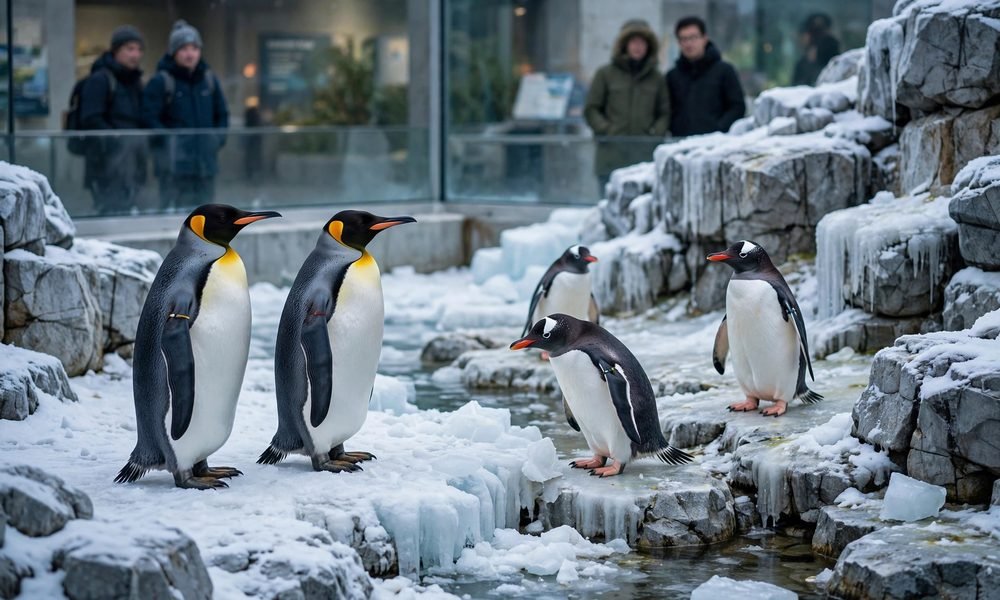
Wild Sea is the zoo’s coastal precinct, and it is built around the animals of Victoria’s own coastline. Australian fur seals swim past huge underwater windows, little penguins waddle and dive in their pool, and Australian pelicans patrol the edges. The little penguins are the world’s smallest penguin species, and the same birds nest in big numbers on Phillip Island each night.
The underwater seal viewing is the highlight, especially when the seals are feeding or playing. Kids press up against the glass here more than anywhere else in the zoo. The beach-themed play space next door gives them somewhere to burn off energy after, though it is a play area and not a place to swim.
Australian Bush
The Australian Bush precinct is the one overseas visitors ask about most, and it is a good first stop. Koalas, kangaroos, wombats, quokkas, emus, dingoes, and Tasmanian devils all live here among native plants. The kangaroos live in a walk-through area, so you share the path with them rather than watching from behind glass. Move slowly, keep your voice low, and do not try to touch them.
The Great Flight Aviary is the big walk-through bird habitat in this precinct. Birds move overhead and through the trees, so look up as well as ahead. Koalas spend most of the day asleep in the forks of trees, which is normal for them, and the koala keeper talk at 11:00am is the most popular talk in the zoo. Arrive early for that one.
Butterfly House
The Butterfly House is a warm glasshouse filled with more than 600 free-flying butterflies from about 13 tropical species. It sits at around 27 degrees all year, so it feels like stepping into a different climate. Wear bright colours and the butterflies may land on you. Do not touch them, even when one settles on your shoulder, as their wings are easy to damage.
Your glasses and camera lens will fog up when you walk in from the cold, so give them a minute to clear. The house is at its busiest from mid-morning to early afternoon, when the butterflies are most active. Allow 20 to 30 minutes, and treat it as a warm break on a cold or wet day.
Main Trail, Reptile House and World of Frogs
The Main Trail links the main entrance with the rail gate, and it passes some of the zoo’s quieter stars on the way. Giraffes, meerkats, baboons, red pandas, and the Aldabra giant tortoises all live along this stretch. The meerkats are a firm favourite with kids, and the tunnel play area beside them lets little ones pop up inside the habitat view.
The Reptile House sits off the Main Trail and holds snakes, lizards, and other cold-blooded animals in indoor exhibits. World of Frogs is close by and shows off the zoo’s work with threatened frog species. The platypus viewing is also in this part of the zoo. Platypuses are shy and mostly active at dawn and dusk, so be patient and watch the water for a ripple rather than expecting a clear view on demand.

Keeper Talks: Free Shows Worth Planning Around
Keeper talks are free with your ticket, and they are the best way to learn about the animals. A keeper tells you about the animal’s habits, its personality, and the conservation work behind it, and the animals are usually at their most active while the keeper is around. Talks run rain or shine, but times can change for animal welfare or weather, so check the day’s program at the entrance or on the zoo’s website before you set your plan.
These are the talks most visitors plan around:
- Orangutan: 10:45am at the Orangutan Sanctuary
- Koala: 11:00am in the Australian Bush
- Giraffe: 11:30am on the Main Trail
- Seals: 11:30am at Wild Sea
- Lion: 12:30pm at Lion Gorge
- Gorilla: 1:15pm in the Gorilla Rainforest
- Tiger: 3:30pm in Forest of Wonder
- Penguin: 3:45pm at Wild Sea
Pick two or three talks and build your route around them, rather than trying to catch every one. The grounds are large, and crossing from one end to the other takes longer than the map suggests. Allow 10 to 15 minutes of walking time between talks, and remember that animal areas start closing from 4:30pm.
A Simple Route That Covers the Best of the Zoo
You do not need a strict plan, but a loose order saves a lot of doubling back. Start at the main entrance and head straight for the Australian Bush while the crowds are still thin. The kangaroos and koalas are a strong opening, and the koala talk at 11:00am fits naturally if you arrive at 9:00am.
From there, walk the Main Trail past the giraffes and meerkats toward the Reptile House and World of Frogs. Then cut across to Lion Gorge for the midday lion talk, and follow on to the Gorilla Rainforest for the 1:15pm talk. After lunch, head to Wild Sea for the seals and penguins, then finish in Forest of Wonder with the Butterfly House and the 3:30pm tiger talk. That loop covers every headline animal in one sensible circuit, and it leaves the late afternoon free for a second look at your favourites.
If you arrive through the rail gate instead, just run the same loop in reverse. Start at Forest of Wonder and the Butterfly House, then work your way toward the Australian Bush. Either way, grab a paper map at the gate or download the zoo map to your phone before you set off. The grounds have many paths, and a map stops you from wandering in circles.
How Long to Spend at the Zoo
Allow at least four hours for a broad visit, and five to six hours if you want most trails, a few keeper talks, a meal, and play stops for the kids. A fast walk past the main exhibits takes about 45 minutes, but that misses the point of the place. The zoo rewards slow looking, and the animals change through the day.
With young kids, plan for the longer end of that range. Walking, waiting, and play stops all add time, and little legs tire on the zoo’s three kilometres of paths. Build in a proper rest at lunch and a play break in the afternoon, and you will enjoy the day far more than if you try to power through every exhibit before lunch. If you only have three hours, pick three precincts and do them well instead of rushing through all of them.
Best Time to Visit
Arrive at the 9:00am opening if you can. The animals are most active in the morning, the paths are quieter, and the light is better for photos. By the middle of the day in summer, many animals retreat to shade or indoors, and the crowds build. Late afternoon brings a second burst of activity from about 3:00pm, but the animal areas start closing at 4:30pm, so it is a short window.
Autumn (March to May) and spring (September to November) are the most comfortable months for a long walk around the grounds. Summer days over 35 degrees are hard work, for you and for the animals, so start early and plan indoor stops for the middle of the day. Weekdays in school term are the quietest days, with Tuesday to Thursday the calmest of all. Weekends, public holidays, and school holidays are the busiest, which lines up with the free child entry, so expect more families on those days. Sunday afternoons after 3:00pm tend to ease off as day visitors head home.
Tickets and Prices
Zoos Victoria uses flexible pricing, so the ticket price changes with the date you visit and how far ahead you book. Book online before you go, as tickets are dated to a specific entry day and there are no gate sales. The zoo is cashless, so bring a card or a phone for payment.
Starting prices at the time of writing are about $58 for an adult, $44 for eligible concession holders, and $52.50 for eligible seniors. Children aged four to 15 pay from $29 on ordinary weekdays. Children aged three and under enter free every day. Check the zoo’s website for the price on your exact date, as it moves up and down with demand, and weekday mornings outside school holidays are usually the cheapest.
Kids Go Free on Weekends and School Holidays
Children under 16 get free general admission on weekends, Victorian public holidays, and Victorian school holidays. They must come with an adult or someone aged 16 or older. Free child tickets still need to be booked online so the zoo can manage numbers. The free entry covers general admission only. Paid animal experiences, carousel rides, and special events are charged separately.
Family passes are available on weekdays only, outside public holidays and school holidays. A family of two adults and two children starts from $93, with a few dollars extra for each extra child. If you visit on a weekday in term time, the family pass is often the cheapest way in for a group.
Is Zoos Victoria Membership Worth It?
A Zoos Victoria membership gives you unlimited standard entry to all four of its properties for a year: this zoo, Werribee Open Range Zoo, Healesville Sanctuary, and Kyabram Fauna Park. Children join free with an adult member. If you will visit two or three times in a year, or you plan to visit the other properties too, it usually pays for itself fast.
Membership prices change from time to time, so check the current price on the zoo’s website before you decide. You can also upgrade an eligible entry ticket to a membership within 14 days of your visit, with the ticket price counted toward the cost. That is a handy option if you arrive unsure and leave wanting to come back.
Getting to the Zoo
By Tram, Train and Bus
Public transport is the simplest way to get there, and it drops you close to a gate. Tram route 58 runs from William Street in the city centre to Stop 26, right outside the main entrance. The ride takes about 18 minutes. If you are coming from the north, the same tram stops at Stop 24 near the rail gate. Our Melbourne Trams guide explains the network and how to ride it.
By train, take an Upfield line train to Royal Park Station. The rail gate sits directly across the road from the station, about 100 metres from the platform. By bus, route 505 runs between Moonee Ponds and Melbourne University and stops on Poplar Road near the zoo. Check the timetable before you travel, as frequencies change through the day.
By Car and Parking
The zoo’s address is Elliott Avenue, Parkville VIC 3052. If you drive, parking is run by Melbourne City Council and costs $2 for a five-hour ticket. The car park fills up on weekends, school holidays, and public holidays, so arrive early or take the tram instead. Five hours suits most visits, but if you are staying for a paid experience or a full day, keep an eye on the expiry time. Parking officers do patrol the area.
Cyclists can reach the zoo on the Capital City Trail, which runs past Royal Park, and there are bike racks near the main entrance. Walking from the city centre is possible through Royal Park, but it is a long walk with kids, so the tram is a better bet.
Food, Picnics and What to Pack
The zoo has eight places to eat, from sit-down cafes to quick takeaway. Lakeside Cafe near the Japanese Garden is the only indoor seated cafe, and it is a good pick for a proper lunch. Giraffe Lookout Cafe has views across the giraffe habitat while you eat. Meerkat Cafe sits near the main entrance and opens early, which makes it handy for a coffee at the start or the end of the day. Macaw Takeaway does burgers and hot chips, and Sushi Sushi covers a lighter option. Some kiosks only open in peak periods, and cafe hours are shorter than the zoo’s hours, so do not leave lunch until late afternoon.
Picnics are welcome, and there are shaded tables and lawns all through the grounds. Bring a refillable water bottle and top it up at the refill points around the zoo. Pack food in sealed containers, take your rubbish with you, and never feed the animals or the wild birds. Food prices inside the zoo run higher than average, so a packed lunch is a real saving for a family.
Lockers in small, medium, and large sizes sit near the main entrance if you want to stash bags. You will need a credit card, and charges rise after the first four hours. As for what to wear, comfortable walking shoes are a must, and a hat and sunscreen matter even on cloudy days. Carry water and a light waterproof layer, as Melbourne weather can turn fast. If you have booked a paid animal experience, closed shoes are required.

Visiting with Kids
The zoo is one of the most family-friendly days out in the city, and it shows in the design. Paths are sealed and mostly flat, which suits prams, and there are baby change facilities in three spots around the grounds. Pram hire is available if you do not want to bring your own. Bring photo ID and a credit card if you plan to hire one.
Different ages get different things from the day. Under fives do best with the Butterfly House, Wild Sea, the Tasmanian devils, and the kangaroo walk-through. Kids aged five to ten get the most from the keeper talks, the Gorilla Rainforest, Forest of Wonder, and the Reptile House. Older kids can join behind-the-scenes encounters, which usually have a minimum age of 12, and the Roar ‘n’ Snore overnight stay, which takes children aged five and up with an adult.
Play Areas That Break Up the Walking
Play stops matter on a long zoo day, and this zoo has plenty of them. Growing Wild, near the main entrance, has animal-themed tunnels and sculptures for younger kids. Keeper Kids, next to Meerkat Cafe, runs indoor play and educator-led storytime on weekdays in term time for ages up to eight. The Meerkat Tunnel Play lets kids crawl and climb beside the meerkat habitat, and there is giant tortoise sand play nearby.
Further around the grounds you will find Carousel Park, the Binturong Tunnel in Lion Gorge, Wild Sea Beach Play, and Bush Explorers near the Australian Bush. The nature-play area lets kids build with natural materials and try the mud kitchen. The carousel runs at set times and may cost extra. Water play features are seasonal and switch off in winter or during maintenance.
Accessibility and Sensory-Friendly Visiting
The zoo is largely wheelchair accessible, with sealed paths and gentle gradients through most of the grounds. The steepest stretch is in the Gorilla Rainforest. Wheelchair and stroller hire is available, and booking a wheelchair ahead is wise as numbers are limited. Photo ID is needed for hire, and a credit card is also needed for strollers.
There are six accessible parking bays near the main entrance and seven near the rail gate, and you will need a valid disability parking permit to use them. Accessible toilets sit around the grounds, and a Changing Places facility with a hoist and a full-sized change table is available. An MLAK key for that facility is held at reception. Companion Card holders enter free with their cardholder.
For sensory planning, the zoo offers a sensory map, a social script, and an Access Key to help visitors prepare for sounds, surfaces, and facilities. Noise-cancelling headphones are available at the entrance. Weekdays from 3:00pm to 4:30pm are usually the quietest time in the zoo, though that leaves less time before the habitats close. Balance a quieter arrival against the animals and talks you most want to see.
Special Experiences Worth Booking
General admission covers the animals, the trails, and the keeper talks. A few extras cost more, and they are worth knowing about before you book, as the popular ones sell out.
Roar ‘n’ Snore Overnight Stay
Roar ‘n’ Snore is the zoo’s overnight glamping stay, run in the warmer months. You sleep in a safari-style tent inside the grounds, with dinner, supper, and breakfast included, plus after-dark activities and a morning tour before the gates open. Prices start from about $299 per adult and $219 per child aged five to 12, with lower prices for members. Bring your own sleeping bag and pillow. Children must be at least five, and under-18s need an accompanying adult. Book well ahead, as places go months out.
Behind-the-Scenes Encounters
Short keeper-led encounters take you closer to the animals than the public viewing areas allow. Options change through the year, but recent ones have included gorillas, tigers, snow leopards, giraffes, koalas, kangaroos, meerkats, lemurs, otters, and reptiles. A VIP early morning tour runs before the gates open and lasts about 45 minutes, with kangaroo feeding and keeper stories. Encounters cost from about $45 per person on top of admission, and most have minimum ages and closed-shoe rules. The animals take part by choice, so close contact is never promised.
Zoo Twilights Summer Concerts
On summer evenings the zoo hosts Zoo Twilights, a series of live music concerts on the lawns. Gates open in the evening, food and picnics are allowed, and the animals are mostly settled by then, so it is a concert in zoo grounds rather than a zoo visit. Tickets run from about $60 to $95 depending on the act. It suits adults and older kids more than toddlers, and dates and line-ups appear on the ticketing site each season.
Rainy Day at the Zoo
Rain does not ruin a zoo day here, but it changes the plan. Start with the indoor stops: the Butterfly House is warm and dry, the Reptile House is fully indoors, and the indoor viewing pods in the Gorilla Rainforest keep you out of the rain while you watch the troop. The World of Frogs and the platypus viewing are also under cover.
Between showers, use the covered walkways and the cafes as rest stops. Lakeside Cafe has indoor seating, and Meerkat Cafe is a good drying-out point near the entrance. Bring a rain jacket rather than an umbrella, as umbrellas are awkward on narrow paths and in viewing crowds. The animals often stay active in light rain, and the crowds thin out, so a wet day can be one of the best days to visit if you dress for it.
First-Timer Mistakes to Avoid
Most bad zoo days come from the same few mistakes, and they are easy to dodge. Arriving after lunch is the biggest one. You lose the active morning animals and the best keeper talks, and you run into the 4:30pm habitat closures before you have seen half the zoo. Get there for the 9:00am opening, even if it means an early start.
Skipping the map is the second mistake. The grounds look simple on paper, but the paths twist, and without a map you will double back or miss a whole precinct. The third mistake is trying to see one single animal at all costs. Animals sleep, hide, and move off display, and a visit built around one sighting can end in disappointment. Pick three or four priorities, enjoy the rest as it comes, and pass by a quiet exhibit again later. The fourth mistake is forgetting water and sun protection. There is a lot of open ground between shaded trails, and Melbourne sun bites even on mild days.
Conservation Work Your Ticket Supports
Zoos Victoria runs more captive breeding and recovery programs than any other zoo group in Australia. The work covers the Tasmanian devil insurance population, the eastern barred bandicoot, and the orange-bellied parrot, all of which are in real trouble in the wild. The zoo also breeds Lord Howe Island stick insects and supports orangutan habitat protection in Sumatra.
You can see the conservation story in the exhibits themselves. World of Frogs shows the work with threatened frogs, and the Australian Bush precinct is full of species the zoo is working to protect. The gift shop sells Beads for Wildlife, handcrafted beadwork made in Kenya, with the money going back to wildlife protection. If you want to do more, the zoo takes donations and runs an animal adoption program, and it welcomes volunteers in roles such as visitor guiding and event help.
Pair the Zoo with These Melbourne Favourites
The zoo sits close to the city, so it pairs well with other Melbourne days out. If you finish by mid-afternoon, the Melbourne Museum in Carlton is a short drive away, and it is one of the Best Museums in Melbourne. Art lovers can head to NGV International on St Kilda Road, and the Royal Botanic Gardens sit right beside it for a quiet walk after the zoo crowds.
For food after the visit, the Best Restaurants in Melbourne guide has picks across the city, and the Melbourne Laneways are the place for coffee and a wander. If you are staying overnight, our Where to Stay in Melbourne guide covers the best areas, and the Best Hotels in Melbourne list has options for every budget. Families planning a longer trip should read our Melbourne with Kids guide, and the Day Trips from Melbourne guide covers Phillip Island, where the little penguins come ashore each night. The Best Time to Visit Melbourne guide helps you pick your season, and the Free Things to Do in Melbourne guide balances the budget. If you are flying in, our Melbourne Airport guide covers the trip into the city, and the Federation Square guide is a good starting point for the city centre.

FAQs About Visiting Melbourne Zoo
How much does it cost?
Adult tickets start from about $58 under flexible pricing, with concession from $44 and seniors from $52.50. Children aged four to 15 pay from $29 on ordinary weekdays, and children under four are always free. The price changes with the date, so check the zoo’s website for your exact day.
What are the opening hours?
The zoo opens at 9:00am and closes at 5:00pm every day of the year, including Christmas Day and all public holidays. Animal areas start closing from 4:30pm, so plan your last stops before then.
Are kids free?
Children aged three and under are always free. Children aged four to 15 enter free on weekends, Victorian public holidays, and Victorian school holidays, as long as they come with an adult. On weekdays in term time, the child ticket applies.
How long do you need?
Three to four hours covers the highlights. Five to six hours covers most trails, a few keeper talks, a meal, and play stops. Most families spend four to five hours.
Is it better than Werribee Open Range Zoo?
They are different days out. This zoo suits first-time visitors and families with young kids, with its walkable trails, gorillas, orangutans, and Butterfly House. Werribee suits anyone who wants the safari-bus experience and open plains animals, and it is now home to the Asian elephants that left here in 2025. The same Zoos Victoria membership covers both, so you can do one each day.
Can you bring food in?
Yes. Picnics and BYO food are welcome, with shaded tables and lawns around the grounds. Glass bottles and alcohol are not allowed, except at Twilights events. Bring a refillable water bottle.
Is parking free?
No. The council-run car park charges $2 for a five-hour ticket. On-street parking is available on nearby streets, but read the signs for time limits and fees. The tram is usually the easier option.
Is it wheelchair accessible?
Yes. Paths are sealed and mostly flat, with wheelchair hire available if you book ahead. Accessible parking, toilets, and a Changing Places facility are on site, and Companion Card holders enter free with their cardholder.
Do you still see elephants?
No. The zoo’s nine Asian elephants moved to Werribee Open Range Zoo in February 2025. Their old precinct is now Forest of Wonder, home to the tigers, orangutans, and otters.
Final Thoughts on Visiting Melbourne Zoo
The zoo is the easiest big day out in the city, and it earns that title. It is close, it is green, and it holds enough animals and keeper talks to fill a full day without ever feeling like a chore. The gorillas, the tigers, the Butterfly House, and the Australian Bush precinct are the stops that stay with you, and the keeper talks turn a good walk into a day you actually learn from.
Book online before you go, arrive at 9:00am, and pick three keeper talks to build your route around. Take the morning slowly, eat well, and leave the late afternoon for a second pass at your favourites. If you visit on a weekend or in school holidays, the kids get in free, which makes it one of the best-value family days in Melbourne. And if the elephants are the reason you came, head to Werribee instead, where they now live in a habitat built for them.
For most visitors, one full day here is time well spent, and it pairs neatly with the rest of the city. Go early, walk slowly, and let the animals set the pace.
Keep exploring:
- Things to Do in Melbourne
- Melbourne with Kids
- Best Restaurants in Melbourne
- Federation Square
- Queen Victoria Market
- Royal Botanic Gardens
- Melbourne Laneways
- Day Trips from Melbourne
- Best Time to Visit Melbourne
- Best Hotels in Melbourne
- Melbourne Trams
- Melbourne Airport
- Free Things to Do in Melbourne
- Melbourne Museum
- NGV International
- Best Museums in Melbourne
- Phillip Island
- Where to Stay in Melbourne
- Best Suburbs in Melbourne