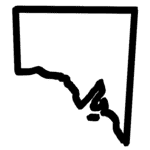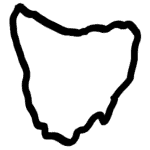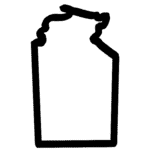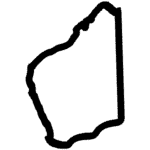

Australia holds 21 places on the UNESCO World Heritage List. That list includes coral reefs, ancient rainforests, red desert icons, convict prisons and a world-famous opera house. Some are easy day trips from major cities. Others sit in remote corners of the country that take real planning to reach.
This guide covers every one of the 21 sites, what makes each one special, and how to actually visit them. If you are planning a trip around Australia’s most important places, start here. For more trip ideas across the country, Australia City Guide has state-by-state guides to help you plan.
What “World Heritage” Actually Means
UNESCO lists places it considers to have outstanding value to all of humanity, not just to the country they sit in. A site has to meet at least one of ten criteria, covering everything from natural beauty and geology to human history and living culture.
Listings fall into three types. Cultural sites recognise human achievement and history. Natural sites protect geology and ecosystems and wildlife. Mixed sites carry both kinds of value. Australia’s first listings happened in 1981, and the newest, Murujuga in Western Australia, joined the list in 2025.
Every World Heritage Site in Australia, State by State
Here is the full list, grouped by state and territory, with the year each site was listed and what you need to know to visit.
New South Wales
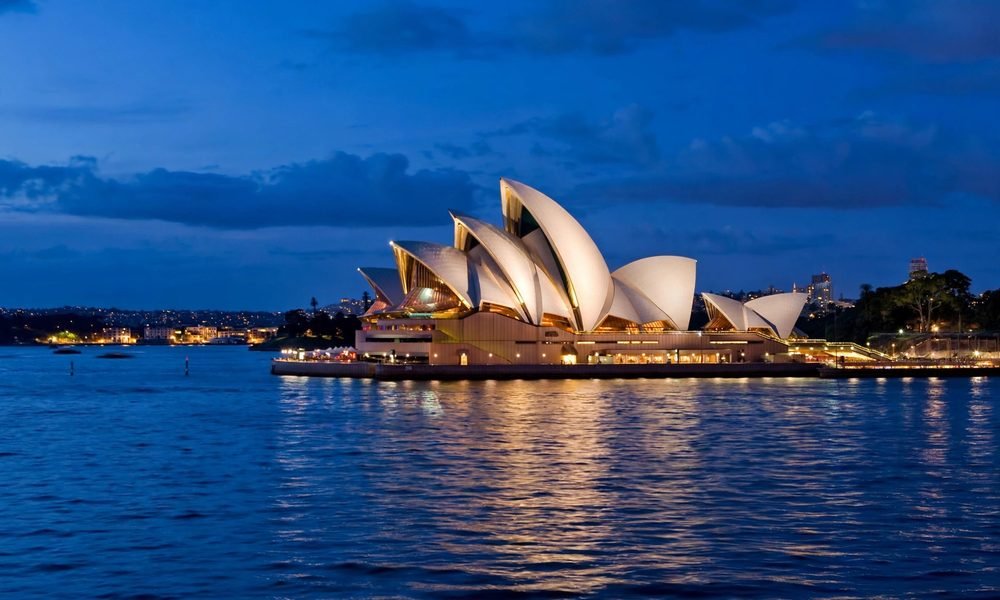
Sydney Opera House (cultural, 2007)
Jørn Utzon’s sail-shaped masterpiece on Sydney Harbour opened in 1973 and is the youngest cultural site ever added to the list. You can see a show there, take a guided tour of the building, or simply admire it from the harbour foreshore. It is the easiest World Heritage site in Australia to visit.
Greater Blue Mountains Area (natural, 2000)
Just 90 minutes from Sydney, this million-hectare region of sandstone plateaus, gorges and eucalypt forest protects the story of how Australia’s gum trees evolved. The Three Sisters at Echo Point is the classic view, but the walking tracks around Wentworth Falls and the Jenolan Caves are worth the extra effort.
Willandra Lakes Region (mixed, 1981)
In far-western NSW, this dry lakebed landscape holds some of the oldest evidence of human life outside Africa. Mungo Lady and Mungo Man were found here, and the Walls of China lunette in Mungo National Park is the place to see. Go with a guided tour to get the full story.
Lord Howe Island Group (natural, 1982)
About 570 kilometres off the NSW coast, this volcanic island group holds the world’s southernmost coral reef. Only 400 visitors are allowed on the island at a time, so book well ahead. Think hiking, snorkelling and cycling in a place with no crowds.
Australian Convict Sites (cultural, 2010, part)
This listing covers 11 penal sites across four states and territories. In NSW you can visit Hyde Park Barracks and Cockatoo Island in Sydney, Old Government House in Parramatta, and the Old Great North Road. They tell the story of how convict labour built early Australia.
Queensland
Great Barrier Reef (natural, 1981)
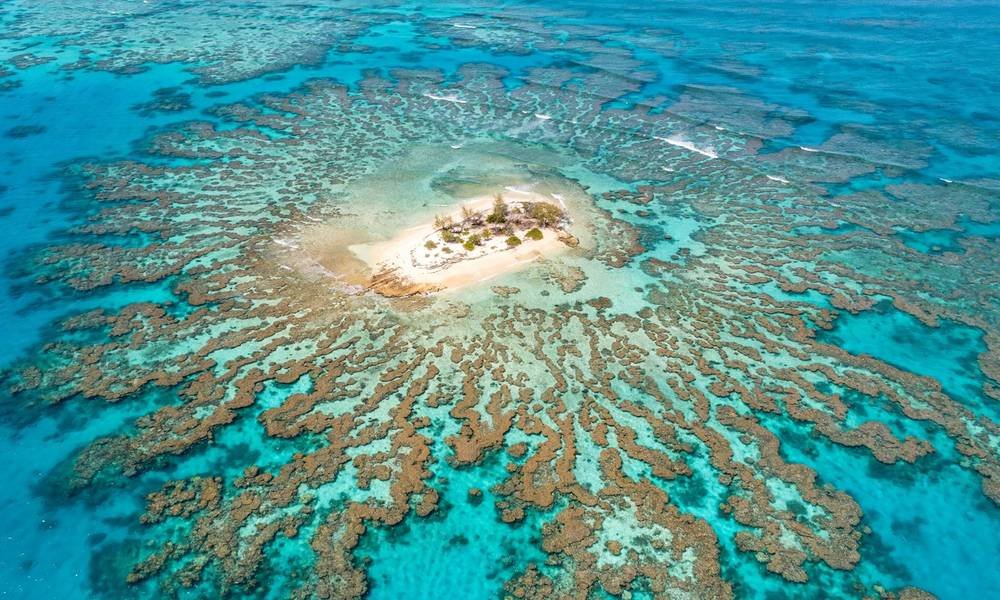
The world’s largest coral reef system stretches 2,300 kilometres along the Queensland coast. The easiest access points are Cairns, Port Douglas and Airlie Beach, where day cruises take you to outer-reef pontoons for snorkelling and diving. See our guide to Great Barrier Reef tours to compare your options.
Wet Tropics of Queensland (natural, 1988)
This 450-kilometre stretch of tropical rainforest includes the Daintree, one of the oldest rainforests on Earth. It holds a huge share of Australia’s plant and animal species found nowhere else. Walk the boardwalks at Mossman Gorge or explore the Daintree itself. Our Daintree Rainforest guide covers the details.
K’gari (natural, 1992)
Formerly known as Fraser Island, this is the largest sand island in the world. Rainforest grows on sand here, which happens nowhere else at this scale. Highlights include Lake McKenzie, Eli Creek and the Maheno shipwreck. You need a 4WD to get around, or join a guided tour from Hervey Bay. More in our things to do on Fraser Island guide.
Gondwana Rainforests of Australia (natural, 1986)
These ancient forests stretch across around 50 national parks between Newcastle in NSW and Brisbane in Queensland. Lamington and Springbrook are the easiest to reach from Brisbane, with rainforest walks, waterfalls and lookouts. Our Lamington National Park guide is a good starting point.
Australian Fossil Mammal Sites: Riversleigh (natural, 1994)
Riversleigh in Queensland’s Gulf Country holds one of the world’s richest fossil records of ancient mammals. The site itself is remote, but the Riversleigh Fossil Centre in Mount Isa displays the finds and is the practical way to experience it.
Victoria
Royal Exhibition Building and Carlton Gardens (cultural, 2004)
Built for Melbourne’s 1880 international exhibition, this grand building and its gardens are a rare survivor of the 19th-century world fair movement. Guided tours run regularly, and the building still hosts exhibitions and events.
Budj Bim Cultural Landscape (cultural, 2019)
In south-west Victoria, the Gunditjmara people built one of the world’s oldest aquaculture systems here more than 6,600 years ago, using channels, weirs and dams to farm eels. Take a tour with a Gunditjmara guide and visit the Tae Rak Aquaculture Centre to understand how sophisticated this system was.
Tasmania
Tasmanian Wilderness (mixed, 1982)
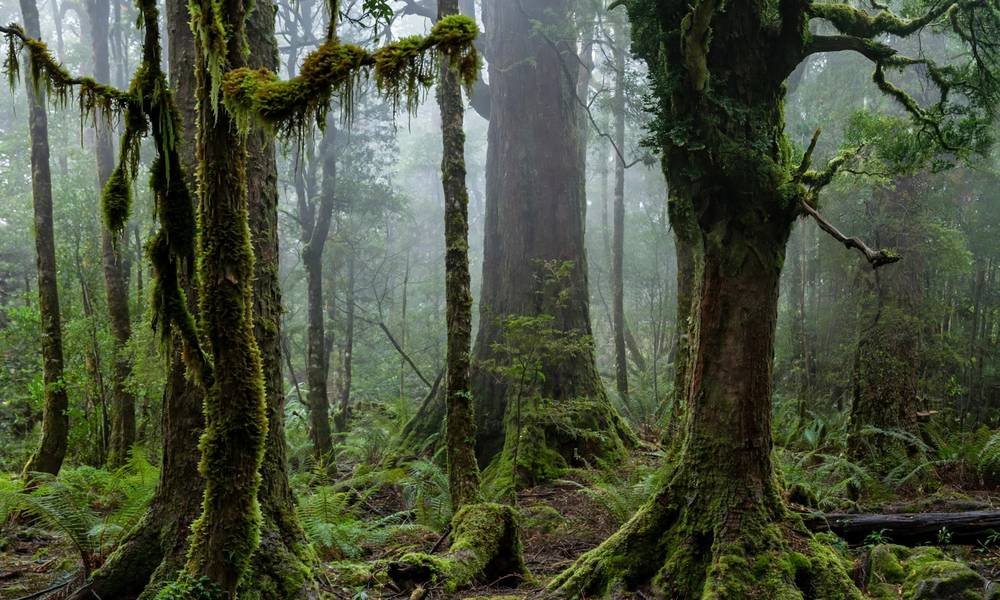
Covering almost a fifth of the state, this is one of the last great temperate wilderness areas on Earth. Cradle Mountain-Lake St Clair National Park is the most visited part, with the famous Overland Track. Gordon River cruises from Strahan are the gentler way in.
Macquarie Island (natural, 1997)
Halfway between Tasmania and Antarctica, this subantarctic island is the only place on Earth where rocks from the Earth’s mantle are exposed above sea level. It is also a major breeding ground for penguins and seals. There is no public access, so this is one to admire from afar.
Australian Convict Sites (cultural, 2010, part)
Tasmania holds several of the 11 convict sites, including Port Arthur, the Cascades Female Factory near Hobart, and the Coal Mines Historic Site. Port Arthur, a 90-minute drive from Hobart, is the most visited and runs evening ghost tours.
South Australia
Australian Fossil Mammal Sites: Naracoorte (natural, 1994)
The Naracoorte Caves preserve fossils of Australia’s giant Ice Age animals, including marsupials far larger than anything alive today. Four of the 28 caves are open to the public, and guided tours take you into the Victoria Fossil Cave to see the megafauna remains.
Western Australia
Shark Bay (natural, 1991)
At Australia’s westernmost point, Shark Bay holds the largest seagrass meadows on Earth, a huge dugong population, and stromatolites at Hamelin Pool that show what life on Earth looked like billions of years ago. Monkey Mia is the famous dolphin spot, but the whole bay rewards slow exploring.
Purnululu National Park (natural, 2003)
Home of the Bungle Bungle Range, those black-and-orange beehive domes in the Kimberley. The wider world only learned about them in the 1980s. Walk Cathedral Gorge and Echidna Chasm, or take a scenic flight for the full picture. Read our Purnululu National Park guide before you plan.
Ningaloo Coast (natural, 2011)
One of the longest fringing reefs in the world, sitting right off the beach. Whale sharks gather here each year, and you can swim with them on licensed tours from Exmouth. Turtles, manta rays and dugongs are regulars too.
Murujuga Cultural Landscape (cultural, 2025)
Australia’s newest World Heritage site, on the Burrup Peninsula near Karratha. It holds one of the densest collections of rock art on the planet, with petroglyphs tens of thousands of years old, including what is thought to be the world’s oldest depiction of a human face. Visitor access is still developing, so check local guidance before planning a trip.
Australian Convict Sites (cultural, 2010, part)
Fremantle Prison represents WA in the convict listing. Built by convicts in the 1850s, it runs excellent guided tours, including tunnel tours that go under the prison itself.
Northern Territory
Kakadu National Park (mixed, 1981)
Australia’s largest national park is a living cultural landscape, home to Aboriginal people for tens of thousands of years. The rock art at Ubirr and Nourlangie is extraordinary, and the waterfalls and wetlands change completely between wet and dry seasons. It is a three-hour drive from Darwin. See our things to do in Darwin guide to pair the two.
Uluru-Kata Tjuta National Park (mixed, 1987)
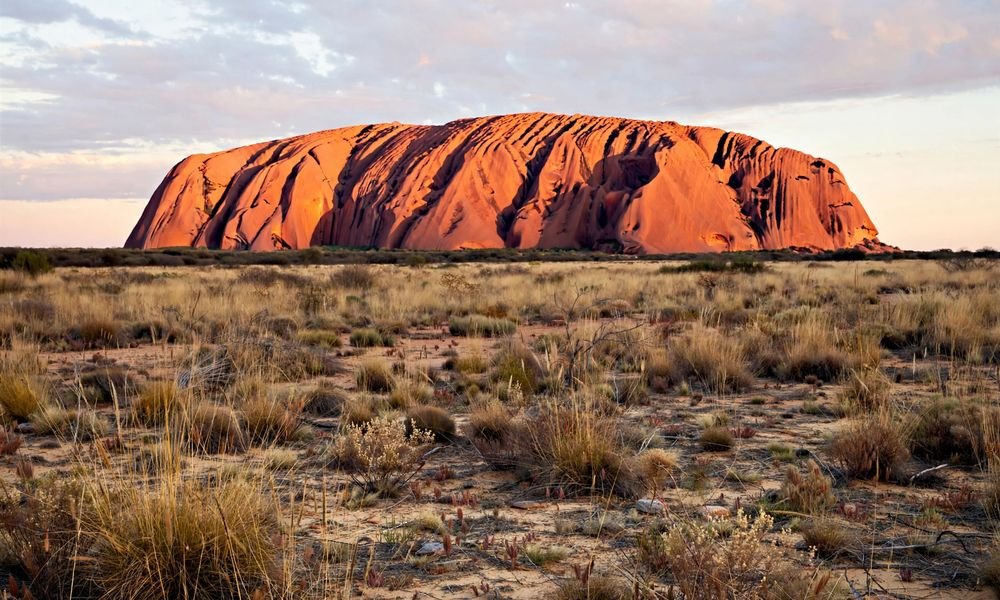
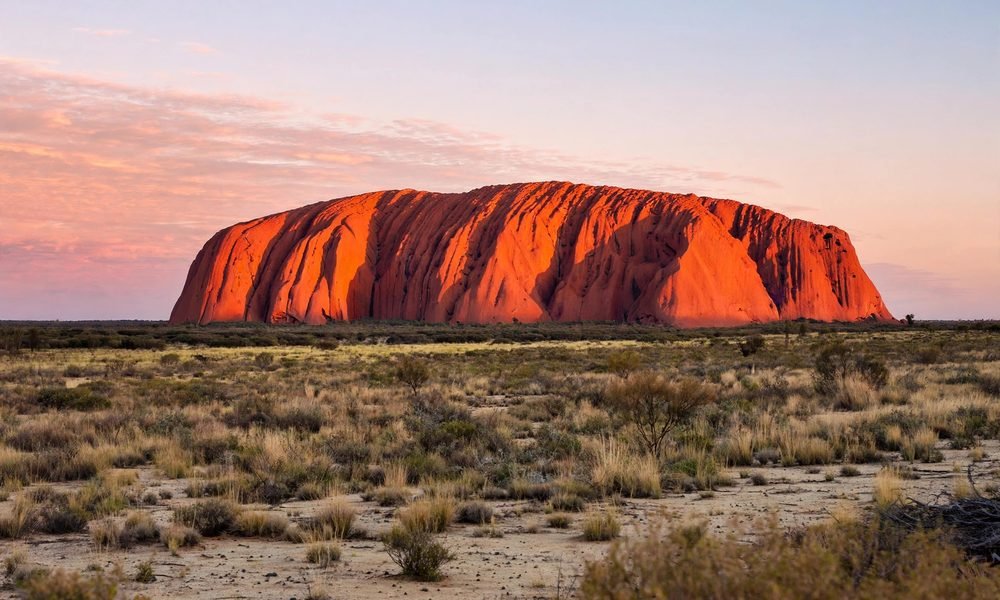
Uluru and the domes of Kata Tjuta rise from the red desert plain five hours south of Alice Springs. The park is owned by the Anangu people and jointly managed with Parks Australia. Walk the base of Uluru, explore the Valley of the Winds at Kata Tjuta, and join a cultural tour to hear the Tjukurpa stories. Climbing Uluru has been closed since 2019, and visitors are asked to respect that.
External Territories
Heard and McDonald Islands (natural, 1997)
These subantarctic volcanic islands, 4,000 kilometres south-west of Perth, are among the most untouched places on Earth. Mawson Peak on Heard Island is an active volcano and technically Australia’s highest mountain. There is no public access.
The Sites First-Time Visitors Should Prioritise
Twenty-one sites is a lot. If this is your first trip, start with the ones that are genuinely easy to reach and deliver the biggest experience.
The Sydney Opera House, the Blue Mountains and the Royal Exhibition Building are all simple day trips from major cities. The Great Barrier Reef, the Wet Tropics and K’gari cluster together in Queensland and can fill a week on their own. Kakadu pairs naturally with Darwin, and Uluru works as a three-day add-on to an Alice Springs trip.
Gondwana’s Lamington section is an easy day out from Brisbane, and the convict sites in Sydney, Hobart and Fremantle slot into normal city sightseeing. The Tasmanian Wilderness, Purnululu, Shark Bay and Ningaloo need more commitment but reward it. Willandra, Budj Bim, Naracoorte and Murujuga suit travellers with a specific interest in history and culture.
Three sites you can effectively skip as a visitor: Heard and McDonald Islands and Macquarie Island have no public access, and Riversleigh’s fossil fields are so remote that the Mount Isa fossil centre is the sensible way to experience them. Lord Howe Island is very visitable but capped at 400 visitors at a time, so it needs advance planning.
How Many Days Do You Need?
You cannot see all 21 in one trip, and you should not try. These combinations work well together.
The Sydney Long Weekend
Three days covers the Opera House, a full day in the Blue Mountains, and the convict sites around Sydney Harbour. This is the highest heritage value per day of any option in the country.
The Queensland Week
Seven days lets you do the Great Barrier Reef from Cairns or Port Douglas, two days in the Daintree and Wet Tropics, and two to three days on K’gari. Add a day at Lamington if you are flying through Brisbane.
Top End and Red Centre
Ten days to two weeks covers Kakadu from Darwin, then a flight or drive to Alice Springs for Uluru and Kata Tjuta. This pairs the two great mixed sites of the north. The dry season, roughly May to October, is the right window for both.
The Western Australia Coast
Ten days from Perth can cover Ningaloo and Shark Bay, with Murujuga as an add-on near Karratha for travellers heading further north. Purnululu needs its own trip into the Kimberley and is strictly a dry-season destination, as the access roads close in the wet.
Tours and Experiences Worth Booking
Many of these sites are best experienced with a guide, and some practically require one.
On the reef, book a day cruise to the outer reef rather than trying to organise it yourself. In the Daintree and at Uluru, guided walks with Traditional Owners add layers you will not get from a signboard. Fremantle Prison’s tunnel tours, the Naracoorte cave tours and the Opera House backstage tours all sell out in peak season, so book ahead.
For Purnululu and Kakadu, scenic flights are worth the money if your budget stretches to it. They turn a big landscape into something you can actually grasp. In the Tasmanian Wilderness, the Gordon River cruise from Strahan is the easy way into country that is otherwise hard to reach.
Must-Knows Before You Go
A few practical points that apply across the list. First, the remote sites need real preparation. Purnululu, Kakadu’s outer areas and the Kimberley generally are dry-season only, and roads can close after rain. Check park alerts before you set out.
Second, many of these are living Indigenous cultural landscapes, not just scenery. At Uluru, Kakadu, Budj Bim and Murujuga, follow the guidance of Traditional Owners. Stick to marked tracks, do not touch rock art, and take the cultural tours on offer. They are usually the highlight anyway.
Third, book the capped experiences early. Lord Howe Island’s 400-visitor limit, popular cave tours at Naracoorte, and peak-season reef cruises all fill up. If a site has a booking system, use it weeks ahead in school holidays.
FAQs About Australia’s World Heritage Sites
How many World Heritage sites does Australia have?
Twenty-one. Twelve are listed for natural value, five for cultural value, and four are mixed, meaning they carry both. The count rose to 21 when Murujuga Cultural Landscape in Western Australia was inscribed in 2025.
Which is the newest World Heritage site in Australia?
Murujuga Cultural Landscape on the Burrup Peninsula in Western Australia, listed in 2025. It protects one of the world’s densest collections of ancient rock art.
Which were the first Australian sites listed?
The Great Barrier Reef, Kakadu National Park and the Willandra Lakes Region were all inscribed in 1981, the first year Australia had sites on the list.
Can you visit all 21 sites?
Almost. Heard and McDonald Islands and Macquarie Island have no public access. Riversleigh’s fossil fields are extremely remote, though the fossil centre at Mount Isa covers the story well. Everything else is visitable with varying degrees of effort.
What is the difference between cultural, natural and mixed listings?
Cultural sites recognise human history and achievement, like the Sydney Opera House or the convict sites. Natural sites protect geology and ecosystems, like the Great Barrier Reef or Purnululu. Mixed sites, such as Uluru-Kata Tjuta and Kakadu, are recognised for both.
What is on Australia’s tentative list?
The tentative list holds sites a country may nominate in future. Australia’s includes places like the Flinders Ranges in South Australia and the Great Sandy region in Queensland, along with extensions to some existing listings.
Which site is the easiest to visit?
The Sydney Opera House. You can walk up to it for free any day, and guided tours run constantly. The Blue Mountains and Melbourne’s Royal Exhibition Building are close behind.
Final Thoughts: Are Australia’s World Heritage Sites Worth the Trip?
Yes, without question. Few countries pack this much variety into one heritage list. In a single trip you can stand on a 2,300-kilometre reef, walk a rainforest older than the dinosaurs, and visit a building that defines modern architecture.
The smart approach is to pick a cluster and do it properly rather than racing through a checklist. A Queensland week, a Sydney long weekend, or a Top End and Red Centre run will each give you several World Heritage sites plus the breathing room to enjoy them. The remote ones, Purnululu, Shark Bay, Willandra, will still be there for your next trip. For broader trip planning across the country, Australia City Guide has you covered.