Most people come to Canberra for the museums and the lake. Then someone local tells them about the wineries, and the whole trip changes. This guide to Canberra wineries covers the best cellar doors to visit, the areas they sit in, what tastings cost, where to eat, and how to plan a day (or three) without needing a map full of sticky notes. It comes from Australia City Guide, and it is written for first-time visitors who want the good stuff without the guesswork.
Here is the short version. The Canberra District wine region sits just outside the city, mostly in New South Wales. There are more than 140 vineyards and around 40 cellar doors within about 35 minutes of the city centre. The wines are cool-climate wines, which means crisp riesling, elegant shiraz, and a few surprises like tempranillo and gruner veltliner. Most cellar doors are small, family-run places where the person pouring your wine grew the grapes. That is the whole charm of it.
Why Canberra’s Wine Country Catches People by Surprise
Canberra does not shout about its wine. The Barossa and the Hunter Valley get the headlines, and Canberra quietly gets on with making some of the best cool-climate wine in the country. The region is young by Australian standards. The first vines were planted by CSIRO scientists in 1971, and the area has grown from a small experiment into a serious wine region in just over 50 years.
What surprises most visitors is how close it all is. You can finish breakfast in the city and be standing in a vineyard 15 minutes later. Mount Majura Vineyard is about a 10-minute drive from the city centre. Murrumbateman, the village at the centre of the wine region, is about 30 minutes north. Bungendore, to the east, is about 40 minutes away. You do not need a full day of driving to taste great wine here. You need a plan, a driver, and a bit of time.
The other surprise is the range. Riesling and shiraz lead the way, but the region also grows tempranillo, chardonnay, pinot noir, sangiovese, cabernet sauvignon, merlot, viognier, and gruner veltliner. Warm days and cold nights give the wines bright acidity and fresh fruit flavours. The soils change from place to place, so the same grape can taste quite different from one valley to the next. That is half the fun of tasting your way around.
What Makes Canberra District Wine Different
Canberra District is a cool-climate wine region. That label matters because it shapes everything in the glass. Cool nights slow the grapes down as they ripen, which keeps the acidity high and the flavours fresh. The result is wine that tastes bright and clean rather than heavy and jammy.
Altitude plays a big part too. Vineyards here sit between about 500 and 900 metres above sea level. Lark Hill, near Bungendore, is one of the highest at around 860 metres. High sites suit riesling, chardonnay, and pinot noir. Lower, warmer sites suit shiraz and sangiovese. So a short drive can take you from one style of wine to a very different one.
The region also has a strong sense of community. Many of the winemakers know each other, share ideas, and send visitors to each other’s cellar doors. You will notice it when a winemaker tells you to try the riesling down the road after you finish tasting theirs. That is not a sales trick. It is how the region works.
One thing to know before you go: the name “Canberra District” is a bit misleading. Most of the vineyards are not in the ACT at all. They sit just over the border in New South Wales, in villages like Murrumbateman, Hall, Yass, Bungendore, and Gundaroo. The city is the base. The wine country is the countryside around it. If you are travelling through the Australian Capital Territory for a few days, the wineries make an easy day trip, or a full weekend on their own.
The Best Wineries to Visit Around Canberra
There are around 40 cellar doors in the region, and you cannot visit them all in one trip. The list below starts with the names that come up again and again, then moves to smaller places that reward the drive. Pick three or four for a day. Any more than that and the wines start to blur together.
Clonakilla
Clonakilla is the winery most people have heard of, and for good reason. The Kirk family has made wine in Murrumbateman since 1971, making it one of the pioneers of the region. Its Shiraz Viognier is one of the most talked-about wines in Australia, a red blend modelled on the great wines of France’s Rhone Valley. It sells for around $130 a bottle, so a tasting here is the smart way to try it.
The cellar door is a warm, relaxed room with a fire in winter and a patio with vineyard views in summer. You can sit by the fire, chat at the bar, or take a glass outside. The tasting covers the full range, not just the famous red. Try the riesling too. It is taut and precise, and it shows what cool-climate riesling can do. Book ahead on weekends, as this is one of the busiest cellar doors in the region.
Lark Hill Winery
Lark Hill sits high above Bungendore at around 860 metres, one of the highest vineyard sites in the district. Sue and Dave Carpenter started it in 1978 after leaving academic careers to make wine, and their son Chris runs the winemaking now. The vineyard is biodynamic, which means it is farmed without synthetic chemicals and with a strong focus on soil health.
This is the place to try gruner veltliner. Lark Hill planted the first gruner veltliner vines in Australia, and its version is still one of the best in the country. The riesling is also excellent, and the pinot noir and shiraz show what high-altitude fruit can do. The cellar door looks out over the vines, and lunch is served on weekends. Come here if you want to slow down. The whole visit feels unhurried, and the view does a lot of the talking.
Mount Majura Vineyard
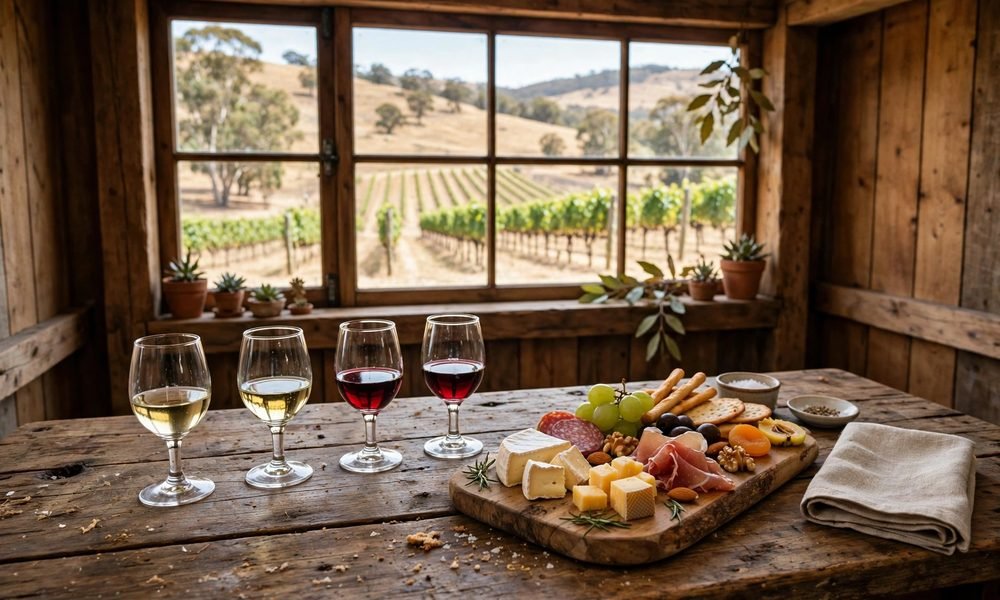
Mount Majura is the closest winery to the city centre, about 10 minutes by car, and it sits inside the ACT border. The vineyard was planted in 1988 on an east-facing slope with red soil, old limestone, and volcanic rock. It specialises in riesling, shiraz, and tempranillo, and it is one of the leading Australian producers of tempranillo, the grape behind Spain’s great red wines.
The cellar door is open seven days a week from 10am to 5pm, which makes it the easiest winery to fit into a short trip. Tastings are seated and come with cheese and charcuterie. The Local Favourites tasting is $20 per person, the Winemaker’s Choice is $30, and the single-site Tempranillo tasting is $40. Book a table if you can, especially on weekends, as walk-ins are welcome but space is not always free. If you only have half a day, start here.
Nick O’Leary Wines and Heywood
Nick O’Leary has made wine in the region since 2006, and his cellar door sits in the Hall Valley at Wallaroo, about 20 minutes north of the city. The building holds the vineyard, the winemaking gear, the tasting bar, and a restaurant called Heywood, all in one stylish space. It is one of the most complete winery visits in the region.
Taste the shiraz and the riesling first. Both have won major awards, and both show the region at its best. Then stay for lunch. Heywood serves share plates made from local produce, and the menu changes with the seasons. The patio looks out to the Brindabella Ranges, and on a sunny day it is a hard place to leave. This is a good pick for a long lunch that turns into an afternoon.
Helm Wines
Helm Wines is one of the most charming cellar doors in the district. The tasting room sits in a former schoolhouse built in 1888, and the family has run it for decades. Ken Helm is one of the region’s best-known riesling makers, and the wines here show decades of practice.
The riesling comes in several styles, so ask the staff to walk you through the differences. It is a short lesson in how one grape can change with the winemaking. The cabernet sauvignon is also worth your time. It is old-school and structured, the kind of red that ages well. The schoolhouse is small and personal, so the tasting feels like a chat rather than a sales pitch.
Four Winds Vineyard
Four Winds sits in Murrumbateman and does things its own way. The cellar door is relaxed, the wines are fun, and the wood-fired pizza is a big part of the draw. The 2023 Shiraz won the Jimmy Watson Memorial Trophy for Best Young Red Wine in 2024, which is one of the biggest prizes in Australian wine. The tempranillo and the rose are also worth trying.
This is a good stop for a casual afternoon. Grab a pizza, sit on the terrace or by the fire pit, and work through a tasting at your own pace. Four Winds also makes a Shiraz Rose Gin, which is a nice bottle to take home if you want something different. Families do well here too, as the open space and the pizza keep everyone happy.
Shaw Estate
Shaw Estate is one of the most polished cellar doors in Murrumbateman. The building is striking, the terrace looks out over the vines, and the tasting is a guided walk through the range with staff who know their stuff. The wines are elegant and food-friendly, with shiraz, riesling, and chardonnay leading the way.
The restaurant here serves Mediterranean-inspired food, and it is one of the best winery lunches in the region. Book ahead if you want a table on the terrace. Shaw Estate suits visitors who like a refined tasting without any stuffiness. It is a good pick for a special occasion, or for anyone who wants one truly polished stop in their day.
Eden Road Wines
Eden Road sits on the Barton Highway in Murrumbateman, and it has a fresh energy under Paris-born winemaker Celine Rousseau. The wines are precise and technique-driven, with polished shiraz, skin-contact pinot gris, supple pinot noir, and perfumed malbec. A Small Batch series shows off the experimental side, with varieties like fiano and nero d’Avola.
The cellar door is modern and welcoming, and the staff are happy to talk through the wines in detail. This is a good stop if you like trying things you have not tasted before. The Small Batch wines change, so ask what is new when you visit.
Gallagher Wines
Gallagher Wines is a family-run cellar door in Murrumbateman, and it is one of the friendliest stops in the region. Greg Gallagher has made wine for more than 40 years, and you will often find him pouring at the cellar door with his daughter Lauren, who also makes wine, and his wife Libby, who makes the cheese and preserves sold on site.
The tasting is casual and fun, and the range covers Blanc de Blanc, riesling, sangiovese rose, and shiraz. The on-site cheese and preserves make a good snack between tastings, and they are worth buying to take home. Come here for the family feel. It is the kind of place where you arrive as a visitor and leave feeling like a regular.
The Vintner’s Daughter
The Vintner’s Daughter sits in Murrumbateman, a short drive from Clonakilla, and it has one of the best views of any small cellar door in the area. Winemaker Steph Helm runs it with her husband Ben Osborne, and the whole process happens on site, from vine to glass. Steph is the daughter of Ken Helm from Helm Wines, so winemaking runs in the family.
The riesling and the sparkling malbec are the wines to try, along with the Petit Verdot. Tastings are $15 per person, and the cellar door is open Friday to Sunday from 10am to 4pm. Bookings are a good idea on weekends. The setting is quiet and pretty, and it is a nice contrast to the bigger, busier cellar doors.
Brindabella Hills Winery
Brindabella Hills sits near Hall, about 30 minutes north of the city, with wide views across to the Brindabella Ranges and the Murrumbidgee River. The cellar door is open every weekend for tastings, and the restaurant serves a two or three-course menu matched to the wines.
The cool-climate varieties are the stars here, and the setting makes it a popular pick for weddings and long lunches. If you want a winery with a view and a proper meal, this is a strong choice. The restaurant books out on weekends, so reserve a table before you go.
Contentious Character
Contentious Character is the winery for people who do not want to leave the city. It sits at Kingston Foreshore, on the edge of Lake Burley Griffin, with lake views and a restaurant. The wines are modern and a little bit rebellious, with pinot noir and shiraz leading the range, plus limited-release labels for collectors.
The restaurant serves brunch and lunch, and it is a good first stop if you are short on time or do not have a car. You can taste the region’s wines without driving anywhere. It also works as a last stop on your way back into town, with a glass of something good as the sun goes down over the lake.
Smaller Boutique Cellar Doors Worth the Drive
The big names are only half the story. Some of the best tastings in the region happen at small cellar doors where the winemaker pours the wine and tells you about the vintage. If you have a second day, or you like discovering places before everyone else does, add a few of these to your plan.
McKellar Ridge Wines
McKellar Ridge is a small, premium cellar door in Murrumbateman run by John and Marina, who pour the wines themselves each weekend. The Sauvignon Blanc, the Trio Bordeaux blend, and the Shiraz Viognier are the standouts. John and Marina are known for explaining the winemaking in plain language, so this is a great stop if you are still learning about wine. The tasting is personal and unhurried.
Yarrh Wines
Yarrh Wines sits about 10 minutes from Murrumbateman village, with views west towards Yass. Winemaker Fiona and grape grower Neil make low-intervention wines, which means they step back and let the fruit and the season speak. You can try a wine flight of four wines from the full list, or book the Winemaker’s Sail tasting, which pairs four wines with four seasonal dishes. The riesling, pet nat, sangiovese, and shiraz are the ones to ask for.
Barton Estate
Barton Estate has been part of local wine history since 1997, when Bob and Julie started the cellar door in the tradition of the CSIRO scientists who pioneered the region. The tastings are casual and full of stories, and the riesling and shiraz are named after their children. The cellar door dogs are part of the welcome. The Sparkling Malbec is a fun pour, and the Petit Verdot is worth trying if you like reds with a bit of grip.
Pankhurst Wines
Pankhurst sits just outside the Canberra border in Wallaroo, with some of the best views of any cellar door in the region. Owners Allan and Christine have more than 30 years of experience, and they take visitors through several estate-grown wines across different varieties and vintages. Try the Marsanne, the Arneis, the Pinot Noir, and the Tempranillo. The Italian varieties are a nice surprise, and the view alone is worth the drive.
Lerida Estate and Lake George Winery
These two sit near Lake George, off the Federal Highway, and they share one of the most dramatic settings in the region. Lerida Estate looks out over the lake, and its cafe serves gourmet pies, dips, and charcuterie plates with the wines. The Lake George Pinot Noir is the pick, and the Botrytis Pinot Gris is a sweet wine worth trying if you like dessert styles.
Just down the road, Lake George Winery has made minimal-intervention wines since 1971, making it one of the oldest wineries in the district. The wines are made with a light touch, and the cellar door is a quiet, old-school tasting. Visit both in one stop and you get two very different takes on the same landscape.
Gundog Estate and Collector Wines
Gundaroo is a small village with two good reasons to visit. Gundog Estate’s Cork St Cellar sits in the village itself, and its riesling and estate shiraz are both worth tasting. While you are there, book a table at Grazing, the restaurant at the Royal Hotel, which is one of the best country pubs in the region.
Collector Wines sits in the hamlet of Collector, a short drive away. Winemaker Alex McKay lets the wines speak for themselves, and the cellar door is a quiet, focused tasting. Try the Lamp Lit Marsanne now, and ask about the Reserve Shiraz if you like reds built to age.
Sweet Stops: Murrumbateman Winery, Dionysus and Wins Creek
Not every stop has to be about wine. Murrumbateman Winery serves freshly baked scones with jam and cream on weekends, which makes it a good mid-morning break. Dionysus Winery offers a chocolate pairing and a chocolate tasting plate, which is a fun change of pace. Wins Creek Meadery and Brewing Co serves award-winning mead made from house-produced honey in a cosy cafe. These stops are great for mixed groups where not everyone drinks wine, and they give the day a bit of variety.
The Wine Region Areas, Explained
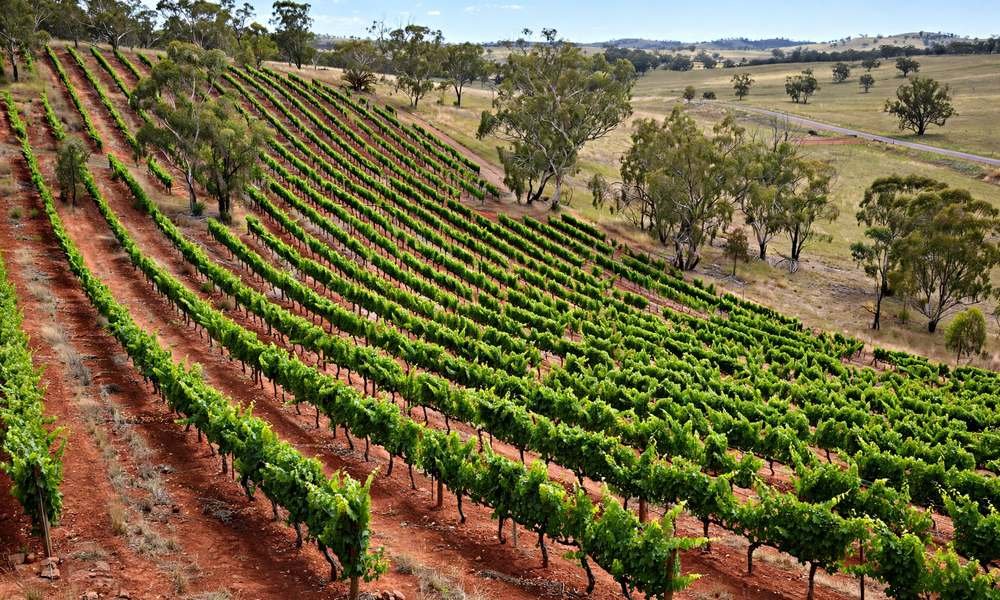
The region splits into three main areas. Each one has its own feel, and knowing the split helps you plan a day without criss-crossing the countryside.
Murrumbateman and Yass
This is the centre of the wine region. Murrumbateman village alone has around 15 cellar doors, and the wider area has more than 20. Clonakilla, Helm, Shaw Estate, Eden Road, Gallagher, McKellar Ridge, Yarrh, Barton Estate, the Vintner’s Daughter, Four Winds, and Pankhurst are all here or nearby. The drive from Canberra takes about 30 minutes down the Barton Highway. If you only have one day, spend it here. You can visit three or four cellar doors without driving far between them, and the village has food, coffee, and places to rest.
Yass sits further west and adds a country-town feel to the trip. Dog Trap Vineyard is known for rich, dry reds from shiraz and cabernet grapes. Poachers Pantry, near Murrumbateman, pairs its estate wines with a smokehouse restaurant that locals love. Allow a full day for this area, and do not rush it.
Canberra, Hall and Wallaroo
This area suits visitors who are short on time. Mount Majura is 10 minutes from the city centre, and Contentious Character is in the city itself. Hall and Wallaroo sit about 20 minutes north, with Nick O’Leary and Heywood, Brindabella Hills, Pankhurst, and Surveyors Hill. The scenery here is open farmland with the Brindabella Ranges in the background, and the cellar doors are close together. This is the best area for a half-day trip, or for a first taste before you commit to a full day in Murrumbateman.
Bungendore, Wamboin, Gundaroo and Lake George
This area sits to the east, and it feels a little wilder. Bungendore is home to Lark Hill and Sapling Yard, and the altitude is higher, which gives the wines a distinct character. Wamboin has Aranya Acres, where Sapling Yard tastings come with a native-inspired menu, and Norton Road Wines, which pairs its wines with craft barbecue. Gundaroo has Gundog Estate and Tallagandra Hill. Lake George has Lerida Estate and Lake George Winery, with big views over the lake. This area suits a second day, or a slow drive with long stops.
How Many Days Do You Need in the Wine Region
One day is enough for a good taste. Three days is enough to do it properly. The region is bigger than it looks, and the cellar doors are spread across several villages. Trying to see it all in a day means a lot of driving and not much tasting.
For one day, pick one area and stick to it. Murrumbateman is the best choice. Start at Clonakilla or Helm, have lunch at Shaw Estate or Poachers Pantry, then finish at Four Winds or Gallagher. Three cellar doors in a day is a comfortable number. Four is the most you should try, and only if two of them are short stops.
For a full weekend, spend day one in Murrumbateman and day two in Bungendore and Lake George, or in Hall and Wallaroo. That gives you time for longer tastings, proper lunches, and a few small cellar doors you would otherwise miss. If you want to visit Canberra wineries at a relaxed pace and still see the city, three days works well: two days in the wine region and one day for the things to do in Canberra, like Parliament House, the Australian War Memorial, and the National Gallery of Australia.
Best Time to Visit the Wineries
There is no bad season, but each one feels different. Autumn, from April to early May, is the season most locals name as their favourite. The vines turn gold and red, the crowds thin out after the summer, and the days are cool and clear. It is a great time for long lunches and slow tastings.
Winter has its own charm. The cellar doors light their fires, and the red wines taste even better on a cold day. Winter is also truffle season in the region, and some wineries and restaurants build truffle dishes into their menus. If you like shiraz and cabernet, winter is your season.
Spring brings new releases, green vineyards, and the Floriade flower festival in the city, which makes it a busy time to visit. The cellar doors are lively, the patios fill up, and the weather is warm enough to sit outside. Summer is hot and bright, and the whites and roses come into their own. Book ahead in spring and summer, as weekends fill up fast.
Vintage, when the grapes are picked, usually falls in late summer and early autumn. The wineries are busy then, and some winemakers are hard to catch. It is still a good time to visit, but do not expect long chats with the winemaker during harvest.
Where to Stay for a Wine Weekend
Base yourself in Canberra city. The wine region is a 30 to 40-minute drive away, and the city has the widest choice of places to stay. Canberra City Centre (Civic) puts you close to the highways north and east, and Braddon has the best food and bar scene for the evening after a day of tasting. Manuka is quieter and suits couples who want a relaxed base. Our guide to where to stay in Canberra covers the best areas and hotels for every budget.
For something different, Summerhill Road Vineyard near Bywong offers an Airstream caravan stay among the vines. The caravan, called Vivien, has a queen bed, a kitchen, and an ensuite, and you can taste the single-vineyard wines at the cellar door. It is a fun option for a romantic weekend, and it puts you right in the wine country.
If you are travelling with kids, check our Canberra with kids guide. Many wineries welcome children, especially the ones with open space and food, like Four Winds. Still, a wine weekend works best with a plan for the kids, or a day when they have their own activities.
Getting Around the Wine Region
You need a plan for getting around, because the cellar doors are spread out and the roads are country roads. Driving yourself is fine if someone in your group is happy not to drink, or to taste and spit. Most cellar doors expect a designated driver, and the staff will happily pour small tastes for the driver to try at home.
A private driver is the most relaxed option. A half-day private driver hire runs from around $300 to $400 for the vehicle, which is reasonable when shared across four people. Your driver knows the roads, waits while you taste, and takes you home safely. Book ahead, especially on weekends.
Guided tours are another good choice. Canberra Winery Tours runs half-day and full-day tours, with small groups and a local guide, and the full-day tour finishes with a trip to Mount Ainslie for a view over the city. The Wine Hopper is a hop-on, hop-off bus that loops around Murrumbateman on Saturdays and Sundays from 10am to 5pm. Tickets start from $89 per person and include return transport from the city, a route map, and unlimited hops all day. It is a good option if you want freedom without driving.
If you are staying in the city and do not want to travel at all, the Canberra Cellar Door runs a weekly Saturday pop-up tasting in the city where you can sample rotating Canberra District wines. Check the current location before you go, as the venue has changed over time.
For the rest of your trip, our guide to getting around Canberra covers buses, light rail, and driving in the city. And if you want to pair the wineries with a wider trip, our day trips from Canberra guide has more ideas.

What Does Wine Tasting Cost
Tasting fees are normal in the Canberra region, and they are usually fair. Most cellar doors charge around $10 to $20 per person for a tasting, and the fee is often taken off the price if you buy a bottle. Some of the smaller, family-run places still taste for free, but do not count on it.
Premium tastings cost more. At Mount Majura, the Local Favourites tasting is $20 per person, the Winemaker’s Choice is $30, and the single-site Tempranillo tasting is $40. At the Vintner’s Daughter, tastings are $15 per person. These fees cover the cost of the wine, the glassware, and the staff time, and they are worth it for the range you get to try.
Budget roughly $150 to $250 per person for a full wine day, including transport, tastings, and lunch. That is a rough guide, not a fixed price. Bottles you buy are extra, and the famous wines cost more. A bottle of Clonakilla Shiraz Viognier is around $130, while most bottles at smaller cellar doors sit between $25 and $60. Check current prices before you go, as fees and menus change.
Where to Eat Among the Wineries
Food is a big part of the Canberra wine region, and some of the best meals in the area happen at wineries. Plan your lunch stop as carefully as your tastings, and book ahead on weekends.
Heywood, at Nick O’Leary Wines, serves seasonal share plates made from local produce. It is one of the best winery restaurants in the region, and the patio views make it hard to beat. Poachers Pantry Smokehouse, near Murrumbateman, has been a local favourite for years. The smoked duck breast and the venison cutlet are the dishes people talk about, and the deck is a lovely place to sit on a sunny day.
Shaw Estate serves Mediterranean-inspired food on a terrace over the vines. Four Winds does wood-fired pizza in a hay shed, which suits a casual afternoon. Lark Hill serves lunch on weekends with a view across the vineyard. Lerida Estate’s cafe does gourmet pies and charcuterie plates by Lake George. Brindabella Hills serves a two or three-course menu matched to its wines.
For a sweet finish, Robyn Rowe Chocolates near Murrumbateman is a small chocolaterie with a manicured lawn and a very good hot chocolate. It is a nice way to end a day of tasting. Back in the city, our guide to the best restaurants in Canberra and the best cafes in Canberra covers where to eat before and after your wine days.
Winery Tours and Tastings Worth Booking
Booking a tour takes the driving and the planning off your hands. Canberra Winery Tours is the main local operator, with half-day and full-day trips that visit several cellar doors and finish at Mount Ainslie. The guides know the region well, and the small groups keep it personal.
The Wine Hopper suits travellers who want to choose their own stops. It runs on weekends, loops around Murrumbateman, and lets you hop off at the wineries you like and hop back on when you are ready. Tickets start from $89 per person, including transport from the city. It is a good middle ground between a guided tour and driving yourself.
Some wineries offer special tastings worth booking ahead. Yarrh Wines runs a Winemaker’s Sail tasting that pairs four wines with four seasonal dishes. Mount Majura runs a single-site Tempranillo tasting for people who want to go deep on one grape. The Vintner’s Daughter offers private tastings with the winemaker at selected times. These book out, so reserve early if one catches your eye.
Tips for Your First Cellar Door Visit
Book ahead. Many small cellar doors are only open Friday to Sunday, or on weekends, and they can fill up fast. A booking also means the staff expect you and have time for a proper tasting. Walk-ins are welcome at some places, but do not rely on it at the popular ones.
Do not try to visit too many wineries in one day. Three is comfortable. More than that and the wines blur together, and you stop enjoying them. Pick three, take your time, and buy a bottle at the one you liked most.
Drink water between tastings and eat something at lunch. Most cellar doors offer a spit bucket, and using it is normal. There is no shame in tasting and spitting, especially if you are driving later. The staff will not judge you for it.
Take notes. After three tastings, every wine starts to sound the same. Write down the name, the grape, and one thing you liked. Your phone notes app is fine. It makes buying wine later much easier, and it helps you remember which cellar door to go back to.
Ask questions. The people pouring the wine usually made it, grew it, or know the person who did. Ask what makes this vintage different, or why they grow this grape here. You will learn more in five minutes of chatting than in an hour of reading labels.
Check opening days before you drive out. Many small cellar doors are closed Monday to Thursday, and some are only open by appointment. A quick check on the winery’s website saves a wasted trip.
FAQs About Visiting the Wineries
How far are the wineries from Canberra city centre?
Mount Majura is about 10 minutes by car, and it is the closest winery to the city. Hall and Wallaroo are about 20 minutes north. Murrumbateman is about 30 minutes north, and Bungendore is about 40 minutes east. Most of the region sits within a 35-minute drive of the city centre.
Do I need to book tastings in advance?
It is a good idea, especially on weekends. The popular cellar doors like Clonakilla and Shaw Estate can fill up, and the small ones may only open by appointment. Mount Majura takes bookings and welcomes walk-ins when there is space. A quick booking also guarantees the staff have time for you.
What is the region known for?
Riesling and shiraz are the stars. Riesling suits the cool climate and high altitude, and shiraz from the region is elegant rather than heavy. Tempranillo is a local specialty, especially at Mount Majura. Gruner veltliner, chardonnay, pinot noir, and sangiovese are also worth trying.
Can I visit the wineries without a car?
Yes. The Wine Hopper bus runs on weekends from the city to Murrumbateman, and Canberra Winery Tours runs guided trips. Contentious Character sits in the city at Kingston Foreshore, so you can taste without leaving town. A private driver is another option if you want to visit wineries that tours do not cover.
Are the wineries family-friendly?
Many are. Four Winds has open space and pizza, which suits kids. Most cellar doors welcome children, but they are working wineries, so keep an eye on little ones around the vines and the equipment. If you want a full family plan, see our Canberra with kids guide.
When is the best time of year to visit?
Autumn, from April to early May, is the favourite for most locals, thanks to the colour in the vines and the mild weather. Winter suits red wine lovers and truffle season. Spring is lively and busy, with new releases and the flower festival in the city. Summer is best for white wines and long lunches outside.
Final Thoughts on Visiting the Wineries
Canberra wineries reward slow travel. The region is small enough to explore in a weekend and good enough to come back to. Start with the big names like Clonakilla and Lark Hill, then make time for the small cellar doors where the winemaker pours your glass. Eat well, book ahead, and sort out your transport before you go. Three tastings a day, a long lunch, and a bottle to take home is a day well spent.
If you are planning a wider trip, pair the wine region with the city itself. Spend a morning at the Old Parliament House or Questacon, browse the Old Bus Depot Markets on a Sunday, and save the afternoon for the vines. That mix of city and country is what makes Canberra such an easy trip. For more ideas, see the full guide to things to do in Canberra on Australia City Guide.