
Canberra is called the Bush Capital for a good reason. You can walk from the city centre into real bush in minutes, and some of the best walks in Canberra start right behind the national monuments. This guide covers the walks locals actually do. You will find an easy flat loop around the lake, steep summit climbs, and full-day hikes in the ranges. Every walk below has its distance, time, and difficulty, plus honest tips on when to go and what to watch out for. If you are planning a trip, start with our things to do in Canberra guide for the big picture, and use this page to pick your walks. Australia City Guide has walked or checked every trail in this list against the latest local advice.
The Best Walks in Canberra at a Glance
Short on time? Start here. Pick a walk by how much time you have and how hard you want to work.
- Under an hour, easy: Bridge to Bridge loop (part of it), Botanic Gardens Main Path, Weston Park loop, Shepherds Lookout, Angle Crossing River Track.
- One to two hours, moderate: Mount Ainslie Summit Walk, Black Mountain Forest Loop, Red Hill Red Track, Mount Taylor, Mount Painter, National Arboretum tracks.
- Half a day, hard: One Tree Hill, Gibraltar Peak, Booroomba Rocks long route, Yerrabi Track.
- Best with kids: Weston Park, Botanic Gardens Main Path, Tidbinbilla Sanctuary Loop, National Arboretum STEP Track.
- Best for views: Mount Ainslie, Black Mountain, Mount Taylor, Red Hill, One Tree Hill.
- Best for wildlife and birds: Jerrabomberra Wetlands, Mulligans Flat, Tidbinbilla, Gigerline.
Easy Walks in Central Canberra
These walks sit in or near the city centre. You do not need a car for most of them, and you can fit one into a morning or an afternoon between the museums and galleries.
Bridge to Bridge Loop, Lake Burley Griffin
The Bridge to Bridge loop is the walk most visitors do first, and it is the right place to start. The 5km loop runs around the Central Basin of Lake Burley Griffin, linking Commonwealth Avenue Bridge and Kings Avenue Bridge. It takes one to two hours at a relaxed pace, and the path is mostly flat and sealed. You will pass Questacon, the National Museum of Australia, the National Gallery of Australia Sculpture Garden, the High Court, and the Carillon. The views across the water to Mount Ainslie and Black Mountain change with the light, so early morning and late afternoon are the nicest times. You can join the loop at many points, so cut it short if you like. Buses stop near Albert Hall, which is a handy starting point. The only steep parts are the steps up to the first bridge. Cafes sit along the route, so you can stop for coffee halfway round.

Kingston Foreshore to the NGA Sculpture Garden
This is a gentler lakeside walk, and it suits a slow morning. Start at Kingston Foreshore and follow the lake path past Bowen Park, where swans drift along the water’s edge. Keep going towards the National Gallery of Australia and finish in the Sculpture Garden, which holds 26 sculptures by Australian and international artists. Grab a coffee from one of the foreshore cafes before you reach the gallery. The path is flat and sealed, so it works for prams and wheelchairs. It is a good walk if you want art and fresh air in one outing, and it pairs well with a visit to the gallery itself.
Australian National Botanic Gardens
The Australian National Botanic Gardens sit at the base of Black Mountain and cover 35 hectares. They hold the largest collection of native Australian plants in the world, with more than 4,300 species. The Main Path is a 1.4km loop that takes about 40 minutes. It is paved and step-free, and all its slopes meet Australian wheelchair-access standards, so it is one of the most accessible walks in Canberra. You will pass through Rainforest Gully, under tall eucalypts, and past the Red Centre and Rock Gardens. In the warmer months, look for Gippsland water dragons near the ponds, especially around the Tasmanian Garden. If you want a harder walk, take the Flower to Tower trail. It runs 5.4km return, takes about two hours, and climbs from the gardens through Black Mountain bushland to the summit. It is a Grade 3 trail. Pick up a trail map at the visitor centre first. The gardens open at 8:30am and close at 5pm, and the visitor centre opens at 9:30am. Free electric wheelchairs are available if you ask at the centre.
Summit Walks with the Best Views
Canberra is ringed by low hills, and each one has a summit track. These walks are short but steep, and the payoff is a full view over the city, the lake, and the ranges. Go early in summer to beat the heat.
Mount Ainslie Summit Walk (Kokoda Track)
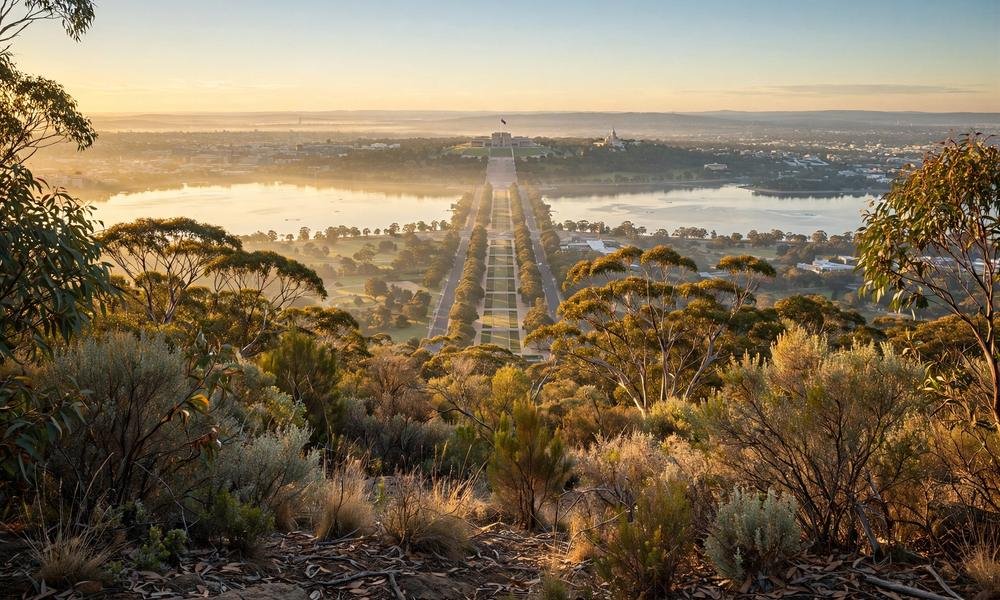
The Mount Ainslie Summit Walk is the city’s best-known climb. It starts behind the Australian War Memorial in Remembrance Park and climbs about 250 metres to the summit. The return walk is 4.5km and takes around 1.5 hours. It is also called the Kokoda Track, and a memorial plaque at the start explains the name. The track is mostly sealed, but it has steep sections, steps, and uneven ground. At the top you get the classic Canberra view: the axis runs down Anzac Parade, across Lake Burley Griffin, and straight to Parliament House. Sunset is a popular time, but the track is also one of the busiest in the city, with hundreds of people walking it each day. Dogs are allowed on a lead, but bring water for them because there is little water on the track. If you cannot walk up, you can drive up Mount Ainslie Drive instead.
Black Mountain Summit Walk
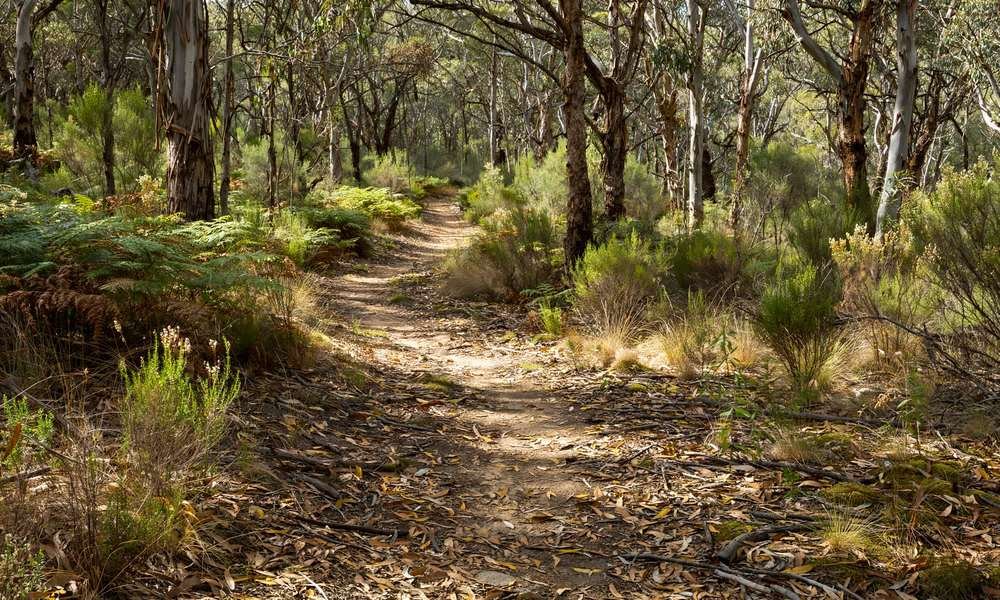
Black Mountain is crowned by Telstra Tower, and it holds the most varied nature in any of Canberra’s city parks. You can spot around 100 bird species, 500 plant species, and up to 60 species of orchids here. The summit trail is 3.5km, and the Forest Loop is an easier 2km circuit around the top that follows the contours of the mountain without the steep climb. The Bushland Nature Walk is 2.2km return, and the Forest Track is 3.5km return. Most trailheads sit near the Australian National Botanic Gardens car park, which makes it easy to combine the gardens and the mountain in one morning. The reserve is open 24 hours. Take water and sun protection, because shade is patchy on the upper tracks.
Mount Painter Summit Walk
Mount Painter is a local favourite in Belconnen, and it is one of the quickest summit walks in Canberra. A fit walker can reach the top in about 20 minutes, and a short return trip takes around an hour. From the summit you get 360-degree views over Lake Burley Griffin, the city, and the Brindabella Ranges. The tricky part is finding the trailhead. The paths between houses can look like driveways. The track between houses 20 and 22 in Booth Crescent is the local favourite, and the Bindubi Street trailhead is the easiest to find. Dogs are allowed on a lead. Bring your own drinking water, and check Parks ACT alerts before you go. The Canberra Balloon Spectacular in March is a great time to be up here at sunrise, when hot air balloons rise over the city.
Red Hill Nature Reserve
Red Hill sits minutes from the city, and it is at its best in autumn when the deciduous trees turn red and orange. The Red Track is a 3.2km loop that takes about an hour. It is moderate, with some steep and rocky sections, and it explores the reserve’s natural and cultural heritage. From the lookout you can see across Canberra to Parliament House and the Brindabella Ranges. Sunrise and sunset are the best times to go. The ridge has little shade, so bring water and sun protection. Dogs are allowed on a lead. A cafe sits near the summit when it is operating, or you can head back to Manuka for a drink after the walk. Our Manuka guide covers the cafes and shops in the area.
Mount Taylor
Mount Taylor sits between Torrens and Kambah, and it is the highest southside hill within easy reach of the suburbs. At 856 metres above sea level, it gives wide views across southern Canberra and towards the mountain ranges to the south and west. The most popular summit track starts from Sulwood Drive, opposite Mannheim Street. It begins gently, then gets steeper towards the top. The return walk is just over 2km, climbs about 180 metres, and takes 45 minutes to an hour. Most of the path is concreted or tarred, and benches sit along the way so you can stop and catch your breath. A coffee van often sets up at the trailhead in the morning, so you can grab a coffee before or after your walk.
Mount Majura and the Casuarina Walking Trail
Mount Majura is the highest hill in northern Canberra, and it is quieter than Mount Ainslie. The Casuarina Walking Trail climbs through woodland to the summit, opening to views across the city, the Majura Valley, and the surrounding bushland. The trail is 3.8km, takes one to 1.5 hours, and is moderate in difficulty. The reserve is an important wildlife corridor, so the walk is as good at ground level as it is from the top. Several trails cross each other in the reserve, so download the Casuarina Walking Trail map before you set out.
One Tree Hill Summit
One Tree Hill sits above the village of Hall, on Canberra’s northern edge. The 9km return trail takes about three hours and is graded Grade 3. It winds through open grazing country, wattles, and eucalypt woodland before climbing to the summit. The views stretch towards the Brindabella Range and across northern Canberra. The hill also played a part in the early surveying of the Canberra region, which adds a layer of history to the walk. Birdlife is rich along the trail, and the critically endangered Orange Sunshine Moth lives near the summit. The trail forms part of the Canberra Centenary Trail. It is open 24 hours but closes on total fire ban days. When you finish, walk into Hall for a bite to eat. The village is small, quiet, and worth a slow look around.
Nature and Wildlife Walks
These walks are about what lives here as much as where you go. Wetlands, woodland sanctuaries, pine forests, and river corridors all sit within a short drive of the city.
Jerrabomberra Wetlands
Jerrabomberra Wetlands is one of the most important wetland habitats in the city, and it feels a world away from the lakefront. Combine the Kellys Swamp Loop and the Billabong Walk for a 2.6km loop that takes 45 to 60 minutes. Boardwalks and bird hides run through the reserve, and more than 200 bird species have been recorded here, along with frogs and other wetland wildlife. The paths are accessible, which makes this a good choice for families, birdwatchers, and anyone who wants a relaxed nature walk close to the city. Go early in the morning for the best bird activity, and bring binoculars if you have them.
Mulligans Flat Woodland Sanctuary
Mulligans Flat is a predator-free reserve that protects critically endangered box-gum grassy woodland. Walk the signed trails by day, or book a guided Twilight Tour to spot nocturnal animals like eastern bettongs and, with luck, eastern quolls and bush stone-curlews. Start at the Wildbark Visitor Centre at 25 Rosenberg Street in Throsby for coffee, maps, and local tips. Allow one to two hours for a self-guided visit, depending on the route you choose. The tracks are generally easy to moderate. No dogs or pets are allowed inside the sanctuary, and entry is free for self-guided visits. The sanctuary tracks are open 24 hours, but guided tours run only on select evenings and need to be booked ahead.
Weston Park, Yarralumla
Weston Park is a 40-hectare park on the south side of the lake, and it is one of the best family walks in Canberra. The flat 4.2km loop takes about an hour and suits prams and wheelchairs. There is a water playground and wading pool for kids, a beach and swimming area, electric barbecues, and picnic tables. Park at the end of Weston Road at Karrajong Point and follow the path past the pond, the Ramble, and the Yarralumla Nursery. The Yarralumla Gallery and Oaks Brasserie cafe sit near the nursery if you would rather eat out than pack a picnic. The park is open from 8am to 8pm daily. See our Canberra with kids guide for more family-friendly walks and activities.
National Arboretum Walking Tracks
The National Arboretum holds more than 44,000 rare and symbolic trees from over 100 countries, spread across 250 hectares. It has more than 20km of walking and cycling tracks, so there is a route for every fitness level. The STEP Track is an easy 1km return walk. The Himalayan Cedar Track is a moderate 2.1km return walk that starts near the Pod Playground and passes through several forests before reaching the Himalayan cedar forest. Allow about an hour for it. The Dairy Farmers Hill Track is a moderate 2.3km return walk to one of the Arboretum’s best viewpoints. It starts at the Events Terrace and travels through nine forests. The Explorer Track is a longer 7.2km return route. The National Bonsai and Penjing Collection and the Pod Playground make this a good stop for families. The grounds open at 7am and close at 5:30pm in winter, and 6am to 8:30pm in summer.
Isaacs Pines
Isaacs Pines is a pine plantation near Woden that was established in 1955. It suits all fitness levels, and the multi-use trail is shared with runners and bike riders. The tall pines give good shade, which is a real plus on a hot day. Views open west to the Brindabella Ranges as the terrain changes along the trail. Dogs are welcome on a lead, so it is a good pick if you are walking with a dog. It is a quieter walk than the city tracks, and it feels more like a forest walk than a city park.
Aranda Bushland and the Ian Loiterton Walk
Aranda Bushland shows that a good nature walk does not need a mountain. The Ian Loiterton South Aranda Woodlands Walk is a well-marked 2km loop that takes 30 to 45 minutes. It moves through swamp, grassland, heathland, woodland, and forest, which is a lot of variety for a short walk. Eight information signs along the trail explain the area’s Ngunnawal significance, geology, plants, and animals, and how the landscape has changed over time. Pick up the trail brochure at the entrance and take your time. It is a short walk, but there is plenty to find along the way.
Ginninderry Conservation Corridor and Shepherds Lookout
The Ginninderry Conservation Corridor sits on Canberra’s north-west edge, and it holds Canberra’s first swing bridges, which span 15 and 37 metres. The trails here now run for more than 13km, building on the popular Strathnairn to Shepherds Lookout walk. Shepherds Lookout itself is the ACT’s northernmost viewing point over the Murrumbidgee River. The walk from Stockdill Drive to the lookout is an easy 1.2km return and takes about 45 minutes. Four walks run through the area, and the lookout is only 600 metres from the car park. Watch the river wind through the valley below, and stay for sunset over the Brindabellas if you can. The trails are about 3km south-west of Ginninderry, off Stockdill Drive.
Murrumbidgee Discovery Track and Gigerline Nature Reserve
The Murrumbidgee Discovery Track follows the river from Point Hut Crossing in the south, through Pine Island and Kambah Pool, to Casuarina Sands in the north. The full trail is 27km one way and takes about 12 hours, so most people walk it in sections. The 7km stretch from Kambah Pool to Pine Island is the favourite, and it takes about three hours. There are good swimming spots along the route, and the river scenery is the main draw. On the southern edge of the ACT, Gigerline Nature Reserve offers a quieter river walk. The Angle Crossing River Track is an 800m loop that takes about 30 minutes. Tharwa Sandwash has sandy river beaches and picnic spots, and more than 200 bird species have been recorded in the reserve. Visit in the late afternoon for golden light on Mount Tennent, then detour through historic Tharwa village. No dogs are allowed in Gigerline, and you should check Parks ACT for flood or fire closures before you go.
Tharwa Bridge and Googong Foreshore
Tharwa Bridge is a good base for a relaxed day out. The riverside picnic area sits between the Murrumbidgee River and the historic town of Tharwa, with picnic tables and toilets. You can walk down to the 19th-century De Salis Cemetery and learn about the Ngunnawal history of the area and the story of the old Tharwa Bridge. Take care near the water, because surfaces can be slippery. Across the border at Googong Foreshore, the London Bridge Walking Track is a short 800m walk to a natural granite arch where Burra Creek flows underneath. You can keep going for a 2.2km loop back to the car park. The southern end of the reserve holds the London Bridge Homestead, the Tin Hut picnic area with a wetland bird-viewing spot, and a historic woolshed and shearers’ quarters. The northern end is open 8am to 8pm in daylight saving time, and the southern end is open 8am to 7pm.
Tuggeranong Hill Nature Reserve
Tuggeranong Hill is the pick for walkers in the outer south. The climb to the summit gives wide views over the Tuggeranong Valley and the Bullen Range, and the woodlands below are worth a slow wander if hills are not your thing. Dogs are welcome on a lead, so bring yours along. It is a quieter reserve than the city hills, and it suits a morning walk before the day warms up.
Big Day Walks in Namadgi and Tidbinbilla
If you want a full day out, head south. Namadgi National Park holds more than 160km of marked walking trails, and Tidbinbilla Nature Reserve holds 22 marked trails. Both are within an hour’s drive of the city, but they feel remote. Check track and road conditions with Parks ACT before you set out, because conditions in Namadgi can change at short notice.
Yerrabi Track, Namadgi National Park
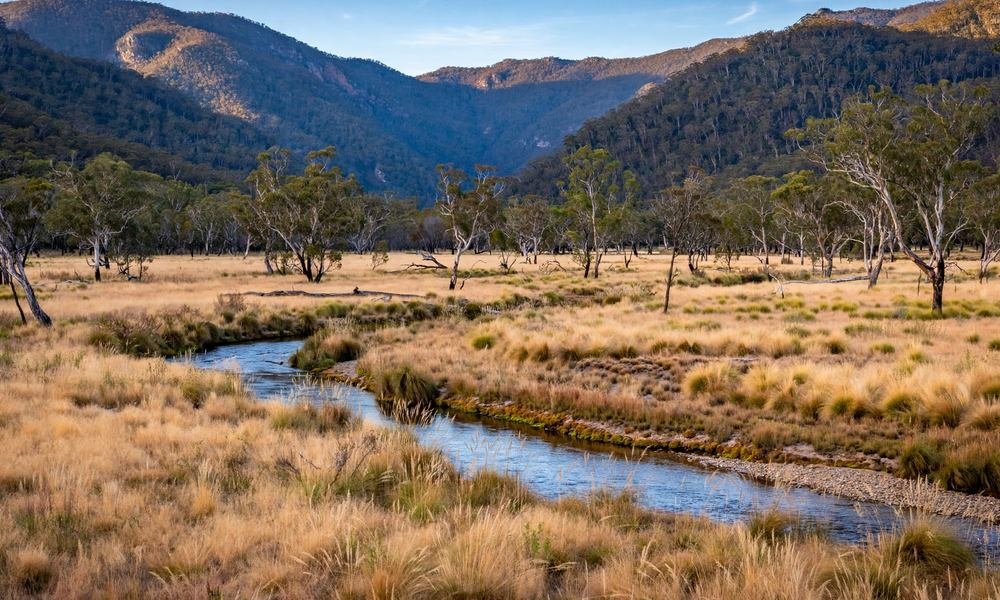
The Yerrabi Track packs a lot into a 4km return walk. It starts on Boboyan Road in Namadgi National Park and climbs slowly through dry and wet forest, swampy grassland, black sallee woodland, and granite formations before reaching the summit of Mount Boboyan. Keep going past the summit to the huge granite tors, where you get wide views towards the Bimberi Wilderness. The track is graded Grade 4 and takes about two hours. Much of it is rock, so it can be slippery when wet. The Namadgi Visitor Centre on Naas Road in Tharwa is worth a stop first. It opens 9am to 4pm on weekdays and 9am to 4:30pm on weekends, and it has displays on the park’s geology, plants, animals, and the Ngunnawal people, who are the original inhabitants of the region.
Booroomba Rocks, Namadgi National Park
Booroomba Rocks is one of the best hikes in Namadgi. The short route starts at the Booroomba Rocks car park and follows a 2.5km return track through tall forest to granite cliffs and wide views over the Brindabella Range. Allow about 1.5 hours. The track has steep sections and exposed cliff edges, so some bushwalking experience is a good idea. For a longer day, walk from Honeysuckle Campground to the top of Booroomba Rocks. That is an 11.5km return trip and takes about 5.5 hours. Booroomba Rocks Road is unsealed and usually fine for two-wheel-drive cars in dry weather, but check conditions first. Visit in spring for the wildflowers.
Tidbinbilla Sanctuary Loop and Birrigai Time Trail
Tidbinbilla sits about 45 minutes’ drive from the city centre, and it is the best place near Canberra to see native wildlife on foot. The Sanctuary Loop is a flat 2.1km walk that takes about 30 minutes. It is graded Grade 1, with boardwalks through protected wetlands. You may spot platypus, turtles, bandicoots, and many kinds of birds. There are no steps or steep sections, so it suits families and anyone who wants a relaxed walk. The Birrigai Time Trail is a 3km loop that takes about an hour and is graded Grade 3. It leads to the Birrigai Rock Shelter and tells the story of the long Ngunnawal connection to Tidbinbilla, including how the landscape has been lived in and cared for over thousands of years. It is a short walk, but it rewards a slow pace. Tidbinbilla is open 7:30am to 6pm in winter and 7:30am to 8pm in summer. The visitor centre opens 9am to 5pm daily.
Gibraltar Peak, Tidbinbilla
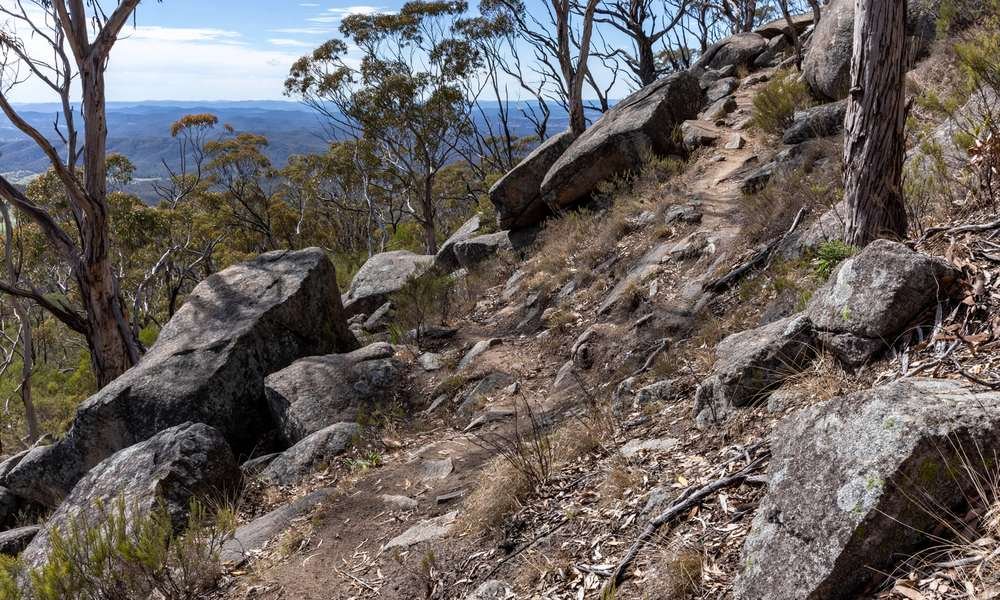
Gibraltar Peak is the hardest walk in Tidbinbilla, and it is one of the most rewarding climbs near Canberra. The 8.2km return trail starts at the Dalsetta car park and climbs about 320 metres through grassland and forest to a granite peak. Allow three to four hours. The track is long, rough, and very steep in places, so it suits walkers who are comfortable with a big climb. On a clear day the views stretch across the Tidbinbilla Valley and the ranges beyond. The trail sign at the start is small, and if you miss the turn you will end up on the Xanthorrhoea Loop Trail instead, which still leads to the peak. It is graded Grade 4, so take plenty of water and start early.
The Canberra Centenary Trail
The Canberra Centenary Trail is the big one. It is a 145km shared-use loop for walkers, runners, and cyclists that circles the whole city, from the suburbs to the NSW border and down to the Murrumbidgee River. An extra 10km of feature walks branch off the main loop. You do not need to walk it all at once. It is divided into seven sections, and each section works as a day walk on its own. Shorter options include the 9km return One Tree Hill Summit walk, the 6km return Kambah Pool to Red Rocks Gorge Lookout walk, and the 8km Mount Ainslie Loop. If you want a multi-day walking trip without leaving the ACT, this is it. Plan your sections ahead, work out where you will park or catch a bus at each end, and carry more water than you think you need, because some sections have no water at all.
How to Pick the Right Walk for You
Canberra has a walk for every kind of walker. Use this guide to match a walk to your day.
If you have one hour: try the Botanic Gardens Main Path, Weston Park, Mount Painter, Shepherds Lookout, or the Angle Crossing River Track. Each one is short, close to the city, and easy to fit into a morning.
If you want a workout: climb Mount Ainslie, Black Mountain, Red Hill, or Mount Taylor. Each one is steep, takes one to 1.5 hours, and gives you a summit view as a reward.
If you are walking with kids: pick Weston Park, the Botanic Gardens Main Path, the Tidbinbilla Sanctuary Loop, or the National Arboretum STEP Track. All four are flat or gentle, and each one has something to keep kids interested, whether that is wildlife, a playground, or a beach to splash in. Our Canberra with kids guide has more ideas for family days out.
If you are walking with a dog: Mount Ainslie, Mount Painter, Red Hill, Isaacs Pines, and Tuggeranong Hill all allow dogs on a lead. Mulligans Flat and Gigerline do not allow dogs at all, so skip those if your dog is coming along. Bring water for your dog, because many tracks have no water.
If you need a pram or wheelchair-friendly walk: the Botanic Gardens Main Path, the Bridge to Bridge loop, Weston Park, and the Tidbinbilla Sanctuary Loop are the best picks. All four are flat, sealed, or boardwalked, with no steps.
If you want a full day out: head to Namadgi or Tidbinbilla. Gibraltar Peak, Booroomba Rocks, and the Yerrabi Track all take half a day or more, and they feel like real bushwalking. Pack lunch and plenty of water.
Best Time of Year to Walk in Canberra
Canberra walks well all year, but each season changes the experience. Autumn is the pick for most walkers. The days are mild, the skies are clear, and the trees around Red Hill and the Arboretum turn red and gold. Winter mornings are cold and crisp, and the light is sharp. Start after the frost lifts, and rug up for the first hour. Spring brings wildflowers to Namadgi and Booroomba Rocks, and the wetlands fill with birds. Summer is the hardest season to walk in. Temperatures often pass 30 degrees, and the sun is strong. Walk early in the morning, carry more water than you think you need, wear a hat and sunscreen, and check the fire danger before you go. Some tracks close on total fire ban days, including One Tree Hill. For month-by-month detail, see our best time to visit Canberra guide. The Canberra Balloon Spectacular in March and Floriade in spring are good times to plan a walking trip around a festival.
Getting to the Trailheads
Most city walks are easy to reach by bus or car. The Bridge to Bridge loop starts right in the city centre, and buses stop near Albert Hall. Mount Ainslie starts behind the Australian War Memorial, which buses also serve. The Botanic Gardens and Black Mountain share a car park off Clunies Ross Street, and buses run to the gardens. For the suburban hills, a car is the simplest option. Mount Painter, Red Hill, Mount Taylor, Mount Majura, and One Tree Hill all have trailhead car parks, but they are small, so go early on weekends. Namadgi and Tidbinbilla need a car. Tidbinbilla is about 45 minutes from the city, and Namadgi’s trailheads sit along Boboyan Road and Naas Road. Check road conditions before you drive out, because unsealed roads can close after rain. Our getting around Canberra guide covers buses, the MyWay+ card, and driving in the ACT.
Where to Stay Near the Walks
Staying in the city centre puts you within a short drive of most walks in this guide. Civic and Braddon are the best bases for the lake, Mount Ainslie, and Black Mountain. Canberra City Centre has the widest choice of hotels and the easiest bus links. If you want to be close to the southern walks, look at Woden or Tuggeranong for Mount Taylor, Red Hill, and Isaacs Pines. For a quieter stay near the wetlands, Kingston and Kingston Foreshore work well. See our where to stay in Canberra guide for areas, hotels, and budgets.
A Weekend of Walking in Canberra
If you have a full weekend, here is a simple plan that mixes easy walks with one big climb.
Day one, city and lake: start with the Bridge to Bridge loop in the morning, when the light is soft on the lake. Stop for coffee along the way, then visit the National Gallery of Australia and the Sculpture Garden. In the afternoon, climb Mount Ainslie for sunset. The track takes about 1.5 hours return, so leave by mid-afternoon.
Day two, bush and wildlife: drive to Tidbinbilla in the morning. Walk the Sanctuary Loop first, then take the Birrigai Time Trail. If you are fit and the weather is good, climb Gibraltar Peak in the afternoon. Finish the day with a slow dinner in Braddon or Manuka. Our best restaurants in Canberra guide and best cafes in Canberra guide will help you pick a spot. If you have a third day, add Namadgi. The Yerrabi Track or Booroomba Rocks makes a full day out, and you can stop at the Namadgi Visitor Centre on the way.
Staying Safe on Canberra’s Trails
Canberra’s walks are safe, but the bush still needs respect. Carry water on every walk, even a short one. Many tracks have no water at all, and the sun is strong. Wear a hat, sunglasses, and sunscreen, and reapply it on longer walks. Tell someone where you are going if you are walking a bush trail, and check when the sun sets so you are not finishing in the dark. Check Parks ACT for track closures, fire danger, and fire bans before you set out. Some tracks close on total fire ban days. Phone coverage is patchy in Namadgi and Tidbinbilla, so download your map before you leave the city. Wear closed shoes with grip, because many tracks have rock, loose gravel, or steps. In summer, watch for snakes on warm tracks, and give them plenty of space. If you are walking near the Murrumbidgee, take care on slippery banks and never swim in fast water. If you get lost, stay where you are, keep warm, and call for help.
What to Pack for a Canberra Walk
Keep it simple. For a short city walk, you need water, a hat, sunscreen, and comfortable shoes. For a half-day or full-day walk, add food, a charged phone, a downloaded map, a light rain jacket, and a small first aid kit. In winter, add a warm layer, because the temperature drops fast once the sun goes down. In summer, carry extra water and a spare bottle for your dog if one is coming along. A pair of binoculars is worth packing for Jerrabomberra Wetlands, Mulligans Flat, and Gigerline. If you are walking with kids, pack snacks, a spare change of clothes for Weston Park’s water playground, and a small bag for anything they collect along the trail.
FAQs About Walking in Canberra
What is the best walk in Canberra for first-time visitors?
The Bridge to Bridge loop is the best first walk. It is flat, easy, and takes you past the city’s best-known landmarks in one to two hours. If you want a summit view as well, add the Mount Ainslie climb in the same day.
Are Canberra’s walks free?
Yes, almost all of them are free. There is no entry fee for the city walks, the nature reserves, Namadgi, or Tidbinbilla. The only costs are parking in some city areas and guided tours, like the Mulligans Flat Twilight Tour, which you need to book.
Can I walk in Canberra with a pram?
Yes. The Botanic Gardens Main Path, the Bridge to Bridge loop, Weston Park, and the Tidbinbilla Sanctuary Loop are all pram-friendly. They are flat, sealed, or boardwalked, with no steps. Our Canberra with kids guide lists more pram-friendly outings.
Are dogs allowed on Canberra walking trails?
Many tracks allow dogs on a lead, including Mount Ainslie, Mount Painter, Red Hill, Isaacs Pines, and Tuggeranong Hill. Mulligans Flat and Gigerline Nature Reserve do not allow dogs at all. Always keep your dog on a lead, carry water for it, and check the signs at each trailhead.
How long is the Canberra Centenary Trail?
The Canberra Centenary Trail is a 145km loop around the whole city. It is divided into seven sections, and each section works as a day walk. You can also walk shorter feature walks that branch off the main loop.
What should I do if a track is closed?
Check Parks ACT before you go, and have a backup walk in mind. Tracks close for fire danger, bad weather, track work, or flooding. The city walks, like Bridge to Bridge and the Botanic Gardens, are good backups because they rarely close.
Final Thoughts on the Best Walks in Canberra
Canberra rewards walkers more than most Australian cities. You can start the day with coffee on the lake, climb a summit before lunch, and end it watching kangaroos at Tidbinbilla. The walks in this guide cover every kind of day. Try a flat lakeside loop, a hard mountain climb, or something in between, and most of them are free. If you only have one day, do the Bridge to Bridge loop in the morning and Mount Ainslie at sunset. If you have a weekend, add Tidbinbilla and Namadgi. And if you live here, work through the list one walk at a time. You will find a new favourite within a month. The Australian Capital Territory is small enough to explore on foot and big enough to keep surprising you. For more trip ideas, see our best day trips from Canberra guide.
Keep exploring:
- Things to Do in Canberra: Complete Guide
- Mount Ainslie Lookout: Complete Guide
- Black Mountain Canberra: Visitor Guide
- Tidbinbilla Nature Reserve: Visitor Guide
- Namadgi National Park: Complete Guide
- Lake Burley Griffin: Complete Guide
- Australian National Botanic Gardens: Visitor Guide
- Canberra with Kids: Family Guide
- Where to Stay in Canberra: Best Areas & Hotels
- Best Time to Visit Canberra
- Getting Around Canberra: Transport Guide
- Best Day Trips from Canberra