The best time to visit Canberra is spring (September to November) or autumn (March to May). Those are the months when the days are mild, the skies are clear, and the city puts on its best shows, from the Floriade flower festival in spring to the red and gold leaves and the Enlighten Festival in autumn. But that short answer does not suit everyone. Canberra is a four-season city, and each season changes what the place feels like, what it costs, and what you can do there. This guide walks through every season in detail, month by month, so you can pick the time that fits your trip, not someone else’s. Australia City Guide covers the capital in depth, and this page links through to those guides wherever they help you plan.
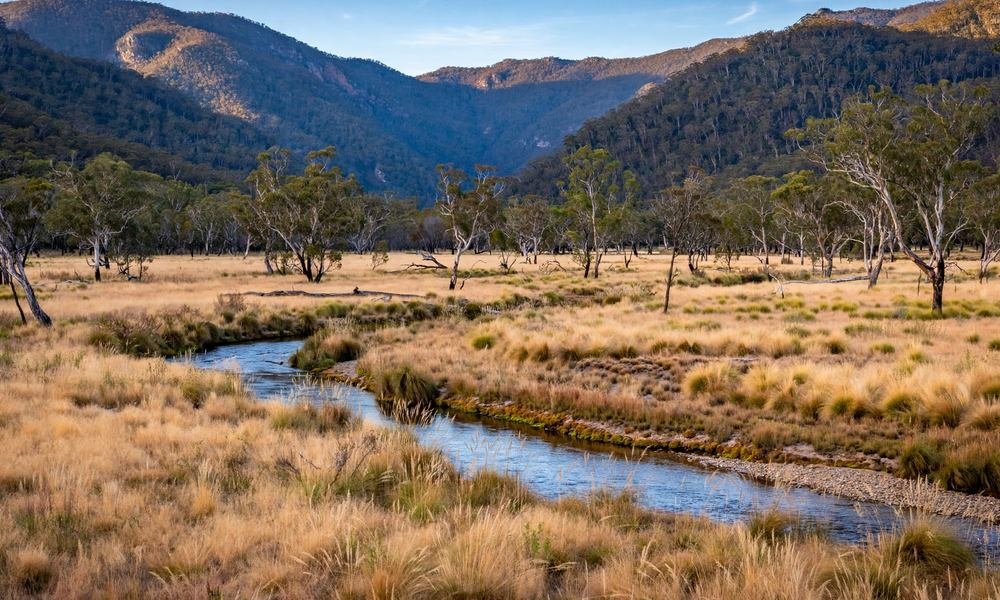
Canberra sits inland, about 570 metres above sea level, in the Australian Capital Territory. That height and that inland spot give it sharper seasons than Sydney or Melbourne. Summer days can push past 35 degrees, winter mornings often drop below zero, and the gap between day and night can be 15 degrees or more. Once you know how that works, you can plan around it and enjoy the city in any month of the year.
The Short Answer: When Is the Best Time to Visit Canberra?
If you want the simplest answer, book for spring or autumn. Spring runs from September to November, with daytime highs climbing from about 17 degrees in September to 24 degrees in November. The city fills with flowers, the days get longer, and Floriade turns Commonwealth Park into a sea of colour. Autumn runs from March to May, with highs falling from about 25 degrees in March to 16 degrees in May. The air is crisp, the leaves turn red and gold, and the crowds thin out after the summer holidays.
Summer (December to February) suits you if you love long days, warm evenings, lake swimming and outdoor dining. It is also the busiest and hottest time, with school holidays filling the city and daytime highs often near 30 degrees. Winter (June to August) suits you if you like quiet streets, cheap rooms, long lunches and museums without queues. Days are short and cold, with highs near 12 degrees and frosty mornings, but the skies are often clear blue and the city’s food scene shines.
There is no month when Canberra shuts down. The national museums and galleries stay open all year, most of them free, and there is always something on. The trick is to match the season to what you want from the trip. The rest of this guide helps you do exactly that.
Canberra Weather at a Glance
Canberra gets about 580 mm of rain a year, spread fairly evenly across the months, and close to 2,800 hours of sunshine. November is usually the wettest month, with around 70 mm of rain, while April is often the driest, with around 25 mm. Rain here tends to fall in short bursts, not long grey days, so a wet forecast rarely ruins a whole trip.
The table below gives a quick feel for each month. Temperatures are average daytime highs and overnight lows in Celsius. Use it to compare months at a glance, then read the season sections below for the detail that matters when you plan.
| Month | Daytime high | Overnight low | Rain | What it is good for |
|---|---|---|---|---|
| January | 28°C | 13°C | ~60 mm | Lake days, long evenings, summer festivals |
| February | 28°C | 13°C | ~55 mm | Multicultural Festival, warm nights out |
| March | 25°C | 10°C | ~50 mm | Enlighten Festival, Balloon Spectacular, mild days |
| April | 21°C | 6°C | ~25 mm | ANZAC Day, autumn leaves, driest month |
| May | 16°C | 3°C | ~40 mm | Quiet streets, crisp walks, wine country |
| June | 13°C | 1°C | ~40 mm | Truffle season starts, museums, cheap stays |
| July | 12°C | 0°C | ~40 mm | Snow trips, fireside dining, clear skies |
| August | 13°C | 1°C | ~45 mm | Quietest month, galleries, winter food |
| September | 17°C | 4°C | ~55 mm | Floriade starts, spring walks, longer days |
| October | 20°C | 7°C | ~60 mm | Floriade peak, cycling, outdoor markets |
| November | 24°C | 9°C | ~70 mm | Warm spring days, wettest month, fewer crowds |
| December | 27°C | 12°C | ~55 mm | Summer starts, lake swimming, festive feel |
Keep in mind that Canberra weather can change fast. A 30 degree afternoon can end with a cool evening, and a clear winter morning can start with thick fog. Pack layers in every season and check the forecast the night before you head out.
Spring in Canberra (September to November)
Spring is the season most visitors love best, and it is easy to see why. The city wakes up after winter, the days stretch longer, and colour comes back to the parks and gardens. Daytime highs climb from about 17 degrees in September to 24 degrees in November, while nights stay cool, from 4 degrees up to 9 degrees. You will want a jacket in the morning and sunglasses by lunch.
What Spring Weather Feels Like
September can still feel like winter in the early morning, with frost on the grass and fog over the lake. By mid morning the sun burns through and the day turns mild and clear. October is the sweet spot for most people, with highs near 20 degrees and long, calm afternoons. November warms up fast and brings the most rain of the year, around 70 mm, so pack a light rain jacket and plan outdoor time for the morning when the sky is usually at its best.
Spring also brings pollen, and Canberra has high pollen counts in September and October. If you get hay fever, pack your usual medicine. It is a small price to pay for the best flowers of the year.
Floriade: Canberra in Full Bloom
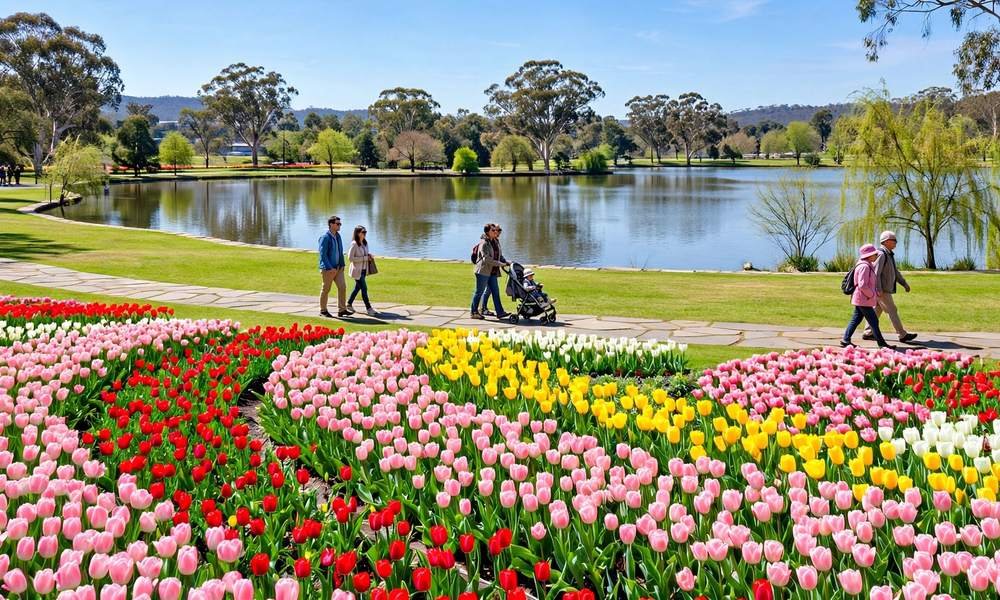
Floriade is the big reason spring draws crowds. It runs through September and October in Commonwealth Park, on the edge of Lake Burley Griffin, and it is Australia’s biggest flower festival, with more than a million blooms on show. The beds are planted in bold patterns, and there are food stalls, live music, market stalls and night events through the festival weeks.
Go on a weekday morning if you can. Weekends get busy, and the park fills up by late morning. Entry is free, and you can walk there from Civic in about 15 minutes or cycle around the lake. If you are in town for Floriade, read our full guide to things to do in Canberra to plan the rest of your days around it.
What to Do in Spring
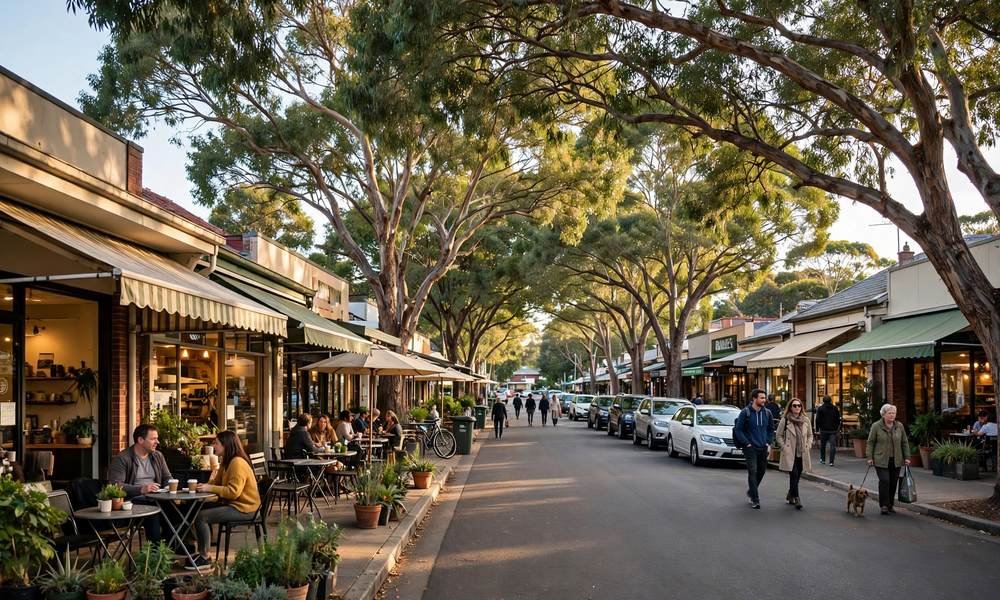
Spring is the best season for being outside. The walking and cycling paths around Lake Burley Griffin are at their best, the Australian National Botanic Gardens are full of native flowers, and the Canberra City Centre cafe tables spill onto the footpaths. It is also a great time for a family trip, because the weather suits kids and the big attractions are all open. Our Canberra with kids guide has the full list of family picks.
Spring weekends fill with markets and outdoor events. The Old Bus Depot Markets run every Sunday, and spring is a good time to visit them, because the stalls spill outside in the sun. Book your stay early if you are coming for Floriade, because rooms near the lake sell out on festival weekends. See our guide to where to stay in Canberra for the best areas.
Good to Know About Spring
Spring is one of the two busiest seasons, so expect higher room prices on Floriade weekends and longer waits at popular restaurants. That said, it is still far quieter than Sydney or Melbourne at their peak, and a midweek visit feels calm. Bring layers, sun protection and a rain jacket, and you will be ready for anything spring throws at you.
Summer in Canberra (December to February)
Summer in Canberra is warm, dry and long. Daytime highs sit near 28 to 30 degrees, nights cool to about 13 or 14 degrees, and the sun stays up until around 8 pm. The city feels relaxed, the lake is busy with kayaks and paddleboards, and the evenings are made for outdoor dining. It is also peak season, so book ahead and expect crowds at the big attractions during the school holidays.
What Summer Weather Feels Like
Most summer days are hot and dry, with low humidity that makes the heat easier to handle than on the coast. But heatwaves happen, and temperatures can push past 35 degrees, and on rare days past 40. When that happens, do your outdoor exploring early in the morning, rest through the middle of the day, and head back out in the evening when the air cools fast.
Summer storms roll through on some afternoons. They are usually short and sharp, with heavy rain and a cool change behind them. They pass quickly, so duck inside a museum or a cafe and wait them out. Sunscreen, a hat and water are not optional in a Canberra summer. The UV is very high, and you can burn in 15 minutes on a clear day.
Summer Events and Festivals
February brings the National Multicultural Festival, one of the biggest events on the Canberra calendar. The city centre fills with food stalls, music and dance from cultures around the world, and it is free to attend. January has New Year events and the summer school holidays, so the lake and the parks are full of families.
Summer is also the best time for the city’s food scene after dark. The restaurants and bars in Braddon and Manuka run late, and the waterfront spots along the lake are busy every warm evening. Our guide to the best restaurants in Canberra and the best cafes in Canberra will help you pick where to eat.

What to Do in Summer
Water is the theme of a Canberra summer. Kayak or paddleboard on Lake Burley Griffin, swim at one of the lake beaches, or take a cruise at sunset. Early mornings are the best time for walks and cycling, before the heat sets in, and the Canberra Deep Space Communication Complex and Cockington Green Gardens are good full-day trips out of the city heat.
Summer is also a good time for a road trip. The wineries of the Canberra District are in full leaf, and the coast is an easy two hour drive when you want a beach day. Our guide to day trips from Canberra covers the best of them, including the snow-free summer walks in Namadgi National Park.
Good to Know About Summer
Summer is peak season, and the school holidays from mid December to late January are the busiest weeks of the year. Book your stay well ahead, especially if you want a room near the lake. If you can travel in late February, you get the same warm weather with far fewer crowds, and the Multicultural Festival is on. Watch the fire danger ratings on very hot days, and check the forecast before any bush walk.
Autumn in Canberra (March to May)
Ask a local when to visit and many will say autumn. The heat of summer is gone, the air is crisp and clear, and the city turns red and gold. Daytime highs fall from about 25 degrees in March to 16 degrees in May, while nights drop from 10 degrees to 3 degrees. April is usually the driest month of the year, with around 25 mm of rain, which means long runs of clear, calm days.
What Autumn Weather Feels Like
March still feels like summer in the middle of the day, but the mornings turn cool and the light turns soft. April is the pick of the year for many visitors: mild days, cold clear nights, and the best chance of a full week without rain. May brings the first frosts and the first real cold, so pack a warm jacket and gloves for early mornings, even if the afternoons are still pleasant.
Autumn is the most settled season for weather. The wind drops, the skies stay clear, and the days are made for walking. It is also the best light of the year for photos, with low golden sun in the late afternoon.
Autumn Leaves and the Festival Season
Canberra is one of the best cities in Australia for autumn leaves. The Australian National Botanic Gardens, the Parliamentary Triangle and the National Arboretum all turn colour, and a walk through them in April is one of the best free things you can do in the city. Our guide to free things to do in Canberra has the best spots.
March is the busiest festival month of the year. The Enlighten Festival lights up the national buildings with projections and night events, and the Canberra Balloon Spectacular fills the dawn sky with hot air balloons over the lake. Both are free to watch, and both draw crowds, so arrive early and book your stay ahead if you are coming for them.

ANZAC Day in Canberra
ANZAC Day on 25 April is one of the most moving days on the Canberra calendar, and the city is the best place in Australia to be for it. The dawn service at the Australian War Memorial draws a huge crowd, and the national service later in the morning is just as powerful. If you plan to attend, arrive very early, dress warmly for a cold dawn, and expect road closures around the Memorial. Read our full Australian War Memorial guide before you go, so you know what to expect from the day.
What to Do in Autumn
Autumn is the best season for walking, cycling and wine. The lake loop is at its best in the cool clear air, the Canberra wineries are in harvest season, and the cellar doors are pouring the new vintage. It is also the best time to visit the big museums without crowds. Parliament House, the National Gallery of Australia and the National Museum of Australia are all quieter than in summer, and you can take your time.
Good to Know About Autumn
Autumn weekends around the Enlighten Festival and the Balloon Spectacular book out fast, so plan ahead if those are your reason for coming. Outside those weeks, autumn is calm and often cheaper than spring or summer. Bring layers, because the gap between a cold morning and a warm afternoon can be 15 degrees. A light jacket that fits in your day pack is the single most useful thing you can carry in autumn.
Winter in Canberra (June to August)
Winter in Canberra is cold, crisp and quiet. Daytime highs sit near 12 or 13 degrees, nights drop to around zero, and frost is common from late May through August. It is the coldest capital city in Australia, and the first thing most visitors notice is the light: clear blue skies, low sun and sharp shadows. If you dress for it, winter is one of the most pleasant times to explore the city.
What Winter Weather Feels Like
Winter mornings are the cold part. Frost covers the lawns, fog can settle over the lake, and the air bites until the sun climbs. By late morning the sky is usually clear and the day feels fresh rather than bitter. Nights are cold, so a warm coat, gloves and a scarf are not optional if you plan to be out after dark.
Snow almost never falls in the city itself, but it falls often in the Brindabella Ranges to the west, and the Snowy Mountains are an easy day trip or weekend away. Daylight is short in winter, with the sun setting before 5:30 pm in June, so plan your outdoor time for the middle of the day.
Truffle Season and Winter Food
Winter is truffle season in the Canberra region, and the Truffle Festival runs through June, July and August with truffle hunts, farm visits and special menus at local restaurants. It is one of the best food events in the country, and it is the main reason food lovers pick winter for their trip. The city’s restaurants lean into hearty winter food, and a long lunch by a fire is a very Canberra way to spend a cold day. See the best restaurants in Canberra for where to book.
What to Do in Winter
Winter is museum season. The National Gallery of Australia, the National Museum of Australia, Questacon and the Royal Australian Mint are all indoors, warm and mostly free, and in winter you will often have the galleries nearly to yourself. Old Parliament House is another good cold-day pick, with its museum of Australian democracy and its gardens.
If you want snow, the Snowy Mountains are about two hours away by car, and a day trip to the snow is one of the best winter days out from Canberra. Our guide to day trips from Canberra covers the snow trip in detail. Back in the city, the winter markets and the cafes of Braddon are at their cosiest.

Good to Know About Winter
Winter is the cheapest and quietest season. Rooms cost less, restaurants are easier to book, and the big attractions are crowd-free. It is the best time to visit if you are travelling on a budget or if you hate queues. The trade-off is the cold and the short days, so plan for indoor mornings and make the most of the clear midday light. If you are flying in, note that thick morning fog can delay flights at the airport in winter, so leave extra time on your travel day.
Which Season Suits Your Kind of Trip?
The right season depends on who you are travelling as. Here is the honest pick for each kind of trip.
Families with Kids
Spring and autumn are the best picks for families. The weather is mild enough for full days outside, the big attractions are open and uncrowded, and the festivals give kids something to look forward to. Floriade in spring is a hit with children, and the autumn school holidays line up with the best weather of the year. Summer works too, but the heat means you need to plan around the middle of the day. Winter suits older kids who enjoy museums, but younger ones will feel the cold on outdoor walks. Our Canberra with kids guide has the full family plan.
Couples
Autumn is the pick for couples. The leaves, the festivals and the wine region make it the most romantic season, and the restaurants are easier to book than in spring. A long lunch at a winery, a sunset walk around the lake and a quiet dinner in Manuka is a hard day to beat. Spring is a close second, with Floriade and long evenings. Winter works if you like slow days, fireside dinners and galleries without crowds.
Budget Travellers
Winter is the cheapest time to visit Canberra. Rooms cost less, flights are often cheaper, and the big attractions are free anyway, so your money goes further. Late May and August are the quietest weeks of the year, and you can often find good deals. The trade-off is the cold, so pack warm and plan your days around the museums and galleries. If winter is too cold for you, late February and early March are the next best value, with warm weather and thinning crowds.
Photographers
Autumn wins for photographers. The low golden light, the red and gold leaves and the clear air make April the best month for photos in the city. Spring is second, with the flowers of Floriade and the long soft evenings. Winter gives you frost, fog and sharp blue skies, which suit early morning shots around the lake. Summer light is harsh in the middle of the day, so shoot at dawn and dusk and rest in between.
Food Lovers
Winter is the season for food lovers, thanks to truffle season and the winter menus across the city. Autumn is a close second, with the winery harvest and the festival food stalls. Spring brings the outdoor markets and the Floriade food stalls, and summer brings long evenings of outdoor dining. There is no bad season for eating in Canberra, but winter has the most going on. Start with the best restaurants in Canberra and the best cafes in Canberra.
First-Time Visitors
If it is your first trip, come in spring or autumn. You get the best weather, the fullest event calendar and the easiest days out, and you will see the city at its best. Spring suits you if you want festivals and flowers, autumn suits you if you want calm days and clear skies. Either way, give yourself at least three days, so you can cover the national attractions properly. Our guide to things to do in Canberra is the best place to start planning.
When to Go for Each Activity
Some trips are built around one thing. Here is when each one is at its best.
Hot Air Ballooning
March is the peak month, when the Canberra Balloon Spectacular fills the dawn sky. The cool, calm autumn mornings are ideal for ballooning, and the festival is the best time to watch or to book a flight. Spring mornings work well too. Book well ahead for festival week, because flights sell out.
Cycling and Walking Around the Lake
Spring and autumn are the best months for the lake loop. The air is cool, the paths are dry and the light is good. Summer mornings are fine too, but start early and carry water. Winter midday is also good, once the fog has lifted and the sun is out. See our guide to getting around Canberra for the lake loop and the cycling paths.
Wineries and the Canberra District
Autumn is harvest season in the Canberra District, and the cellar doors are at their best from March to May. The vines turn colour, the new vintage is on pour, and the days are cool enough for a long lunch outside. Spring is also good, with green vines and warm days. Summer can be very hot in the wine country, so go early in the day. Our Canberra wineries guide covers the best cellar doors.
Snow Trips to the Snowy Mountains
July and August are the peak snow months, and the Snowy Mountains are about two hours from Canberra by car. It is an easy day trip, or a weekend away if you want more time on the snow. June can be patchy early in the season, so check snow reports before you go. Book your car and your gear ahead, because winter weekends are busy.
Markets and Shopping
The Old Bus Depot Markets run every Sunday all year, but spring and autumn are the best times to go, when the stalls spill outside and the weather suits a slow browse. Summer mornings are good too, before the heat. Winter markets are smaller and more indoors, but the food stalls are still worth the trip.
Museums and Galleries
Any season works, because the big museums are indoors and free. Winter is the quietest time, so you can take your time in the galleries. Summer school holidays are the busiest, so arrive early. If you only have one day for museums, start at the Australian War Memorial, then walk to Parliament House and finish at the National Gallery of Australia.
Crowds, Prices and School Holidays
Canberra is never as crowded as Sydney or Melbourne, but the crowds do rise and fall with the seasons. The busiest weeks are the summer school holidays from mid December to late January, the Floriade weeks in September and October, and the Enlighten Festival and Balloon Spectacular weeks in March. On those weeks, book your stay early and expect queues at the most popular attractions.
Room prices follow the same pattern. Spring and summer weekends cost the most, especially around festivals. Winter is the cheapest season, with the lowest prices and the most choice. Autumn sits in the middle, with fair prices outside the festival weeks. If you can travel midweek, you will pay less and find the city quieter in any season.
School holidays matter more than most visitors expect. The ACT school holidays fall in summer (December to January), autumn (around Easter in April), winter (July) and spring (late September to early October). During those weeks, family attractions like Questacon and Cockington Green Gardens get busy, and rooms book up. If you are travelling without kids, the weeks just after the school holidays end are some of the quietest and best value times to visit.
Public holidays also shape the crowds. ANZAC Day on 25 April brings visitors from around the country, and the long weekends around Easter and the King’s Birthday in June fill the city. Check the public holiday calendar when you pick your dates, and book ahead if your trip falls on a long weekend.
What to Pack for Canberra in Each Season
Packing for Canberra is about layers. The gap between day and night is big in every season, and the weather can turn fast. Here is what to pack for each season.
Spring Packing List
Pack light layers you can add and remove through the day: a T-shirt, a light jumper and a jacket for the morning. Bring a light rain jacket, because November is the wettest month. Add sun protection, a hat and comfortable walking shoes. If you get hay fever, pack your medicine. A small day pack is handy for carrying the layers you shed by lunch.
Summer Packing List
Pack light clothes, sunscreen, a hat and sunglasses. Bring a light jacket for the evenings, because nights cool fast even after a 30 degree day. Carry a water bottle and wear comfortable shoes for walking. If you plan to swim or kayak on the lake, pack swim gear and a towel. A small umbrella is handy for the short afternoon storms.
Autumn Packing List
Pack layers again, but warmer ones: a jumper, a jacket and a scarf for the mornings. Gloves help in May, when the first frosts arrive. Walking shoes are a must, because autumn is the best walking season. Bring a camera if you have one, because the leaves and the light are worth it.
Winter Packing List
Pack warm. A heavy coat, gloves, a scarf and a beanie are not optional, and thermal layers help on the coldest mornings. Wear shoes with grip, because frost can make paths slippery early in the day. Bring lip balm and moisturiser, because the dry cold air is hard on skin. If you are heading to the snow, hire or bring proper snow gear, because city clothes will not do.
Canberra Weather Extremes: What to Watch For
Most of the time Canberra weather is kind, but there are a few extremes worth knowing about before you travel.
Heatwaves
Heatwaves usually hit in January and February, when daytime temperatures can pass 35 degrees for several days in a row, and on rare days pass 40. When a heatwave is forecast, plan your outdoor time for the early morning, rest through the middle of the day, and drink plenty of water. The museums and galleries are air conditioned and make a good escape. Check the forecast each morning and follow local advice on very hot days.
Frost and Fog
Frost is common from late May through August, and it can be heavy on clear winter mornings. Fog settles over the lake and the valleys on autumn and winter mornings, and it can hang around until late morning. The fog can delay flights at the airport, so leave extra time if you are flying out on a foggy morning. Once the sun burns through, the day usually turns clear and bright, so do not let a foggy start put you off.
Bushfire Smoke and Fire Danger
On very hot and dry summer days, the fire danger rating can rise, and smoke from fires in the region can drift over the city. If you are visiting in summer, check the fire danger rating and the air quality before any bush walk, and follow local advice. Most summer days are fine, but it pays to check, especially in January and February.
How Many Days Do You Need in Canberra?
Three days is the sweet spot for a first visit in any season. That gives you a day for the national attractions around the lake, a day for the museums and galleries, and a day for the outdoors, whether that is the lake loop, the wineries or a day trip. Two days is enough to see the highlights, but you will be moving fast. Five days lets you slow down, add a day trip to the coast or the snow, and enjoy the food scene properly.
Season changes the pace. In summer, plan your days around the heat: out early, rest at midday, out again in the evening. In winter, plan around the short days: start late, use the midday light, and finish with a long dinner. In spring and autumn, you can keep a steady pace all day, which is another reason those seasons are the easiest for a first trip. Our guide to things to do in Canberra has a three day plan you can follow.
FAQs About Visiting Canberra
What is the best month to visit Canberra?
October and April are the two best months. October has Floriade, mild days near 20 degrees and long afternoons. April has the autumn leaves, ANZAC Day, the driest weather of the year and calm clear days. If you can only pick one month, pick April for the weather or October for the flowers.
What is the cheapest time to visit Canberra?
Winter, from June to August, is the cheapest time. Rooms cost less, flights are often cheaper, and the big attractions are free anyway. Late May and August are the quietest weeks of the year. The trade-off is the cold, so pack warm.
Does it snow in Canberra?
Snow almost never falls in the city itself, and when it does it is light and melts fast. Snow falls often in the Brindabella Ranges to the west and in the Snowy Mountains, about two hours away, where you can ski in July and August. If you want a snow day, plan a trip to the mountains rather than waiting for snow in the city.
Is Canberra worth visiting in winter?
Yes, if you like quiet streets, cheap rooms and museums without crowds. Winter days are cold, with highs near 12 degrees and frosty mornings, but the skies are often clear blue, the food scene is at its best with truffle season, and the snow is an easy day trip away. Dress warm and you will enjoy it.
When is Floriade in Canberra?
Floriade runs through September and October each year in Commonwealth Park, on the edge of Lake Burley Griffin. It is Australia’s biggest flower festival, with more than a million blooms, and entry is free. Go on a weekday morning to avoid the weekend crowds.
What is the weather like in Canberra in December?
December is the start of summer, with daytime highs near 27 degrees and nights near 12 degrees. The days are long, with the sun up until around 8 pm, and the city has a festive feel. It is also the start of the school holidays, so book your stay early.
Final Thoughts on Visiting Canberra
Spring or autumn will suit most travellers. Spring gives you Floriade, mild days and long evenings. Autumn gives you the leaves, the festivals, the driest weather and the calmest streets. But the honest truth is that there is no bad month in Canberra. Summer has the lake, the long days and the festivals. Winter has the quiet, the cheap rooms, the food and the snow trips. Each season shows you a different city, and each one is worth seeing.
Pick the season that fits what you want from the trip, pack for the weather, and book your stay early if you are coming for a festival. Then let the city do the rest. If you are ready to plan, start with our guide to things to do in Canberra, then sort your stay with where to stay in Canberra and your transport with getting around Canberra. Canberra rewards the traveller who takes their time, in any season.
Keep exploring:
- Things to Do in Canberra: Complete Guide
- Free Things to Do in Canberra
- Where to Stay in Canberra: Best Areas and Hotels
- Getting Around Canberra: Transport Guide
- Best Day Trips from Canberra
- Canberra with Kids: Family Guide
- Best Restaurants in Canberra
- Best Cafes in Canberra
- Canberra Wineries: Wine Region Guide
- Lake Burley Griffin: Complete Guide
- Australian War Memorial: Complete Visitor Guide
- Parliament House Canberra: Visitor Guide